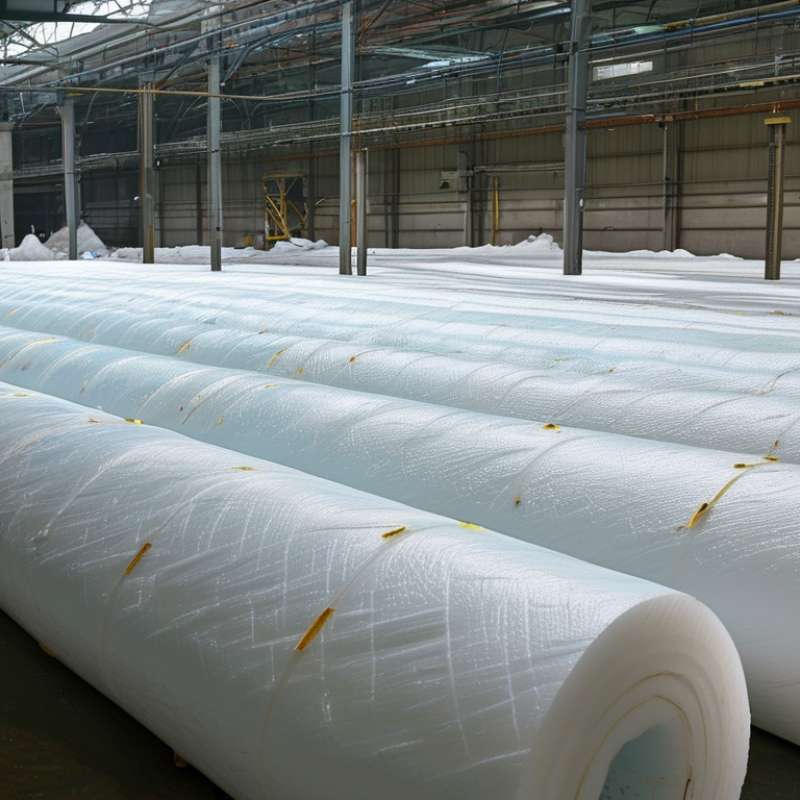
In today's competitive market, buyers must find effective solutions for insulation needs. The demand for quality foam insulation wrap continues to grow globally. This essential material provides energy efficiency, superior thermal protection, and moisture resistance.
As industries evolve, selecting the right foam insulation wrap becomes crucial. Various options are available, tailored to specific applications. However, not every solution is created equal; some may lack durability or exhibit poor performance. Buyers must navigate this complex landscape for reliable products.
In this dynamic environment, understanding the nuances of foam insulation wraps is key. Many manufacturers promote their innovations, but buyers should critically evaluate these claims. It's essential to prioritize trusted brands with a solid reputation. Selecting the best option requires consideration of both technical specifications and real-world performance.
Overview of Foam Insulation Wrap: Types and Benefits
Foam insulation wrap is a versatile solution for modern insulation needs. It comes in various types, such as polyethylene and polyurethane, providing flexibility for different applications. According to a recent report by MarketsandMarkets, the global insulation market is projected to reach $70 billion by 2026, with foam insulation wraps accounting for a significant market share. These wraps not only improve thermal performance but also enhance energy efficiency in buildings.
Foam insulation wraps offer numerous benefits, including moisture resistance and sound dampening. Their lightweight nature makes them easy to handle, reducing installation time and labor costs. Research indicates that proper insulation can save homeowners up to 30% on energy bills annually. It's a tangible way to reduce environmental impact while improving comfort at home.
In selecting foam insulation, consider the R-value, which measures thermal resistance. A higher R-value indicates better insulation performance. While foam wraps are effective, they require proper installation for optimal results. Misalignment or gaps can lead to energy loss. Always ensure that the installation environment is free from contaminants for enduring effectiveness.
2026 Top Foam Insulation Wrap Solutions
This chart illustrates the popularity of different types of foam insulation wraps based on their thermal resistance (R-value) and cost-effectiveness. The data reflects trends anticipated for 2026, showcasing a variety of solutions available to global buyers.
Key Features to Consider When Choosing Foam Insulation Wrap
When selecting foam insulation wrap, several key features should be prioritized. The R-value is critical. It measures thermal resistance. Higher R-values indicate better insulation performance. According to the U.S. Department of Energy, a minimum R-value of 13 is recommended for walls in moderate climates. Ensure that the foam wrap meets or exceeds this standard.
Material durability is another aspect to consider. Foam insulation wraps have varying lifespans. Some products last longer under challenging conditions. Look for resistance to moisture and pests. Research shows that wraps that resist mold growth can enhance indoor air quality. Additionally, ease of installation can save time and money on projects. A straightforward application process encourages proper sealing.
Tips for choosing the right foam wrap include checking for certifications. Look for industry standards that ensure quality. Always read consumer reviews for real-world performance. Be cautious of misleading advertisements. Remember, not all claims are backed by factual data. Evaluating the specifications and genuine user feedback can lead to better choices.
Top Foam Insulation Wrap Solutions for Various Applications
Foam insulation wraps are essential for a variety of applications, from construction to packaging. Their versatility makes them a popular choice among global buyers. These wraps provide thermal insulation, impact protection, and moisture resistance. Homeowners can benefit from using these wraps to insulate pipes, walls, and attics. Industries might use them to protect sensitive equipment during transport.
When selecting a foam insulation wrap, consider the specific needs of your project. Evaluate factors like thickness, density, and material type. These choices can significantly impact performance. Sometimes, buyers choose wraps based on price alone, which can lead to reduced effectiveness. It's essential to balance cost with quality to ensure optimal performance.
For optimal application, prepare surfaces by cleaning them thoroughly. This enhances adhesion and effectiveness. Experiment with different types of wraps to find the perfect match for your specific needs. In the end, taking the time to choose wisely can save you money in the long run.
2026 Top Foam Insulation Wrap Solutions for Global Buyers
| Application |
Material Type |
R-Value per Inch |
Thickness (inches) |
Temperature Range (°F) |
Fire Rating |
| Residential Insulation |
Polyurethane Foam |
6.0 |
2 |
-40 to 200 |
Class A |
| HVAC Systems |
Closed-Cell Foam |
7.0 |
1.5 |
0 to 180 |
Class B |
| Industrial Applications |
Open-Cell Foam |
3.5 |
3 |
-20 to 150 |
Class C |
| Automotive Insulation |
EPS Foam |
4.0 |
1 |
-10 to 120 |
Class A |
| Packaging Solutions |
Polyethylene Foam |
2.0 |
2.5 |
-30 to 150 |
Class B |
Comparative Analysis of Leading Brands in Foam Insulation Wrap
When considering foam insulation wraps, buyers often face a multitude of options. The diversity in materials, thickness, and application methods can be overwhelming. Many companies offer innovative products that claim to provide superior thermal resistance and moisture control. However, not all choices live up to their promises. Real-world performance is paramount. Some wraps excel in durability but may fall short in insulation value.
Selecting a foam insulation wrap also involves examining the intended use. Commercial projects often require a robust solution that can withstand harsh conditions. In contrast, residential applications might prioritize ease of installation and cost-effectiveness. Each brand usually has its strengths and weaknesses. Consumers should assess factors such as R-value, fire resistance, and sustainability. Misleading marketing techniques can lead to confusion, so it’s essential to rely on verified user experiences and scientific data.
Moreover, customer feedback often reveals overlooked issues. Some wraps may perform well initially but degrade faster than expected. Others might not adhere properly or require special installation techniques. It's crucial to gather detailed insights from various sources before making a decision. Being informed helps to ensure that the chosen product meets both immediate needs and long-term expectations.
Future Trends and Innovations in Foam Insulation Wrap Solutions
The foam insulation wrap market is evolving rapidly. Future trends highlight sustainable materials and smart technology integration. Manufacturing processes are becoming more efficient, reducing waste and increasing performance. These innovations focus on environmental impact and energy savings.
Foam insulation wraps are being designed with a blend of recycled materials. This development not only enhances the insulation properties but also appeals to eco-conscious consumers. Expect to see more products that offer similar benefits while minimizing carbon footprints. Industry experts suggest that this shift will cater to a growing demand for sustainable building practices.
Consider the benefits of improved insulation. Enhanced performance can lead to significant energy savings over time. When selecting foam insulation wraps, evaluate their thermal resistance and durability. Performance should be balanced with cost. Future buyers should keep an eye on warranties and certifications to ensure product reliability. Investing in well-researched options can prevent future regrets.
FAQS
: Foam insulation wrap is a versatile material used to improve thermal performance in buildings.
The two main types are polyethylene and polyurethane, each suitable for different applications.
Proper insulation can save homeowners up to 30% on energy bills, making homes more comfortable.
Check the R-value for thermal resistance; higher R-values generally indicate better performance.
Misalignment and gaps can cause energy loss, affecting overall insulation effectiveness.
Some wraps may degrade quickly or may not adhere properly, leading to potential issues later on.
Research user experiences, check scientific data, and assess product claims critically before deciding.
Commercial use may require durability, while residential applications may focus on cost-effectiveness and ease of installation.
Misleading claims can confuse buyers; prioritize verified data and reviews to make an informed choice.
Feedback can reveal performance issues that are not apparent initially, guiding better purchasing decisions.
Conclusion
Foam Insulation Wrap serves as an essential solution for thermal resistance in various applications, offering significant benefits such as energy efficiency and sound insulation. Different types of foam insulation wraps are available in the market, each with unique properties catering to specific needs. When selecting the right foam insulation wrap, buyers should consider key features such as R-value, thickness, and moisture resistance to ensure optimal performance.
The article also explores various top foam insulation wrap solutions suitable for diverse applications, providing a comparative analysis of leading brands to help buyers make informed decisions. Additionally, it highlights future trends and innovations in this field, showcasing advancements that promise to enhance the effectiveness and applicability of foam insulation wraps in various industries.
 Kingflex