1. Structural Decarbonization and the Critical Role of Advanced Fiber Matrix Insulation
In the modern industrial landscape, energy containment and thermal management systems are vital. As infrastructure continues to scale globally, selecting the appropriate isolation material is no longer just a functional necessity—it is a critical pillar of environmental sustainability and economic efficiency. Glass wool insulation products have emerged as the benchmark solution for thermal protection, acoustics, and fire safety.
By leveraging a micro-fibrous borosilicate glass structure, glass wool systems trap millions of microscopic air pockets within their matrix. This limits conductive and convective heat transfer. From commercial HVAC ducting to cryogenic storage facilities operating at extreme sub-zero temperatures, the material's structural integrity, dimensional stability, and high resilience play a central role in mitigating heat loss, preventing condensation, and deadening structural acoustics.
SEO Search Intent Focus: For industrial procurement managers and HVAC engineers, the primary metric of concern is long-term thermal reliability (R-value stability) coupled with flame retardance. Discover how our engineered materials ensure optimal return on investment (ROI) over extended operation cycles.
2. The Kingflex Legacy: 40+ Years of Pioneer Manufacturing
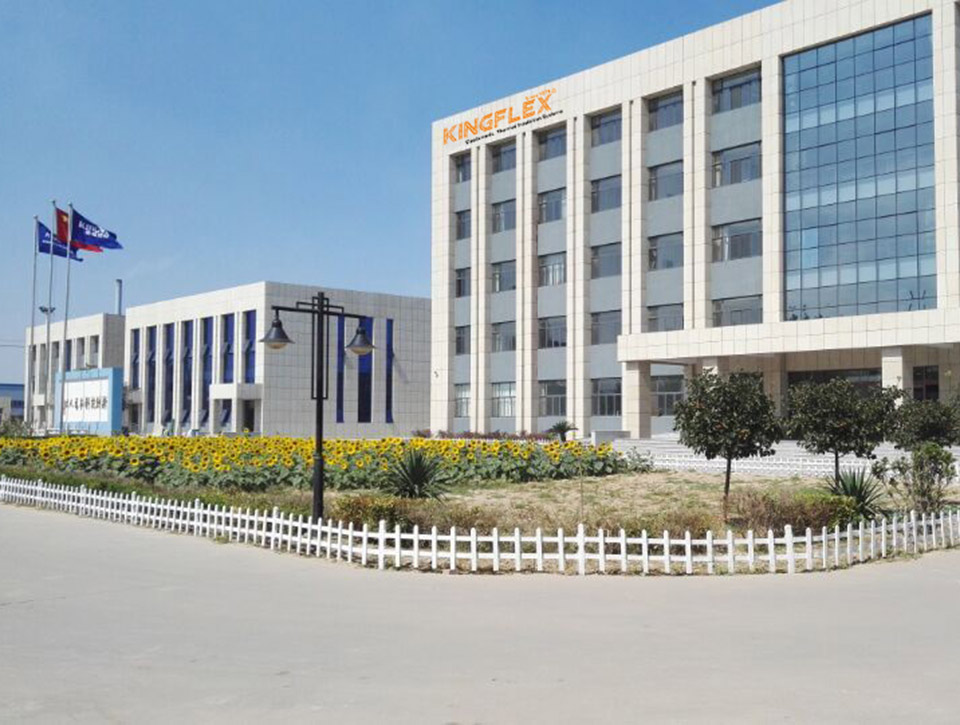
Kingflex Insulation Co., Ltd. is a leading manufacturer and trading group specializing in advanced thermal insulation systems. Our central research, development, and production facility is located in Dacheng, China—a globally recognized hub for green building materials. Kingflex operates with a core focus on energy conservation and environmental stewardship, integrating research, large-scale production, global sales, installation consulting, and comprehensive after-sales support.
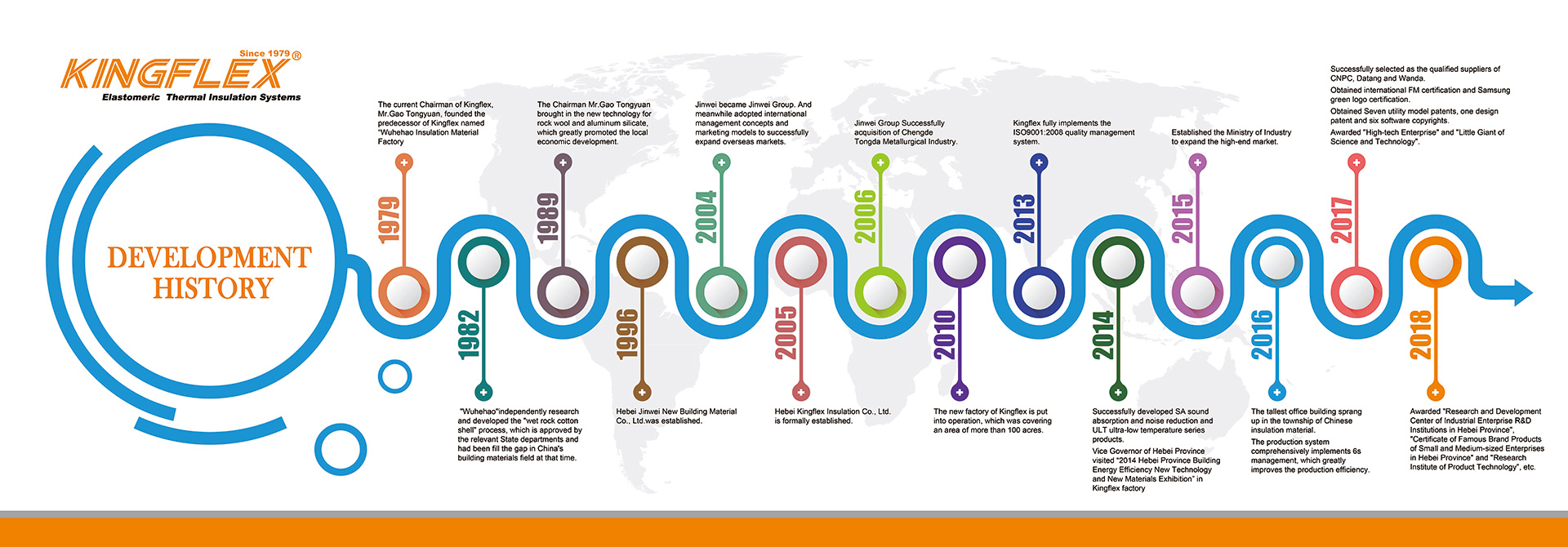
Established by the Jinwei Group, which has a manufacturing heritage dating back to 1979, Kingflex carries over 40 years of industry experience. Jinwei Group was the first manufacturer of thermal insulation materials north of the Yangtze River. Today, our engineering team, which includes specialized R&D specialists, leads the industry in developing advanced closed-cell elastomers and glass wool solutions.
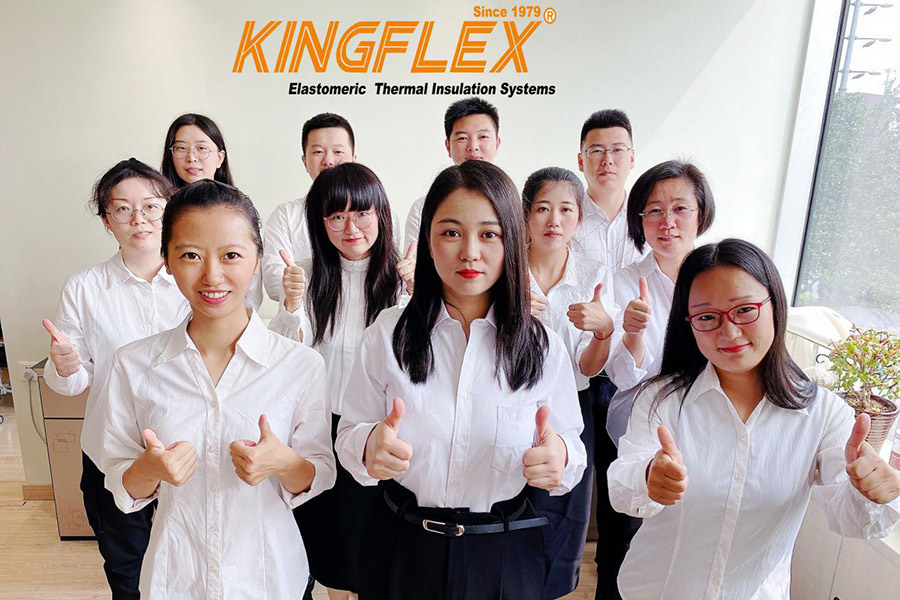
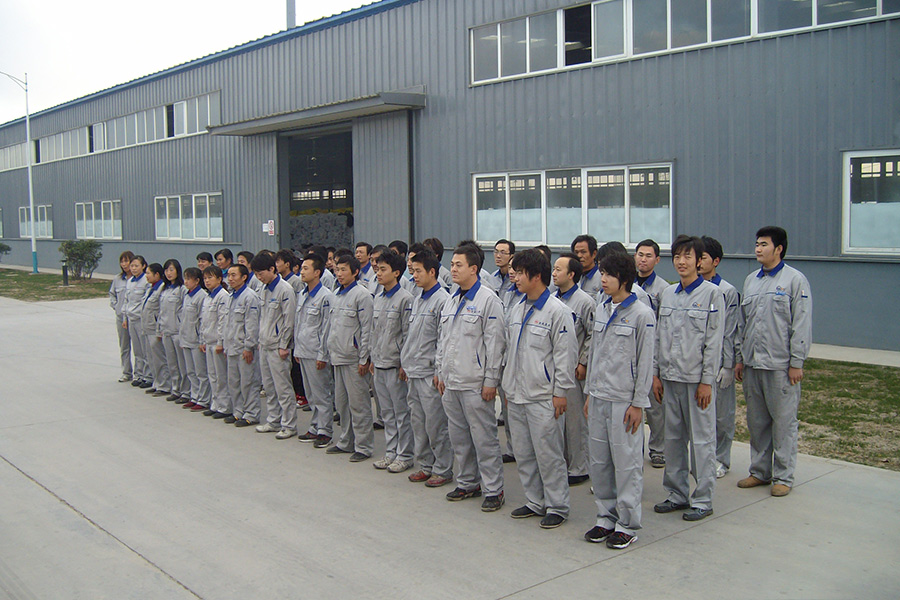
Our dedicated team operates with a unified vision: delivering top-tier insulation products to meet the evolving demands of our global clientele.
5+
Automatic Assembly Lines
600K+ m³
Annual Production Capacity
66+
Exported Countries
40+ Yrs
Industrial History
Technical Specifications & Material Comparison
Comprehensive physical properties of standard NBR/PVC elastomeric rubber foam and mineral wool solutions engineered by Kingflex.
Material Type / Code
Standard Thickness Range
Density Range
Service Temperature Range
Thermal Conductivity (λ)
Closed-Cell Rate / Structure
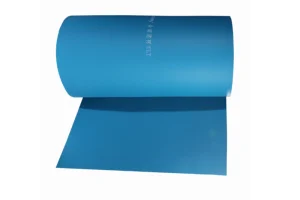
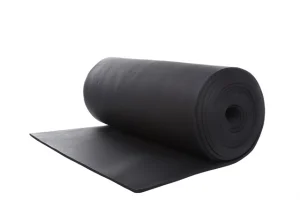
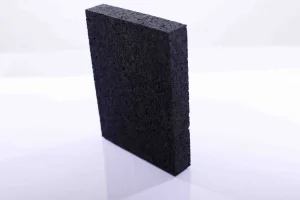
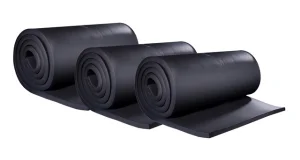
Black Rubber Foam Sheet Roll
6mm - 50mm
40 - 55 kg/m³
-40 ℃ to 105 ℃
≤ 0.035 W/(m·K) at 0 ℃
> 98% (Closed-Cell)
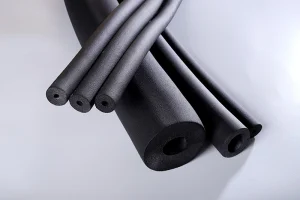
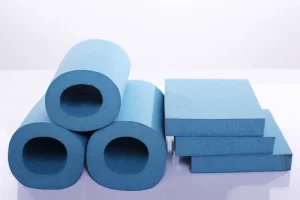
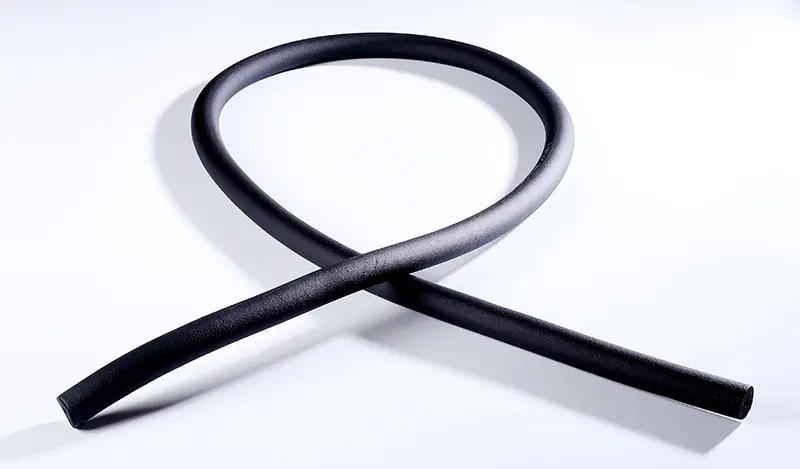
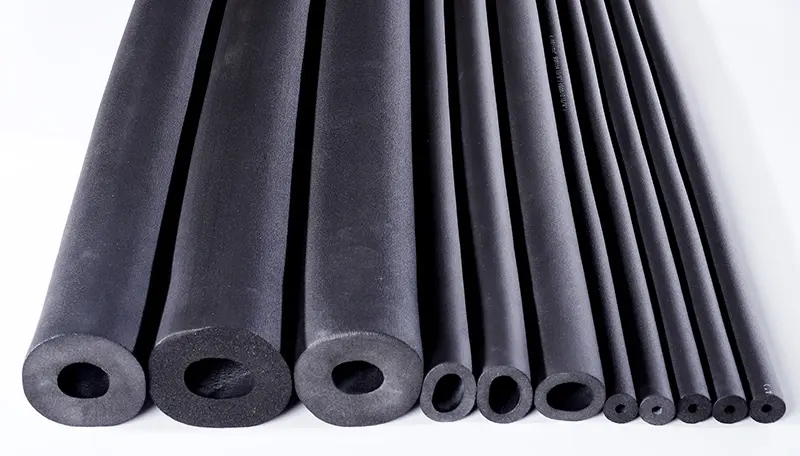
Black Rubber Foam Pipe (NBR/PVC)
9mm - 40mm (ID: 6-114mm)
40 - 55 kg/m³
-40 ℃ to 105 ℃
≤ 0.035 W/(m·K) at 0 ℃
> 98% (Closed-Cell)
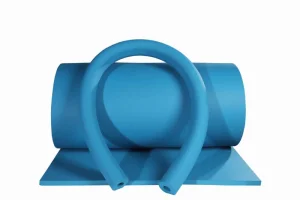
Cryogenic Elastomeric Tube/Sheet
13mm - 50mm
50 - 65 kg/m³
Down to -200 ℃
≤ 0.032 W/(m·K) at -100 ℃
> 98.5% (High Density)
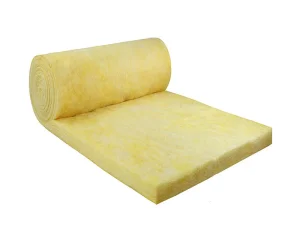
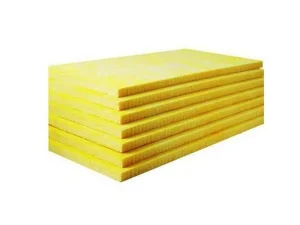
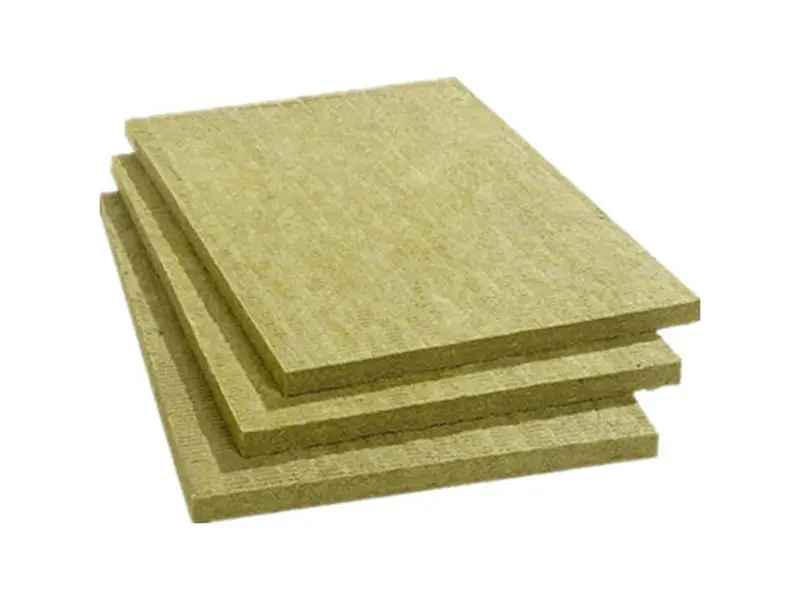
Glass Wool Thermal Blanket / Board
25mm - 150mm
10 - 96 kg/m³
Up to 400 ℃
≤ 0.034 - 0.042 W/(m·K)
Open Fibrous Micro-Matrix
3. Global B2B Procurement Demands & Macro Industry Solutions
Analyzing procurement requirements for international contractors, engineering consultants, and energy managers.
Supply Chain Reliability & Shipping Density
For global distributors and EPC firms, freight costs represent a significant percentage of the total cost of ownership (TCO). Kingflex addresses this challenge by utilizing advanced compression technologies for glass wool rolls, reducing transport volumes by up to 4:1. This optimized volume density reduces maritime shipping rates while preserving the recovery characteristics of the glass fibers upon unboxing.
Compressed packaging designed for rapid structural loft recovery.
Reinforced moisture-proof outer wraps.
Custom container consolidation configurations.
Structural Stability Under Harsh Conditions
Industrial installations subject materials to physical stresses, including pipeline vibration, thermal expansions, cycles of freezing and thawing, and high relative humidity. Kingflex products feature high-resilience glass fibers and premium NBR base polymers to maintain structural integrity. This prevents compression settling, keeping the thermal barrier uniform for up to 15 years.
Chemically inert glass fibers prevent mold and decay.
4. Technological Roadmap: The Future of High-Performance Insulation
Our commitment to R&D shapes a technology roadmap aimed at achieving zero emissions, formaldehyde-free binders, and high thermal efficiency.
Eco-Friendly Materials & Next-Gen Binders
Traditional insulation products historically relied on phenol-formaldehyde binders. Kingflex is leading the transition toward bio-soluble and formaldehyde-free binders. This shift helps reduce volatile organic compounds (VOCs) in indoor environments while keeping our materials non-combustible.
Thermal Performance at Cryogenic and Elevated Extremes
Our tech roadmap targets dual performance: high-temperature resistance for power generation pipelines and cryogenic stability down to -200 °C for petrochemical and liquid natural gas (LNG) systems. By modifying our chemical formulations, we prevent thermal cracking at ultra-low temperatures and oxidation at high-temperature extremes.
Direct Value to EPCs: Our products meet strict environmental and indoor air quality standards (REACH, ROHS) while providing reliable thermal protection in extreme industrial environments.
5. Global Commercial & Industrial Application Scenarios
Where Kingflex thermal systems are deployed across commercial facilities, infrastructure, and heavy industrial operations.
1. Central HVAC Air Duct & Pipe Wrap
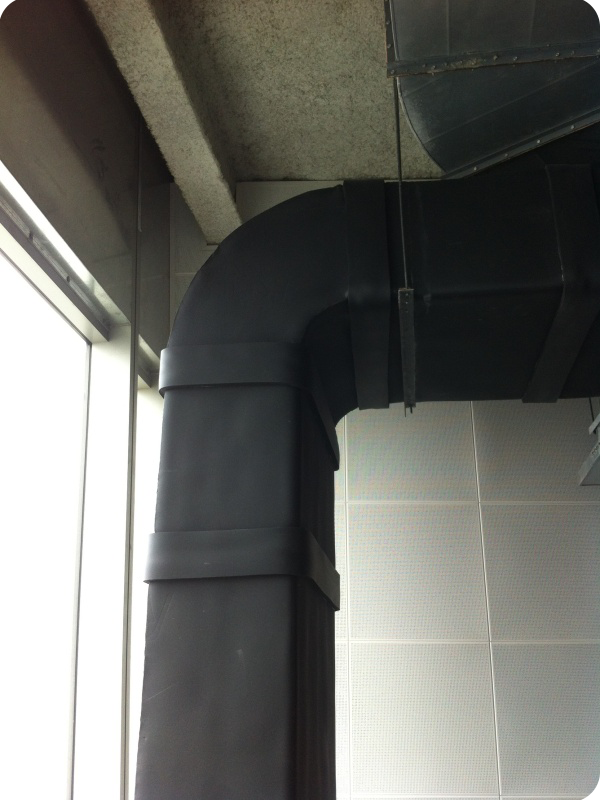
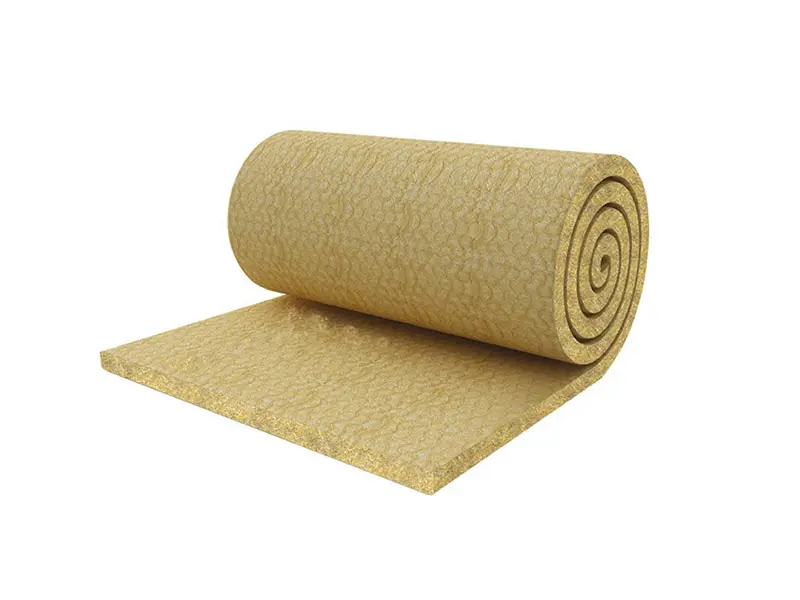
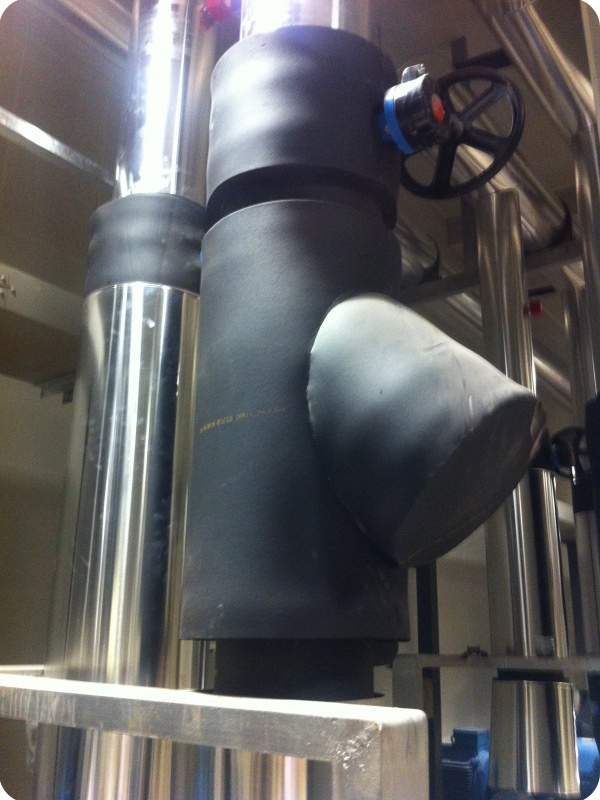
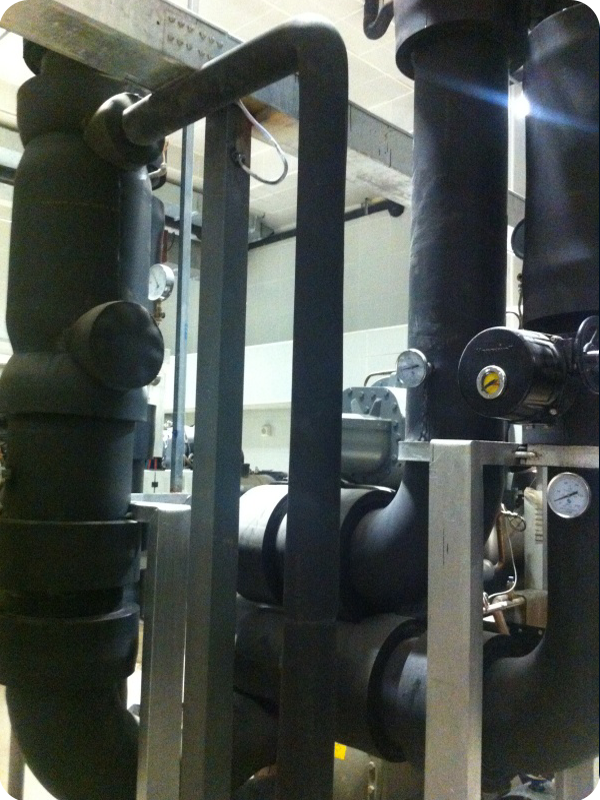
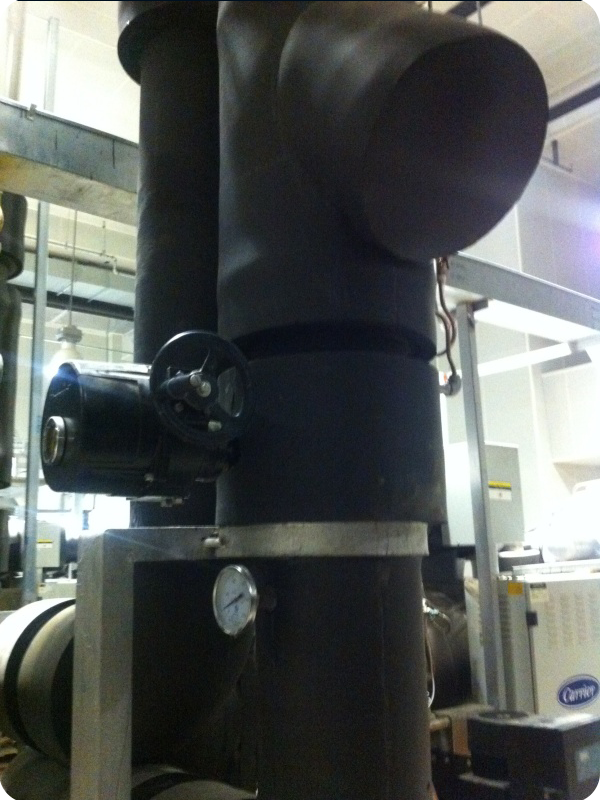
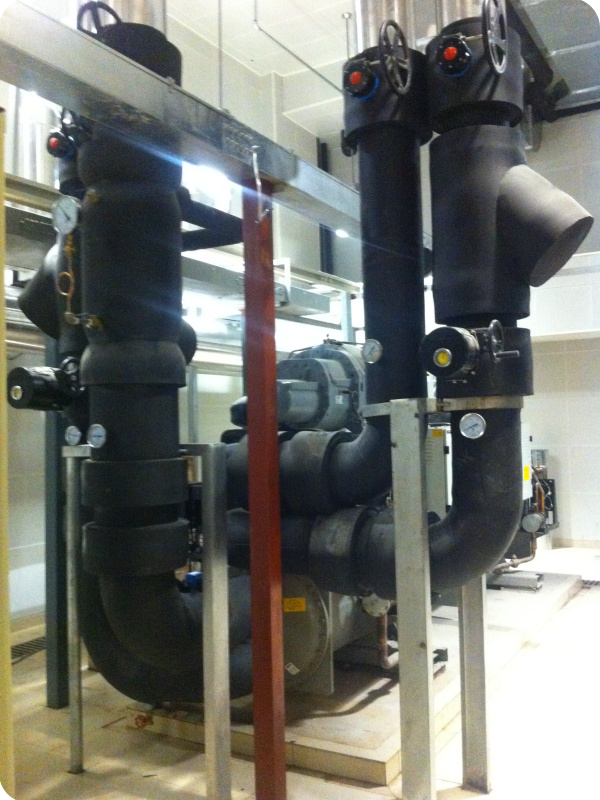
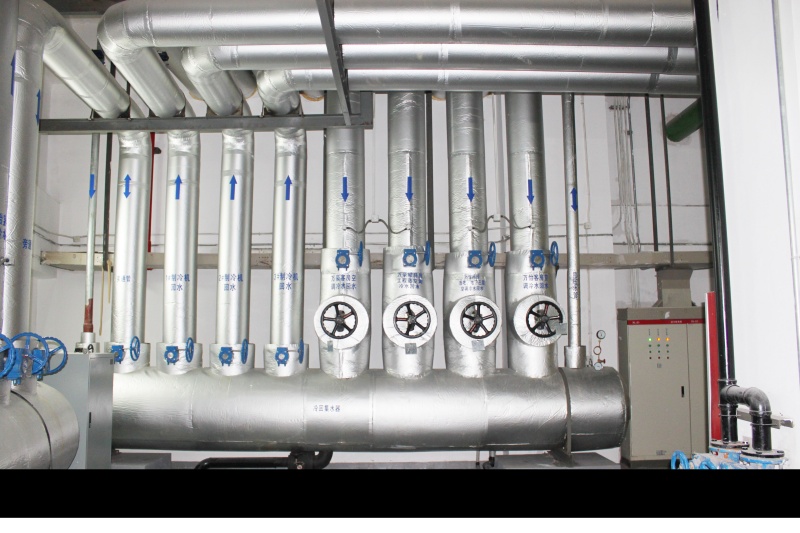
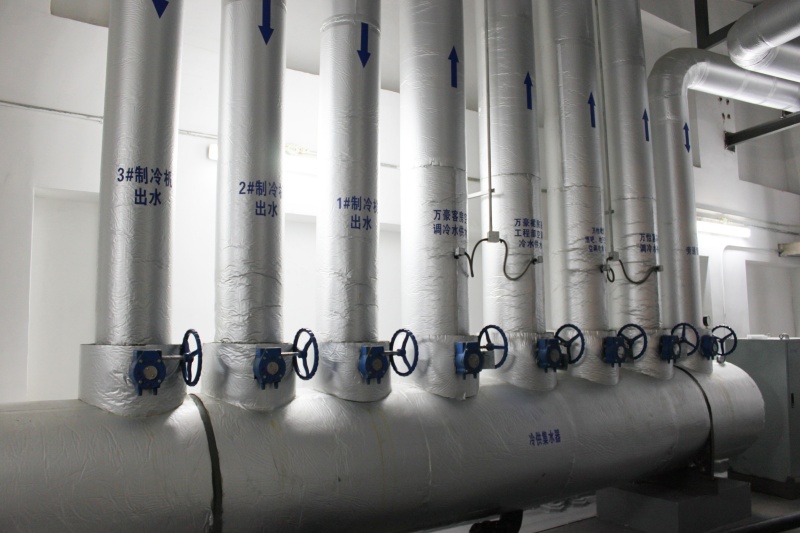
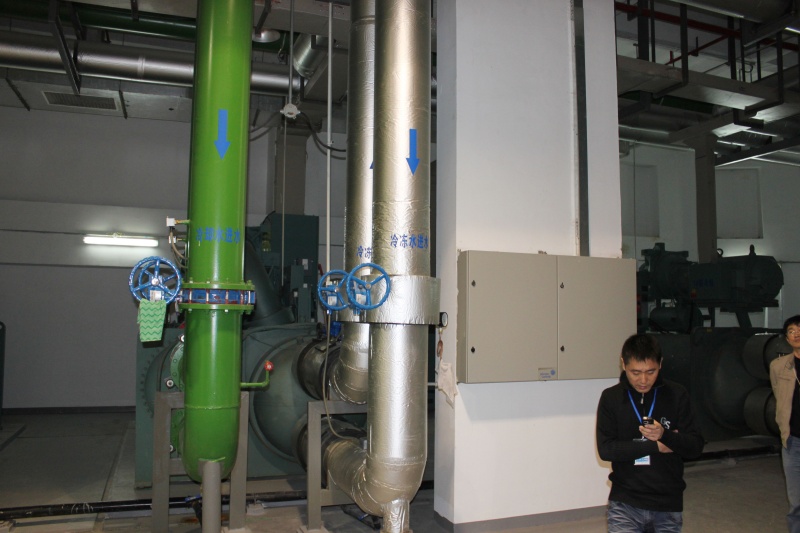
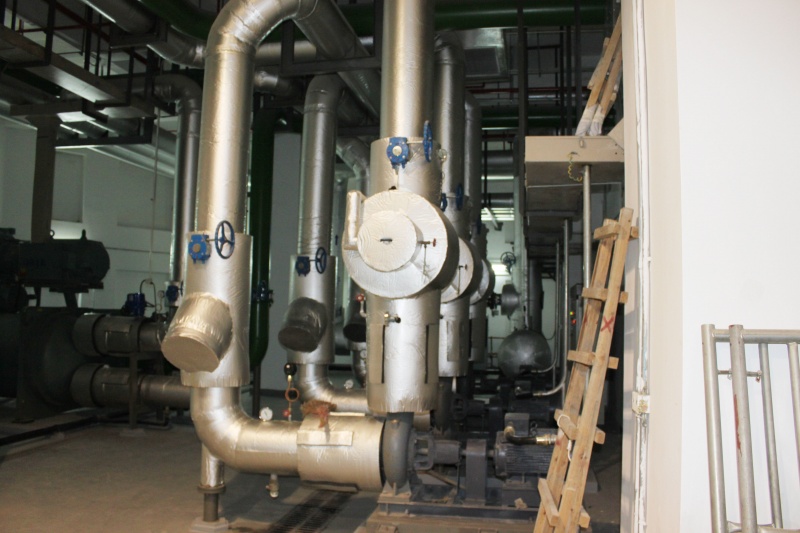
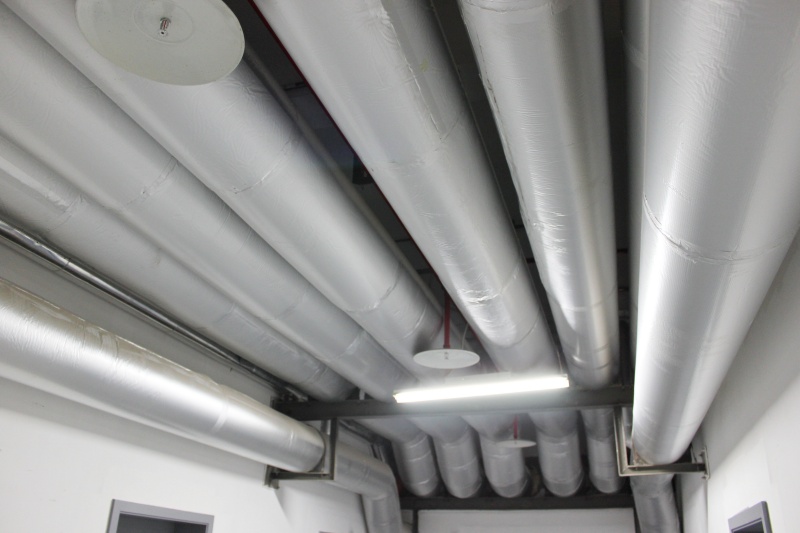
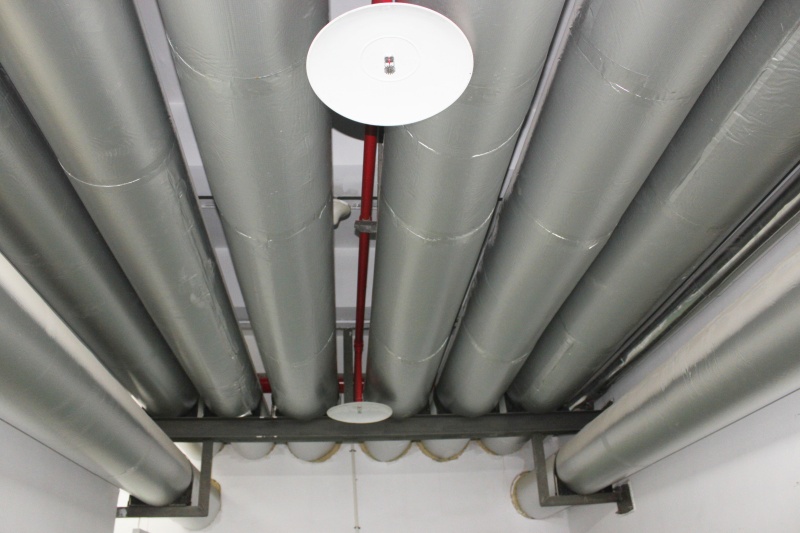
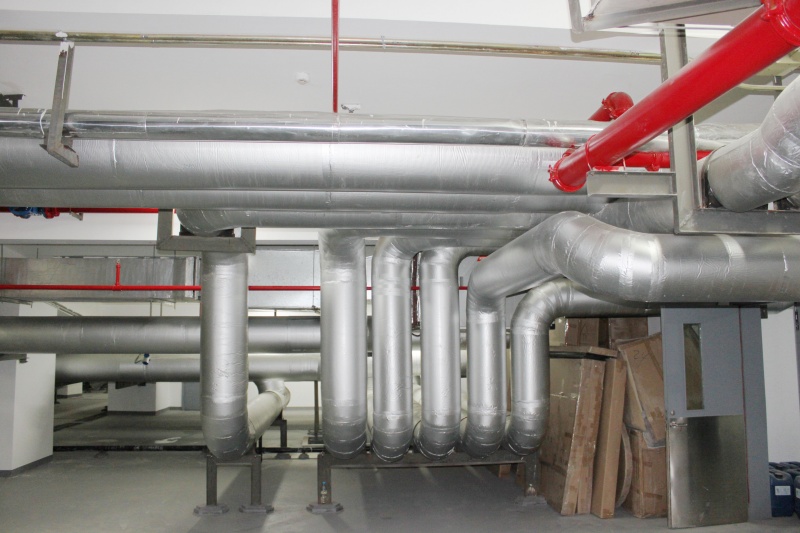
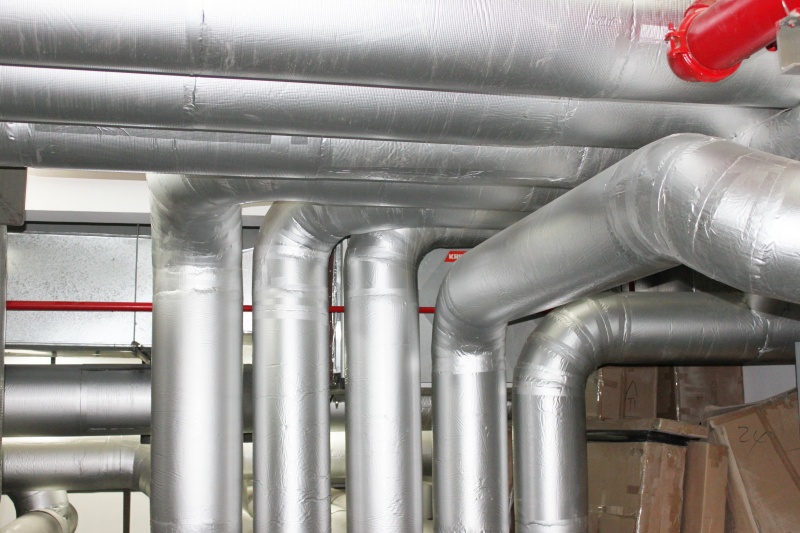
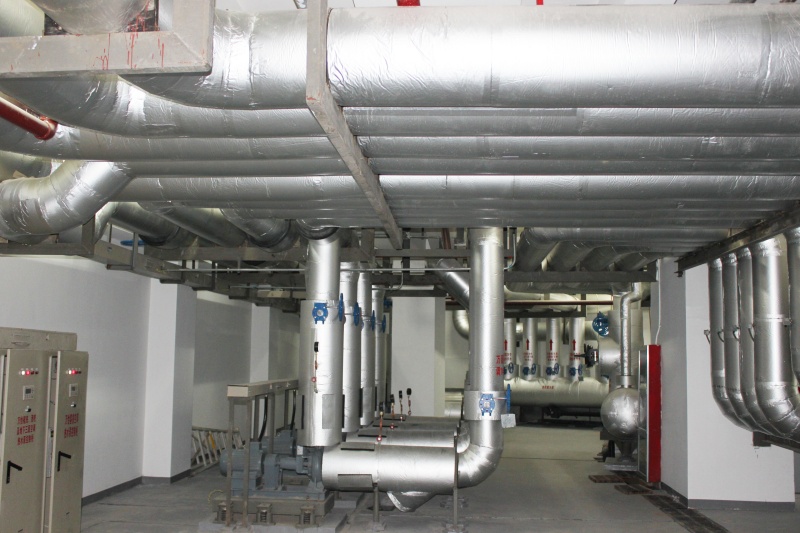
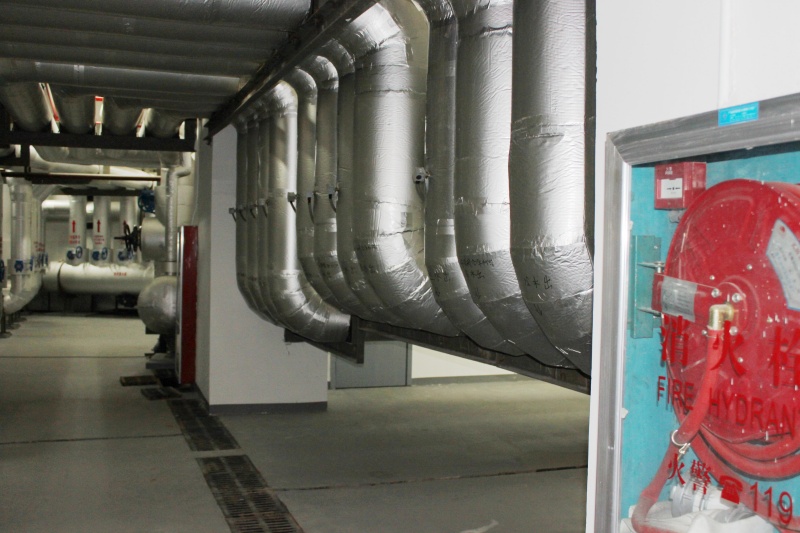
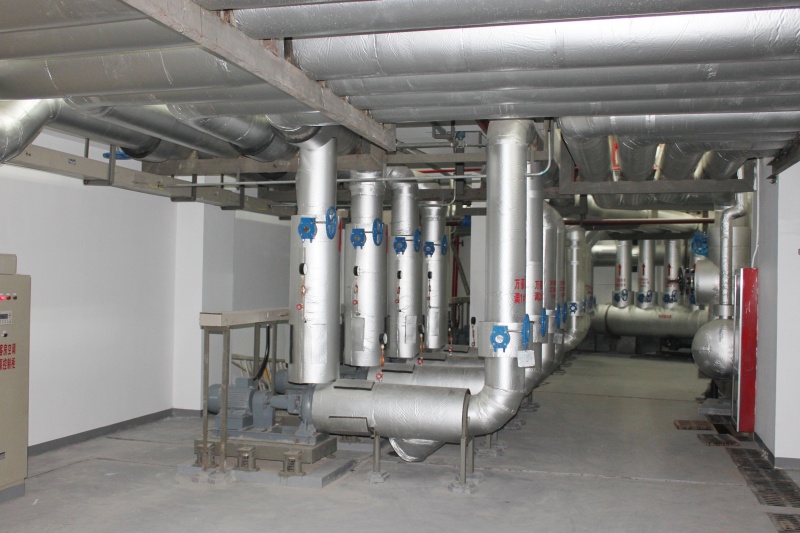
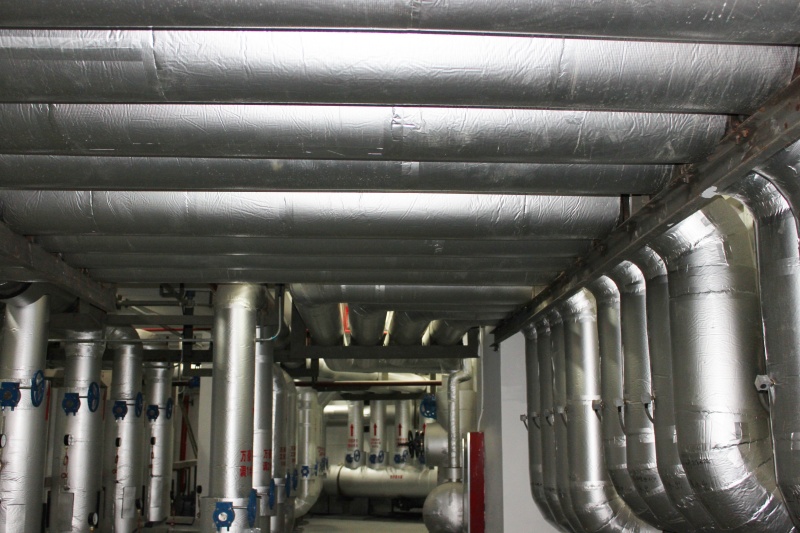
In high-occupancy environments like hospitals, retail centers, and hotels, HVAC systems consume substantial power. Our glass wool blankets and elastomeric tubes provide thermal insulation for chilled/hot water lines and ventilation ducts. This reduces heat exchange and prevents condensation.
Minimizes HVAC power draw and prevents condensate drippage.
Acoustic isolation reduces fan and airflow noise.
2. Heavy Process Piping & Industrial Plants
Chemical refineries and power plants depend on consistent high-temperature processes. Our rock wool and fiberglass boards insulate chemical piping, steam distribution mains, and storage tanks. This helps stabilize process conditions and reduces surface temperatures to protect plant personnel.
Designed for operating temperatures up to 400 °C.
Protects personnel by keeping exterior pipe surfaces cool.
3. Cryogenic Containment & Cold Chain Systems
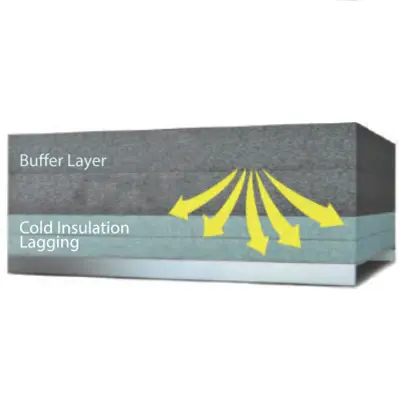
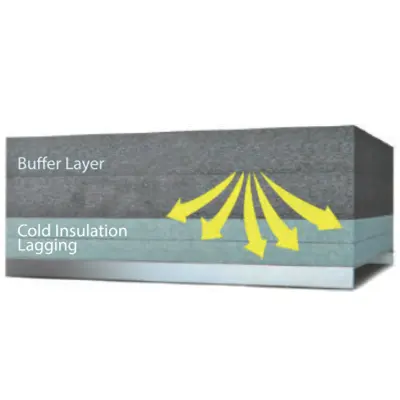
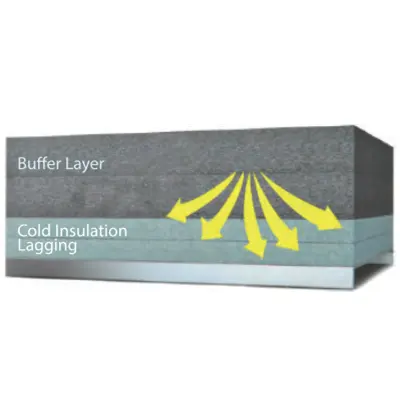
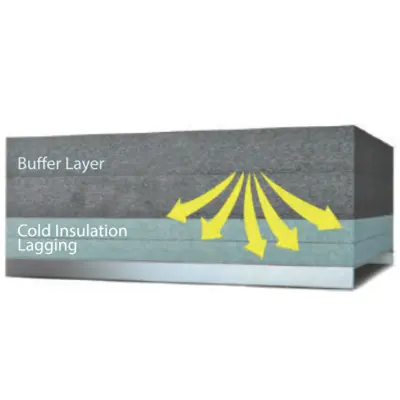
Liquid nitrogen, LNG, and deep refrigeration lines operate in ultra-low environments. Standard insulation is prone to thermal cracking and moisture buildup, which can compromise system performance. Kingflex's cryogenic insulation system uses elastic closed-cell foam to maintain thermal protection down to -200 °C.
Remains flexible at cryogenic temperatures to absorb pipe movement.
High moisture resistance prevents ice buildup.
6. Project Success & Verifiable Customer Support
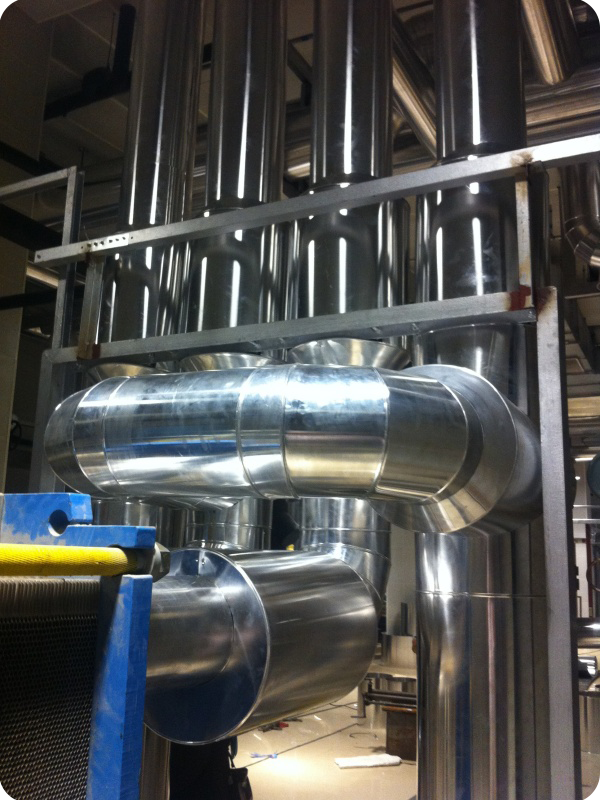
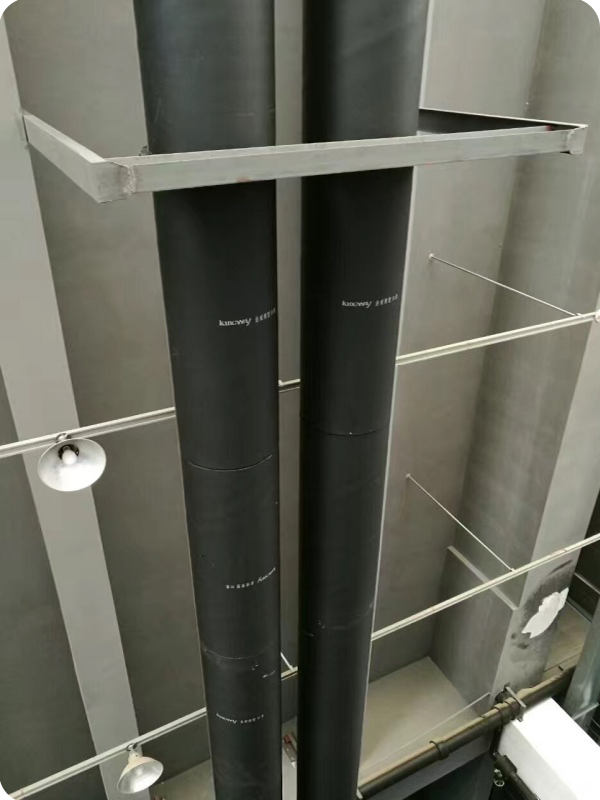
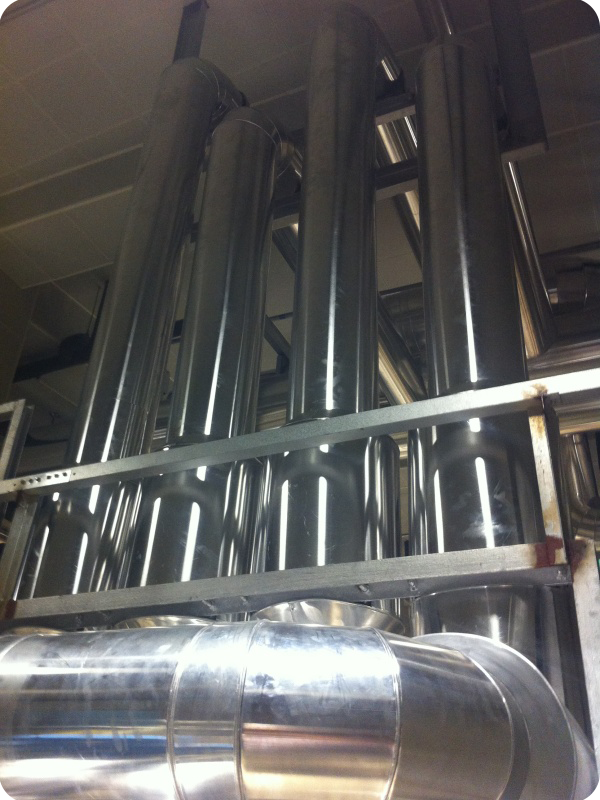
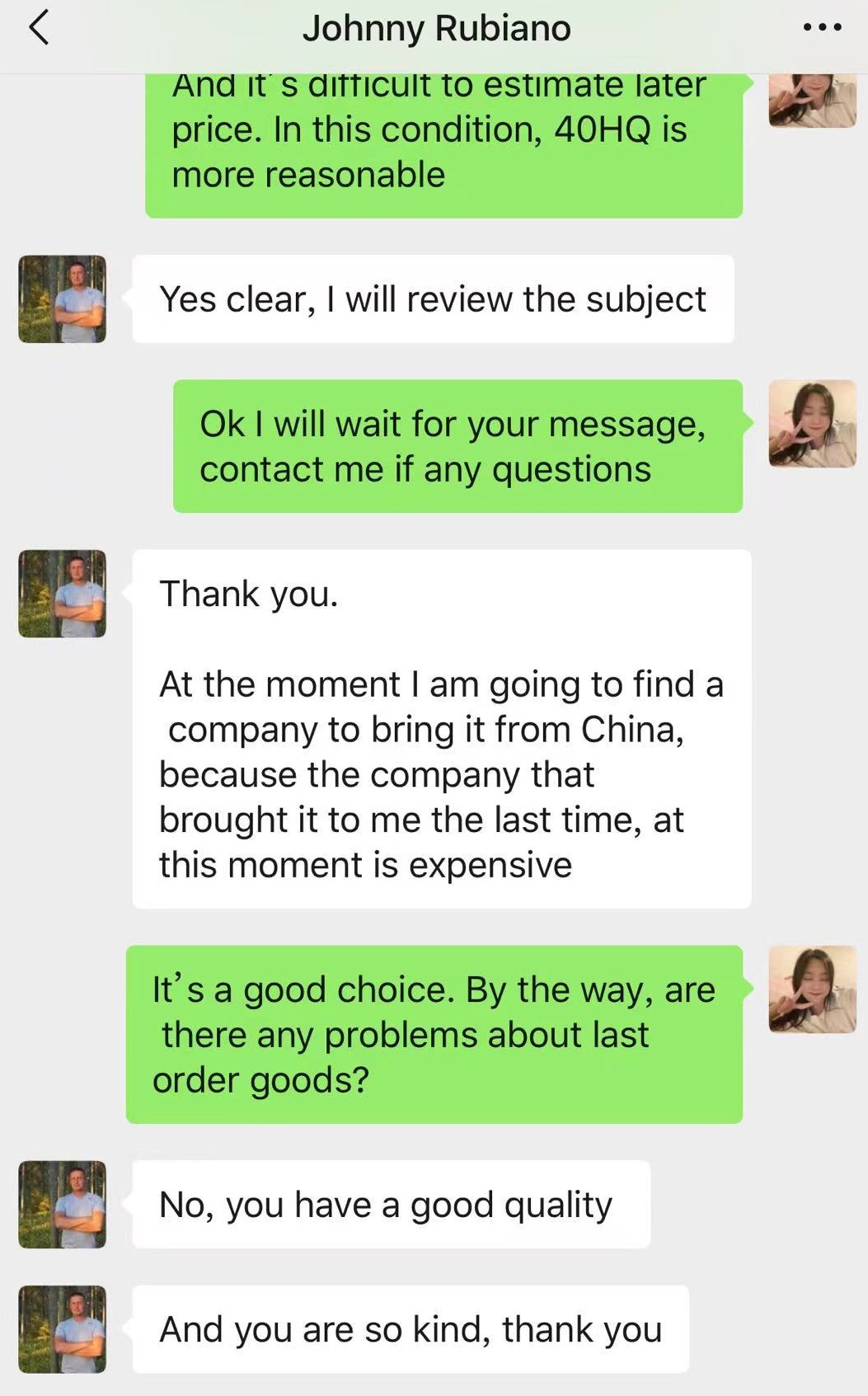
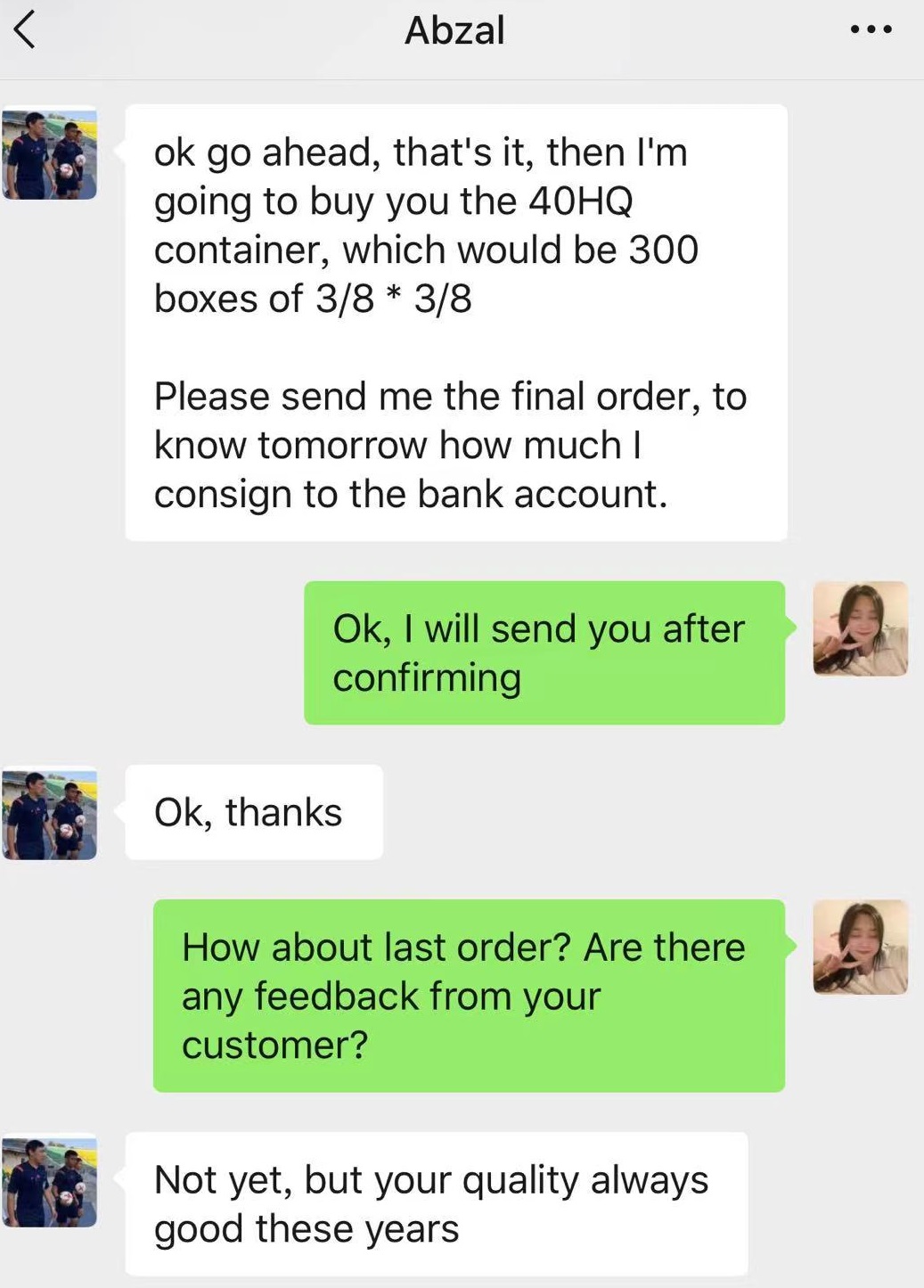
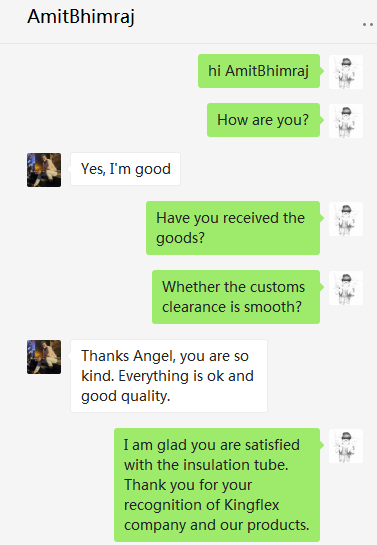
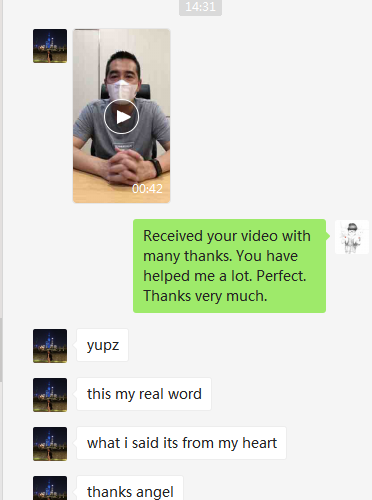
Real project sites, construction installations, and actual client messaging screenshots showing our global field reliability.
Customer Consultation Screenshots
7. Product Compliance & Traceability Assurance
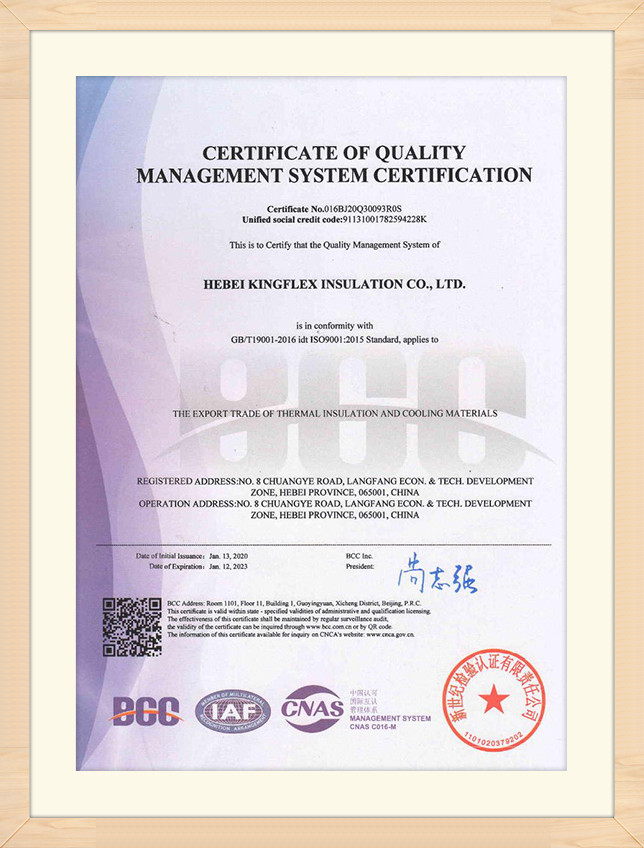
In the global industrial sector, third-party compliance verification is critical. Our facilities maintain quality management standards that ensure all manufactured batches are fully traceable from raw materials through delivery.
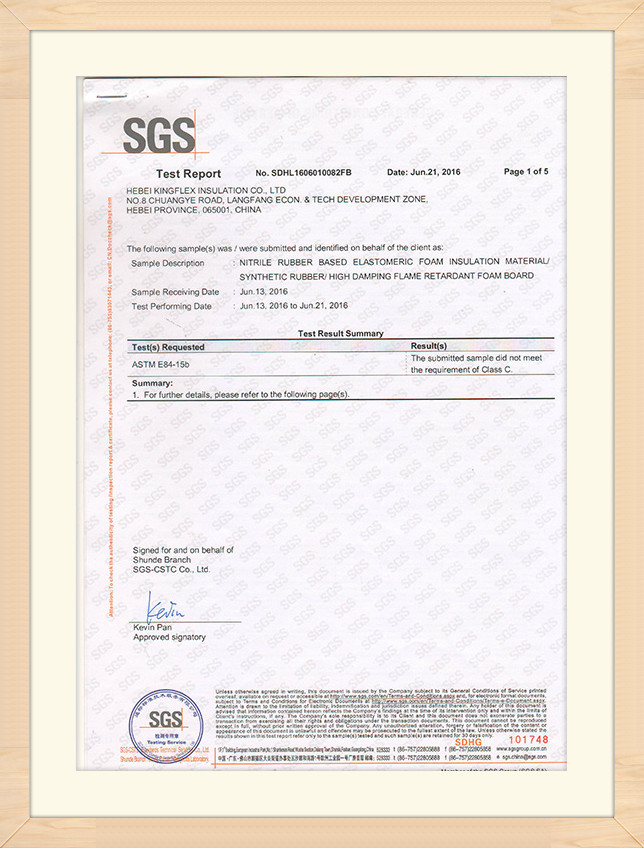
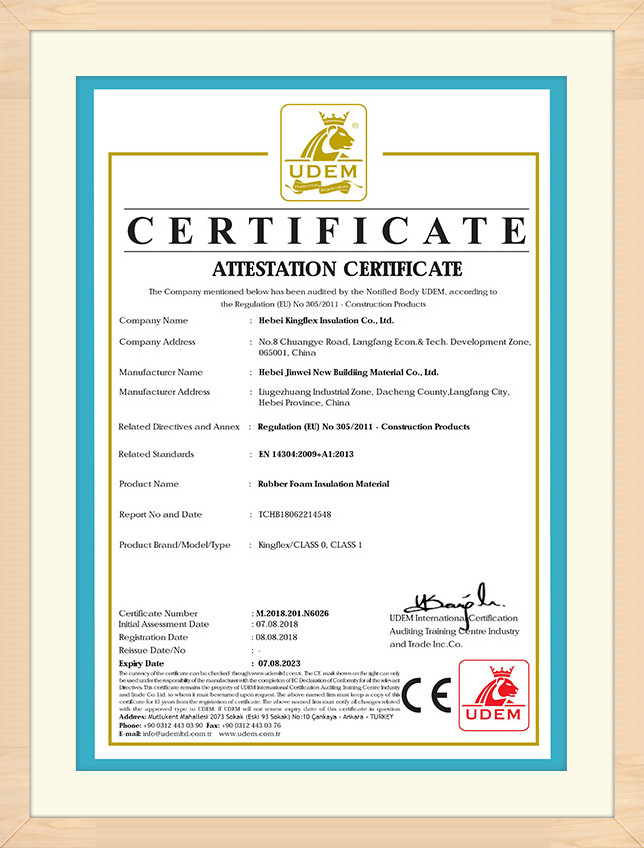
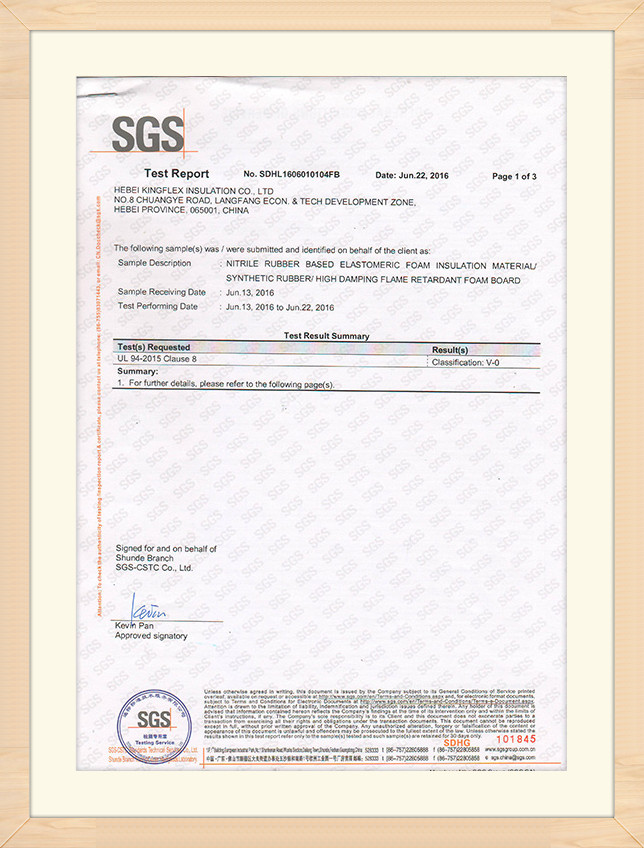
Kingflex thermal insulation and elastomeric rubber products hold certifications from major international laboratories, meeting standards such as BS 476, CE, REACH, ROHS, UL94, and ASTM. This ensures compliance with local building codes, fire regulations, and environmental safety requirements worldwide.
Flame Propagation Control: Non-combustible base elements that restrict smoke generation.
Traceable Quality Systems: Every batch is logged to guarantee consistent thermal and mechanical performance.
Technical FAQ: Industry Standards & Sourcing
Expert insights on product engineering, installation guidelines, international standards, and OEM options.
Q1: What is elastomeric rubber foam insulation used for?
It is mainly used for HVAC ducts, air conditioning pipes, building thermal insulation, industrial pipeline cold insulation, and sound insulation. Its closed-cell structure prevents moisture penetration, making it ideal for chilled water lines where condensation control is critical.
Q2: Is Kingflex rubber foam insulation fire resistant?
Yes, our rubber foam insulation products are formulated with flame retardants, meeting strict safety standards for building and industrial projects, including BS 476 Class 0, ASTM E84, and UL94 V-0 flame spread standards.
Q3: What is the main difference between rubber foam and rock wool/glass wool insulation?
Rubber foam is flexible, has a closed-cell structure, and offers high moisture resistance, making it suitable for HVAC systems and cold insulation. Glass wool and rock wool feature a fibrous, open structure that is highly fire-resistant and suitable for high-temperature industrial pipelines and acoustic installations.
Q4: Do you provide customized insulation products?
Yes, we offer comprehensive OEM services, including custom thicknesses, densities, inner diameters (ID) for pipes, backing foils (such as Aluglass), and custom cut sheets to match specific project requirements.
Q5: What certifications do your products have?
Our products have passed BS 476, CE, REACH, ROHS, UL94, ASTM, and other international certifications, ensuring compliance with global environmental and safety standards.
Q6: Does Kingflex products have traceability?
Yes, Kingflex products have full traceability. Every production batch is coded and logged, linking it back to the raw material inputs and quality inspection records to ensure consistent performance.
Q7: What thickness of Rubber foam insulation sheet roll can you produce?
We produce a wide thickness range from 6mm to 50mm, allowing engineering teams to specify the exact dimensions required to meet their thermal performance calculations.
Q8: What is the average service life of rubber plastic pipe and board?
When installed correctly and protected from direct weathering, our rubber foam products have a service life of approximately 10 to 15 years, maintaining stable thermal conductivity throughout.
Explore More Advanced Materials
Select specialized thermal and acoustic products tailored for high-specification projects.
Specific data guidelines for standard industrial black rubber foam sheet rolls and pipes.
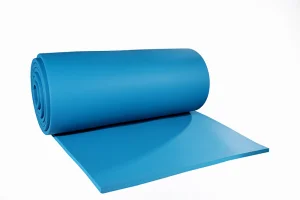
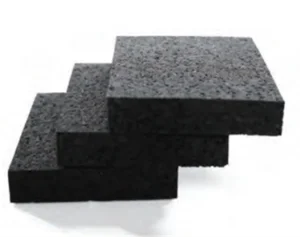
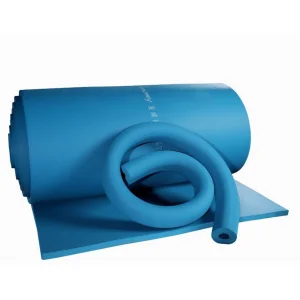
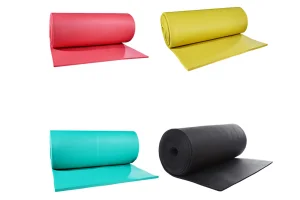
Black Rubber Foam Insulation Sheet Roll
Standard Dimensions: Material thickness options span from 6mm to 50mm, with density levels kept in the 40-55kg/m³ range. Designed for a service temperature envelope of -40 ℃ to 105 ℃.
Primary Mechanical Advantages: Shows fine cell structures with a closed cell rate exceeding 98%. Low water absorption prevents moisture-induced thermal degradation. The material also maintains compression resilience above 80% under standard load.
Common Uses: Insulation wrapping for central air conditioning ducts, structural wall dampening, roofing, cold storage rooms, and marine insulation systems.
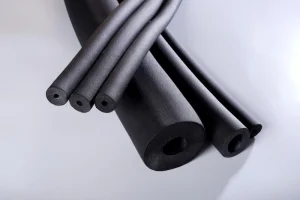
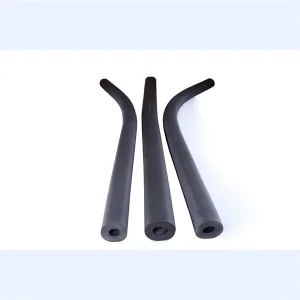
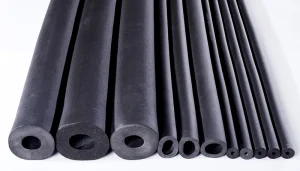
Black Rubber Foam Insulation Pipe
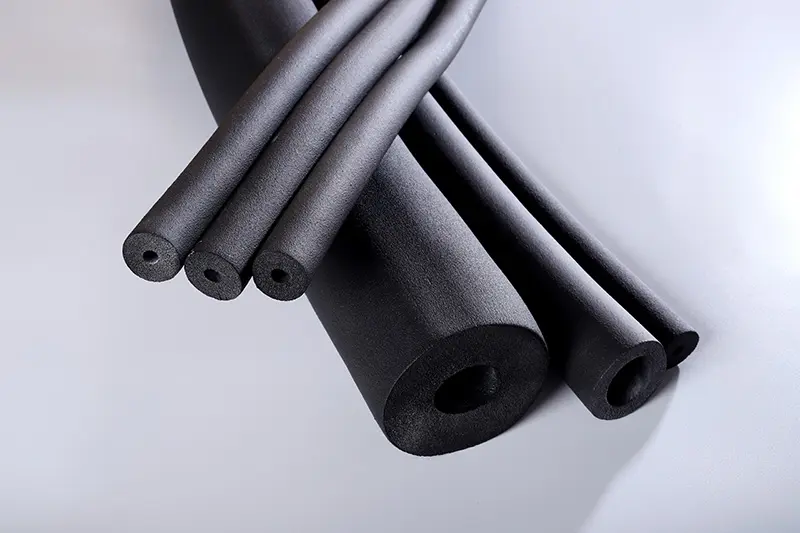
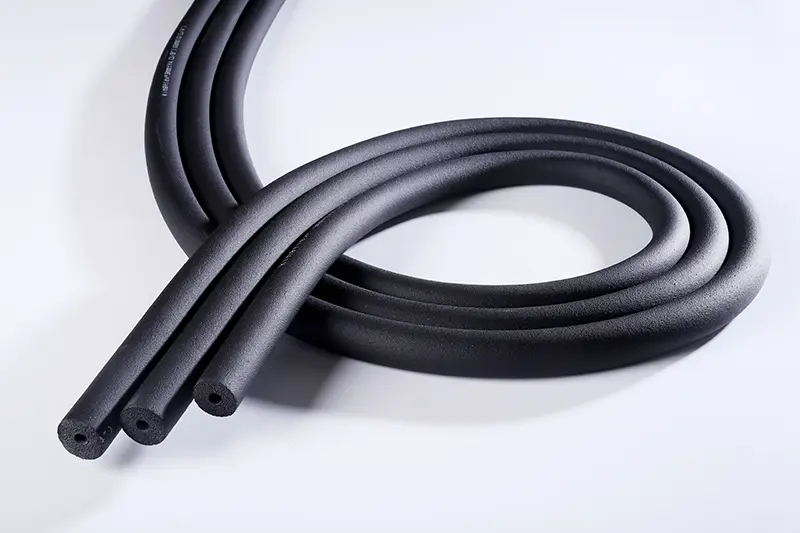
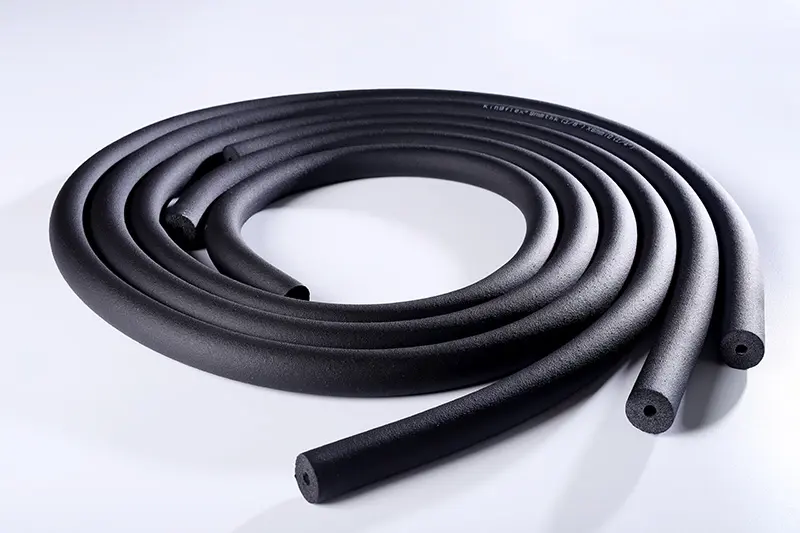
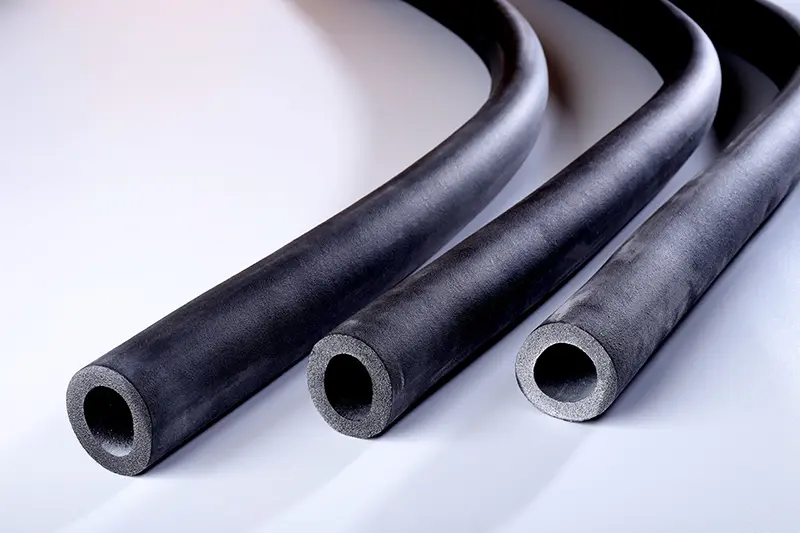
Standard Dimensions: Wall thickness options run from 9mm to 40mm, designed for pipe diameters (ID) from 6mm up to 114mm. Made from quality NBR/PVC compound blends.
Primary Mechanical Advantages: Extruded using professional pipe spraying equipment to ensure uniform inner and outer diameters. Protects pipes against frost damage and thermal loss, and resists chemical deterioration in process environments.
Common Uses: Cold and hot water plumbing systems, condensate lines, HVAC piping, chemical process plants, solar water heating systems, and refrigeration piping.
Extended Product Gallery
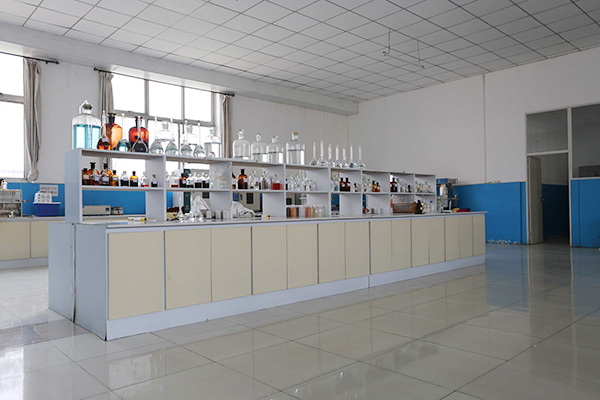
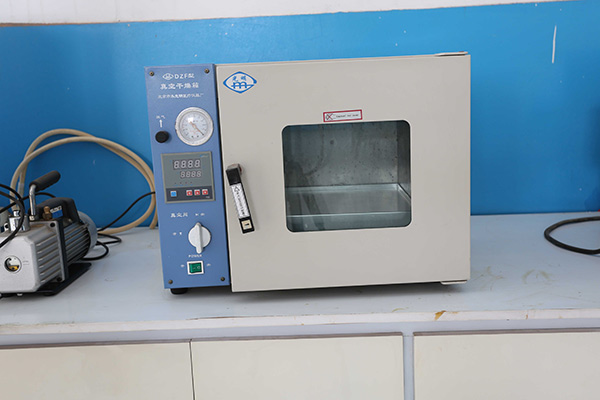
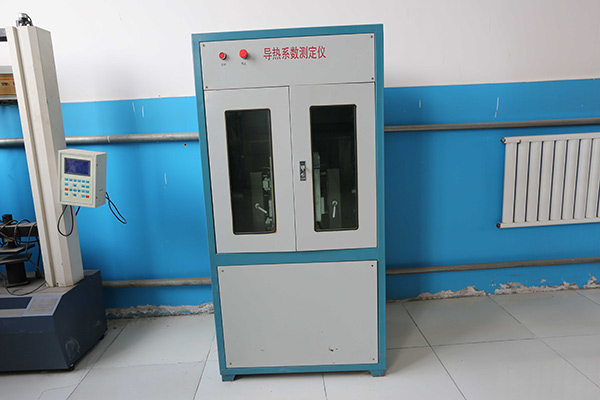
Project Testing & Quality Control Operations
Every step of our process—from product testing to raw material selection—is monitored to maintain quality standards.
 Kingflex