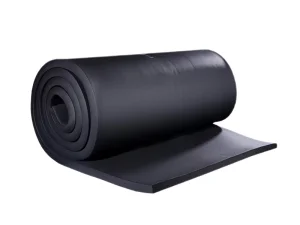
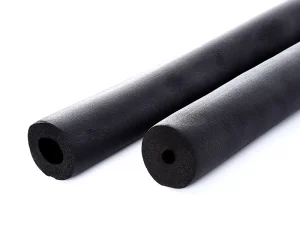
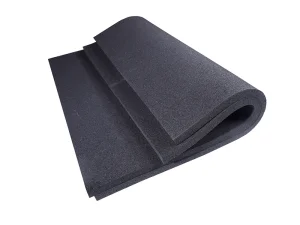
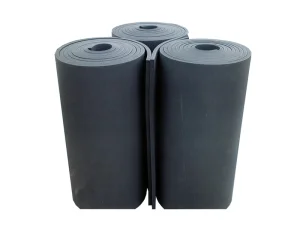
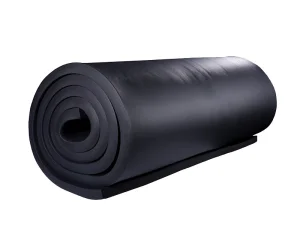
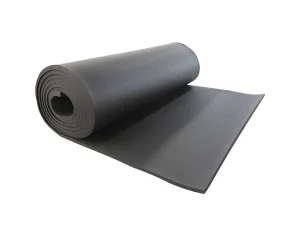
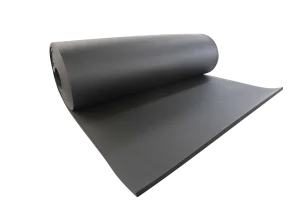
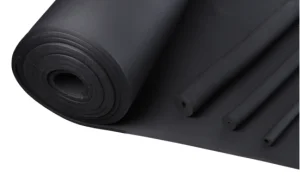
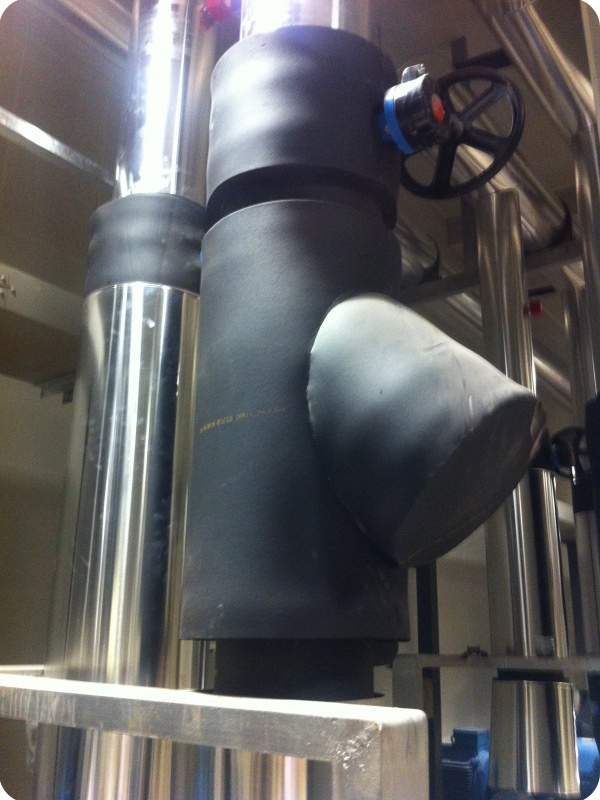
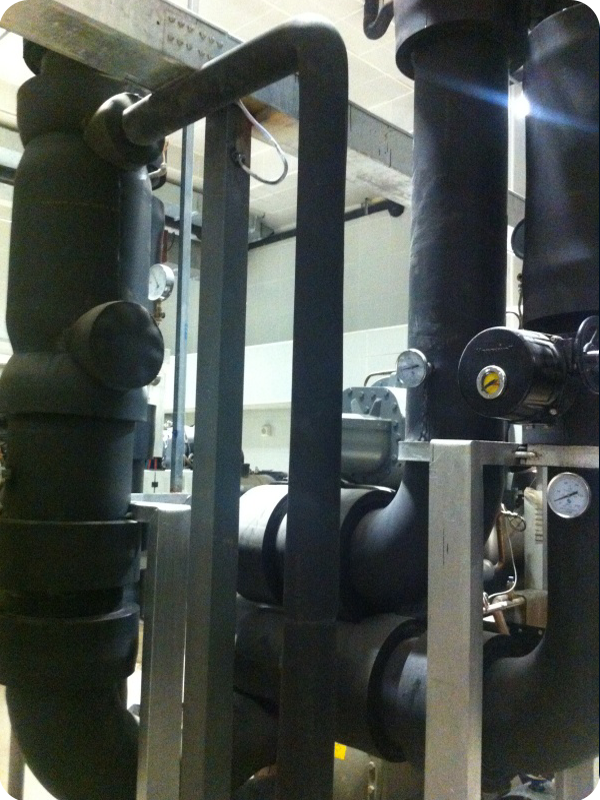
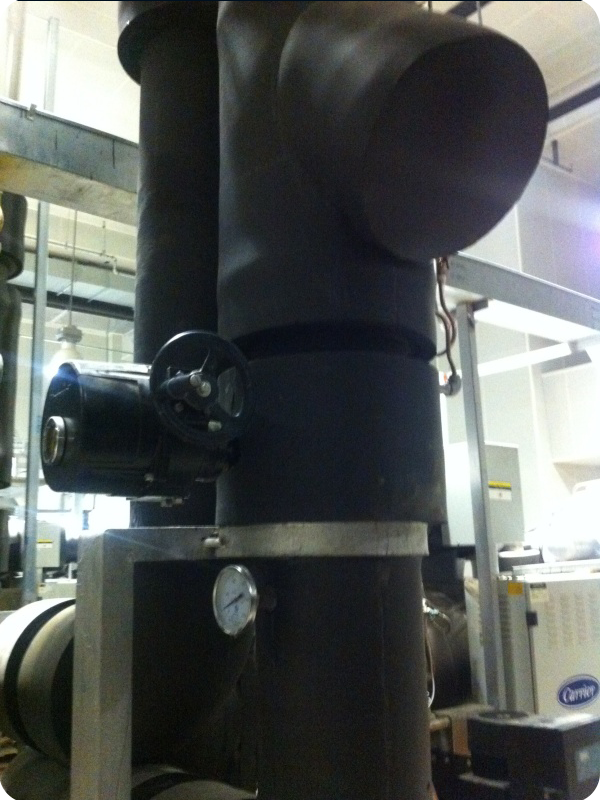
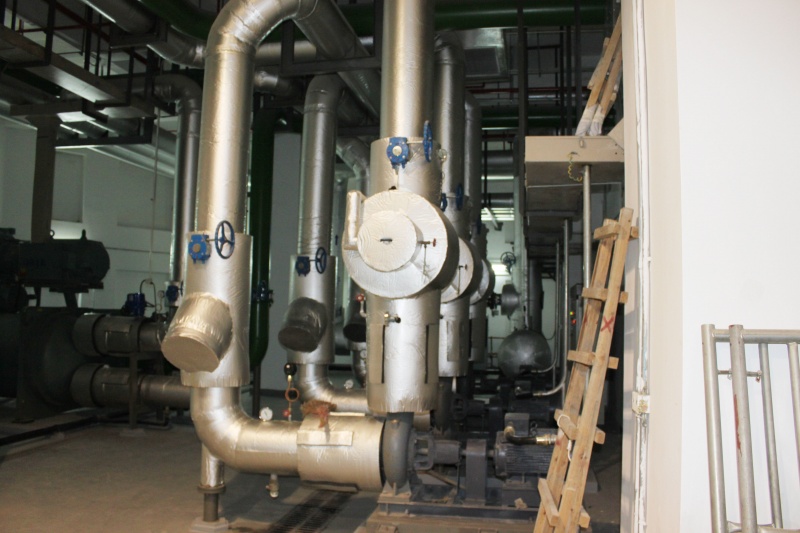
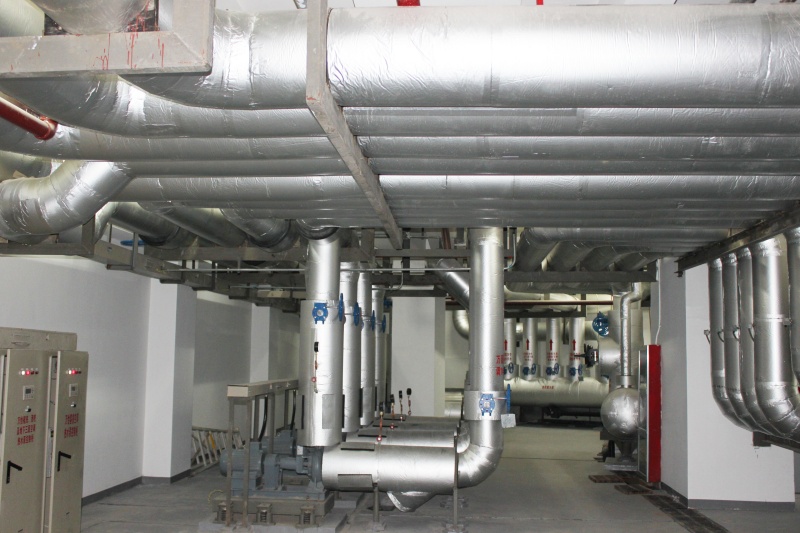
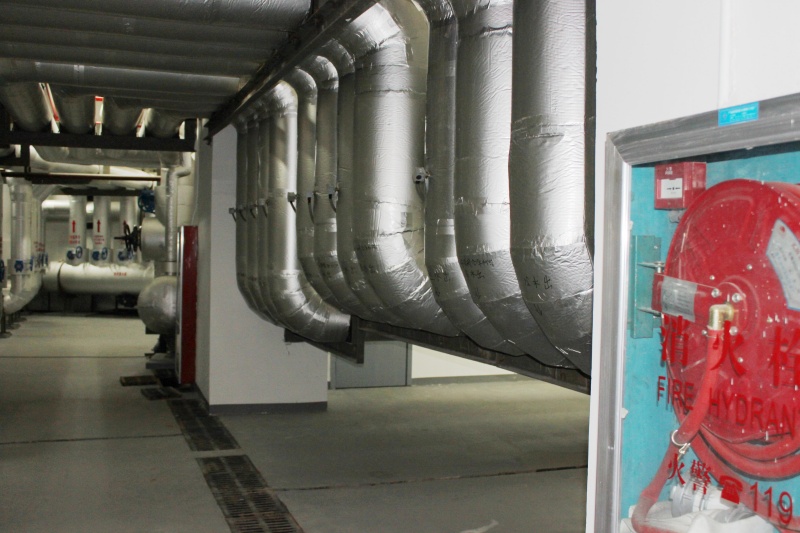
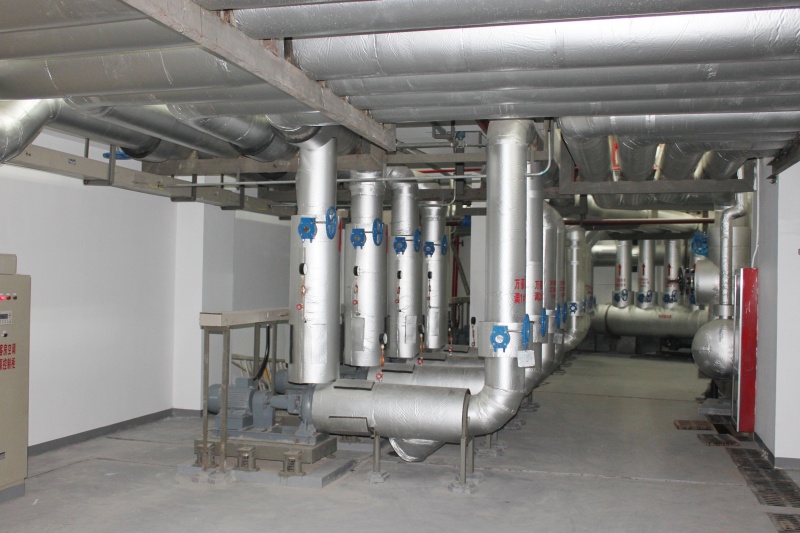
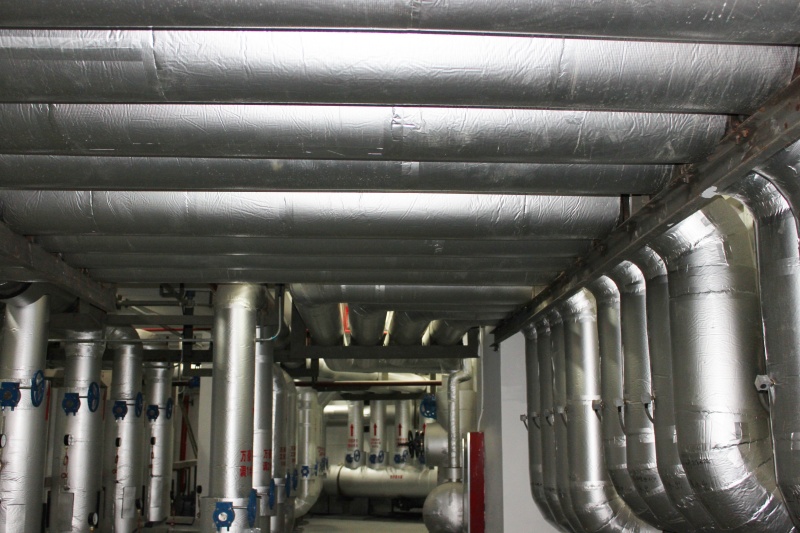
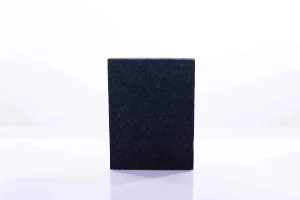
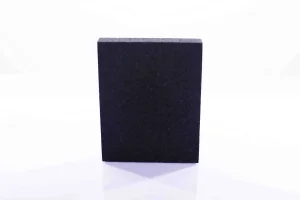
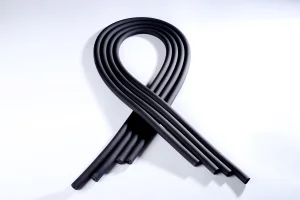
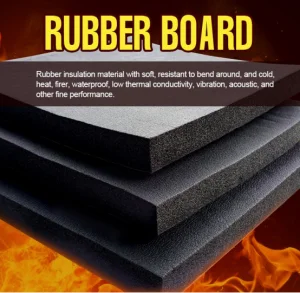
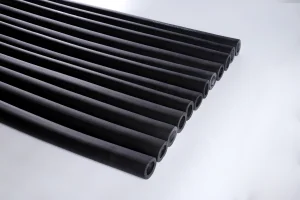
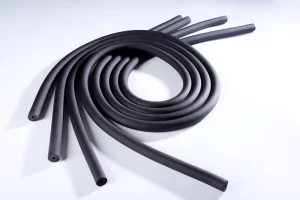
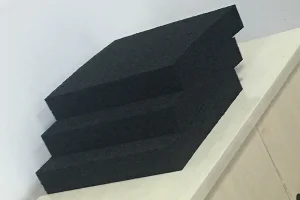
Explore our certified elastomeric solutions engineered for complex HVAC/R systems and demanding acoustic environments.
The global demand for high-efficiency elastomeric foam insulation is experiencing unprecedented structural shifts. Driven by rigorous international energy conservation standards (such as ASHRAE 90.1, EN 14304, and LEED v4 guidelines), standard insulation practices have migrated toward materials that yield long-term energy protection without environmental compromise. NBR/PVC closed-cell foam insulation products are at the forefront of this transformation.
Modern applications extend beyond traditional residential HVAC systems. They are now integral parts of massive industrial processing complexes, cryogenic transport facilities, and advanced server room cooling assemblies. The low thermal conductivity (k-value) combined with exceptional water vapor resistance (high μ-factor) prevents condensation, protects piping infrastructure against corrosion under insulation (CUI), and sustains system efficacy over decades. Moreover, the push for non-halogenated, low-VOC, and fire-safe materials shapes the formulation strategies of premier suppliers worldwide.
For international MEP contractors, procurement agents, and plant managers, selecting a rubber foam insulation supplier involves critical technical checklists. Reliability means sourcing products that satisfy stringent local fire and safety regulations—including British Standard (BS 476 Parts 6 & 7 Class 0), ASTM E84 (25/50 flame spread/smoke developed index), and DIN 4102.
Enterprise buyers focus heavily on the supplier's capacity to maintain uniform thickness tolerances, material density (specifically targeting 40-55kg/m³ for optimal flexibility and durability), and structural resilience. Traceability is another major procurement criteria; professional projects require batch-testing reports for thermal conductivity and moisture permeation metrics. The modern supply chain demands partnerships capable of offering tailor-made sizes (ranging from 6mm to 50mm sheet thicknesses) to eliminate site modification waste and optimize installation workflows.
Annual Production (m³)
Years of Manufacturing Heritage
Export Destinations Worldwide
Closed-Cell Density Rate
Harnessing advanced automation to deliver consistent, certified performance for large-scale global projects.
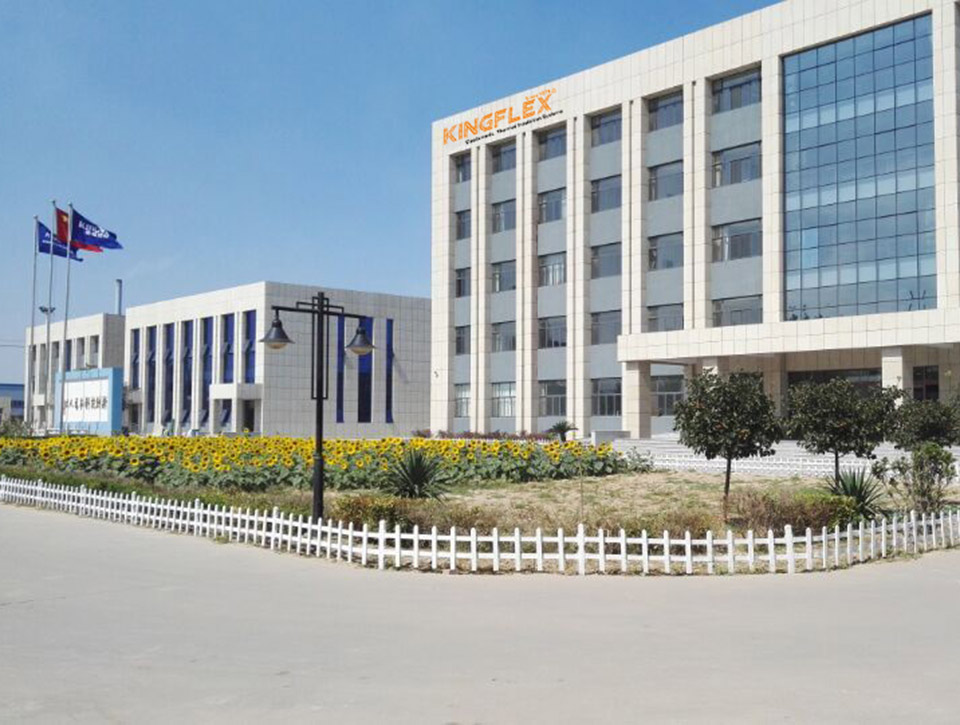
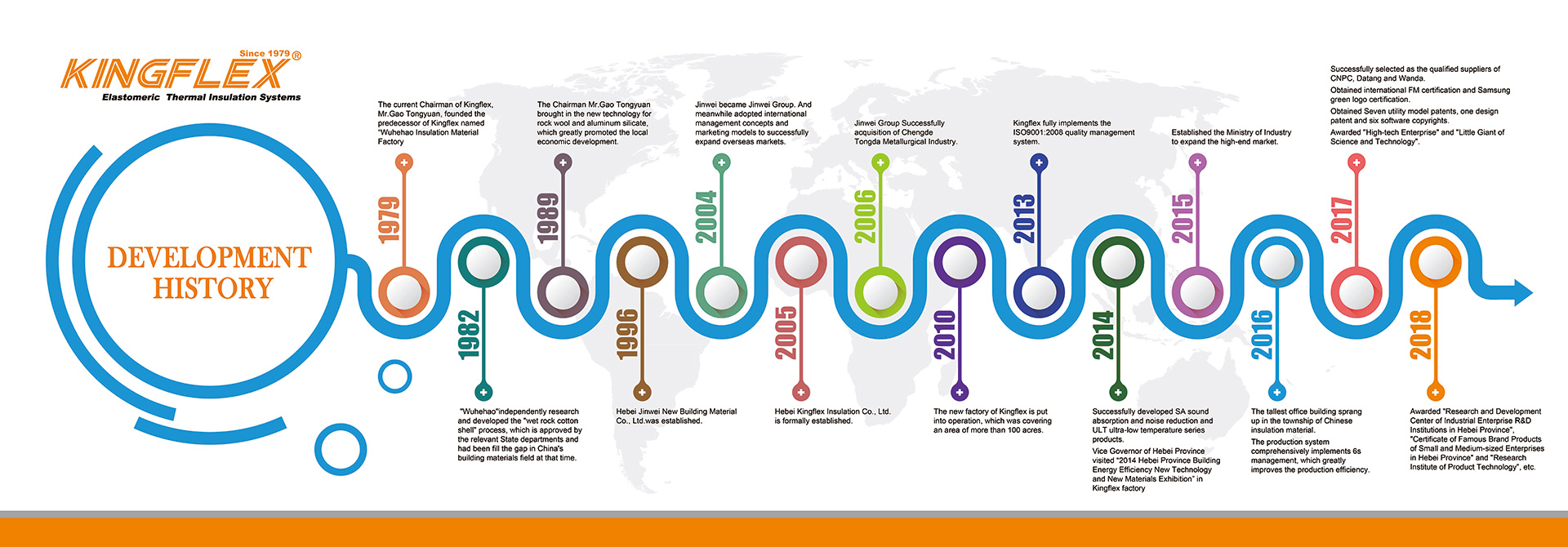
As a leading manufacturing and trading combo for thermal insulation systems, Kingflex operates from the heart of China's green building materials capital in Dacheng. Backed by the Jinwei Group, which holds a legacy dating back to 1979 as the pioneer manufacturer of thermal insulation materials north of the Yangtze River, Kingflex merges decades of practical experience with futuristic technology.
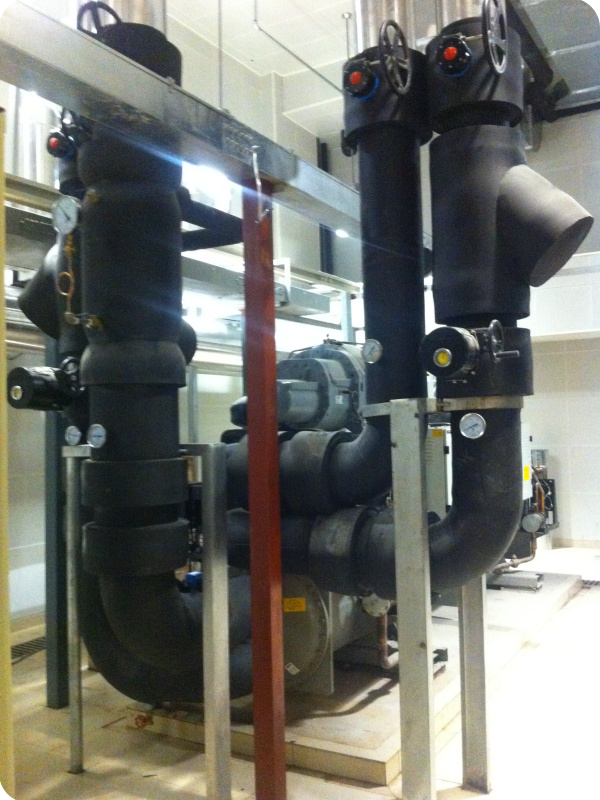
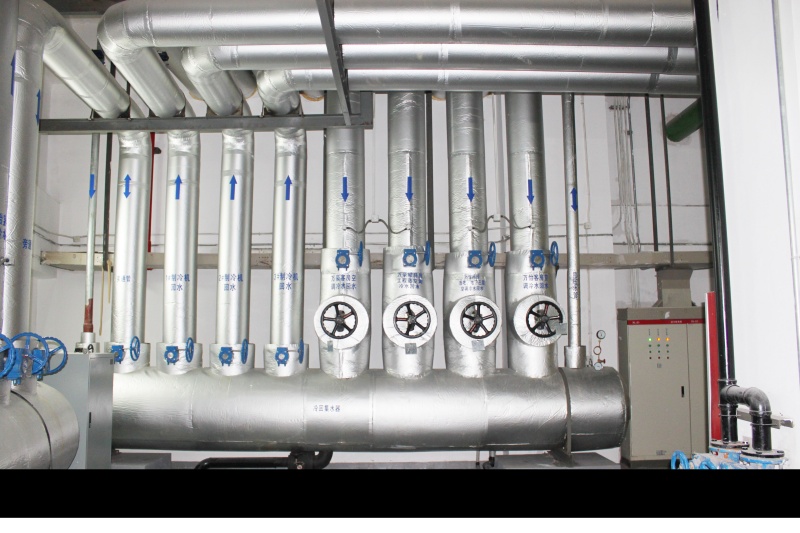
We deploy 5 large-scale automatic assembly lines, which support an annual production capacity exceeding 600,000 cubic meters. Designated by national agencies including the Ministry of Energy and the Ministry of Chemical Industry, our facility guarantees supply chain consistency even during high-demand construction seasons. This volume power is coupled with strict energy-saving protocols to reduce the carbon footprint of our operations.
A closed-cell rate exceeding 98% ensures stable thermal conductivity (λ) and serves as an effective barrier against water vapor ingress.
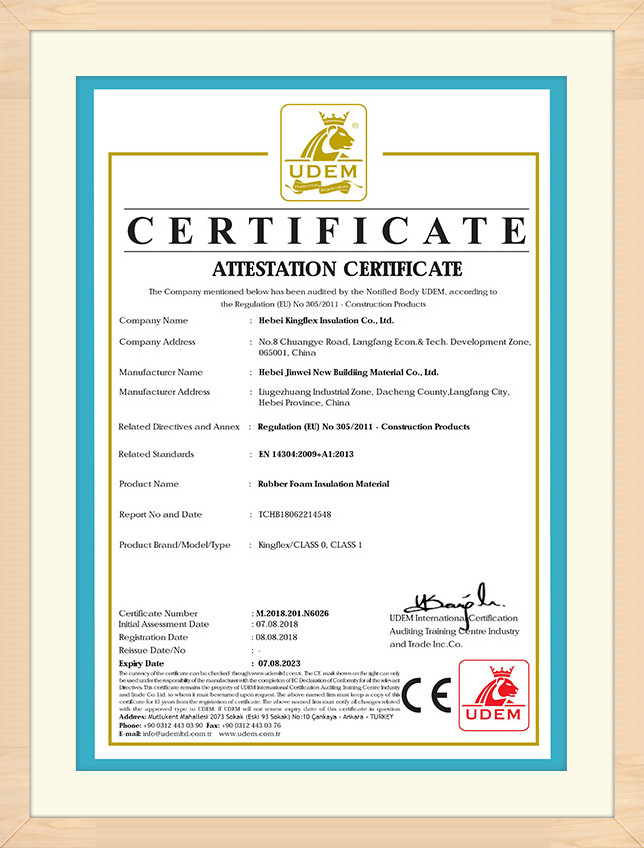
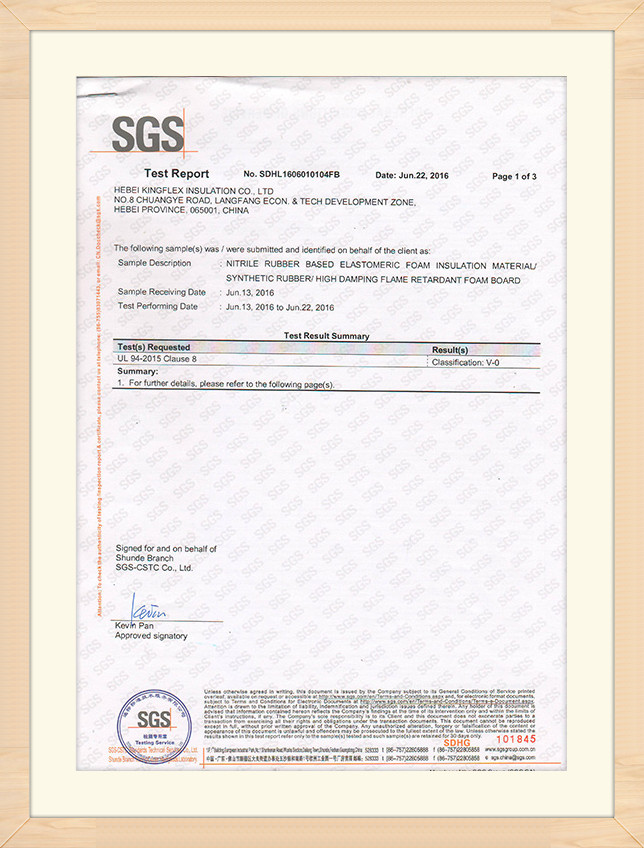
Fully compliant with BS 476, CE, REACH, ROHS, UL94, and ASTM fire standards. Self-extinguishing material with minimal toxic smoke development.
Safely operates within a temperature range of -40℃ to 105℃, making it suitable for both cryogenic cooling loops and hot water lines.
Ensure your project matches the physical and chemical requirements of premium NBR/PVC elastomeric insulation.
| Property | Kingflex Standard Spec | Reference Test Standard | Benefit / Impact |
|---|---|---|---|
| Base Material | NBR (Nitrile Butadiene Rubber) / PVC Blend | ASTM D1667 | Offers high flexibility and superior oil/chemical resistance. |
| Thickness Range | 6mm to 50mm (Sheets) / 9mm to 40mm (Pipes) | EN 823 | Provides customized insulation layers to combat localized condensation. |
| Density | 40 - 55 kg/m³ | ASTM D1622 | Strikes the perfect balance between mechanical strength and low thermal conductivity. |
| Thermal Conductivity (λ) | ≤ 0.034 W/(m·K) at 0℃ | ASTM C518 / ISO 8301 | Reduces energy losses across cooling and heating systems. |
| Water Vapor Resistance (μ) | ≥ 10,000 | EN 12086 / ASTM E96 | Forms a built-in vapor barrier to protect pipelines from rust and CUI. |
| Fire Rating | Class 0 (BS 476 Parts 6 & 7), V-0 (UL94) | BS 476 / UL94 | Reduces risk in public infrastructures and high-rise commercial builds. |
| Compression Resilience | ≥ 80% recovery rate | ASTM D1056 | Withstands expansion/contraction forces without cracking. |
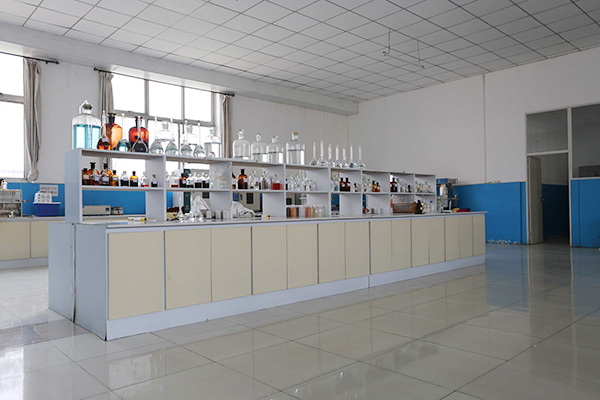
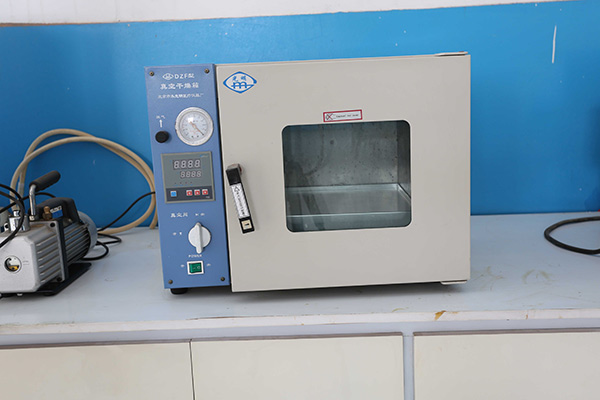
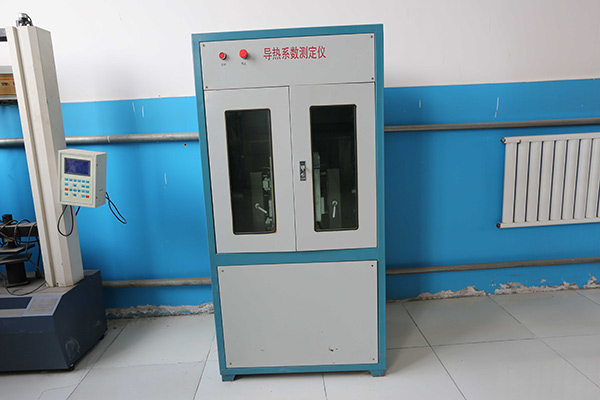
Pioneering advancements in insulation chemistry through specialized laboratories and internal testing.
Our dedicated Research & Development department houses 8 professional chemical and mechanical engineers. We conduct continuous trials on raw material blends, fire retardant additives, and foaming agents to push the limits of thermal resistance. By maintaining a complete testing loop—from raw compound verification to finished product batch analysis—we provide traceability and guarantee compliance with global regulations.
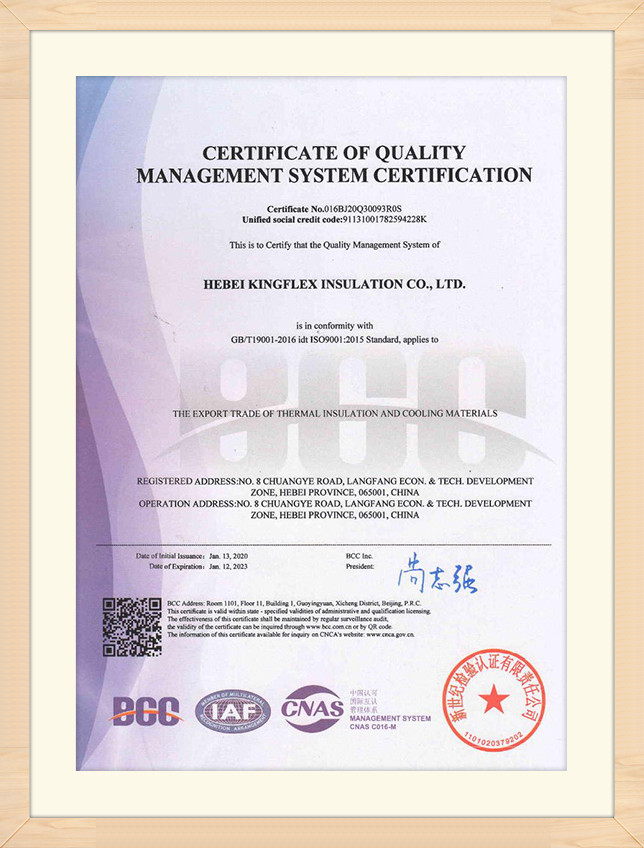
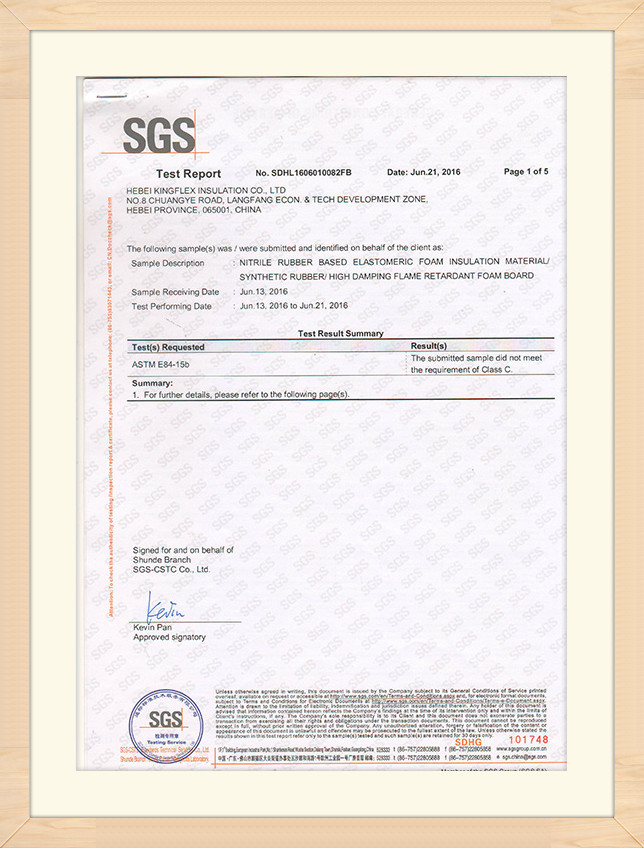
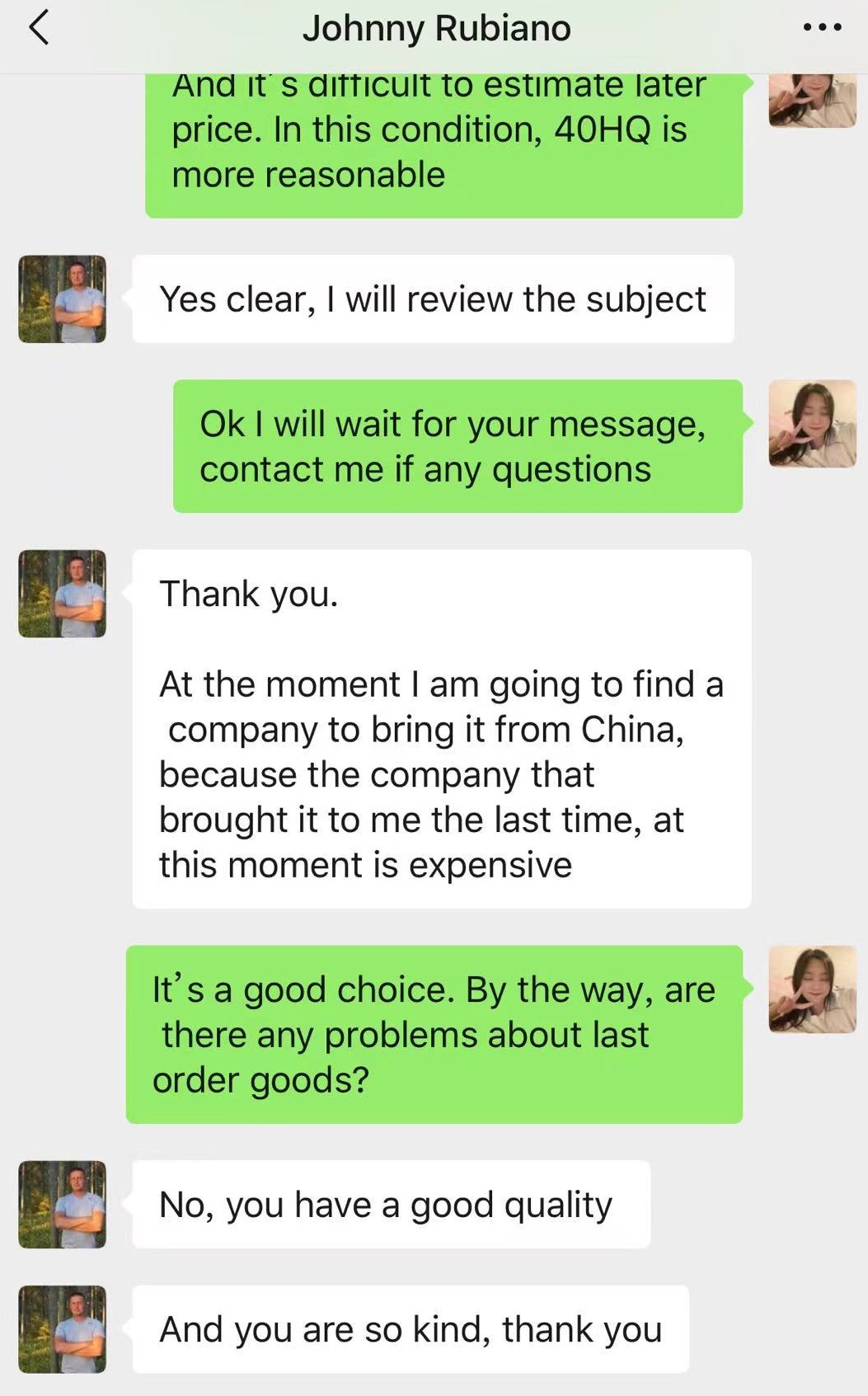
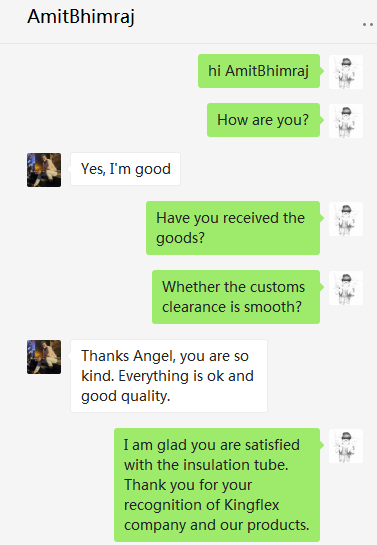
We validate our materials through third-party audits and maintain transparent communications with overseas trade partners.
Our dedicated service and transparent transaction management build long-term trust with international procurement agents.
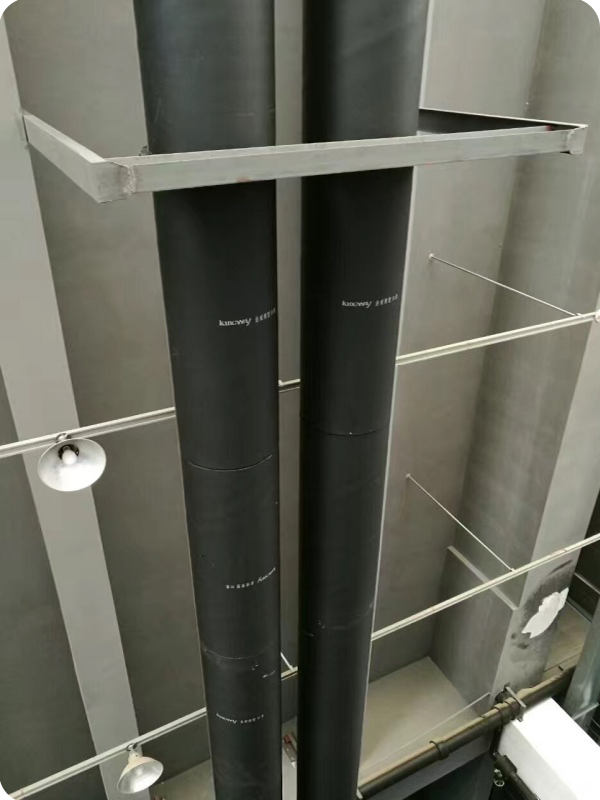
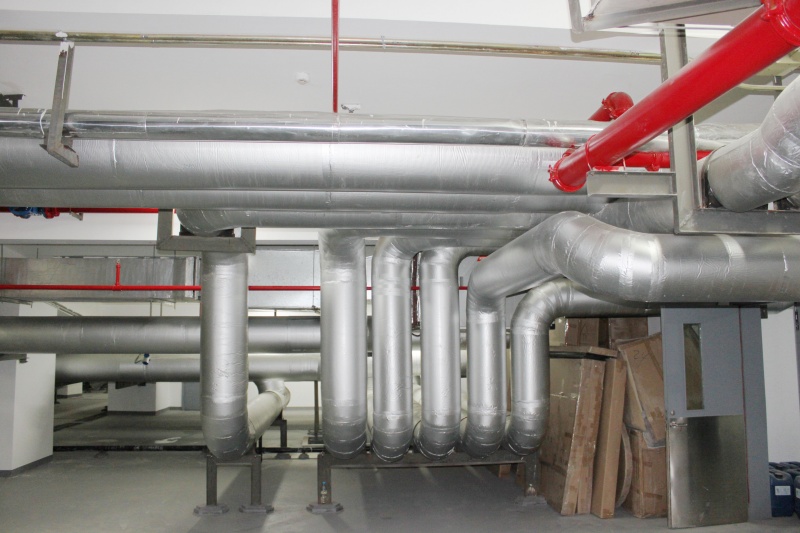
Our products are installed in commercial high-rises, industrial cold chains, transport networks, and petrochemical plants.
A closer look at our manufacturing infrastructure and packaging facilities designed to secure products for global shipping.


Get answers to common technical, regulatory, and procurement questions regarding NBR/PVC elastomeric foam.
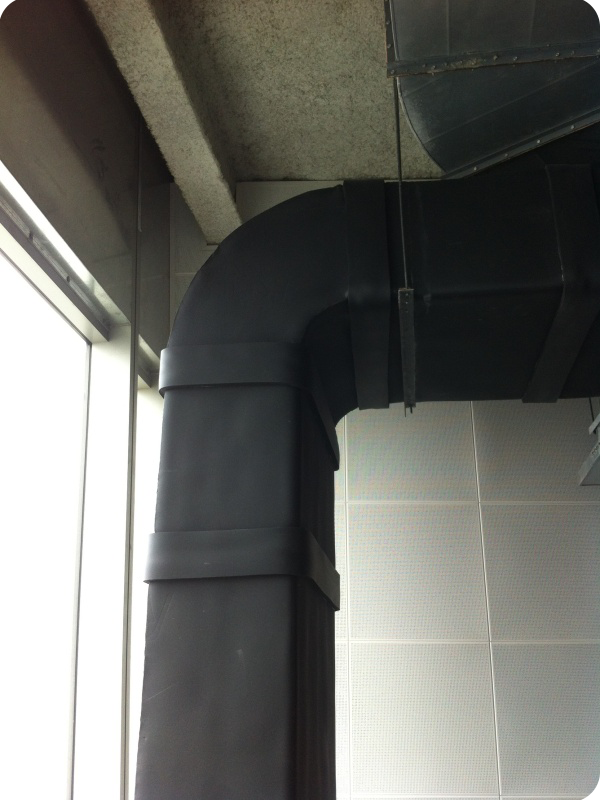
A1: It is primarily engineered for commercial HVAC ducts, air conditioning piping systems, building thermal envelope components, industrial hot/cold pipelines, and acoustic sound insulation. Its closed-cell structure prevents condensation on chilled water lines and limits energy transfer.
A2: Yes. Our rubber foam insulation products incorporate advanced flame-retardant chemistry. They conform to fire safety standards including BS 476 Class 0, UL94 V-0, and ASTM E84, helping prevent fire propagation in public and industrial projects.
A3: Rubber foam is highly flexible, has a closed-cell matrix, and features a built-in moisture vapor barrier, making it suitable for cold lines, condensation control, and HVAC systems. Rock wool is a fibrous material designed for high-temperature applications and fire containment barriers, but requires a separate outer vapor jacket for cold systems.
A4: Yes. We offer comprehensive OEM and ODM services. We customize dimensions, sheet thicknesses, inner tube diameters (ID), packaging configurations, and backings (e.g., self-adhesive coatings or protective foils) to meet specific project needs.
A5: Kingflex insulation products carry global credentials including BS 476, CE, REACH, RoHS, UL94, and ASTM testing compliances. These certifications ensure our materials meet international standards for environmental protection, chemical safety, and fire performance.
A6: Yes. Every batch undergoes strict quality control. From compounding raw materials to final packaging, production runs are tracked with unique batch numbers to provide trace accountability for architectural and engineering projects.
A7: Our factory can manufacture sheet rolls in thicknesses ranging from 6mm to 50mm, allowing you to select the precise size required to prevent condensation under specific relative humidity conditions.
A8: When properly selected and installed according to technical guidelines, our premium closed-cell NBR/PVC insulation has an operational lifespan of 10 to 15 years, maintaining its physical properties and thermal resistance.
Complete your thermal barrier requirements with our specialty closed-cell and open-cell insulation systems.