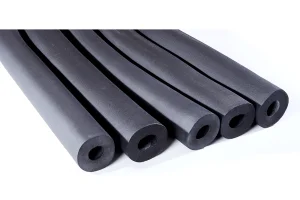
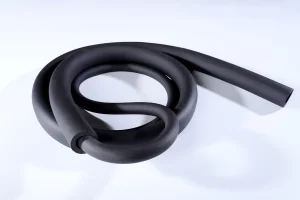
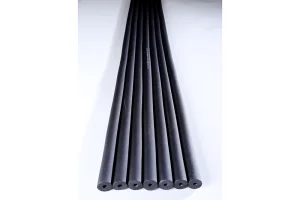
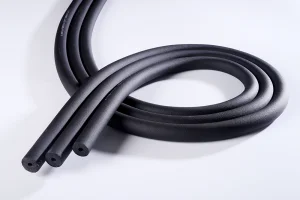
Explore our industrial-grade rubber foam tubes and system components
In the current global industrial landscape, thermal efficiency is no longer just an operating metrics; it is a critical pillar of environmental sustainability and regulatory compliance. With HVAC operations consuming up to 40% of building energy use worldwide, the demand for high-grade elastomeric rubber foam insulation has surged. This material addresses three critical pillars of modern structural engineering: heat transfer containment, moisture dynamics, and fire safety.
By preventing energy dissipation along pipeline networks, closed-cell NBR/PVC structures contribute directly to lower scope 1 and scope 2 emissions. They eliminate the thermal bridge risk inherent in mechanical pipe fittings, ensuring HVAC systems function within their optimal design parameters. In parallel, their natural resistance to UV radiation and ozone cracking prevents rapid aging, maintaining thermal properties for decades.
Engineered to deliver optimal thermal barriers and structural resilience
Rubber foam insulation sheets and tubes are synthesized from a specialized Nitrile-Butadiene Rubber (NBR) and Polyvinyl Chloride (PVC) compound. Through precise chemical foaming in a continuous vulcanization process, we create millions of uniform micro-cavities. This microstructure traps air molecules, presenting a highly restrictive pathway for thermal energy transfer.
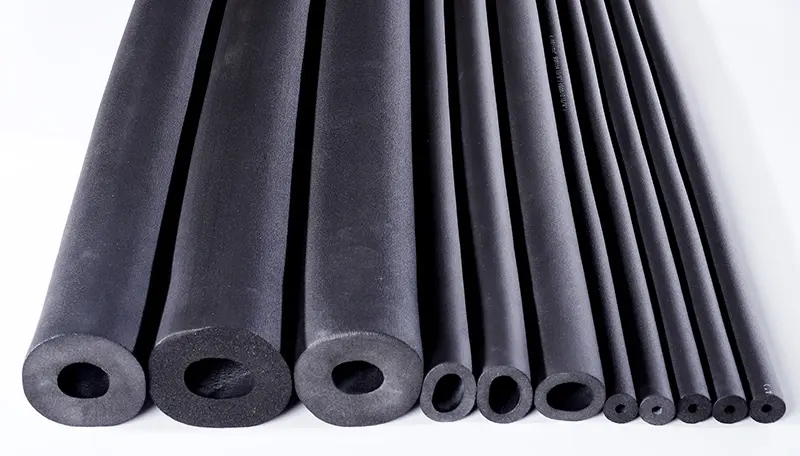
Standard dimensions and characteristics of Kingflex flagship products
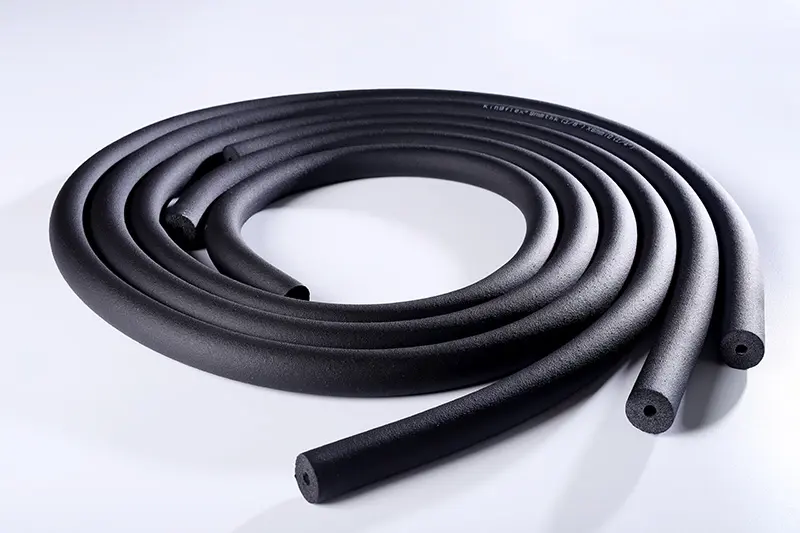
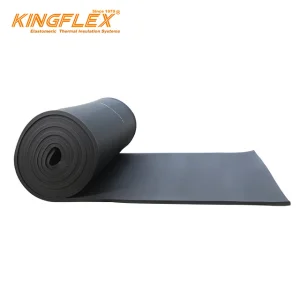
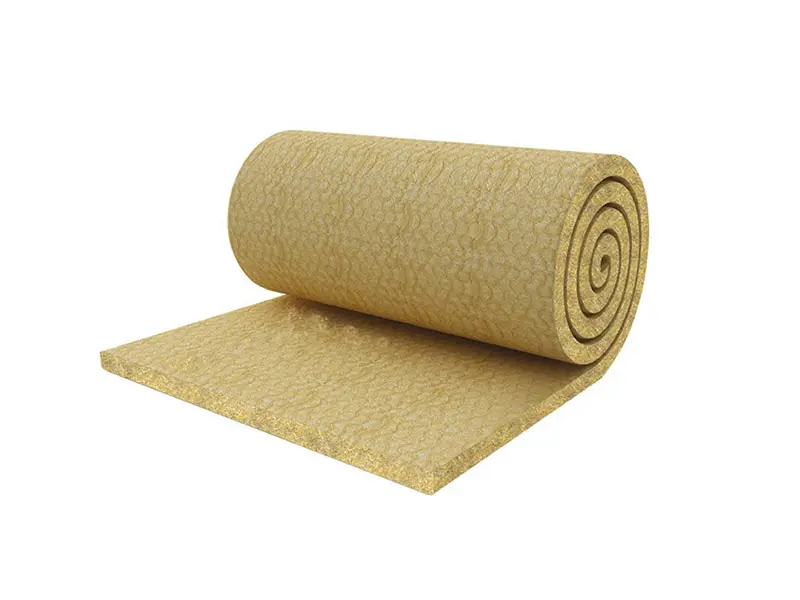
Designed for wide-diameter ductwork, equipment casing, and large industrial storage vessels. Our sheet rolls provide continuous barrier protection against thermal loss and condensation.
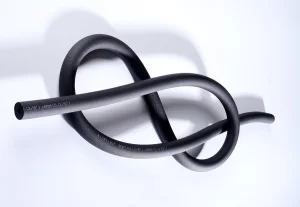
Key Advantages: High flexibility speeds up installation on complex curves, while its consistent density ensures even thermal performance throughout the run.
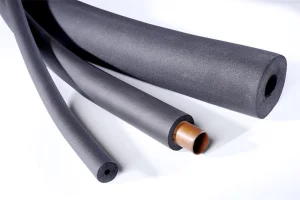
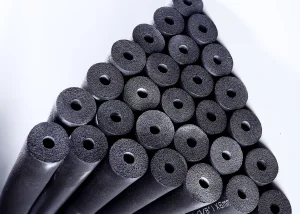
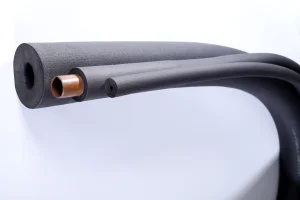
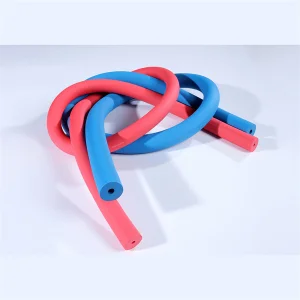
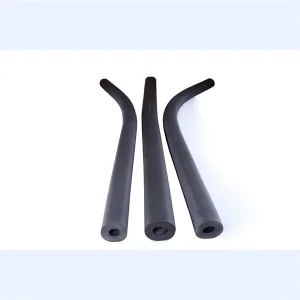
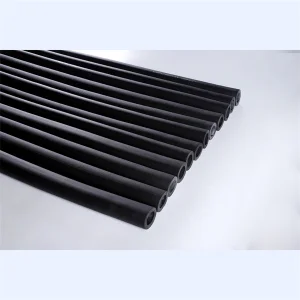
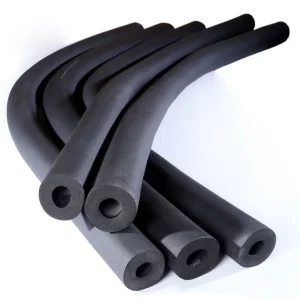
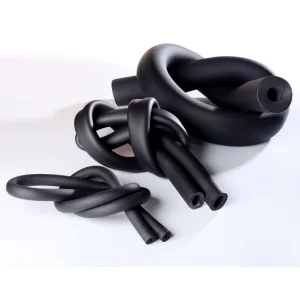
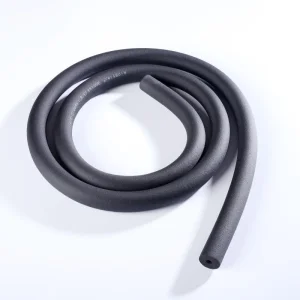
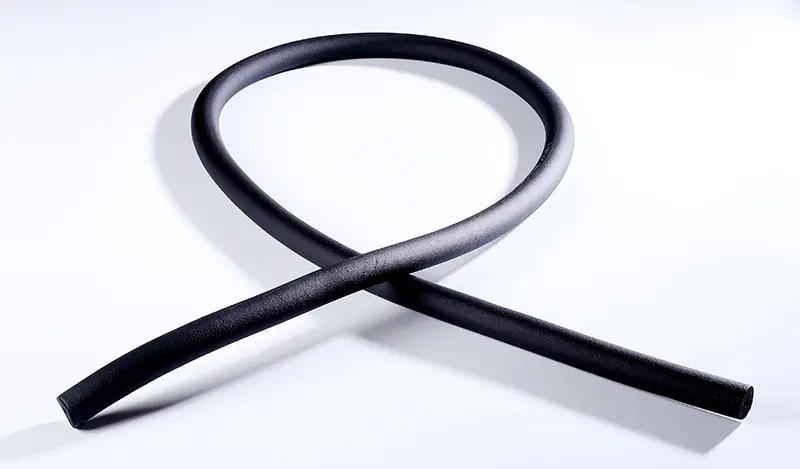
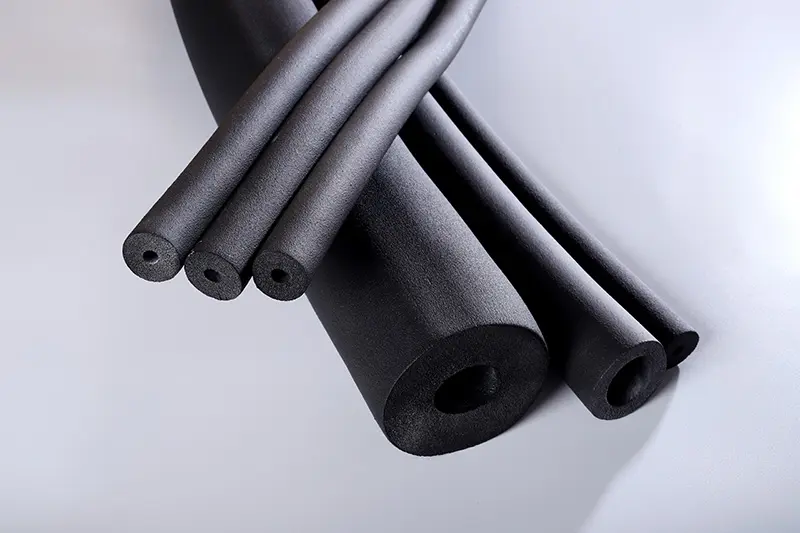
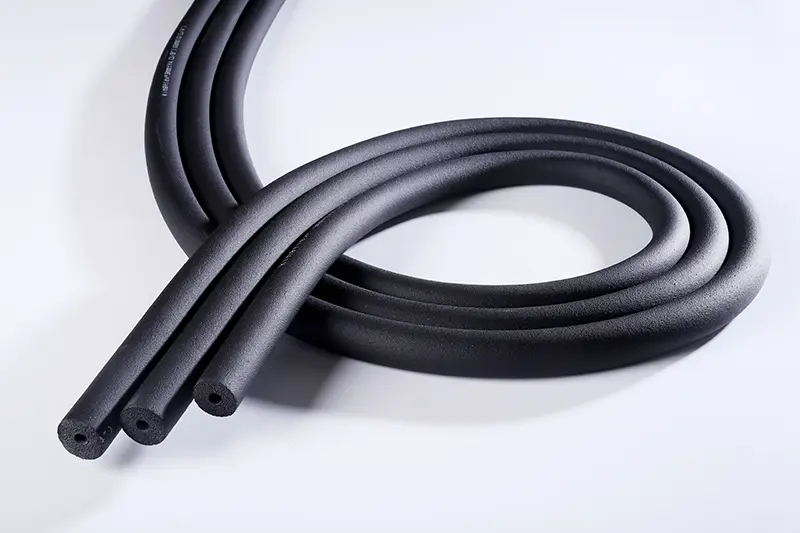
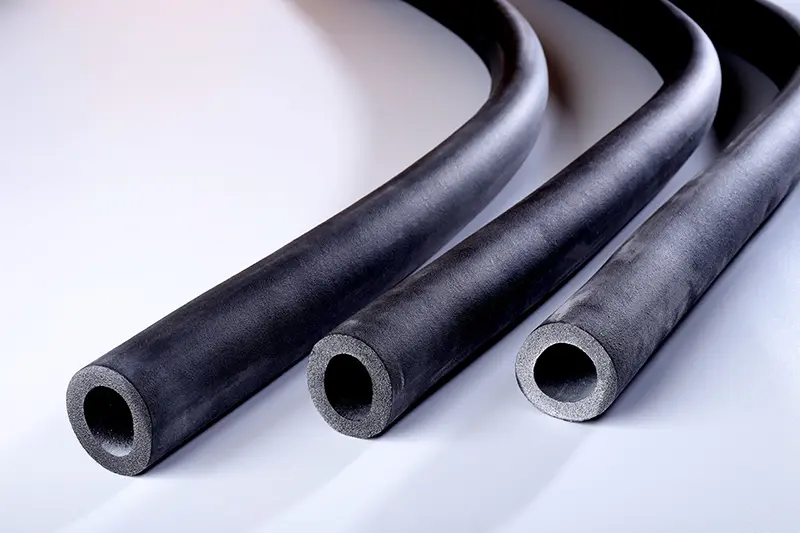
The ideal choice for HVAC liquid-line piping, refrigeration loops, and domestic hot/cold water supply lines. Highly structured wall dimensions prevent moisture ingress and mechanical collapse.
Application Note: Directly cuts energy waste on hot water systems and prevents freeze-induced pipe rupture on chilled loops.
A trusted global combo of state-of-the-art research, production, and logistical execution
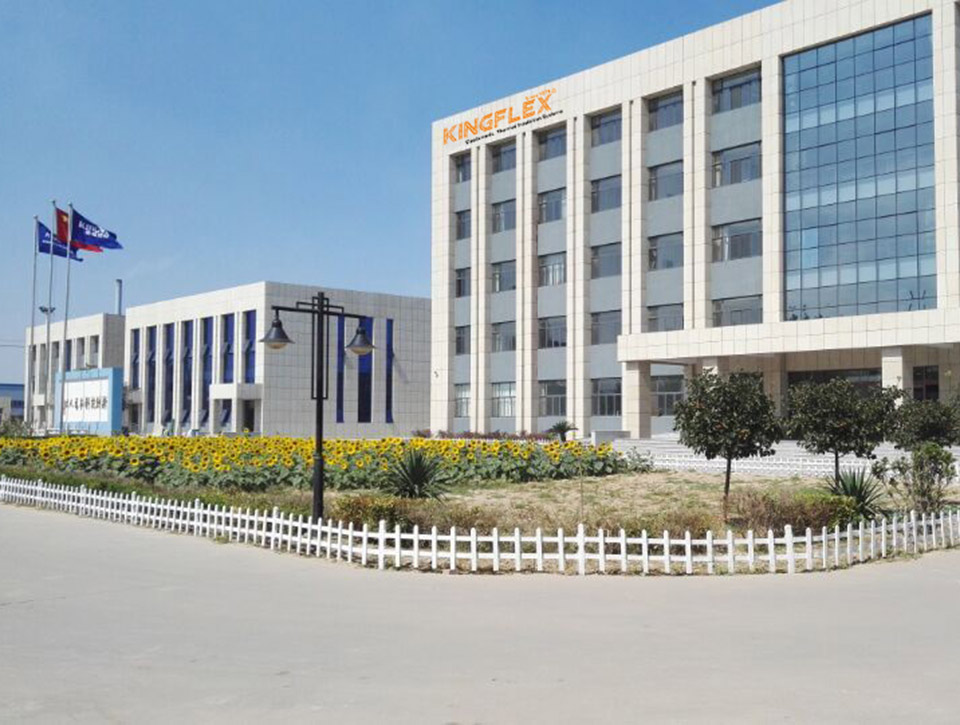
Kingflex Insulation Co., Ltd. stands as a premier manufacturing and trading conglomerate dedicated to thermal and acoustic insulation science. Operating out of Dacheng, China—historically recognized as the capital of green-building materials—our facility integrates advanced polymer engineering with environmental stewardship. Our core philosophy aligns manufacturing scale with ecological responsibility, focusing on low emission processes and sustainable formulations.
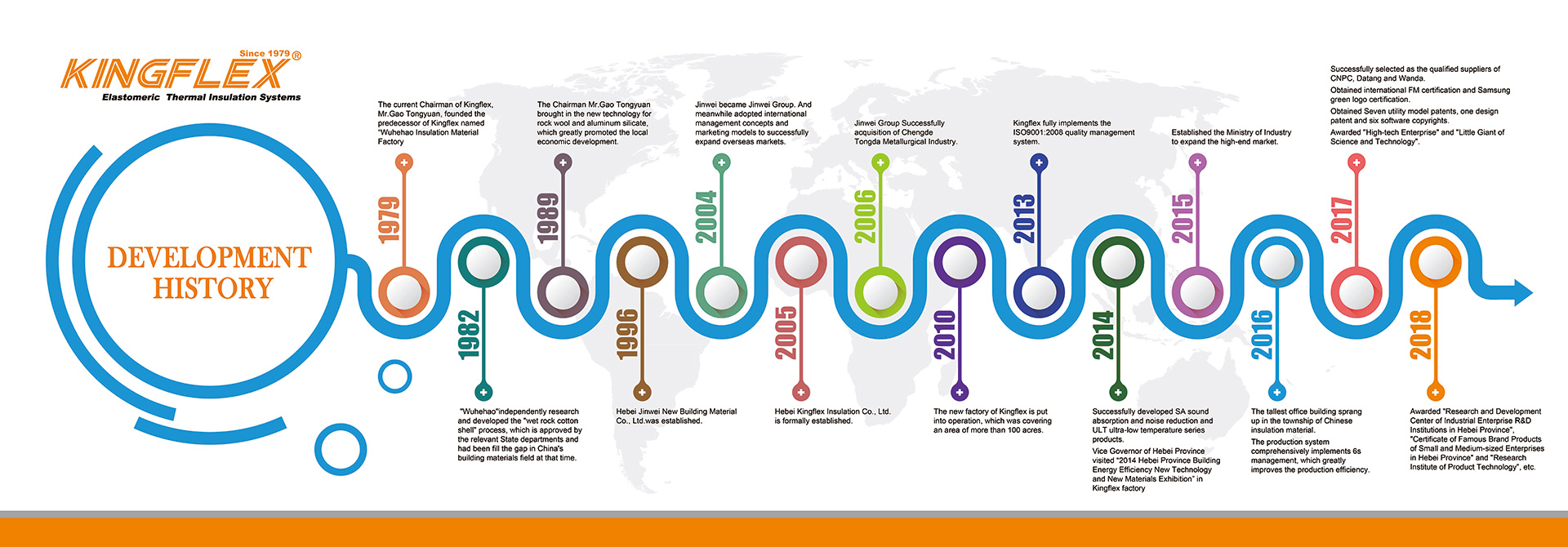
Founded under the umbrella of the Jinwei Group, which boasts a prestigious history dating back to 1979, Kingflex inherits over 40 years of pioneering manufacturing experience. As the first insulation material factory established north of the Yangtze River, our heritage is built on industrial trust. Today, our facility operates 5 large automatic assembly lines, supporting a yearly output capability exceeding 600,000 cubic meters. This robust production footprint has earned us official supplier statuses under the Ministry of Energy, Ministry of Electric Power, and the Ministry of Chemical Industry.
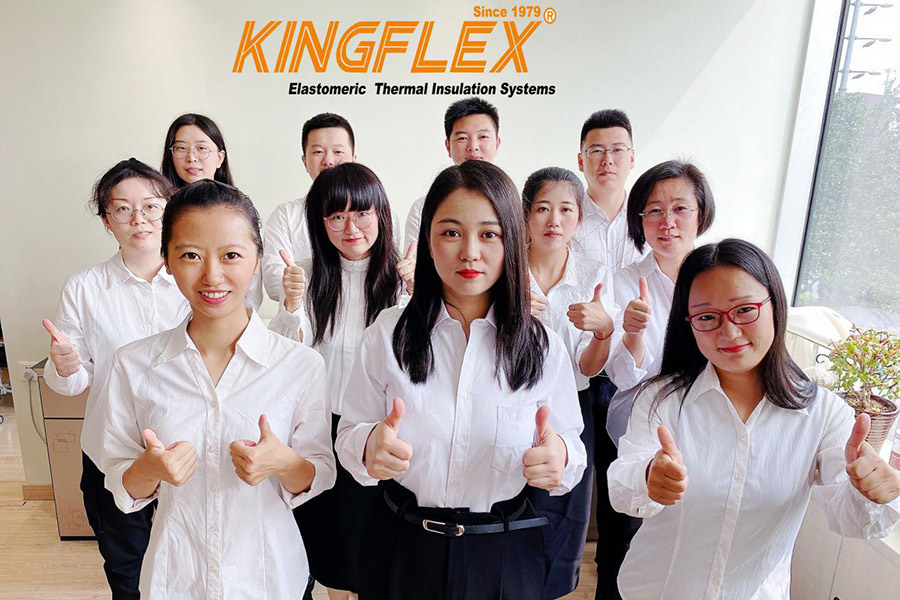
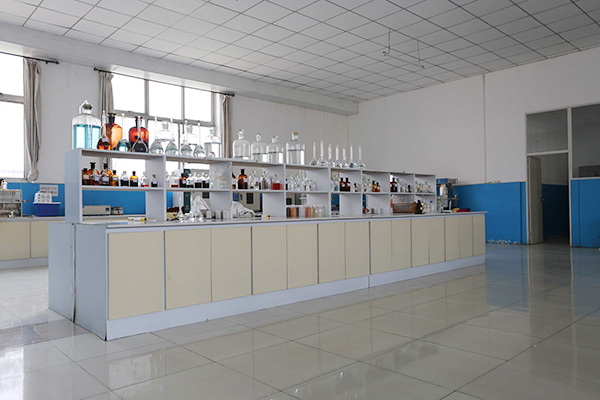
Innovation is driven by our specialized team, featuring 8 elite R&D chemical and material engineers. They work continuously to refine our elastomeric compound recipes, enhancing thermal barriers and non-toxic flame retardants. This technical base is supported by 6 international trade specialists managing global logistics, and over 230 skilled production operatives ensuring batch-to-batch consistency.
Providing optimized, scenario-specific thermal and acoustic performance
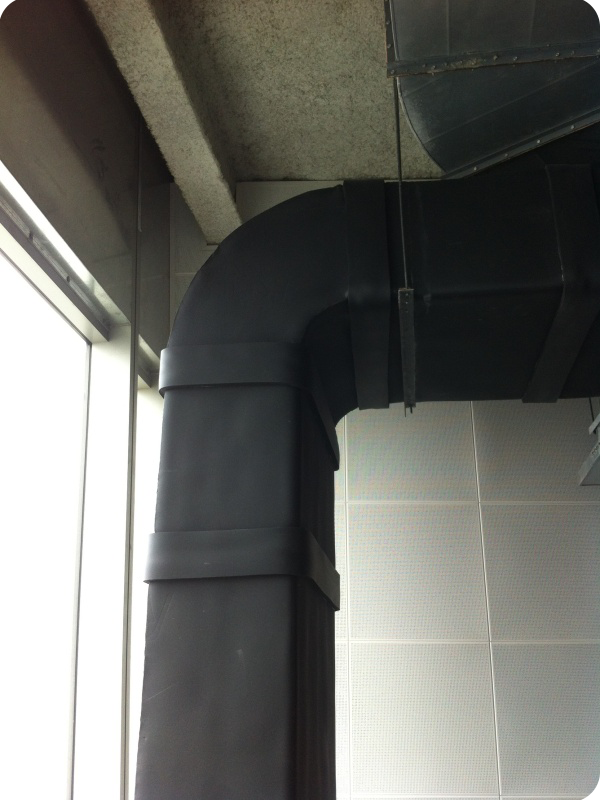
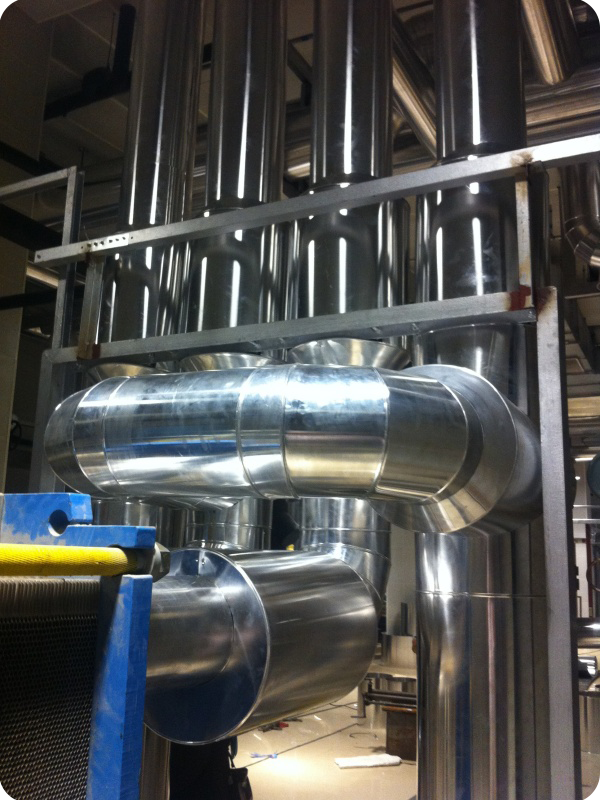
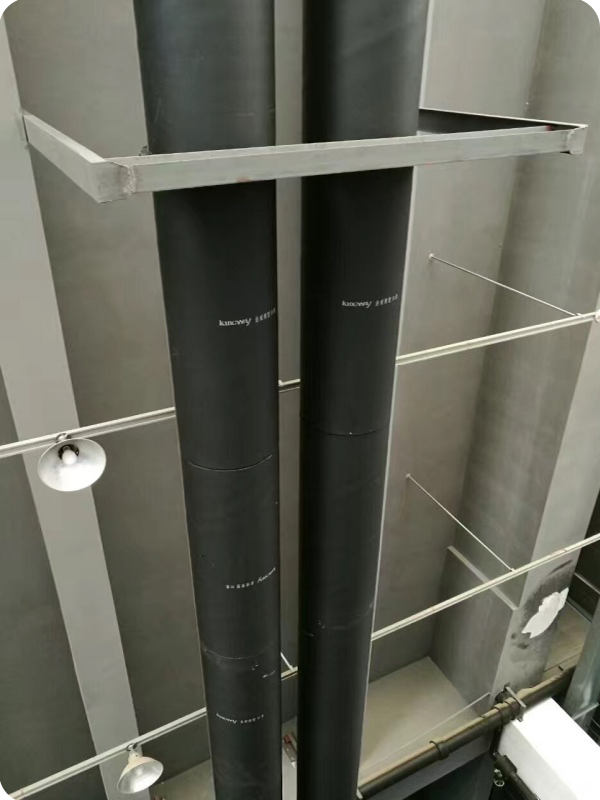
Applied extensively to air ducts and refrigeration pipes to prevent structural condensation, maintain thermal gradients, and enhance overall chiller efficiency.
Utilized in walls, roofing, and mechanical rooms of hotels, hospitals, and shopping centers to manage heat gains and acoustic transmission.
Provides critical barriers against Corrosion Under Insulation (CUI) on chemical transit lines, maintaining process temperatures and reducing structural fire risks.
Protects transit refrigeration pipes and structural hulls on trains and marine cargo carriers, ensuring temperature integrity over long haul routes.
Proof of performance from modern international installations and verified client communications
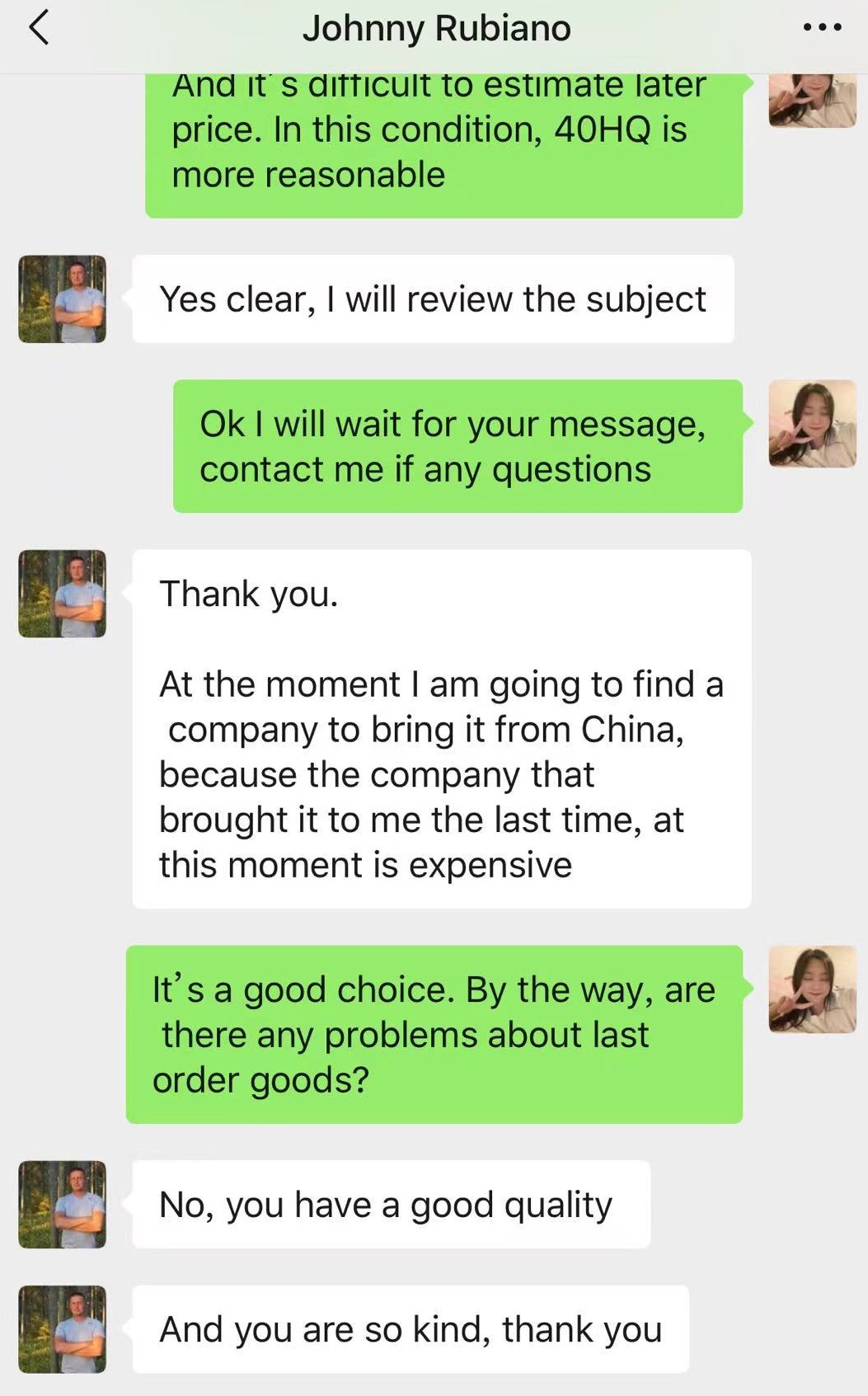
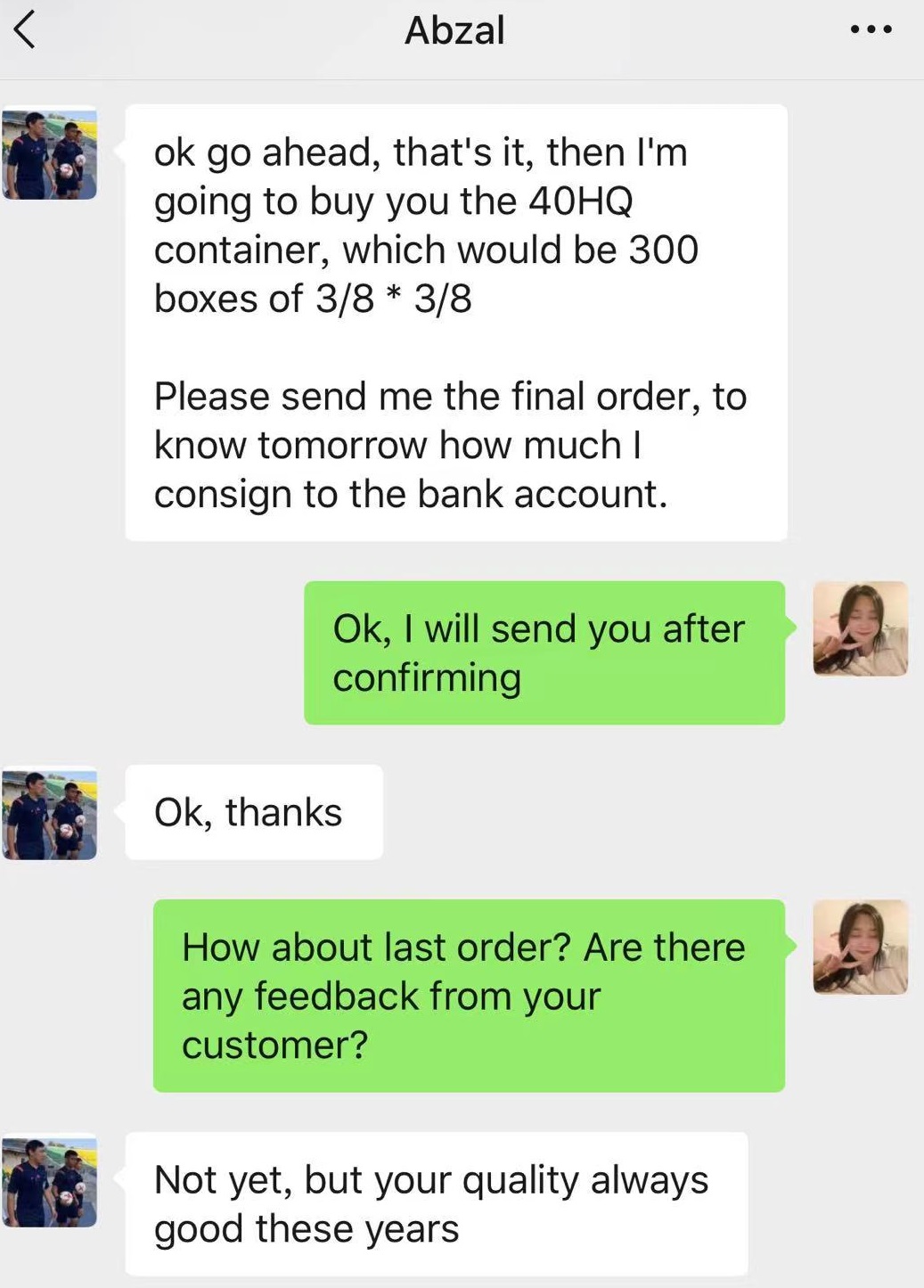
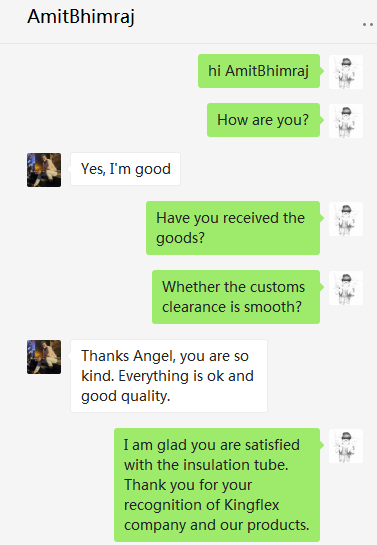
Our products have been exported to over 66 countries across North America, Europe, the Middle East, and Southeast Asia. To maintain E-E-A-T values, every production batch is logged with a unique batch number, linking back to the raw material inputs and quality inspection sheets. This high degree of traceability ensures that our distributors and project contractors receive only certified, compliant materials.
Driving the future of sustainable polymer insulation architectures
As energy efficiency mandates tighten globally (such as the EU's Energy Performance of Buildings Directive and US ASHRAE standards), Kingflex is actively executing a technology development roadmap. Our R&D investments are targeted at two primary initiatives:
We are developing plant-derived plasticizers and natural blowing agents to partially replace fossil fuel inputs, significantly dropping the embodied carbon index of our insulation materials.
Integrating ultra-thin sensors along NBR/PVC pipe structures to detect moisture build-up and warn facility managers before Corrosion Under Insulation (CUI) occurs.
How elastomeric rubber foam compares against conventional media
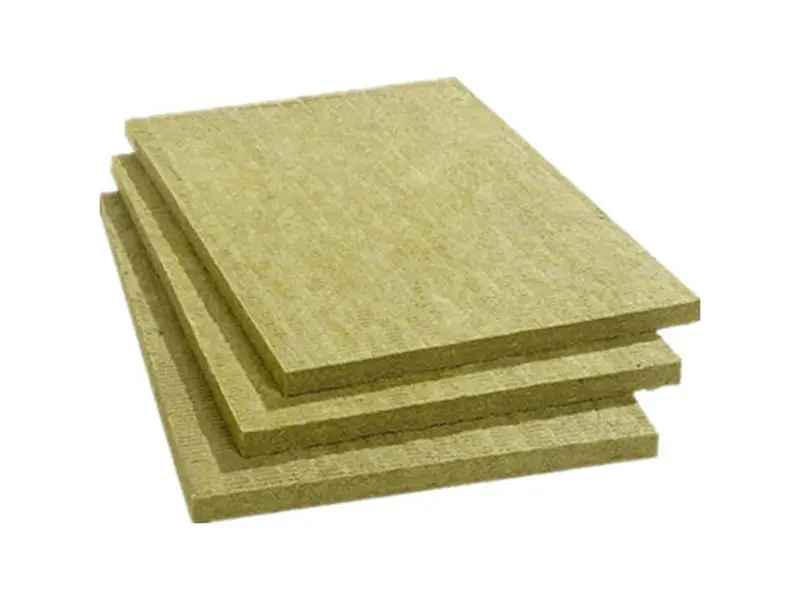
Selecting the correct insulation material requires balancing operating temperatures, moisture exposure, and mechanical load requirements. The table below details the performance comparison between Kingflex NBR/PVC Foam, Rock Wool, and Glass Wool.
| Performance Factor | Elastomeric NBR/PVC Foam | Rock Wool Insulation | Glass Wool Insulation |
|---|---|---|---|
| Cell Structure | Closed-Cell (>98%) | Open-Fibrous | Open-Fibrous |
| Moisture Barrier | Built-in (No jacket needed) | Hydrophilic (Requires barrier) | High Absorption (Requires jacket) |
| Operating Temp. Range | -40℃ to 105℃ | Up to 650℃ | Up to 250℃ |
| Main Application | HVAC, Refrigeration, Process Pipes | Industrial High-Temp steam lines | Building walls, duct wrapping |
Get professional answers regarding building design, specifications, and installation practices
Explore specialized industrial, cryogenic, and auxiliary pipe insulation products