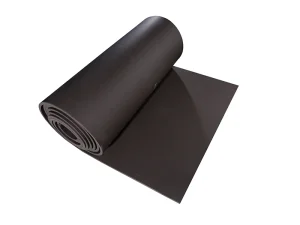
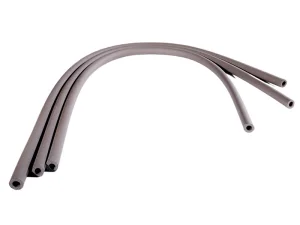
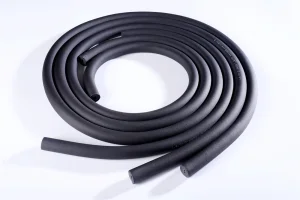
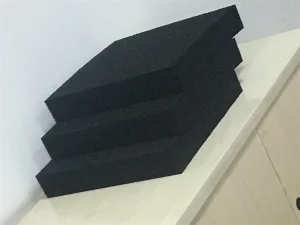
In modern industrial and commercial construction, the selection of thermal insulation has transitioned from basic thermodynamic efficiency metrics to comprehensive lifecycle safety and environmental impact evaluations. Traditional elastomeric thermal insulation materials rely heavily on chlorinated or brominated chemical structures to achieve flame retardancy. When exposed to fire, these halogens act as free radical scavengers, extinguishing flames but simultaneously releasing dense, highly toxic, and corrosive acidic gases like hydrogen chloride (HCl) or hydrogen bromide (HBr).
As regulatory bodies and environmental frameworks such as LEED v4, BREEAM, and the EU’s REACH/RoHS directives become more stringent, Halogen-Free Flame Retardant (HFFR) technology has emerged as the definitive standard for critical environments. Halogen-free insulation utilizes alternative carbonific and acid-source chemistry. In a fire event, this chemistry initiates a rapid carbonization process, building a protective char barrier that seals off oxygen, limits thermal conduction, and prevents toxic outgassing. This critical transition saves lives by preserving visibility and breathable air in escape routes, and safeguards delicate electronics from acid-induced corrosion.
Our formulation achieves a stable thermal conductivity coefficient (λ ≤ 0.034 W/(m·K) at 0°C). The closed-cell structure traps dry air micro-bubbles, establishing a high-efficiency barrier against heat flow.
With a water vapor permeation resistance coefficient (μ value) exceeding 10,000, our material integrates an built-in vapor barrier. This prevents moisture ingress, structural condensation, and Under-Insulation Corrosion (CUI).
Formulated without chlorine, bromine, or fluorine. Our products strictly comply with international standards, ensuring minimal smoke toxicity (classified as s1/d0 according to EN 13501-1 structural standards).
| Technical Characteristic | Kingflex Halogen-Free Foam | Traditional NBR/PVC Foam | Rock Wool Insulation | ASTM Testing Method Reference |
|---|---|---|---|---|
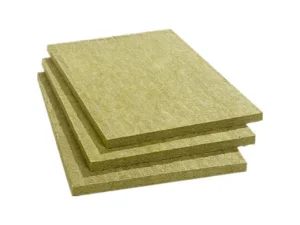
| Thermal Conductivity (0°C) | ≤ 0.034 W/(m·K) | ≤ 0.035 W/(m·K) | ≤ 0.038 W/(m·K) | ASTM C518 |
| Water Vapor Permeability (μ) | ≥ 10,000 | ≥ 7,000 | Permeable (Needs outer wrap) | ASTM E96 |
| Halogen Content | 0% (Undetectable) | Highly Chlorinated (10-15%) | 0% | EN 14582 (IEC 60754-1) |
| Smoke Development / Toxicity | Class 1 / Minimal toxicity | High smoke density / Acid gas | Non-combustible / Low toxicity | UL 94 / BS 476 Part 7 / IMO FTP |
| Operating Temperature | -50°C to +105°C | -40°C to +105°C | Up to +650°C | ASTM C411 |
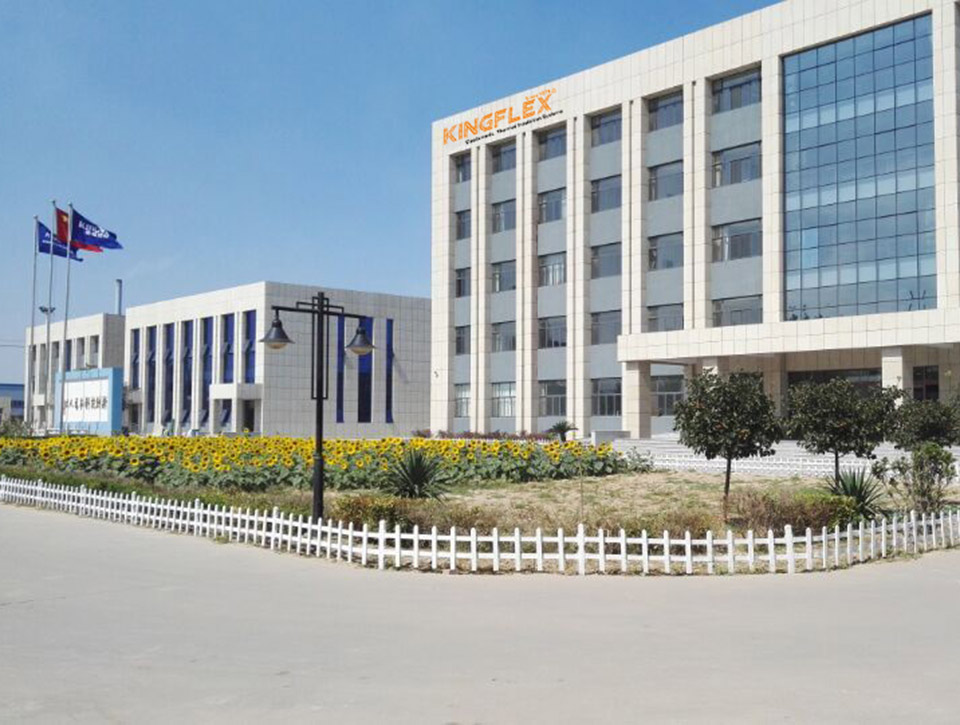
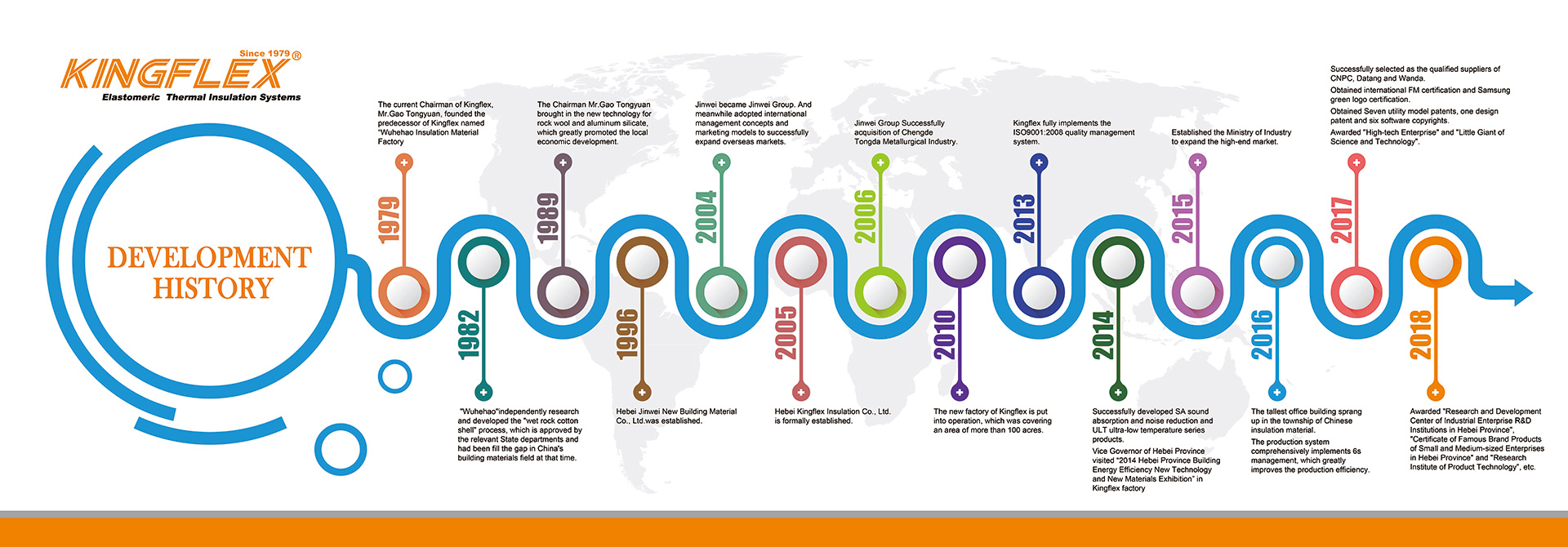
Our production facilities are situated in Dacheng, China—a globally recognized industrial center for green building materials and thermal insulation technologies. Operating under the parental oversight of the Jinwei Group (established in 1979 as the pioneer of commercial thermal insulation manufacturing north of the Yangtze River), Kingflex has synthesized four decades of material processing expertise.
We leverage complete vertical integration within the Dacheng industrial ecosystem, ensuring direct access to raw polymers, optimized curing agents, and compound ingredients. This geographical advantage minimizes domestic logistics overheads and ensures stable supply agreements, insulated from international market volatility. With 5 fully automated continuous-extrusion assembly lines and an annual capacity exceeding 600,000 cubic meters, we maintain a robust inventory flow to fulfill large-scale global procurement orders without extended lead times.
We supply full traceability documentation and test reports for global compliance, including BS 476, CE, REACH, RoHS, UL 94, and ASTM standards. This guarantees trouble-free project handovers under local jurisdiction inspectors.
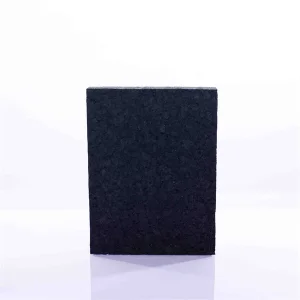
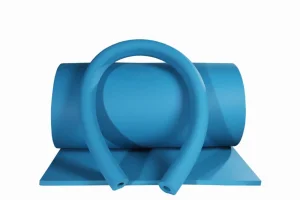
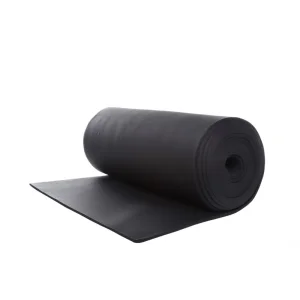
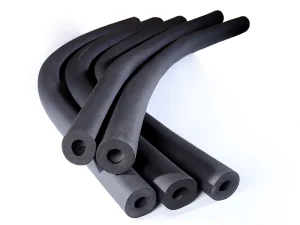
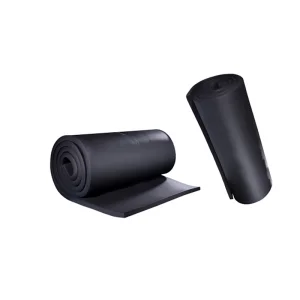
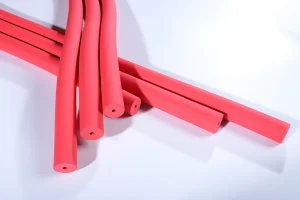
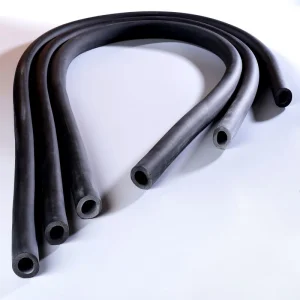
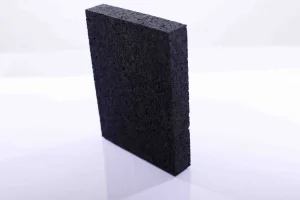
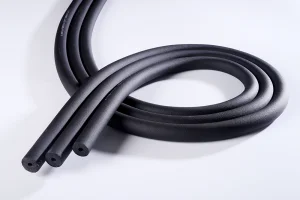
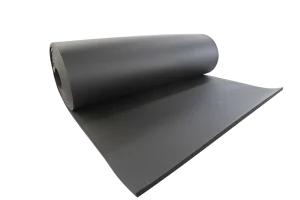
We manufacture custom wall thicknesses (6mm up to 50mm) and custom inner diameters (6mm to 114mm). Available with reinforced self-adhesive backings and diverse protective outer foils for tough environments.
Every shipment batch is barcoded at our Dacheng factory. Our customer support package provides material test reports, mill certificates, and shipping tracking to secure international supply chains.
Different engineering projects require distinct material behaviors. Halogen-free NBR/PVC polymers are highly versatile and widely specified in the following areas:
The global insulation market is undergoing a major shift driven by strict environmental policies. In North America and the European Union, buildings are responsible for over 35% of carbon emissions. Upgrading HVAC infrastructure with high-efficiency thermal insulation is the most direct method to reduce operational energy demand.
However, modern specifications require materials to be both energy-efficient and safe. The rise of green building rating systems (such as LEED, WELL Building Standard, and BREEAM) awards points for using products with verified Environmental Product Declarations (EPDs) that are free from "Red List" chemicals. Halogens are categorized as restricted pollutants due to their persistence in ecosystems and human toxicity. This makes halogen-free insulation essential for high-tier commercial projects and municipal buildings.
Additionally, Under-Insulation Corrosion (CUI) is a major issue in aging industrial plants. When water penetrates open-cell structures or halogenated insulation degrades, acid by-products build up on steel pipe surfaces. Our closed-cell, halogen-free elastomeric chemistry eliminates the source of these corrosive acids, extending the lifetime of metal infrastructure by decades.
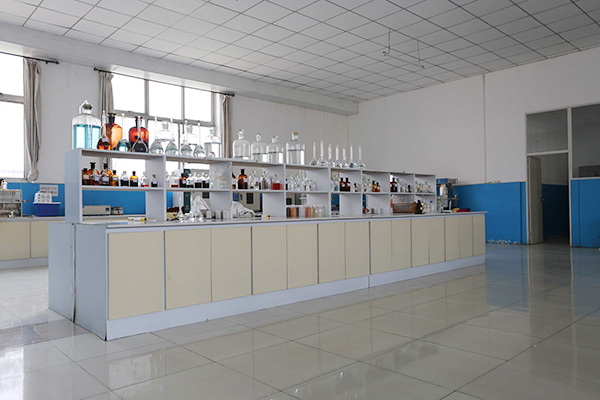
At Kingflex, our commitment to quality is backed by rigorous testing. We maintain a state-of-the-art laboratory at our Dacheng plant, equipped with optical density smoke chambers, thermal conductivity meters, and halogen detection devices.
Every raw material batch undergoes spectral analysis to verify it is completely halogen-free. Our automated extrusion lines utilize real-time laser thickness sensors and density monitors to ensure consistent closed-cell density (40-55 kg/m³) throughout the sheet or pipe run. This strict quality control prevents insulation failure, keeping your projects safe, compliant, and operating at peak thermal efficiency.