Kingflex
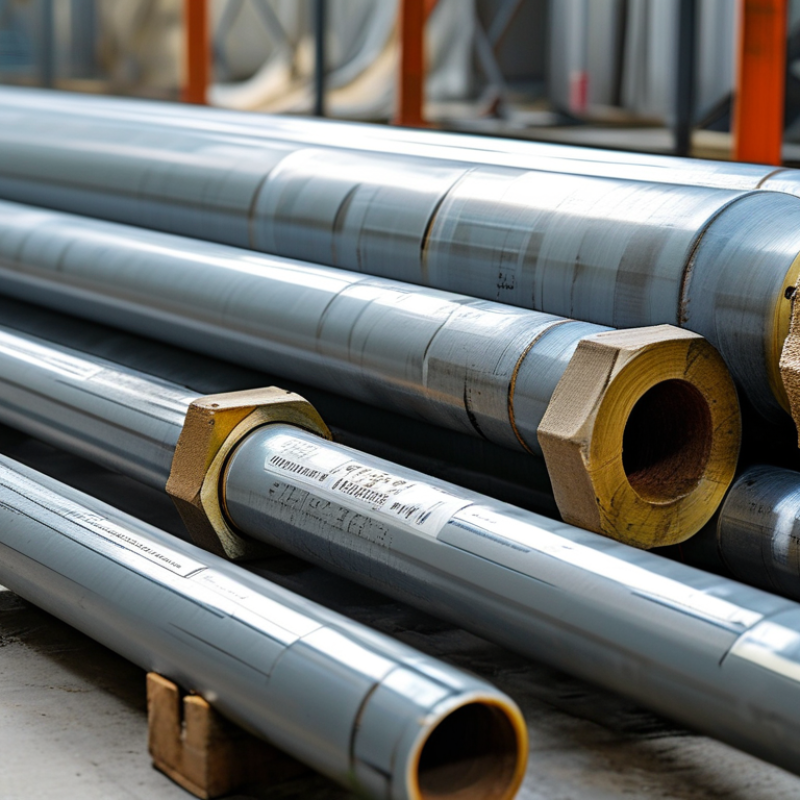
In the realm of construction and engineering, the significance of a quality Heat Insulation Tube cannot be overstated. These tubes serve as essential components for maintaining temperature control in various applications. When assessing the 2026 top features and benefits of Heat Insulation Tubes, several characteristics emerge. These include durability, lightweight nature, and outstanding thermal performance.
Significantly, a Heat Insulation Tube can reduce energy costs by minimizing heat loss. This advantage leads to a more sustainable approach to resource management. However, with an assortment of products on the market, not every option is reliable. Users must consider the materials used, as some might not meet industry standards.
Investing in a quality Heat Insulation Tube can yield notable long-term benefits. It's paramount for industries to understand that a thorough evaluation of insulation materials will likely make a difference in performance outcomes. Reflecting on current options is key; choosing the wrong insulation could lead to wasted energy and increased costs.
Heat insulation tubes in 2026 have evolved significantly, showcasing improved materials and design. These tubes play a vital role in maintaining energy efficiency across various industries. According to a report by Market Research Future, the global heat insulation materials market is expected to reach $40 billion by 2026, growing at a CAGR of 7%. This growth highlights the rising demand for effective thermal management solutions.
In terms of features, modern heat insulation tubes use advanced polymers and foams. These materials enhance insulation performance while reducing weight. The integration of nanotechnology also provides better thermal stability and resistance to thermal aging. Moreover, these tubes are designed to be more eco-friendly. The industry has seen a push for reduced environmental impact, aligning with global sustainability goals.
Despite the advancements, challenges remain. Not all insulation solutions are created equal. The effectiveness can vary based on installation quality and environmental conditions. Industry experts stress the importance of proper application. Ensuring that insulation tubes are well-fitted is critical to maximizing their benefits. Continuous research is essential to address these hurdles and further enhance product reliability.
Heat insulation tubes have become essential in modern construction and industrial applications. These tubes are engineered to minimize heat loss and enhance energy efficiency. A significant feature is the advanced materials used in their production. High-performance foam and fiberglass are common, providing excellent thermal resistance. Another key aspect is flexibility. Modern heat insulation tubes can adapt to various shapes and sizes, making them suitable for numerous applications.
Many insulation tubes now also include a moisture barrier. This helps prevent condensation, which can lead to mold or structural damage. It’s vital to consider the installation process as well. Poor installation can undermine even the best insulation materials. Precise fitting and securing can make a notable difference.
Consider these tips when selecting heat insulation tubes for your projects. Inspect the thermal conductivity ratings to ensure they meet your needs. Think about the environment in which the tubes will be installed. Factors such as humidity and temperature fluctuations can affect performance. Lastly, don't overlook the importance of fire safety. Choosing tubes that comply with safety standards is crucial for any construction project.
Heat insulation tubes are essential for various industries. They offer several advantages that can enhance efficiency and safety. One major benefit is energy conservation. By maintaining internal temperatures, these tubes reduce energy consumption. This leads to lower operating costs and helps protect the environment.
Another significant advantage is safety. Heat insulation tubes help prevent overheating, which can cause equipment failure or accidents. When pipes overheat, they can become hazardous. Insulation creates a barrier, keeping workers and equipment safe.
Durability is another feature worth mentioning. Quality heat insulation tubes resist damage from temperature changes and physical wear. However, not all insulation materials are equal. Some may degrade over time or under specific conditions. It's crucial to assess the demands of your application. Choosing the right product ensures optimal performance and longevity. Balancing insulation quality with specific needs is essential for achieving the best results.
This bar chart illustrates the key advantages of using heat insulation tubes in various applications, highlighting factors such as energy efficiency, cost savings, durability, noise reduction, and temperature control. The values represent the percentage satisfaction or effectiveness of these benefits based on industry standards.
Heat insulation tubes play a crucial role across various industries. In the construction sector, they are essential for energy efficiency. These tubes cover pipes and HVAC systems, reducing heat loss. This leads to lower energy bills and a greener environment. Proper installation is vital, as gaps can compromise insulation effectiveness.
In the automotive industry, heat insulation tubes protect components from extreme temperatures. They prevent heat buildup, ensuring optimal performance and longevity. For instance, using these tubes in exhaust systems can minimize heat transfer to surrounding parts. However, not all installations are perfect, and improper selection may lead to failures.
In the food industry, heat insulation tubes help maintain safe temperatures during transport. They keep hot foods hot and cold foods cold, which is vital for safety. Yet, there are instances where poor insulation results in temperature fluctuations. Continuous evaluation and improvement of insulation materials can enhance performance.
The future of heat insulation tube technology is rapidly evolving. New materials are being developed that enhance thermal efficiency. These advancements aim to meet the increasing demand for energy-saving solutions. Companies are investing in research to create lighter and more durable insulation tubes. These innovations reduce overall energy consumption and improve sustainability.
Smart technology integration is another trend. Insulation tubes may now include sensors that monitor temperature and efficiency. This data helps manufacturers and consumers optimize their heating systems. Customization is also becoming a focus. Tailored solutions can meet specific industry needs, offering more effective thermal management.
While progress is exciting, challenges remain. Some newer materials may not yet have proven longevity. The cost of initial investments can be high. Companies must weigh these factors against potential long-term savings. Future advancements will need to address these imperfections while improving reliability and efficiency.
| Feature | Description | Benefits |
|---|---|---|
| High Thermal Resistance | Ability to withstand high temperatures without compromising insulation properties. | Increases energy efficiency and reduces heating costs. |
| Lightweight Construction | Made from lightweight materials for easy handling and installation. | Reduces labor costs and simplifies installation processes. |
| Moisture Resistance | Designed to prevent moisture absorption, maintaining insulation performance. | Extends lifespan of the insulation tube and prevents mold growth. |
| Eco-Friendly Materials | Utilizes sustainable and recyclable materials. | Meets regulatory standards and supports environmental sustainability. |
| Flexible Design | Can be easily shaped and applied to various surfaces. | Adapts to irregular shapes and sizes, enhancing insulation effectiveness. |
| Fire Resistance | Resistant to ignition and reduces flame spread. | Increases safety in industrial applications and residential areas. |
: They are used to maintain internal temperatures in various industries, enhancing energy efficiency and safety.
By preventing heat loss, they reduce energy consumption, leading to lower operating costs and environmental protection.
They help prevent overheating, reducing risks of equipment failure and ensuring worker safety.
No, some may degrade over time or under specific conditions, affecting performance.
Very important; gaps can seriously compromise insulation effectiveness and lead to inefficiencies.
Yes, they protect components from extreme temperatures, ensuring optimal performance and longevity.
Yes, they maintain safe temperatures, keeping hot foods hot and cold foods cold.
Poor insulation can lead to temperature fluctuations, compromising safety and quality.
It helps improve performance and adapt to changing industry demands and conditions.
Yes, quality tubes resist damage, but some materials may degrade, so careful selection is crucial.
In 2026, heat insulation tubes are designed with advanced features that enhance thermal efficiency and durability, meeting the growing demands of various industries. Key innovations include improved materials and designs that optimize insulation properties, making these tubes ideal for applications ranging from construction to automotive and industrial processes.
The advantages of using heat insulation tubes are substantial, offering benefits such as energy conservation, reduced noise, and enhanced safety. As the market continues to evolve, future trends are poised to focus on sustainability and smart technologies, which will further revolutionize the use of heat insulation tubes. Their applications are expected to expand, contributing positively to energy management and environmental conservation across multiple sectors.