Selecting the right Jacketing Insulation material can protect energy performance, equipment, and long-term project value. Global buyers face different climates, installation methods, and compliance requirements. A jacket exposed to coastal salt needs different protection from one installed inside a dry warehouse. Small failures matter.
This guide examines widely used materials, including aluminum, stainless steel, PVC, polyethylene, and reinforced vapor-barrier systems. Each option has practical strengths and limitations. Aluminum offers reflective protection and good weather resistance, but it can dent during handling. Stainless steel performs well in demanding industrial areas, although its higher cost may affect project budgets. PVC is lightweight and easy to fabricate, yet temperature limits require careful review. These observations reflect common field experience, not universal guarantees.
Material selection should begin with service temperature, moisture exposure, mechanical impact, fire performance, and maintenance access. Buyers should also verify product data, test reports, warranty terms, and regional installation requirements. A reliable supplier should explain thickness, permeability, UV resistance, and fastening methods clearly. Marketing language alone is not enough. It is worth requesting samples and checking how joints, seams, and penetrations will be sealed. This article compares leading choices through a practical, evidence-based lens, helping procurement teams balance performance, cost, and installation risk. No material is perfect. A specification that succeeds in one market may require revision elsewhere. Careful review remains essential.
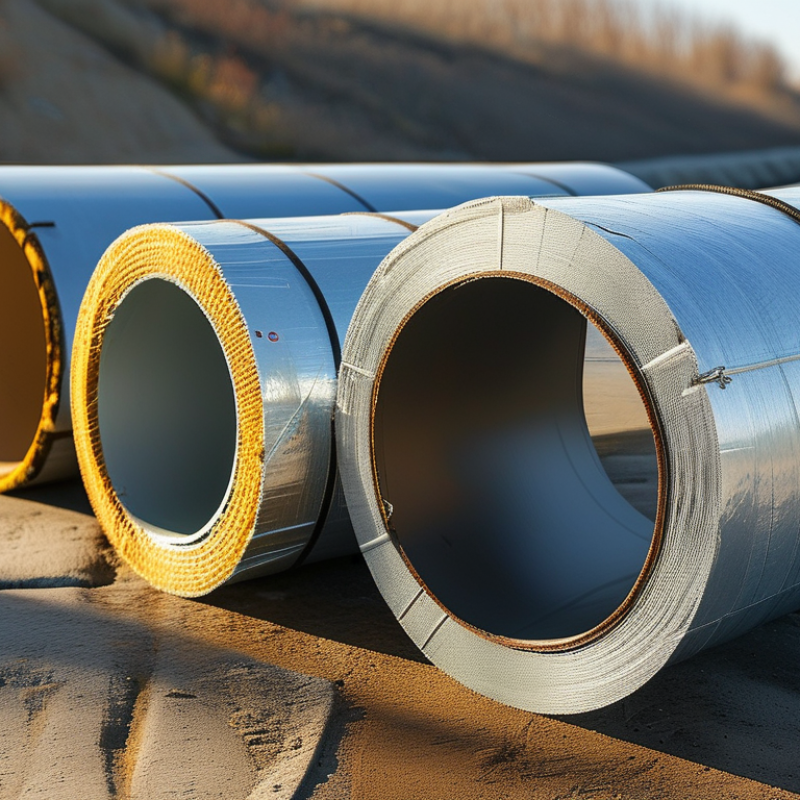
What Jacketing Insulation Materials Are and Why They Matter
Top Jacketing Insulation Materials for Global Buyers
What Jacketing Insulation Materials Are and Why They Matter
Jacketing insulation materials form the protective outer layer around pipe, duct, tank, or equipment insulation. The insulation slows heat transfer. The jacket blocks water, sunlight, impact, chemicals, and daily wear. Without this barrier, even excellent insulation can lose performance quickly.
Common options include aluminum, stainless steel, galvanized steel, PVC, polyethylene, and flexible vapor-barrier laminates. Metal jackets suit high-temperature systems and exposed industrial areas. Polymer jackets are lighter and often easier to cut around valves and fittings. Flexible laminates can help control moisture in indoor applications. A small gap matters. Poorly sealed joints may allow condensation behind the jacket.
Material selection should match the actual site, not only the product sheet. Buyers should check operating temperature, UV exposure, rainfall, salt air, impact risk, and cleaning chemicals. Fire behavior and local building requirements also need verification. Thickness, fastening methods, joint design, and compatibility with the insulation core affect long-term reliability. Field inspections often find damage around supports, elbows, and access points. These details deserve more attention.
No material wins every project. A thick metal jacket may be excessive for a protected indoor pipe. A lightweight polymer jacket may fail in a high-impact zone. Cost comparisons can also mislead when replacement labor is ignored. Reviewing test reports, installation guidance, and supplier quality records helps reduce uncertainty. The final choice should balance protection, service life, maintenance, and realistic site conditions.
Key Performance Factors for Comparing Jacketing Materials
Top Jacketing Insulation Materials for Global Buyers
When comparing jacketing materials, thermal performance is only one part of the decision. The IEA’s Buildings 2023 report states that buildings consume about 30% of global final energy. It also links buildings to roughly 26% of energy-related emissions. A jacket protects insulation from moisture, impact, ultraviolet exposure, and temperature changes. Even small gaps can undermine the installed system.
Water resistance deserves close attention. Check water-vapor transmission, joint design, and seal durability under local weather conditions. Aluminum offers low weight and strong weather resistance. Stainless steel provides better resistance in harsh or corrosive environments. Polymer jackets can simplify installation, but their ultraviolet and fire performance must be verified. Use tested values from ASTM C177 or ASTM C518 reports, rather than relying on brochure claims. Numbers matter.
Mechanical strength is often underestimated. A busy plant may expose jackets to tools, foot traffic, vibration, and repeated maintenance. Fire classification, service temperature, chemical compatibility, and expected service life should be compared together. EN 13501-1 classifications can support fire-risk screening, while ISO 9223 helps assess atmospheric corrosivity. A perfect jacket does not exist. The strongest option may cost more, while the lightest option may need repairs sooner. Global buyers should request third-party test records, installation details, and climate-specific durability evidence. Otherwise, the comparison remains incomplete.
Top Jacketing Insulation Materials for Global Buyers
Key Performance Factors for Comparing Jacketing Materials
The chart compares typical continuous service-temperature ranges for commonly specified insulation jacketing materials. Higher-temperature materials generally provide stronger thermal endurance, while polymeric jackets often offer advantages in flexibility, moisture resistance, and installation efficiency. Actual limits depend on formulation, thickness, exposure conditions, and the complete insulation system.
Major Types of Insulation Jacketing Materials for Global Buyers
Top Jacketing Insulation Materials for Global Buyers
Selecting insulation jacketing material starts with the service environment, not the lowest purchase price. Aluminum jacketing suits outdoor pipework because it reflects sunlight and resists rain. Its smooth surface also limits water retention. However, thin aluminum can dent during transport or maintenance. Stainless steel provides stronger mechanical protection and handles corrosive areas, including coastal facilities and food-processing spaces. It costs more, but replacement work can cost far more.
PVC jacketing is lightweight, flexible, and easy to cut around valves and elbows. It works well in indoor mechanical rooms with moderate temperatures. It may become brittle under strong sunlight or excessive heat, so buyers should verify temperature limits carefully. Reinforced aluminum foil laminates offer useful vapor resistance for ducts and cold insulation. Their seams need proper sealing. Small gaps can invite condensation.
Glass-cloth jacketing with a suitable coating can withstand rough handling and irregular equipment shapes. It is often practical where flexibility matters more than a polished appearance. In field inspections, I have seen excellent insulation fail because installers ignored overlaps, penetrations, and drainage paths. Material data should include temperature range, water resistance, fire behavior, thickness, and applicable test methods. Requirements vary by country and project, so buyers should check local building codes and contract specifications. No jacket is perfect. A cheaper option may still be wrong when ultraviolet exposure, impact, or cleaning chemicals are overlooked.
Conclusion
Jacketing Insulation materials protect insulation systems from moisture, mechanical damage, chemicals, temperature changes, and environmental exposure while helping maintain energy efficiency and service life. For global buyers, comparing materials requires attention to thermal stability, water resistance, durability, fire performance, flexibility, cleanability, and compatibility with the underlying insulation and operating environment. The right jacket can reduce maintenance needs, improve system reliability, and support safer long-term performance.
Material selection should reflect climate, industry, installation location, and expected service conditions. Indoor, outdoor, coastal, high-humidity, industrial, and high-temperature applications may require different levels of corrosion resistance, weather protection, impact strength, or hygiene control. Buyers should also evaluate installation methods, local technical requirements, documentation, supply consistency, lead times, lifecycle costs, and applicable compliance standards. A balanced sourcing decision considers both initial price and total value, including labor, replacement frequency, transportation, and operational efficiency.
 Kingflex
