China Best Flex Pipe Insulation for Global Buyers FAQs

Time:2026-08-16 Author:Aria
0%

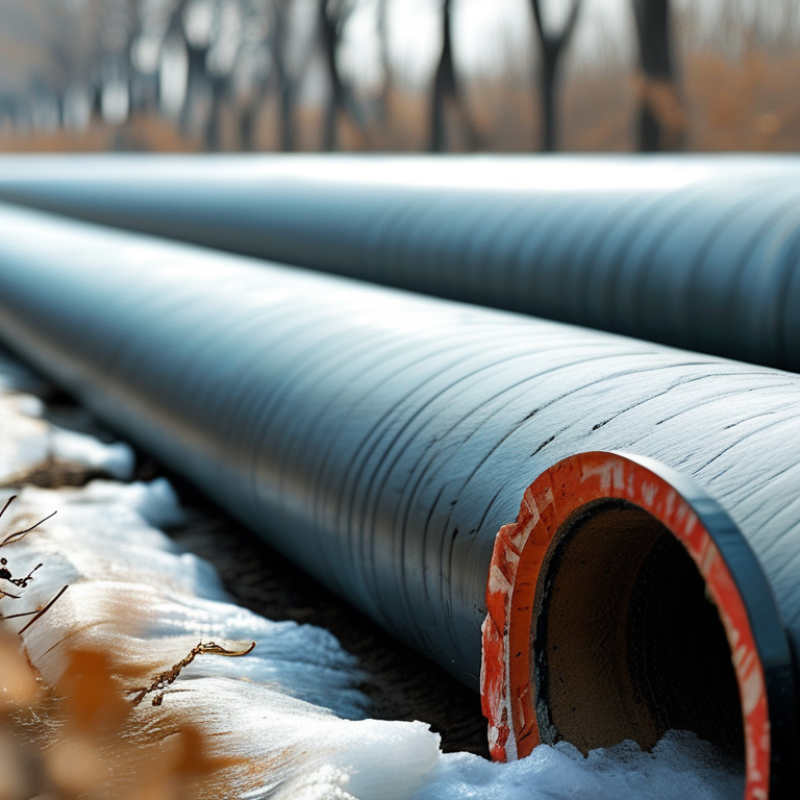
When it comes to insulation, "Flex Pipe Insulation" stands out as a versatile choice for various applications. This material is essential for maintaining energy efficiency in heating, cooling, and plumbing systems. It helps to minimize heat loss and prevent freezing in pipes. However, selecting the right type and quality can be daunting.

Many buyers often have questions regarding the best practices for purchasing and installing Flex Pipe Insulation. Understanding the specifics can significantly impact performance and longevity. Information about materials, thickness, and installation methods is crucial. Buyers need to navigate through a plethora of options and suppliers to find reliable products.

Furthermore, not all insulation materials are created equal. Some may lack durability or efficiency. It's important for global buyers to assess their needs carefully. Reflecting on one’s choices can lead to improved outcomes. Seeking expert guidance and consulting with suppliers will enhance decision-making. Overall, informed choices in Flex Pipe Insulation can lead to better energy management and cost savings over time.

China Best Flex Pipe Insulation for Global Buyers FAQs

Overview of Flex Pipe Insulation in China

Flex pipe insulation is critical in various industries, especially in China. The production facilities in the country have advanced significantly in recent years. According to a market report by Grand View Research, the global pipe insulation market is projected to reach USD 14.34 billion by 2025, with a significant portion of that attributed to flex pipe insulation.

China has emerged as a leading exporter of flex pipe insulation due to its innovative manufacturing techniques. A study by Mordor Intelligence highlights that the demand for flexible insulation is growing at a compound annual growth rate (CAGR) of 4.7% from 2023 to 2028. This surge can be attributed to the increasing need for energy-efficient systems in construction and industrial applications. Flex pipe insulation plays a key role in reducing thermal loss and improving overall energy efficiency.

However, the industry faces challenges such as fluctuating raw material prices and environmental regulations. Many manufacturers are reflecting on their processes to ensure sustainability while maintaining quality. The reliance on cost-effective production sometimes compromises material durability. It's essential for global buyers to seek high-quality options that balance cost and performance. Investing in robust flex pipe insulation is crucial for long-term benefits, despite the initial cost considerations.

China Best Flex Pipe Insulation for Global Buyers FAQs

Dimension Description Material Temperature Range Common Applications
1 inch Flexible pipe insulation for residential use Polyethylene -50°C to 80°C Water pipes, HVAC systems
2 inches Heavy-duty insulation for industrial purposes Fiberglass -40°C to 150°C Pipelines, chemical processing
3 inches Insulation for high-temperature applications Mineral wool -20°C to 300°C Oil and gas, power generation
4 inches Soundproof and thermal insulation Rubber -30°C to 100°C Buildings, machinery

Key Materials Used in Chinese Flex Pipe Insulation Products

When discussing the key materials used in Chinese flex pipe insulation products, several options come to mind. High-density fiberglass is prevalent due to its exceptional thermal resistance. This type of insulation can withstand temperatures up to 1,200 degrees Fahrenheit, making it suitable for various applications. According to a report by the International Energy Agency, using high-quality insulation can improve energy efficiency by nearly 20% in industrial settings.

Another commonly used material is mineral wool. This material not only offers strong thermal insulation properties but also provides excellent sound absorption. It's reported that mineral wool can reduce noise pollution levels by up to 50% in industrial facilities. The durability of this material also contributes to its long-term effectiveness, as it is resistant to moisture and pests.

Foam insulation has gained popularity due to its lightweight and easy installation. It offers a closed-cell structure that prevents air and moisture penetration. However, the concern with foam insulation is its potential environmental impact during production and disposal. The industry needs to reflect on the balance between effectiveness and sustainability as we move toward greener solutions. This highlights the importance of evaluating our choices in material selection for improved environmental outcomes.

Benefits of Choosing Chinese Flex Pipe Insulation for Global Buyers

Flex pipe insulation is crucial for energy efficiency. China's contributions in this sector cannot be overlooked. With a vast production capacity, China supplies innovative insulation solutions to markets worldwide. According to a 2022 report by Market Research Future, the global pipe insulation market is expected to reach $5.56 billion by 2027. This growth highlights the rising demand for effective insulation materials.

Choosing Chinese flex pipe insulation offers significant benefits. Chinese manufacturers often utilize advanced technologies. This results in high-performance materials that can withstand extreme conditions. Additionally, competitive pricing allows global buyers to enhance their insulation strategies without overspending. The thermal resistance properties of these products can outperform many alternatives. A report from Research and Markets states that flexible pipe insulation can reduce heat loss by up to 90%. This leads to lower energy consumption and cost savings for businesses.

However, there are challenges. Buyers must navigate quality variations among manufacturers. Not all products meet stringent international standards. It's essential to conduct thorough research and select reliable suppliers. Achieving optimal results requires careful selection. Insulation quality directly affects project outcomes. Taking the time to evaluate options pays off long term.

Benefits of Choosing Chinese Flex Pipe Insulation for Global Buyers

Common Questions about Sourcing and Shipping Flex Pipe Insulation

When sourcing flex pipe insulation from China, buyers often have questions about quality and shipping. Many manufacturers guarantee high thermal resistance. Some products achieve an R-value up to 8.8. This indicates effective insulation performance. Reports show that the global insulation market is projected to reach $70 billion by 2026, reflecting a growing demand.

Shipping logistics add complexity to sourcing. The average lead time for shipments from China can vary from two weeks to several months. Factors include production capacity and availability of containers. This variability can impact project timelines. Many organizations suggest evaluating suppliers' shipping records. Ensuring reliability in this area is crucial for maintaining schedules.

Some buyers have voiced concerns about inconsistent quality across manufacturers. Variability can lead to challenges in installation and long-term performance. It's essential to obtain samples for testing before committing to large orders. Using specifications and standards for insulation materials helps mitigate risks. Balancing cost and quality must remain a priority in the sourcing process.

Quality Standards and Certifications for Flex Pipe Insulation in China

In the realm of flex pipe insulation, understanding quality standards is crucial. China has established various certifications that highlight the reliability of its products. Manufacturers often aim for ISO certifications, ensuring that their processes meet international quality benchmarks. These standards help buyers assess the expected performance of insulation materials.

In the selection process, buyers should verify if the insulation has been tested under specific conditions. Some products may claim high thermal resistance but fail to provide data. Transparency in testing methods is essential for trust. Additionally, mindful buyers may find it challenging to navigate numerous certifications. Not all certifications are equal in value or recognition.

It’s important to understand the nuances of these standards. While some products may boast impressive credentials, they may not perform well in real-life applications. Buyers often rely on reviews or recommendations, but these can also be misleading. It's vital to ask for samples and conduct tests to evaluate the product yourself. Such diligence can expose variations in quality that standards might not reveal.

FAQS

: What is flex pipe insulation and why is it important?

: Flex pipe insulation is used to reduce thermal loss in various industries. It's crucial for energy efficiency in construction and industrial applications.

What are the key materials used in flex pipe insulation?

High-density fiberglass, mineral wool, and foam insulation are common. Each material has unique properties, such as thermal resistance and sound absorption.

How does high-density fiberglass benefit insulation?

It withstands high temperatures, up to 1,200 degrees Fahrenheit. This enhances energy efficiency by nearly 20% in industrial settings.

What challenges does the flex pipe insulation industry face?

Fluctuating raw material prices and strict environmental regulations are significant challenges. Manufacturers need to focus on sustainable practices.

How can buyers ensure the quality of insulation products?

Buyers should look for ISO certifications and verify testing conditions. Transparency in product performance claims is essential.

Are all certifications for insulation equal?

No, not all certifications hold the same value. Understanding the nuances is vital for making informed purchasing decisions.

Why is foam insulation popular?

Foam insulation is lightweight and easy to install. However, its environmental impact during production raises concerns that need reflection.

What should buyers do to evaluate insulation before purchase?

It's best to ask for samples and test the products. Reviews can be misleading; personal evaluation can reveal true quality.

How does mineral wool contribute to productivity?

Mineral wool offers excellent thermal insulation and absorbs sound. It's durable against moisture and pests, making it reliable for long-term use.

What is the industry's approach to sustainability?

The industry is increasingly reflecting on balancing cost and environmental impact. Sustainable choices need prioritization for a greener future.

Conclusion

The article "China Best Flex Pipe Insulation for Global Buyers FAQs" provides a comprehensive overview of flex pipe insulation manufactured in China. It highlights the key materials commonly utilized in these products, which contribute to their effectiveness and durability. Global buyers are presented with various benefits of selecting Chinese flex pipe insulation, including competitive pricing, availability of diverse options, and adherence to quality standards.

In addition, the article addresses common concerns regarding sourcing and shipping flex pipe insulation, ensuring that buyers are well-informed about the logistics involved. Furthermore, it emphasizes the quality standards and certifications that Chinese manufacturers adhere to, reinforcing the reliability of their products. This summary positions the advantages of Chinese flex pipe insulation as a viable choice for buyers worldwide, ensuring they can make informed purchasing decisions.

Aria

Aria

Aria is a dedicated marketing professional with a deep passion for innovative strategies and a keen understanding of our company's product offerings. With a wealth of experience in the industry, Aria excels at crafting engaging content that highlights the unique features and benefits of our......