China’s 15mm Insulation Pipe sector is moving from low-cost supply toward measurable thermal performance, safer materials, and dependable installation. This shift matters because a small pipe can still lose significant energy across long corridors, plant rooms, and chilled-water networks. The International Energy Agency reports that buildings account for about 30% of global energy demand. The U.S. Department of Energy also identifies insulation as a practical method for reducing industrial heat loss. These figures give the market a clear direction. They do not, however, make every product equal.
A 15mm Insulation Pipe must be judged beyond its catalogue thickness. Buyers should examine thermal conductivity, temperature range, water-vapour resistance, fire behaviour, dimensional stability, and joint quality. EN 14313, ASTM C534, and relevant Chinese GB standards can support a more reliable comparison. Amory Lovins, a recognised energy-efficiency expert, said, “The cheapest energy is the energy you don’t use.” His point remains useful here, although pipe insulation alone cannot solve poor system design. Installation gaps, compressed sections, and exposed seams can quietly reduce performance.
This guide reviews China’s top 10 15mm Insulation Pipe manufacturers through a practical E-E-A-T lens. It considers factory experience, test documentation, production consistency, technical support, and customer evidence. Some rankings may still feel imperfect. Public information is uneven, and marketing claims are not always independently verified. That is worth admitting. A careful buyer should request recent laboratory reports, sample approvals, and project references before choosing a supplier. The best manufacturer is not simply the cheapest. It is the one that delivers stable protection after installation, season after season.
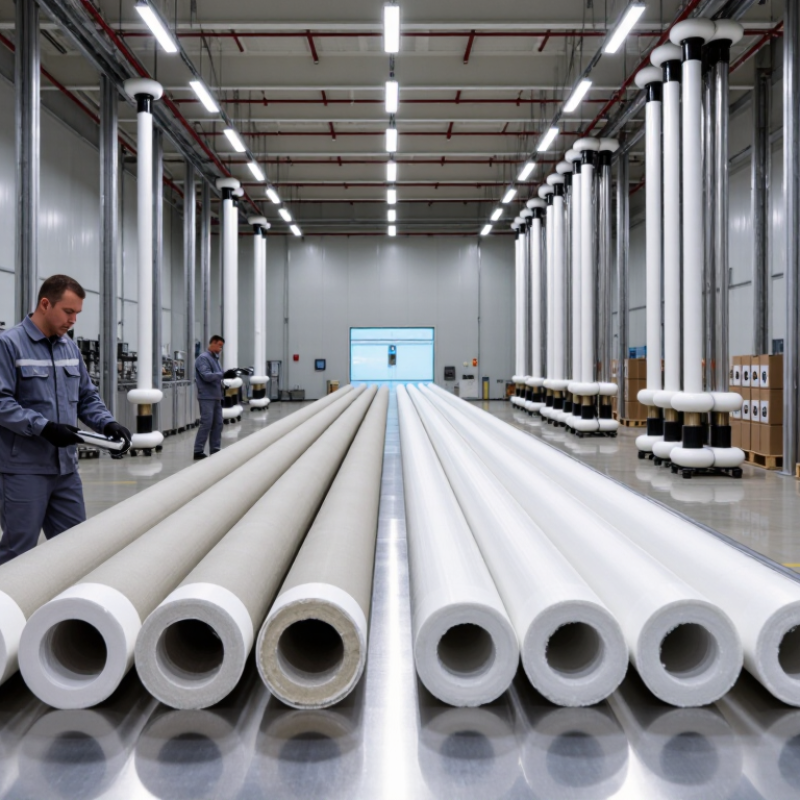
Definition and Applications of 15mm Insulation Pipes in China
A 15mm insulation pipe in China usually means a pipe with a 15mm insulation thickness. Its inner diameter depends on the protected pipe, so the label alone is not enough. Common materials include elastomeric rubber, polyethylene foam, and mineral wool. Each option handles heat, moisture, fire risk, and compression differently.
These pipes help reduce heat loss in hot-water systems and prevent condensation on chilled-water lines. They are used in residential buildings, factories, hospitals, and commercial air-conditioning projects. Refrigeration rooms also need them. A properly fitted layer keeps surfaces dry and improves system efficiency. However, 15mm insulation is not suitable for every climate or temperature range. Outdoor pipelines may need thicker protection, stronger weather resistance, or an additional waterproof jacket. The term can be misunderstood. It describes thickness, not complete performance.
Tips: Confirm the pipe’s outer diameter, operating temperature, and installation location before ordering. Check local project standards and request test data for thermal conductivity, fire behavior, and moisture resistance. Keep joints tightly sealed. Small gaps matter. During site inspections, compressed insulation is often overlooked, yet it can create cold spots and condensation. In my experience, choosing the cheapest option first can become an expensive correction later. The better decision may be less obvious.
Key Standards for Evaluating Chinese 15mm Insulation Pipe Manufacturers
When evaluating China’s top 15mm insulation pipe manufacturers, begin by defining “15mm” clearly. It may describe insulation thickness, pipe diameter, or an internal product code. A reliable manufacturer confirms this detail on technical drawings and inspection records.
Material performance deserves close testing. Check thermal conductivity at declared temperatures, density tolerance, water absorption, dimensional stability, and resistance to aging. For projects near equipment rooms, verify flame behavior and smoke performance against the required local standards. Ask for recent laboratory reports, not recycled documents. The report should identify the product batch, test date, method, and sample thickness. Small details matter.
Production quality is equally important. Inspect extrusion lines, cutting accuracy, packaging, and storage conditions during a factory audit. Moisture-damaged cartons can hide weakened insulation. Manufacturers with ISO 9001 systems may offer stronger process control, but certification alone proves little. Request incoming-material records, in-process checks, and final inspection data. Sample several batches before approving large quantities. Field experience also matters: ask for installation feedback from comparable temperature ranges and pipe sizes. One weakness remains common—suppliers sometimes quote impressive laboratory values without explaining real installation conditions. A careful buyer should question that gap and record every assumption in the purchase specification.
China Top 10 15mm Insulation Pipe Manufacturers
Key Standards for Evaluating Chinese 15mm Insulation Pipe Manufacturers
This chart presents a practical procurement-weighting framework for evaluating 15mm insulation pipe suppliers without using company or brand data. The criteria reflect common technical and compliance checks used for pipe insulation, including thermal performance, fire behavior, moisture resistance, dimensional conformity, and quality documentation.
Relevant verification references may include ISO 8497 or ASTM C177 for thermal conductivity, GB 8624 or EN 13501-1 for reaction-to-fire classification, ASTM E96 for water-vapor transmission, GB/T 17794 or EN 14304 for applicable insulation product requirements, and documented dimensional and batch-quality controls. The percentages represent evaluation weights rather than the performance of any specific manufacturer.
Top 10 Chinese Manufacturers and Their Product Strengths
China’s top 10 15mm insulation pipe manufacturers show different strengths across materials, production scale, and customization. Most focus on closed-cell elastomeric foam, polyethylene, or mineral wool solutions. These materials support chilled-water lines, plumbing systems, and HVAC installations. Some factories offer stable 15mm wall thickness with inner diameters matched to copper, steel, or plastic pipes. Others specialize in flexible tubes for tight bends and crowded mechanical rooms.
Production strength is often visible in practical details. Better manufacturers control foam density, dimensional tolerance, and surface sealing during continuous extrusion. Several facilities provide flame-resistance options, low water absorption, and improved protection against condensation. Their testing may include thermal conductivity, aging, compression recovery, and basic fire-performance checks. Custom colors, cut lengths, adhesive surfaces, and printed packaging also help international distributors. Factory audits remain important. A polished catalog proves little without current test reports and batch records.
The ten suppliers do not perform equally in every climate. Some products become less flexible in cold storage areas. Others need better UV protection for exposed outdoor sections. Published conductivity figures may also change with temperature and thickness. That deserves attention. Buyers should request samples, inspect wall consistency, and compare performance after installation. A strong manufacturer should explain these limits clearly, not hide them behind broad claims. Small production details often decide whether a pipe stays dry, intact, and serviceable for years.
How to Select the Right 15mm Insulation Pipe Supplier
Choosing a 15mm insulation pipe supplier in China requires more than comparing quotations. Check the supplier’s production experience, factory capacity, and technical documentation. Ask whether the 15mm size refers to pipe diameter, wall thickness, or a fitting specification. This detail is often misunderstood.
Request samples before placing a large order. Measure the inner diameter, outer diameter, wall consistency, and flexibility with simple tools. Inspect the surface for cracks, uneven seams, or compression marks.
Review thermal conductivity, working temperature, moisture resistance, and fire-performance test reports. Reliable suppliers should provide traceable documents, batch information, and clear testing methods.
Communication quality is equally important. A capable supplier should explain material differences, installation limits, and storage conditions without vague promises. Confirm packaging, minimum order quantity, production lead time, inspection procedures, and export documents in writing.
An independent pre-shipment inspection can reduce avoidable risks. Still, no supplier is perfect. A sample may pass while a later batch varies slightly, so ongoing quality checks remain necessary. Ask how complaints are handled, and test the supplier’s response before signing a long-term agreement.
Conclusion
This article presents a practical overview of the China 15mm Insulation Pipe market, explaining the pipe’s basic definition, common applications, and role in residential, commercial, industrial, plumbing, and HVAC systems. It also outlines the key standards used to evaluate manufacturers, including dimensional accuracy, thermal insulation performance, moisture resistance, fire safety, durability, production consistency, and compliance with applicable quality requirements.
The article further compares the strengths of ten leading categories of Chinese manufacturers without focusing on brand names, highlighting differences in material selection, customization capabilities, production capacity, manufacturing technology, and quality-control procedures. It describes common materials and production stages, from raw-material preparation and extrusion or molding to inspection, packaging, and delivery. Finally, it offers practical guidance for selecting the right 15mm Insulation Pipe supplier by considering product specifications, testing documentation, production reliability, minimum order quantities, communication, lead times, after-sales support, and total purchasing cost.
 Kingflex
