Choosing the right 35mm Pipe Insulation is crucial for energy efficiency and system protection. Renowned expert, Dr. Emily Chen, emphasizes, "Effective insulation not only saves energy but also ensures long-lasting pipe integrity." Her insights guide us in selecting the best options available.
When assessing 35mm Pipe Insulation, consider factors such as material type and thermal resistance. The most common materials include fiberglass, foam, and rubber. Each offers unique benefits but may not be suitable for every scenario. Take time to evaluate the specific needs of your project.
Regional climate and pipe location can impact your choice. Insulation that excels in one environment may falter in another. Reflect on your situation and requirements. This thought process helps avoid common mistakes, such as oversizing or underestimating insulation effectiveness. The right choice can lead to significant savings and improved performance.
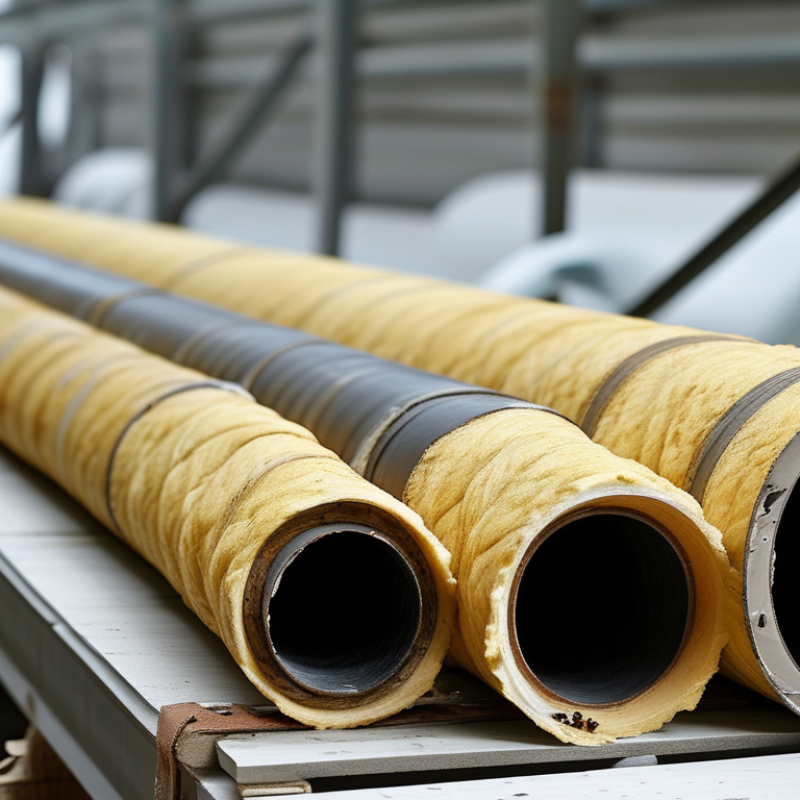
Understanding 35mm Pipe Insulation: Types and Materials Available
When selecting 35mm pipe insulation, understanding the available types and materials is essential. Insulation typically varies in composition, thickness, and R-values. Common materials include fiberglass, foam, and elastomeric rubber. Each offers unique benefits that suit different applications. For instance, fiberglass is known for its high thermal resistance. It is often used in industrial settings where temperature control is crucial. On the other hand, foam insulation is lightweight and easy to install.
Elastomeric rubber is another popular option. It is flexible, providing a snug fit around pipes, which minimizes heat loss. This type is also resistant to moisture, making it ideal for humid environments. However, you might find that it comes at a higher price point than other materials. Consider your specific needs carefully before making a choice.
It’s important to reflect on your situation. The best choice may not always be the most expensive or well-reviewed. Always evaluate the installation space and the temperatures the pipes will endure. Effectiveness can differ based on application and local climate. As you weigh your options, ensure you balance cost and performance for optimal insulation.
Assessing Your Insulation Needs: Factors to Consider for Efficiency
Choosing the right 35mm pipe insulation requires careful assessment of your specific needs. Start by evaluating your environment. Consider temperature fluctuations and humidity levels. Pipes in unconditioned spaces will need more robust insulation compared to those in regulated areas.
Next, think about energy efficiency. Proper insulation reduces heat loss in hot fluids and minimizes condensation in cold pipes. Look for insulation materials that offer effective thermal resistance. Take into account the pipes’ locations. For outdoor installations, consider special materials that withstand moisture and UV exposure.
It’s also important to be aware of installation challenges. Some insulation types can be difficult to handle or fit around existing pipes. This might lead to gaps that compromise efficiency. Review your skills and tools before starting. Always prioritize safe handling of insulation materials. Assessing your specific needs ensures you make an informed choice for optimal performance.
Evaluating Thermal Resistance: R-Values and Their Importance
When selecting 35mm pipe insulation, understanding R-values is crucial. R-value measures thermal resistance. Higher R-values indicate better insulation. It directly impacts energy efficiency and cost savings. For instance, pipes carrying hot water require higher R-values. This ensures minimal heat loss, keeping energy bills lower.
The material you choose influences R-values significantly. Some materials provide excellent insulation but may not be durable. Others might be easier to install but lack efficiency. Search for a balance that meets your specific needs. Consider environmental factors too; extreme temperatures affect performance. A high R-value in a stable environment may not be necessary.
Installation is key. Properly installed insulation maximizes R-value benefits. Gaps or compression can diminish effectiveness. Inspect insulation regularly for wear. While achieving optimal insulation may seem straightforward, nuances exist. The wrong choice can lead to unexpected energy loss and increased costs. Always reflect on your priorities and requirements.
Installation Tips: Best Practices for Applying Pipe Insulation
When applying 35mm pipe insulation, it's crucial to follow best practices to ensure optimal performance. Begin by measuring the pipe's circumference. Ensure that the insulation fits snugly. Loose insulation can lead to energy loss. According to the U.S. Department of Energy, proper insulation can save you 10% to 20% on heating and cooling costs annually.
Use the correct adhesive or tape when securing the insulation. It should be moisture-resistant to avoid mold growth. Gaps in insulation can lead to condensation buildup. This can damage pipes over time. Applying insulation in a dry environment is crucial. Moisture can degrade the material.
On corners and fittings, cut slits to help the insulation conform better. This technique can improve thermal resistance. Research from the National Insulation Association emphasizes that high-quality installation can increase the effectiveness of insulation by up to 30%. Always revisit your installation after a few months. Check for any gaps or signs of wear. Regular maintenance is essential for long-term benefits.
Cost-Effectiveness: Budgeting for Your Pipe Insulation Project
When budgeting for your pipe insulation project, consider both materials and labor costs. Quality 35mm insulation can save money over time by reducing energy bills. However, the initial investment might seem high. It's essential to balance upfront costs with long-term savings. Look for options that offer good thermal performance without breaking the bank.
Evaluate your specific needs. Do you have pipes in extreme temperatures? Understanding your environment helps in choosing the right insulation. Sometimes, cheaper materials might lead to higher energy costs later. Don't rush into decisions; gather quotes from professionals. Compare their expertise and previous projects. This can provide valuable insight into the best options for your budget.
Reflection on your project scope is vital. Are you insulating just a few pipes or an entire system? This affects the overall cost. Take into account labor rates in your area. If you're handy, consider DIY options to save money. However, improper installation can lead to issues. Weighing these factors carefully can help you make an informed choice that suits both your budget and insulation needs.
Conclusion
When selecting the best 35mm pipe insulation for your needs, it is crucial to understand the different types and materials available, as each option offers unique benefits. Assessing your insulation needs includes considering factors like the specific environment, the type of pipes being insulated, and the desired energy efficiency. Evaluating thermal resistance, often indicated by R-values, is essential in determining how well the insulation will perform in reducing energy loss.
Installation practices also play a key role in maximizing the effectiveness of 35mm pipe insulation. Proper application techniques not only enhance insulation performance but also contribute to the longevity of the material. Finally, budgeting for your pipe insulation project involves understanding the cost-effectiveness of various insulation choices, ensuring you strike a balance between quality and affordability without compromising on performance.
 Kingflex
