Choosing among China’s top Insulation Tube Foam suppliers requires more than comparing prices or polished catalogs. In practical projects, a tube may look uniform but still vary in density, wall thickness, or surface finish. These differences affect heat loss, condensation control, installation speed, and service life. A reliable buyer should request samples, technical data sheets, test reports, and production photographs before placing a large order.
Dr. Joseph Lstiburek, a respected building-science expert, has stated, “A perfect wall is not a product; it is a system.” This principle also applies to Insulation Tube Foam. The foam must match the pipe diameter, operating temperature, moisture conditions, and fire-safety requirements. Check thermal conductivity, closed-cell structure, water absorption, compression recovery, and dimensional tolerance. Also examine whether the supplier controls raw materials and tests every production batch. Factory experience matters. So does clear communication.
A low quotation can be attractive. It can also hide thinner walls, unstable foam, or incomplete documentation. Ask whether the supplier can provide custom sizes, private labeling, export packaging, and consistent repeat orders. A factory audit or independent inspection adds confidence. Still, no shortlist is perfect. Product tests may not reflect every installation environment, and marketing claims sometimes sound stronger than the evidence. Start with a small trial order, record installation results, and compare actual performance against the stated specifications. The best supplier is not always the cheapest one. It is the partner that offers measurable quality, transparent communication, and dependable production when project conditions become difficult.
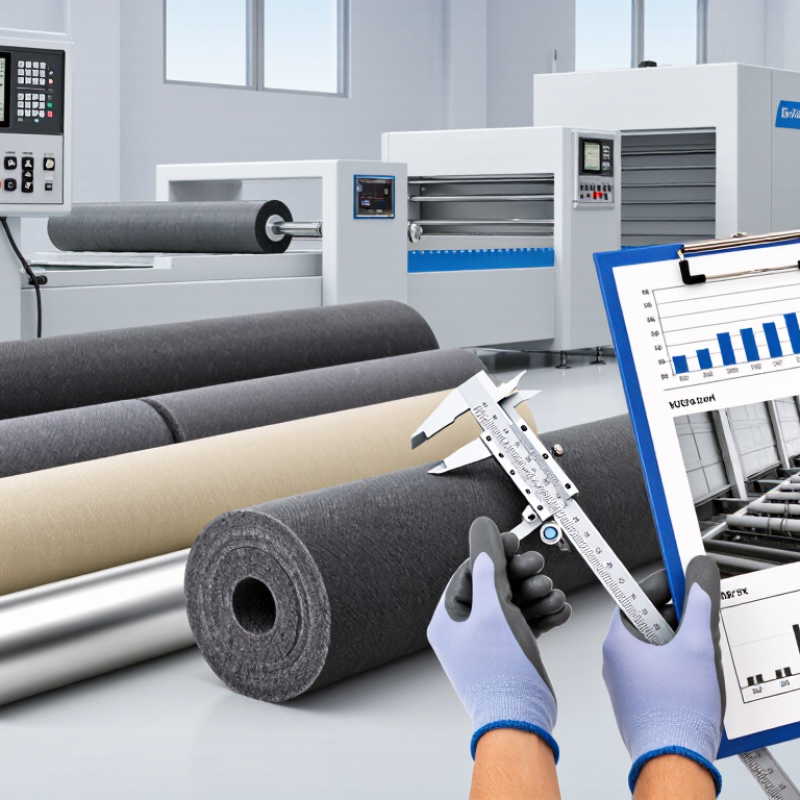
What Are Insulation Tube Foams and Where Are They Used?
Insulation tube foams are flexible sleeves made from materials such as polyethylene, elastomeric rubber, or mineral-based foam. They fit around pipes, cables, and selected metal components. Their closed-cell structure slows heat transfer and limits moisture entry. This helps maintain fluid temperature inside hot-water and chilled-water lines. It also reduces surface condensation in humid rooms.
These foams appear in residential plumbing, HVAC systems, refrigeration equipment, solar water heating, and industrial pipework. On a cold copper pipe, a well-fitted sleeve can keep droplets from forming on nearby walls or ceilings. On a hot-water pipe, it reduces heat loss between the heater and the tap. Foam tubes can also soften vibration and reduce minor contact noise. The performance depends on thickness, density, temperature range, and joint quality. Small gaps matter.
From practical installation experience, cutting the tube cleanly is more important than many buyers expect. Seams should close tightly, while bends need careful fitting instead of forced stretching. A supplier should provide test data, dimensional tolerances, temperature limits, and resistance information for moisture and fire. Do not assume every black foam tube is suitable for refrigeration or high-temperature service. That assumption fails often. One detail I still reconsider is choosing maximum thickness by default; cramped spaces may need a thinner, better-sealed design. Product selection should match the pipe diameter, operating conditions, local building requirements, and expected service life.
Which Materials and Performance Factors Matter Most?
When comparing insulation tube foam suppliers in China, start with the material, not the sales claim. Closed-cell elastomeric rubber suits chilled-water pipes because it limits moisture entry and resists condensation. Polyethylene foam is lightweight, economical, and easy to cut on site. Polyurethane provides strong thermal insulation, but it needs careful protection from sunlight and mechanical damage. Mineral wool handles higher temperatures, although it usually requires a separate vapor barrier.
Performance depends on more than thermal conductivity. Check the stated temperature range, water-vapor permeability, density, compression recovery, and dimensional stability. A tube that fits loosely can create cold bridges around elbows and valves. For outdoor piping, ask about UV resistance and surface protection. For occupied buildings, review fire-performance data and smoke requirements. Test reports should identify the sample, test method, and production date.
A practical supplier review should include physical samples. Bend a section around a pipe, press it briefly, and inspect whether it cracks or stays permanently deformed. Request batch consistency records, not only one laboratory report. Confirm inner diameter tolerances before ordering thousands of meters. Small differences matter during installation. I would also compare adhesive compatibility with the selected foam; this step is often neglected. No material wins every job. Some product data can look precise, yet field performance may change with humidity, storage, and rushed installation. That is where careful suppliers provide clearer instructions and realistic limitations.
How to Identify Reliable Chinese Insulation Tube Foam Suppliers?
Choosing a Chinese insulation tube foam supplier requires more than comparing online prices. Start with the foam itself: density, wall thickness, thermal conductivity, flexibility, and water absorption. Ask for a current technical data sheet, not a copied catalog page. Request samples in the exact inner diameter and length your project needs. Measure them after storage and bending. Small cracks often appear at the cut ends. That detail matters.
Reliable suppliers explain their production process clearly, from raw material mixing to packing. During a factory review, check extrusion lines, curing areas, storage conditions, and batch labels. Photographs help, but live video or an independent inspection provides stronger evidence. Ask how they control density and dimensional tolerance between batches. An honest supplier should show inspection records, test methods, and corrective actions. Perfect claims deserve questions. Real factories sometimes report defects. That is better than hiding them.
Evaluate communication as carefully as the product. Can the sales team answer technical questions without vague promises? Confirm minimum order quantity, tooling fees, lead time, packaging, and replacement terms in writing. Check whether export documents and product labels match the shipment. Third-party reports can support your review, but they should not replace direct verification. Request references for similar tube sizes and climate conditions. One weakness remains easy to miss: suppliers may offer excellent samples but inconsistent mass production. Use a pilot order with measured acceptance criteria. Then review the results before expanding the contract.
How to Compare Product Quality, Customization, and Certifications?
Choosing a China insulation tube foam supplier requires more than comparing prices. In procurement reviews, I check thermal conductivity, density, water absorption, and dimensional stability. A tube that looks smooth may still shrink around a hot pipe. ASTM C534 covers flexible elastomeric insulation in sheet and tubular forms. Ask for recent laboratory reports, not copied brochures. Test results should match the exact foam grade and thickness you will purchase.
Customization also needs clear evidence. Confirm inner diameter tolerance, wall thickness, length, color, packaging, and cutting accuracy. For chilled-water systems, closed-cell structure and low water vapor permeability are critical. ISO 12241 provides calculation guidance for thermal insulation on building equipment. The 2023 UNEP Global Status Report states that buildings consumed about 30% of global final energy and produced roughly 26% of energy-related emissions. Better insulation can support efficiency, but supplier claims should not replace project calculations. I would not trust a glossy sample alone.
Tips: Request three samples from different production batches. Compare hardness, odor, surface cracks, and fit on a pipe. Check certifications such as EN 14304, when applicable, and verify the certificate scope, factory address, product code, and expiration date. Ask whether fire-performance testing follows the destination market’s requirements. A small oversight remains possible: laboratory performance may differ after transport, storage, or installation. Record these risks before approving the supplier.
What Should Buyers Check Before Placing an Order?
Before placing an order for China-made insulation tubes, buyers should verify performance, not only price. The International Energy Agency reported in Energy Efficiency 2023 that buildings consume about 30% of global final energy. Proper pipe insulation can reduce heat loss and condensation risks in building services. Ask for thermal conductivity values at the actual operating temperature. Room-temperature figures may look impressive but mislead.
Check whether the foam complies with relevant standards, such as EN 14304 or ASTM C534. Request third-party test reports from an ISO/IEC 17025-accredited laboratory. Review water vapor permeability, fire behavior, density, dimensional tolerance, and aging performance. Measure the inner diameter with a sample. A two-millimeter mismatch can create installation gaps. Also confirm adhesive compatibility, wall thickness, carton protection, and batch traceability. A low quotation can still become expensive after rework.
Ask the supplier for recent production samples, not showroom pieces. Compare samples from different batches. Confirm minimum order quantity, lead time, inspection rights, and replacement terms in writing. A factory audit should examine mixing, foaming, curing, cutting, and final packing. I would not rely on a single certificate. Reports can be valid but irrelevant to your temperature range. This is where buyers often rush. A short checklist, supported by measured samples, is more reliable than polished sales language.
Conclusion
Choosing the right Insulation Tube Foam supplier in China requires more than comparing prices. These products are commonly used to protect pipes, cables, HVAC systems, refrigeration lines, and industrial equipment from heat loss, condensation, vibration, and mechanical damage. Buyers should examine the foam’s material, density, thickness, temperature range, water resistance, flame performance, flexibility, and long-term durability to ensure it matches the intended application.
Reliable suppliers should demonstrate consistent production capabilities, clear quality-control procedures, responsive communication, and experience with international orders. When comparing options, review product samples, customization services, packaging, delivery capacity, and relevant certifications or test reports. Before placing an order, confirm technical specifications, tolerances, color and size requirements, minimum order quantities, inspection arrangements, payment terms, and after-sales support. A careful evaluation of quality, compliance, and supplier reliability can help buyers reduce risks and select insulation tube foam products that perform consistently in real operating conditions.
 Kingflex
