What Is Insulation Jacketing and Why Is It Used? The answer begins with protection. Insulation Jacketing is the outer covering installed over insulated pipes, tanks, ducts, and equipment. It helps shield insulation from rain, condensation, sunlight, impact, chemicals, and daily maintenance activity. Without a suitable jacket, insulation can become wet, crushed, or torn. Its thermal performance may then decline quietly.
Building-science expert Dr. Joseph Lstiburek is widely associated with the practical warning, “Water is the enemy.” That short sentence explains much of jacketing’s value. Moisture can travel through small gaps, damaged seams, or poorly sealed penetrations. On chilled systems, vapor control is especially important. On hot systems, surface durability and safe handling also matter. Aluminum, stainless steel, PVC, canvas, and reinforced jacketing each suit different environments. The correct choice depends on temperature, exposure, cleaning methods, appearance, and maintenance access.
Experienced installers know that a jacket is not merely cosmetic. It should fit tightly, shed water, and allow controlled movement. Seams need careful placement. Penetrations need compatible seals. A polished surface can still conceal weak detailing. That is an uncomfortable lesson, but an important one. Even excellent insulation may underperform when jacketing is selected without considering the entire system. This guide examines the materials, functions, installation details, and limitations of Insulation Jacketing. It also considers where common assumptions fail, because protection is only reliable when design, workmanship, and inspection work together.
Definition and Purpose of Insulation Jacketing
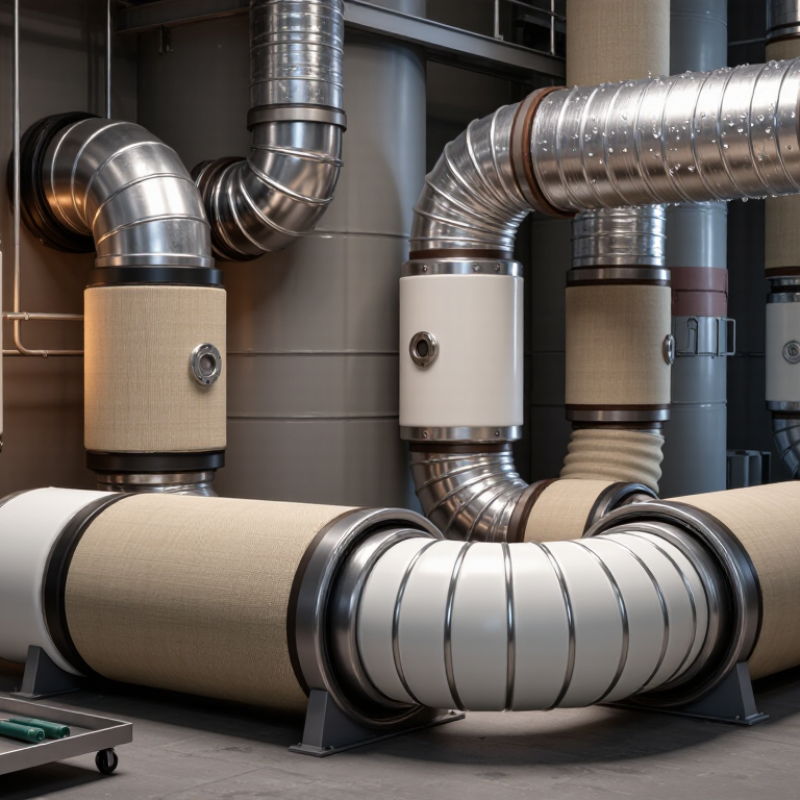
Insulation jacketing is the outer covering installed over thermal insulation on pipes, ducts, tanks, and equipment. It is not the insulation itself. The jacket shields the insulation from water, impact, chemicals, sunlight, and daily maintenance activity. Common materials include aluminum, stainless steel, galvanized steel, plastic, and reinforced fabric. Each choice reflects the operating environment.
Its main purpose is to preserve thermal performance over time. Wet or compressed insulation can lose effectiveness and create corrosion risks beneath the covering. The International Energy Agency’s Energy Efficiency 2023 report states that buildings consume about 30% of global final energy and produce approximately 26% of energy-related emissions. Industrial systems add another significant demand, so small heat losses deserve attention. A correctly sealed jacket can reduce moisture entry and stabilize surface temperatures. It also protects workers from hot surfaces.
Field experience shows that installation quality matters as much as material selection. Overlapping seams, sealed penetrations, and properly fitted elbows prevent weak points. Poor detailing can leave gaps around valves and supports. That mistake is common. It is also easy to overlook.
The U.S. Department of Energy emphasizes continuous insulation and moisture control as key parts of efficient building systems. However, jacketing should not be treated as a cure-all. It cannot repair damaged insulation or compensate for incorrect thickness. Regular inspection remains necessary, especially where condensation, vibration, or outdoor exposure occurs. A durable jacket is a protective system, not merely a polished finish.
Materials Used for Insulation Jacketing
What Is Insulation Jacketing and Why Is It Used?
Insulation jacketing protects insulation from water, impact, chemicals, and ultraviolet exposure. The jacket also limits fiber release from certain insulation products. In industrial plants, material selection often depends on temperature, moisture, corrosion risk, and maintenance access.
The U.S. Department of Energy reports that insulation and air sealing can reduce heating and cooling energy use by up to 20%. That saving depends on installation quality, not the jacket alone.
Aluminum is widely used because it is lightweight, reflective, and easy to form around pipes and vessels. Stainless steel offers stronger corrosion resistance in coastal or chemical environments. Galvanized steel provides mechanical protection, but damaged coatings can rust.
PVC jacketing resists moisture and many chemicals, while remaining simple to clean. It may deform near high-temperature equipment. Flexible options include canvas, glass cloth, and elastomeric sheets. They suit irregular surfaces and areas needing frequent access.
No material works everywhere. A thin aluminum jacket can fail under repeated impact. A rigid metal jacket can trap moisture if seams are poorly sealed. Field inspections often find loose bands, open laps, and missing weather barriers.
Those details matter. The National Insulation Association’s insulation energy appraisal guidance emphasizes checking surface temperature, moisture control, and jacket condition during assessments.
A practical specification should state thickness, seam design, fire performance, corrosion resistance, and expected service temperature. Engineers sometimes overlook cleaning chemicals. That mistake can shorten the jacket’s useful life.
How Insulation Jacketing Protects Insulated Systems
Insulation jacketing is the outer protective layer fitted over an insulated pipe, duct, tank, or vessel. It shields the insulation from rain, sunlight, moisture, physical impact, and chemical exposure. Without this barrier, wet insulation can lose much of its thermal performance. It can also become heavy, damaged, or difficult to maintain.
How Insulation Jacketing Protects Insulated Systems
During insulation inspections, small jacket defects often reveal larger problems. A loose seam can let water reach the insulation beneath. Repeated sunlight may make some materials brittle. Foot traffic or dropped tools can crush exposed areas. Proper jacketing reduces these risks by creating a continuous, durable surface around the system. It also supports cleaner installations in busy mechanical rooms and outdoor service areas.
Effective protection depends on more than material selection. Installers must seal overlaps, protect penetrations, and direct water away from joints. Fasteners should suit the environment and avoid unnecessary gaps. In cold systems, careful detailing helps prevent moisture migration and condensation under the jacket. The correct design should follow project specifications, manufacturer guidance, and applicable building codes.
A jacket is not magic. Poor workmanship can defeat a good material. During maintenance, technicians should check seams, corners, supports, and areas near valves. Damage may appear minor at first. However, one open joint can expose insulation to months of moisture. Regular inspection remains valuable, although it is sometimes overlooked until energy loss or corrosion becomes visible.
Common Types and Applications of Jacketing
What Is Insulation Jacketing and Why Is It Used?
Common Types and Applications of Jacketing
Insulation jacketing is the protective outer layer installed over thermal insulation. It shields insulation from water, impact, chemicals, sunlight, and maintenance traffic. It also gives pipes and equipment a cleaner, more serviceable finish. The jacket does not create insulation by itself. Its value depends on correct material selection and careful installation.
Aluminum jacketing is common on outdoor pipework, tanks, and process equipment. It is lightweight, reflective, and easy to form around bends. Stainless steel jacketing suits humid, corrosive, or frequently washed areas. It costs more, but it tolerates harder service. PVC jacketing is often used indoors, especially where smooth, wipeable surfaces matter. It is less suitable near high heat without proper specification. Fiberglass-reinforced plastic offers stronger chemical resistance in demanding facilities. Each material has limits.
Removable fabric jacketing serves valves, flanges, and pumps needing regular access. Weather-barrier jacketing protects chilled-water insulation from rain and condensation. Seams, overlaps, bands, and penetrations deserve close attention. A small opening can admit moisture and damage insulation quietly. I have seen a neat jacket hide poor sealing around supports. That mistake is easy to miss. Inspectors should check joints, drainage paths, and service labels before closing the work. In food or pharmaceutical areas, smooth surfaces and cleanable details may matter more than appearance alone.
Installation, Maintenance, and Replacement Considerations
Insulation jacketing shields thermal insulation from moisture, impact, ultraviolet exposure, and chemical contact. Installation begins with a clean, dry insulation surface. Fit the jacket tightly around valves, pipes, and vessel joints. Seal overlaps according to the material specification. Small gaps matter. They can collect water and weaken the insulation beneath.
Experienced installers check supports, expansion points, and drainage paths before closing each section. Stainless steel, aluminum, and flexible jacketing require different fasteners and seam treatments. A qualified inspector should verify thickness, overlap, and sealant compatibility. Field conditions often differ from drawings. That difference deserves attention. For example, a warm pipe may expand after startup and split an overly tight seam.
Maintenance should follow the equipment’s operating environment. Inspect exposed areas after severe weather, washdowns, vibration, or nearby construction. Look for dents, loose bands, open seams, staining, and soft insulation. A simple moisture check can prevent larger repairs. Do not cover damaged jacketing without finding the water source. That shortcut often traps moisture and increases corrosion risk.
Replacement becomes necessary when the jacket no longer sheds water or protects the insulation. Remove wet or contaminated insulation carefully, then inspect the pipe surface for corrosion. Replace damaged sections with compatible materials and restore vapor seals where required. Record photographs, inspection dates, and repaired locations. Records are useful. Still, they are not a substitute for close visual checks during routine rounds.
Insulation jacketing protects insulation from moisture, mechanical damage, chemicals, UV exposure, and weathering. The chart shows typical continuous service-temperature ranges for commonly used jacket materials. Actual limits depend on the insulation system, exposure conditions, installation quality, and applicable project specifications. Inspect jackets for dents, open seams, corrosion, cracking, and water entry before repair or replacement.
Conclusion
Insulation Jacketing is the protective outer covering installed over insulated pipes, ducts, tanks, and equipment. Its main purpose is to shield insulation from moisture, weather, physical impact, chemicals, dust, and operational wear while helping the insulated system maintain stable thermal performance. Common jacketing materials include aluminum, stainless steel, galvanized metal, plastic, and flexible coated fabrics. The appropriate choice depends on temperature, location, exposure conditions, durability requirements, and appearance.
By forming a continuous barrier, jacketing helps prevent water intrusion, corrosion under insulation, insulation damage, and energy loss. It is widely used in industrial facilities, commercial buildings, refrigeration systems, HVAC installations, and process equipment. Proper installation requires well-fitted sections, sealed joints, suitable fasteners, and careful treatment around valves, supports, and access points. Regular inspections can identify dents, loose seams, corrosion, or damaged seals before they affect the insulation. When jacketing becomes severely deteriorated, timely repair or replacement helps preserve system efficiency, safety, and service life.
 Kingflex
