China’s pipe insulation market is expanding with industrial upgrades, district heating projects, and stricter energy-efficiency expectations. For buyers, identifying reliable 40mm Pipe Insulation manufacturers requires more than comparing online catalogs. Product density, thermal conductivity, moisture resistance, fire performance, and dimensional stability can change project outcomes.
The International Energy Agency’s Energy Efficiency 2023 report emphasizes the continuing importance of reducing energy losses across buildings and industrial systems. The U.S. Department of Energy also identifies pipe insulation as a practical measure for limiting heat loss, protecting personnel, and improving system efficiency. These findings provide a useful technical context for evaluating Chinese suppliers.
Standards matter.
ISO 12241:2022 offers calculation principles for thermal insulation used on building equipment and industrial installations. China’s GB/T 4272 also provides guidance for thermal insulation in equipment and pipelines. A serious manufacturer should explain how its 40mm Pipe Insulation products meet relevant testing requirements, not merely display attractive specifications.
This guide examines leading Chinese manufacturers through a buyer-focused lens. It considers production capacity, material choices, factory certification, laboratory testing, export experience, customization, and after-sales support. Samples should be tested under project conditions, especially where humidity, vibration, outdoor exposure, or high temperatures are involved.
No ranking is perfect. Supplier information can change quickly. Some companies publish limited test data, while others present broader claims than their documents support. Therefore, procurement teams should request recent test reports, batch records, technical datasheets, and installation guidance before signing contracts. A strong supplier is not only a low-cost producer. It is a transparent technical partner that can support consistent performance from factory floor to operating pipeline.
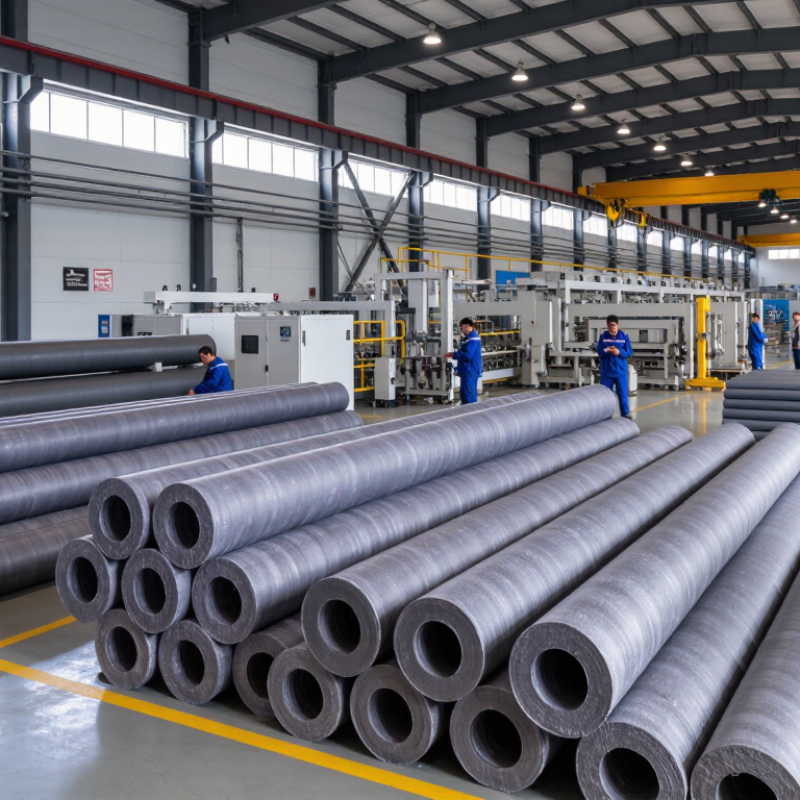
What Is 40mm Pipe Insulation and Where Is It Used?
40mm pipe insulation means an insulating layer approximately 40 millimetres thick around a pipe, not a 40mm pipe diameter. It may use mineral wool, elastomeric foam, polyethylene, or rigid foam. The correct material depends on temperature, moisture exposure, fire performance, and mechanical impact. Thickness alone is not a guarantee of efficiency.
This thickness is commonly specified for chilled-water lines, hot-water circulation, HVAC risers, and selected industrial services. On a cold pipe, continuous insulation reduces surface condensation and limits heat gain. On a hot pipe, it lowers energy loss and protects workers from burns.
The IEA Energy Efficiency 2023 report states that buildings consume about 30% of global final energy. Pipe insulation is only one measure, but distribution losses are often overlooked. The UNEP Global Status Report for Buildings and Construction also links buildings and construction with roughly 37% of global energy-related and process emissions, showing why small thermal improvements matter.
Installation quality changes the result. Joints need tight sealing, supports need protection, and outdoor sections require weather-resistant cladding. In humid plant rooms, a damaged vapour barrier can make good insulation perform poorly.
That is an easy detail to miss.
Engineers should verify operating temperature, pipe diameter, local fire rules, and condensation risk before choosing 40mm. Field inspections sometimes reveal uneven thickness or compressed sections.
The specification looked correct.
The installation was not.
Key Standards for Evaluating Chinese Pipe Insulation Manufacturers
Choosing among China’s top 40mm pipe insulation manufacturers requires more than comparing prices or catalog photos. Start by confirming what “40mm” means: insulation thickness, pipe diameter, or an internal model code. Ask for dimensional tolerances, thermal conductivity values, water absorption data, and operating temperature ranges. These figures should match recognized GB/T, ASTM, or EN requirements for the intended market.
Factory evidence matters. Request recent laboratory reports, batch traceability records, and calibration certificates for testing equipment. A reliable manufacturer should explain its raw material controls, curing process, density checks, and packaging methods. During a factory audit, inspect cutting accuracy and joint consistency. Small gaps can create condensation problems on a cold-water line. Product samples should be tested under comparable temperature and humidity conditions.
Documents can look complete.
They are not always enough.
Compare at least three production batches, not one attractive sample. Check whether the reported thermal conductivity applies to the finished product or only to raw material. Review fire performance, compression resistance, aging behavior, and installation guidance for your project. Communication is another practical standard; unclear answers about tolerances or delivery risks deserve attention. I would also examine complaint handling and replacement procedures, because even a technically capable factory may respond slowly after shipment. Some evaluation methods remain imperfect, especially when test laboratories use different conditions. Record every assumption before signing a supply agreement.
China Top 40 mm Pipe Insulation Manufacturers: Key Standards for Evaluation
Recommended screening weights for comparing manufacturers of 40 mm pipe insulation. The framework focuses on measurable product performance, compliance documentation, manufacturing consistency, and project support rather than company or brand data.
Reference points include GB/T 17794 for flexible elastomeric insulation, GB/T 13350 for glass wool insulation, GB/T 11835 for mineral wool insulation, GB 8624 for reaction-to-fire classification, and ISO 8497 for thermal insulation of pipes. The percentages are a practical evaluation model, not company performance results.
Leading China-Based Manufacturers of 40mm Pipe Insulation
China Top 40mm Pipe Insulation Manufacturers?
China-based manufacturers of 40mm pipe insulation serve commercial buildings, factories, cold-storage facilities, and energy projects. Many produce elastomeric rubber, mineral wool, fiberglass, or polyethylene systems. The right material depends on temperature, moisture, fire requirements, and installation conditions.
Experienced manufacturers usually provide technical data sheets, density reports, thermal conductivity results, and dimensional tolerances. Reliable factories also explain how they control thickness during production. A 40mm product should remain consistent around bends, joints, and valve sections. Some manufacturers offer custom lengths, laminated surfaces, moisture barriers, and pre-cut fittings. These details can reduce waste on site.
Tips: Request recent test reports and production samples. Check the actual inner diameter, not only the advertised thickness. Ask how the factory handles compression, storage, and batch inspection. A video audit can reveal packaging quality and workshop organization. However, documents alone are not enough. I have seen technically strong samples arrive with weak carton protection. That issue deserves attention.
Buyers should compare more than price. Examine factory experience, quality-control records, export capability, and response speed. Confirm whether the insulation suits the pipe medium and operating temperature. Fire classification may also vary by formulation and facing material. No supplier is perfect, and specifications can still be misunderstood. Clear drawings and written acceptance criteria prevent expensive revisions. Manufacturers that welcome independent inspection often show stronger reliability.
Comparison of Products, Materials, Certifications, and Production Capacity
China Top 40mm Pipe Insulation Manufacturers?
A reliable comparison starts with the product, not the factory brochure. For 40mm pipe insulation, elastomeric rubber suits chilled-water lines because its closed cells resist moisture. Mineral wool tolerates higher temperatures and offers strong fire performance. Glass wool remains lightweight, while polyethylene foam often serves lower-temperature utility piping. Each material needs different density, facing, joint treatment, and installation skills.
Certification details deserve careful checking. ISO 9001 indicates a documented quality system, but it does not prove thermal performance. Depending on the target market, buyers should review test reports for thermal conductivity, water absorption, fire behavior, and dimensional stability. Standards such as EN, ASTM, or local building requirements must match the application. A certificate without a traceable report is weak evidence. This is often overlooked.
Production capacity also separates experienced manufacturers from small converters. Inspect extrusion lines, curing ovens, cutting accuracy, storage conditions, and laboratory equipment. Ask for monthly output by material and diameter, not one impressive total figure. Stable capacity supports repeat orders and consistent 40mm thickness. However, high capacity can hide uneven batches. Request recent samples, lot records, and independent test results. A factory visit may reveal rushed packaging, imperfect edges, or poor moisture protection. Those details matter during installation.
How to Select and Purchase a Reliable Chinese Manufacturer
China Top 40mm Pipe Insulation Manufacturers?
Selecting a reliable Chinese manufacturer requires more than comparing online prices. Confirm whether 40mm means insulation thickness, pipe diameter, or another specification. Request technical data for thermal conductivity, density, water absorption, temperature range, and fire performance. The manufacturer should provide current test reports from recognized laboratories. Check whether those reports match the exact product, not a similar sample.
Ask for production photos, factory registration details, quality procedures, and batch traceability records. A video inspection can reveal storage conditions, cutting accuracy, and packaging quality. Order samples before placing a large purchase. Measure thickness at several points, inspect the surface, and test fitting around your actual pipe. Small gaps can create serious heat loss. Confirm packaging, lead time, payment terms, replacement procedures, and export documents in writing. Avoid relying only on a polished sales presentation.
Tips: Compare at least three quotations using identical specifications. Ask for a pre-shipment inspection. Clarify the applicable safety and building requirements in your destination market. Keep approved samples and signed drawings for future checks. Price matters, but an unusually low offer may hide thinner material or weaker testing. No checklist is perfect. I would also review communication speed, because delayed technical answers often become production delays.
FAQS
It means an insulation layer about 40 millimetres thick around a pipe. It does not mean a 40mm pipe diameter. Thickness alone is not enough.
It is used on chilled-water lines, hot-water circulation pipes, HVAC risers, and selected industrial services. Applications vary with temperature and moisture exposure.
Continuous insulation reduces condensation and limits heat entering the pipe. Sealed joints matter, especially in humid plant rooms. Small gaps can cause trouble.
It reduces heat loss and lowers surface temperatures near workers. This can improve energy performance and reduce burn risks. Installation still needs checking.
Common options include mineral wool, elastomeric foam, polyethylene, and rigid foam. Selection depends on temperature, moisture, fire performance, and mechanical impact. There is no universal material.
Check thermal conductivity, density, water absorption, temperature range, fire performance, and dimensional tolerances. Confirm that test reports match the exact product. Do not trust similar samples.
Request production samples, factory details, quality procedures, and batch records. A video inspection can reveal storage, cutting, and packaging conditions. Documents are not enough.
Protect supports, seal joints tightly, and use weather-resistant cladding outdoors. Inspect bends, valves, and compressed sections. The specification may look correct, yet installation can fail.
Use identical specifications for every quotation. Compare quality records, inspection options, lead time, packaging, replacement terms, and export documents. An unusually low price may hide thinner material. Personally, I would question unclear answers.
Conclusion
This guide explains what 40mm Pipe Insulation is, how its thickness supports thermal control, condensation prevention, energy efficiency, and equipment protection, and where it is commonly used, including HVAC systems, chilled-water lines, heating networks, industrial piping, and building services. It also introduces the main factors for evaluating Chinese manufacturers, such as material quality, dimensional accuracy, thermal conductivity, fire performance, moisture resistance, durability, production consistency, and compliance with relevant international and regional standards.
The article compares common insulation materials, available surface treatments, certification options, manufacturing capabilities, customization services, quality-control procedures, lead times, minimum order requirements, and export experience. It concludes with practical advice for selecting and purchasing from a reliable Chinese supplier, including reviewing technical documentation, requesting samples, verifying factory capacity, confirming inspection processes, assessing communication and after-sales support, and obtaining a clear quotation that covers packaging, delivery, and required specifications.
 Kingflex
