Top 10 Duct Tape Insulation Solutions for Your Projects?

Time:2026-08-11 Author:Oliver
0%

Duct tape is more than just a quick fix. It has become a go-to material for various insulation projects. Duct Tape Insulation combines convenience with effectiveness. Many DIY enthusiasts and homeowners have turned to it for home improvement tasks. Whether sealing gaps or providing insulation, the versatility of duct tape is impressive.

However, not all duct tape options are created equal. Some of them don’t perform well under certain conditions. Understanding the right type of duct tape insulation can make a significant difference in your projects. Selecting the ideal product will save you time and money in the long run. Exploring the top options will guide you toward making informed decisions.

In this article, we will delve into the top 10 duct tape insulation solutions. Each solution has unique attributes that cater to specific needs. From energy efficiency to ease of application, we will examine what sets them apart. With careful consideration, you can amplify your insulation efforts and enhance your living environment.

Top 10 Duct Tape Insulation Solutions for Your Projects?

What is Duct Tape Insulation and Its Benefits?

Duct tape insulation is an innovative solution for various projects. It is known for its versatility and ease of use. This material can be applied in many areas, from sealing small gaps to wrapping pipes. The benefits are pretty significant, especially for temperature control and energy efficiency.

Using duct tape for insulation can reduce energy loss in your home. It prevents air leaks from windows and doors, making your space more comfortable. Moreover, it's often a quick fix for emergency repairs. On top of that, duct tape is usually more affordable compared to traditional insulation materials. However, it's important to note that duct tape might not provide the same thermal resistance as other options.

While duct tape is convenient, it can wear out over time. Its effectiveness may decrease in extreme temperatures. This aspect is worth considering before relying solely on it for insulation needs. Being aware of these limitations can help you make more informed choices. A blend of duct tape solutions alongside traditional methods might be the best approach.

Top 10 Duct Tape Insulation Solutions for Home Projects

When tackling home insulation projects, duct tape can be surprisingly versatile. It can help seal gaps and cracks, enhancing your home’s energy efficiency. The color and thickness can vary, allowing for different uses. A simple tear can fix minor leaks in insulation around windows. This can minimize heat loss in winter, and it’s easy to apply.

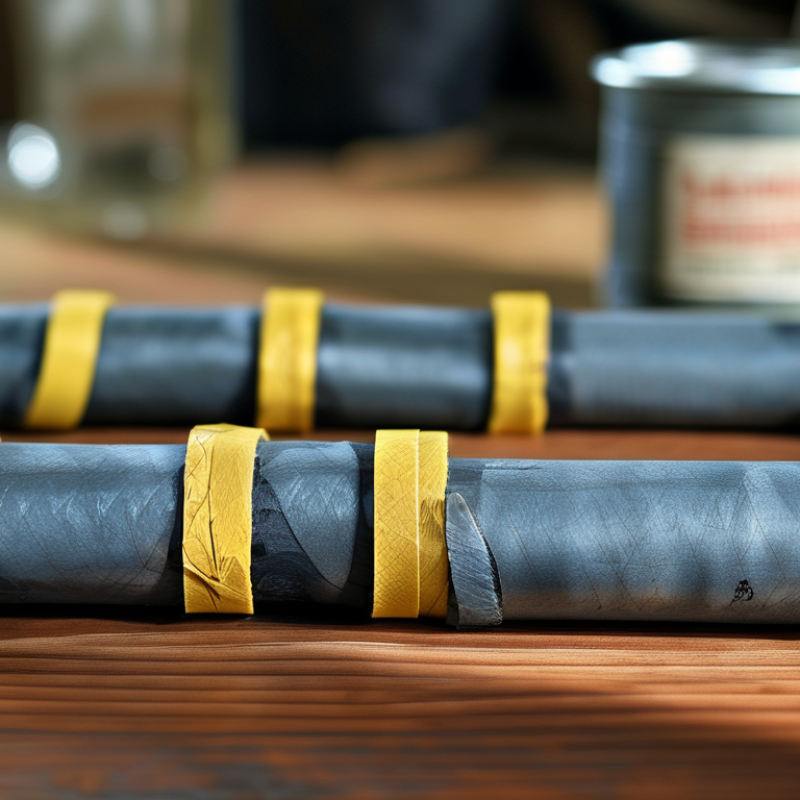
Consider using duct tape for wrapping exposed pipes. This prevents heat loss, especially in colder areas. It’s a quick fix for DIY enthusiasts who want immediate results. However, relying solely on duct tape is not always the best solution. Its effectiveness can diminish over time, particularly in extreme temperatures. Regular checks are essential to ensure durability.

Another interesting application is using duct tape for draft stoppers. Simply fill an old sock with fabric scraps and wrap it tightly. Place this at the base of doors to block cold air. While creative, results may vary based on door designs. DIY solutions like these can lead to unexpected challenges. Still, they offer a practical way to engage with home improvement.

Top 10 Duct Tape Insulation Solutions for Home Projects

Creative Uses of Duct Tape for Energy Efficiency

Duct tape offers surprising energy-efficient solutions for various projects. Its properties allow homeowners to easily insulate windows and doors. For instance, sealing gaps with duct tape can reduce drafts significantly. This simple method can save you money on heating and cooling costs.

Consider using duct tape to cover electrical outlets. This can prevent drafts from entering rooms. It's an easy fix and creates a barrier against energy loss. Another creative use involves insulating pipes. Wrapping exposed pipes helps prevent heat loss, especially in colder climates.

While duct tape may seem like a quick and easy solution, its longevity can be an issue. Over time, adhesive properties may degrade. It’s essential to check the condition of the tape regularly. Experimenting with duct tape can lead to new methods for improving energy efficiency. You might discover new applications in places you never considered.

Top 10 Duct Tape Insulation Solutions for Your Projects

Solution Description Energy Savings (%) Estimated Cost ($)
Window Sealing Use duct tape to seal around windows to reduce drafts. 15 20
Insulating Pipes Wrap duct tape around exposed pipes to prevent heat loss. 10 15
Draft Stoppers Create draft stoppers using rolled up newspaper and duct tape. 5 10
Insulated Door Stops Use duct tape with insulation material to create door stops. 12 18
Attic Vent Cover Seal attic vents with duct tape to minimize air leakage. 20 25
HVAC Duct Sealing Seal HVAC ducts with duct tape to reduce energy waste. 18 30
Cable Management Use duct tape to organize cables and prevent energy waste. 3 5
Insulating Light Fixtures Seal gaps around light fixtures to improve efficiency. 8 12
Insulated Curtains Enhance window treatment with duct tape for better insulation. 12 40

Step-by-Step Guide to Applying Duct Tape Insulation

Applying duct tape insulation involves several crucial steps. This process can enhance energy efficiency. According to the U.S. Department of Energy, proper insulation can reduce heating and cooling costs by up to 20%. Start by cleaning the surface. Make sure it's dry and free from dust. This ensures adequate adhesion for your duct tape.

Next, measure the area requiring insulation. Use a tape measure for accuracy. Cut the duct tape into manageable strips. Overlapping the edges can provide a better seal. Avoiding gaps is essential. Inadequate sealing can lead to air leaks, costing homeowners more in energy bills. Adjustments may be necessary. Frequent checks can help identify weaknesses in your application.

A final layer of evaluation is important. Inspect your insulation after installation. Look for any loose ends or areas that need reapplication. It's common for initial attempts to need fine-tuning. With the right attention to detail, duct tape insulation can be effective and cost-efficient. Data from energy audits show that even small improvements can contribute significantly to energy conservation. From household projects to larger installations, duct tape can play a key role in enhancing efficiency when applied correctly.

Maintenance Tips for Duct Tape Insulation Solutions

When using duct tape for insulation, proper maintenance is essential. Regular checks help to identify wear and tear. Look for frayed edges or peeling sections. If you notice these issues, it’s best to replace the tape promptly. This practice prevents further energy loss and maintains efficiency.

Another key element is keeping the surface clean. Dust and debris can weaken the tape's adhesive properties. Wipe down surfaces before applying duct tape to ensure a strong bond. Additionally, consider the tape's exposure to moisture. Dampness can deteriorate its insulating abilities. If you suspect water damage, replace the tape as soon as possible.

Maintaining duct tape insulation requires attention. Observe temperature fluctuations. If you notice drafts forming, reassess your insulation quality. It may indicate a need for repair. Reflecting on these maintenance tips can significantly enhance your duct tape projects. A little effort goes a long way in ensuring long-lasting results.

FAQS

: What is a creative way to use duct tape for energy efficiency?

: Duct tape can seal gaps in windows and doors to reduce drafts.

How can I insulate electrical outlets with duct tape?

Covering outlets with duct tape creates a barrier against drafts and energy loss.

What should I do before applying duct tape for insulation?

Clean the surface thoroughly to ensure the tape adheres well.

How do I measure for duct tape insulation?

Use a tape measure to accurately determine the area needing insulation.

What is essential to avoid while applying duct tape?

Avoid gaps in the insulation. They can lead to increased energy bills.

How often should I check my duct tape insulation?

Regular checks are wise to look for wear and potential leaks.

What can cause duct tape to lose its adhesion?

Dust, debris, or moisture can weaken the tape over time.

When should I replace duct tape?

If you see frayed edges or peeling, it’s time to replace the tape.

Can minor energy improvements have a significant impact?

Yes, small improvements can lead to noticeable energy conservation.

How does temperature affect duct tape insulation?

Temperature fluctuations can indicate drafts, suggesting the need for repairs.

Conclusion

Duct Tape Insulation is a versatile and cost-effective solution for improving energy efficiency in your home. It serves not only as a barrier against drafts and energy loss but also as a practical tool for various insulation projects. The article explores the top 10 duct tape insulation solutions, highlighting creative uses that enhance energy efficiency, from sealing gaps to insulating pipes.

A step-by-step guide is provided to help homeowners effectively apply Duct Tape Insulation for optimal results, ensuring proper coverage and longevity. Additionally, maintenance tips are included to keep your insulation in good condition, maximizing its effectiveness over time. By embracing these techniques, you can leverage the power of duct tape to create a more energy-efficient living space.

Oliver

Oliver

Oliver is a seasoned marketing professional with a wealth of expertise in driving brand awareness and engagement. With a deep understanding of our company's product offerings, he consistently delivers high-quality content that enriches our professional blog. His insights not only shed light on......