China Air Conditioner Insulation Hose Manufacturer & Quotes

Premium NBR/PVC Closed-Cell Elastomeric Thermal Insulation Systems for Global Industrial, Commercial HVAC/R & Cryogenic Applications

Industrial Whitepaper: The Science and Application of Closed-Cell Elastomeric Hoses

An analytical guide detailing thermo-physical metrics, global procurement guidelines, and modern manufacturing paradigms in China Dacheng Green Technology Zone.

1. The Thermodynamics of AC Insulation: Why Closed-Cell Structure Rules

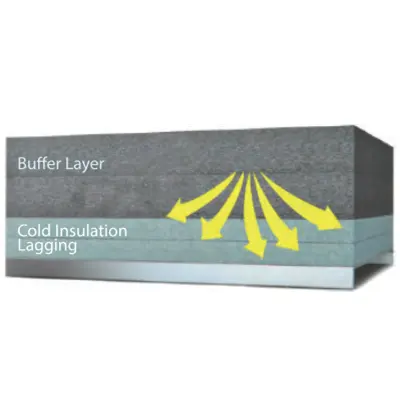
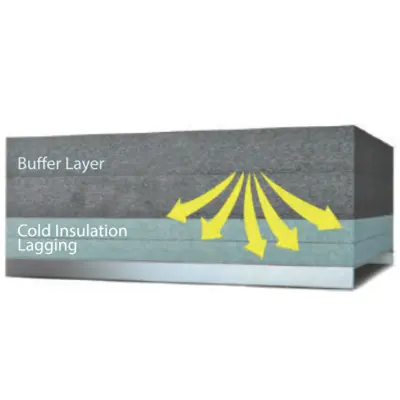
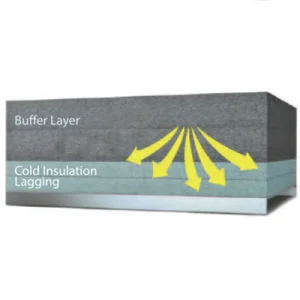
In modern commercial HVAC/R systems, maintaining thermal equilibrium along refrigerant transport pipelines is essential. Condensation, thermal bridging, and structural thermal degradation are constant threats to overall thermodynamic efficiency. Elastomeric rubber-plastic foam insulation—specifically formulated with a dense matrix of closed microcells (rate exceeding 98%)—functions as a dual-action thermal barrier.

According to Fourier’s Law of Heat Conduction, heat transfer is minimized when gaseous convection is restricted inside solid matrices. In Kingflex NBR/PVC elastomeric formulations, these tiny, closed-cell cavities trap dry air, which exhibits extremely low thermal conductivity ($\lambda \le 0.034$ W/m·K at 0°C).

Vapor Barrier Protection

The moisture resistance factor ($\mu \ge 10,000$) provides a built-in vapor barrier that prevents water ingress even in high-humidity climates, preventing structural mold and pipe corrosion.

Low Thermal Conductivity

Delivers exceptionally low heat transfer characteristics, minimizing the operating cycle requirements of compressors and reducing cumulative HVAC system energy draw.

Vibration Dampening

High structural resilience (compression recovery $\ge 80\%$) helps absorb pipe vibrations and acoustical noise generated by commercial chillers and flow pumps.

2. Global HVAC/R Insulation Trends: Ecology, Health, and Structural Safety

The global thermal insulation landscape is undergoing a structural shift driven by green building ratings (such as LEED v4.1, BREEAM, and DGNB) and strict energy consumption regulations. Engineers and procurement officers are moving away from traditional fibrous materials toward elastomeric closed-cell compounds.

  • Low GWP & ODP Compliance: Modern manufacturing utilizes eco-friendly chemical blowing agents, eliminating CFCs, HCFCs, and halogenated components to guarantee zero Ozone Depletion Potential (ODP) and negligible Global Warming Potential (GWP).
  • Halogen-Free Formulations: For high-occupancy public infrastructure like airports, subways, and hospitals, halogen-free elastomeric sheets are increasingly specified. This limits toxic smoke generation during fire emergencies.
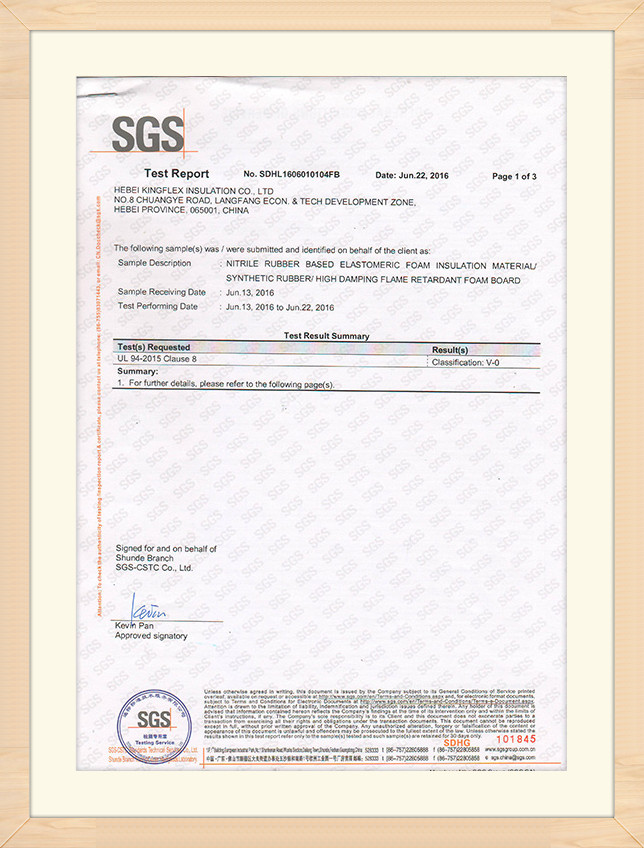
  • Enhanced Fire Resistance: Conforming to international fire codes (BS 476 Part 7 Class 1, ASTM E84, and UL 94 V-0 ratings) is no longer optional. Modern materials must be self-extinguishing and generate minimal flame spread.

3. Procurement Dynamics: Navigating Custom Specs and Supplier Selection

For international EPC contractors, developers, and HVAC distributors, securing high-performing insulation materials requires careful verification of certified test metrics. Price per cubic meter must be balanced against mechanical longevity, installation time, and certification status.

Property Matrix NBR/PVC Elastomeric Foam Standard Rock Wool Insulation Polyethylene (PE) Foam
Thermal Conductivity (0°C) ≤ 0.034 W/(m·K) ≤ 0.038 W/(m·K) ≤ 0.037 W/(m·K)
Vapor Permeability Index ($\mu$) ≥ 10,000 (Built-in barrier) 1.0 (Requires outer jacket) ≥ 3,000 (Medium vapor risk)
Temperature Work Range -40℃ to 105℃ (Up to -200°C for Cryo) -260℃ to 650℃ -40℃ to 90℃
Physical Flexibility Excellent, highly elastic Brittle, requires casing Semi-rigid, bends crack
Installation Complexity Very low (Sleeve or self-adhesive) High (Requires wrapping & cladding) Low to Medium

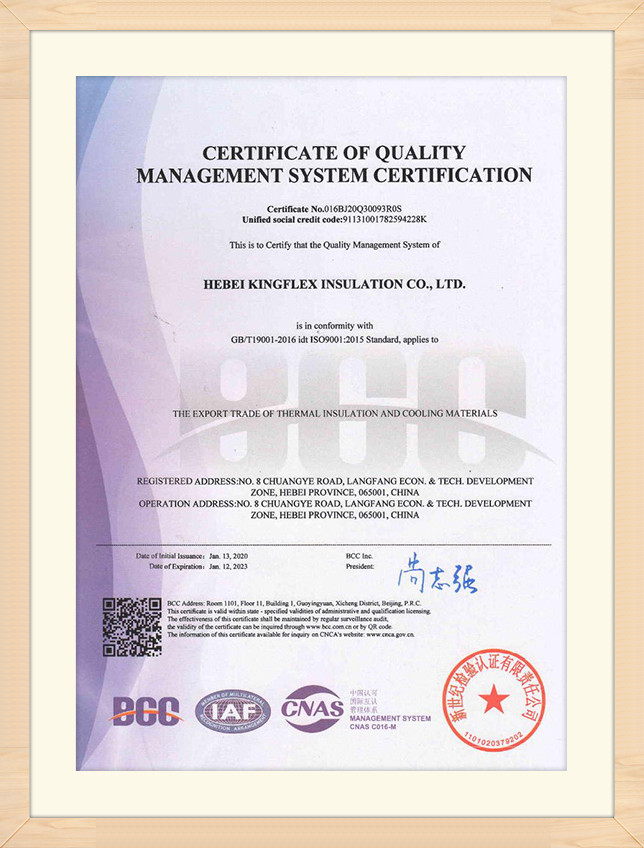
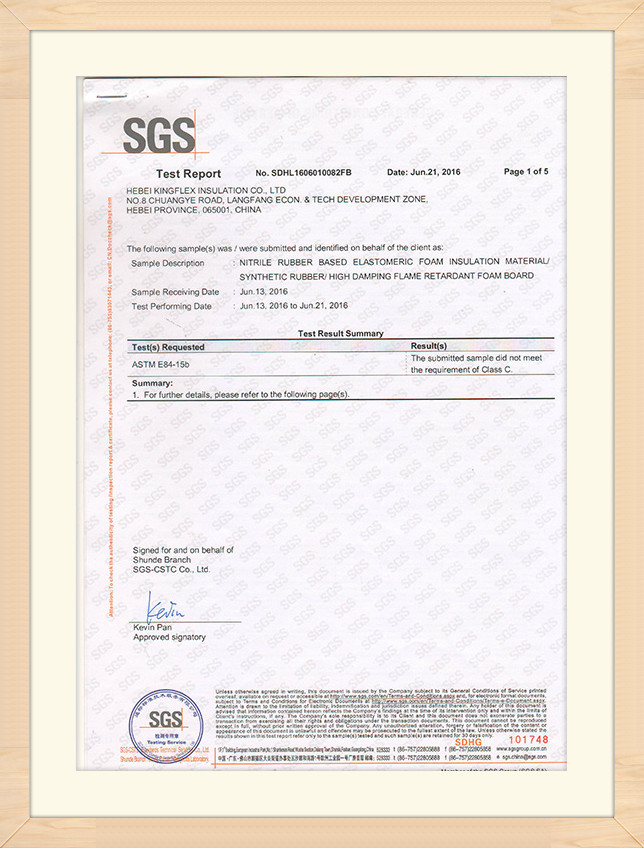
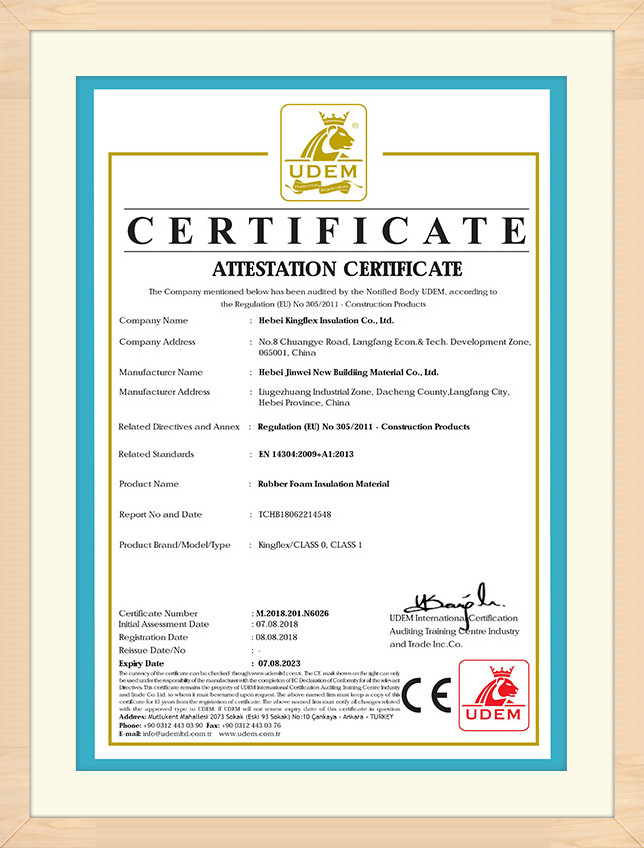
Kingflex addresses this by offering completely transparent testing records under internationally recognized bodies (such as SGS and TÜV). This ensures compliance with regional standards and accelerates custom clearance and on-site building inspections.
China Factory 4.0: Supply Chain Resiliency & Production Scale

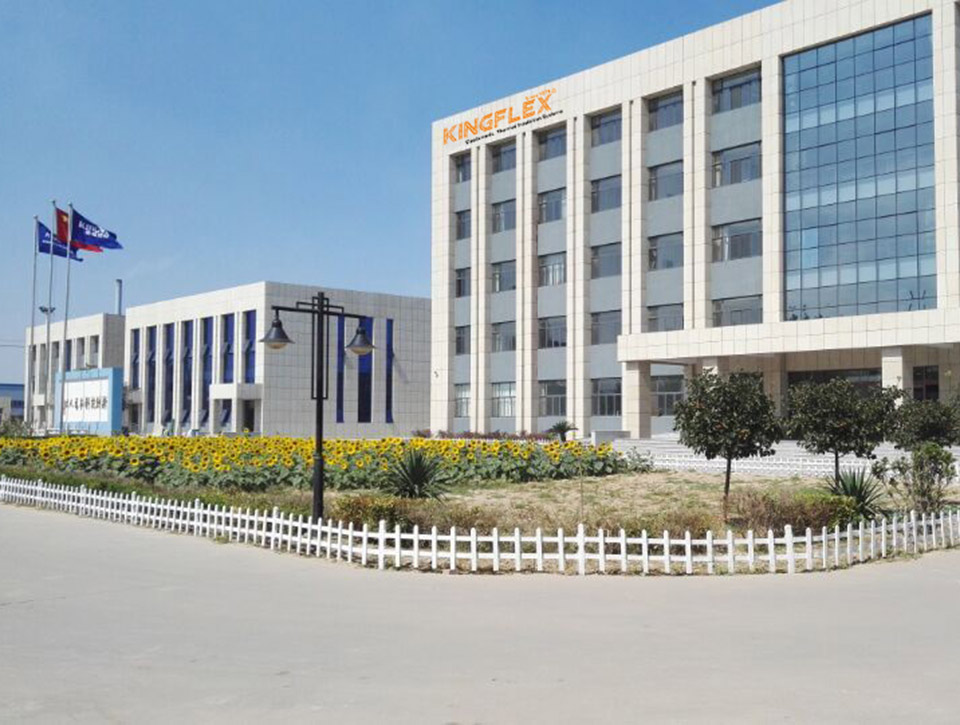
Located in Dacheng, China—the capital of green-building materials—our advanced production center combines large-scale capacity with strict quality control.

600,000+
Cubic Meters Annual Capacity
40+
Years of Jinwei Group Heritage
66+
Export Destination Countries
8
Senior R&D Engineers

Advanced Automatic Assembly Lines

At present, Kingflex runs 5 large-scale, automated continuous extrusion assembly lines. These lines integrate real-time temperature control, automated gas dosing, and inline dimensional calibration. This level of automation keeps product dimensions precise across long production runs, which reduces installation issues in the field.
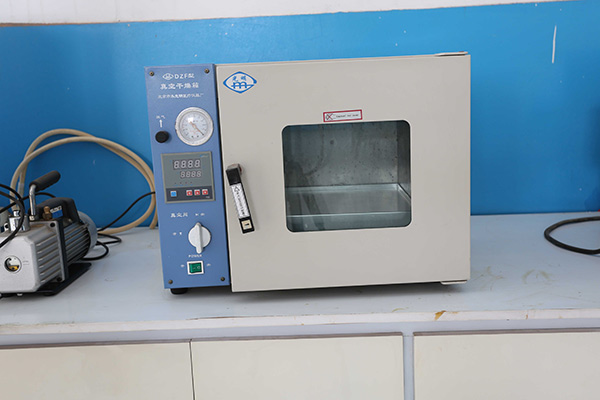
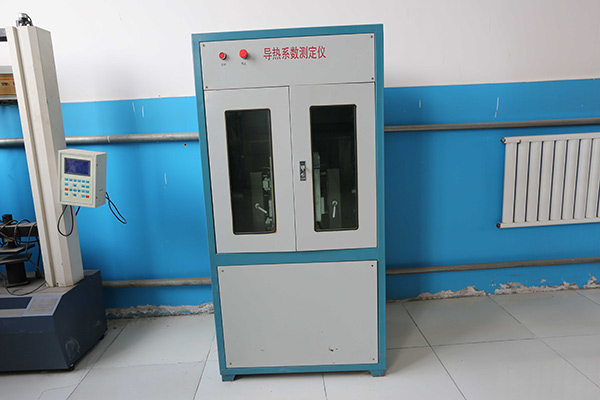
As an energy-saving and environmentally friendly enterprise recognized by the Ministry of Energy, the Ministry of Electric Power, and the Ministry of Chemical Industry, we maintain full traceability from raw polymer mixing to final packaging. Every batch undergoes rigorous quality assurance tests, including thermal conductivity measurements, fire resistance checks, and density monitoring.

The Kingflex Legacy: Built on Quality & Innovation
Kingflex Insulation Co., Ltd. is a professional manufacturing and trading combo for thermal insulation products. Our research, development, and production facility is located in well-known capital of green-building materials in Dacheng, China.
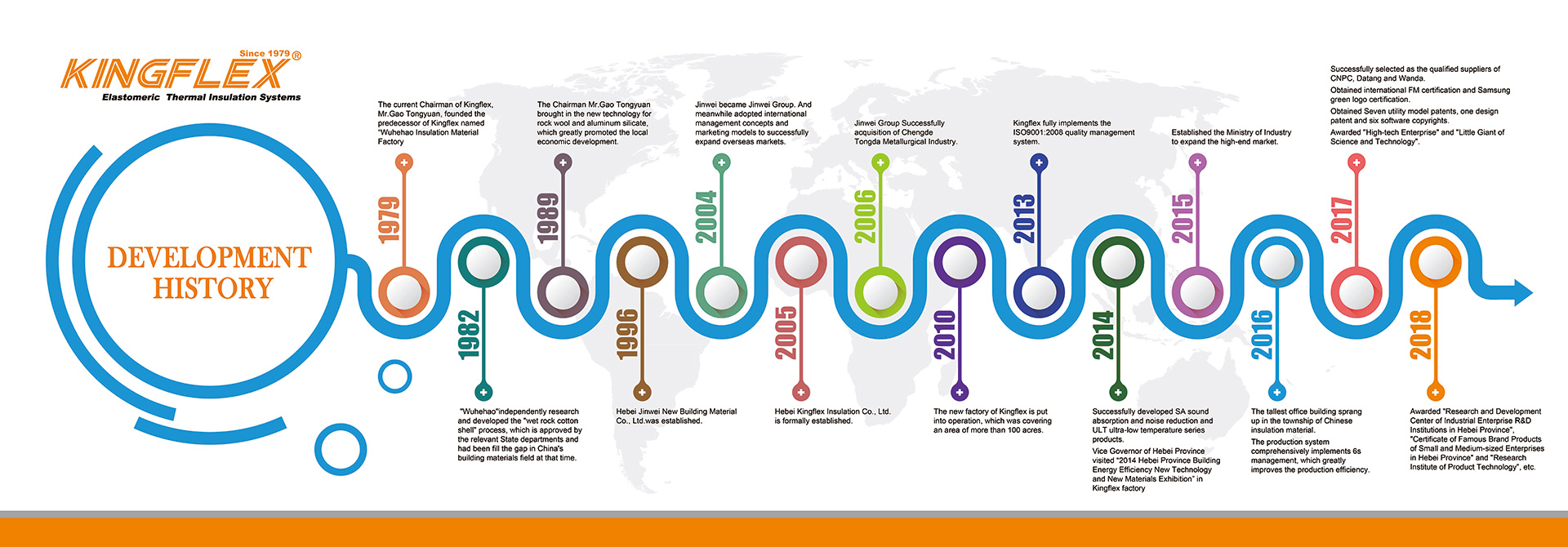
Kingflex is established by Jinwei Group which is more than 40 years history. Jinwei Group is established in 1979. It was the first manufacturer of thermal insulation materials north of the Yangtze River.
Our core mission is to supply customers all over the world with a full set of energy saving insulation system solutions. We serve as an integrated solution provider of thermal insulation, cold insulation, and noise reduction for buildings and industrial plants.

Dedicated Engineering & Global Sales Teams

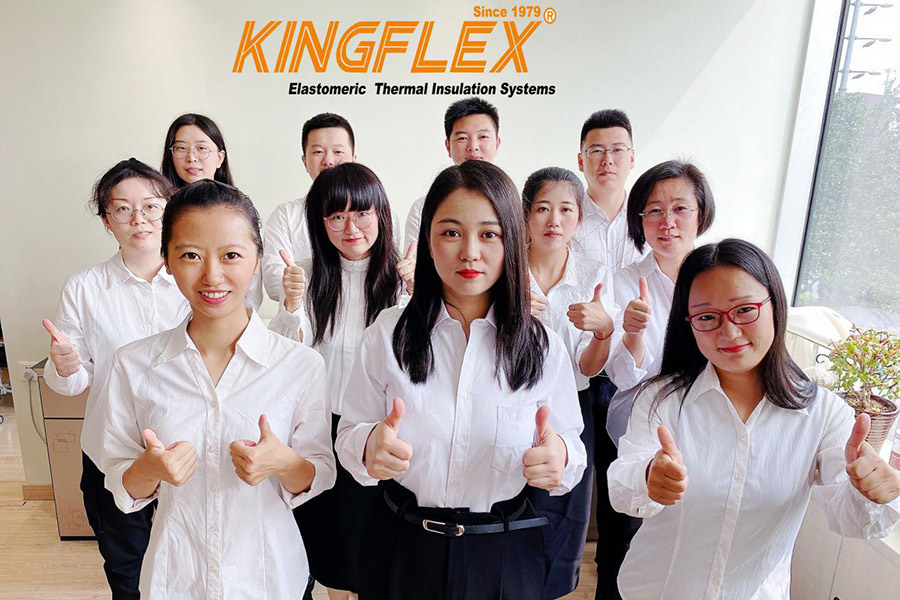
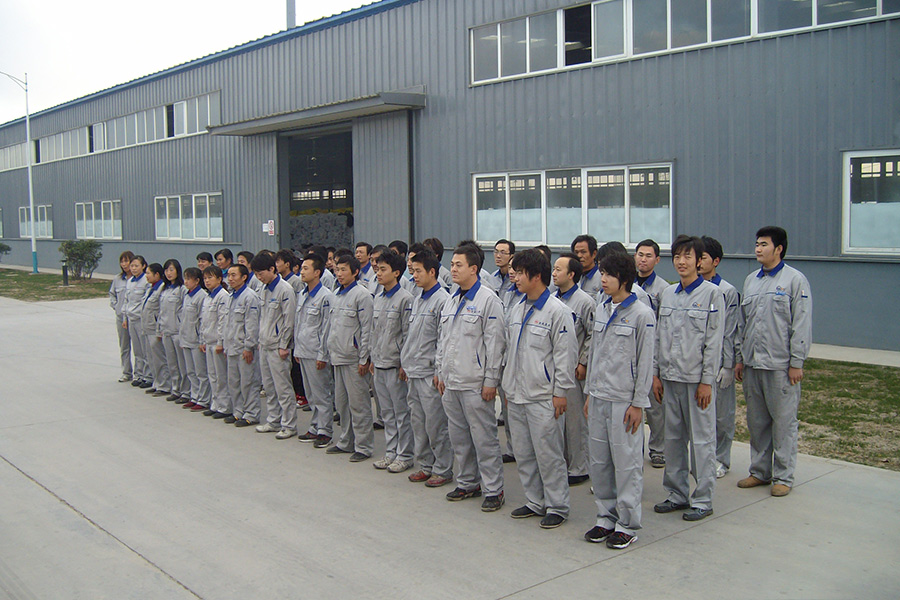
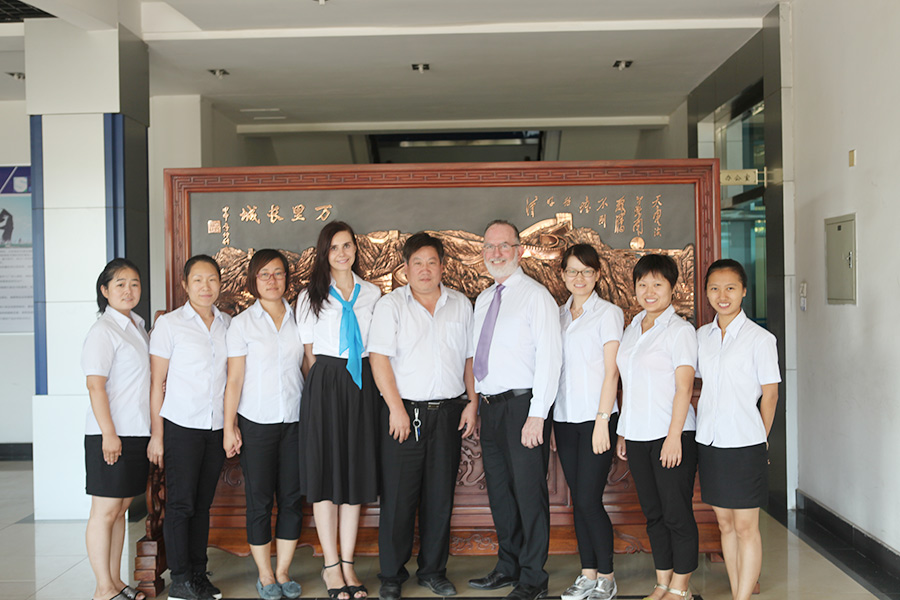
Our employees are amazing in their own right, but together they are what makes Kingflex such a fun and rewarding place to work. The Kingflex team is a tight-knit, talented group with a shared vision of giving consistently first class service for our clients. We have 8 professional engineers in our R&D Department, 6 professional international sales specialists, and 230 skilled workers in the production department.

Engineering Specifications & Core Dimensions

We produce standard and customized sizes tailored to regional HVAC codes, cryogenic setups, and industrial pipelines.

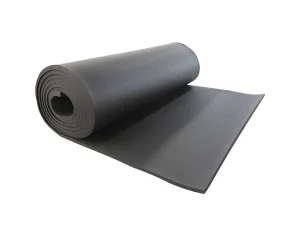
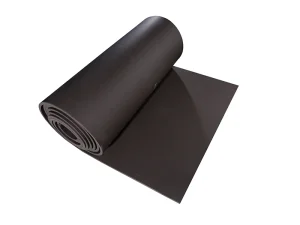
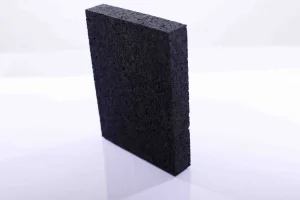
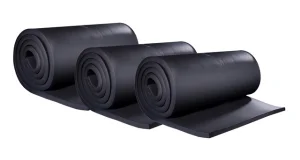
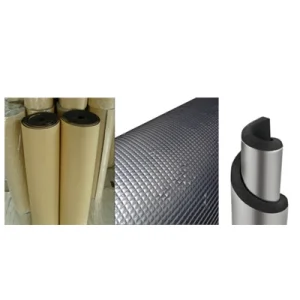
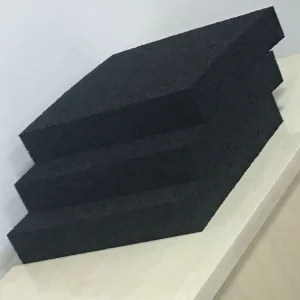
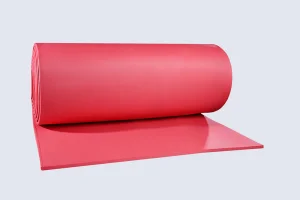
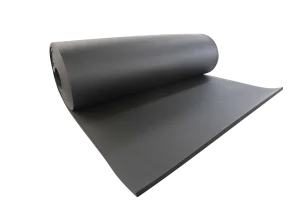
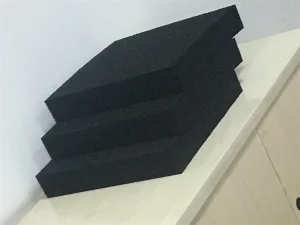
Black Rubber Foam Insulation Sheet Roll

NBR/PVC Mat

Material Matrix: High-grade NBR/PVC elastomer base with eco-friendly foaming chemistry.

Thickness Range: 6mm to 50mm

Density Spectrum: 40 to 55 kg/m³

Service Temperature Limits: -40℃ to 105℃

Performance Highlights:

  • Foams evenly and fully, closed cell rate over 98%, excellent thermal insulation.
  • Fully closed-cell structure, low moisture absorption, stable long-term thermal conductivity.
  • Compression resilience over 80%.
  • Flame retardant, self-extinguishing when clear of fire source.
  • Low thermal conductivity, high moisture resistance factor.

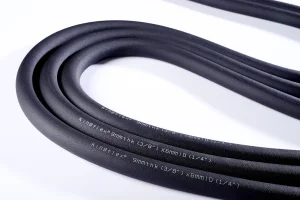
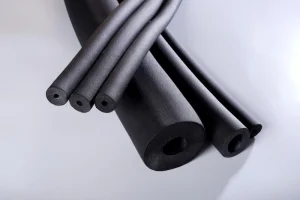
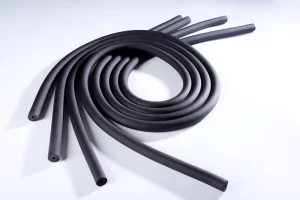
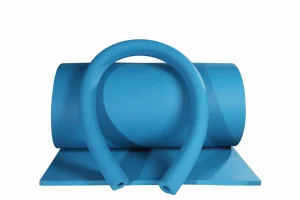
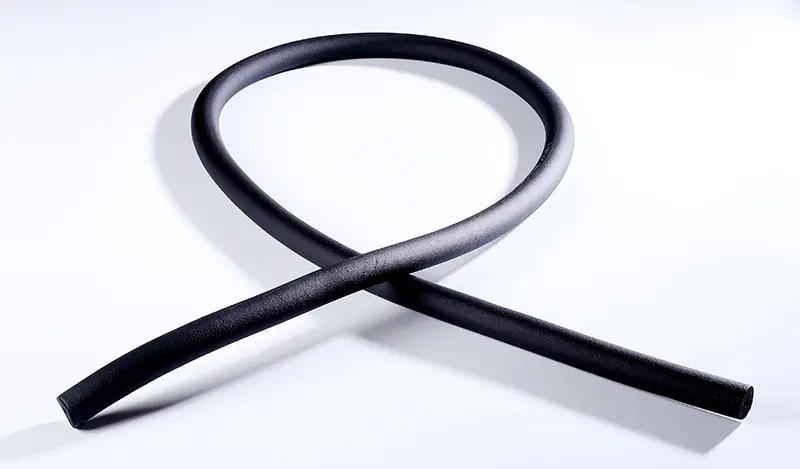
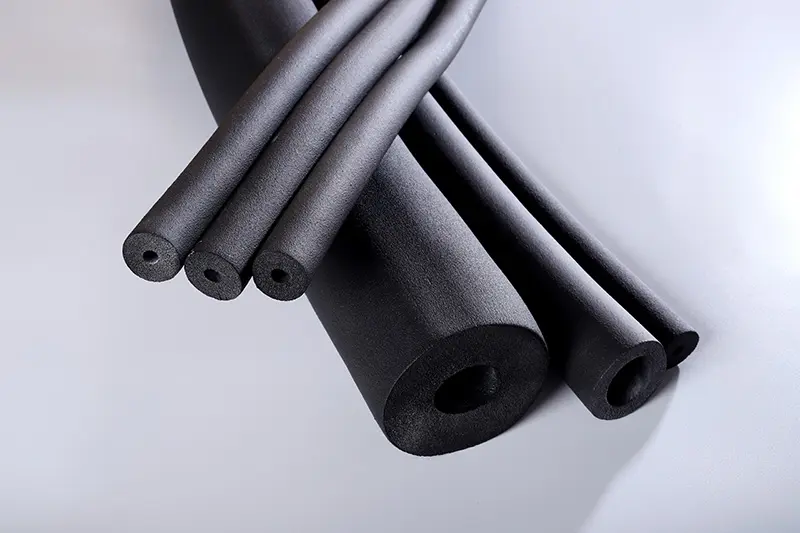
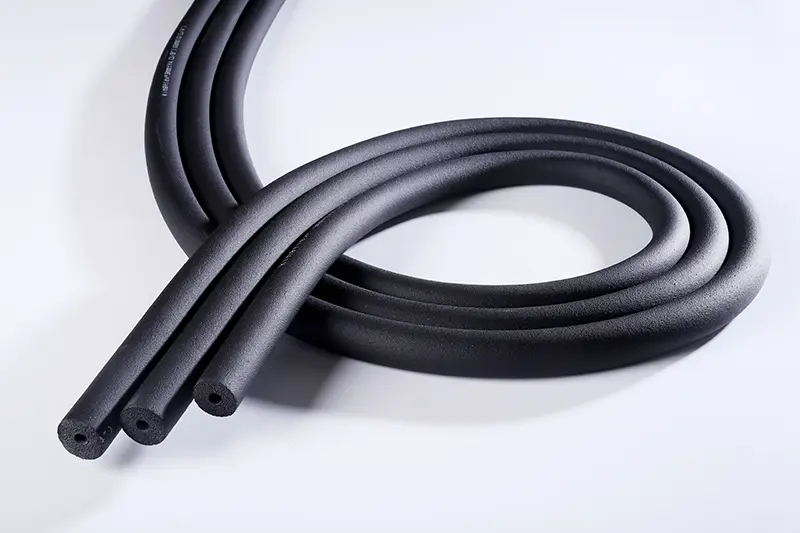
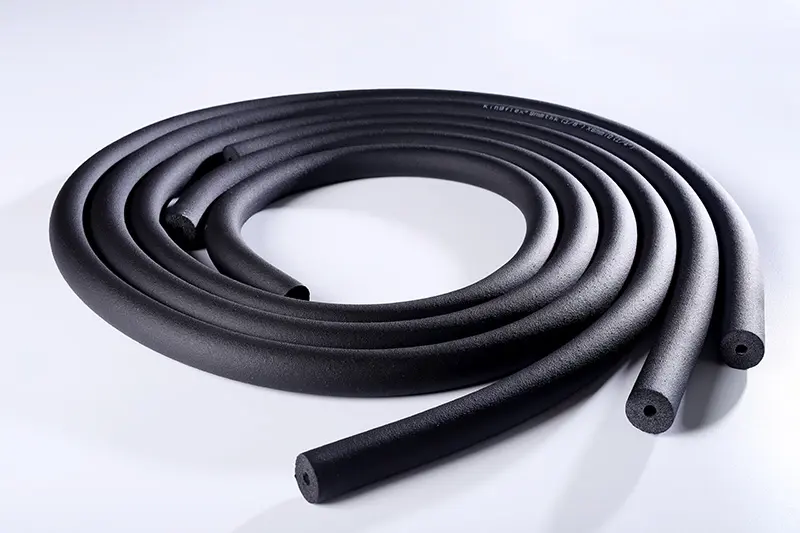
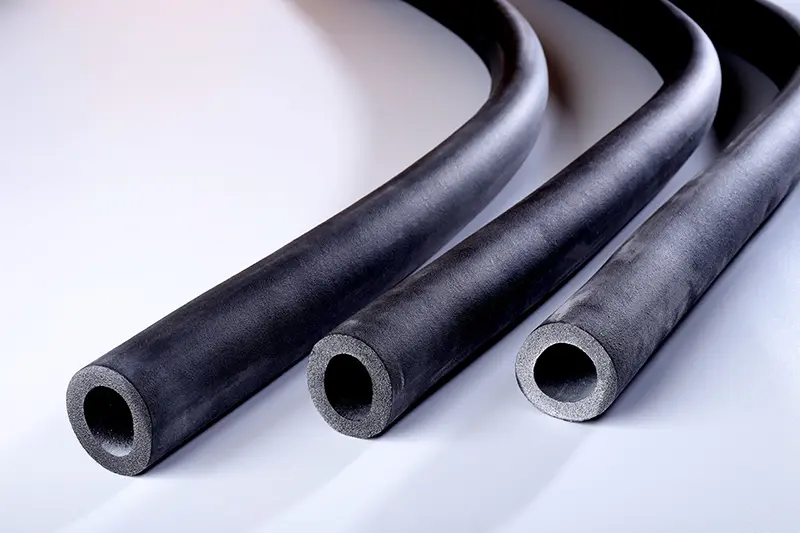
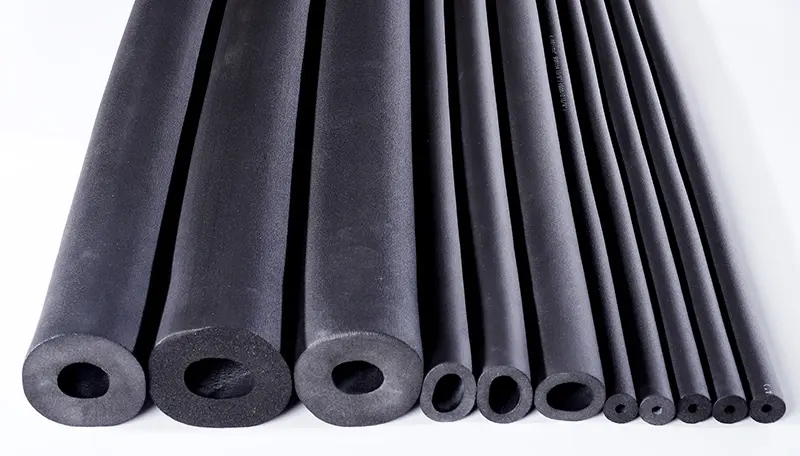
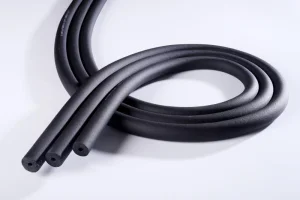
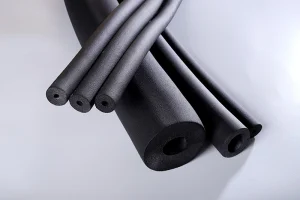
Black Rubber Foam Insulation Pipe

NBR/PVC Tube

Material Matrix: High-grade NBR/PVC elastomer base with eco-friendly foaming chemistry.

Thickness Range: 9mm to 40mm

Inner Diameter (ID): 6mm to 114mm

Density Spectrum: 40 to 55 kg/m³

Service Temperature Limits: -40℃ to 105℃

Performance Highlights:

  • Foams evenly and fully, closed cell rate over 98%, excellent thermal insulation.
  • Professional pipe spraying equipment ensures even coating.
  • Compression resilience over 80%.
  • Flame retardant, self-extinguishing when clear of fire source.
  • Low thermal conductivity, high moisture resistance factor.
  • Greatly reduces pipe freezing and cracking risks.

Multi-Industry & Localized Application Scenarios

Our high-performance elastomeric thermal solutions are deployed in key sectors, protecting infrastructure integrity in diverse environmental conditions.

1. Central Air Conditioning (HVAC/R)

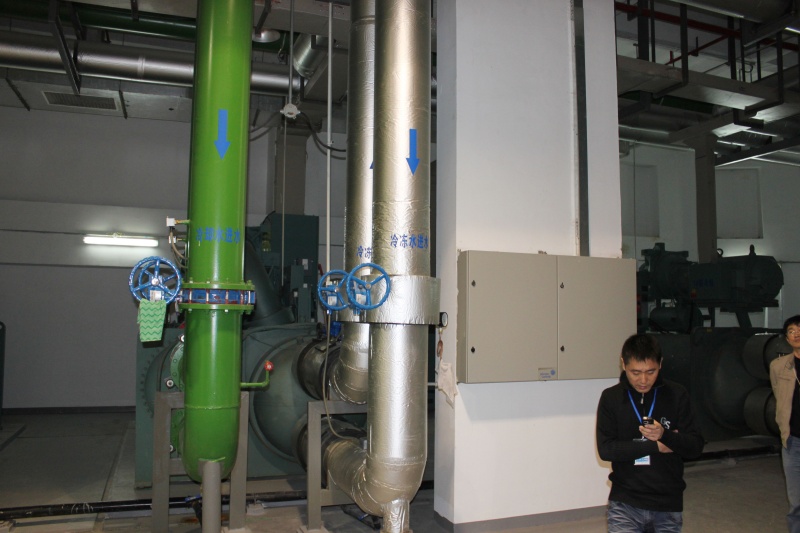
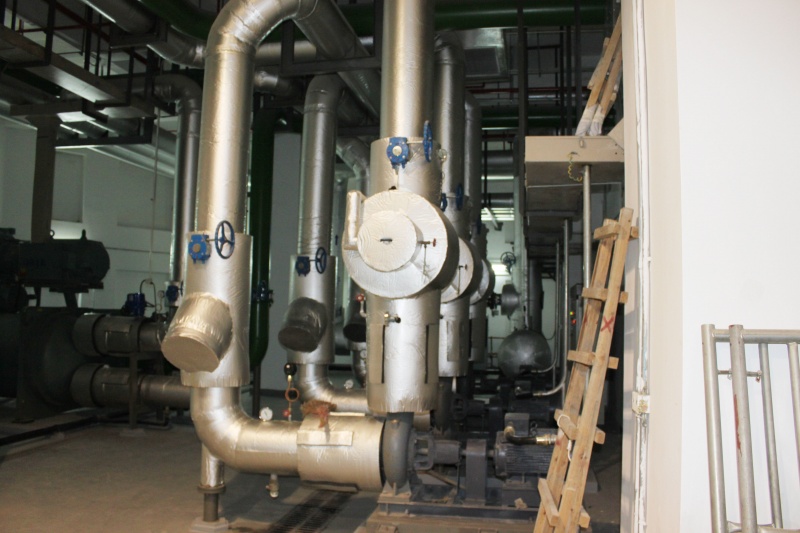
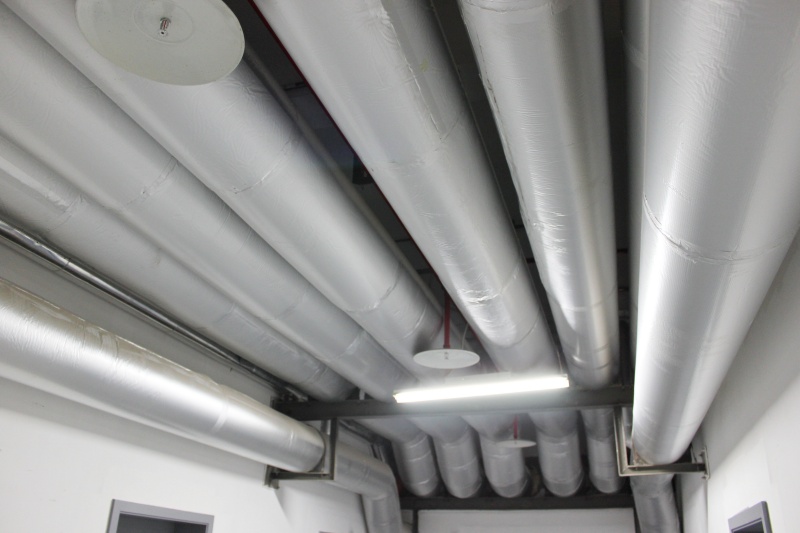
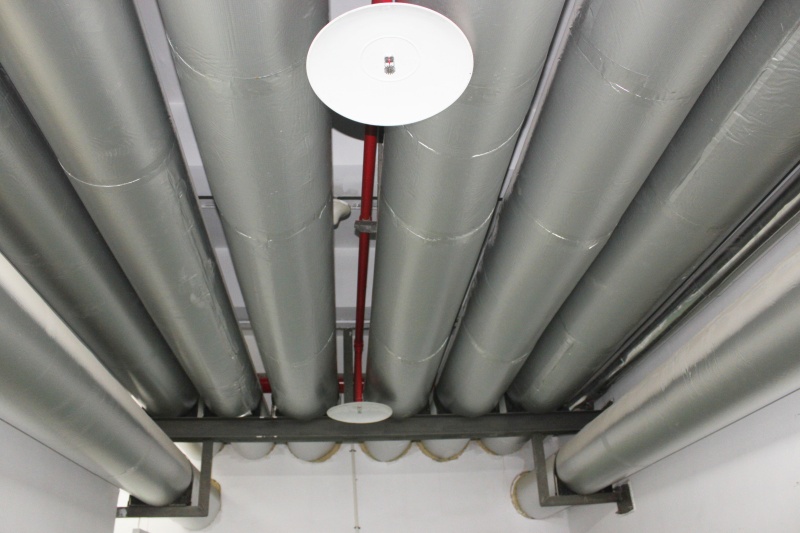
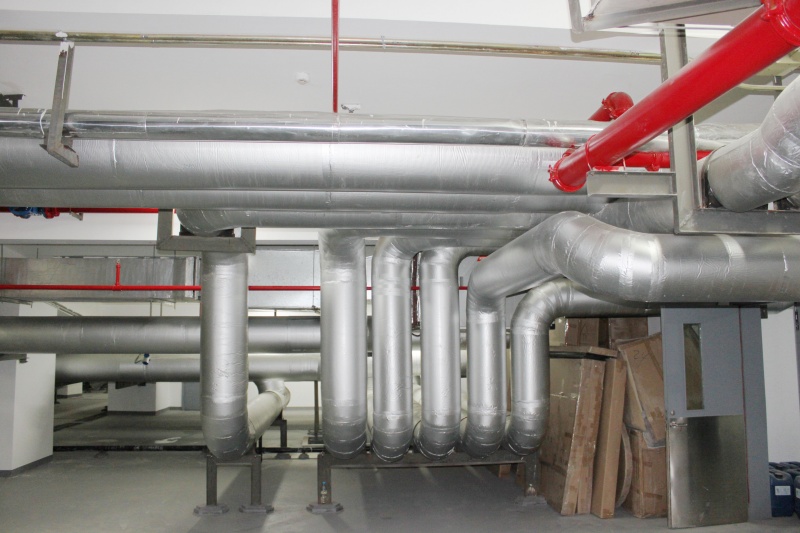
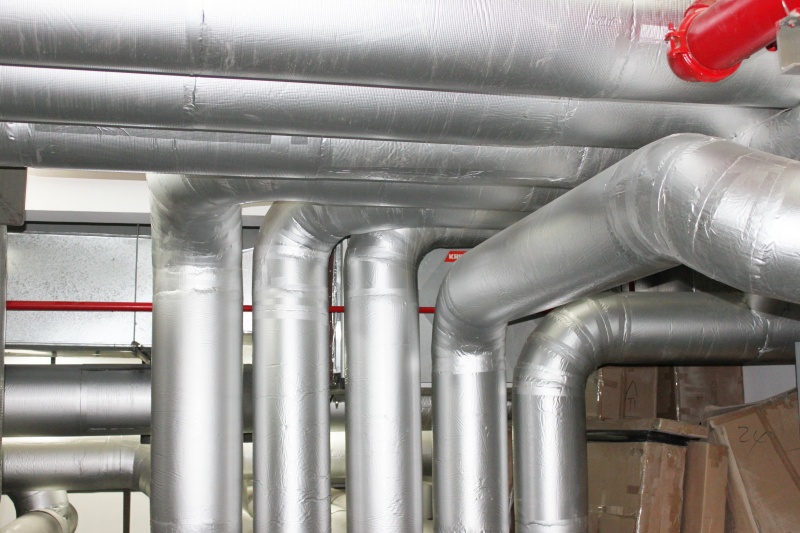
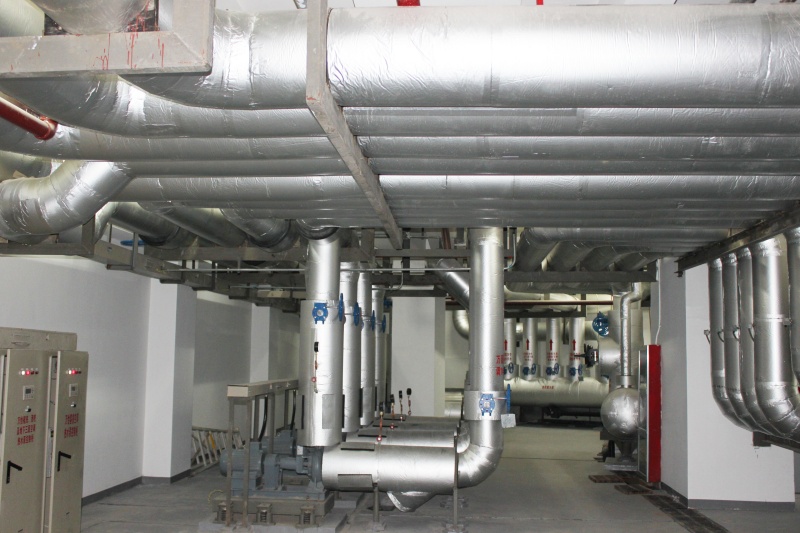
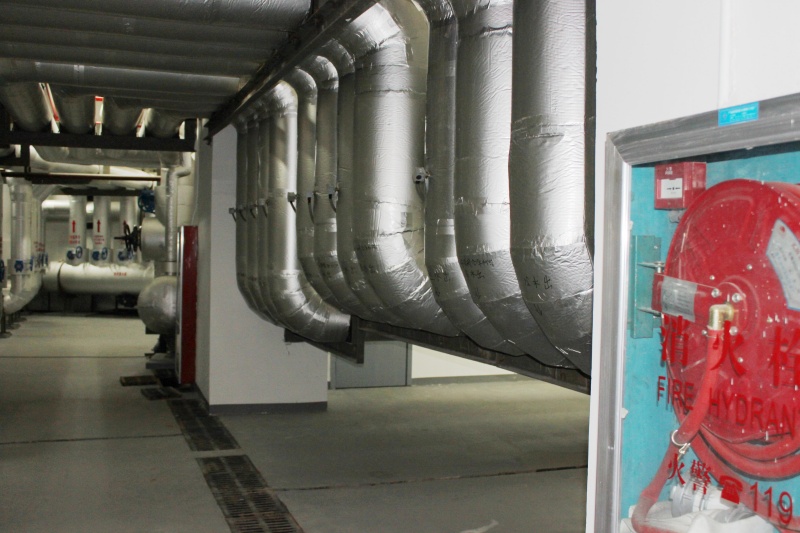
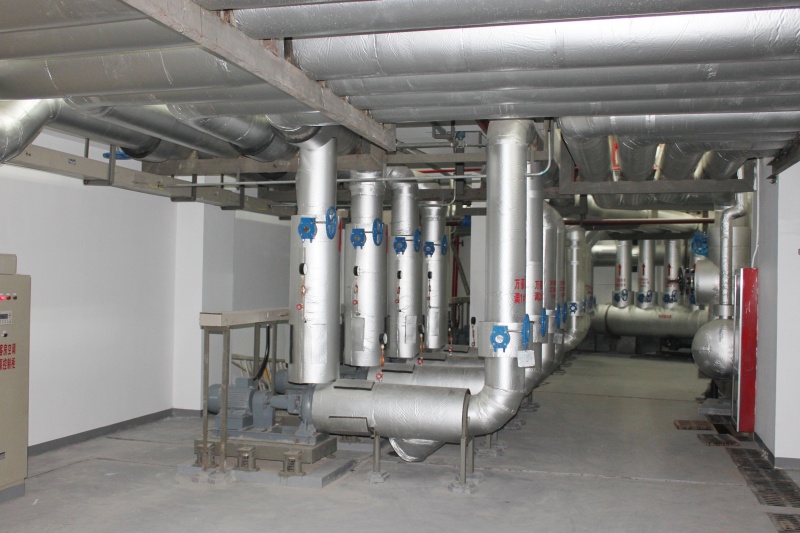
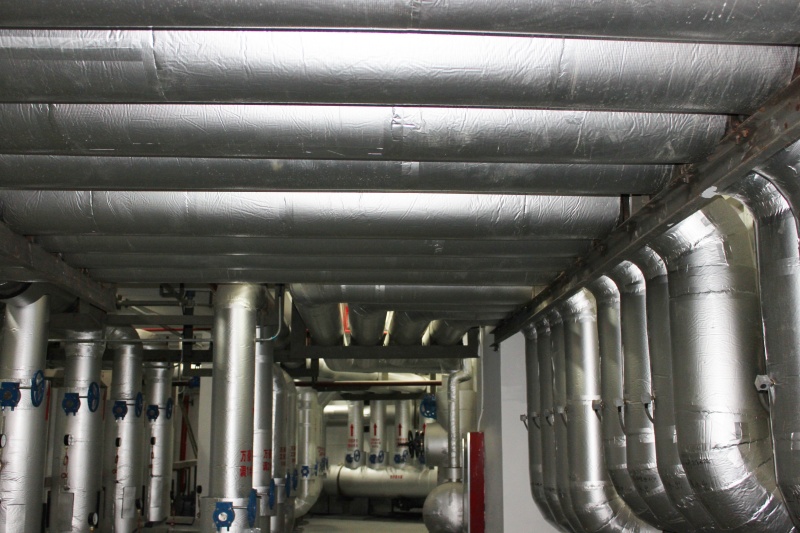
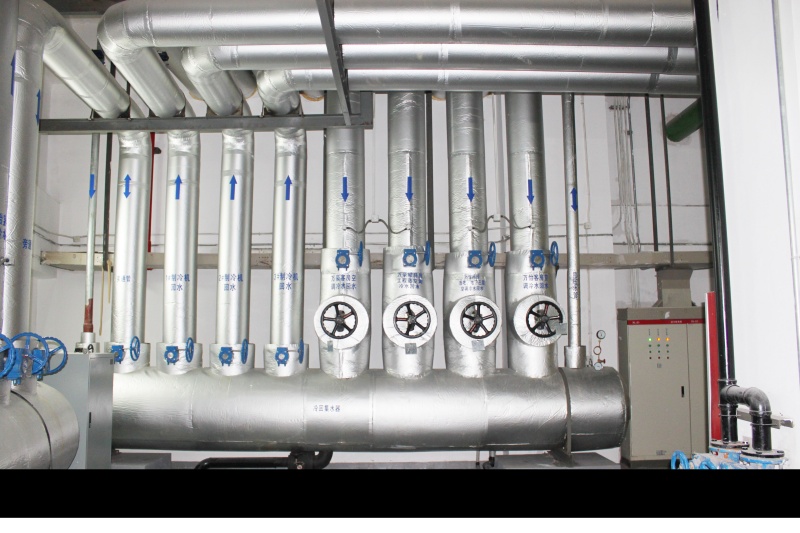
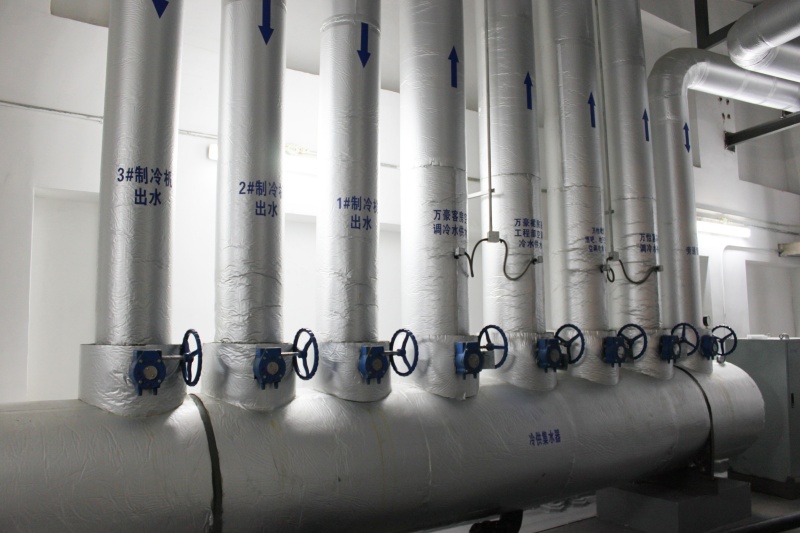
Effective thermal insulation for chilled water lines, hot water distribution networks, and large ventilation ducts. Minimizes condensation risks and prevents structural moisture damage in ceiling voids.

2. Civil & Commercial Buildings

Thermal and acoustic insulation integrated into wall assemblies, floor plates, roofing structures, and basements. Helps projects meet green building standards like LEED and BREEAM.

3. Industrial Processes & Equipment

Protects heat exchangers, process water supply lines, steam pipe networks, and chemical storage reservoirs from thermal losses and structural icing.

4. Petrochemical & Process Piping

Protects metal pipelines in offshore platforms, chemical refineries, and storage depots from corrosion under insulation (CUI) and ambient heat load.

5. Cryogenic & Cold Chain Facilities

Specifically formulated for ultra-low temperature applications (LNG shipping, cold stores, cold chain logistics), maintaining structural flexibility at sub-zero temperatures.

6. Marine & Rail Transit

Compact thermal and acoustic barrier insulation for railway passenger cars, cargo holds, shipping lanes, and heavy transport cabins.

Global Construction & Infrastructure Projects

Transparency & Client Communication

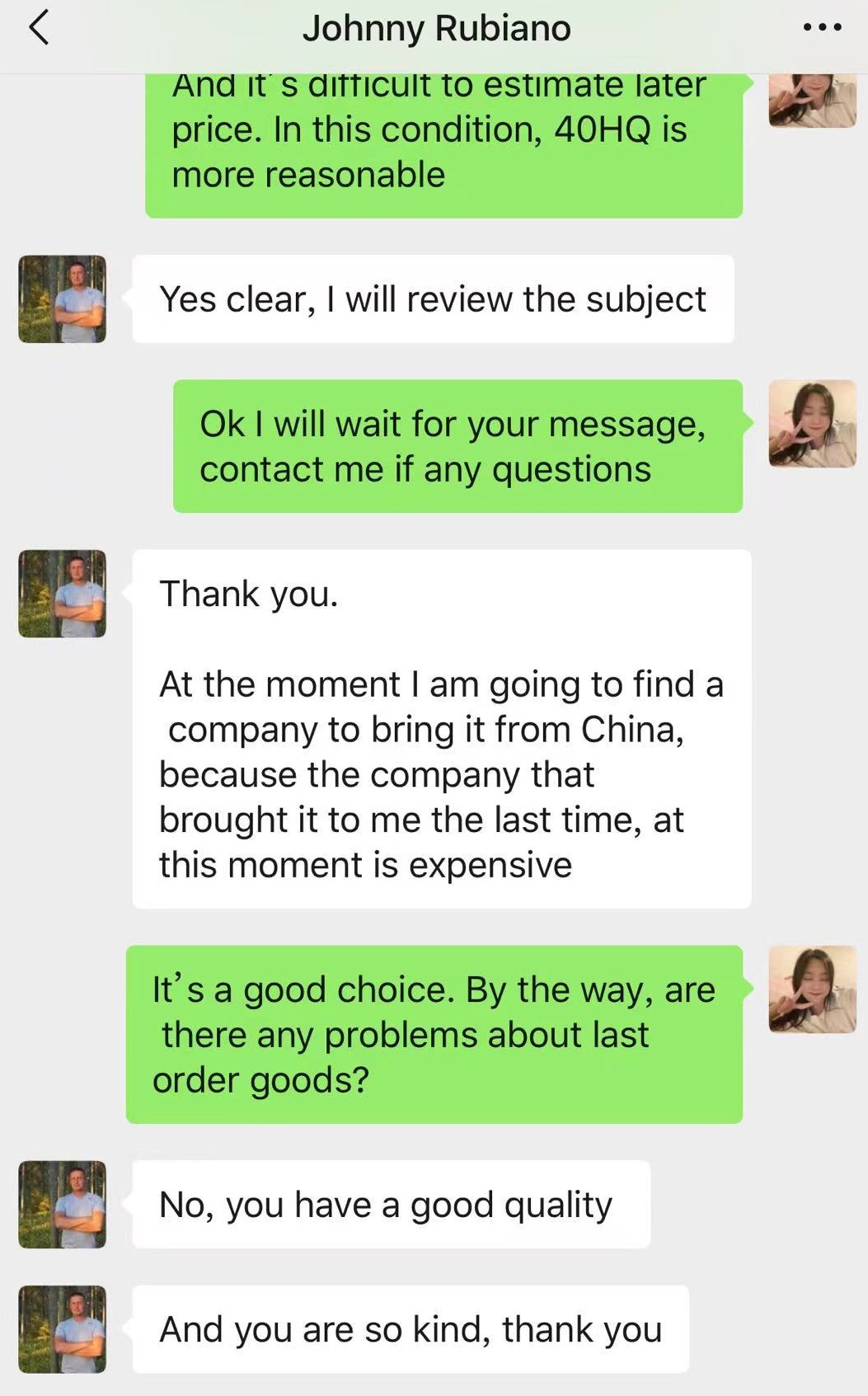
We prioritize transparency and maintain active partnerships with clients in over 66 countries.

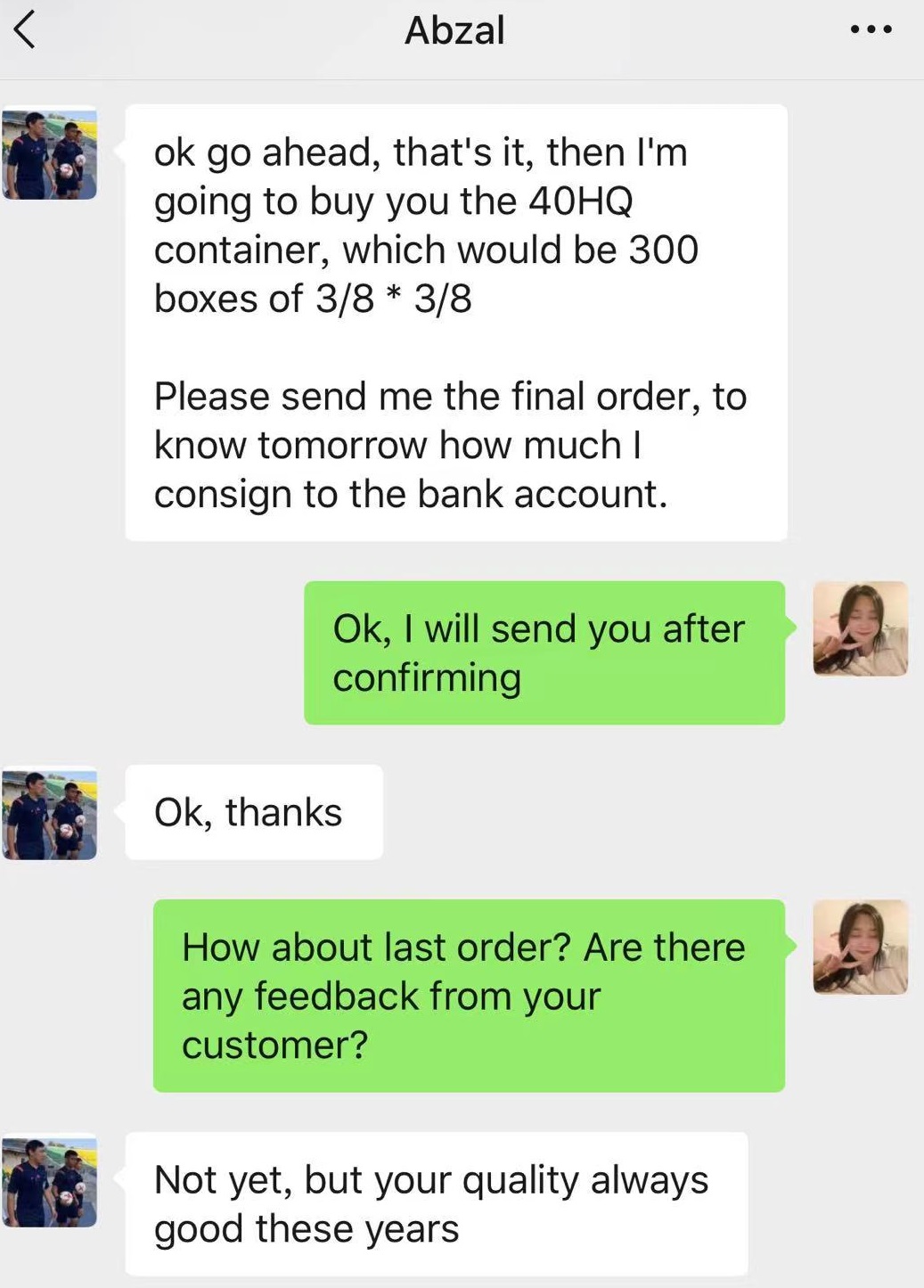
Customer Communication Chat 1
Customer Communication Chat 2
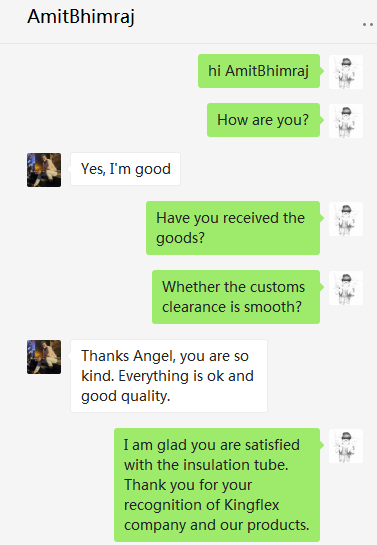
Customer Order Chat 3
Customer Order Chat 4
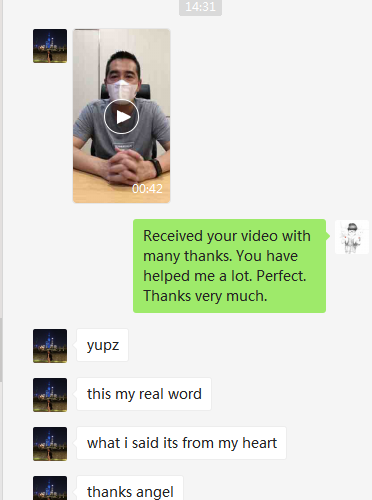
Customer Feedback Chat 5

Production Center & Quality Management

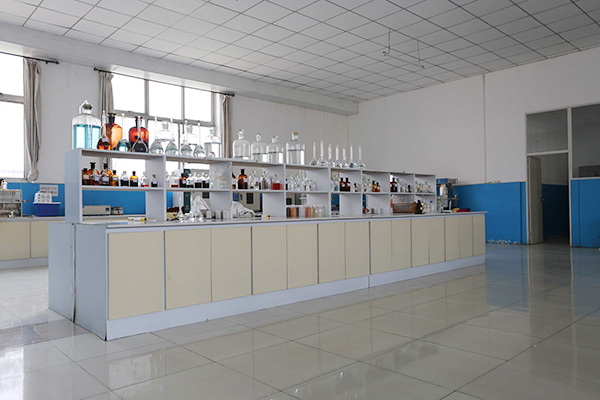
Inside Dacheng manufacturing facility, where raw polymers are mixed, extruded, foamed, and inspected.

Frequently Asked Questions

Technical guidance and procurement support for Kingflex products.
What is elastomeric rubber foam insulation used for?

It is mainly used for HVAC ducts, air conditioning pipes, building thermal insulation, industrial pipeline cold insulation, and sound insulation. Its closed-cell structure helps limit thermal conduction and prevent moisture infiltration.

Is Kingflex rubber foam insulation fire resistant?
Yes, our rubber foam insulation products are fire retardant and meet safety standards for building and industrial projects. They are certified under BS 476, ASTM E84, and UL 94, ensuring low flame spread and self-extinguishing properties.

What is the difference between rubber foam and rock wool insulation?

Rubber foam is flexible, closed-cell, and moisture-proof, making it suitable for HVAC, chilled water lines, and anti-condensation applications. Rock wool is a fibrous material with high-temperature resistance and fire protection properties, typically used for high-temperature industrial steam lines.

Do you provide customized insulation products?

Yes, we provide full OEM and ODM services. We can customize sheet thicknesses, pipe inner diameters, surface finishes (such as aluminum foil laminates), and self-adhesive backings to meet specific project guidelines.

What certifications do your products have?

Our products have passed BS 476, CE, REACH, ROHS, UL94, ASTM, and other international certifications, ensuring compliance with global environmental and safety standards.

Does Kingflex products have traceability?
Yes, every production run is marked with batch codes. Our quality assurance team maintains detailed raw material and manufacturing records, ensuring traceability from raw inputs to the final product.

What thickness of Rubber foam insulation sheet roll can you produce?

We can produce thicknesses ranging from 6mm to 50mm, allowing engineers to choose the correct material thickness to prevent condensation based on local ambient temperatures and relative humidity.

What is the typical service life of rubber plastic pipe and board?

Under standard operating conditions within our specified temperature limits (-40℃ to 105℃), the typical service life is 10 to 15 years, with low degradation of thermal conductivity over time.

How does NBR/PVC chemical structure compare to EPDM insulation?

NBR/PVC provides a balance of thermal efficiency, flexibility, and oil resistance at a competitive price, making it suitable for indoor and standard HVAC setups. EPDM offers superior UV and ozone resistance, making it ideal for outdoor solar hot water installations and high-temperature environments.

Why is Dacheng, China preferred for procurement sourcing?

Dacheng is an established industrial hub for green building materials. This concentration of raw material suppliers, specialized tooling workshops, and logistics networks helps manufacturers optimize production costs and maintain reliable supply chains.