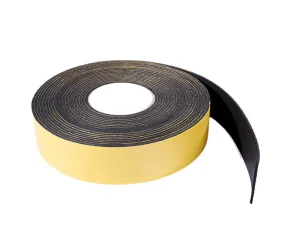
Wholesale Multi Layer Insulation Cryogenic Suppliers & Pricelist

High-Performance Thermal Mitigation Solutions for Sub-Zero Aerospace, LNG, and Industrial Infrastructure

Global Industrial Cryogenic Insulation Overview

Cryogenics is a critical technical boundary in modern industrial, chemical, and aerospace engineering. Operating at temperatures below -150°C (-238°F), fluids such as liquefied natural gas (LNG), liquid oxygen, nitrogen, and liquid hydrogen demand highly advanced thermal barrier solutions to limit rapid boil-off gas (BOG) phenomena.

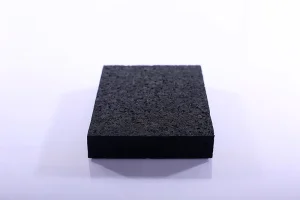
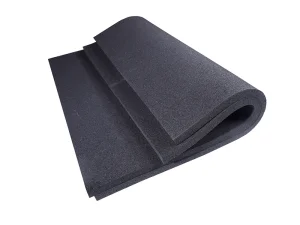
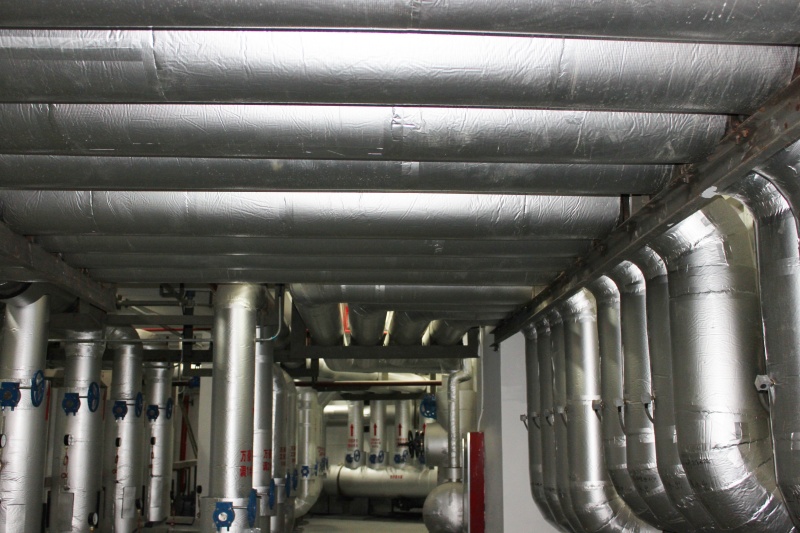
In this extreme landscape, Multi-Layer Insulation (MLI), alongside advanced elastomeric structures, serves as the defense line against heat transfer modes: radiation, conduction, and convection. Our premium NBR/PVC closed-cell foams and specialized cryogenic systems are engineered to resist mechanical stresses, thermal contraction, and moisture ingress, maintaining high thermal efficiency across the product's lifespan.

Kingflex Corporate Infrastructure
40+
Years of Manufacturing Experience
600K+
Annual Capacity (m³)
66+
Global Exporting Countries
98%
Closed Cell Rate

Advanced Multi-Layer Insulation & Cryogenic Systems

A deep dive into materials engineering, thermodynamic behaviors, and structural reliability of industrial insulation systems.

1. The Thermodynamics of Extreme Cold Protection

In typical high-temperature insulation, preventing thermal conduction is the primary goal. In contrast, cryogenic environments are highly susceptible to radiant heat transfer and gaseous conduction. A minor vacuum failure or material degradation can cause substantial heat leakage, raising boil-off rates and compromising container integrity.

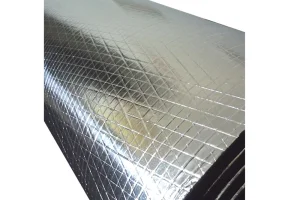
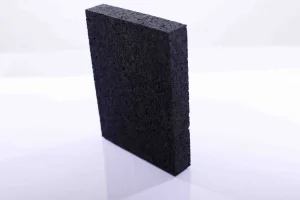
Multi-Layer Insulation (MLI), historically designed for aerospace applications, consists of alternating layers of highly reflective radiation shields and low-conductivity spacer nets. When integrated within vacuum-jacketed designs or combined with high-grade elastomeric closed-cell structures, these layers isolate liquid storage from convective heat transfer.

2. Materials Science: The Role of Elastomeric Closed-Cell Chemistry

While standard materials become brittle at cryogenic levels, our modified rubber-plastic formulations retain elasticity, preventing cracking under thermal shock. By utilizing a high-density, closed-cell NBR/PVC matrix, we ensure that the thermal conductivity remains low ($\le 0.035$ W/m·K) while resisting moisture absorption—a major factor in structural ice formation.

"Optimizing cryogenic insulation systems requires balancing structural resilience, low thermal conductivity, and absolute vapor sealing. A single micro-crack can lead to catastrophic ambient air ingress and subsequent system icing."

3. Industrial Application Scenarios

Liquefied Natural Gas (LNG) Value Chain: From transport ships to land-based storage tanks and piping networks, maintaining a temperature of -162°C requires multi-tiered protection. Closed-cell rubber foam insulation serves as an outer condensation control layer and thermal buffer.

Medical & Scientific Research: Liquid nitrogen storage used for biological sample preservation, MRI superconducting magnets, and particle accelerators requires high-performance, low-outgassing insulation structures.
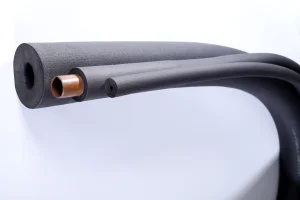
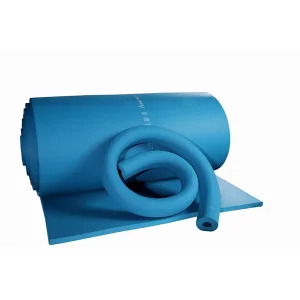
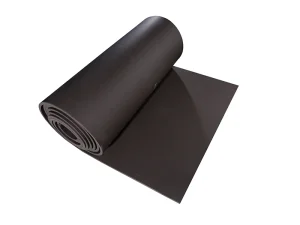
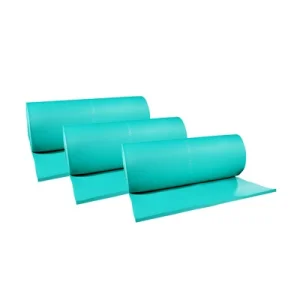
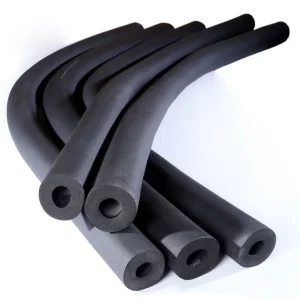
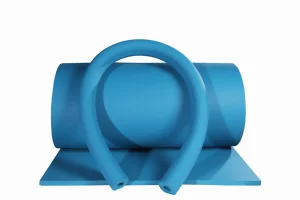
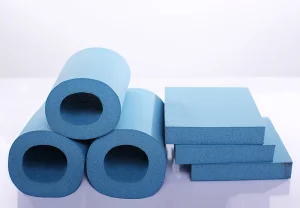
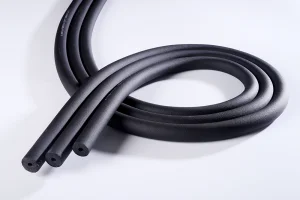
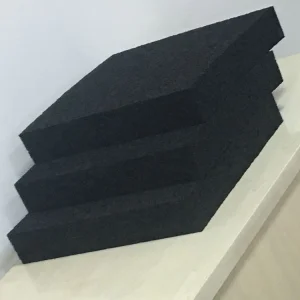
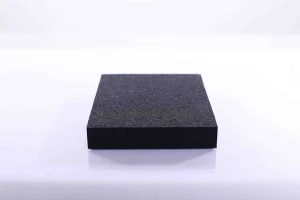
Property Kingflex Standard Sheet Rolls Kingflex Premium Insulation Pipes
Base Material Type NBR/PVC Elastomeric Foam Blend NBR/PVC Elastomeric Foam Blend
Available Thickness Range 6mm to 50mm 9mm to 40mm
Internal Diameter (ID) N/A 6mm to 114mm
Bulk Density 40 - 55 kg/m³ 40 - 55 kg/m³
Service Temperature Limit -40℃ to 105℃ (Extended for custom cryogenic layups) -40℃ to 105℃ (Extended for custom cryogenic layups)
Closed-Cell Rate > 98% > 98%
Thermal Conductivity ($\lambda$) ≤ 0.035 W/(m·K) at 0℃ ≤ 0.035 W/(m·K) at 0℃
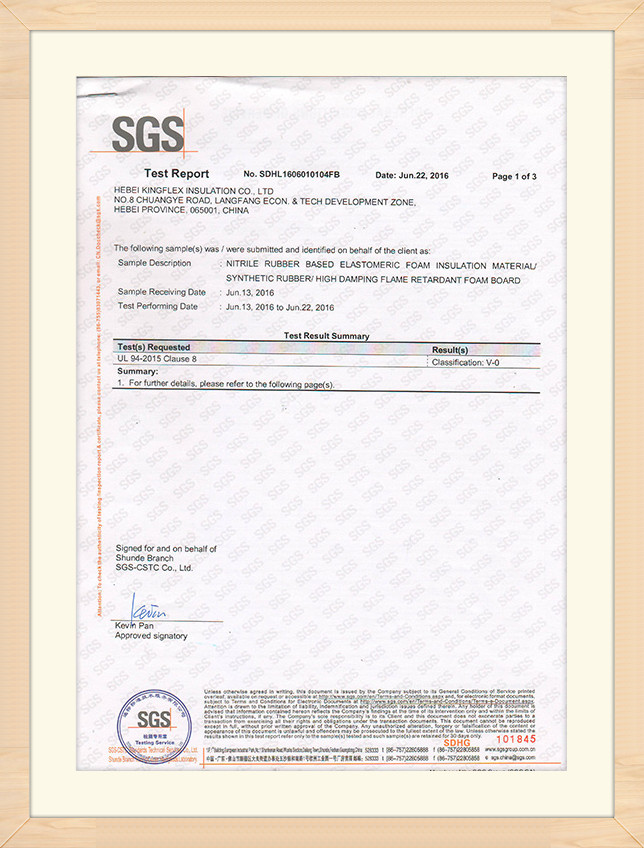
Fire Safety Compliance BS 476, CE, REACH, ROHS, UL94, ASTM BS 476, CE, REACH, ROHS, UL94, ASTM
Kingflex Manufacturing History
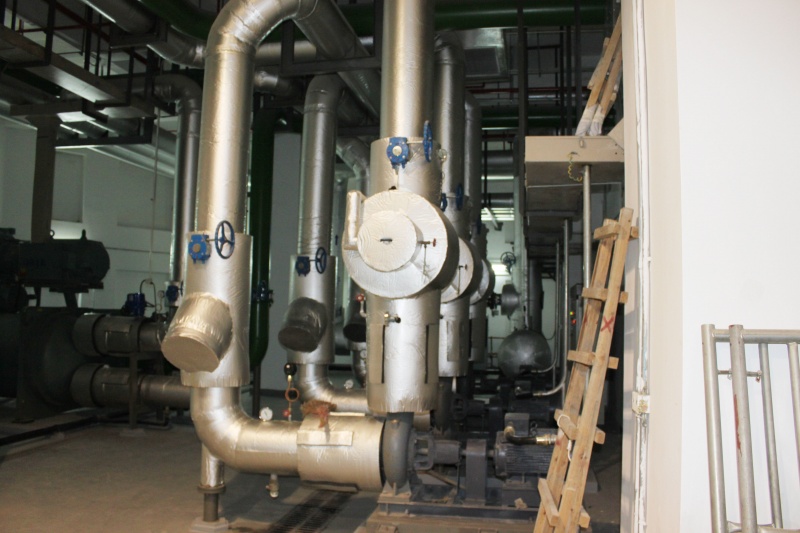
Our History & Corporate Legacy

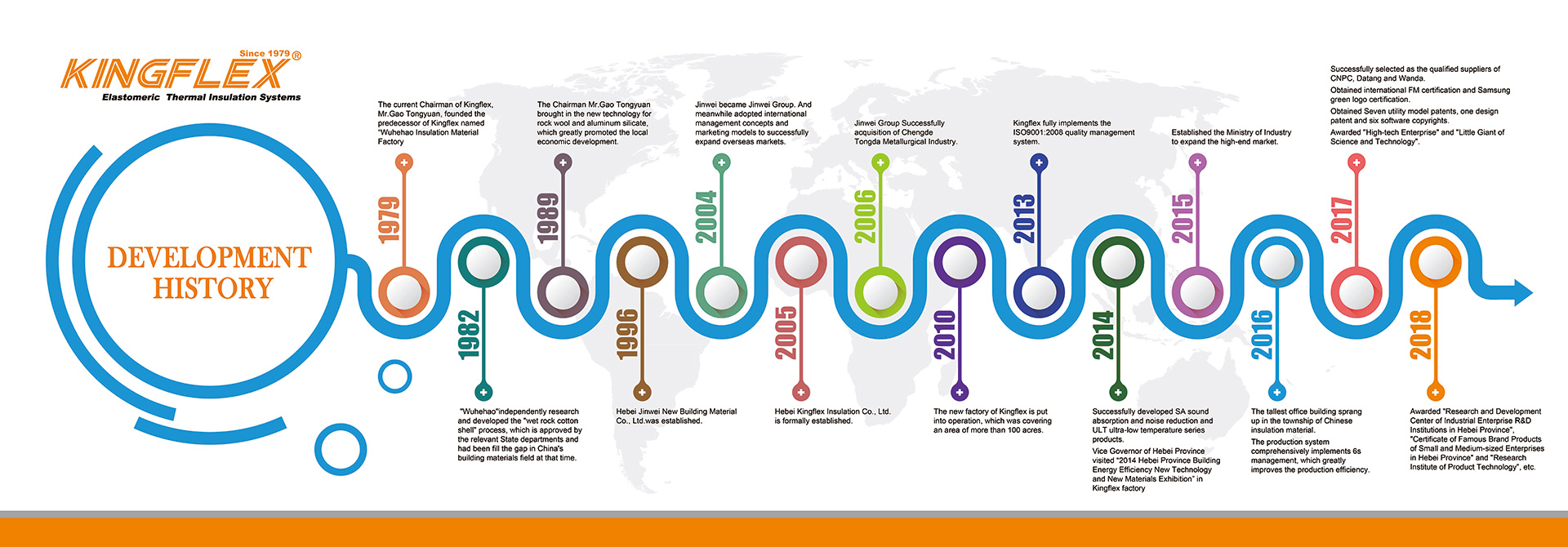
Kingflex is established by the Jinwei Group, which holds a rich manufacturing history spanning more than 40 years. Established in 1979, the Jinwei Group was the first manufacturer of thermal insulation materials north of the Yangtze River.
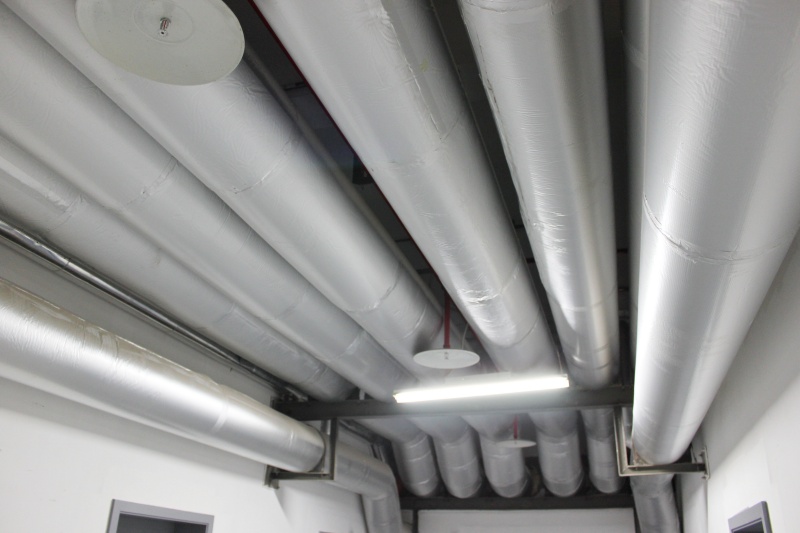
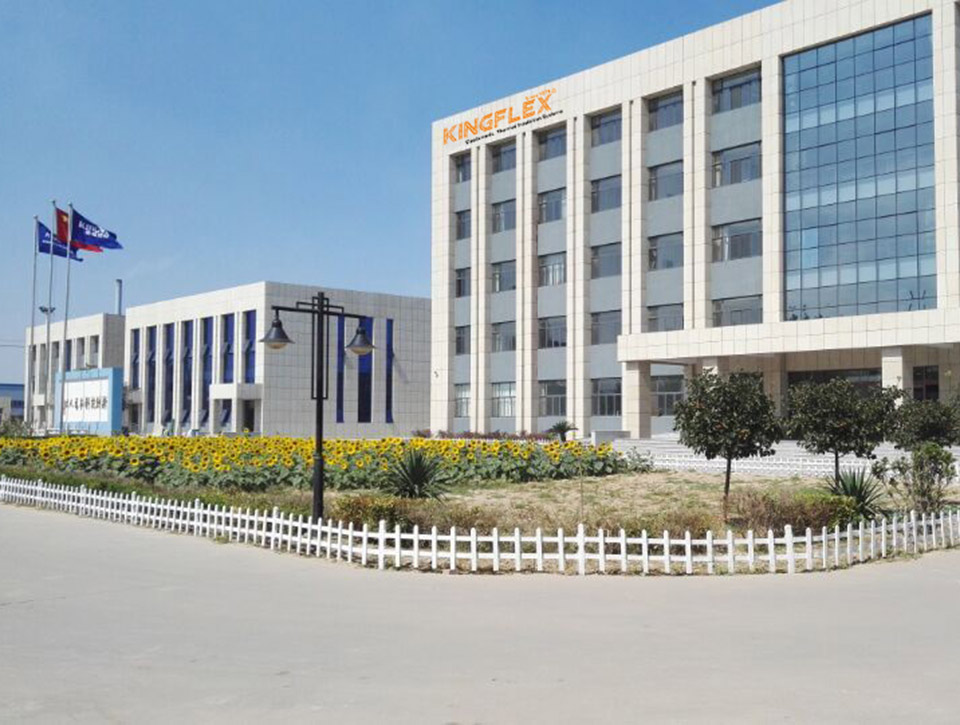
Kingflex Insulation Co., Ltd. is a professional manufacturing and trading combo for thermal insulation products. Our research, development, and production facility is located in Dacheng, China—a hub for green building materials. As an energy-saving, environmentally friendly enterprise, we integrate R&D, mass production, and global sales.
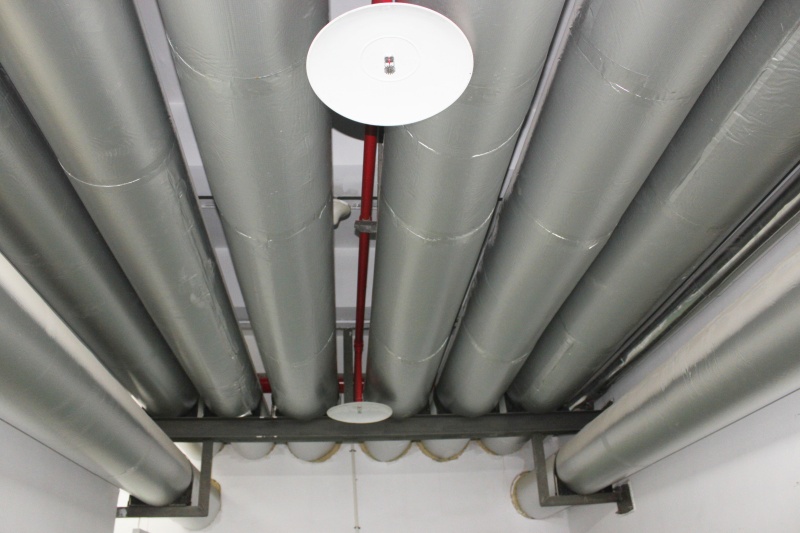
R&D Capability & Dynamic Team

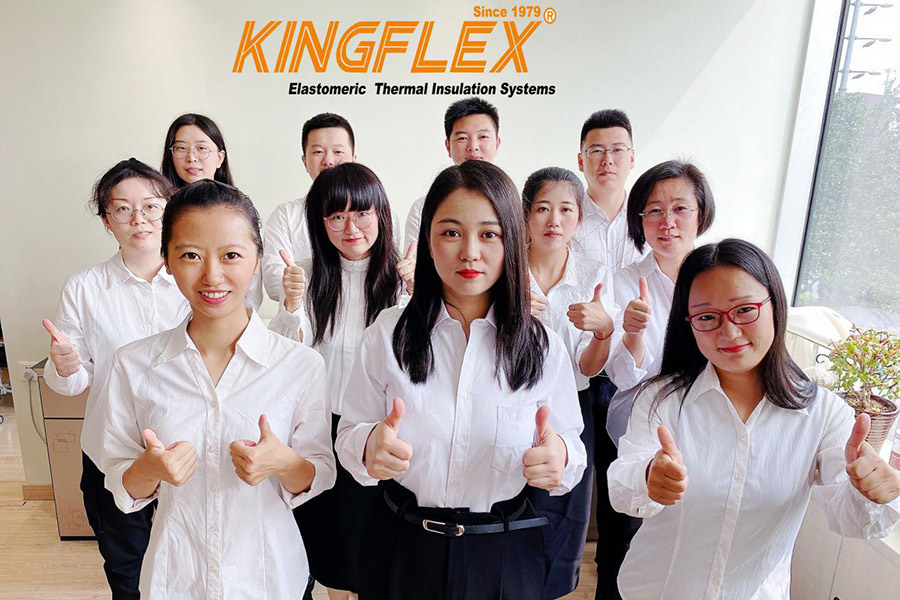
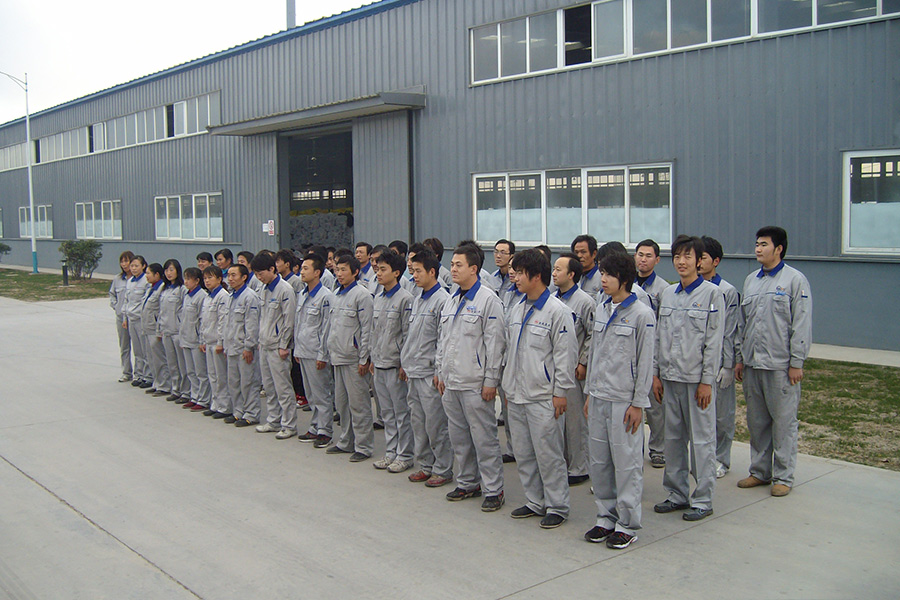
Our team is a tight-knit group dedicated to providing consistent service to our global clients. Kingflex employs 8 professional engineers in our R&D Department, 6 international sales specialists, and 230 manufacturing workers.
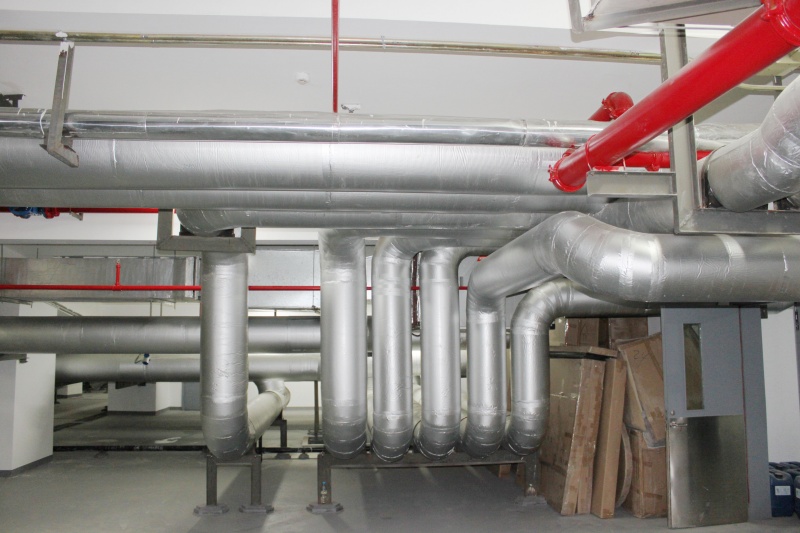
Currently, Kingflex runs 5 fully automated assembly lines with an annual capacity of over 600,000 cubic meters. We are designated as a production enterprise by the Ministry of Energy, the Ministry of Electric Power, and the Ministry of Chemical Industry.
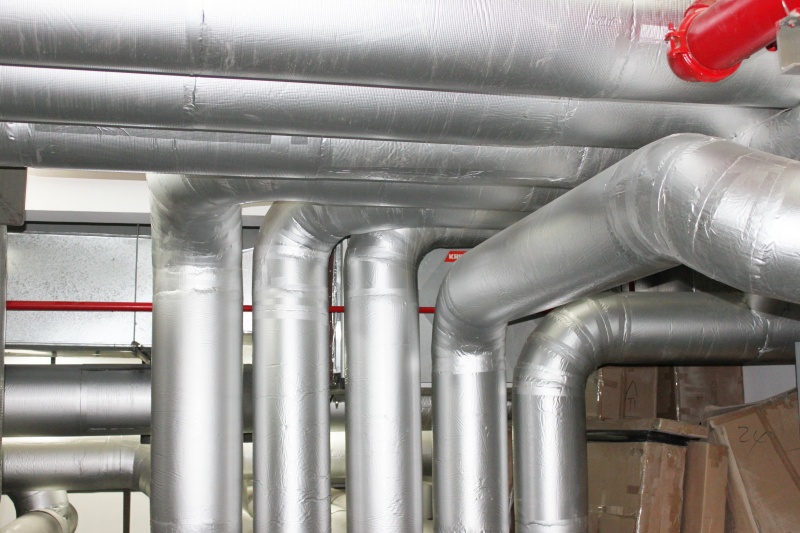
Kingflex Technical Team
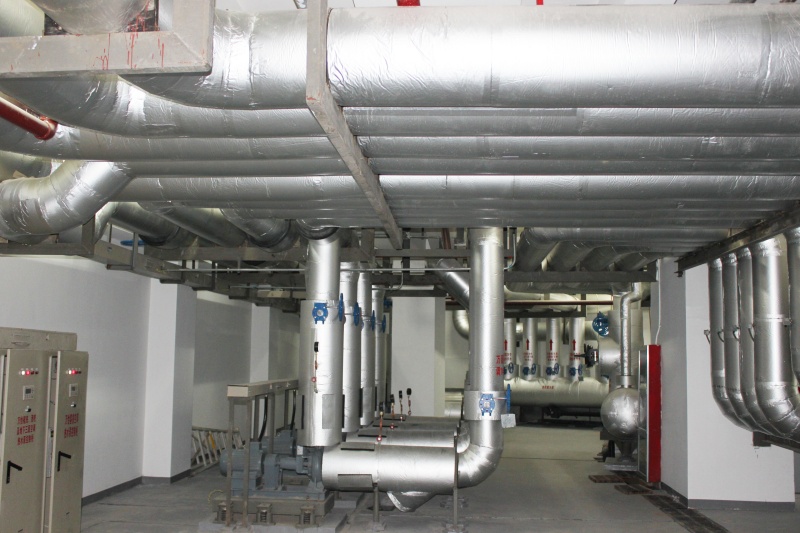
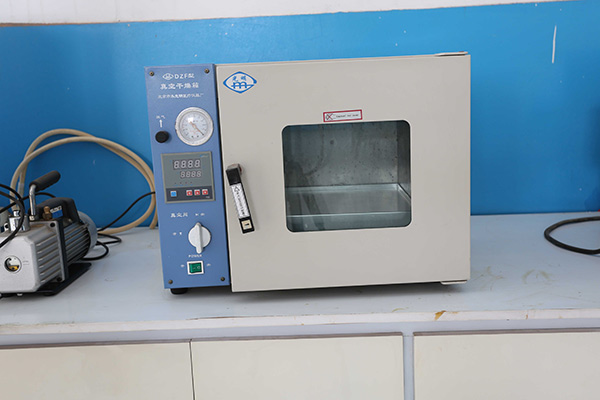
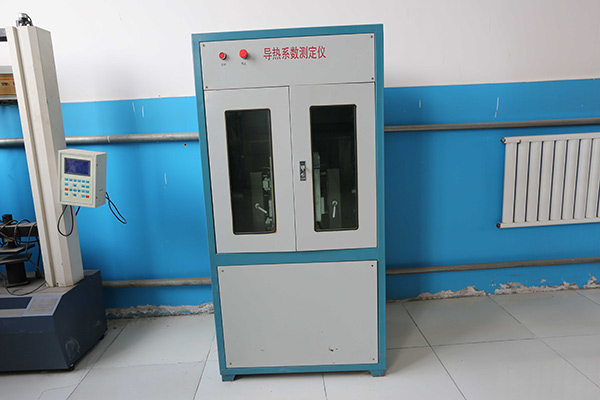
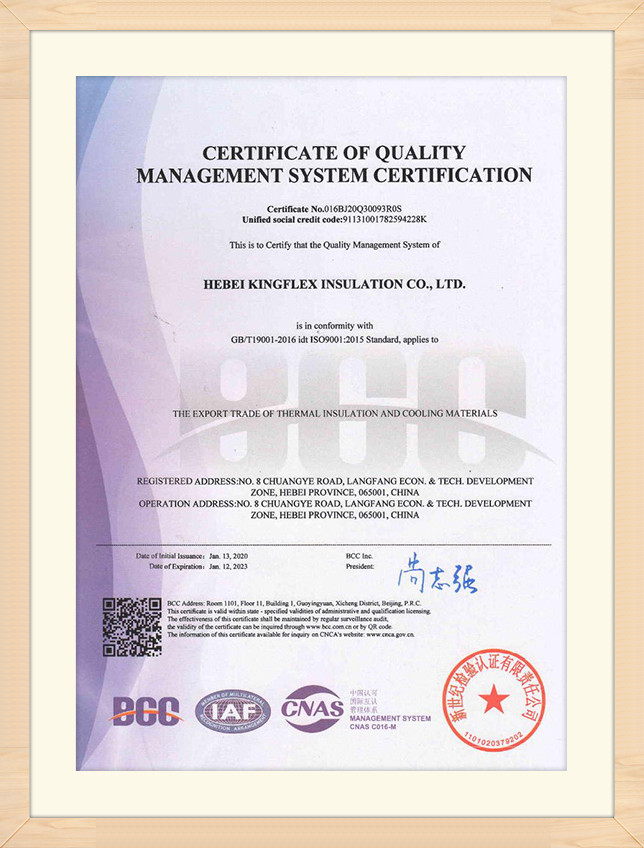
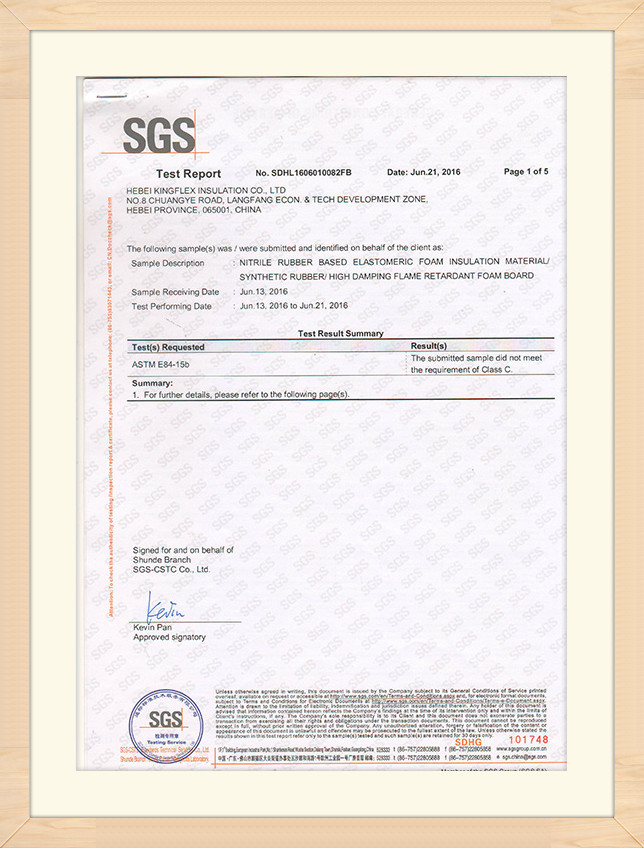
Quality Control, Traceability & R&D Focus

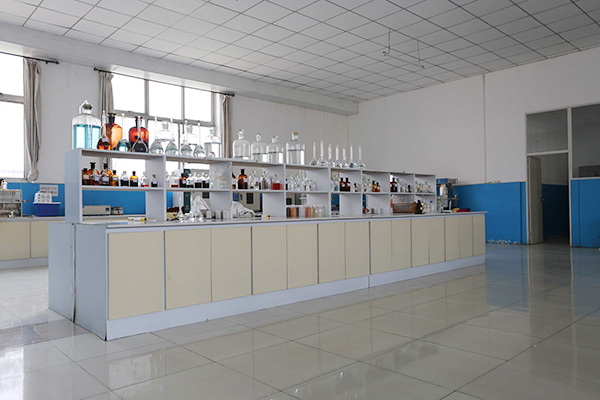
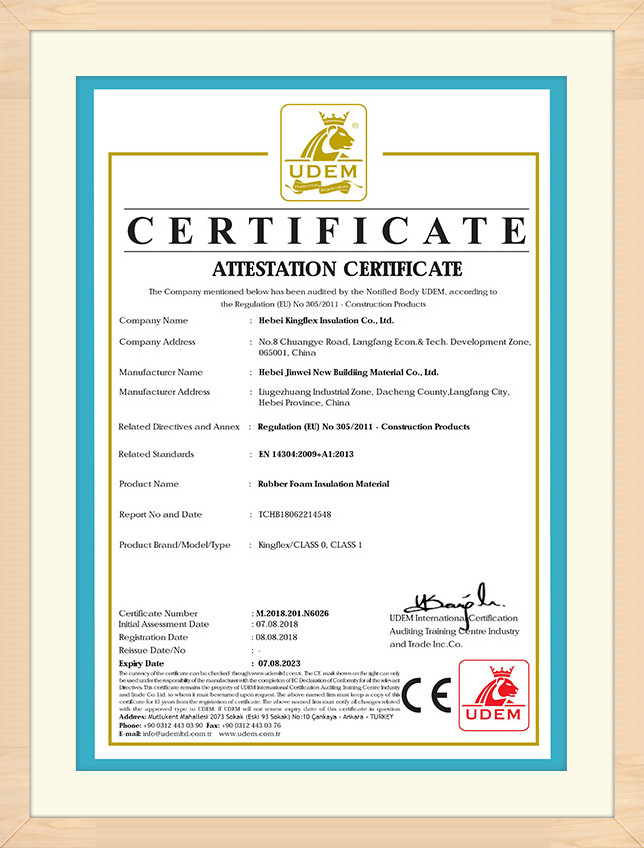
Our commitment to internationally recognized quality standards is verified by certifications and traceabilities.

Our manufacturing protocols ensure traceability from raw polymer receipt to final dispatch. With our focus on research, Kingflex products have been exported to sixty-six countries over the past 16 years, servicing complex industrial developments.
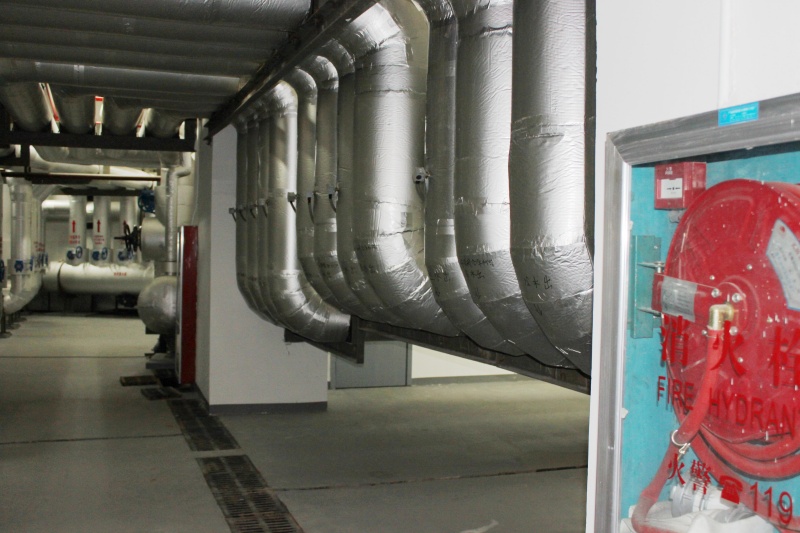
Macro-Industrial Insulation Solutions

How we engineering customized thermal barriers for heavy-duty industrial systems

Thermal Modeling

We analyze heat flux and insulation configurations to optimize system thickness, helping to lower material costs and limit condensation risk.

Vapor Barrier Integration

We engineer multi-layered protective systems combining metal foils and elastomeric membranes to defend against environmental humidity.

Installation Support

We provide comprehensive structural guidance and application instructions, ensuring seal integrity at support brackets and terminal connections.

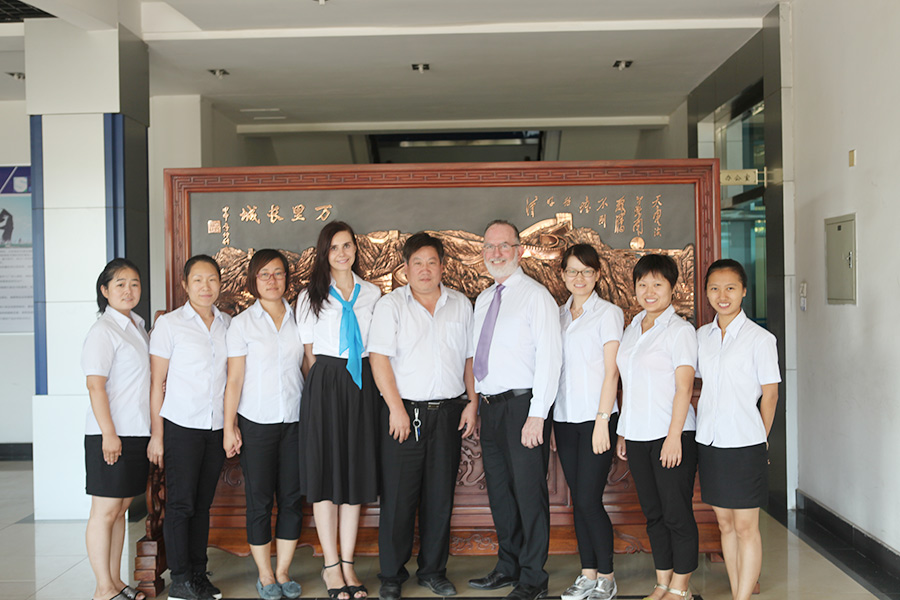
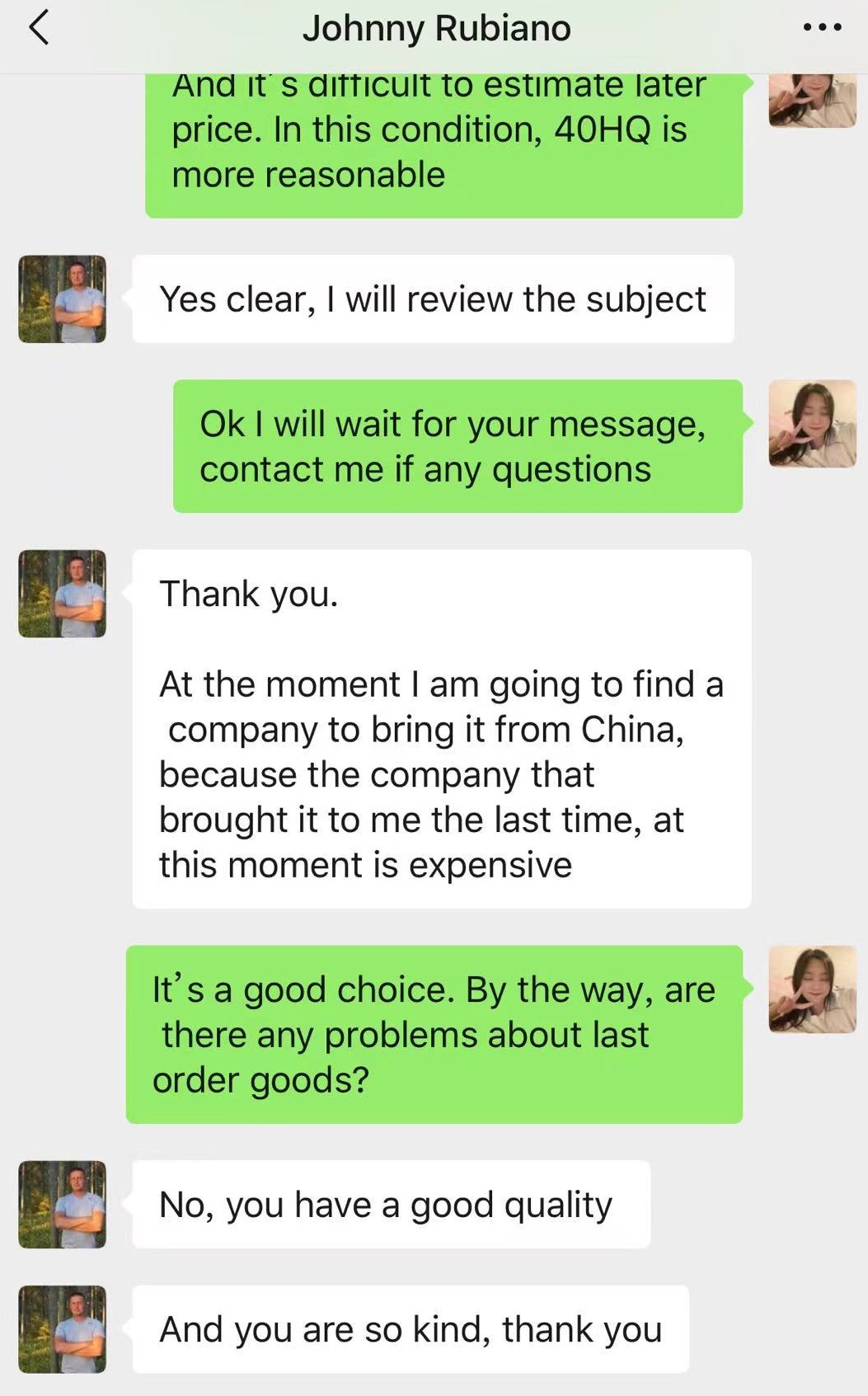
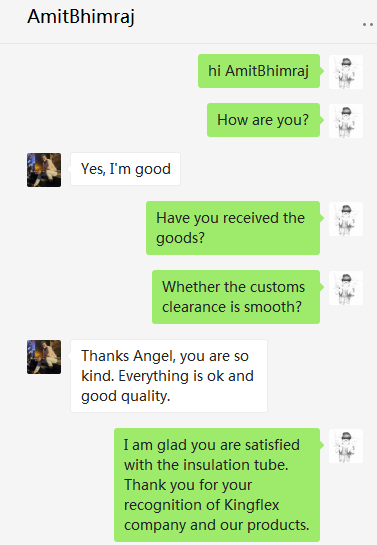
Customer Communication & Global Trust

A transparent look at client consultations and engineering validations

Expert & Technical FAQ

Get answers to common engineering questions regarding cryogenic systems, material structures, and application guidelines.

Q1: What is elastomeric rubber foam insulation used for?

It is mainly used for HVAC ducts, air conditioning pipes, building thermal insulation, industrial pipeline cold insulation, and sound insulation in high-occupancy projects.

Q2: Is Kingflex rubber foam insulation fire resistant?

Yes, our rubber foam insulation products are flame retardant, meeting strict safety standards for building and industrial projects worldwide.

Q3: What is the difference between rubber foam and rock wool insulation?

Rubber foam has a flexible, closed-cell structure with integrated moisture resistance, making it suitable for HVAC and refrigeration systems. Rock wool has high-temperature resistance and fire protection properties, making it suitable for high-temperature industrial pipelines.

Q4: Do you provide customized insulation products?

Yes, we support OEM/ODM requests to meet custom project specifications, including custom densities, dimensions, skin materials, and self-adhesive options.

Q5: What certifications do your products have?

Our products comply with BS 476, CE, REACH, ROHS, UL94, ASTM, and other international standards, ensuring regulatory compliance across global markets.

Q6: Does Kingflex products have traceability?

Yes, our quality management system tracks batches from raw material testing through mechanical processing to finished product delivery.

Q7: What thickness of Rubber foam insulation sheet roll can you produce?

We can manufacture rolls with thicknesses ranging from 6mm up to 50mm to suit diverse insulation needs.

Q8: What is the service life of rubber plastic pipe and board?

Under recommended operating conditions and with proper installation, Kingflex products provide a service life of 10 to 15 years.

Q9: How does MLI work within high vacuum environments?

Under vacuum pressures below $10^{-5}$ torr, gas conduction is minimized. The alternating radiation shields block thermal radiation, while the thin spacer mesh isolates the shields to prevent solid thermal conduction.

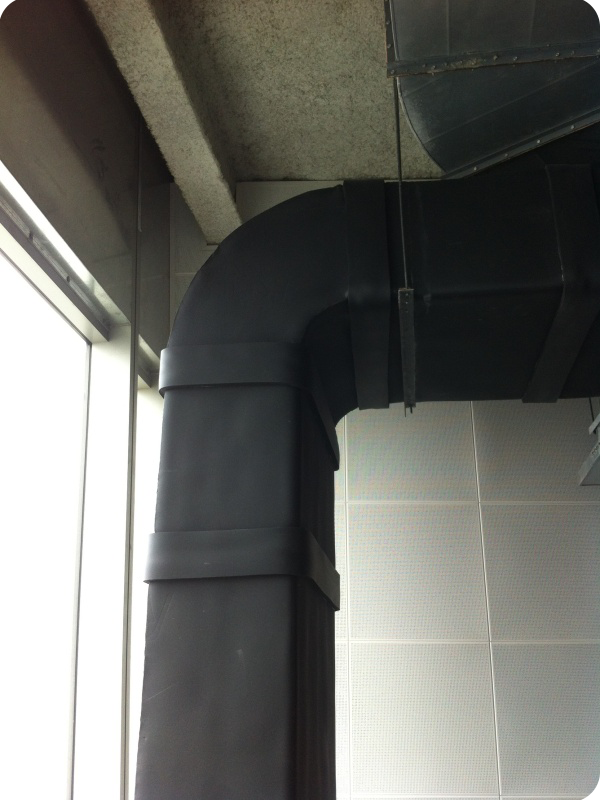
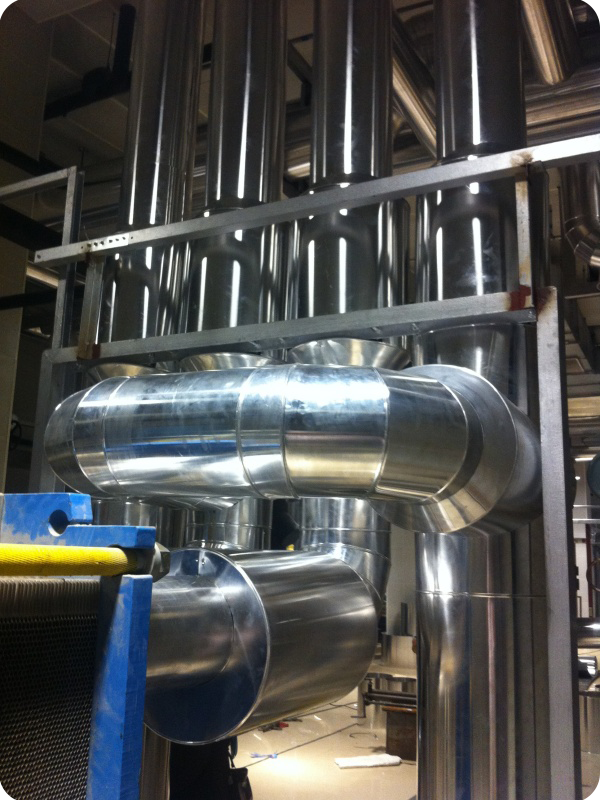
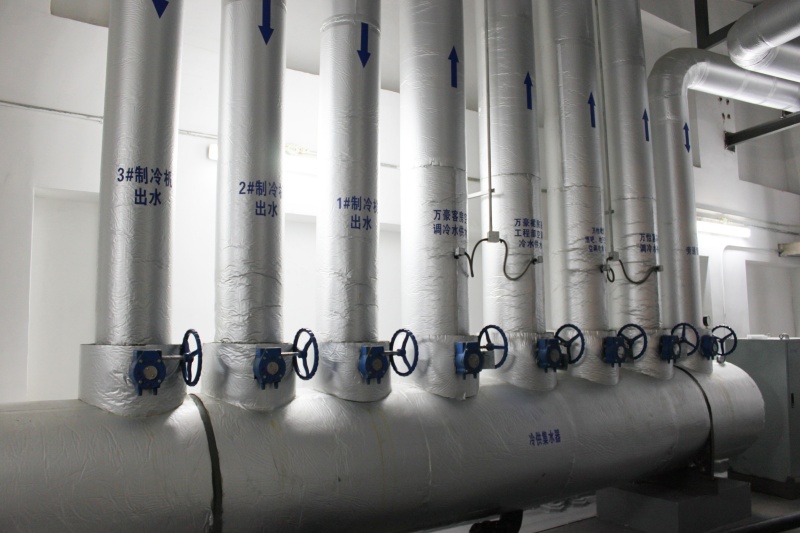
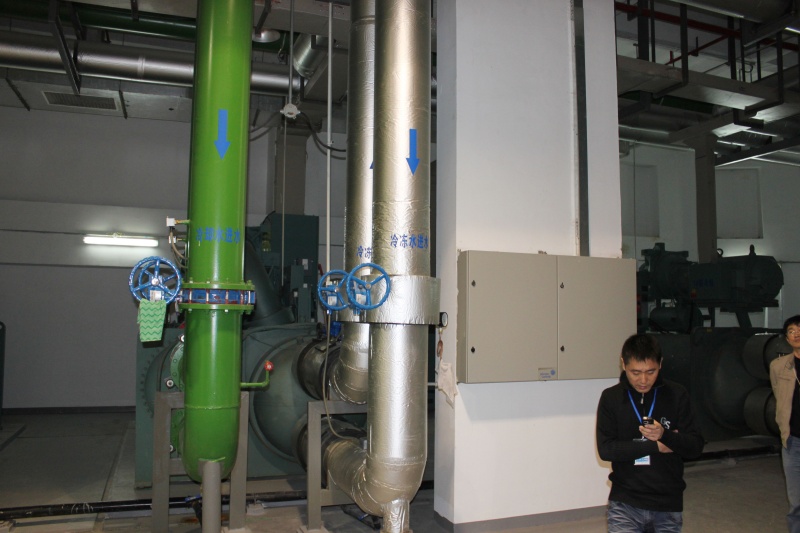
Industrial Reference & Project Gallery

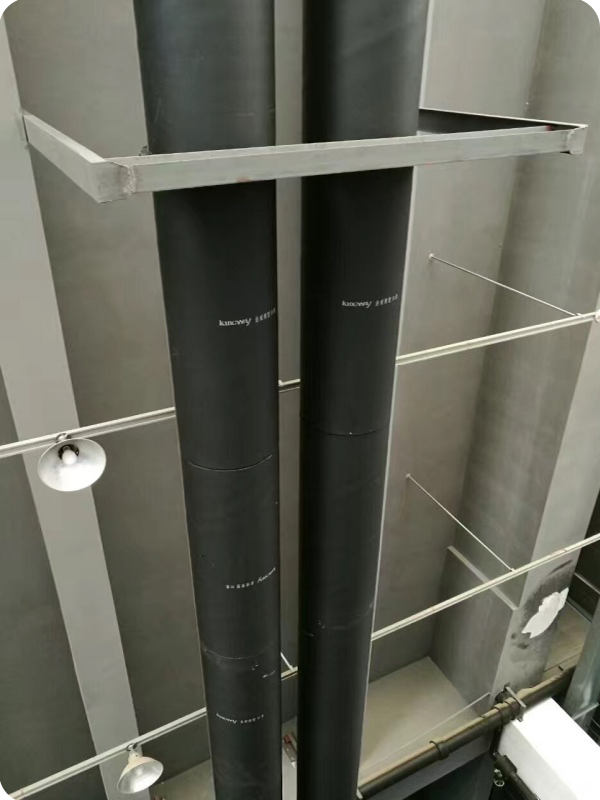
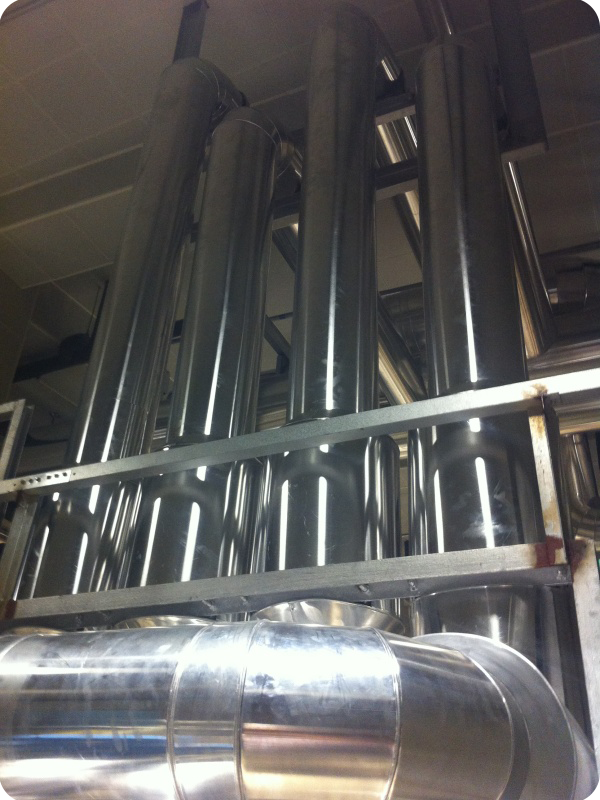
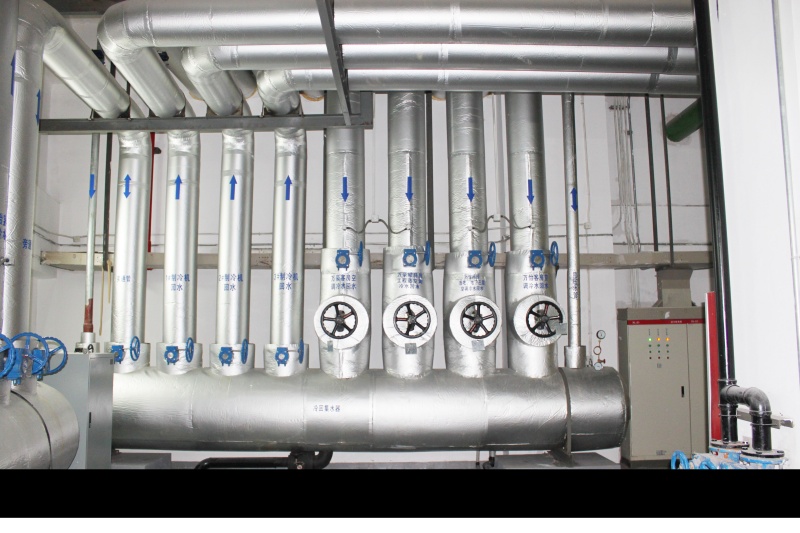
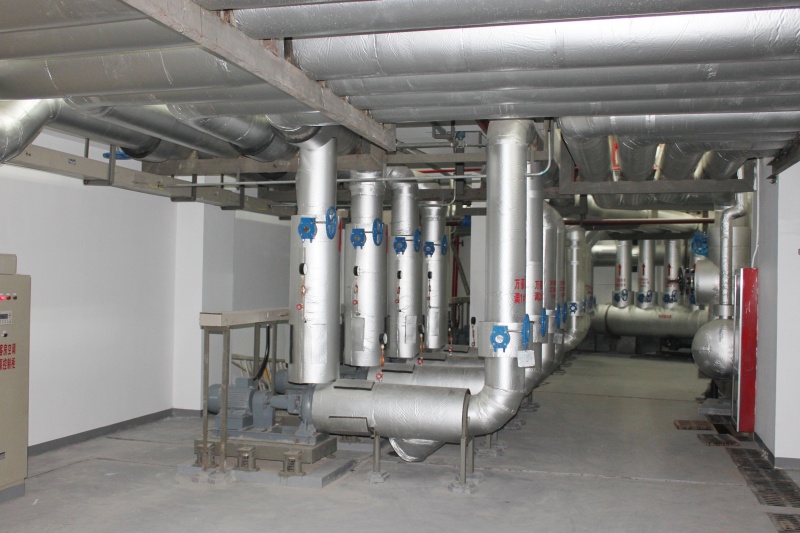
Demonstrating performance and engineering reliability across global worksites