1 / 3
 Kingflex
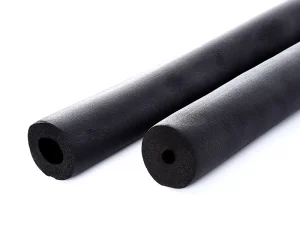
Minimise the risk of corrosion under insulation. Combined thermal and noise reduction in a single solution. Significant savings in installation and maintenance costs.
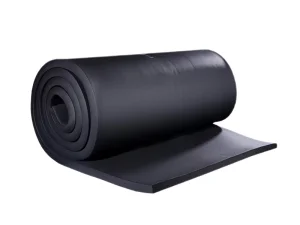
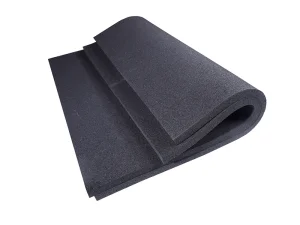
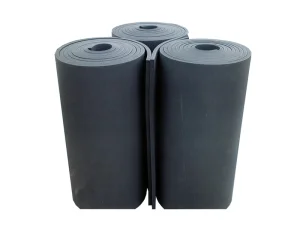
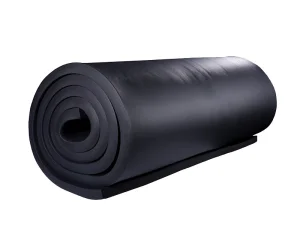
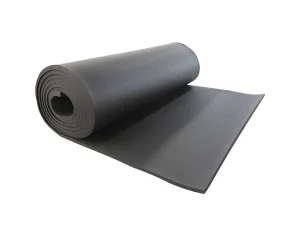
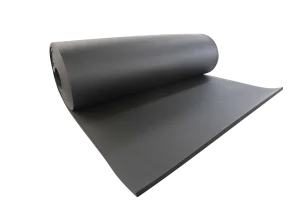
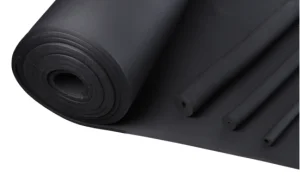
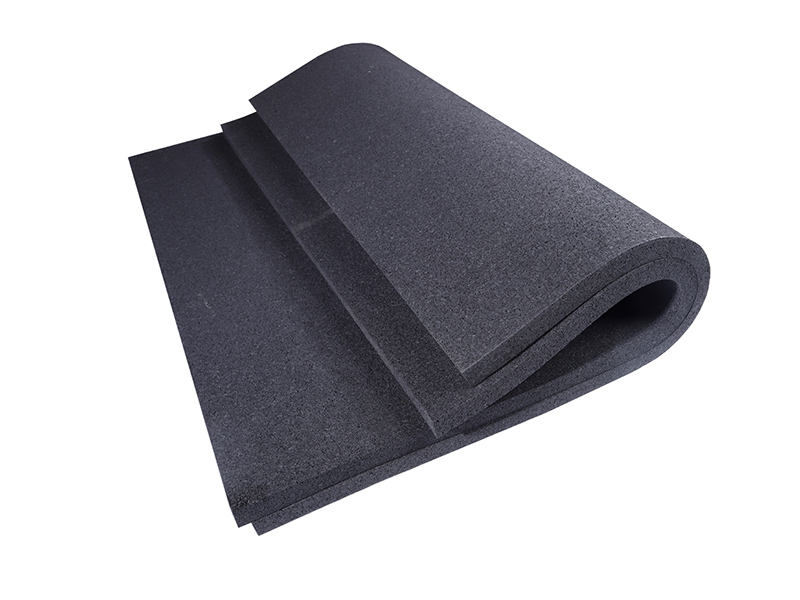
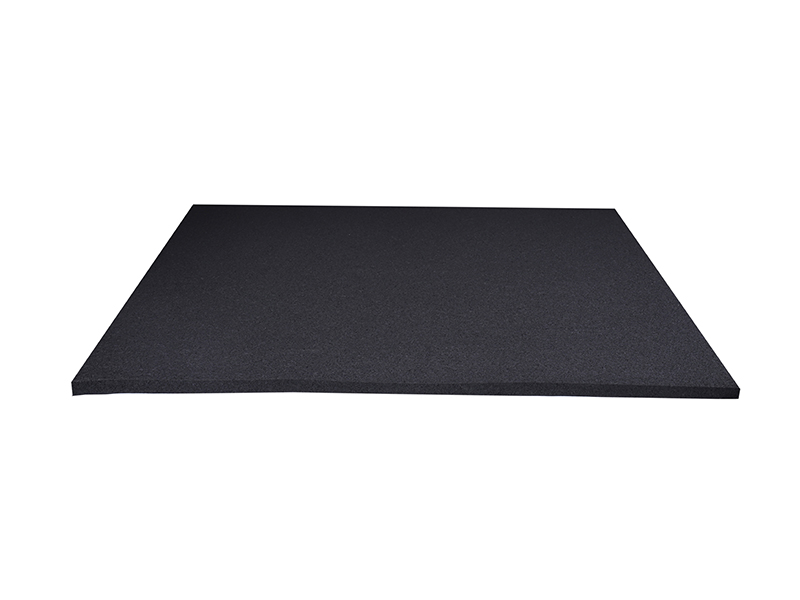
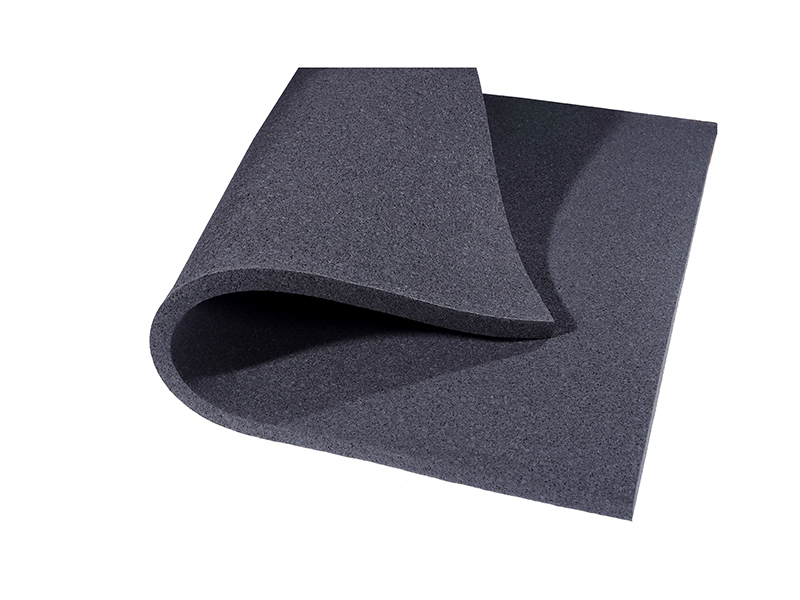
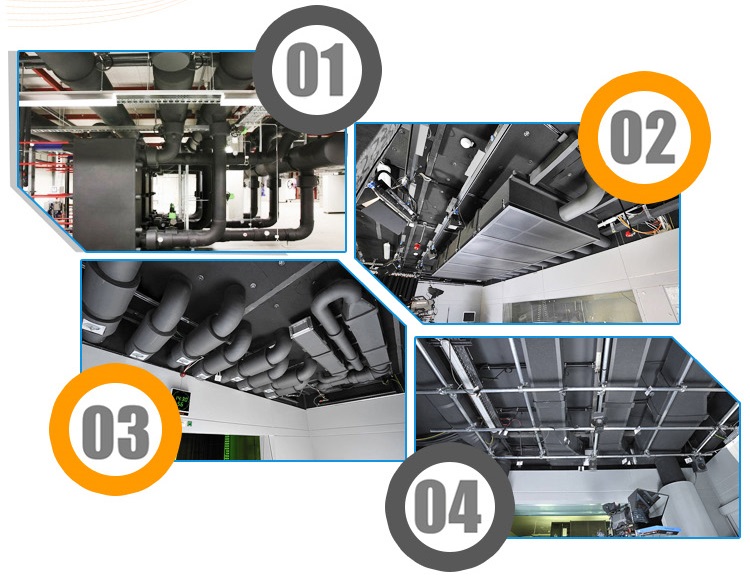
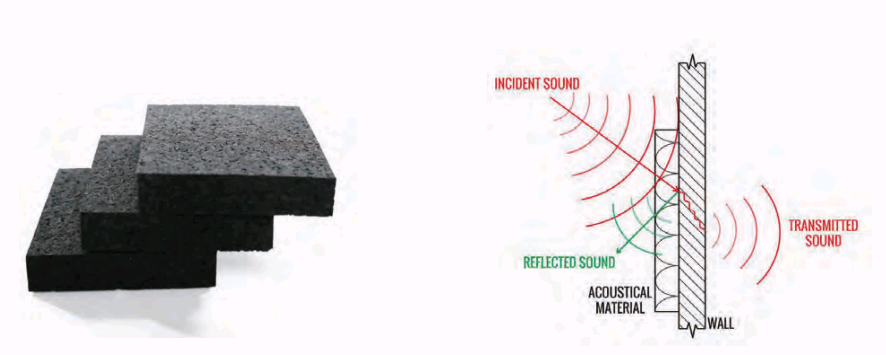
This universal sound absorbing material with an open cell structure is designed for various acoustic applications. It provides exceptional performance for HVAC Ducts, Air Handling Systems, Plant Rooms, and Architectural Acoustics.
Excellent Shock Resistance: Offers extensive absorption and dispersion of external stresses in local positions.
Anti-Cracking Design: Prevents material cracking due to stress concentration and avoids hard foam impact breakage.
Substantial Noise Reduction: Effectively dampens duct rattling, plant room noise, and system vibrations.
Easy Installation: Quick setup without requiring bitumen, tissue paper, or perforated sheets.
Fibre Free & Safe: Non-fibrous composition ensures zero fibre migration, ensuring clean air environments.
High Density Efficiency: Provides extremely high noise absorption per unit thickness with built-in lifetime antimicrobial protection.
Fire Safety: Self-extinguishing properties; does not drip and does not spread flames.
Microbe Resistant: Highly silent operation with robust resistance to microbial growth.
| Physical Properties | Low Density | High Density | Standard |
|---|---|---|---|
| Temperature Range | -20℃ ~ +85℃ | -20℃ ~ +85℃ | - |
| Thermal Conductivity (Normal Atmospheric Temp) |
0.047 W/(m.K) | 0.052 W/(m.K) | EN ISO 12667 |
| Fire Resistance | Class 1 | Class 1 | BS476 Part 7 |
| V0 | V0 | UL 94 | |
| Fireproof, Self-Extinguishing, No Drop, No Flame Propagation | - | ||
| Density | ≥160 KG/M³ | ≥240 KG/M³ | - |
| Tensile Strength | 60-90 kPa | 90-150 kPa | ISO 1798 |
| Stretch Rate | 40-50% | 60-80% | ISO 1798 |
| Chemical Tolerance | Good | Good | - |
| Environmental Protection | No Fiber Dust | No Fiber Dust | - |
| No | Thickness | Width | Length | Density | Packing Unit | Size of Carton Box |
|---|---|---|---|---|---|---|
| 1 | 6mm | 1m | 1m | 160KG/M³ | 8 PC/CTN | 1030mm x 1030mm x 55mm |
| 2 | 10mm | 1m | 1m | 160KG/M³ | 5 PC/CTN | 1030mm x 1030mm x 55mm |
| 3 | 15mm | 1m | 1m | 160KG/M³ | 4 PC/CTN | 1030mm x 1030mm x 65mm |
| 4 | 20mm | 1m | 1m | 160KG/M³ | 3 PC/CTN | 1030mm x 1030mm x 65mm |
| 5 | 25mm | 1m | 1m | 160KG/M³ | 2 PC/CTN | 1030mm x 1030mm x 55mm |
| 6 | 6mm | 1m | 1m | 240KG/M³ | 8 PC/CTN | 1030mm x 1030mm x 55mm |
| 7 | 10mm | 1m | 1m | 240KG/M³ | 5 PC/CTN | 1030mm x 1030mm x 55mm |
| 8 | 15mm | 1m | 1m | 240KG/M³ | 4 PC/CTN | 1030mm x 1030mm x 65mm |
| 9 | 20mm | 1m | 1m | 240KG/M³ | 3 PC/CTN | 1030mm x 1030mm x 65mm |
| 10 | 25mm | 1m | 1m | 240KG/M³ | 2 PC/CTN | 1030mm x 1030mm x 55mm |