Engineered to global industrial specifications. Choose from our baseline wholesale selection below.
Providing an authoritative technical overview of structural density, thermal conductivity, and chemical composition criteria required for high-stress infrastructure.
Modern industrial systems demand strict adherence to thermal efficiency guidelines. Polyurethane (PU) insulation, specifically structured Polyisocyanurate (PIR) and modified micro-cellular NBR/PVC elastomeric formulations, represents the pinnacle of engineering for temperature control. These specifications target the minimization of thermal bridging, high moisture resistance, and severe weather proofing. Designing systems with high closed-cell ratios prevents liquid absorption and mitigates Corrosion Under Insulation (CUI)—one of the most critical structural failures in petroleum, cryogenic LNG transport, and heavy manufacturing HVAC systems.
When engineering pipe insulation systems, specifying authorities must analyze thermal conductivity (λ-values) across a broad operational temperature range. A stable thermal conduct coefficient prevents energy leakage in processing lines. For heavy-duty industrial pipe frameworks, our polyurethane specifications ensure high compressive strength values (>150 kPa for standard configurations) to withstand mechanical loading, while maintaining compliance with fire protection directives including ASTM, BS 476, and European Standards.
| Insulation Material | Thermal Conductivity (λ) at 10°C | Operational Temp. Range | Water Vapor Permeability | Standard Certifications |
|---|---|---|---|---|
| Rigid Polyurethane / PIR | ≤ 0.022 - 0.024 W/m·K | -196°C to +120°C | Very Low (Closed Cell >92%) | ASTM C591, EN 14308, CE |
| Kingflex Elastomeric NBR/PVC | ≤ 0.033 - 0.035 W/m·K | -40°C to +105°C | μ ≥ 10,000 (Closed Cell >98%) | BS 476, CE, REACH, RoHS, UL94 |
| Rock Wool Insulation | ≤ 0.038 - 0.044 W/m·K | Ambient to +650°C | High Permeability (Requires Vapor Barrier) | ASTM C547, BS 3958 |
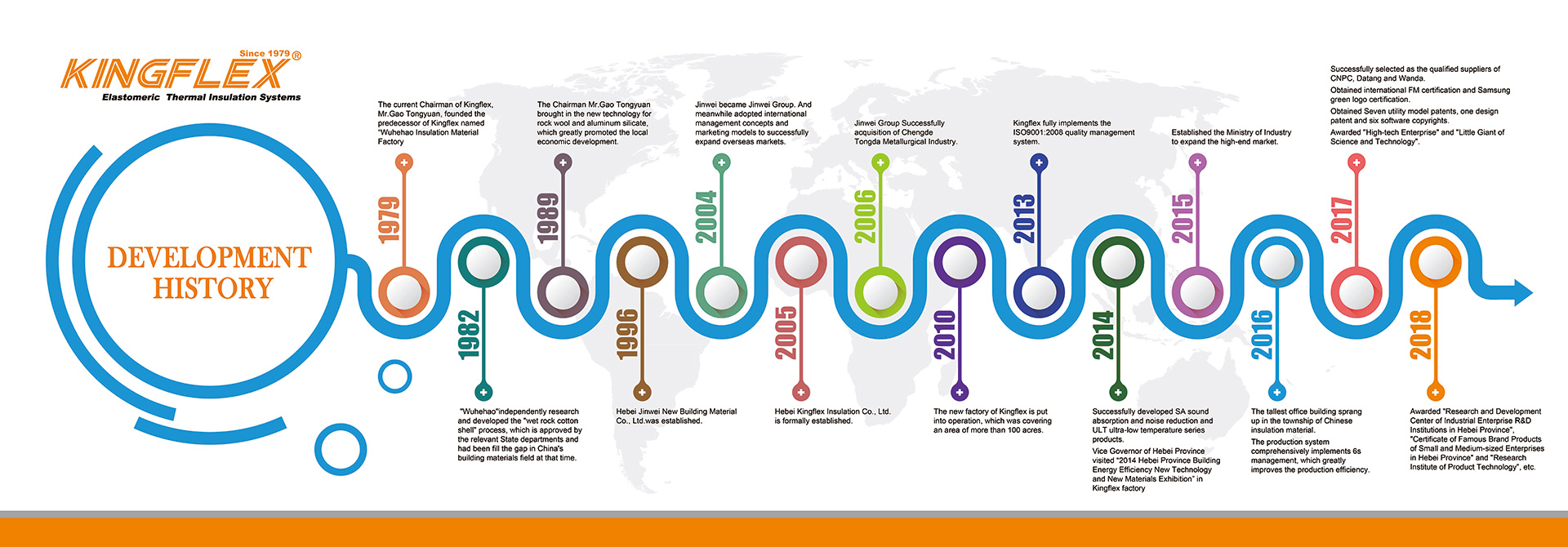
Under the leadership of the Jinwei Group (established in 1979), Kingflex maintains the highest manufacturing standards.
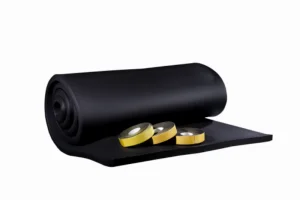
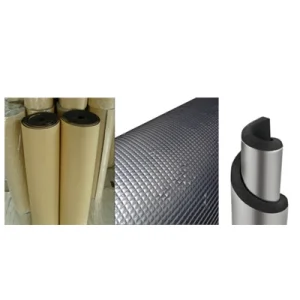
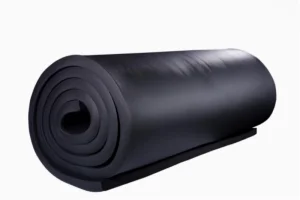
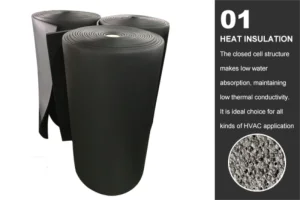
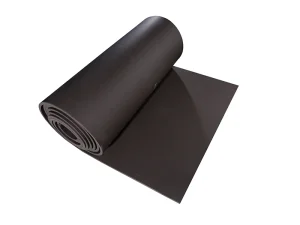
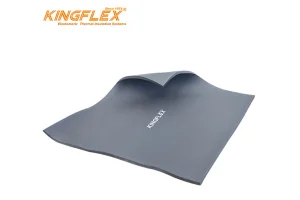
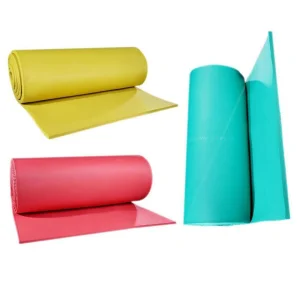
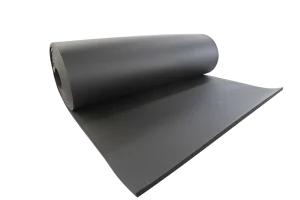
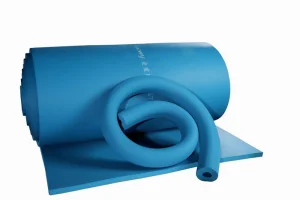
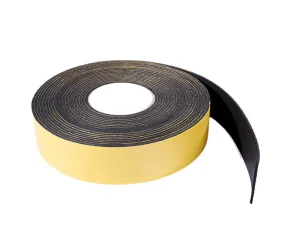
Material: High-Grade NBR/PVC Elastomeric Foam
Thickness Options: 6mm to 50mm
Density range: 40-55 kg/m³
Service Temperature: -40℃ to 105℃
Performance Core: Formed with an ultra-consistent cell distribution. Closed-cell rate surpasses 98% for optimum long-term energy savings.
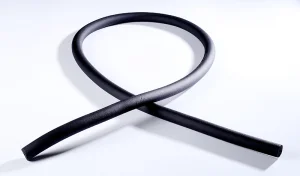
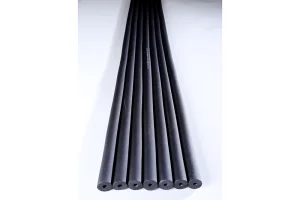
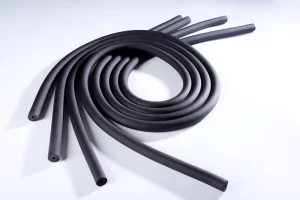
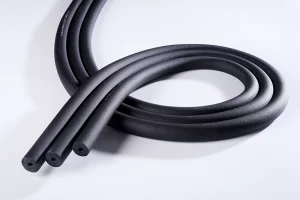
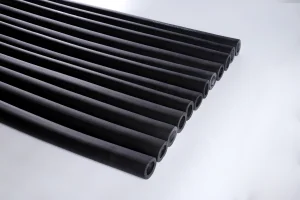
Material: Rigid & Flexible Cellular Elastomer
Thickness Options: 9mm to 40mm
Inner Diameter (ID): 6mm to 114mm
Service Temperature: -40℃ to 105℃
Performance Core: Features advanced internal pipe lining designed to prevent cold-pipe cracking, condensation accumulation, and freeze-burst profiles.
1. Uniform Cell Structure: Higher resistance to mechanical expansion under pressure.
2. Low Moisture Absorption: High water vapor diffusion factor (μ ≥ 10,000).
3. Flame Retardant: Self-extinguishes instantly off fire, meeting UL94 and BS 476 parameters.
4. Installation Economy: Outstanding flexibility allows quick installation on complex pipeline nodes.
Addressing how different regions utilize specified Polyurethane and Elastomeric materials for extreme regional demands.
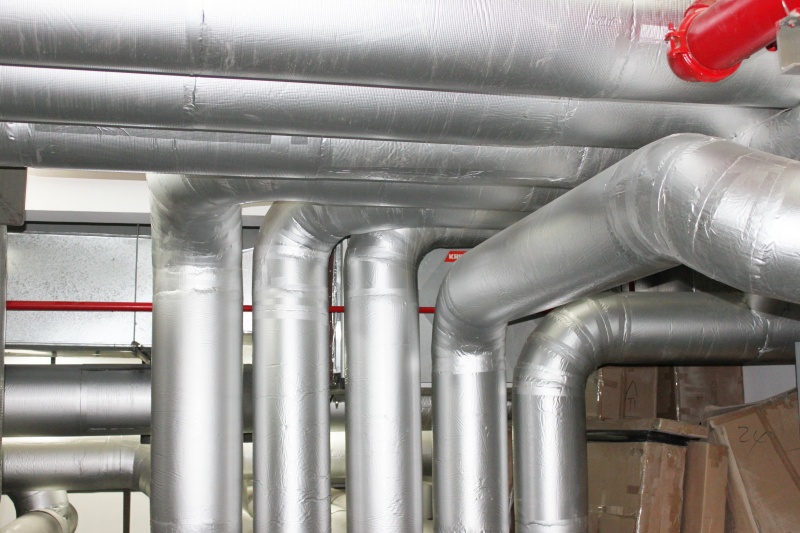
Different geopolitical zones present distinct atmospheric conditions that modify the thermal design calculations for pipelines. In hot and humid regions (e.g., Southeast Asia, Gulf Coast USA), external condensation poses the highest threat to chilled water systems. Designers specify thick closed-cell Kingflex elastomeric insulation or pre-insulated polyurethane steel pipes. The dense moisture-barrier properties prevent dew point formation on the outer surface, saving municipal chilled water grids millions of kilowatt-hours in cooling energy.
Conversely, in colder climates like Northern Europe or North America, district heating systems run superheated steam pipelines underneath metropolitan areas. In these environments, composite insulation solutions are deployed—inner layers of high-temperature resistant rock wool surrounded by high-density rigid polyurethane pipe jackets. This hybrid specification mitigates heat escape, protects underground structural assets from frost heave, and keeps the external pipe jacket temperature low enough to prevent thermal deterioration of local soil systems.
In cryogenic industries, such as LNG (Liquefied Natural Gas) storage terminals and processing facilities, temperatures drop below -160°C. Only specified high-density polyisocyanurate (PIR) or elastomeric cryogenic systems can withstand this thermal contraction without cracking. The materials' internal microstructures absorb thermal stress while maintaining structural density, ensuring the safety and operational efficiency of the gas transportation networks.
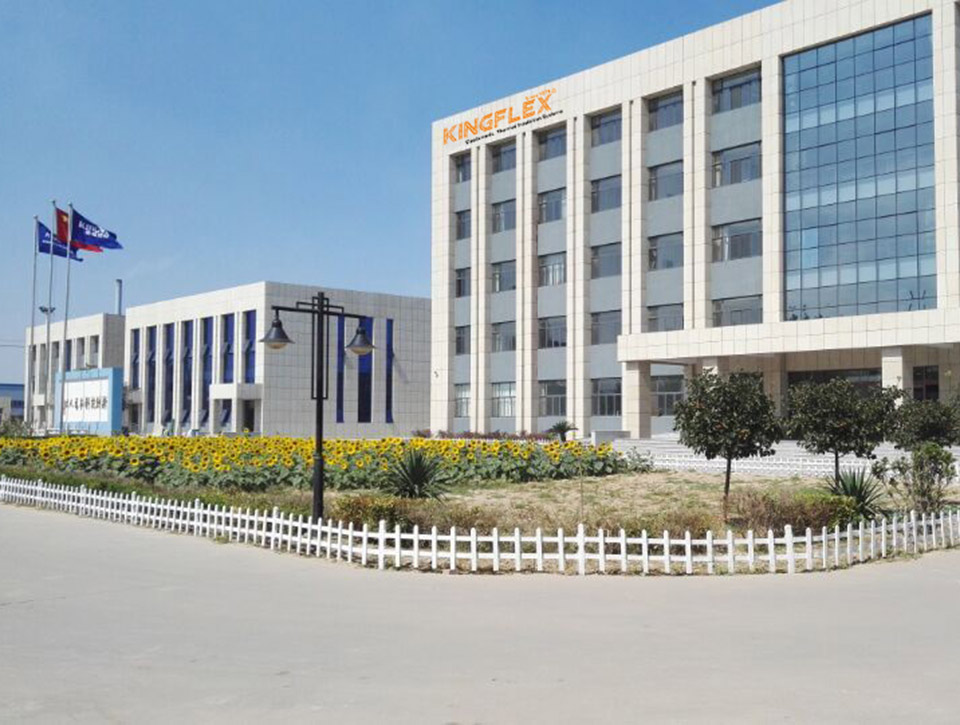
Kingflex Insulation Co., Ltd. is a leading combination of manufacturing and trade, committed to the research, development, and supply of global energy-saving insulation systems.
Founded by the Jinwei Group (which has over 40 years of industry experience since 1979), Kingflex was the first major manufacturer of thermal insulation materials north of the Yangtze River. The company focuses on energy conservation and consumption reduction as core goals.
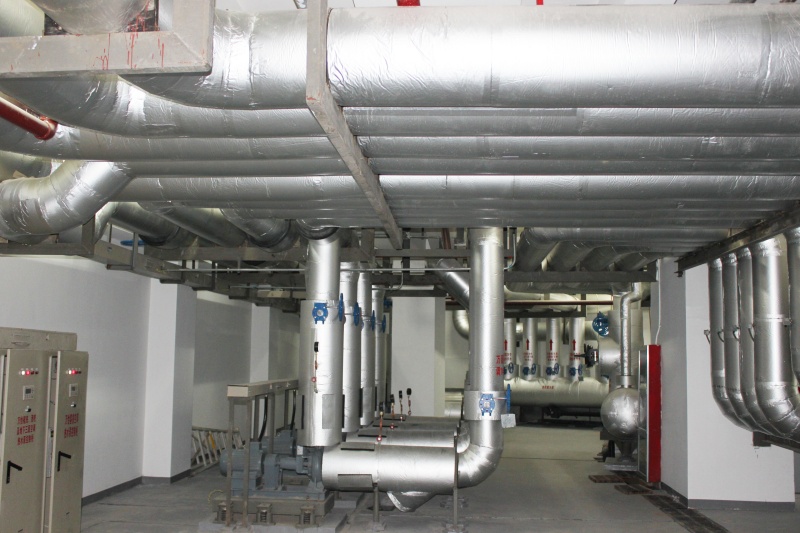
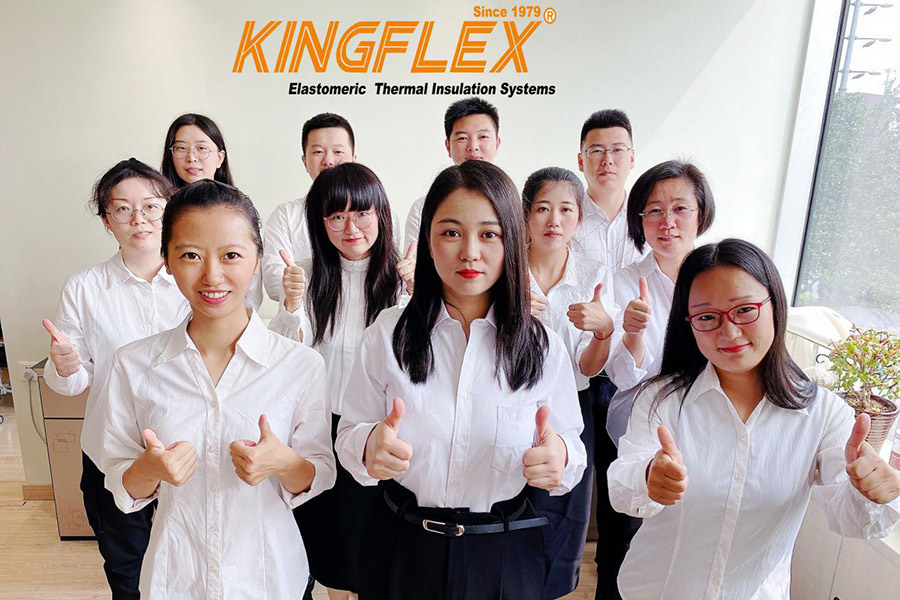
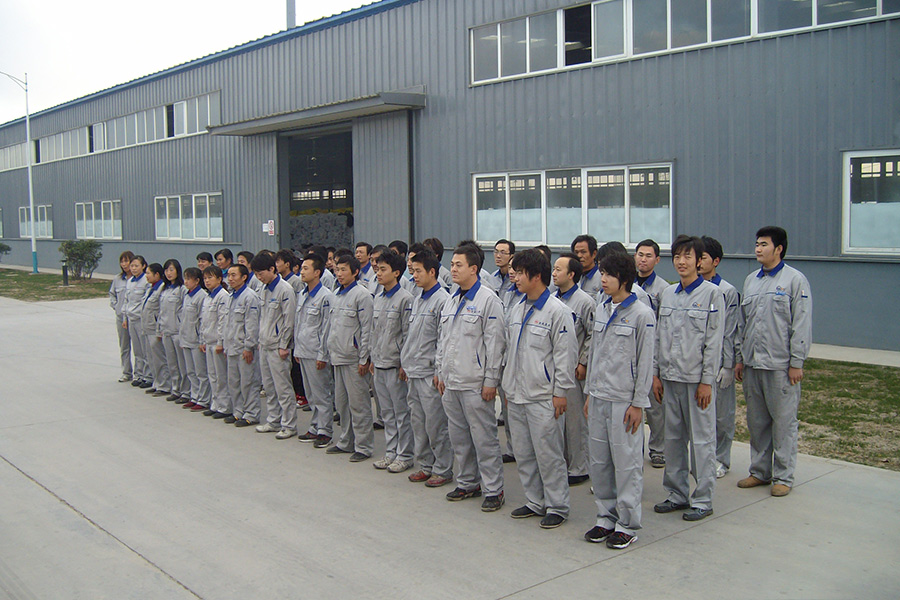
Our facility houses 8 professional engineers in the R&D department, 6 international sales specialists, and over 230 dedicated workers. We utilize 5 large automatic assembly lines to reach an annual capacity exceeding 600,000 cubic meters.
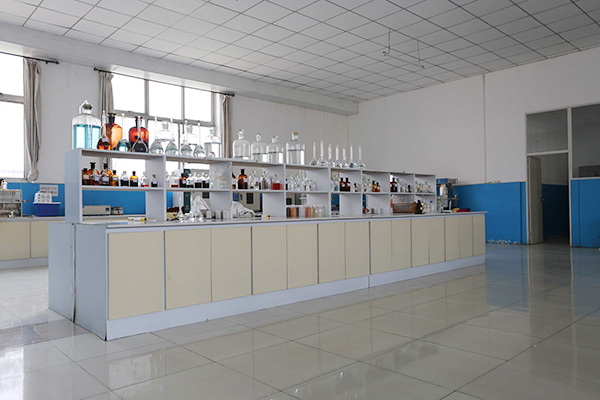
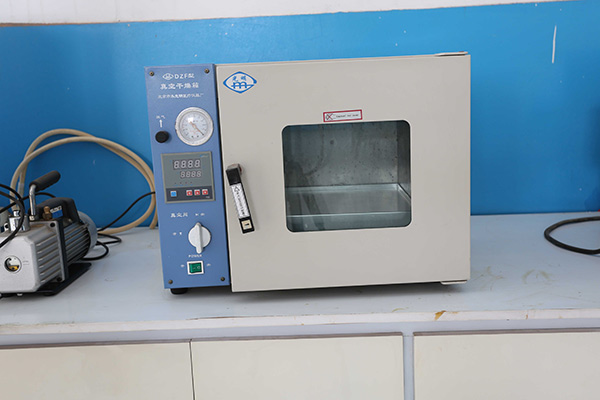
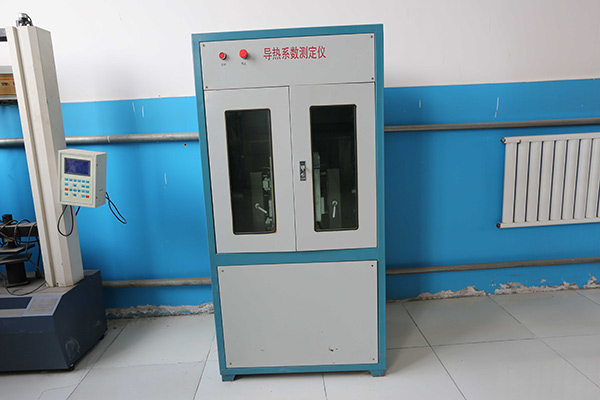
We continually invest in physical and chemical testing devices. We inspect density, cell wall configuration, flame retardation speed, and thermal conductivity across a wide range of ambient conditions to maintain full industry compliance.
Years of Legacy
Annual Capacity (m³)
Countries Exported
Senior R&D Engineers
Decarbonization, smart sensors, and advanced chemical structures defining the next generation of insulation systems.
As the international community targets zero-emission targets, building and industrial insulation specifications are adapting. The next wave of Polyurethane and Elastomeric development focuses on green blowing agents. Historically, HCFCs played a critical role in expanding cellular structures, but their replacement with HFOs (Hydrofluoroolefins) has significantly reduced global warming potential (GWP) to near-zero levels. Kingflex is actively researching sustainable polyols derived from recycled plastics and agricultural byproducts, aiming to lower the carbon footprint of high-performance rigid polyurethane insulation.
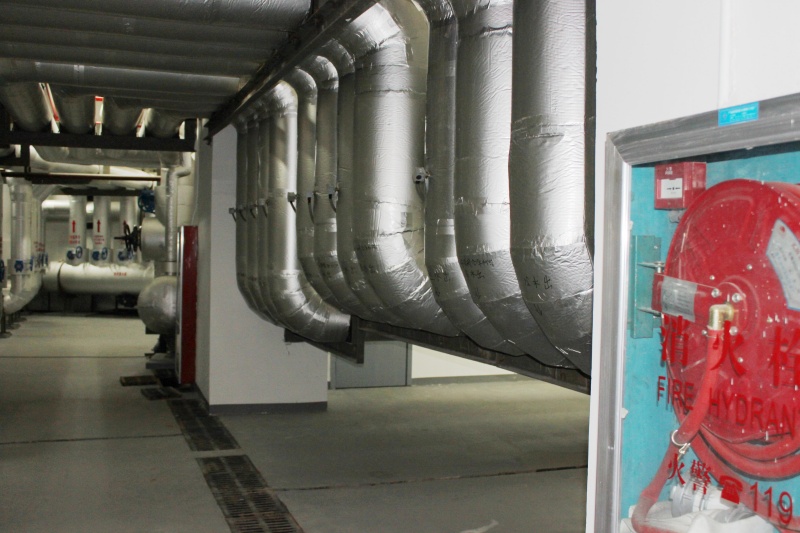
Another major technological trend is the emergence of "Smart Insulation". By embedding thin fiber-optic sensors or micro-electronic sensors underneath the insulation jacket, commercial operators can monitor thermal leakage and detect moisture in real time. If a vapor barrier fails, the sensors send an alert before moisture triggers Corrosion Under Insulation (CUI). This shift from periodic physical inspections to real-time predictive maintenance helps operators preserve steel piping systems and maintain long-term thermal efficiency.
How local clusters, automated production lines, and direct maritime shipping corridors optimize procurement.
Dacheng, China is globally recognized as the capital of green-building materials. This localization creates a dense industrial cluster of raw material suppliers, research institutes, and machinery builders. For international procurement managers, this network minimizes supply chain risks. While isolated manufacturing plants face delays when sourcing chemical reagents, additives, or packaging materials, Kingflex operates in a continuous-flow environment. Our production lines run consistently, keeping lead times short and pricing stable.
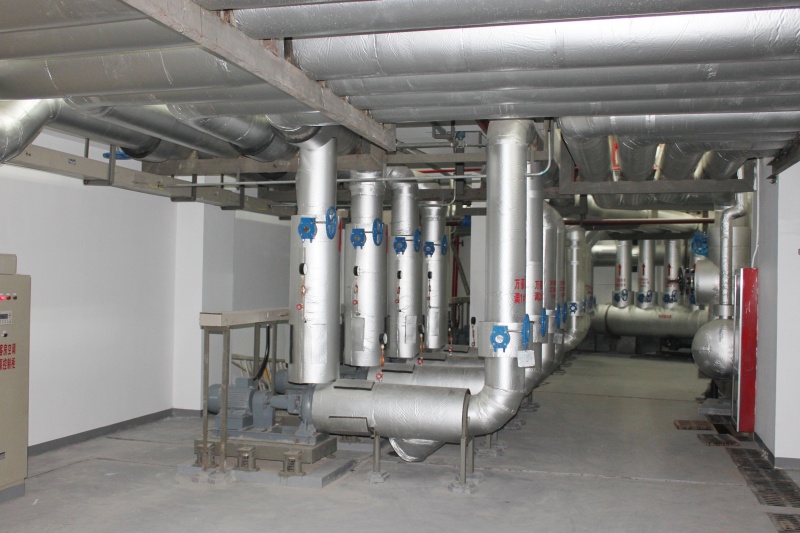
Additionally, our 5 automatic assembly lines process large-volume orders quickly, allowing us to manage large municipal projects or industrial piping contracts without production bottlenecks. Our factory is located near major maritime ports (such as Tianjin Port), which simplifies container shipping. Direct routes to regions like Europe, North America, Southeast Asia, and the Middle East help reduce shipping times and lower transit costs, ensuring that bulk insulation supplies arrive on schedule.
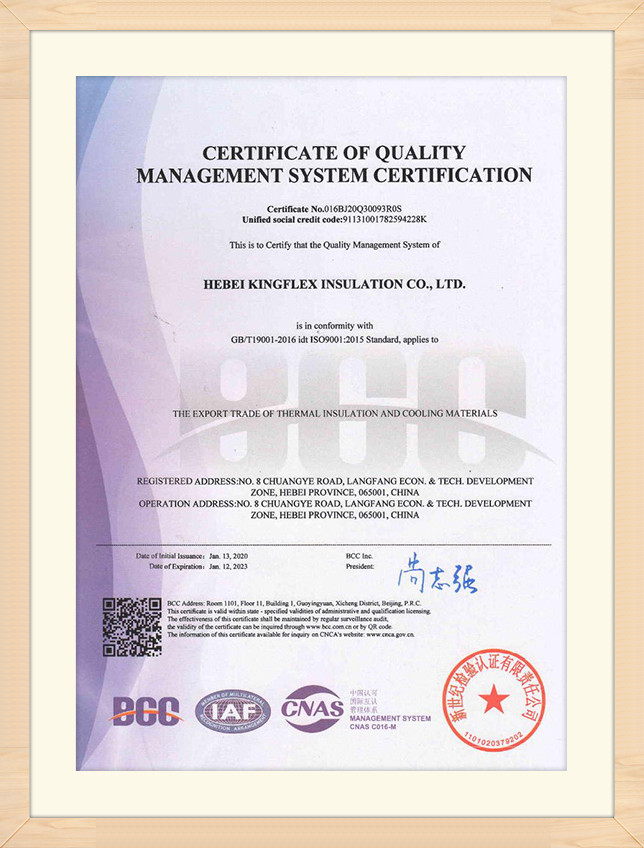
Our commitment to E-E-A-T and technical reliability is verified by international inspection bodies.
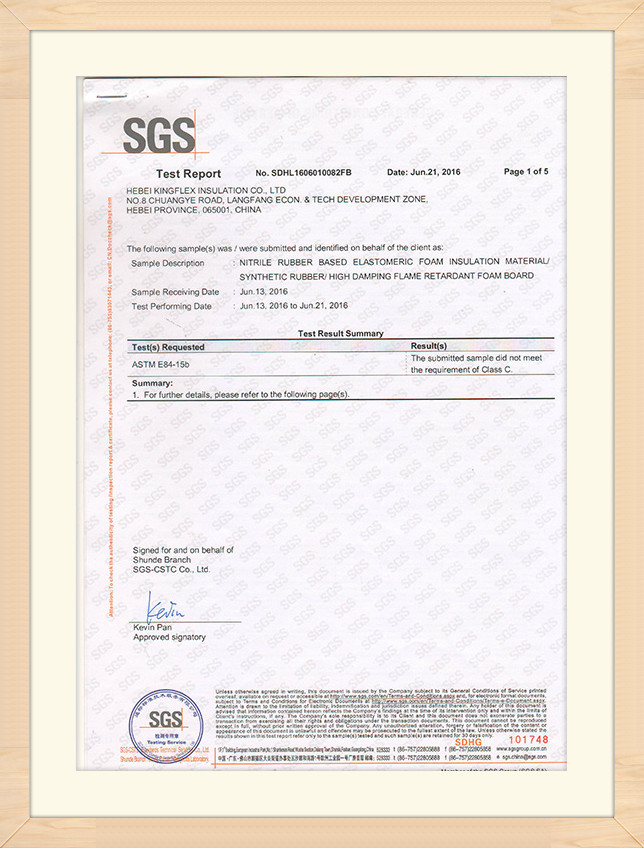
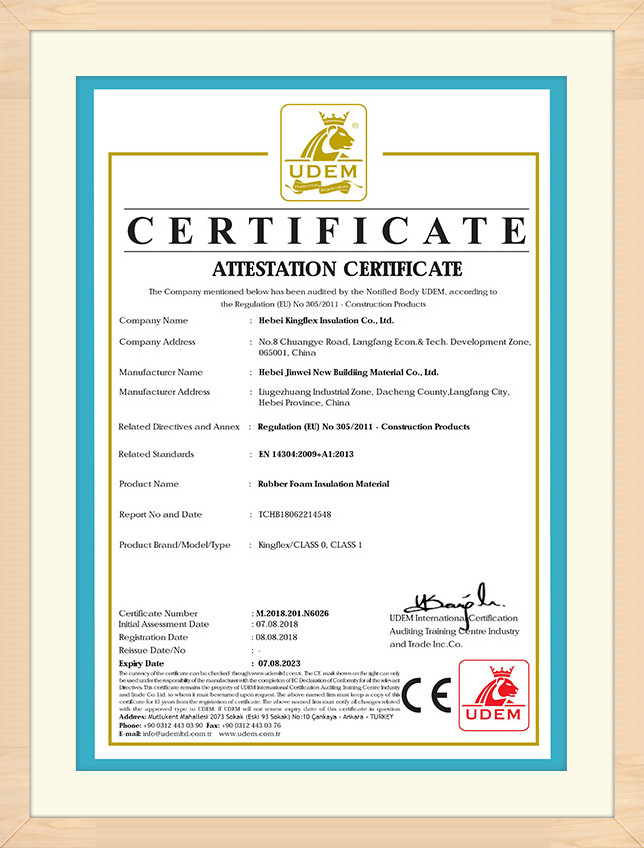
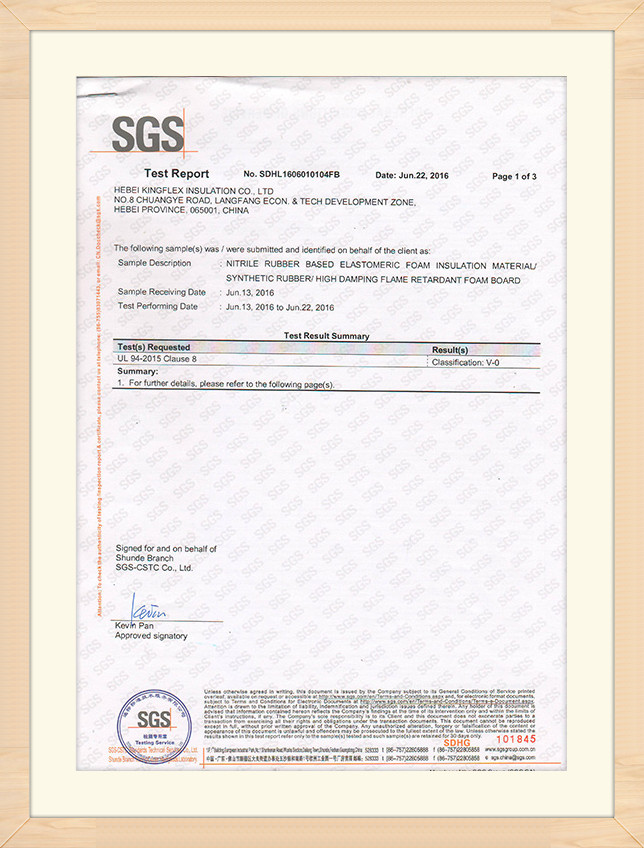
Kingflex insulation products are certified to meet international standards. Our materials have passed tests for BS 476 (Class 0 and Class 1 fire propagation), CE, REACH, RoHS, UL94 (flammability classification), and ASTM criteria for thermal conductivity and density. Each production batch undergoes strict quality control protocols, offering full material traceability from raw components to finished goods. This transparency is crucial for engineers working on high-compliance energy, chemical, and public infrastructure projects.
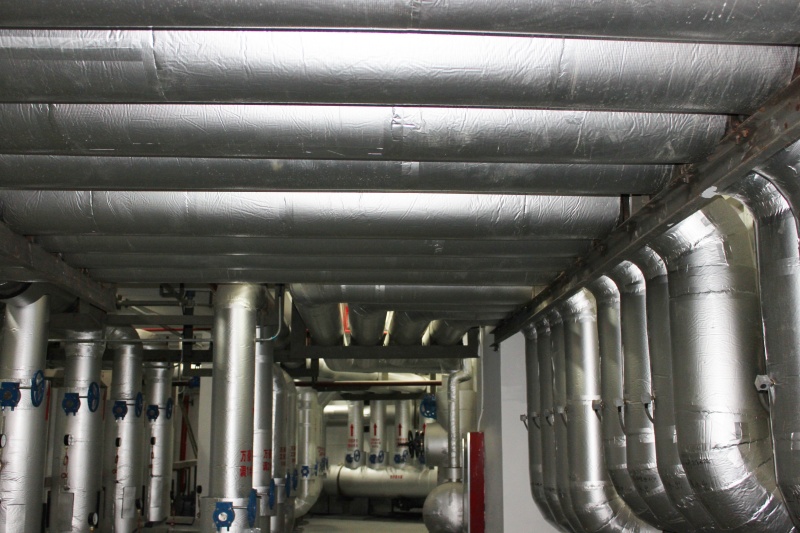
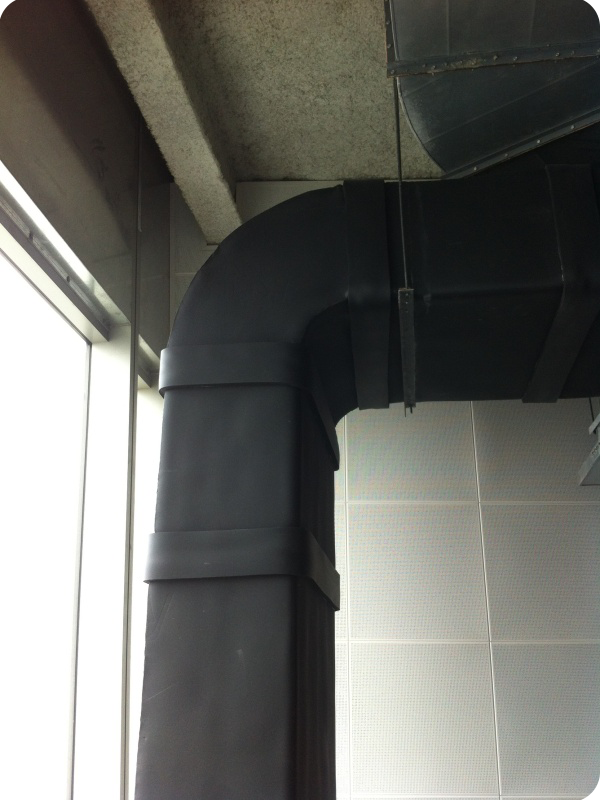
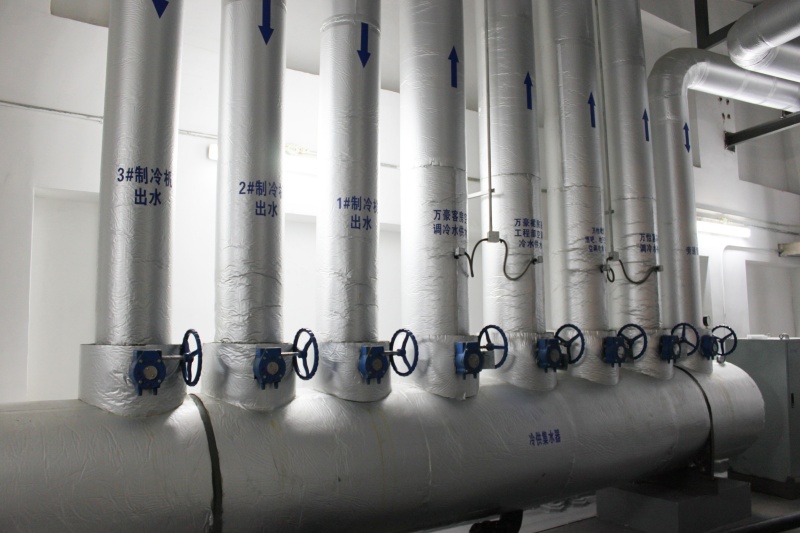
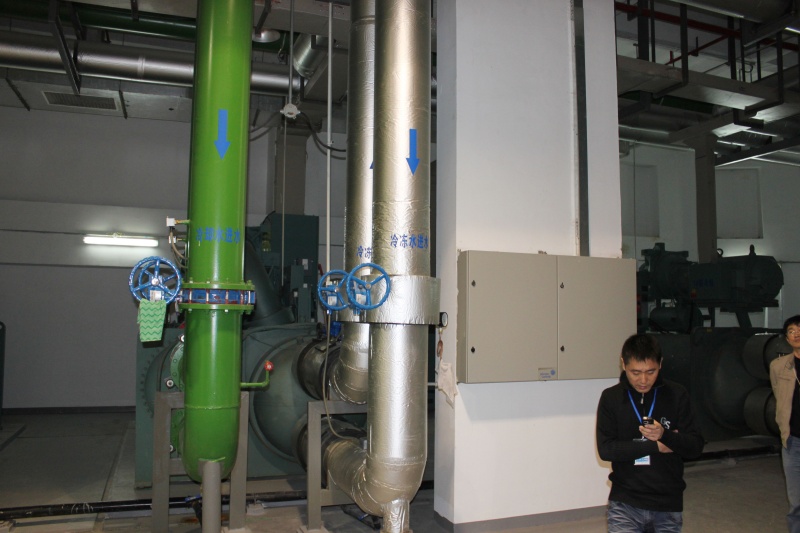
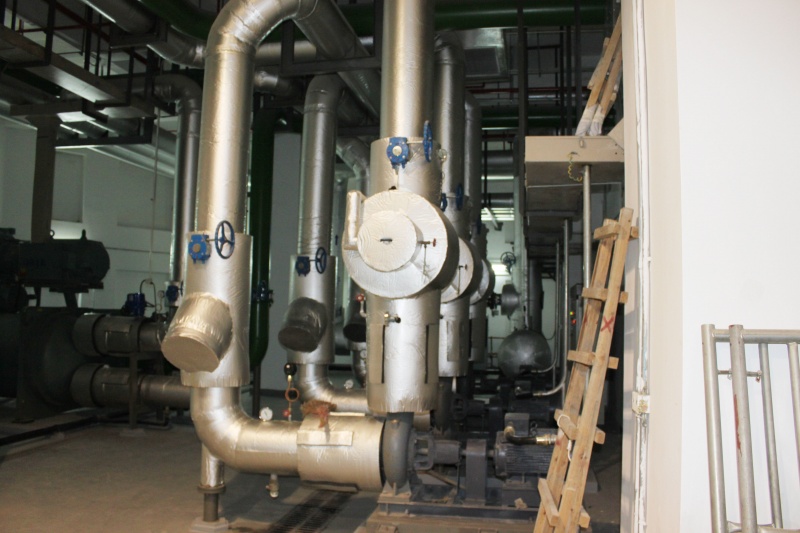
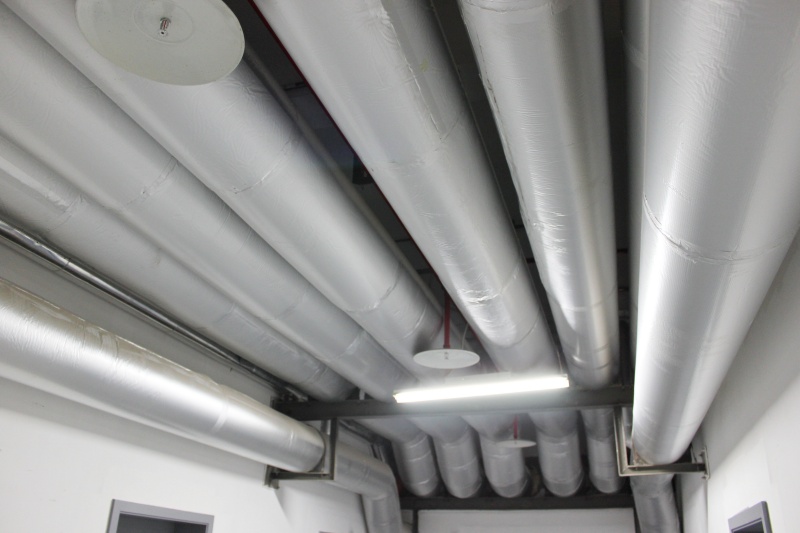
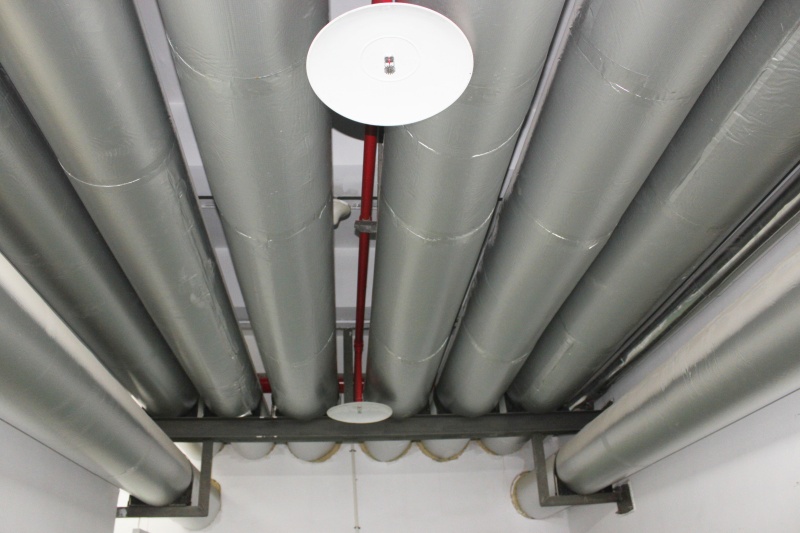
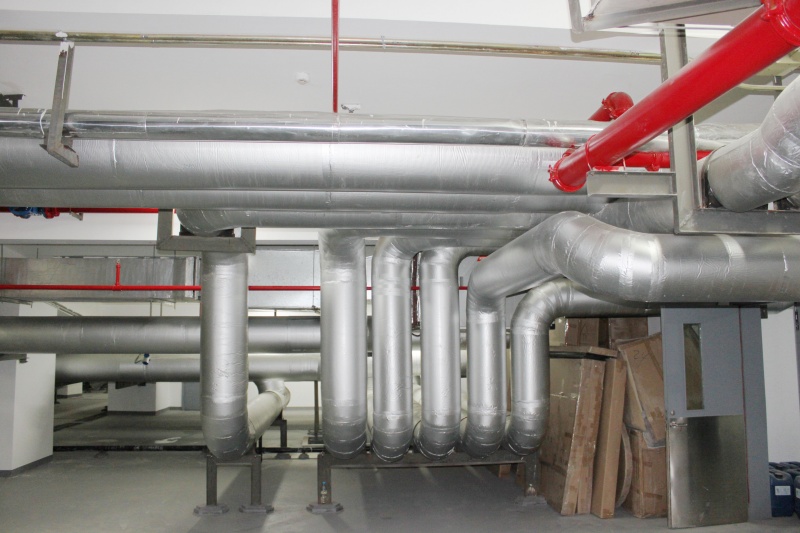
See our materials in service across commercial and industrial infrastructure projects worldwide.
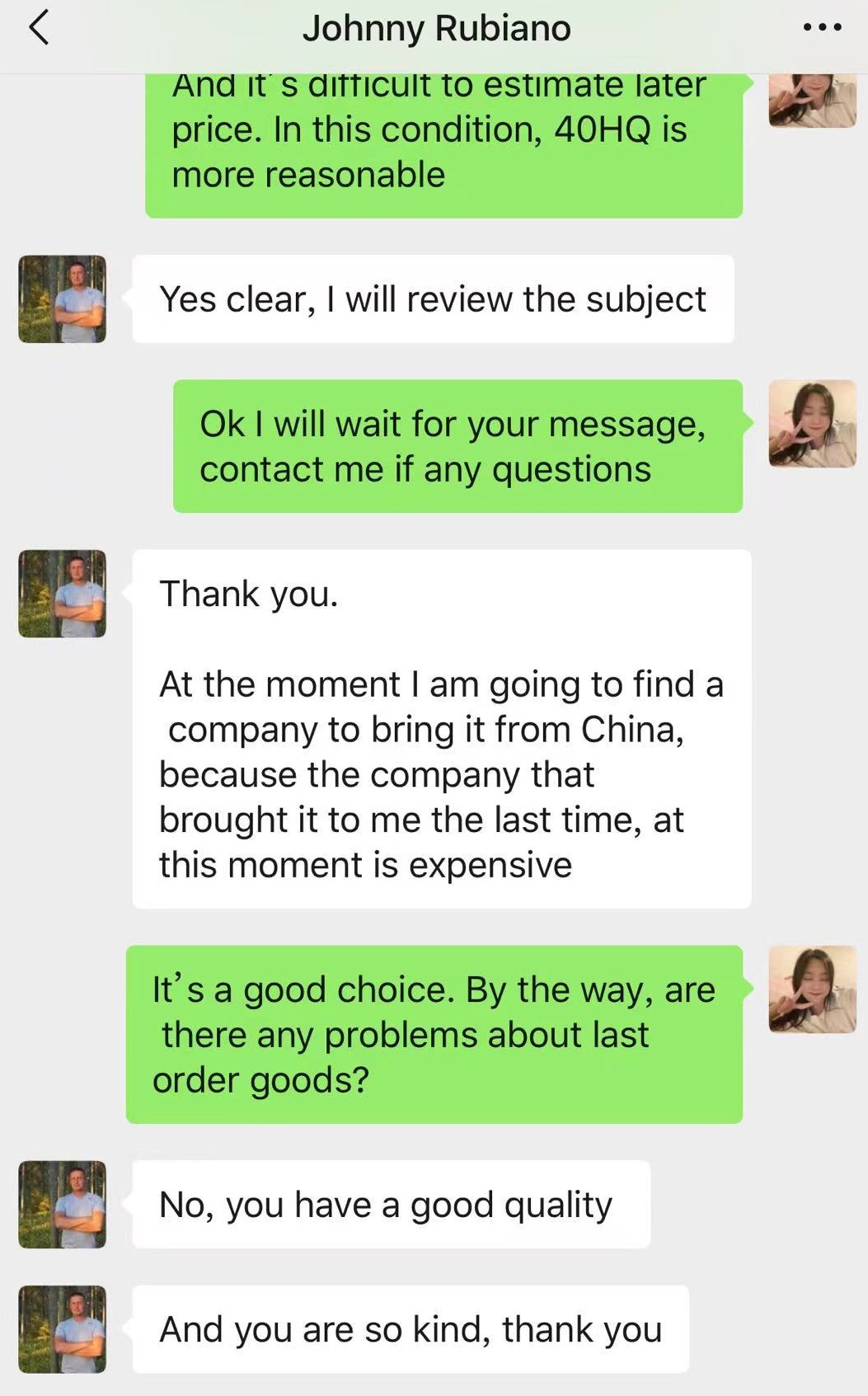
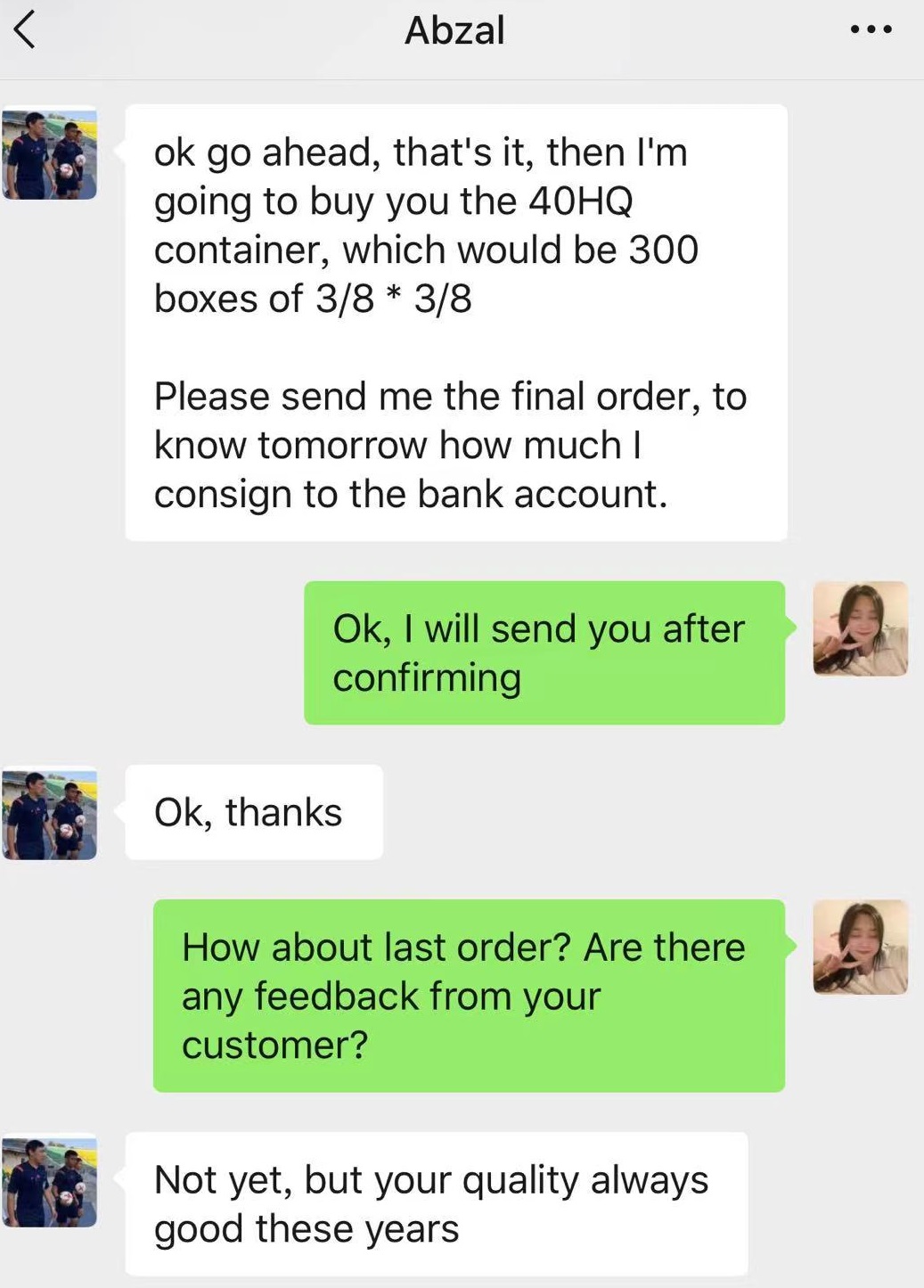
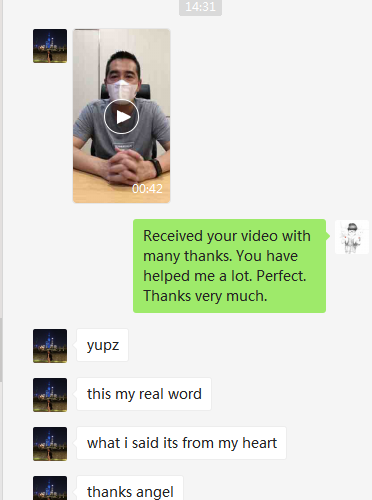
Transparent communication, quick technical support, and long-term customer relationships built on trust.
Technical and practical guidance on specifying, purchasing, and applying industrial polyurethane and rubber foam insulation.
Review additional products in our line for structural, HVAC, and industrial piping applications.