1 / 1
 Kingflex

| Dimension Specifications | |||||||
| Thickness | Width 1m | Width 1.2m | Width 1.5m | ||||
| Inches | mm | Size(L*W) | ㎡/Roll | Size(L*W) | ㎡/Roll | Size(L*W) | ㎡/Roll |
| 1/4" | 6 | 30 × 1 | 30 | 30 × 1.2 | 36 | 30 × 1.5 | 45 |
| 3/8" | 10 | 20 × 1 | 20 | 20 × 1.2 | 24 | 20 × 1.5 | 30 |
| 1/2" | 13 | 15 × 1 | 15 | 15 × 1.2 | 18 | 15 × 1.5 | 22.5 |
| 3/4" | 19 | 10 × 1 | 10 | 10 × 1.2 | 12 | 10 × 1.5 | 15 |
| 1" | 25 | 8 × 1 | 8 | 8 × 1.2 | 9.6 | 8 × 1.5 | 12 |
| 1 1/4" | 32 | 6 × 1 | 6 | 6 × 1.2 | 7.2 | 6 × 1.5 | 9 |
| 1 1/2" | 40 | 5 × 1 | 5 | 5 × 1.2 | 6 | 5 × 1.5 | 7.5 |
| 2" | 50 | 4 × 1 | 4 | 4 × 1.2 | 4.8 | 4 × 1.5 | 6 |
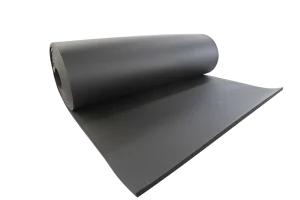
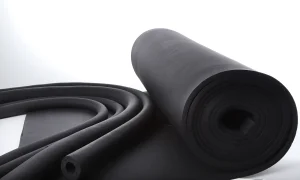
Cellular foam structure, low thermal conductivity, high surface heat release coefficient, good thermal insulation effect.
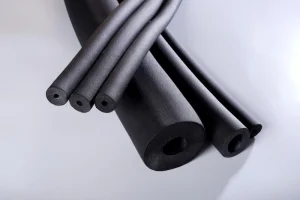
Closed pore structure, independent bubble holes are not connected, forming a closed vapor barrier layer, which can form multiple barriers to water vapor molecules, even if the pipe surface is damaged, it can still achieve vapor isolation.
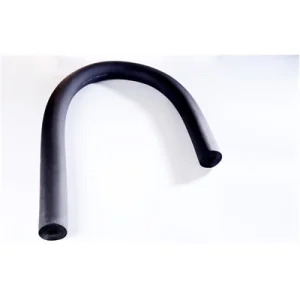
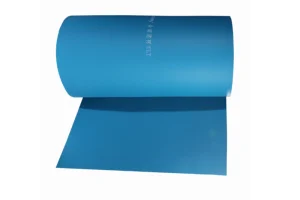
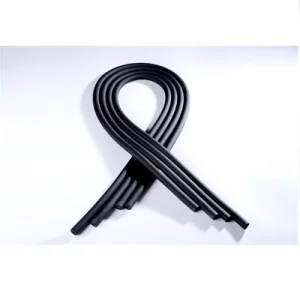
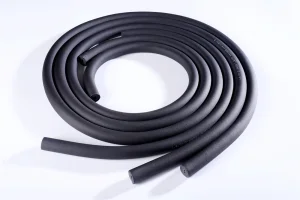
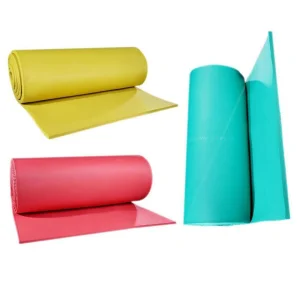
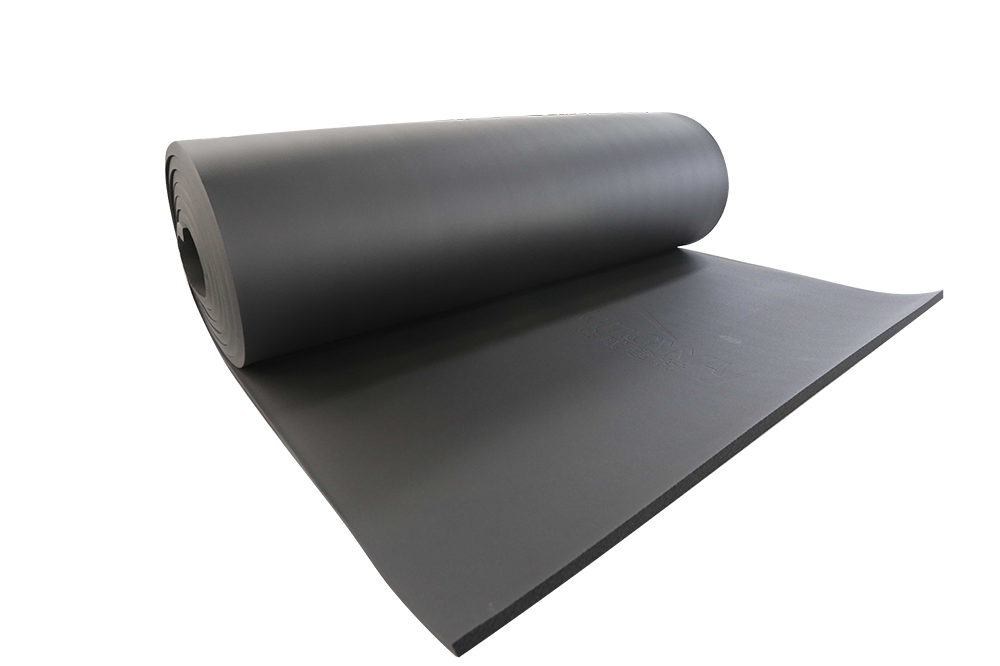
Rubber foam rolls are flexible, suitable for all kinds of bends and irregular pipes, convenient for construction, saving work and materials.

| Technical Data | |||
| Property | Unit | Value | Test Method |
| Temperature range | °C | (-50 - 110) | GB/T 17794-1999 |
| Density range | Kg/m3 | 45-65Kg/m3 | ASTM D1667 |
| Water vapor permeability | Kg/(m.s.pa) | ≤0.91×10 ﹣¹³ | DIN 52 615 / BS 4370 Part 2 1973 |
| μ | - | ≥10000 | - |
| Thermal Conductivity | W/(m.k) | ≤0.030 (-20°C) | ASTM C 518 |
| ≤0.032 (0°C) | |||
| ≤0.036 (40°C) | |||
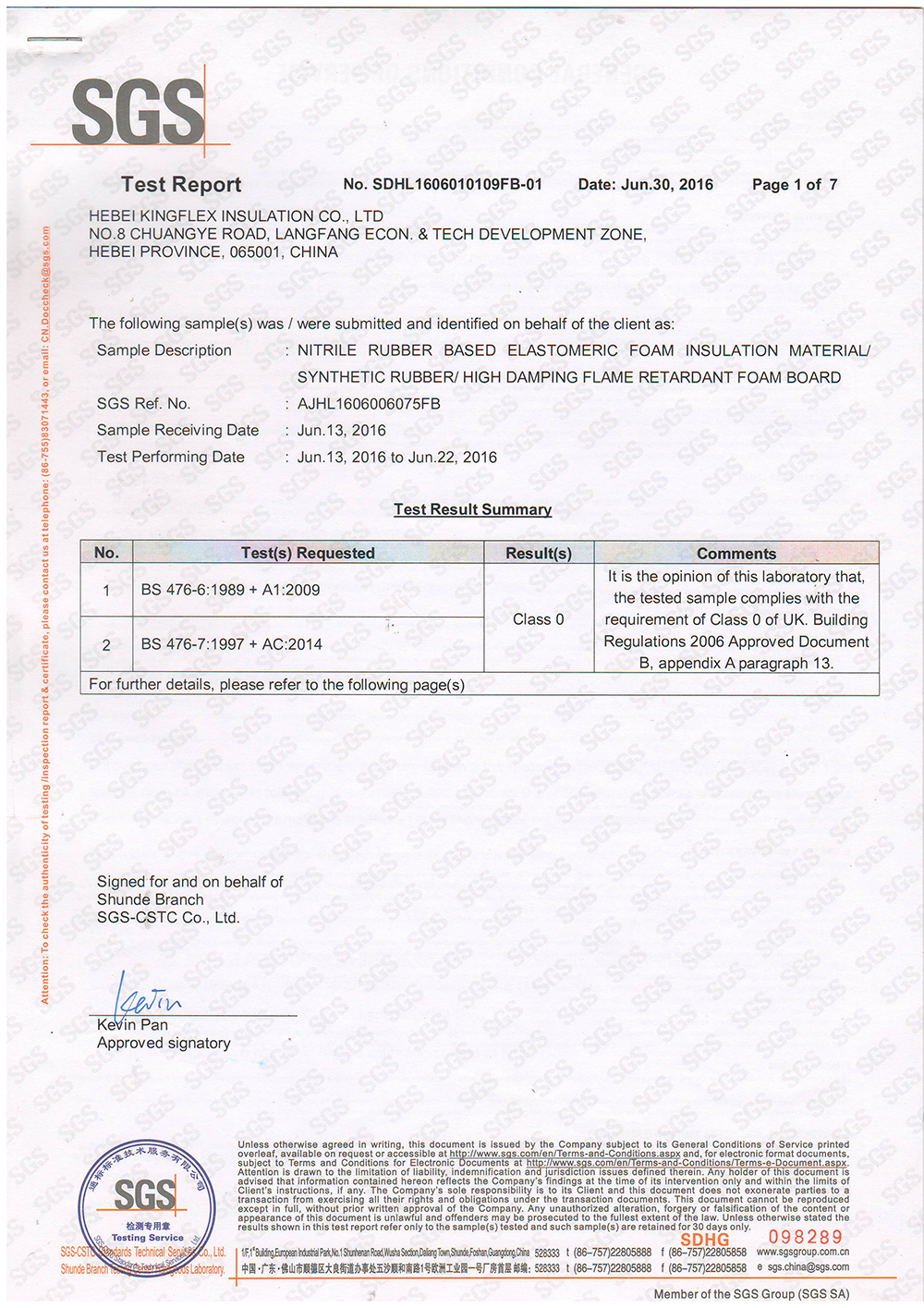
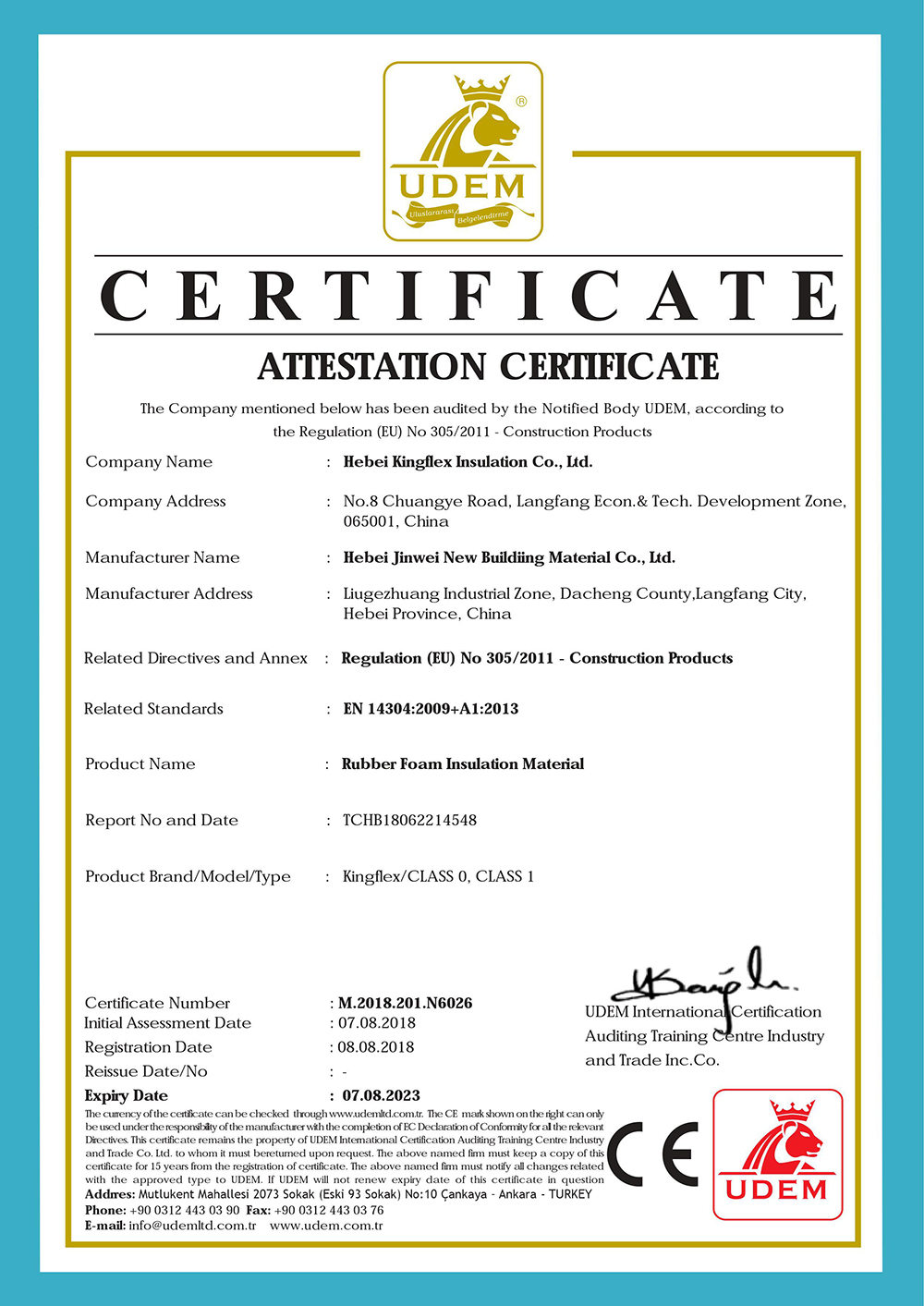
| Fire Rating | - | Class 0 & Class 1 | BS 476 Part 6 part 7 |
| Flame Spread and Smoke Developed Index | - | 25/50 | ASTM E 84 |
| Oxygen Index | - | ≥36 | GB/T 2406, ISO4589 |
| Water Absorption, % by Volume | % | 20% | ASTM C 209 |
| Dimension Stability | - | ≤5 | ASTM C534 |
| Fungi resistance | - | Good | ASTM 21 |
| Ozone resistance | Good | GB/T 7762-1987 | |
| Resistance to U.V. and weather | Good | ASTM G23 | |
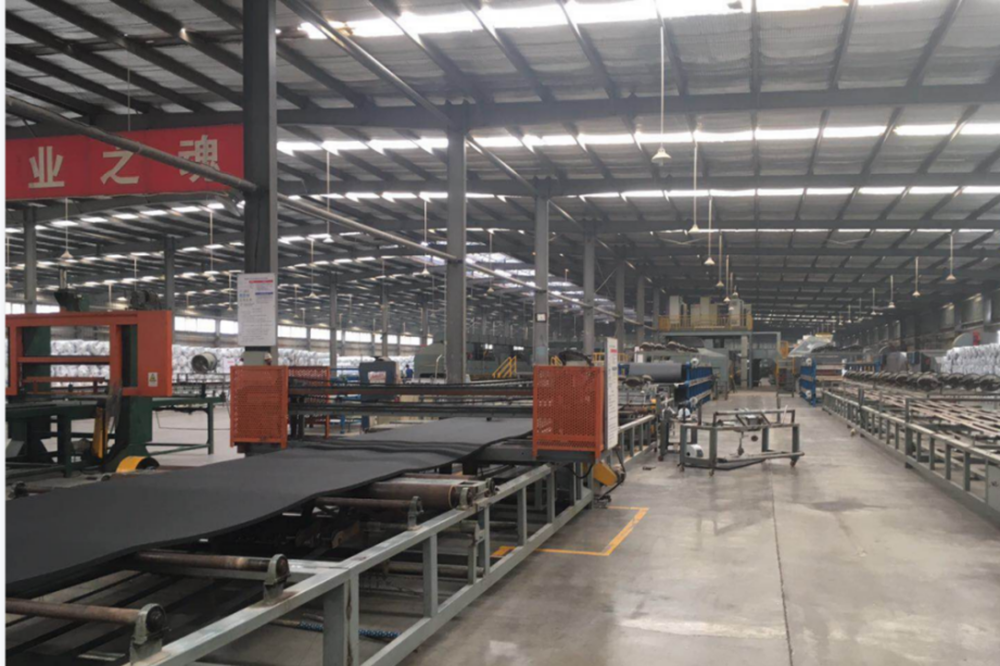
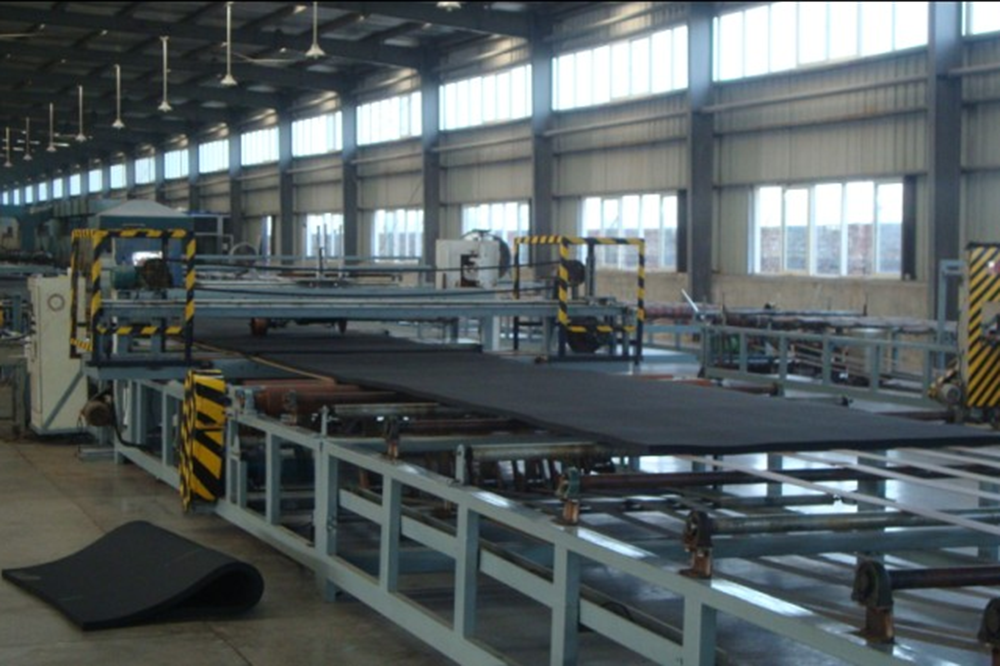
A1: It is manufactured using Polyvinyl Chloride (NBR, PVC) as the main raw materials, combined with high-quality auxiliary materials, processed through a special continuous foaming process.
A2: The closed-cell structure contains independent bubble holes that are not connected. This forms a complete vapor barrier layer, providing reliable resistance against water vapor transmission and maintaining insulation efficiency even if the surface is damaged.
A3: The rubber foam insulation performs optimally within a temperature range of -50°C to 110°C, making it suitable for both cold and hot piping systems.
A4: Yes, it achieves a Class 0 & Class 1 fire rating according to BS 476 Part 6 & 7 testing standards, and has a flame spread/smoke developed index of 25/50 under ASTM E 84.
A5: Absolutely. Its excellent flexibility makes it highly adaptable to various bends, joints, and irregular piping surfaces, which simplifies construction, saves labor, and reduces material waste.
A6: Based on standard testing (ASTM C 518), the thermal conductivity is extremely low: ≤0.030 W/(m.k) at -20°C, ≤0.032 W/(m.k) at 0°C, and ≤0.036 W/(m.k) at 40°C, ensuring excellent thermal efficiency.