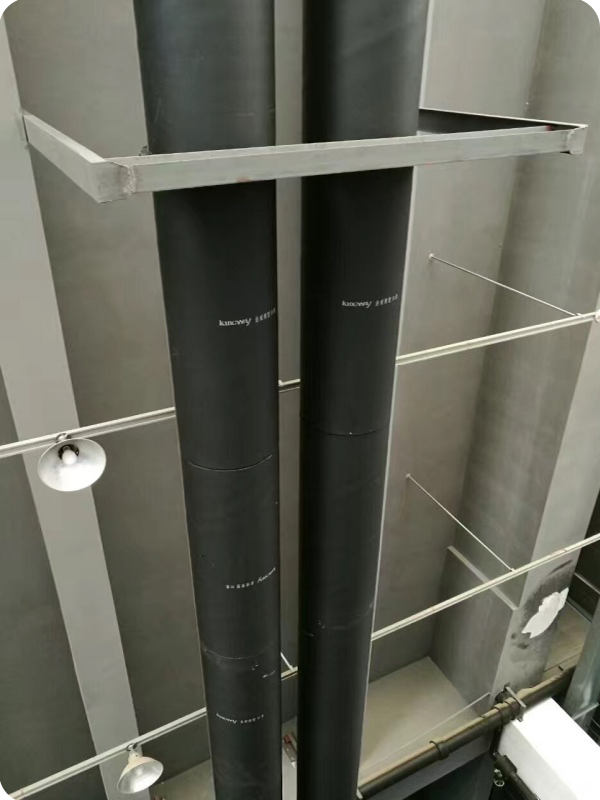
Houston and Gulf Coast Industry Landscape: The Shift to Halogen-Free Systems
In the heavy-duty industrial landscape of the Houston Ship Channel, along with the expansive petrochemical plants of Pasadena, Baytown, and Freeport, thermal insulation is not merely a method for energy conservation; it is an active line of defense. The localized meteorological profile of the US Gulf Coast—characterized by high ambient temperatures, relentless relative humidity, and salt-laden marine air—places severe stress on mechanical piping systems. Under these conditions, conventional insulation systems containing halogenated flame retardants (chlorinated or brominated compounds) present significant operational hazards.
During structural thermal fluctuations or in the event of minor moisture ingress, halogenated compounds can leach out. When these acidic elements contact hot metallic substrates, they dramatically accelerate Corrosion Under Insulation (CUI) and Stress Corrosion Cracking (SCC) in austenitic stainless steel pipe networks. By transitioning to halogen-free closed-cell elastomeric foam insulation, engineers and facility operators mitigate these failure vectors completely. The absolute absence of chlorine, bromine, and fluorine ensures that even in wet environments, the insulation remains chemically inert and non-corrosive.
Globally, the architectural, engineering, and construction (AEC) sectors are undergoing a structural shift driven by green building codes and environmental health directives. Europe’s REACH and RoHS compliance standards, coupled with North American LEED v4 guidelines, have heavily restricted the use of polybrominated diphenyl ethers (PBDEs) and other halogenated flame retardants. In offshore oil rigs, marine vessels, and confined public transit corridors, halogen-free systems are mandatory to prevent toxic smoke generation, providing a critical life-safety window during structural fires.
600K+ m³
Annual Capacity
5 Lines
Auto Assembly
66+
Export Nations
40+ Yrs
Group Heritage
Optimizing Procurement: Chinese Factory Efficiency & Kingflex’s Supply Chain Capabilities
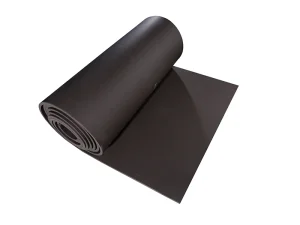
For industrial buyers, EPC contractors, and mechanical insulation distributors based in Houston, procuring premium elastomeric foam requires a delicate balance of cost, capacity, and lead-time reliability. Kingflex Insulation Co., Ltd. resolves this tension through the raw scale of our production hub located in Dacheng, China—historically recognized as the capital of energy-saving building materials. Operating five state-of-the-art automatic continuous extrusion and vulcanization lines, Kingflex achieves an annual production capacity exceeding 600,000 cubic meters.
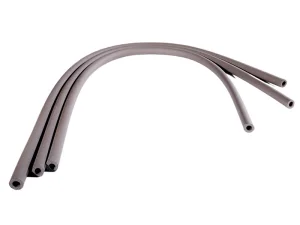
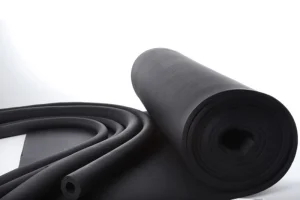
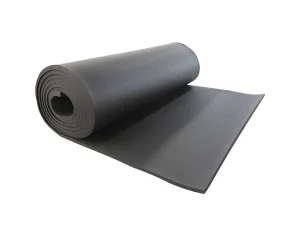
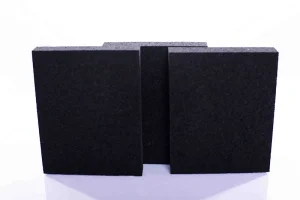
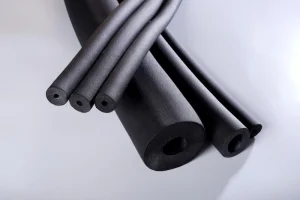
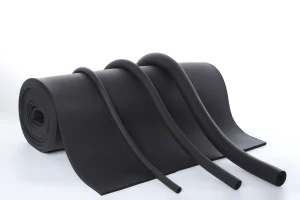
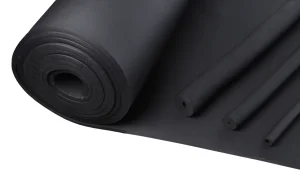
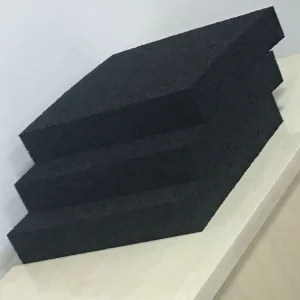
This level of scale yields dramatic cost efficiencies. Unlike regional domestic manufacturers whose pricing is heavily tied to localized raw polymer fluctuations, Kingflex benefits from structured supply agreements and a fully integrated production ecosystem. Our continuous vulcanization process yields products with a closed-cell rate exceeding 98%, ensuring consistent density, low thermal conductivity, and structural uniformity. This allows us to supply the Houston market with high-end, certified halogen-free sheets, rolls, and pipes at a highly competitive total cost of ownership (TCO).
Through our logistics networks, we optimize shipping routes from key domestic ports directly to the Port of Houston. Full container loads (FCL) are packaged using advanced compression techniques to maximize volume per container without compromising the cellular structure of the elastomer. Upon arrival, the material easily decompresses to its nominal thickness, ready for immediate installation. This process ensures that Gulf Coast mega-projects receive high-performance materials on schedule.
LNG & Cryogenic Systems
Specially formulated closed-cell structures that remain flexible and structurally stable at temperatures down to -200°C, preventing thermal shock in liquid natural gas processing plants.
Commercial HVAC and Indoor Air Quality
Halogen-free construction ensures zero fiber emission, zero VOC outgassing, and prevents mold or mildew growth in high-humidity building duct networks.
Offshore & Marine Installations
Compliance with strict maritime certifications ensures low flame spread, low smoke toxicity, and resistance to saltwater and oil splatter.
Kingflex Corporate Overview: A Legacy of Advanced Thermal Engineering
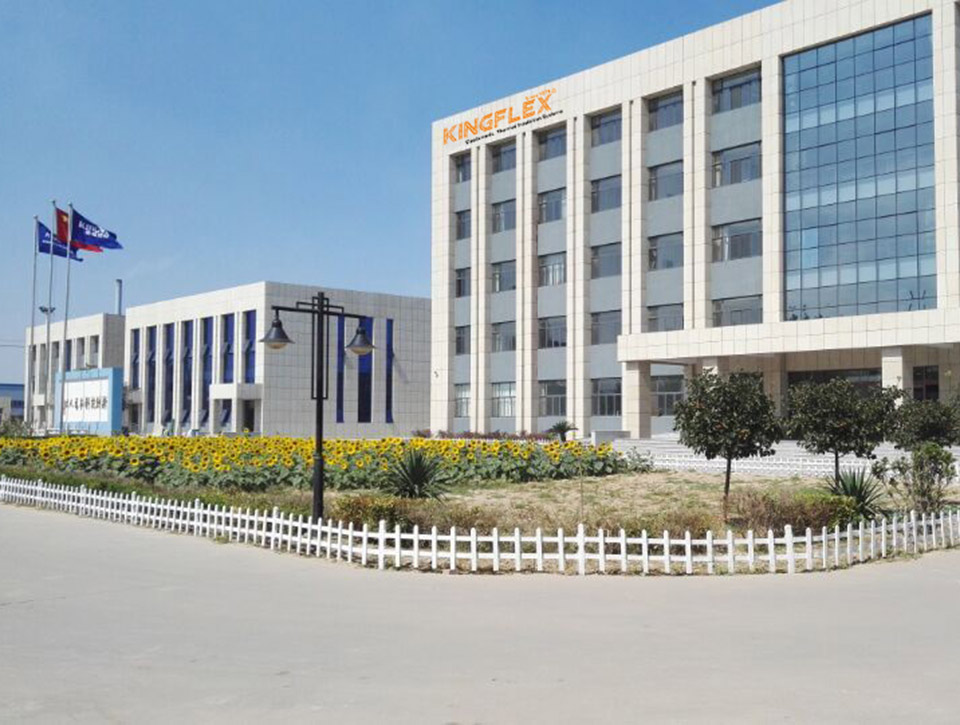
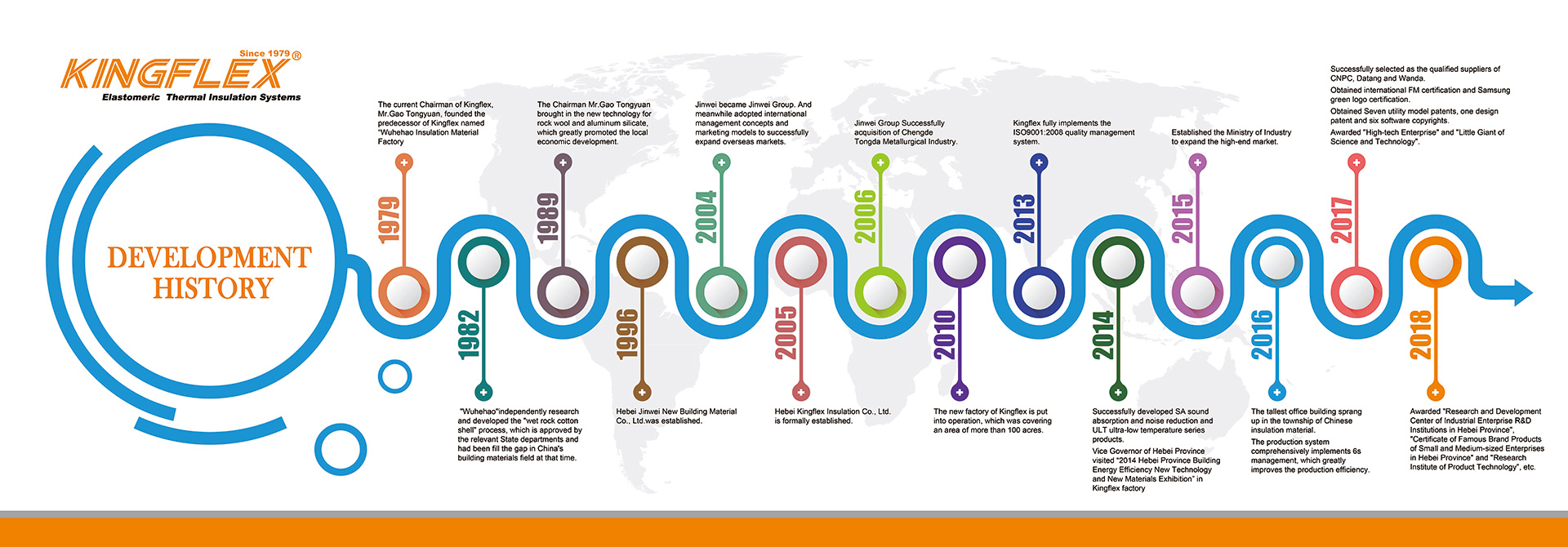
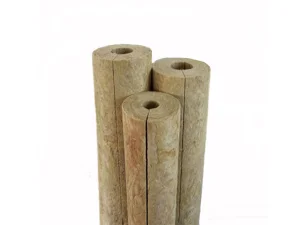
Founded by the Jinwei Group, an enterprise with a heritage spanning back to 1979, Kingflex Insulation Co., Ltd. has established itself as a leading authority in the energy-saving materials industry. Over forty years of thermal research and manufacturing expertise form the foundation of our current product lineup. Originally operating as the first thermal insulation manufacturer north of the Yangtze River, we have evolved into an international business, exporting advanced closed-cell elastomers, glass wool, and rock wool insulation to over sixty-six countries.
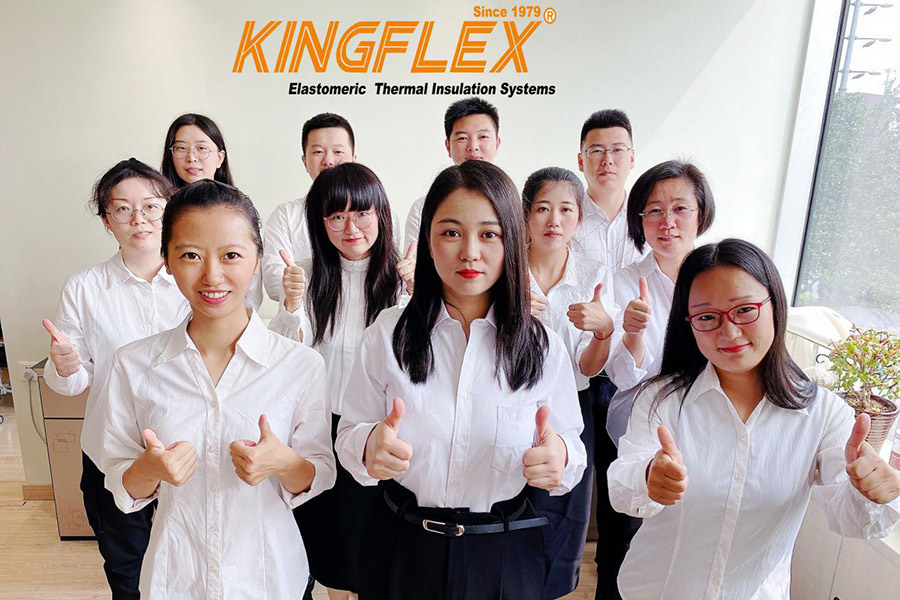
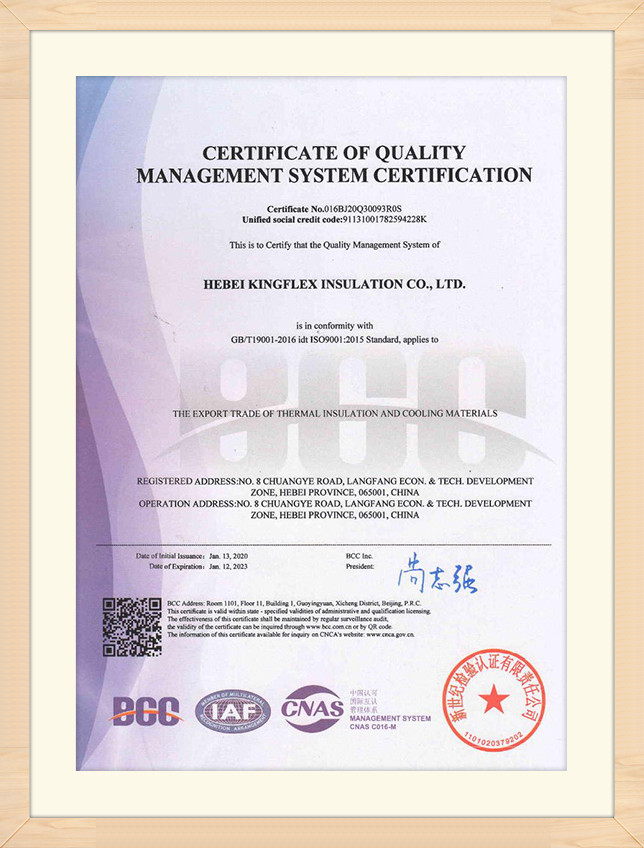
Our manufacturing plants are staffed by a dedicated group of 230 technicians and operators, supported by 8 R&D engineers and 6 dedicated international trade advisors. Through continuous material science research, Kingflex has obtained certifications from international testing bodies including BS 476, CE, REACH, RoHS, UL 94, and ASTM. Our commitment to quality control guarantees that every production run is tracked, tested, and certified to meet high performance standards.
Selecting the correct insulation system requires evaluating engineering parameters. Below is the technical specification profile for Kingflex NBR/PVC elastomeric rubber foam insulation products:
Standard Dimension & Performance Index
Material Blend:Nitrile Butadiene Rubber / Polyvinyl Chloride (NBR/PVC)
Sheet Thickness Range:6mm to 50mm
Pipe Inside Diameter (ID) Range:6mm to 114mm (Wall thickness: 9mm to 40mm)
Material Density:40 - 55 kg/m³
Thermal Conductivity (λ):≤ 0.034 W/(m·k) at 0°C
Water Vapor Permeability (μ factor):≥ 10,000 (Built-in vapor barrier)
Safe Operating Temperature Range:-40°C to +105°C (Special cryogenic formulations down to -200°C)
Due to this uniform cellular chemistry, Kingflex elastomeric foam maintains stable thermal conductivity over an extended operational life. The closed-cell barrier prevents internal air circulation, preventing thermal drift and moisture accumulation, ensuring long-term thermal efficiency.
Industrial Catalog - Quotes Available for Houston Direct Procurement
Browse our technical range of elastomeric foams, cryogenic systems, and high-temp rock wool products. Request direct-from-factory quotes to lower your project costs.
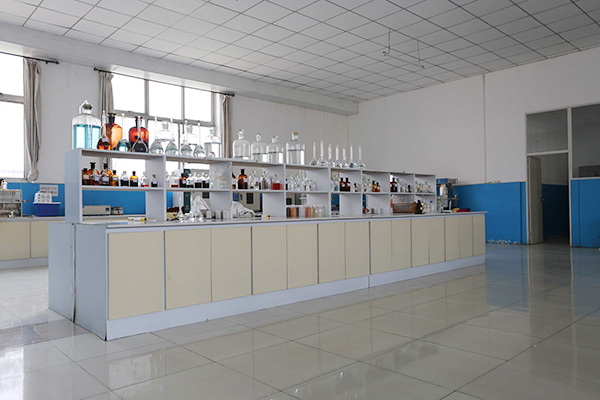
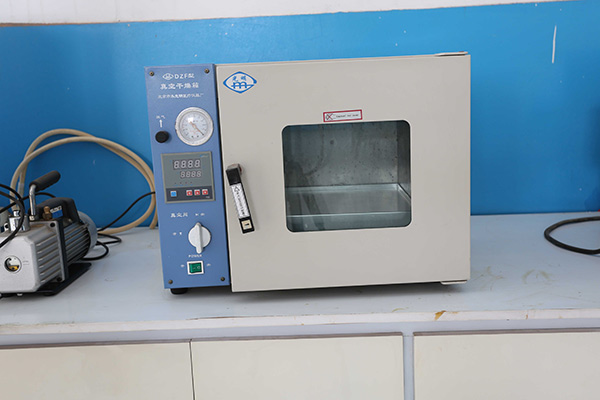
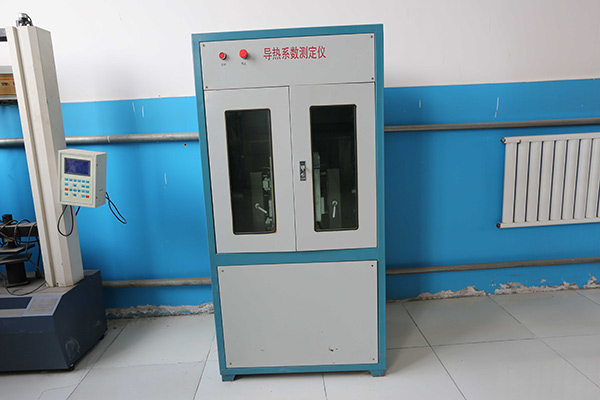
At Kingflex, we maintain a dedicated testing laboratory equipped to verify structural, thermal, and chemical properties. Because our products are designed for demanding settings—ranging from high-temperature process steam lines to low-temperature cryogenic systems—we ensure compliance with safety standards.
Thermal Lab
Polymer Research
Density Verification
Certifications
Global Infrastructure Projects Powered by Kingflex Insulation
From central HVAC systems in commercial high-rises to piping arrays in chemical processing facilities, Kingflex materials are used worldwide. The following documentation highlights our field applications and testing parameters.
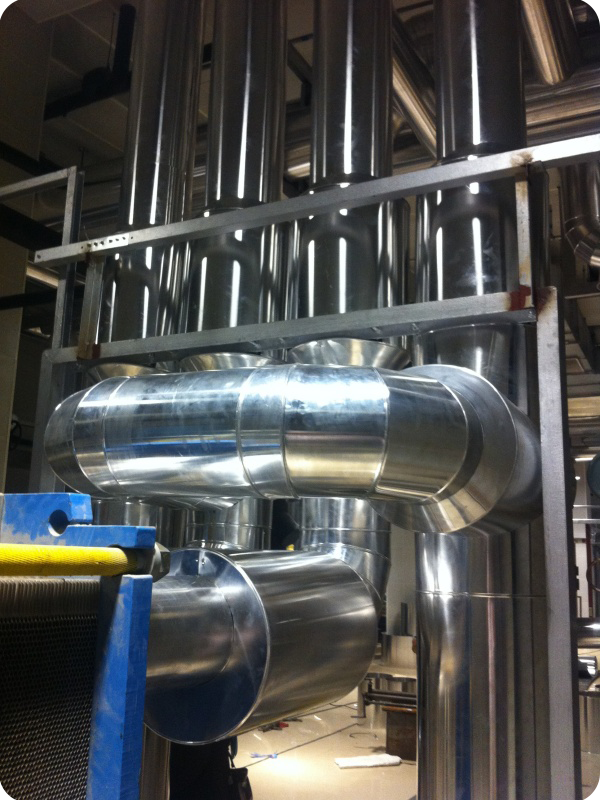
Process Piping Systems
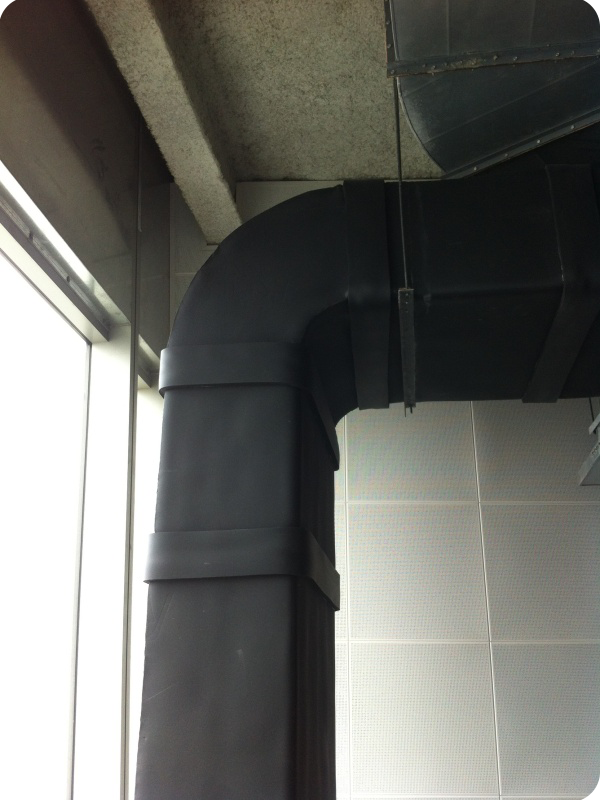
Commercial HVAC Air Ducts
Cryogenic & Low-Temp Lines
Technical FAQs: Halogen-Free Insulation Systems
In-depth, professional answers to key engineering, safety, and logistical questions.
Q1: What are the primary advantages of using halogen-free elastomeric foam compared to standard NBR/PVC insulation?
+
Halogen-free elastomeric foam is formulated without chlorine, bromine, or fluorine. In standard installations, ambient moisture or leaks can cause halogenated fire retardants to leach, leading to acidic compound formation on stainless steel pipes. This leads to Corrosion Under Insulation (CUI) and Stress Corrosion Cracking (SCC). Halogen-free variants prevent this failure mechanism while ensuring low toxicity and minimal smoke density in fire scenarios.
Q2: How does Kingflex ensure fire safety compliance without halogenated flame retardants?
+
Our R&D team uses advanced non-halogenated minerals and inorganic flame retardants that react endothermically under heat. This allows the material to self-extinguish and resist flame propagation, meeting international standards such as BS 476 Part 7 Class 1, UL 94 V-0, and ASTM E84 parameters without releasing acid gases.
Q3: Is closed-cell elastomeric foam suitable for cryogenic applications in LNG facilities?
+
Yes, our cryogenic closed-cell foam range is formulated for ultra-low temperature environments down to -200°C. The closed-cell matrix prevents moisture ingress, which can turn to ice and cause structural degradation, maintaining insulation performance in cryogenic lines.
Q4: What is the typical service life of NBR/PVC rubber foam insulation in coastal regions like Houston?
+
When installed correctly and protected with appropriate outer cladding (e.g., UV-resistant jacketing for outdoor runs), Kingflex elastomeric foam maintains its thermal properties for 10 to 15 years. The built-in water vapor barrier prevents water ingress, which degrades performance in alternative fibrous materials.
Q5: What international quality and material compliance certifications can you supply with our order?
+
Every shipment is supported by comprehensive quality documentation, including certifications for CE compliance, RoHS, REACH, BS 476, and ASTM C534 classification. Testing reports for smoke toxicity and flame spread index are available upon request.
Q6: How do you optimize shipping logistics to ensure timely delivery to US Gulf Coast ports?
+
We work with international ocean carriers to secure container space from Chinese ports directly to the Port of Houston. Using compression packaging, we maximize shipping volume per container, reducing shipping costs and protecting the material during transit.
 Kingflex