1 / 1
 Kingflex
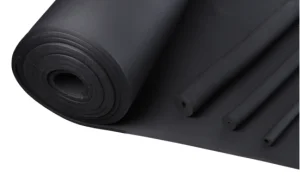
The rubber foam products are produced by imported high-end technology and automatic continuous equipment. Through in-depth research, a rubber foam insulation material with excellent performance has been developed. The major raw materials used are NBR/PVC.
The product is suitable for a wide range of operating temperatures from -40℃ to 120℃.
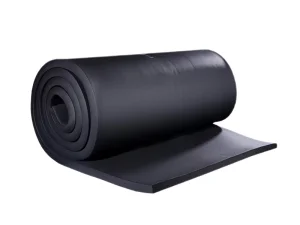
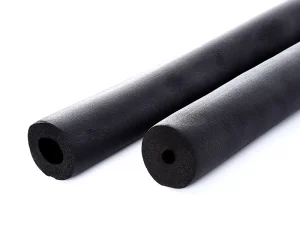
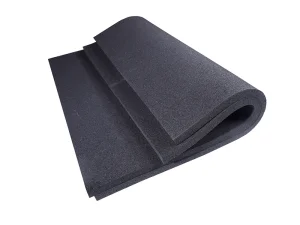
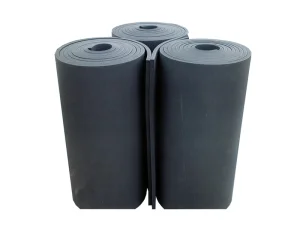
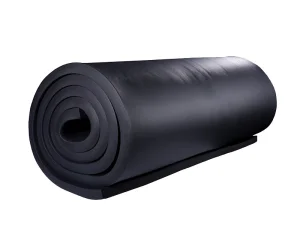
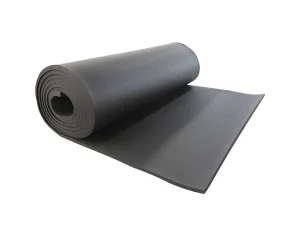
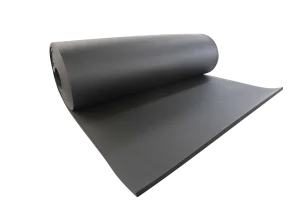
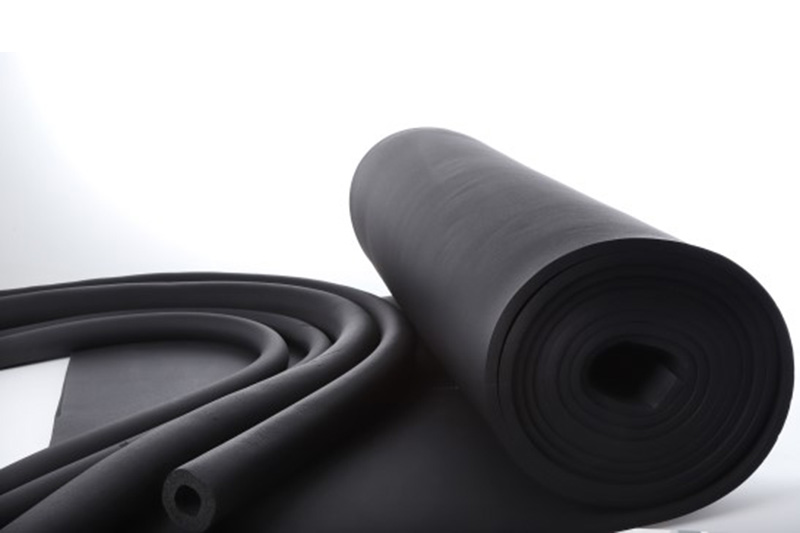
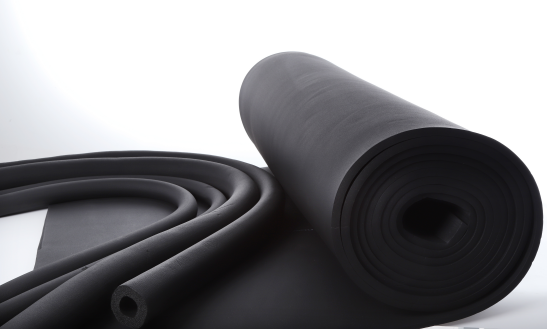
Our Class0/1 insulation is generally black in color, and other colors are available upon request. The product comes in tube, roll, and sheet forms. The extruded flexible tubes are specially designed to fit the standard diameters of copper, steel, and PVC piping, while sheets are available in standard pre-cut sizes or in rolls.
| Thickness | Width 1m | Width 1.2m | Width 1.5m | ||||
|---|---|---|---|---|---|---|---|
| Inches | mm | Size(L*W) | ㎡/Roll | Size(L*W) | ㎡/Roll | Size(L*W) | ㎡/Roll |
| 1/4" | 6 | 30 × 1 | 30 | 30 × 1.2 | 36 | 30 × 1.5 | 45 |
| 3/8" | 10 | 20 × 1 | 20 | 20 × 1.2 | 24 | 20 × 1.5 | 30 |
| 1/2" | 13 | 15 × 1 | 15 | 15 × 1.2 | 18 | 15 × 1.5 | 22.5 |
| 3/4" | 19 | 10 × 1 | 10 | 10 × 1.2 | 12 | 10 × 1.5 | 15 |
| 1" | 25 | 8 × 1 | 8 | 8 × 1.2 | 9.6 | 8 × 1.5 | 12 |
| 1 1/4" | 32 | 6 × 1 | 6 | 6 × 1.2 | 7.2 | 6 × 1.5 | 9 |
| 1 1/2" | 40 | 5 × 1 | 5 | 5 × 1.2 | 6 | 5 × 1.5 | 7.5 |
| 2" | 50 | 4 × 1 | 4 | 4 × 1.2 | 4.8 | 4 × 1.5 | 6 |
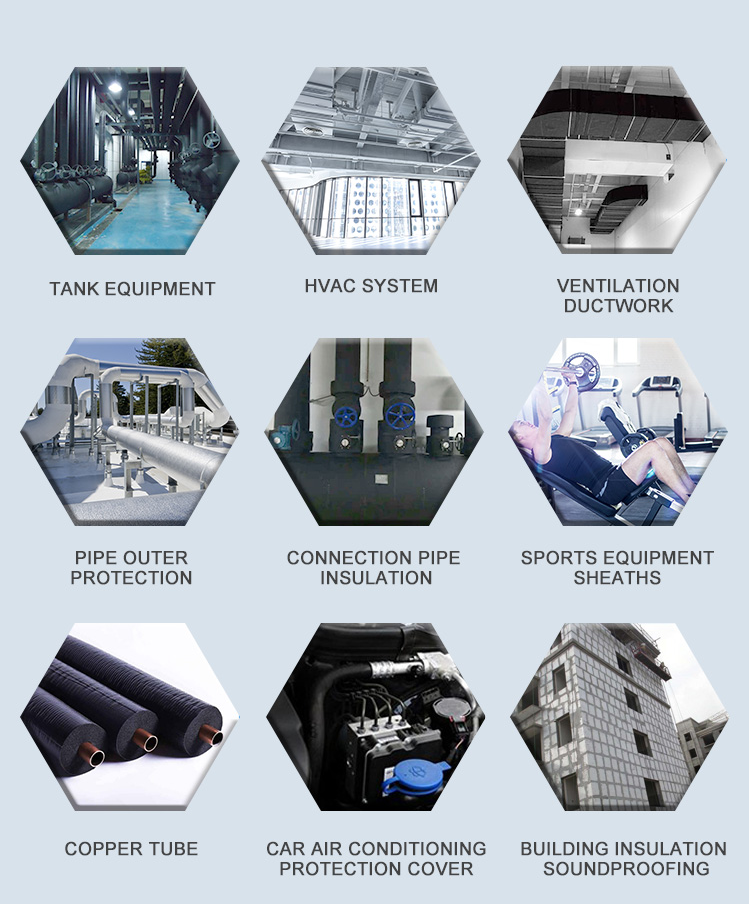
Rubber and Plastic insulation materials are widely used in multiple scenarios for thermal insulation and noise reduction. They are ideal for various pipes and equipment, including central air conditioning, air conditioning units, construction, chemicals, medicine, electrical appliances, aerospace, the automotive industry, and thermal power.
| Property | Unit | Value | Test Method |
|---|---|---|---|
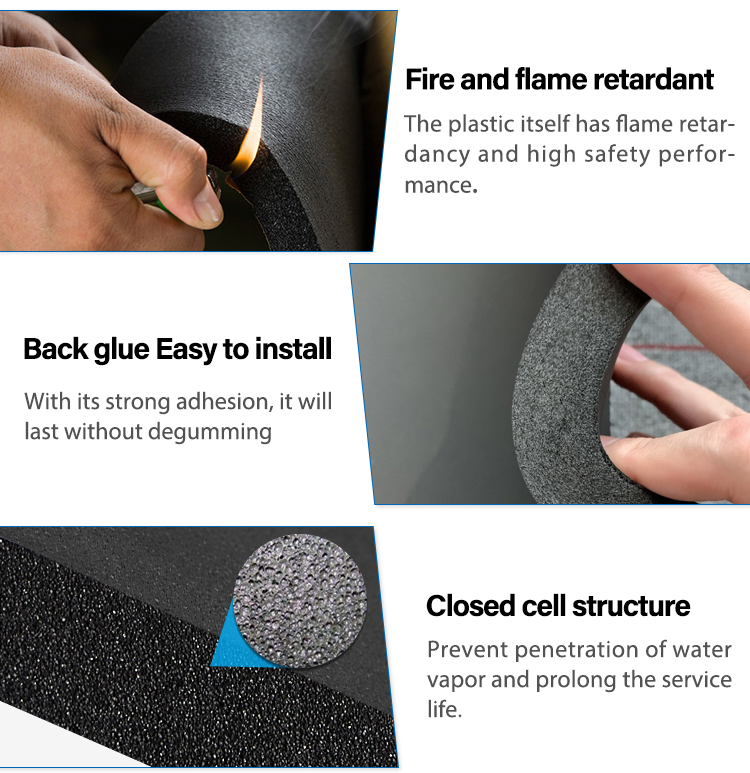
| Temperature range | °C | (-50 - 110) | GB/T 17794-1999 |
| Density range | Kg/m³ | 45-65Kg/m³ | ASTM D1667 |
| Water vapor permeability | Kg/(m.s.pa) | ≤0.91×10 ﹣¹³ | DIN 52 615 / BS 4370 Part 2 1973 |
| μ | - | ≥10000 | - |
| Thermal Conductivity | W/(m.k) | ≤0.030 (-20°C) | ASTM C 518 |
| ≤0.032 (0°C) | |||
| ≤0.036 (40°C) | |||
| Fire Rating | - | Class 0 & Class 1 | BS 476 Part 6 & 7 |
| Flame Spread and Smoke Developed Index | - | 25/50 | ASTM E 84 |
| Oxygen Index | - | ≥36 | GB/T 2406, ISO 4589 |
| Water Absorption, % by Volume | % | 20% | ASTM C 209 |
| Dimension Stability | - | ≤5 | ASTM C534 |
| Fungi resistance | - | Good | ASTM 21 |
| Ozone resistance | - | Good | GB/T 7762-1987 |
| Resistance to U.V. and weather | - | Good | ASTM G23 |
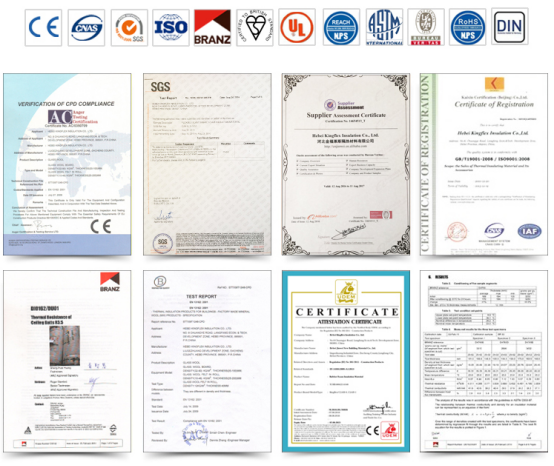
The rubber foam heat insulation material has obtained FM and ASTM certifications of the US, BS476 part 6 & part 7, as well as ISO14001, ISO9001, and OHSAS18001 certificates.