Sound Absorption Insulation Products for Japan

High-Performance Elastomeric Noise Control & Thermal Management Solutions

Japan Sound Proofing & Acoustic Insulation Industry Insights

A comprehensive analysis of construction regulations, industrial requirements, and material dynamics in the Japanese architectural and industrial insulation markets.

Japan's Localized Architectural Challenges

Due to extremely high population densities in metropolitan centers such as Tokyo, Osaka, and Nagoya, acoustic privacy and machinery vibration dampening are critical priorities in architectural design. Multi-family residential complexes, office high-rises, and industrial facilities are subject to strict limits enforced by the Japanese Noise Regulation Act (騒音規制法). Furthermore, Japan's high summer humidity levels present structural challenges, requiring materials that resist moisture accumulation and mold growth while maintaining their acoustic absorption properties.

Global B2B Procurement Standards

Modern B2B supply chains prioritize compliance, testing verification, and environmental sustainability. Project managers and contractors look for suppliers that offer internationally recognized certificates such as BS 476, CE, REACH, RoHS, UL94, and ASTM. In addition to performance specifications, global supply chains depend on manufacturer stability, quality control protocols, clear traceability, and logistics networks capable of ensuring consistent delivery to prevent construction delays.

Transition to Advanced NBR/PVC Foams

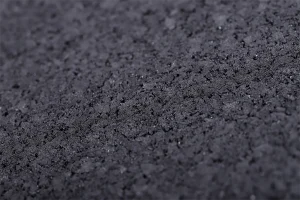
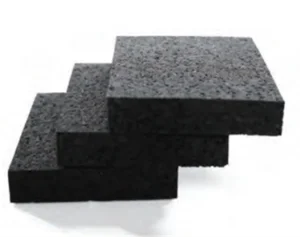
The market is seeing a gradual transition from traditional mineral wool and glass fiber insulation to advanced, flexible NBR/PVC elastomeric foam. These newer systems offer dual benefits: high-efficiency sound attenuation (through tailored cell structures) and thermal insulation within a single layer. Their flexible, fiber-free composition eliminates airborne fiber irritation, simplifies installation in tight spaces, and ensures long-term performance without settling or degrading over time.

China Factory 4.0: Supply Chain Resilience & Efficient Production

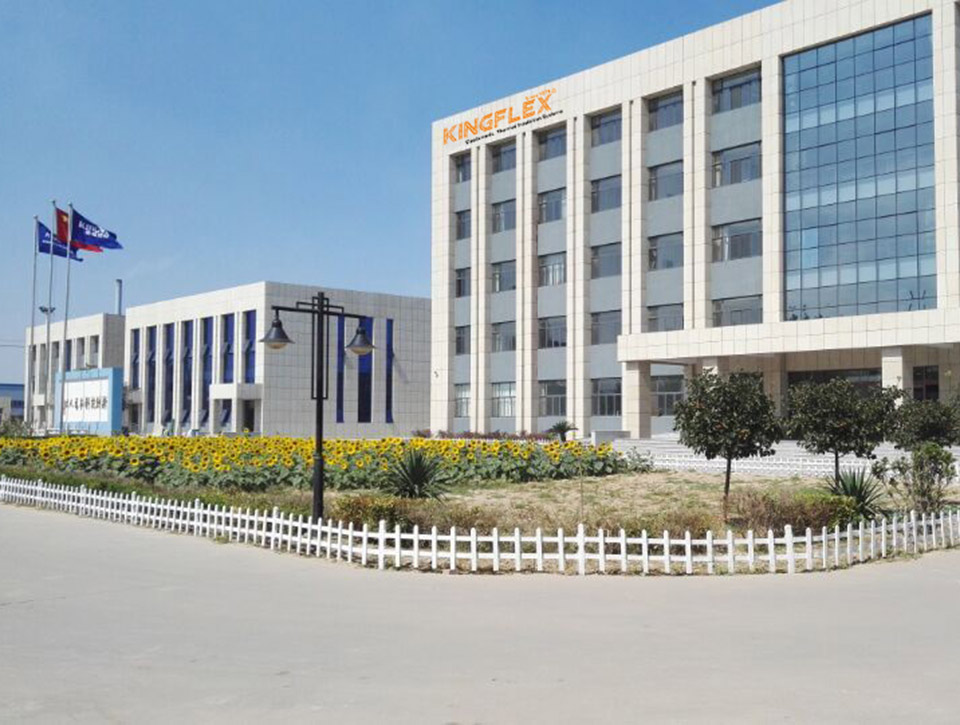
Kingflex Insulation runs a smart manufacturing facility located in Dacheng, Hebei Province, a major hub for modern green building materials. Utilizing automated production lines, continuous extrusion vulcanization technology, and online quality control, we ensure consistent product density, cell structure uniformity, and dimensional accuracy across high-volume orders.
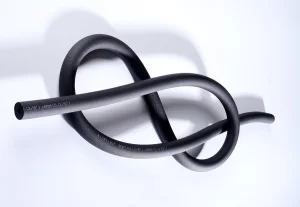
Our automated systems allow us to optimize production parameters dynamically. This keeps production costs competitive while reducing material waste. With an annual capacity exceeding 600,000 cubic meters, Kingflex maintains a reliable supply chain to support large-scale infrastructure and industrial projects across Japan, from planning stages through to final delivery.
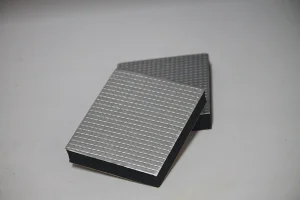
600K+
M³ Annual Output
5
Auto Assembly Lines
66+
Countries Exported
Kingflex Manufacturing Facility
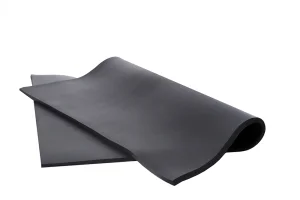
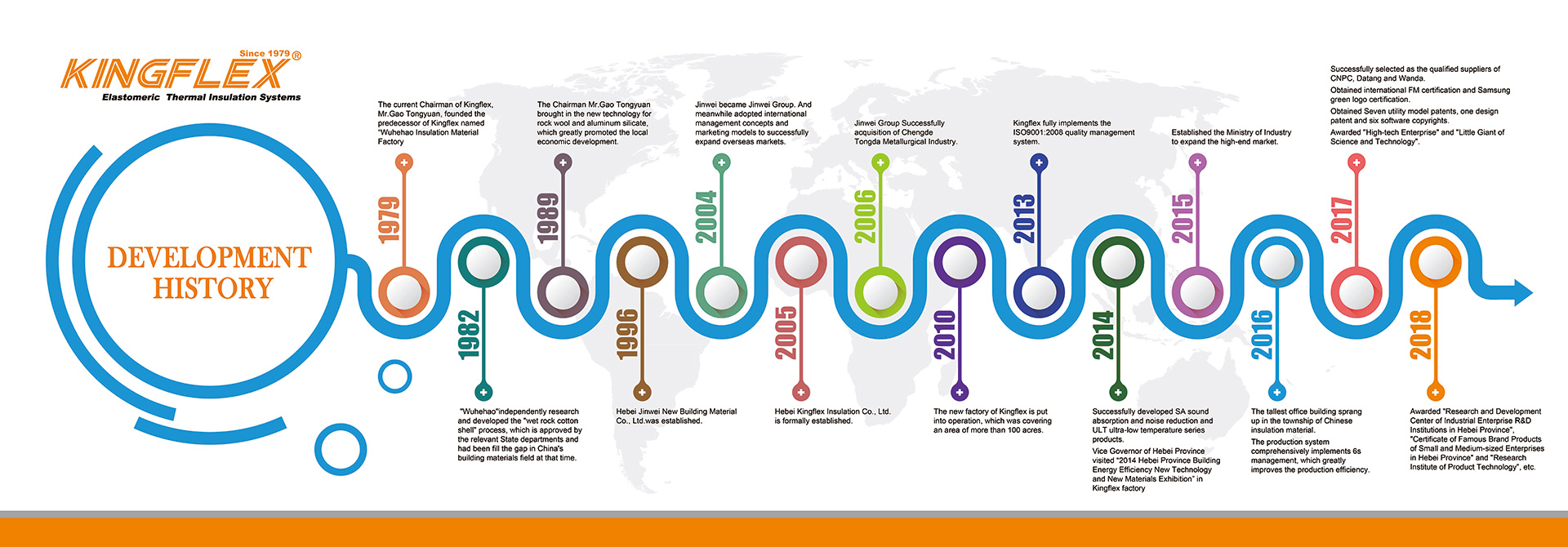
Kingflex Corporate History
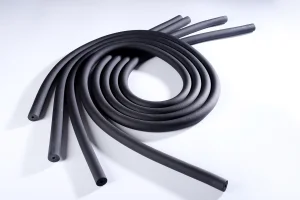
Our Heritage & Structural Capability

A Legacy Established Since 1979

Kingflex Insulation Co., Ltd. was established under the Jinwei Group, which brings over 40 years of manufacturing experience in industrial and thermal insulation materials. Since its founding in 1979, the group has developed its research, design, production, and distribution networks to provide high-performance solutions for mechanical systems, commercial buildings, and industrial complexes.
Our technical engineering team works closely with project planners, acousticians, and mechanical contractors to develop tailored solutions. By focusing on energy efficiency and acoustic performance, Kingflex aims to address the changing technical requirements of global B2B procurement, ensuring high-quality insulation systems for projects of all scales.
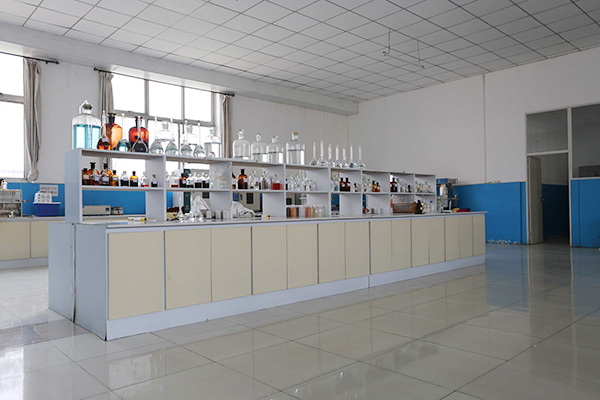
Research & Development Labs

Research & Development

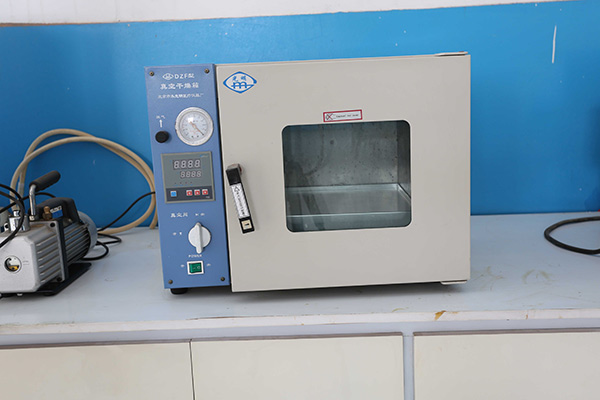
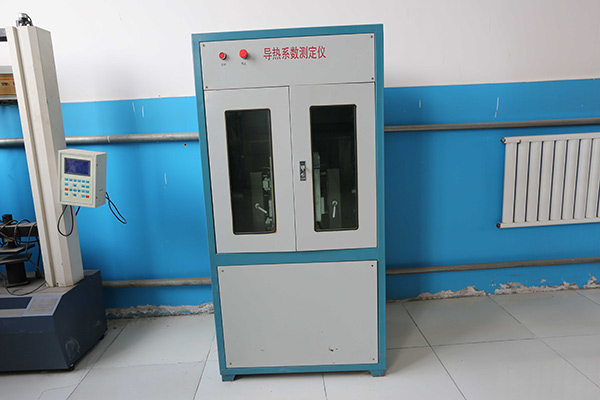
Equipped with lab facilities to continuously monitor raw materials, test mechanical properties, and evaluate flame retardancy.

Production QA Control

Quality Assurance

Online sensors monitor density and thickness tolerances during extrusion to maintain consistent quality across production batches.

Global Supply Chain Logistics

Logistics & Delivery

Our packaging systems compress sheets and rolls efficiently to optimize shipping volumes and lower trans-Pacific freight costs.

Validated Performance & Global Certifications

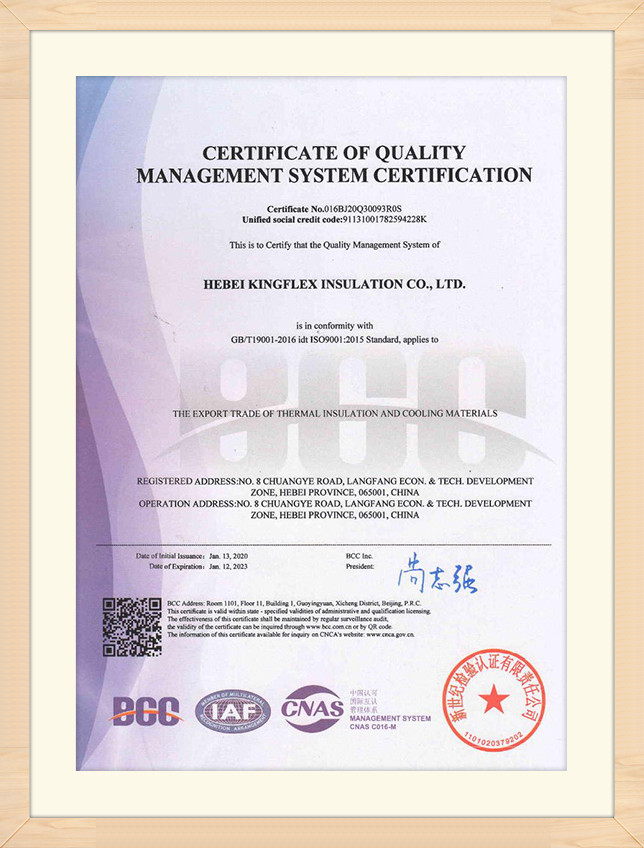
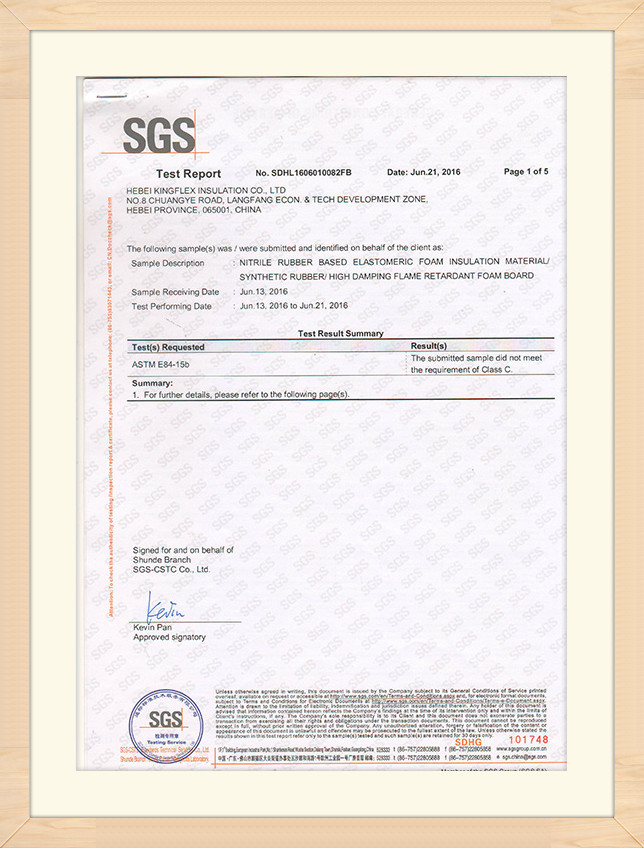
Kingflex materials are verified to meet major international standards for flame retardancy, low toxicity, and thermal efficiency.
BS 476 Certificate

BS 476 Class 0 / 1

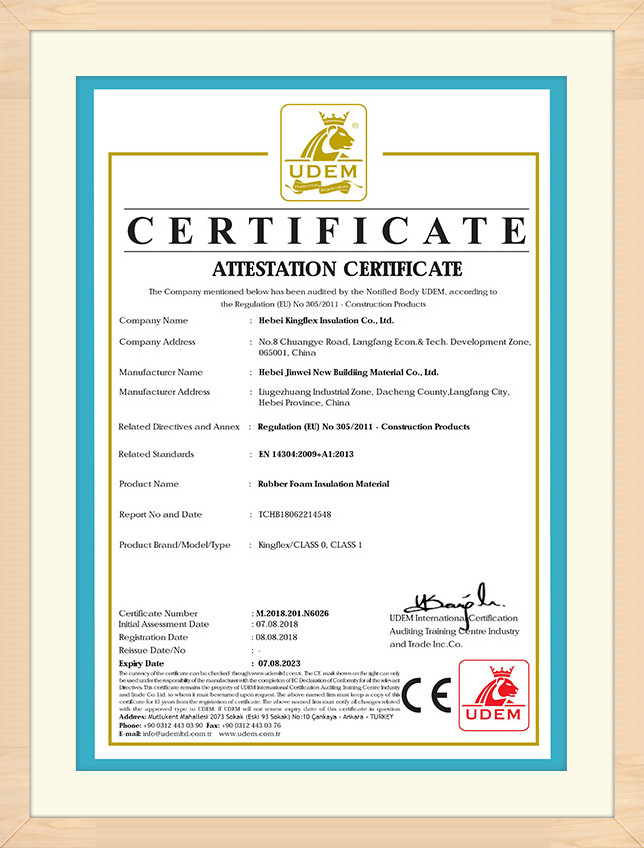
CE Mark Quality Standard

CE Certified Compliance

SGS REACH RoHS Certificate

REACH & RoHS Compliant

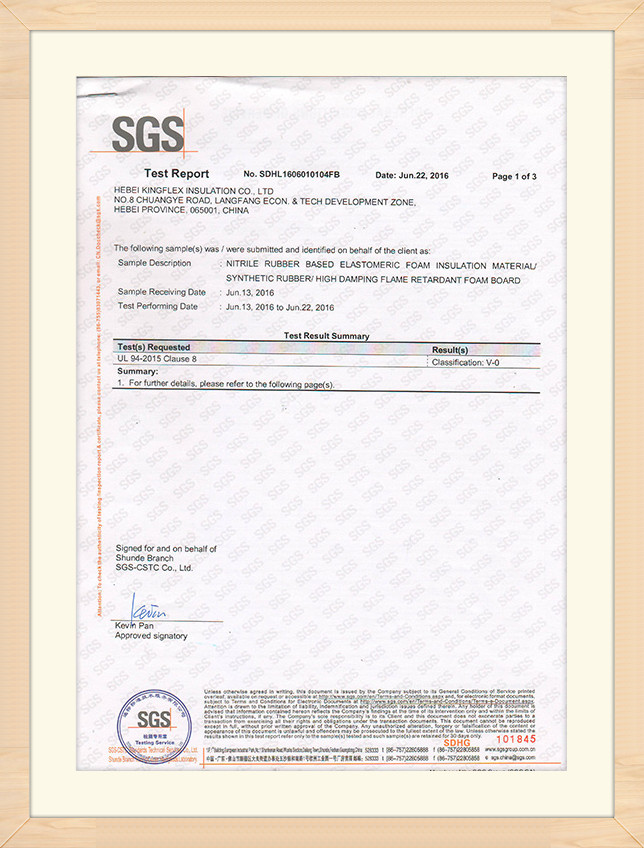
UL 94 Flammability Certificate

UL94 Fire Safety standard

Detailed Structural Parameters & Application Metrics

Technical specifications and performance data for Kingflex elastomeric foam sheet rolls and pre-formed pipe sections.
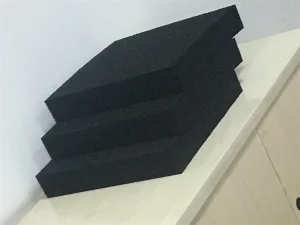
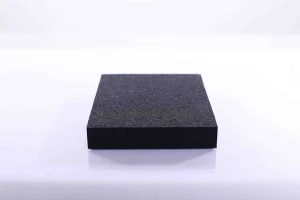
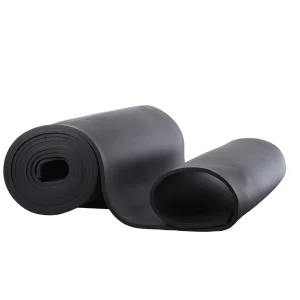
Black Rubber Foam Insulation Sheet Roll
Material Base Premium NBR/PVC Blend
Standard Thickness 6mm - 50mm
Apparent Density 40 - 55 kg/m³
Operating Temp -40°C to 105°C
Thermal Conductivity ≤ 0.034 W/(m·k) at 0°C
Moisture Resistance μ ≥ 10,000 (Closed Cell)
Fire Rating BS 476 Class 0, GB Class B1
NRC Value Up to 0.85 (Open-Cell Structure)

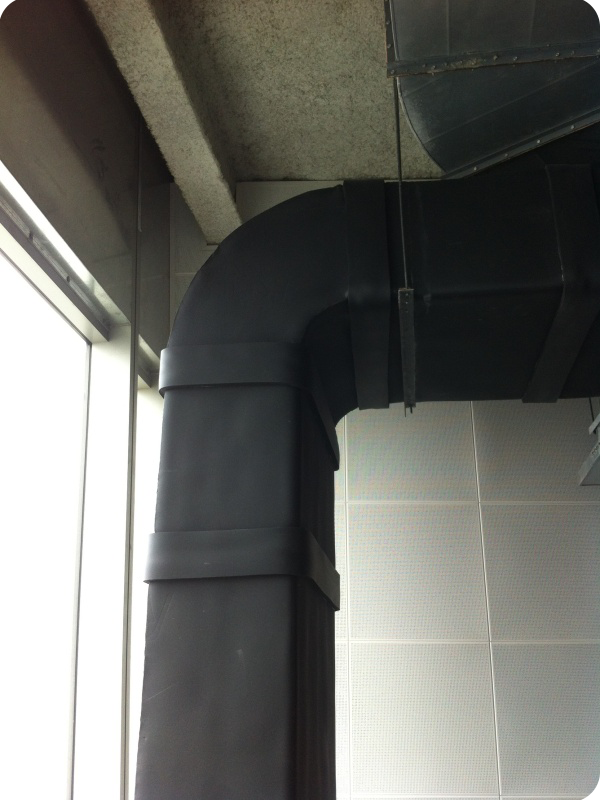
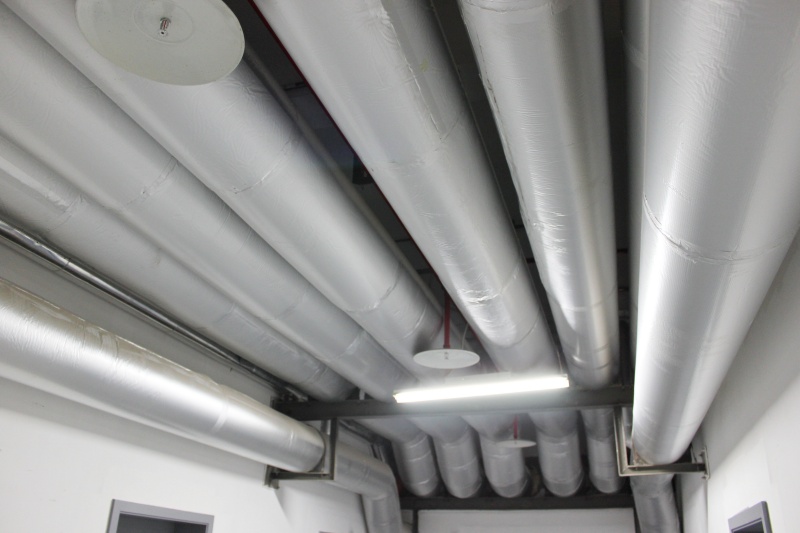
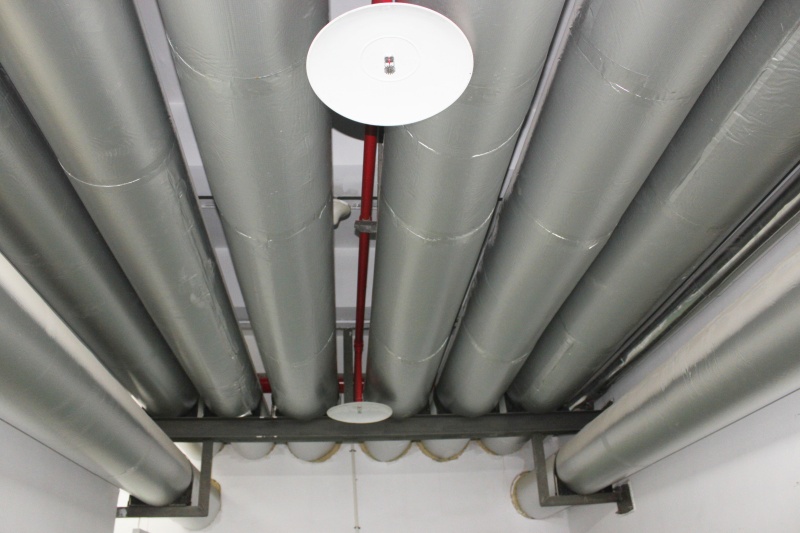
Primary Applications: Large central air-conditioning duct wrap, mechanical vibration isolation pads, building wall cavity acoustic infills, multi-layered high-performance composite sound barriers, and industrial plant enclosure dampening systems.

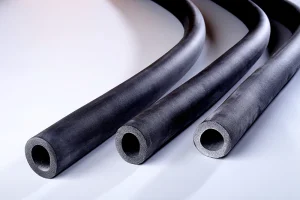
Black Rubber Foam Insulation Pipe
Material Base Premium NBR/PVC Blend
Wall Thickness 9mm - 40mm
Internal Diameter 6mm - 114mm (ID)
Apparent Density 40 - 55 kg/m³
Thermal Conductivity ≤ 0.035 W/(m·k) at 10°C
Compression Resilience ≥ 80% (Recovery)
Ozone Resistance Excellent (No Cracking)
Fire Rating UL94 V-0 Rated Standard

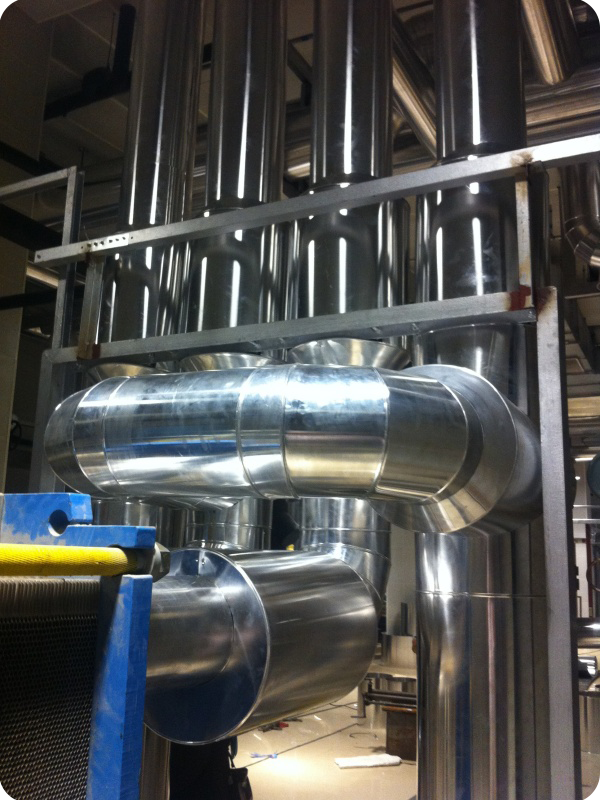
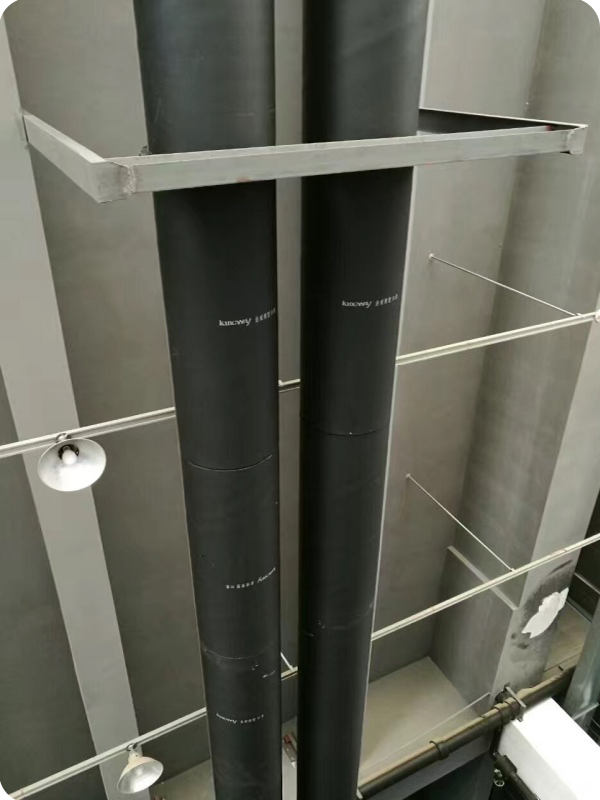
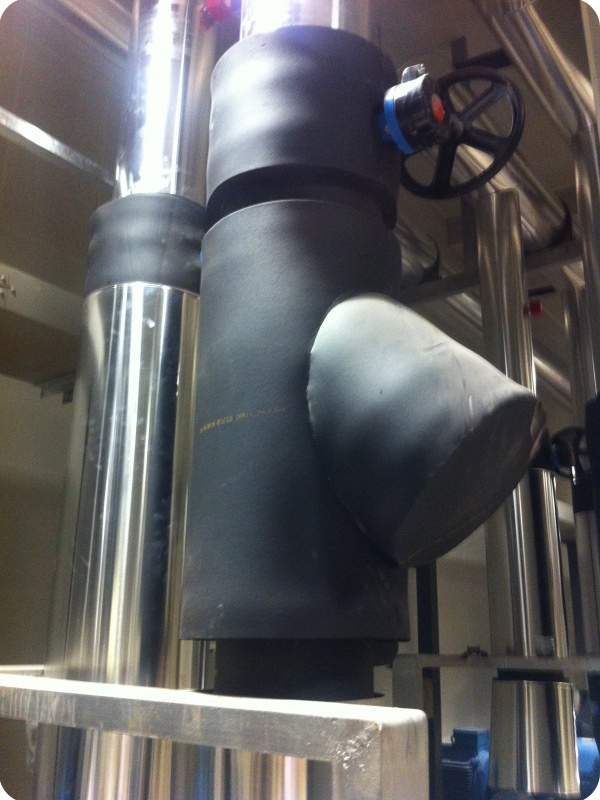
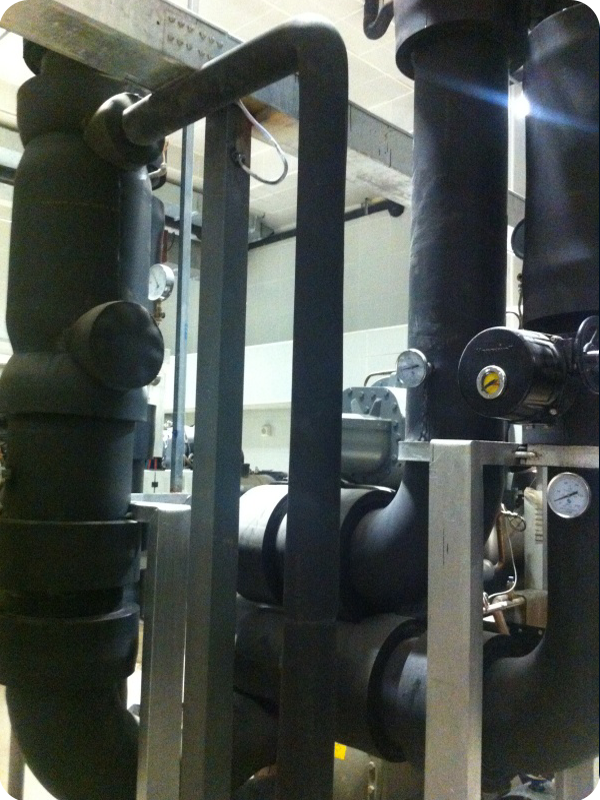
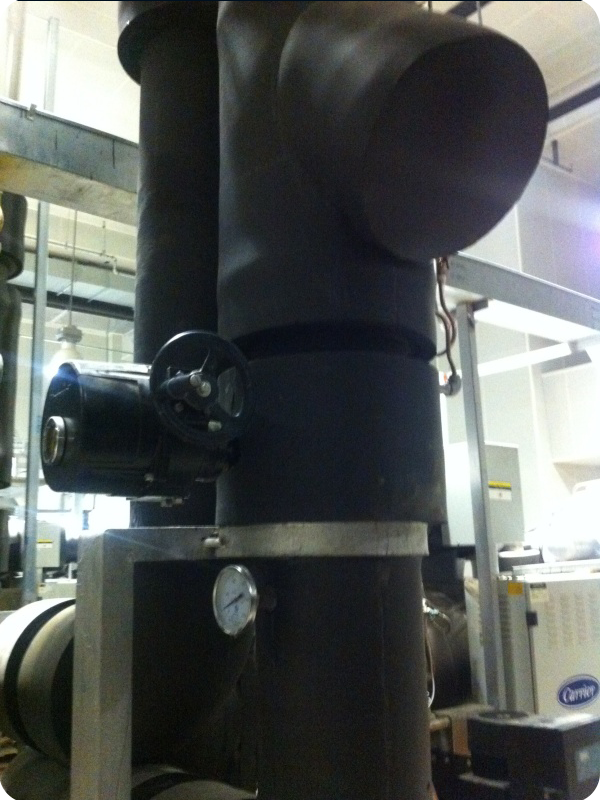
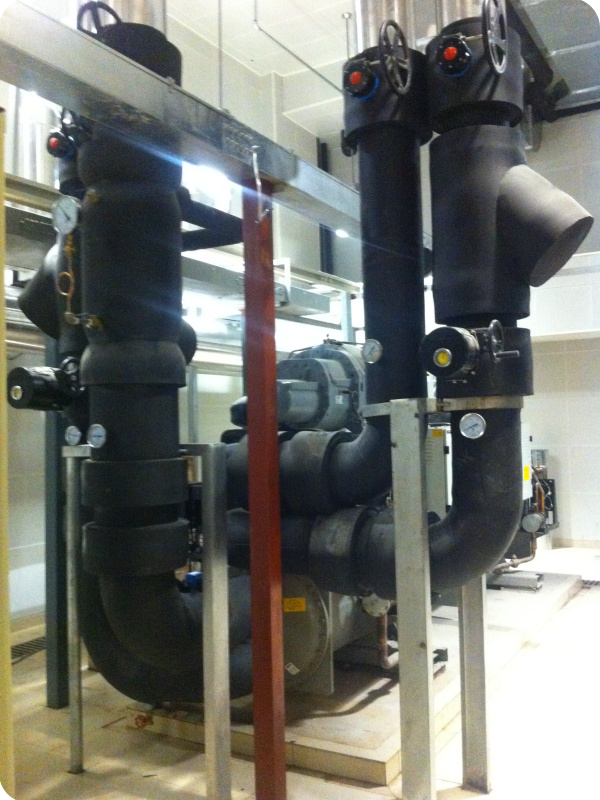
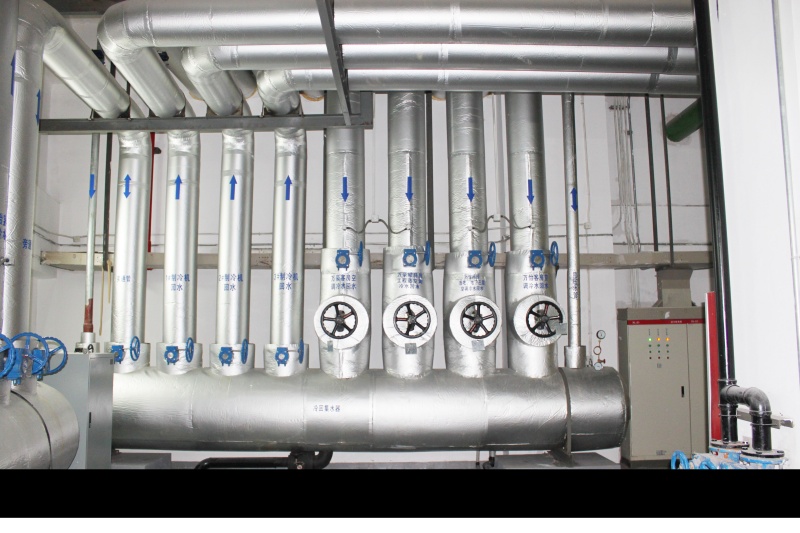
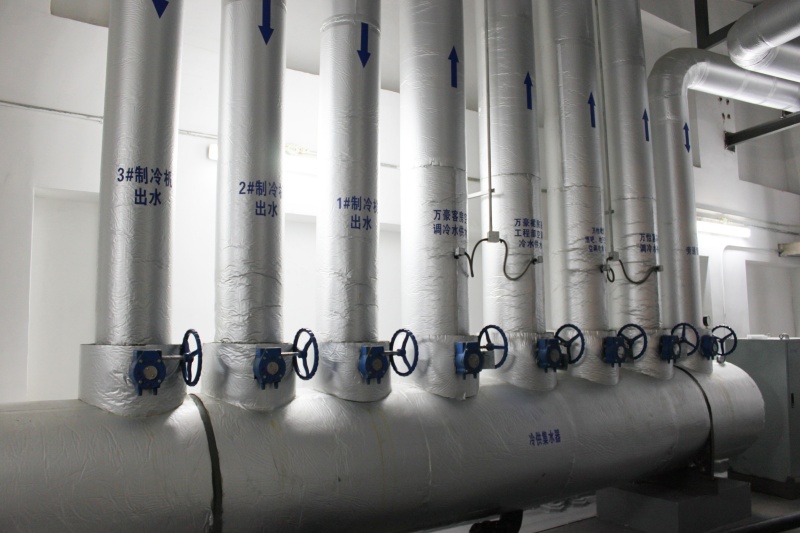
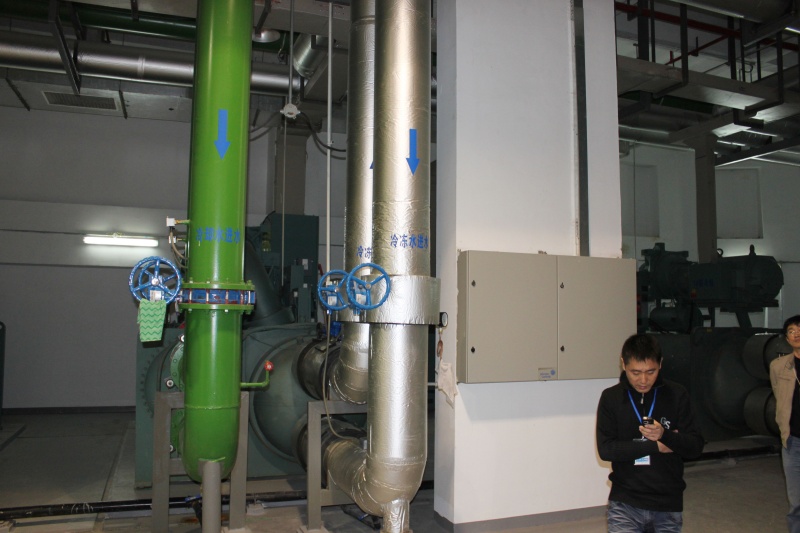
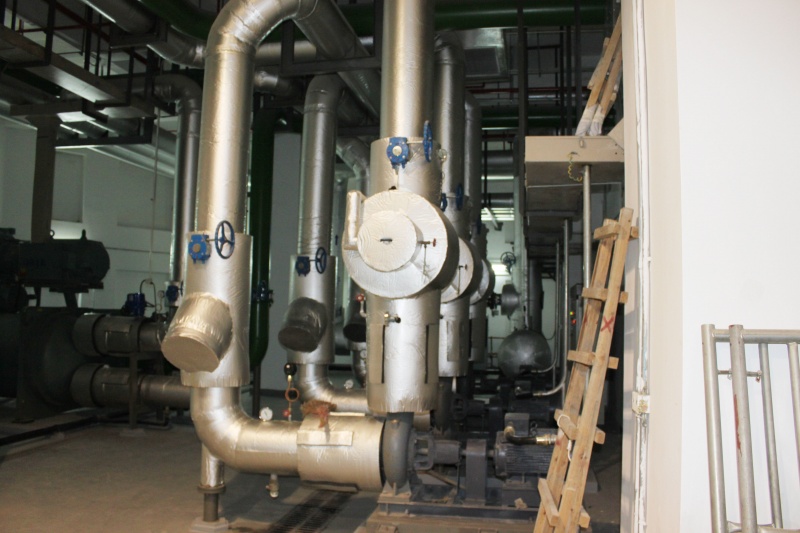
Primary Applications: Chilled water line insulation to prevent condensation, hot water pipeline energy-loss reduction, chemical liquid line insulation, commercial HVAC piping, and residential sound suppression in domestic water line shafts.

Production Line Quality Checks & Storage

Kingflex Warehouse Inventory

Packaging Operations Area
Raw Material Inspection
Continuous Extrusion Line
Kingflex Material Storage
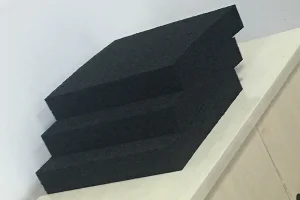
Finished Foam Board Stock
Logistics Pallet Pack
Production Monitoring Console
Acoustic Testing Setup
Standard Pipe Sections Stock
Material Thickness Verification
Quality Control Lab Equipment
Packaging Layout Check
Factory Loading Docks

Localized Applications Across Japan

How Kingflex elastomeric sound absorption materials address critical technical challenges in Japanese industrial and civil building sectors.

1. High-Density Commercial HVAC systems

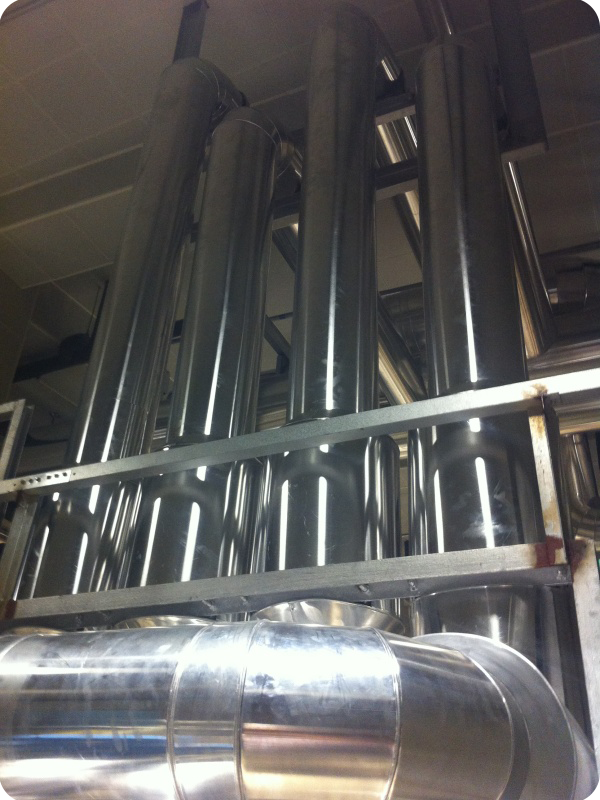
In commercial developments in Tokyo and Yokohama, space optimization limits duct dimensions. Our thin-profile, high-density NBR/PVC open-cell elastomeric panels install directly inside duct paths, dampening low-frequency fan noise without reducing airflow volume.

2. Precision Cleanrooms & Semiconductor Fabs

For cleanroom environments (such as semiconductor plants in Kyushu), air quality is critical. Traditional fiber insulation can shed particles and contaminate processes. Kingflex closed-cell and open-cell structures are cleanroom-safe, dust-free, and resist outgassing.

3. High-Speed Rail & Subways

Managing vibration and noise is crucial for rail transit in dense urban areas. Our flexible elastomeric foam sheet rolls insulate floor bases and wall cavities, helping absorb structural vibration energy and improve passenger comfort in urban transit cars.

B2B Communication Transparency

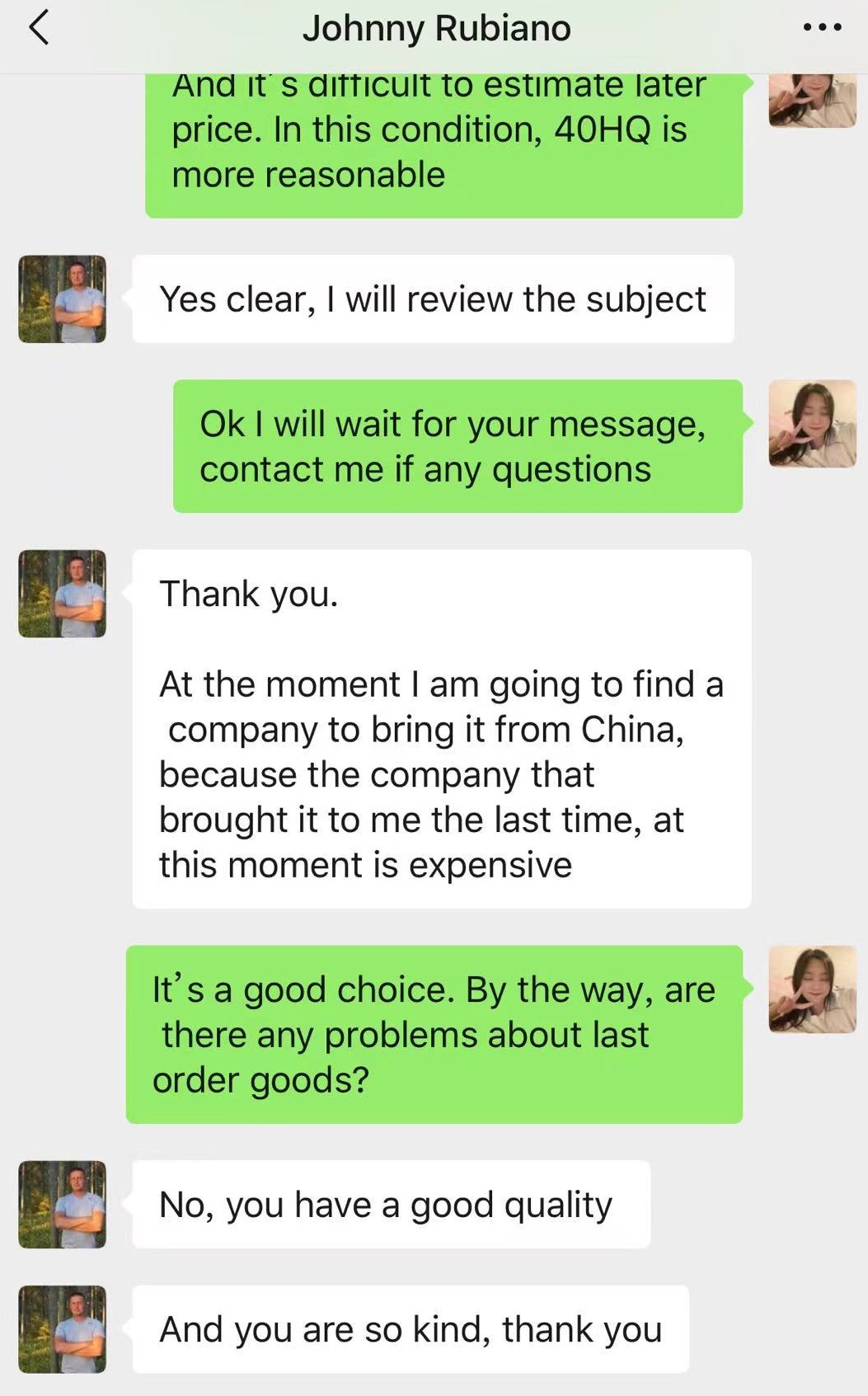
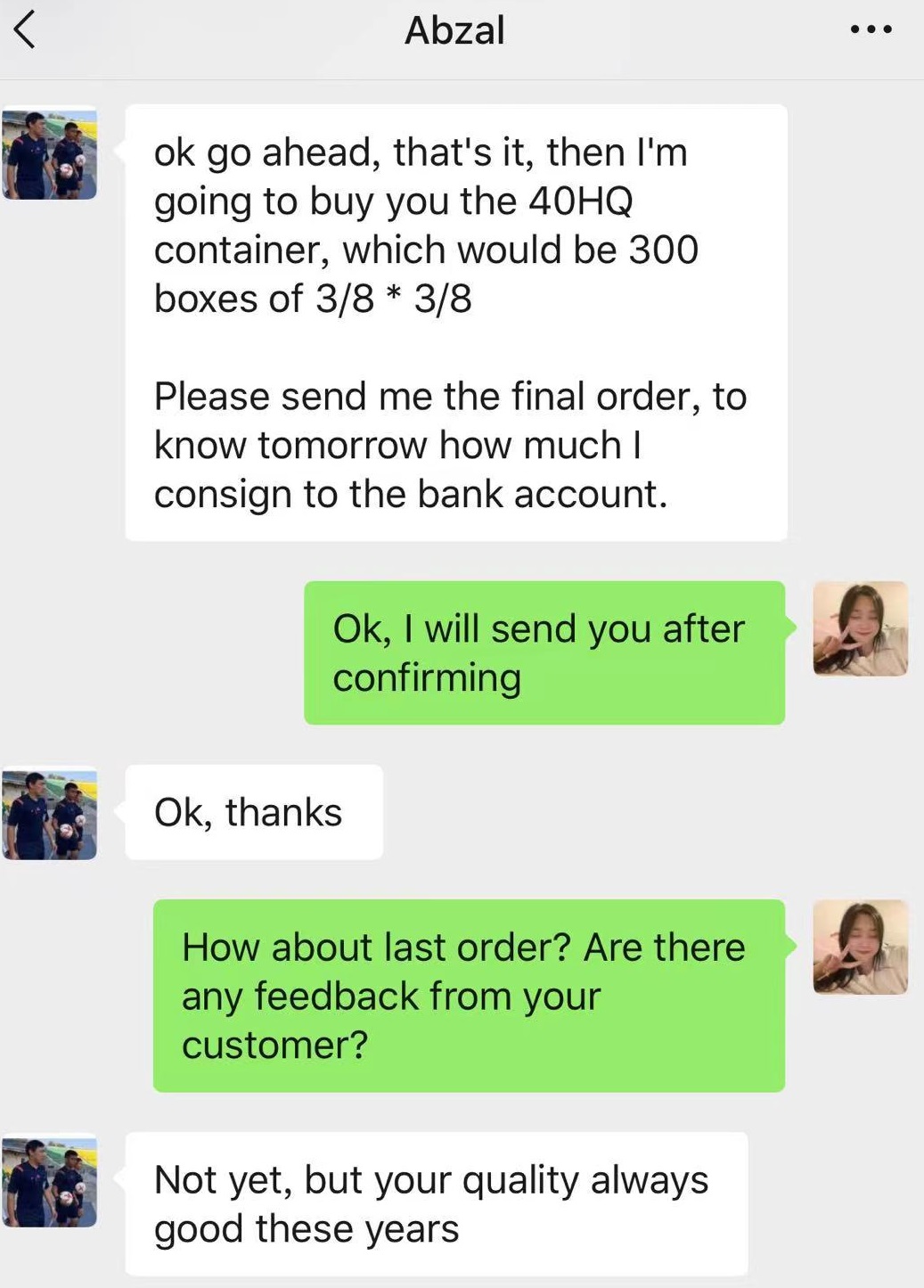
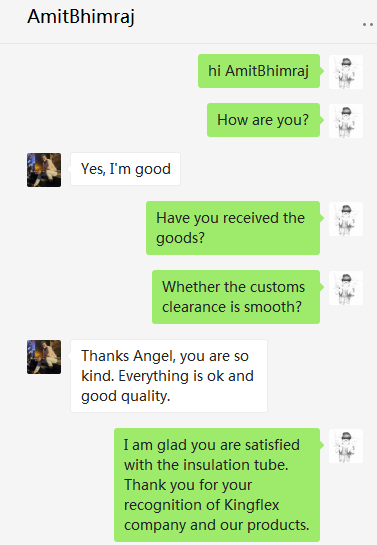
We maintain clear communication channels and process tracking. Here are verified transaction records and logistics updates with partners across the Asian market.

Client Chat Screenshot 1
Client Chat Screenshot 2
Client Chat Screenshot 3
Client Chat Screenshot 4
Client Chat Screenshot 5

Technical FAQ & Purchasing Guide

Detailed answers to technical and logistical questions commonly raised by engineering firms and procurement officers sourcing insulation for projects in Japan.

Q1: What are the primary applications of Kingflex elastomeric rubber foam insulation?

It is mainly used for HVAC ducts, air conditioning piping systems, building thermal insulation, industrial pipeline cold insulation, and acoustic absorption applications. The material's flexibility makes it suitable for tight mechanical spaces and complex architectural configurations.

Q2: Does Kingflex rubber foam insulation meet local fire safety standards?

Yes. Our rubber foam insulation materials are formulated to be flame-retardant. They are tested to meet major international safety standards, including BS 476 (Class 0 and Class 1) and UL94 (V-0 rating), ensuring compliance with building code requirements for industrial and civil projects.

Q3: How does NBR/PVC elastomeric rubber foam compare to rock wool insulation?

NBR/PVC rubber foam features a flexible, closed-cell structure that resists water vapor transmission and moisture absorption, making it suitable for HVAC duct wrap and low-temperature piping. Rock wool is a rigid, fibrous mineral insulation capable of withstanding very high temperatures, which makes it suitable for high-heat industrial process piping.

Q4: Does Kingflex support custom OEM orders for specific project parameters?

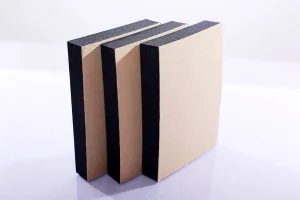
Yes. We offer OEM and custom manufacturing services to meet specific project designs. We can adjust density profiles, configure self-adhesive backings, apply aluminum foil laminates, and produce custom wall thicknesses to match architectural or engineering plans.

Q5: What international certifications do Kingflex insulation products hold?

Our materials are verified by third-party testing organizations to meet major standards, including BS 476, CE, REACH, RoHS, UL94, and ASTM. These certifications ensure the material meets fire safety, environmental, and performance criteria for international markets.

Q6: Are Kingflex products traceable, and how is quality controlled?

Yes. Every batch of Kingflex insulation is fully traceable. We maintain production records, log raw material batches, and perform regular quality checks on density, thickness, and flame-retardancy to ensure consistent product performance.

Q7: What thickness options are available for NBR/PVC elastomeric foam sheet rolls?

We produce elastomeric rubber foam sheet rolls in thicknesses ranging from 6mm to 50mm. This range allows designers to select the optimal thickness to meet specific thermal resistance and acoustic attenuation requirements.

Q8: What is the expected service life of Kingflex elastomeric foam sheets and pipe insulation?

When installed according to specifications and shielded from severe outdoor weathering or mechanical damage, Kingflex elastomeric foam maintains its thermal and acoustic performance for 10 to 15 years.