1 / 3
 Kingflex



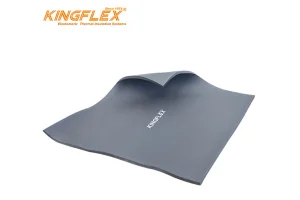
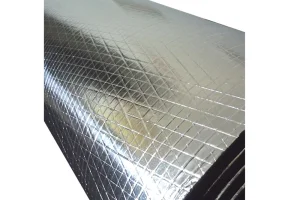
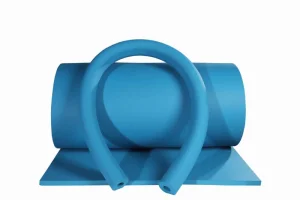
Acoustic insulation absorbs sound waves, preventing them from passing through to the next room, to a smaller or greater extent. Because sound insulation absorbs sound waves, it is also used as a solution to reduce the amount of reverb (echo) experienced in a confined space such as an office, library or even café.
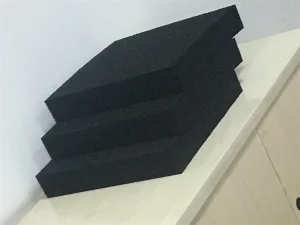
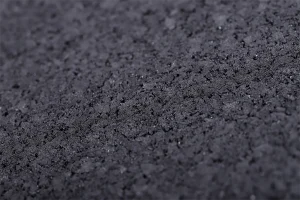
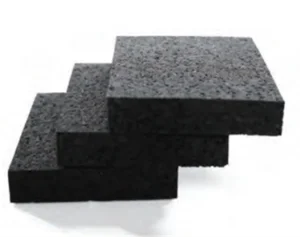
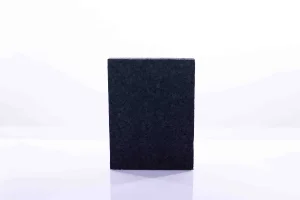
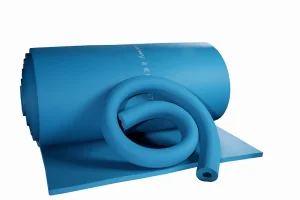
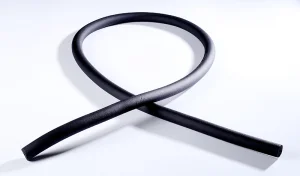
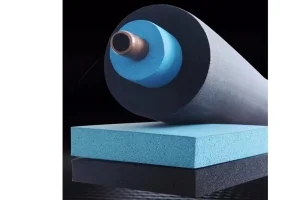
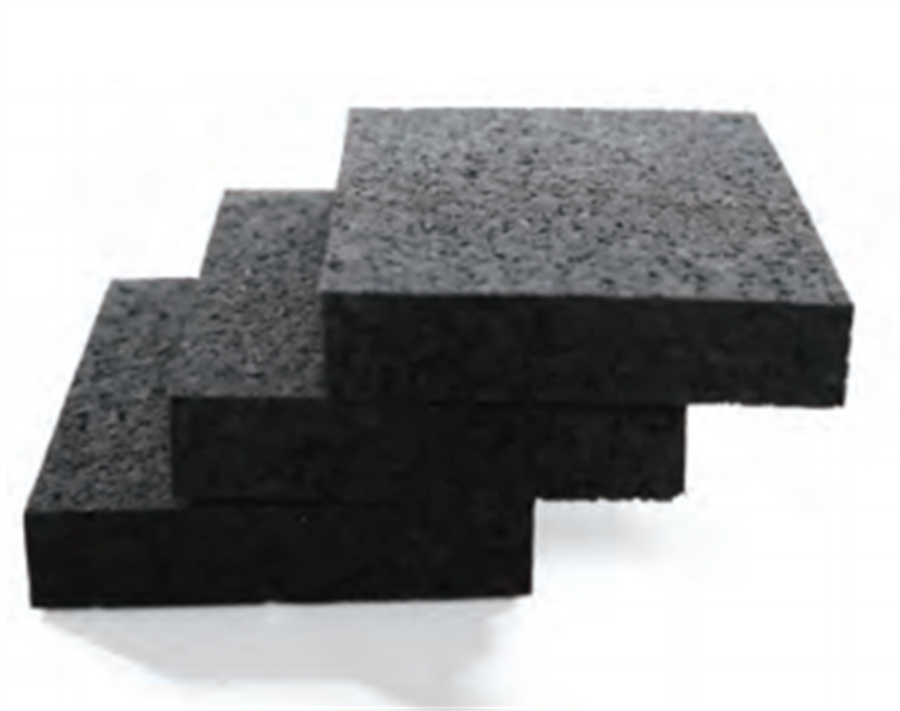
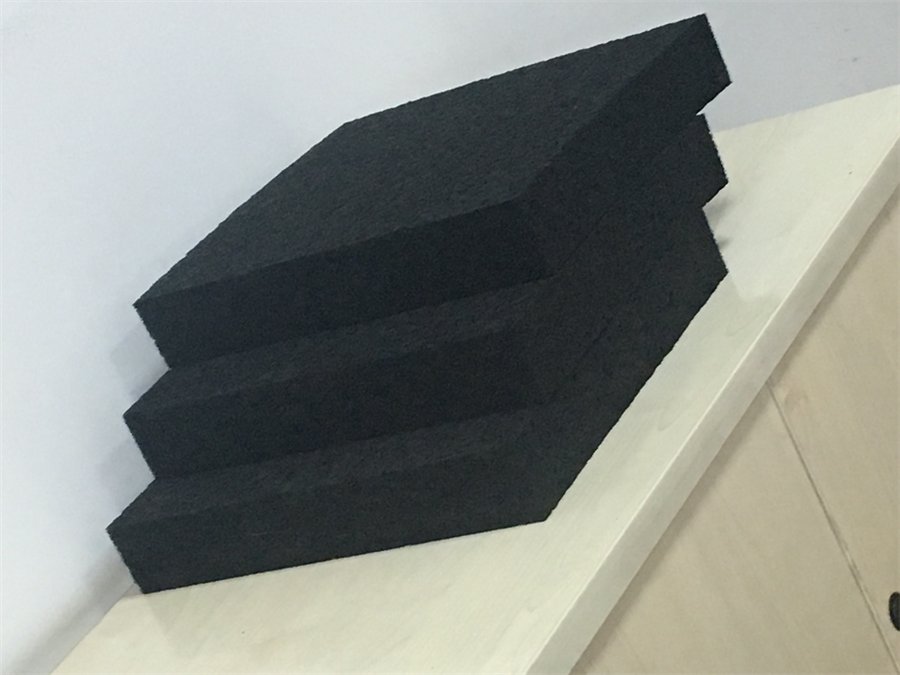
The rubber foam soundproof foam is open cell structure, fire retardant, stop fire from spreading and reduce intensity. Open cell rubber foam insulation is a perfect tool to improve the quality of sound, such as making YouTube videos or record podcasts, studio recording.
Acoustic insulation absorbs sound waves, preventing them from passing through to the next room, to a smaller or greater extent. Because sound insulation absorbs sound waves, it is also used as a solution to reduce the amount of reverb (echo) experienced in a confined space such as an office, library or even café.
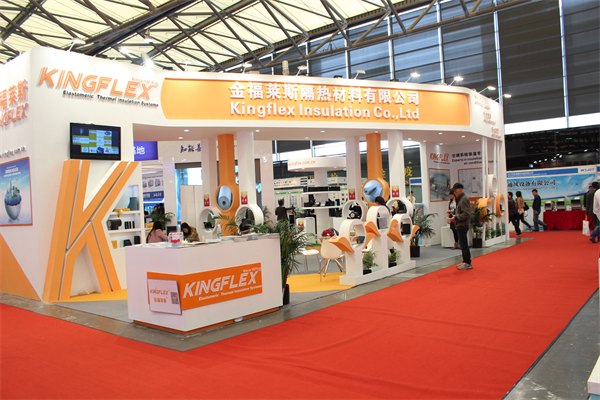
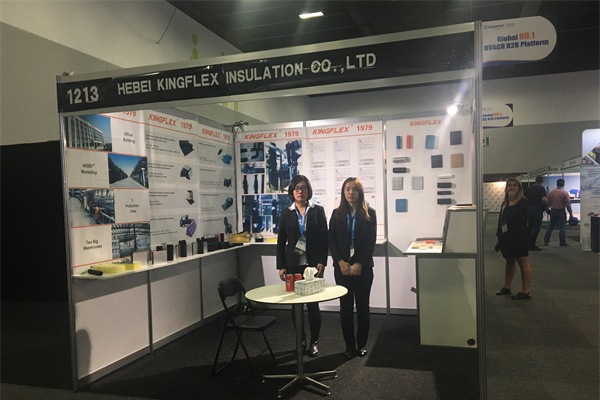
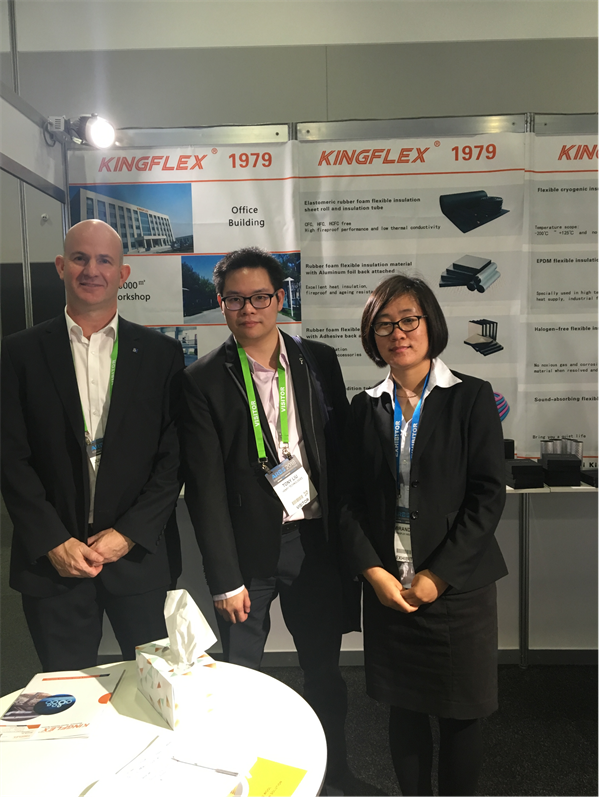
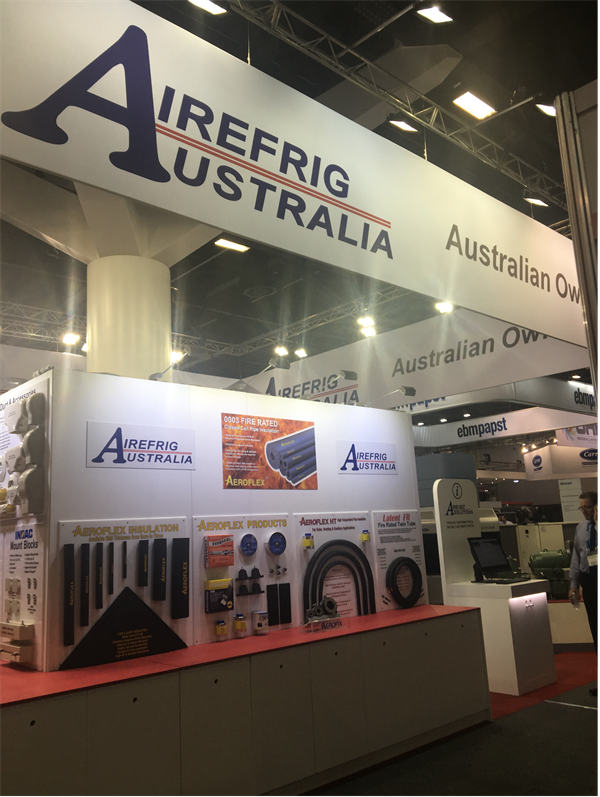
We have been invited to participate in many related exhibitions at home and abroad. These exhibitions give us the opportunity to meet more and more friends and customers in related industries.
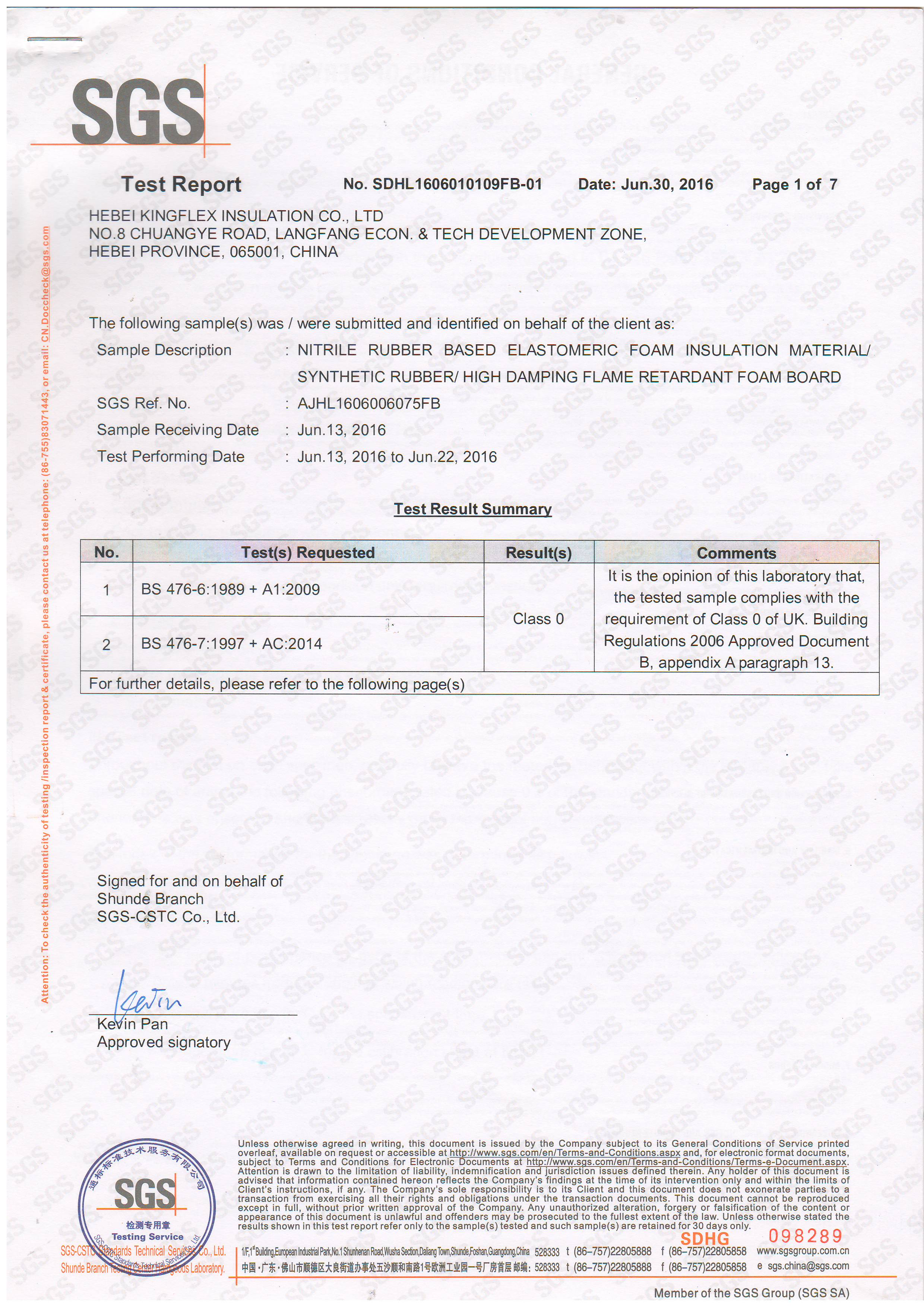
Acoustic insulation absorbs sound waves by trapping them within its open-cell structure. As sound waves pass through the material, they are converted into thermal energy, which significantly reduces the amount of sound escaping to the next room and eliminates echo within the room.
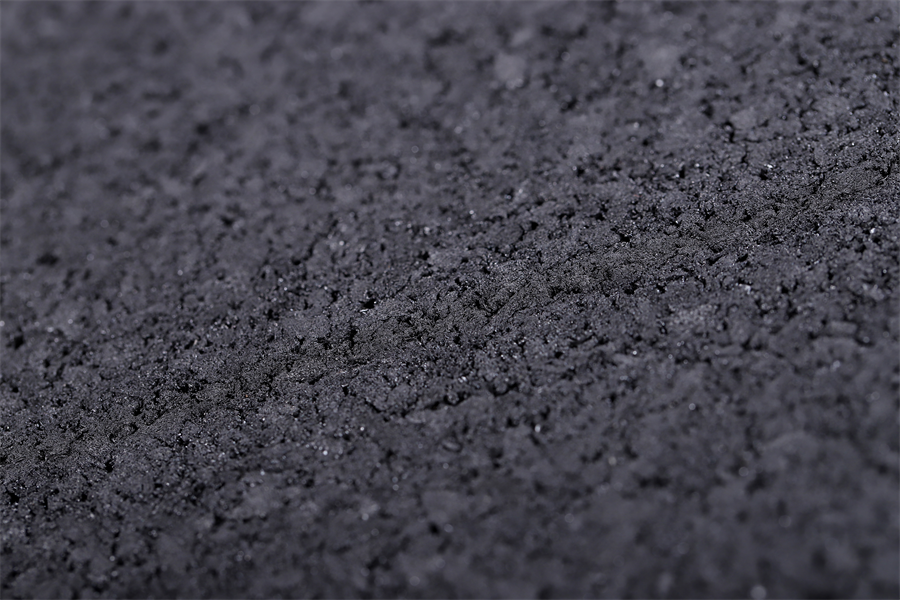
Open-cell rubber foam features interconnected cavities that excel at trapping noise, making it highly effective for soundproofing. In addition to sound absorption, it is fire-retardant, helping to prevent fire propagation and reduce fire intensity in buildings.
Yes. Because of its excellent echo-reduction and sound absorption capabilities, open-cell rubber foam insulation is widely used in noise-sensitive environments, such as studio recording rooms, podcast spaces, and home theaters, to improve overall sound quality.
Yes, our soundproof insulation materials are engineered with fire-retardant properties. They have been tested and certified under international standards such as BS476 and UL94, ensuring high safety standards by containing and suppressing flame spreads.
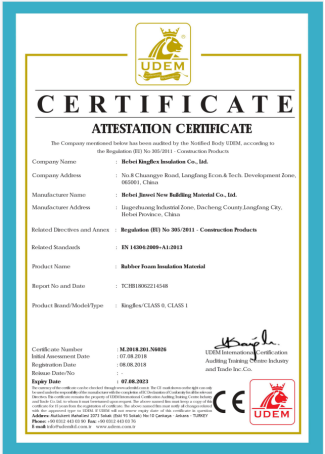
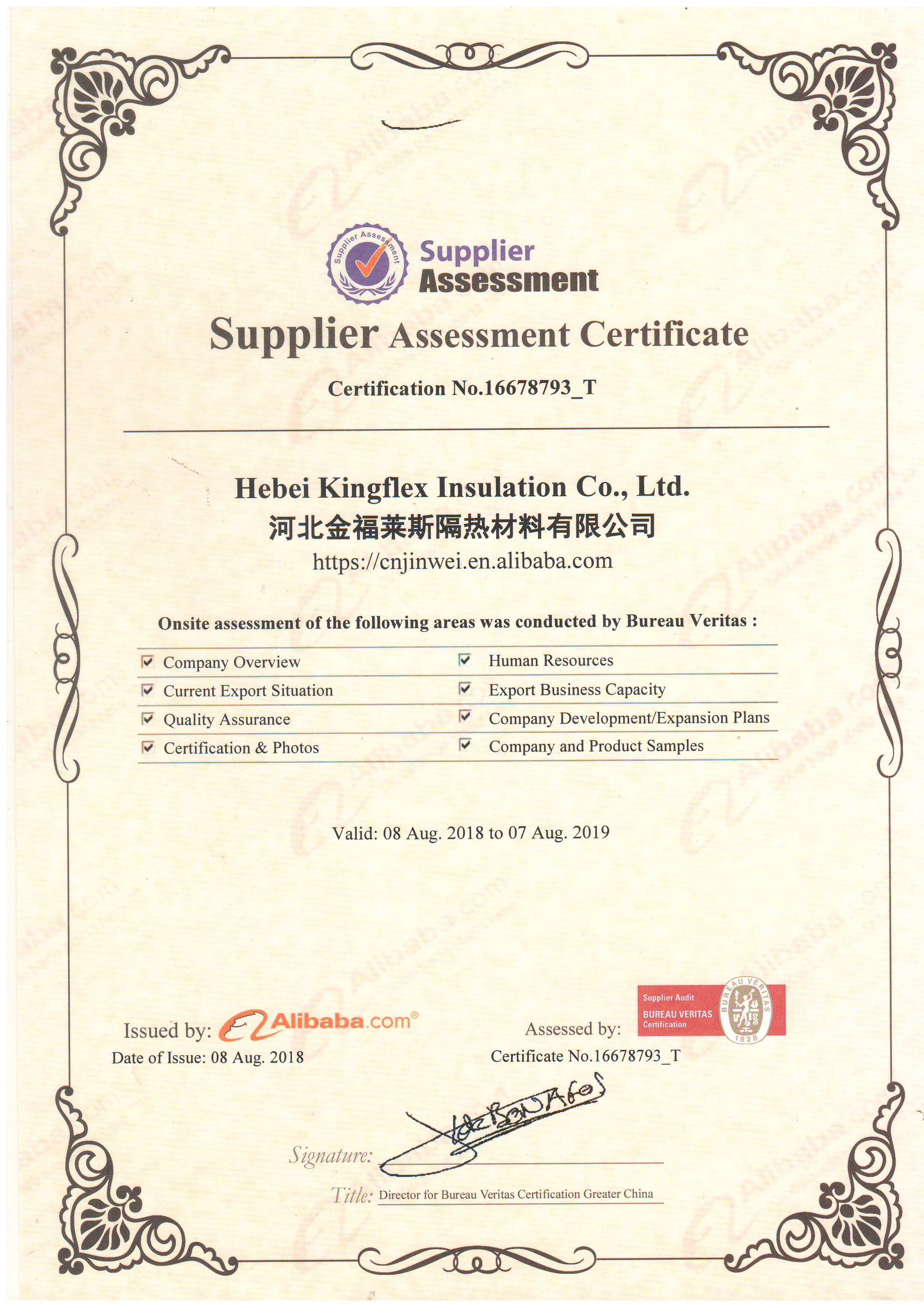
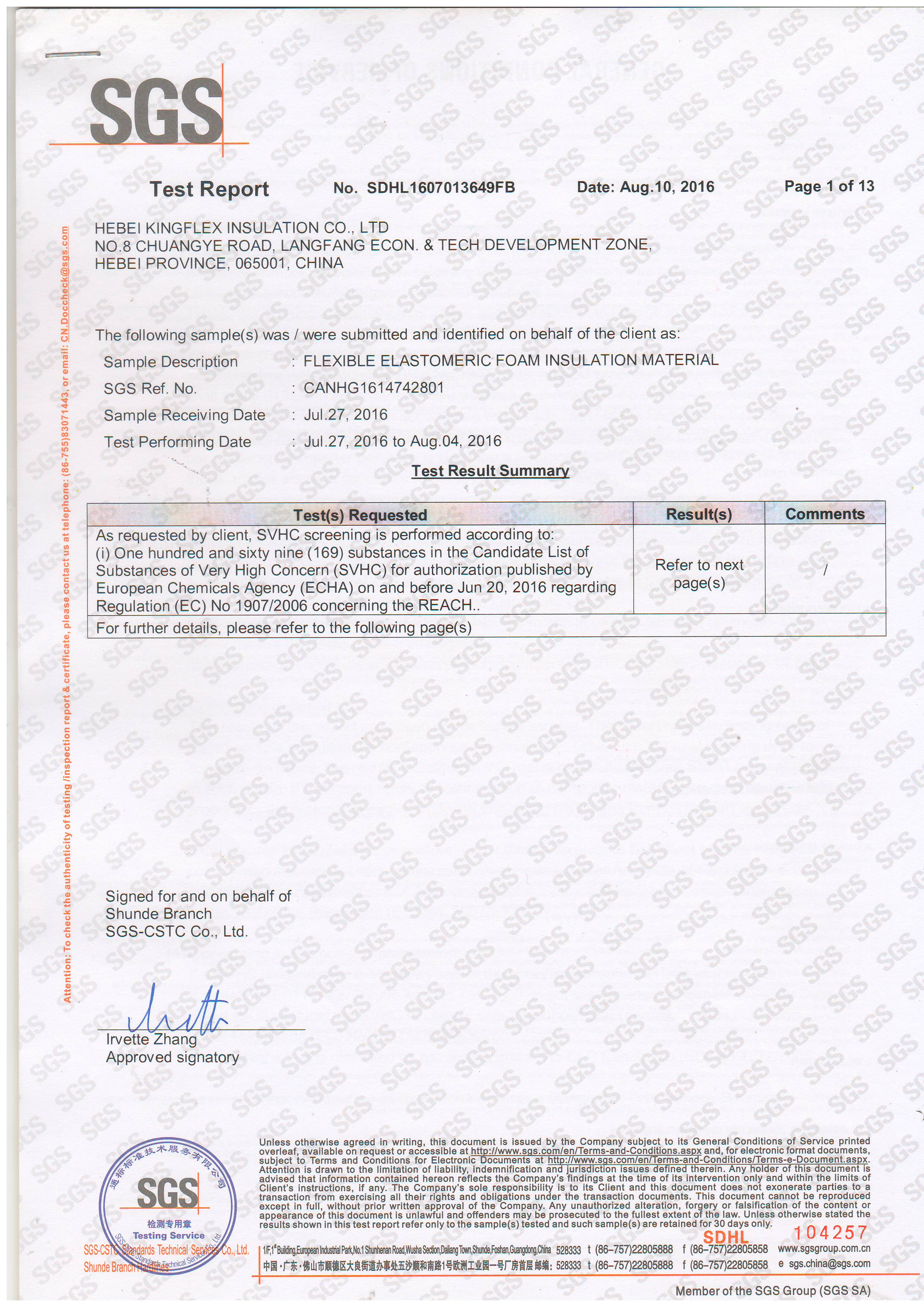
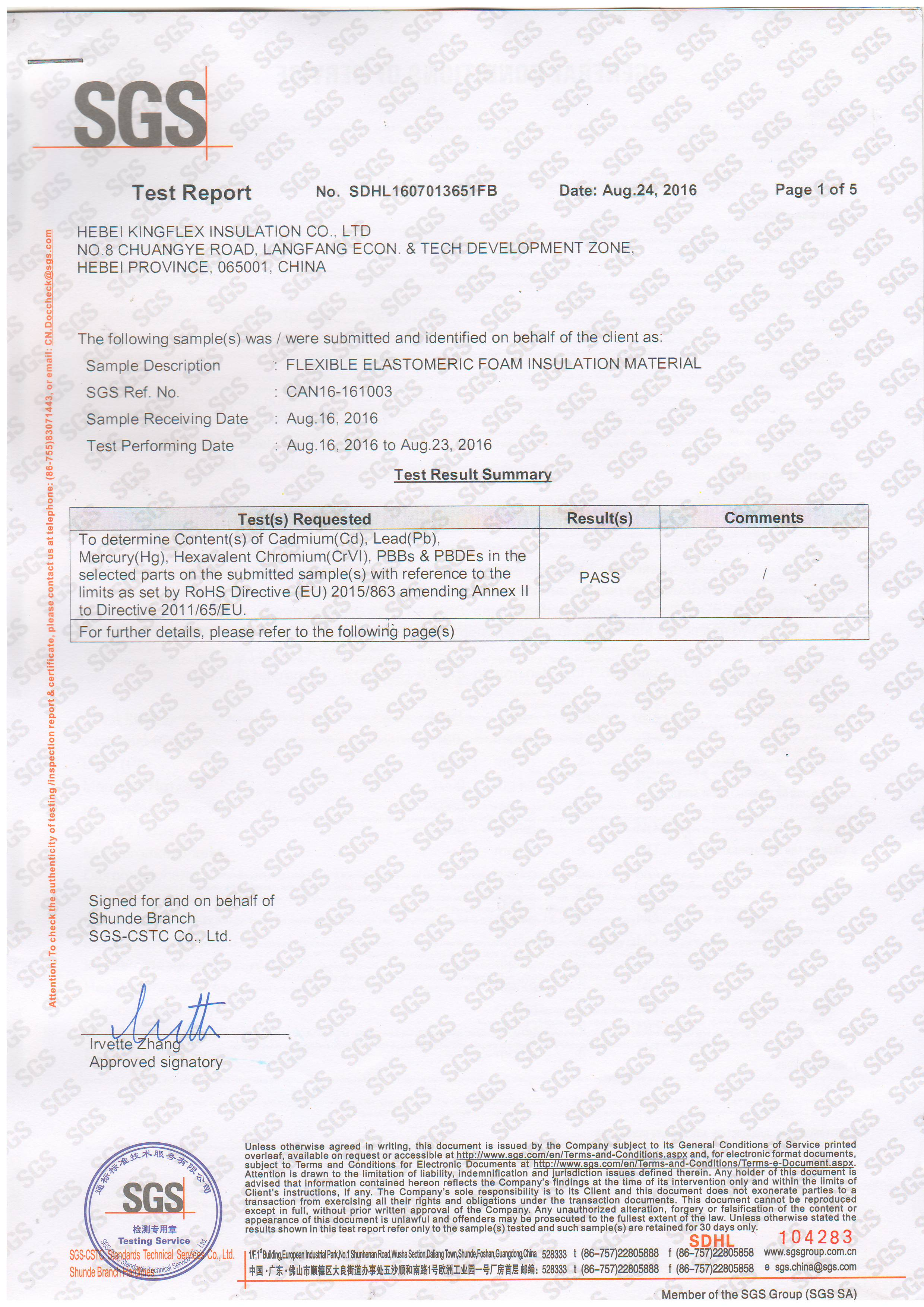
The products are manufactured and certified in compliance with British, American, and European standards. They successfully meet testing requirements for BS476, UL94, ROHS, REACH, FM, and CE certifications, validating their quality, safety, and reliability.