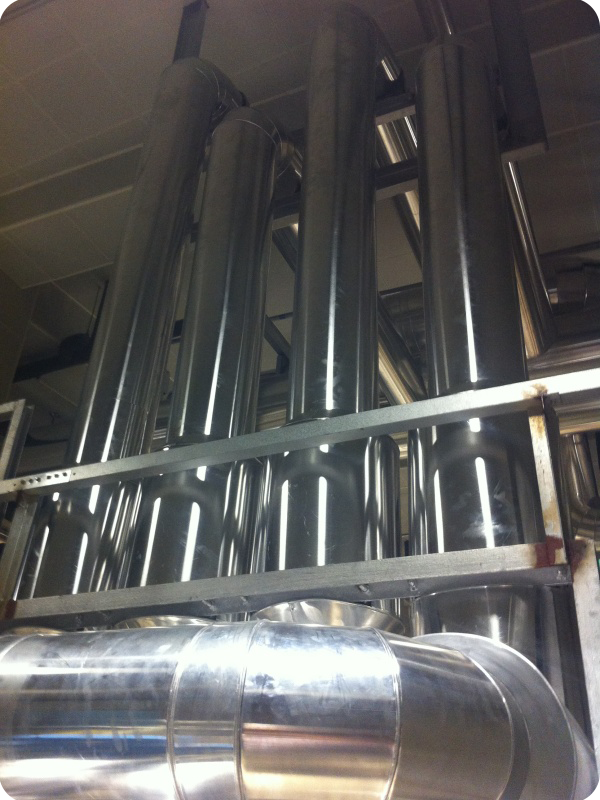
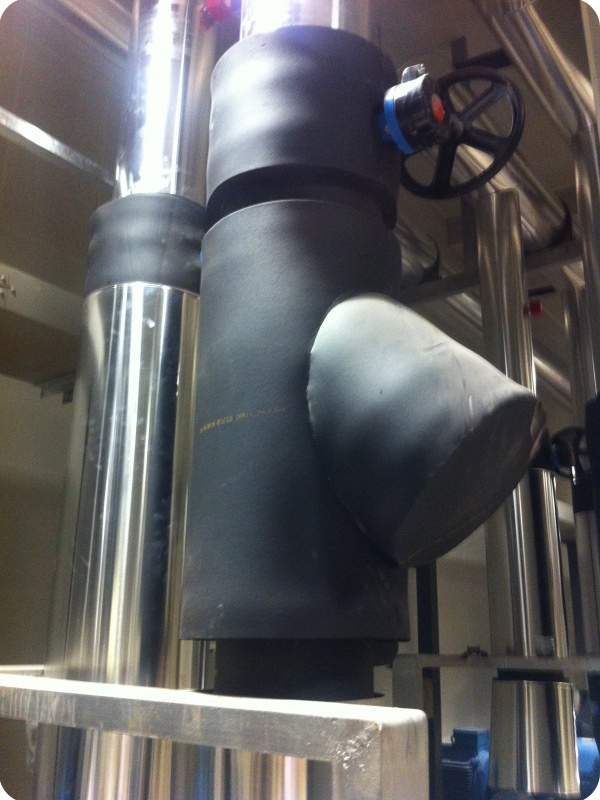
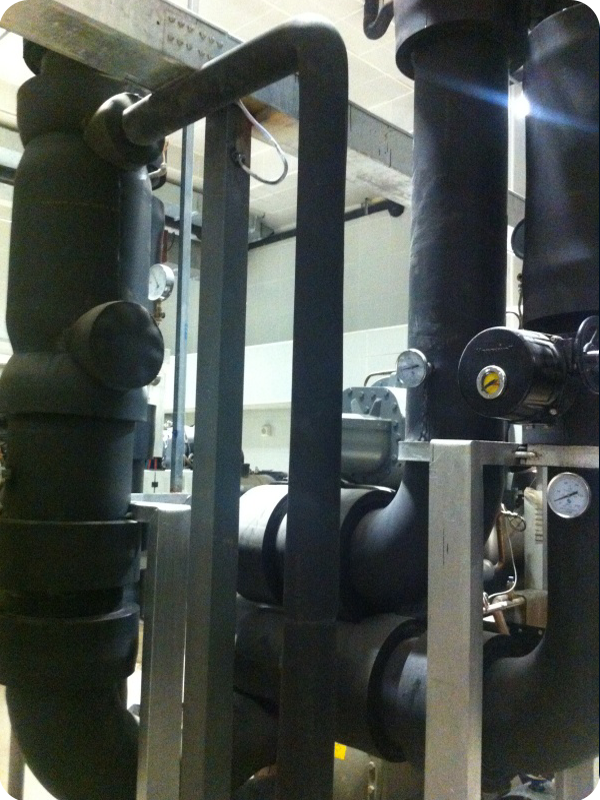
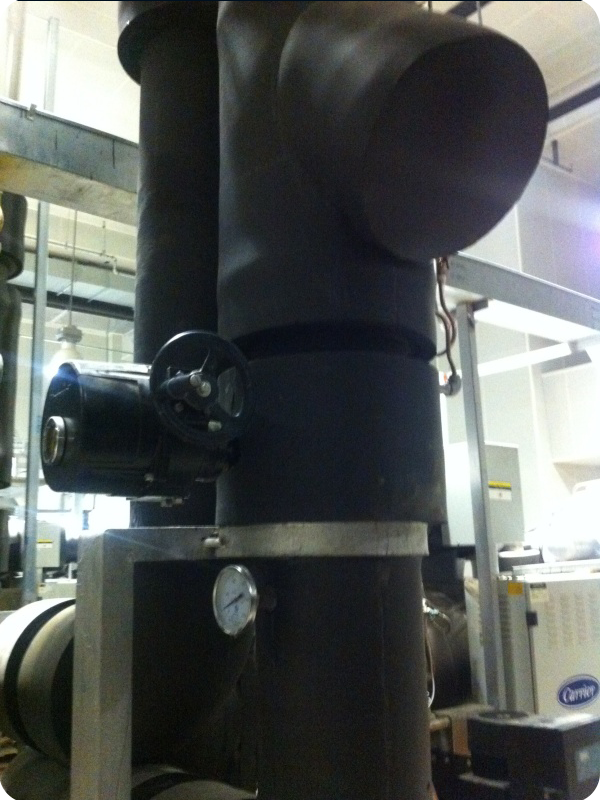
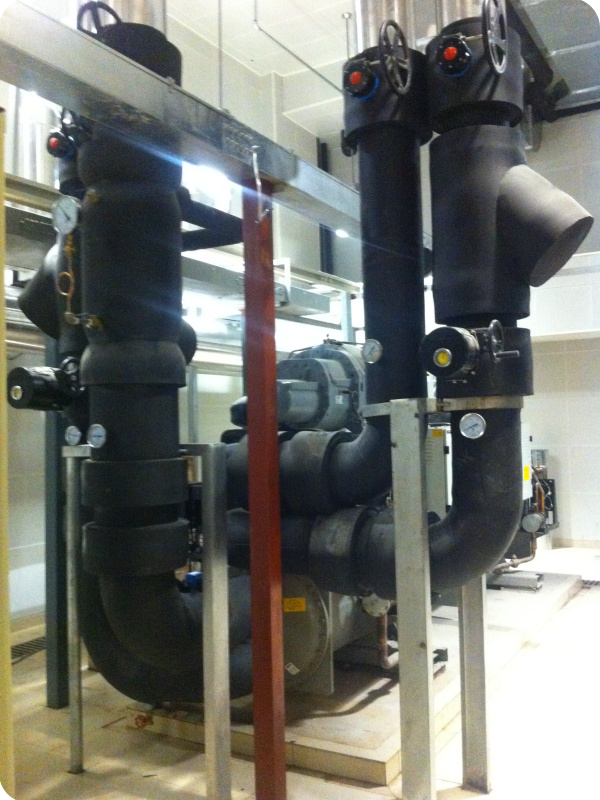
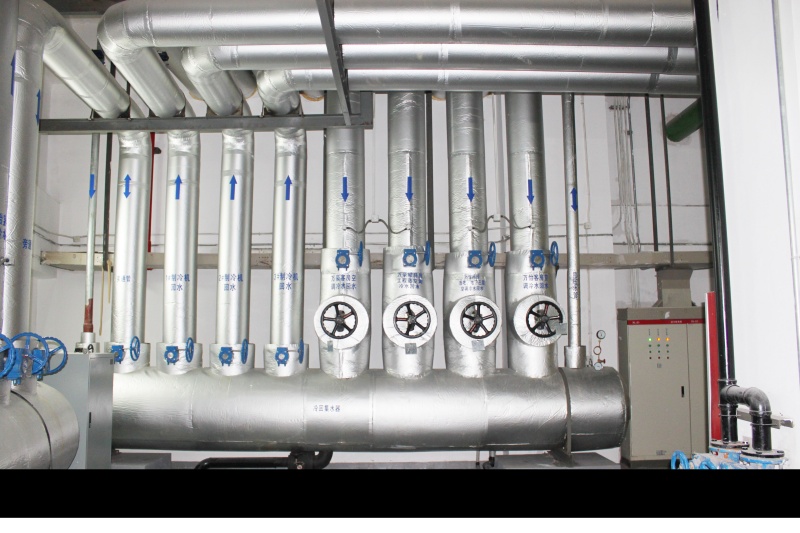
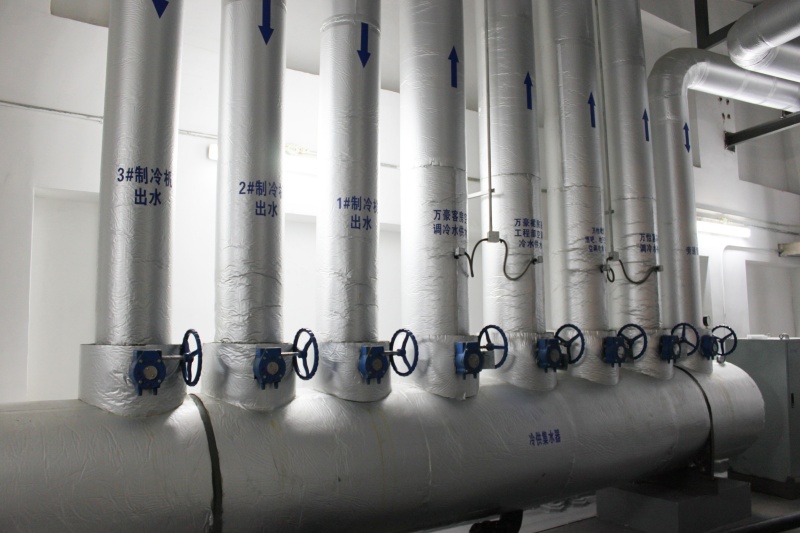
Explore our elite range of flexible cryogenic and high-temperature elastomeric thermal insulation systems designed for offshore vessels, LNG carriers, and industrial infrastructure.
Insights into the technical parameters, compliance protocols, and strategic advancements driving marine thermal management.
The contemporary maritime sector undergoes profound shifts under the weight of ecological mandates (IMO 2030/2050 decarbonization pathways) and the rapid scaling of liquefied natural gas (LNG) carrier fleets. Marine insulation is no longer evaluated simply as a thermal barrier; it is analyzed as a critical component in mitigating Boil-Off Gas (BOG), ensuring mechanical safety, and optimizing fuel economy.
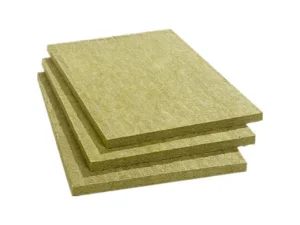
Globally, shipbuilding complexes across East Asia and Europe require strict compliance with international standards such as SOLAS, MED (Marine Equipment Directive), and specific Classification Society approvals (DNV, ABS, Lloyd’s Register). High-grade elastomeric materials, closed-cell NBR/PVC structures, and advanced rock wool composites form the core architecture of defensive barriers against thermal transmission and acoustic disruption on modern vessels.
As energy infrastructure relocates offshore, the deployment of Floating Liquified Natural Gas (FLNG) and Floating Storage Regasification Units (FSRU) has generated unprecedented demand for flexible insulation systems operating at cryogenic levels (down to -163°C and below). Traditional rigid polyurethane systems are systematically replaced or augmented with advanced flexible cryogenic systems such as Dolefin and elastomeric multi-layered configurations.
Furthermore, safety engineers prioritize the prevention of Corrosion Under Insulation (CUI). Non-wicking, highly water-impermeable elastomeric foams with high water vapor diffusion resistance factors (μ ≥ 7000) are engineered to prevent moisture condensation on carbon and stainless steel piping, significantly extending the life cycles of critical piping networks on ships.
How molecular configurations and advanced cell geometry define the next generation of insulation materials.
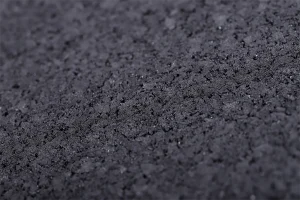
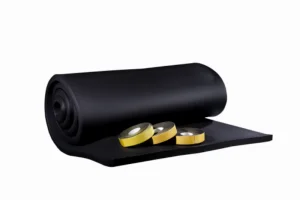
By adjusting our NBR/PVC chemical formulations, we form a high-density, closed-cell matrix exceeding 98%. This tiny bubble architecture stops thermal radiation and blocks moisture ingress, ensuring long-term thermal efficiency in high-humidity offshore environments.
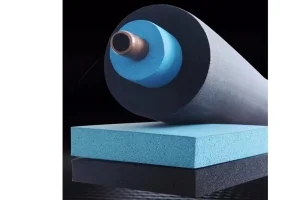
Designed for extreme conditions down to -200°C, our specialized Dolefin cryogenic range handles cold system shrinkage without cracking. It provides a reliable alternative to traditional rigid systems for cold-chain pipelines and LNG tanks.
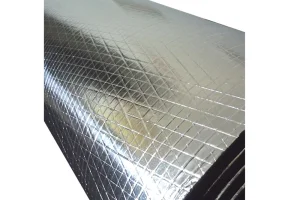
Combining rubber foam with rugged aluminum foil layers creates a composite material that resists ozone, UV degradation, mechanical impact, and chemical spills. This makes it highly durable for exposed decks and heavy-duty engine rooms.
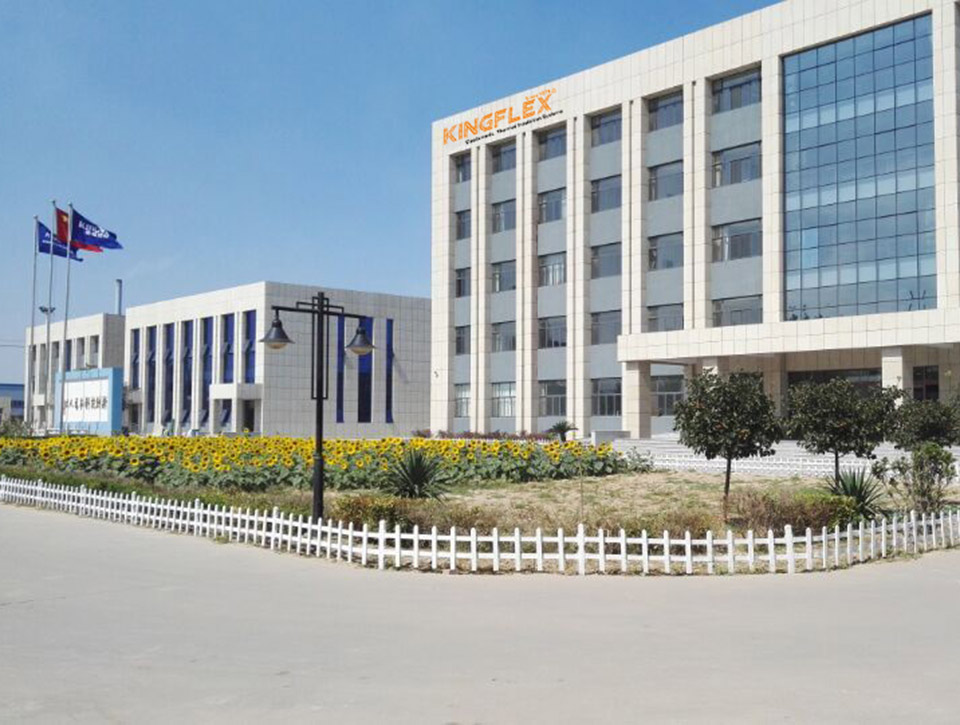
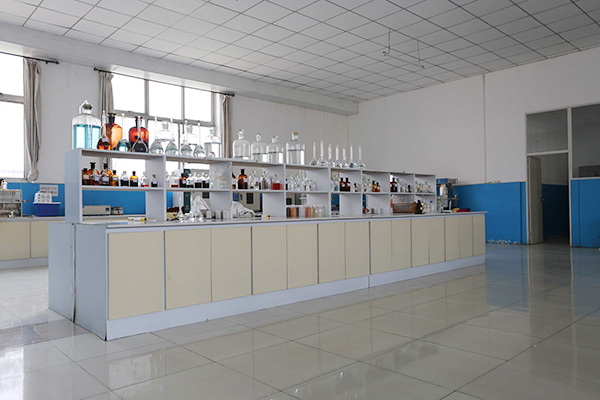
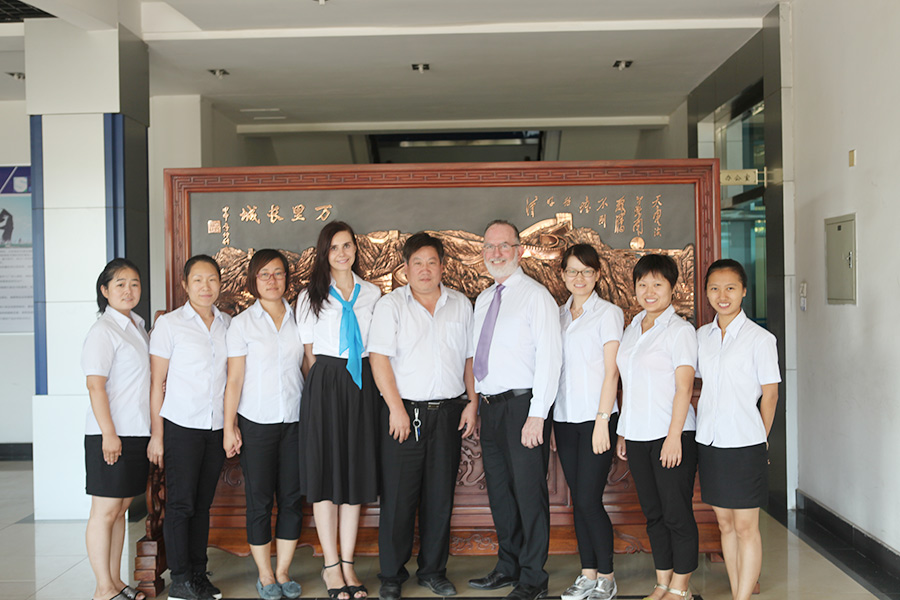
Kingflex Insulation Co., Ltd. represents a premium manufacturing and trading combo specializing in thermal and acoustic insulation products. Located within Dacheng, China—a renowned capital of green-building materials—our state-of-the-art facilities concentrate on energy-saving and environmentally friendly production paradigms.
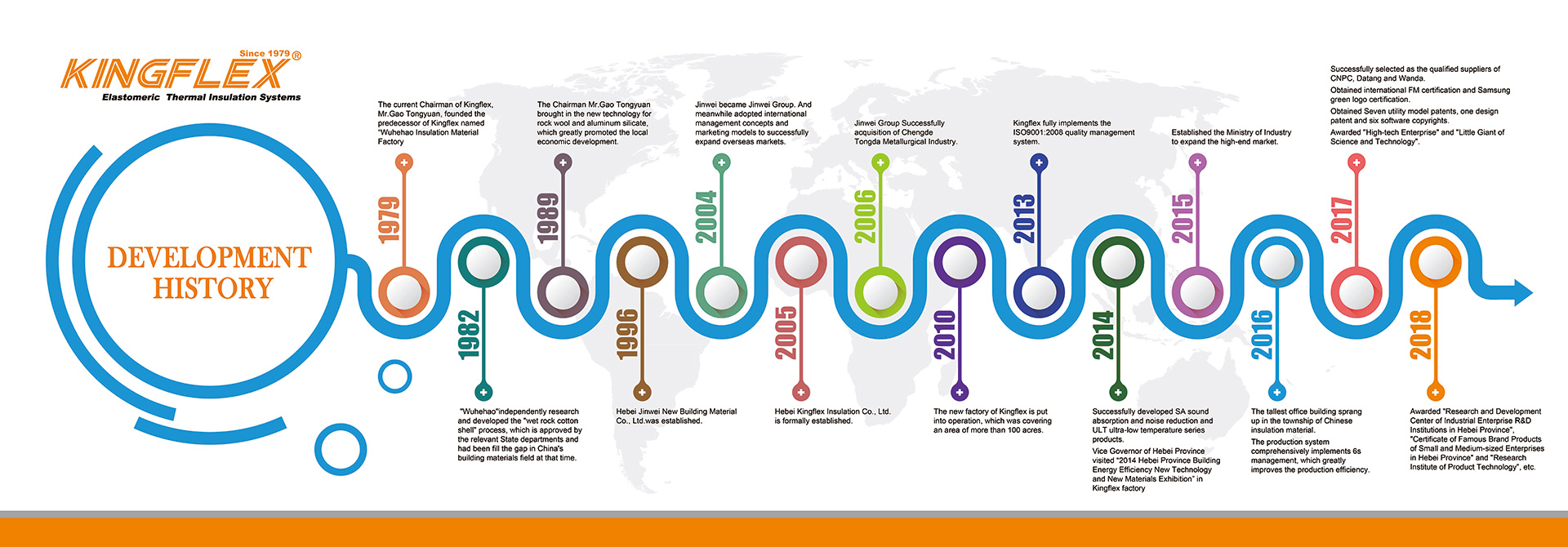
Established by the Jinwei Group, which possesses over 40 years of industrial history, Kingflex carries forward a legacy that began in 1979 as the first manufacturer of thermal insulation materials north of the Yangtze River. Today, we deliver holistic, customized insulation systems for the world's most challenging marine and industrial projects.
| Parameter | Industrial Performance Capability |
|---|---|
| Production capacity | 5 automated assembly lines, >600,000 m³ annually |
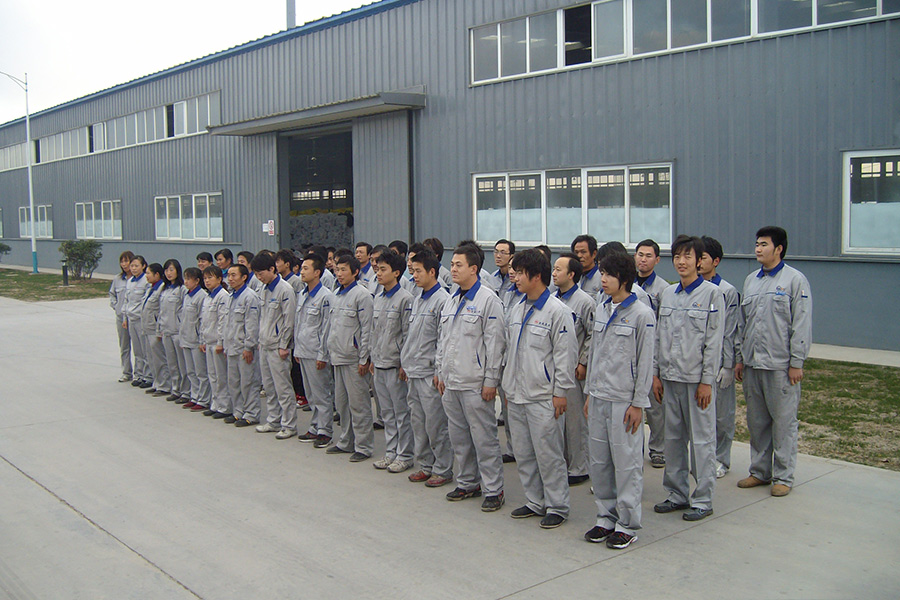
| Staff composition | 8 R&D Engineers, 6 International Sales, 230 Production Staff |
| Core Markets | Exported to 66+ countries over the past 16 years |
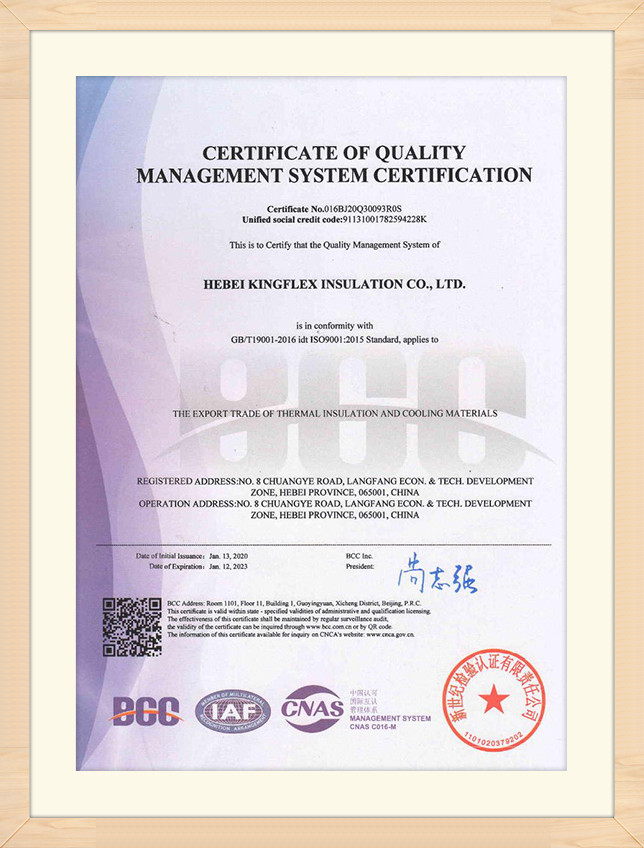
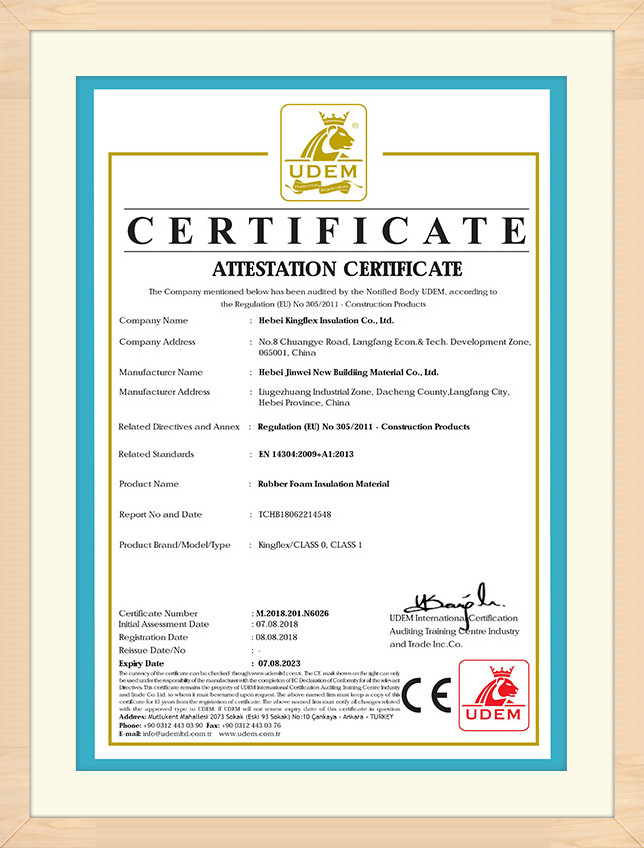
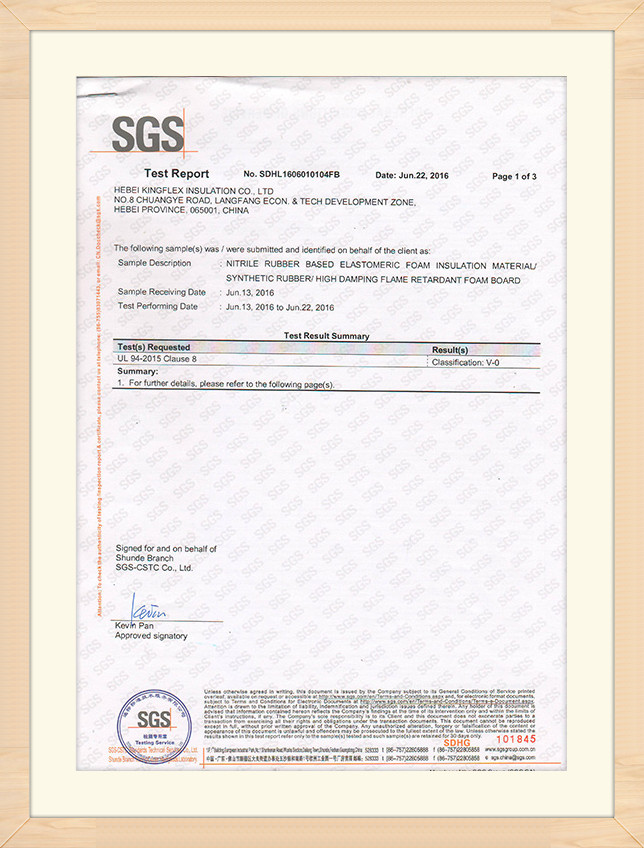
| Regulatory compliance | BS 476, CE, REACH, ROHS, UL94, ASTM, ISO9001 |
From bulk cargo ships to high-end LNG carriers, our systems are optimized for safety, thermal efficiency, and longevity.
Engineered to prevent pipe freezing, condensation, and energy loss on chilled water lines and HVAC ducting. The high water vapor transmission resistance prevents structural degradation and mold growth behind bulkheads.
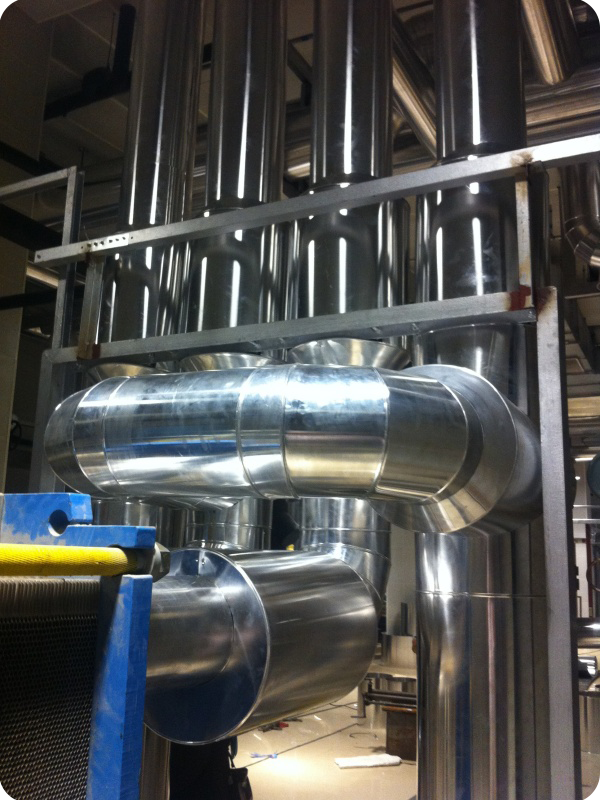
Specially developed multi-layered elastomeric NBR and Dolefin systems designed to operate at extreme sub-zero levels, limiting thermal leakage on gas liquefaction and regasification pipe networks.
Utilizing open-cell elastomeric configurations to absorb airborne sound and mitigate engine vibrations, creating safe, comfortable environments for crews in living quarters.


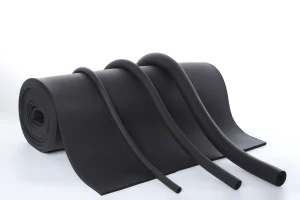
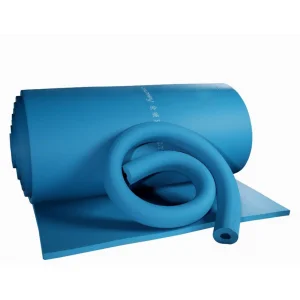
Detailed physical characteristics of Kingflex Standard NBR/PVC Rubber Foam insulation sheets and tubes.
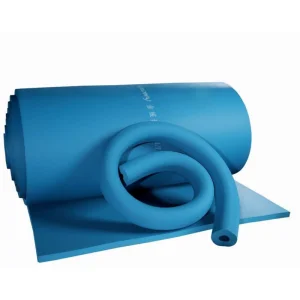
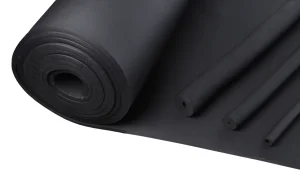
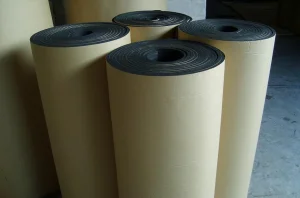
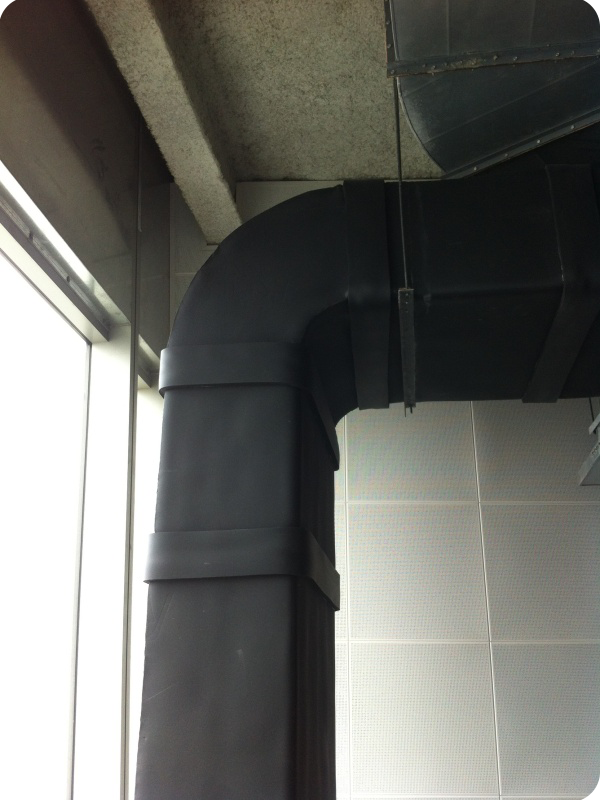
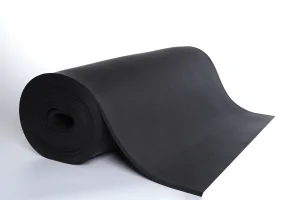
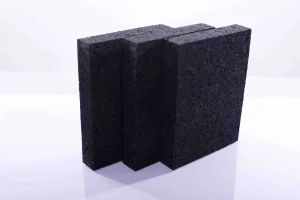
Designed for large-diameter ducts, ventilation casing, large-bore piping, and curved vessels. Easy to cut and install, providing uniform thermal resistance.
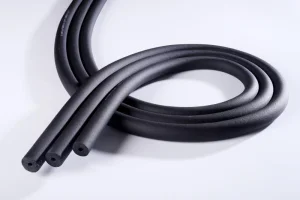
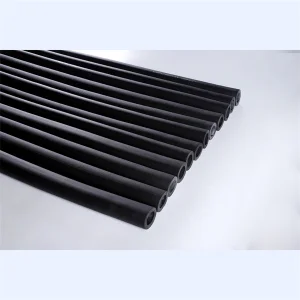
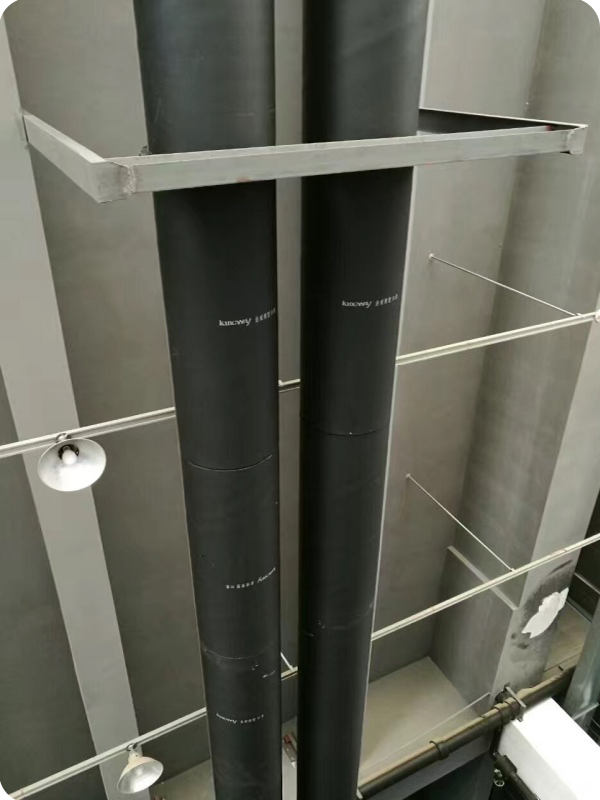
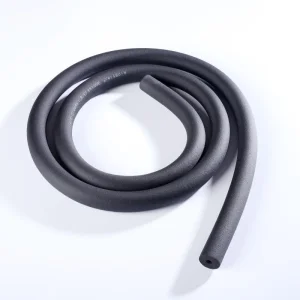
Specifically extruded for seamless sliding onto copper or steel tubes. Greatly minimizes condensation risk and pipe crack issues caused by thermal expansion/contraction cycles.


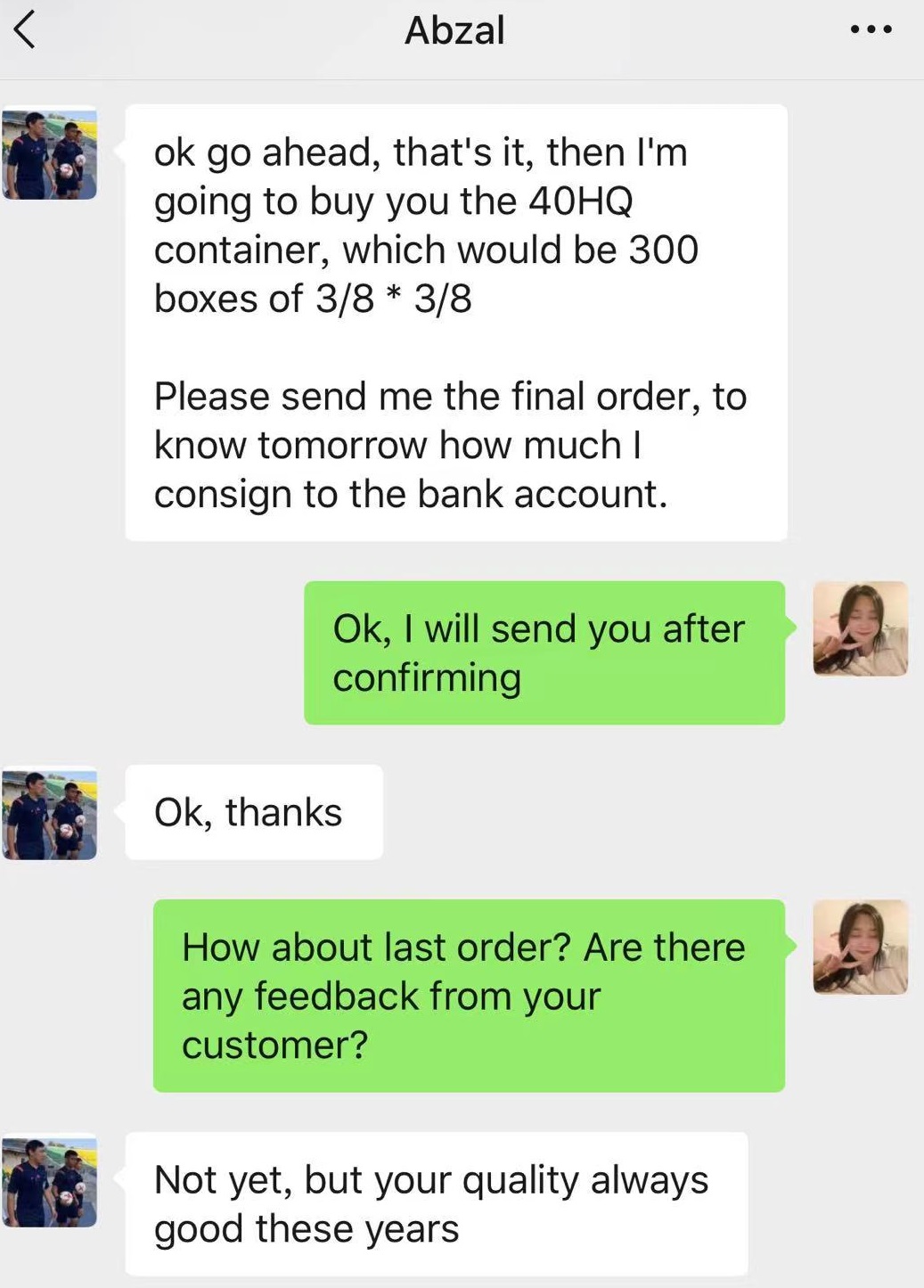
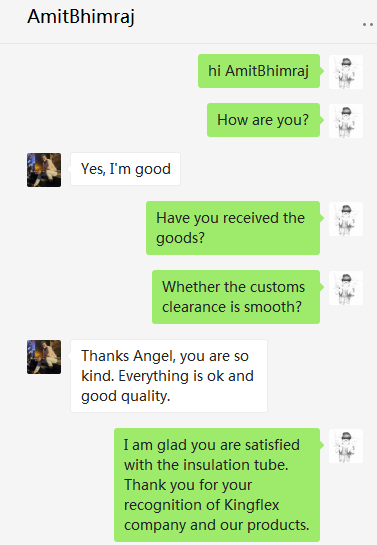
Transparent communication, quick response times, and tailored project support are the foundations of our international partnerships.
We believe that complete project visibility creates long-term trust. That is why every batch of Kingflex elastomeric foam insulation sheets and tubes is fully traceable from raw chemical mixing to final loading.

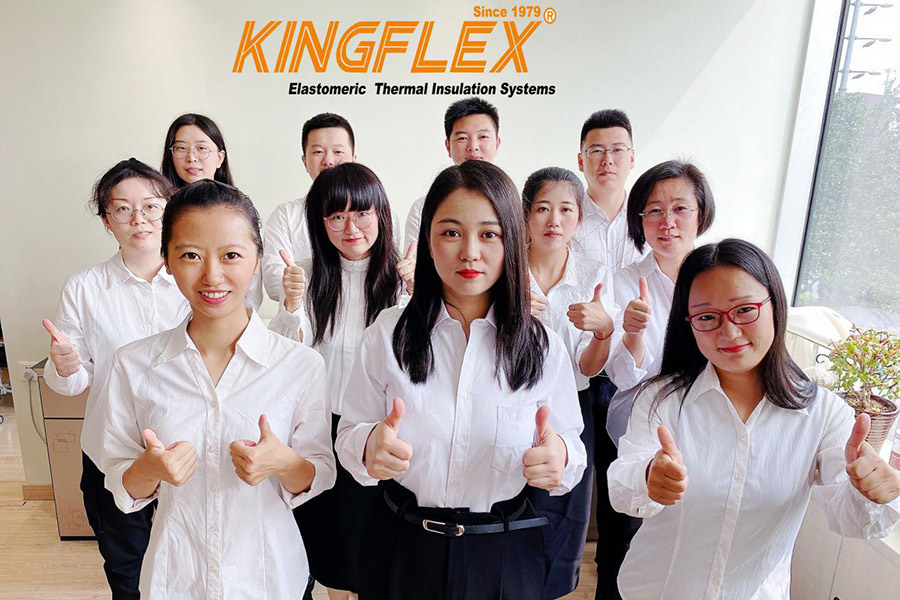
Whether navigating complex marine certifications (BS 476, ASTM) or shipping custom shapes and sizes under tight deadlines, our sales and engineering teams offer 24/7 technical support.


Technical answers to key questions about elastomeric, cryogenic, and rock wool insulation performance in marine applications.
Discover more specialized elastomeric and composite solutions for marine and industrial piping systems.