The cost structure of copper tubes for Split AC installations is complex and highly correlated with global raw material indexes, manufacturing efficiency, and integrated thermal insulation pairings. For HVAC procurement managers, understanding the dynamics of the China cost of copper tube for split AC requires assessing both raw copper processing rates and the associated cost of protective thermal barriers. Without proper insulation, the thermal transfer inefficiencies of raw copper tubing can degrade modern split AC units, resulting in increased power consumption and environmental non-compliance.
Raw copper fluctuates according to London Metal Exchange (LME) and Shanghai Futures Exchange (SHFE) values. In split AC lines, the structural wall thickness (ASTM B280 compliance) and insulation quality determine the actual Total Cost of Ownership (TCO). Balancing wall gauge and insulation ensures optimal system pressure rating without over-purchasing raw copper volume.
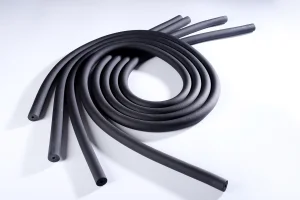
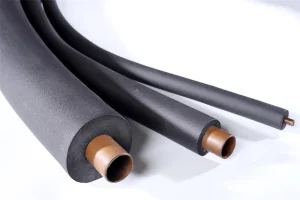
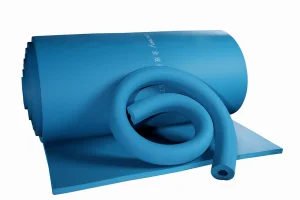
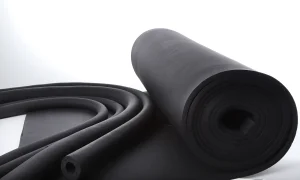
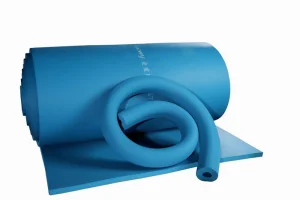
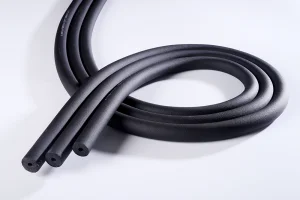
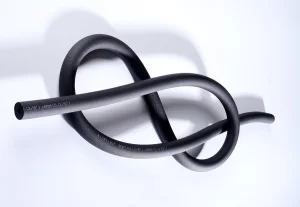
Modern copper tubes for split AC are pre-insulated at factories or wrapped on-site. Using premium elastomeric NBR/PVC closed-cell jackets reduces energy loss by preventing sweating and condensation. This structural synergy improves energy efficiency ratios (EER) of split systems, offsetting initial pipeline material expenses.
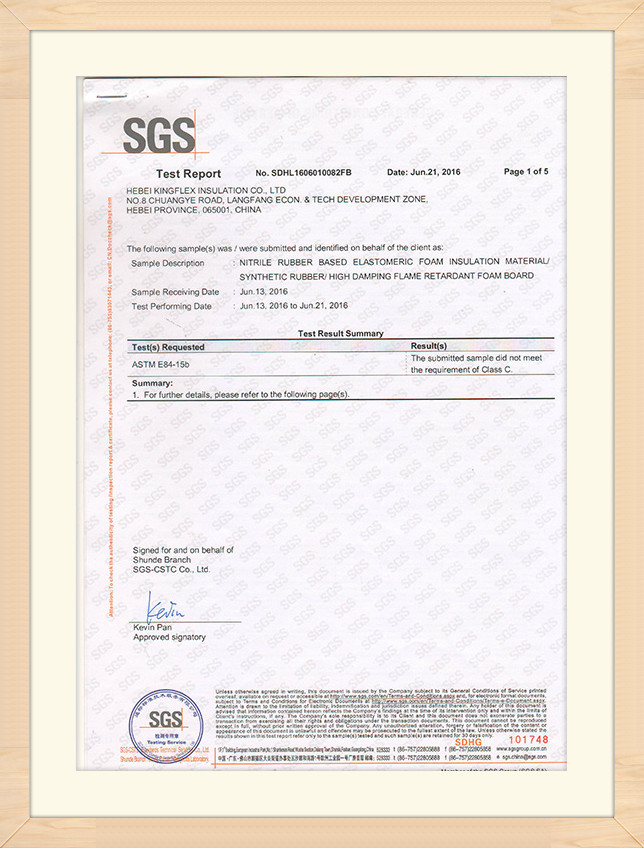
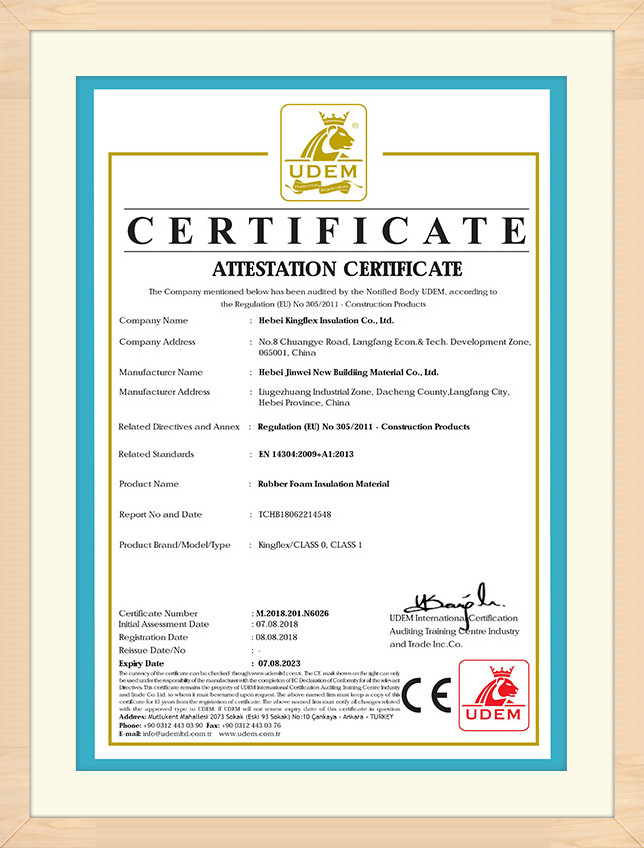
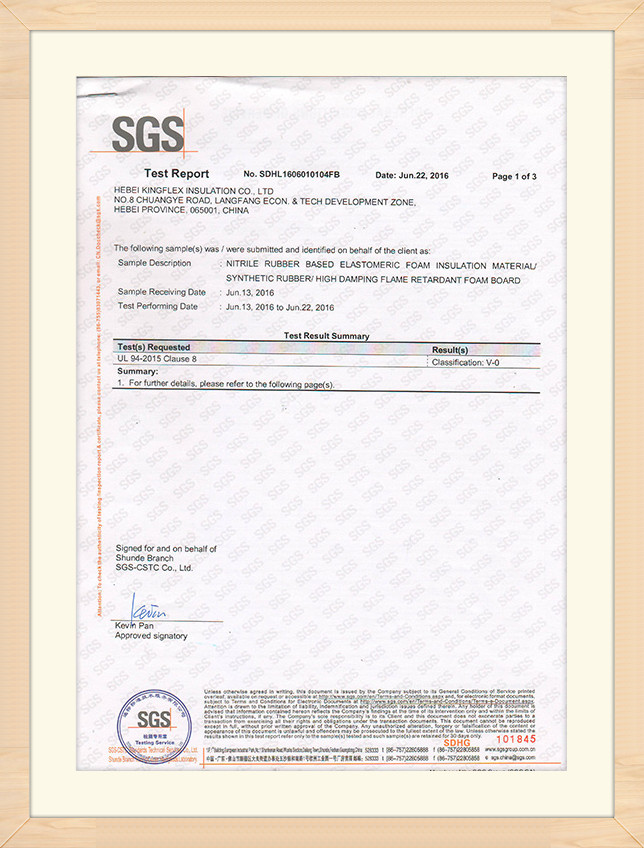
Environmental standards restrict VOC emissions and require high flame retardancy (Class 0 / Class 1 BS 476, ASTM E84, CE, UL94). Factories in China that supply complete, verified systems assure trouble-free project approvals in demanding jurisdictions such as the EU, Middle East, and North America.
Achieving system optimization requires matching copper specifications with the physical properties of the insulation material. The table below highlights the standard physical properties of elastomeric foam insulation materials commonly paired with copper pipes to optimize performance and reduce lifetime energy costs.
| Material Parameter | Kingflex Standard Spec (NBR/PVC) | Operational Sourcing Benefit |
|---|---|---|
| Thermal Conductivity (λ) | ≤ 0.034 W/(m·K) at 0 °C | Minimizes heat gain/loss along the split AC copper line set. |
| Moisture Resistance (μ) | ≥ 10,000 (Closed-cell rate > 98%) | Prevents condensation on copper tubing, preventing corrosion. |
| Operating Temperature | -40 °C to +105 °C | Suited for dual heating & cooling VRF / multi-split cycles. |
| Density | 40 - 55 kg/m³ | Optimizes mechanical stability and ease of installation around bends. |
| Fire Safety Classification | BS 476 Part 7 Class 1 / UL94 V-0 / ASTM E84 | Meets high building safety standards and mitigates smoke hazards. |
Purchasing raw copper tubes represents only one part of the HVAC project cycle. To maximize long-term savings, consider these key usage areas:
1. Central Air Conditioning Systems: Insulated copper lines prevent thermal energy losses over long transport lengths in commercial complexes.
2. Anti-Condensation Layouts: In humid climates, NBR foam prevents sweating that can damage drywall and ceiling systems.
3. Solar and Hot Water Lines: High-temperature stability enables NBR/PVC jackets to insulate hot-water copper tubing up to 105 °C.
4. Industrial Process Pipelines: Prevents pipeline corrosion in chemical plants by keeping corrosive elements away from the copper outer surface.
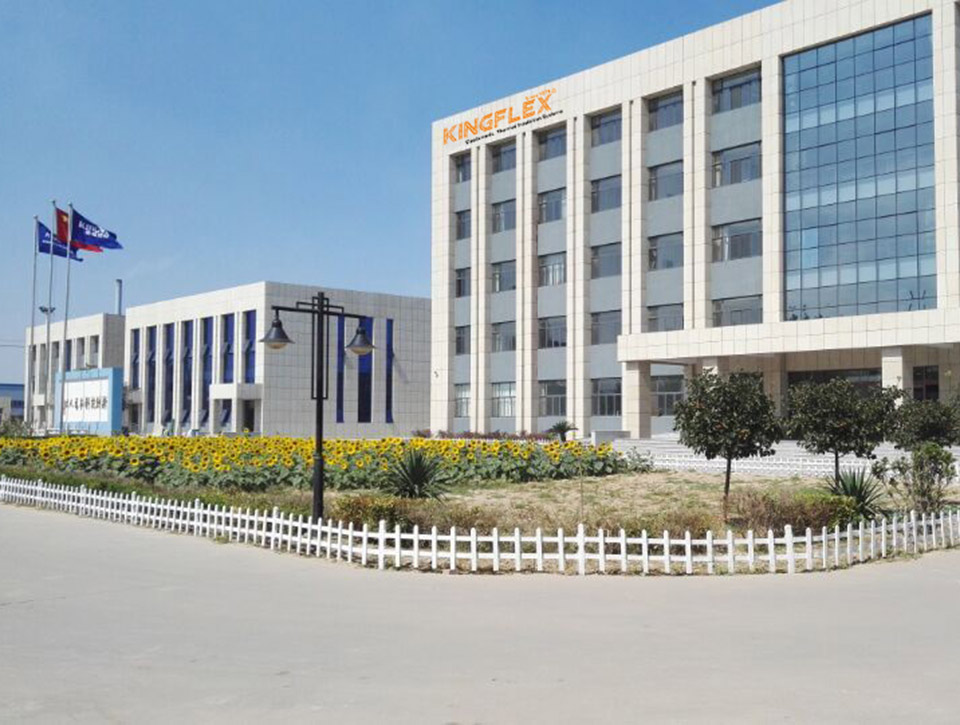
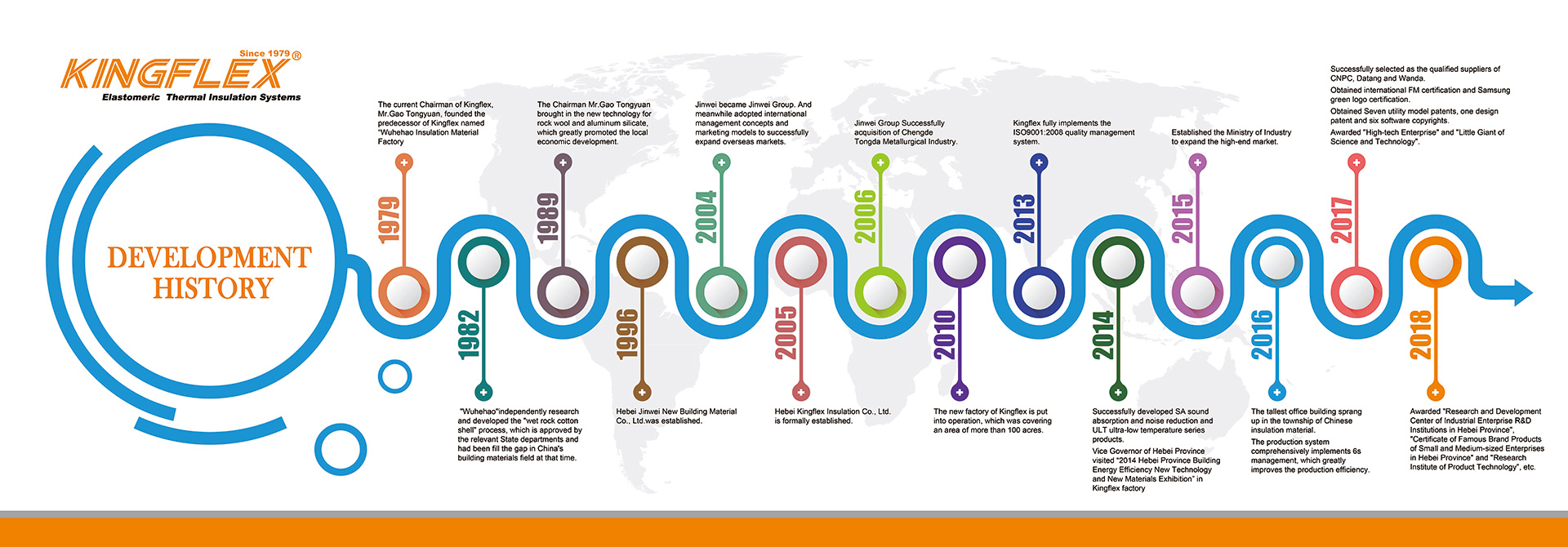
Established under the parent entity Jinwei Group (founded in 1979 as the pioneer manufacturer of thermal insulation materials north of the Yangtze River), Kingflex Insulation Co., Ltd. represents a modern manufacturing and trading configuration. We specialize in producing energy-saving, environmentally responsible insulation materials that complement high-performance copper tubing systems globally.
Operating from Dacheng, China—known as the capital of green building materials—Kingflex integrates R&D, advanced high-capacity production lines, and global logistics support. We design systems that help reduce consumption, maintain pressure integrity, and control heat transfer in residential and industrial settings.
"Supply customers all over the world with a full set of energy saving insulation system solutions."
Currently, Kingflex runs 5 large-scale automated assembly lines, delivering an annual production capacity exceeding 600,000 cubic meters. We serve as a designated supplier for major energy, chemical, and electrical projects worldwide.
Modern extrusion lines guarantee uniform closed-cell structure and dimensional consistency.
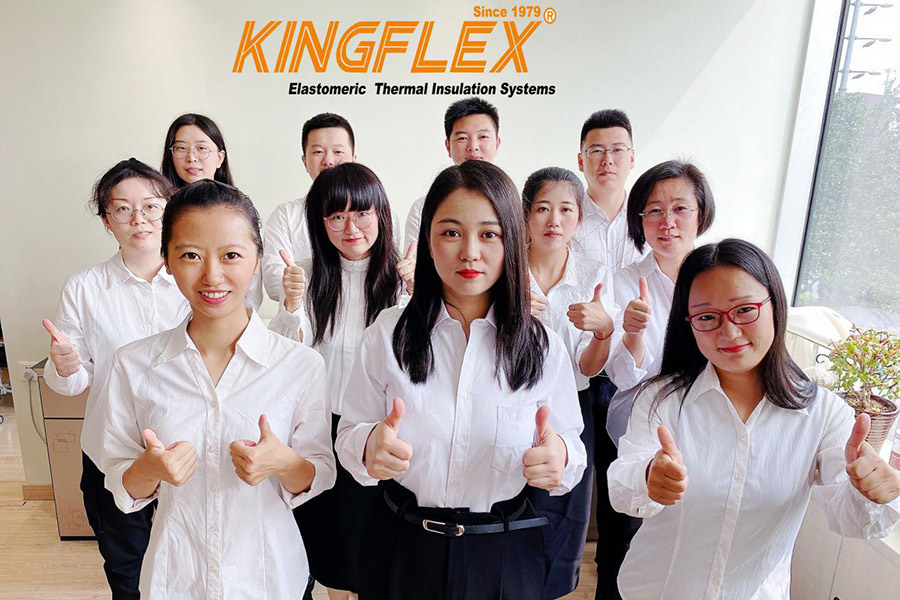
8 dedicated R&D engineers, 6 international sales experts, and 230 production workers.
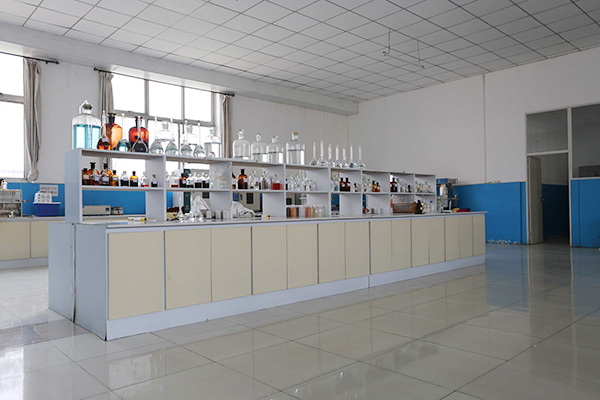
Advanced testing instrumentation verifies thermal performance and fire ratings before shipment.
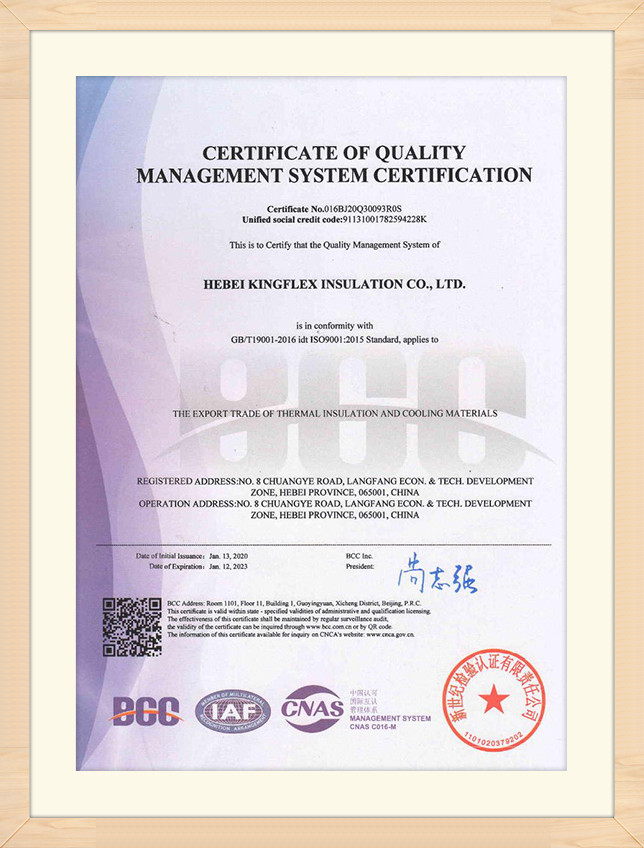
To align with international compliance requirements, Kingflex insulation products undergo regular third-party testing. Our manufacturing operations maintain full traceability to help ensure consistent quality.
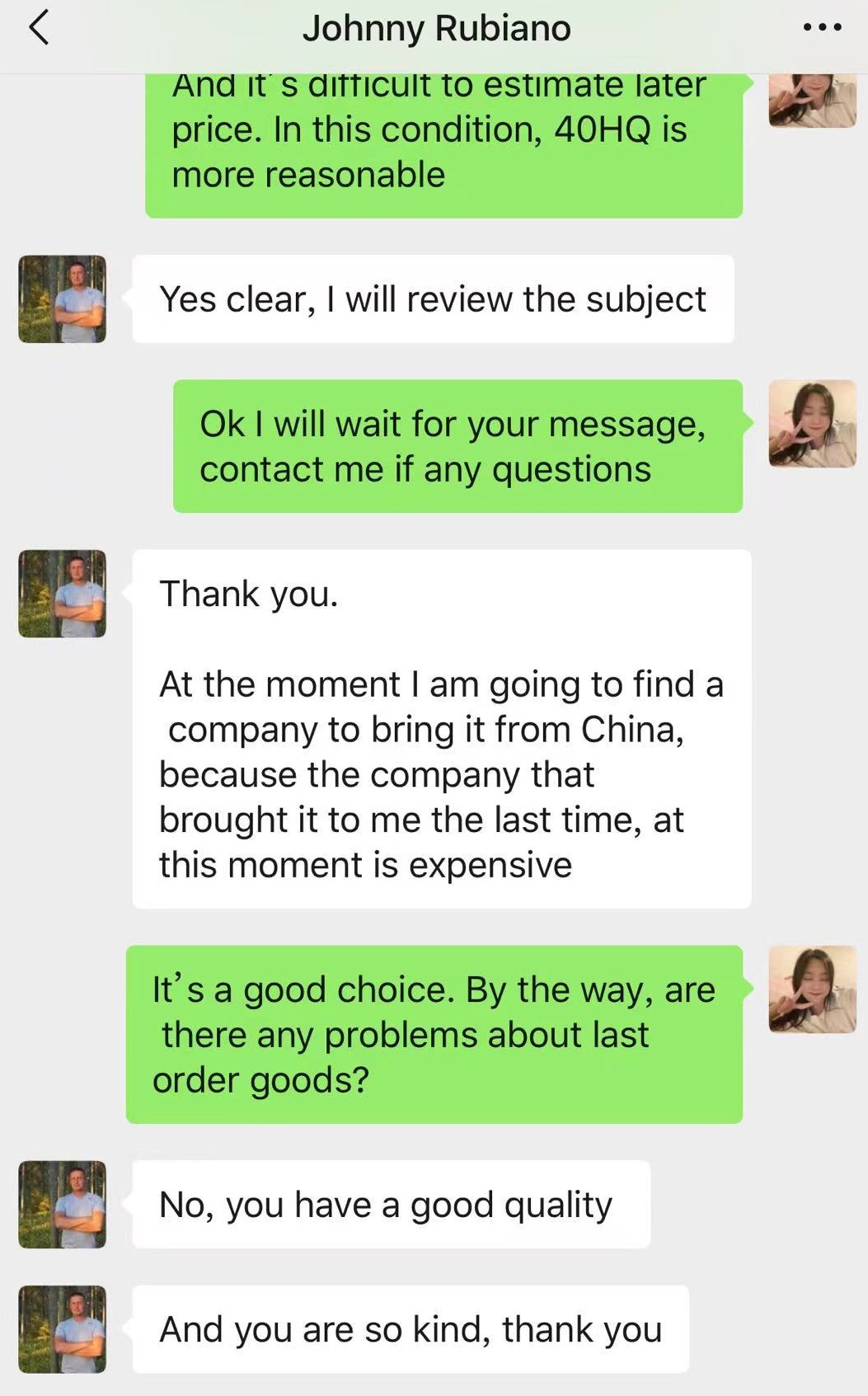
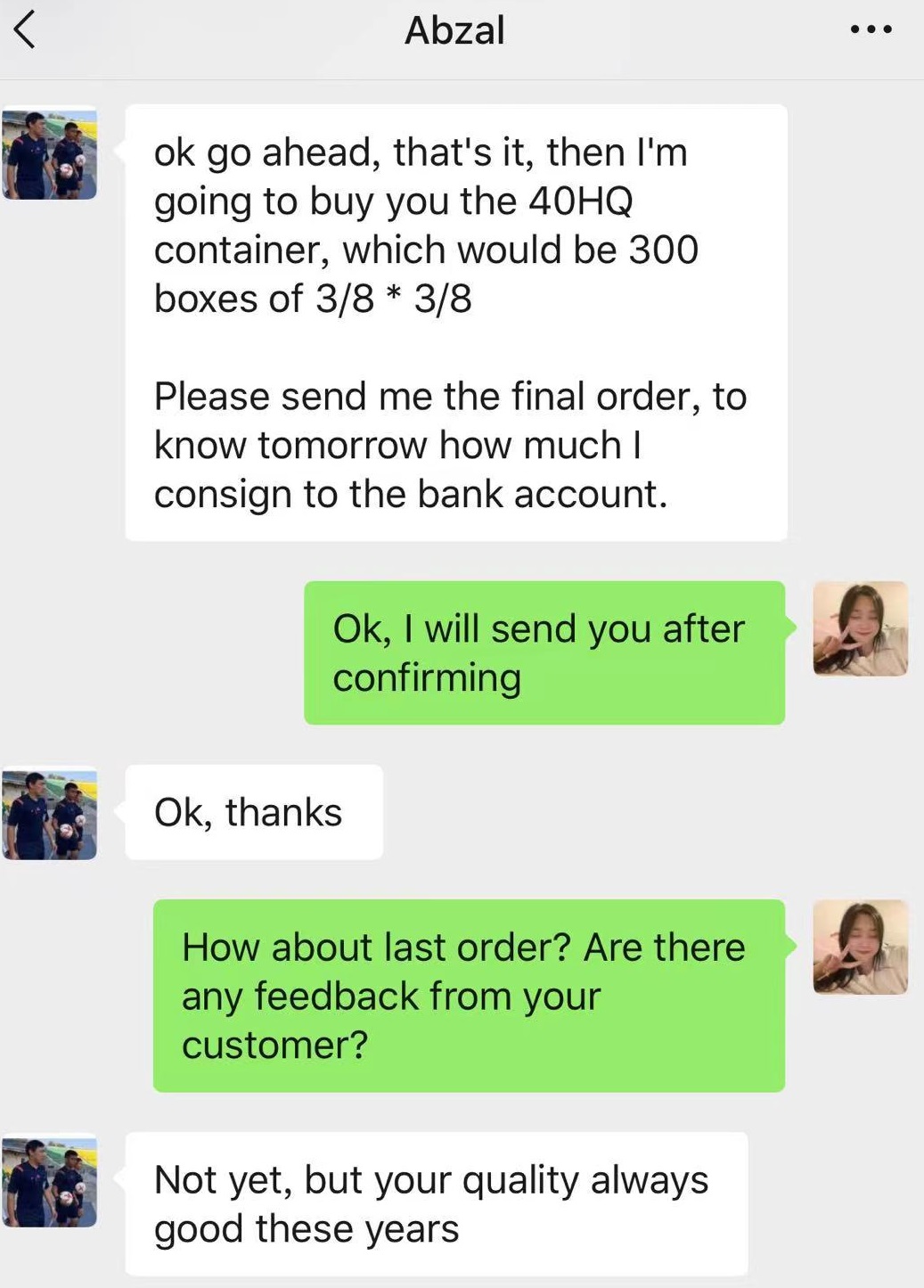
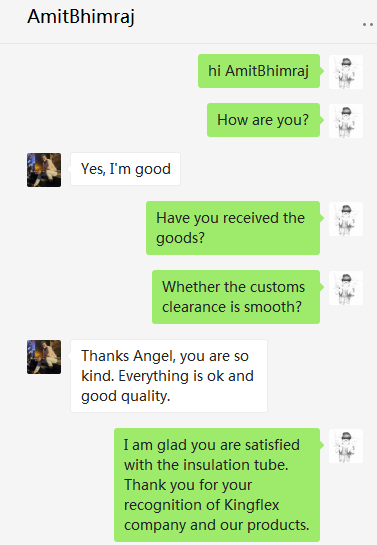
We export to over 66 countries. Below are verified feedback logs showing procurement requests, specifications, and project deliveries for split AC installations and industrial thermal piping projects.
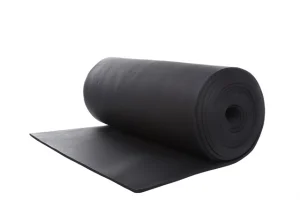
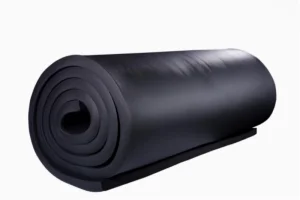
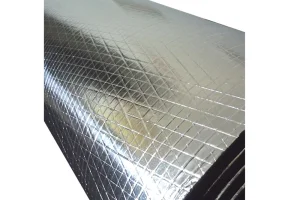
Used to wrap larger copper lines, valves, elbows, and air ducts in central multi-split configurations.
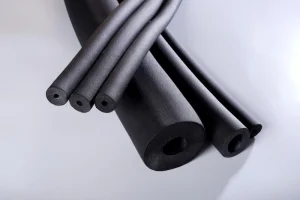
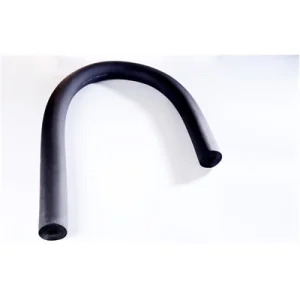
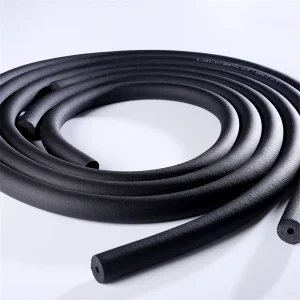
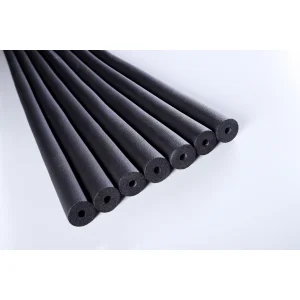
Fitted directly over copper tubing for split AC installations during or after piping installation.
The HVAC industry is evolving toward higher efficiency and more environmentally responsible components. These three trends impact how copper lines and insulation are sourced:
Newer refrigerants require consistent copper wall thickness to handle higher operating pressures. This highlights the importance of reliable insulation to prevent external temperature swings from creating pressure spikes.
To lower labor costs, global developers are sourcing integrated line sets with copper tubing pre-jacketed in NBR insulation straight from the factory. This simplifies logistics and speeds up on-site installation.
Modern commercial projects require zero-ozone-depletion materials. Using dust- and fiber-free NBR insulation helps improve indoor air quality (IAQ) and compliance with green certifications.
A1: It is primarily used for HVAC ducts, air conditioning lines, building thermal insulation, and cold/noise insulation on industrial piping systems.
A2: Yes. Our rubber foam insulation is formulated with flame retardants, meeting standard safety requirements for commercial and industrial construction projects.
A3: Rubber foam is flexible, has a closed-cell structure, and resists moisture penetration, making it well-suited for refrigeration lines and general HVAC. Rock wool resists high temperatures and is suited for high-temperature industrial steam lines.
A4: Yes. We offer OEM fabrication to meet specific project dimensions, inner diameters, and wall thicknesses.
A5: Our materials have passed BS 476, CE, REACH, RoHS, UL94, and ASTM testing to ensure compliance with major international building codes.
A6: Yes. Every production run is tracked, enabling full quality control follow-up from raw material batches through finished delivery.
A7: We manufacture sheets in thicknesses ranging from 6mm to 50mm to meet various thermal performance requirements.
A8: Under standard operational conditions and when properly installed, the material has a service life of approximately 10 to 15 years.
A9: Copper tube pricing is closely tied to global commodity markets. By sourcing insulation and copper components through coordinated channels in China, buyers can often optimize fabrication and logistics costs.
A10: A high closed-cell rate (such as Kingflex’s >98%) helps prevent moisture migration. This maintains low thermal conductivity and protects the copper tubing from moisture-induced corrosion.