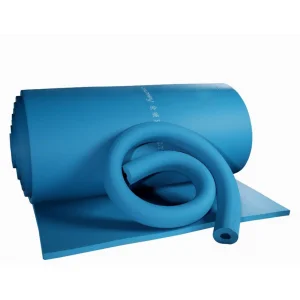
The Industrial Demand for Precise Acoustic & Thermal Insulation
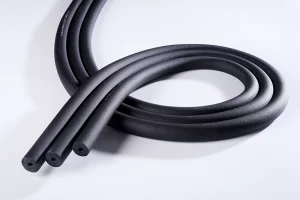
Modern building codes, hyper-scale datacenter cooling infrastructure, and large industrial production facilities demand unprecedented levels of performance from acoustic and thermal insulation systems. No longer are generic open-cell polyurethanes sufficient for complex commercial tasks. High-performance, cross-linked elastomeric closed-cell NBR/PVC structures have emerged as the global standard for industrial noise abatement, HVAC condensation containment, and cryogenic systems.
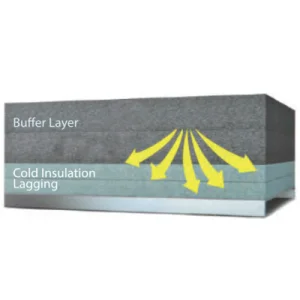
By preventing structural moisture penetration and utilizing sound-energy dispersion through uniform microporous air cells, elastomeric insulation plays an indispensable role in maintaining acoustic health and optimizing thermal envelope efficiency worldwide.
Semantic Intelligence Note
Accurate acoustic optimization requires calculating specific frequency thresholds (specifically, frequencies from 125 Hz to 4000 Hz) to configure absorption coefficients. Read below for our deep dive into acoustic calculator algorithms.
How the Acoustic Foam Calculator Works
Understanding the physics of reverberation control, absorption coefficients, and material configurations.
1. Volume & Boundary Conditions
Calculates the total three-dimensional volume ($V = L \times W \times H$) and surface area ($S$) of the target space. Inputting existing boundary materials determines initial decay patterns.
2. Reverberation Target (RT60)
Calculates the decay time required for sound energy to drop by 60 decibels. Typical targets are 0.4s to 0.6s for speech and 1.0s to 1.5s for industrial environments.
3. NBR/PVC Cell Absorption
Determines necessary thickness (ranging from 6mm to 50mm) and density ($40\text{–}55\text{ kg/m}^3$) of elastomeric foam to optimize acoustic wave attenuation via air-cell friction.
The Mathematical Formula behind Sabine's Calculation
Engineers calculate required absorption area using Sabine’s Formula:
$$A = 0.161 \times \frac{V}{RT_{60}}$$
Where A is the total absorption in Sabins, V is the room volume in cubic meters, and $RT_{60}$ is the target reverberation time. Subtracting current absorption yields the exact surface coverage required of Kingflex elastomeric foam sheets.
40+
Years of Group Heritage
600,000+
m³ Annual Production Capacity
66+
Exporting Countries Globally
8
Senior R&D Engineers
Technical Parameters & Dimensions
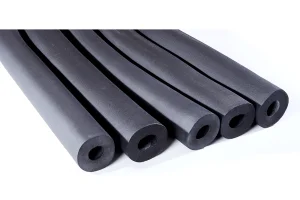
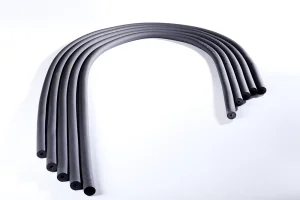
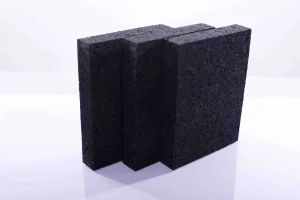
Standard engineering criteria for Kingflex elastomeric NBR/PVC sheets and pre-formed pipe insulations.
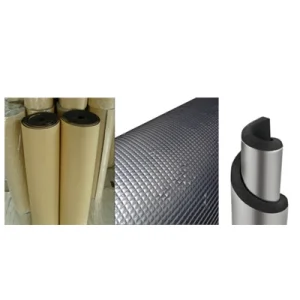
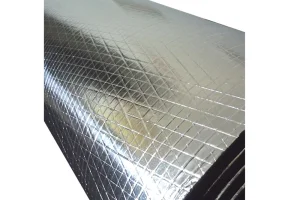
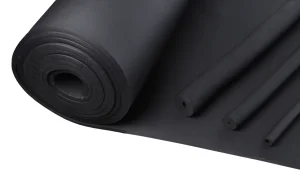
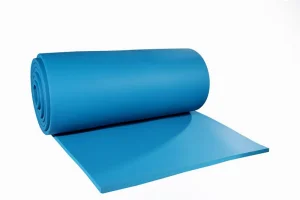
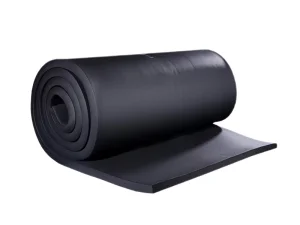
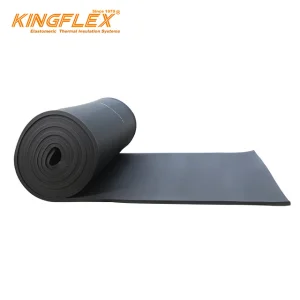
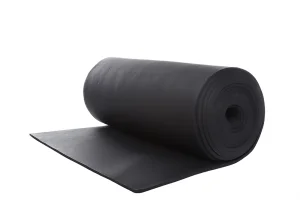
Black Rubber Foam Insulation Sheet Roll
Highly adaptable rolls suitable for large-diameter pipelines, ventilation duct walls, and specialized structural enclosures.
Application Scope: Condensation prevention and heat-gain limits on HVAC fluid loops
Performance Indicator
Reference Standards
Test Metrics (Kingflex Standard Values)
Acoustic & Thermal Impact
Thermal Conductivity ($\lambda$)
ASTM C518 / EN 12667
$\le 0.034 \text{ W/(m}\cdot\text{K)}$ at 0℃
Exceptional heat transfer control in chilled water and HVAC operations.
Moisture Permeability
BS EN 12086
Water vapor diffusion resistance factor $\mu \ge 10,000$
Eliminates structural deterioration and mold propagation risks.
Fire Hazard Rating
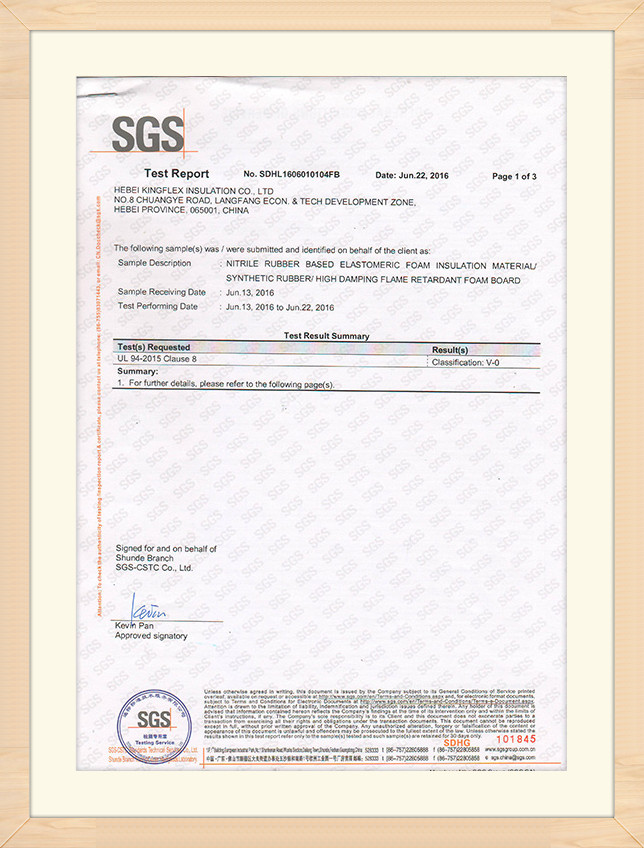
BS 476 Part 7 / UL 94
Class 0 / Class 1 / V-0 self-extinguishing
Enhances structural safety and prevents flame propagation.
Sound Transmission Class (STC)
ASTM E90
Approx. 28 dB to 35 dB (System dependent)
Dampens low to mid-range airborne frequencies in ductwork.
Dimensional Resilience
ASTM C177
Compression recovery rate > 80%
Maintains protective thickness under mechanical load conditions.
Macro Industrial Solutions & Localized Case Scenarios
Optimizing architectural integration, structural acoustics, and thermodynamic integrity across diverse environments.
Central HVAC Ducts
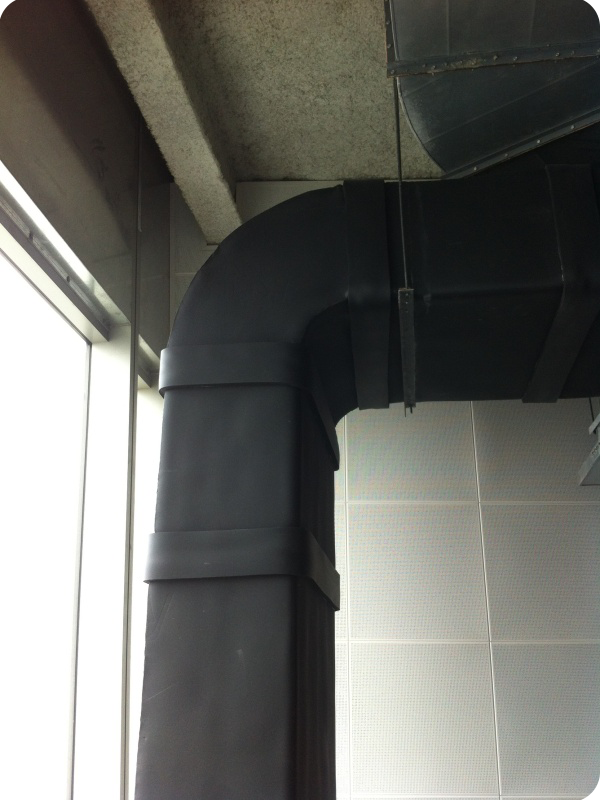
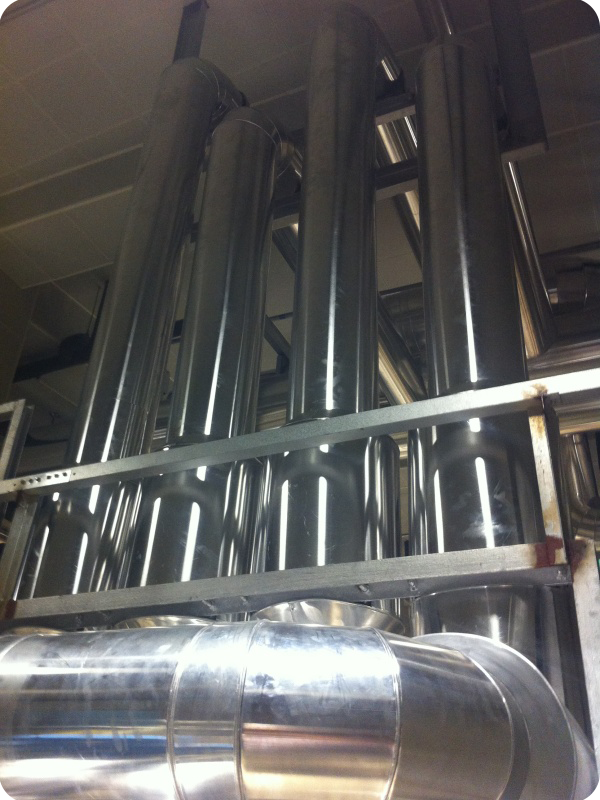
Prevents surface condensation on air ducts while damping acoustic vibration from high-velocity fan systems. Essential for commercial office blocks and hospitals.
Cryogenic Pipeline Arrays
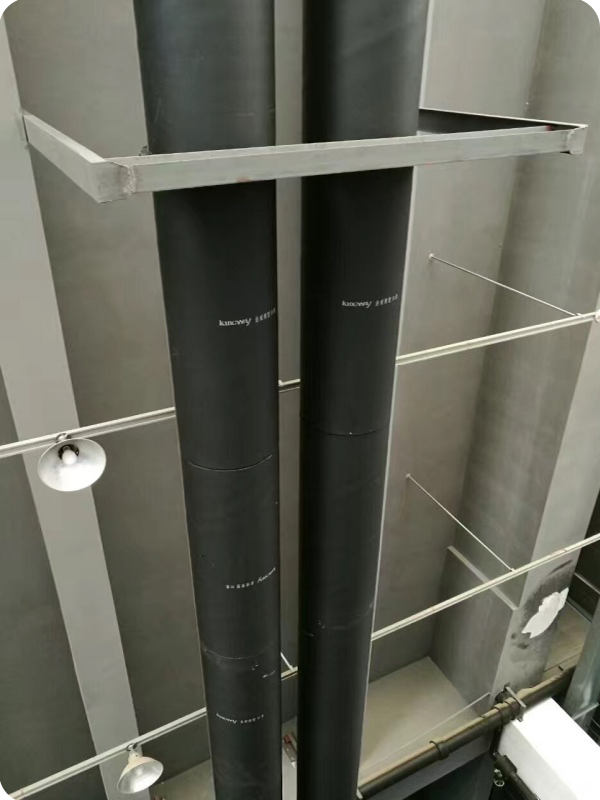
Maintains absolute containment for liquid gas transportation lines down to cryogenic ranges, minimizing external thermal ingress and operational safety hazards.
Process Piping & Storage Tanks
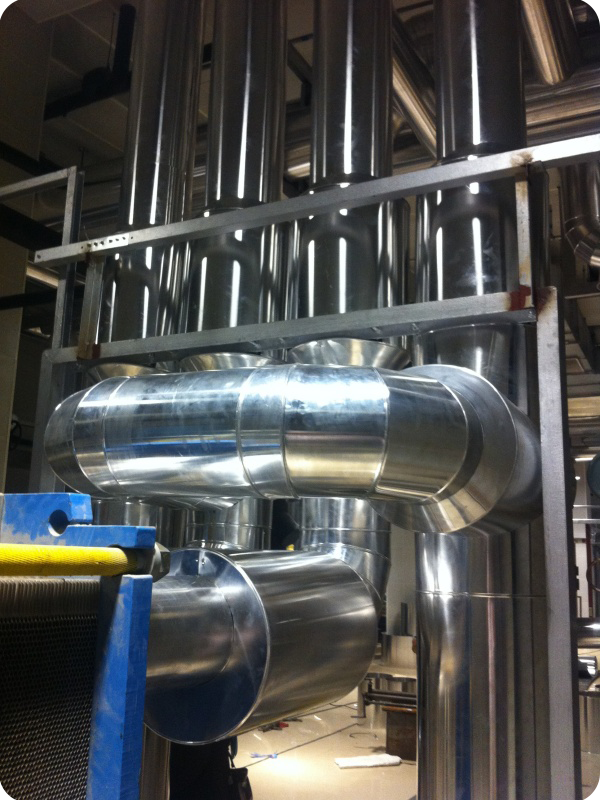
Used widely in chemical refinery systems to secure hot fluid preservation, protect metal surfaces from external atmospheric corrosion, and reduce operational decibels.
40-Year Heritage
About Kingflex Insulation Co., Ltd.
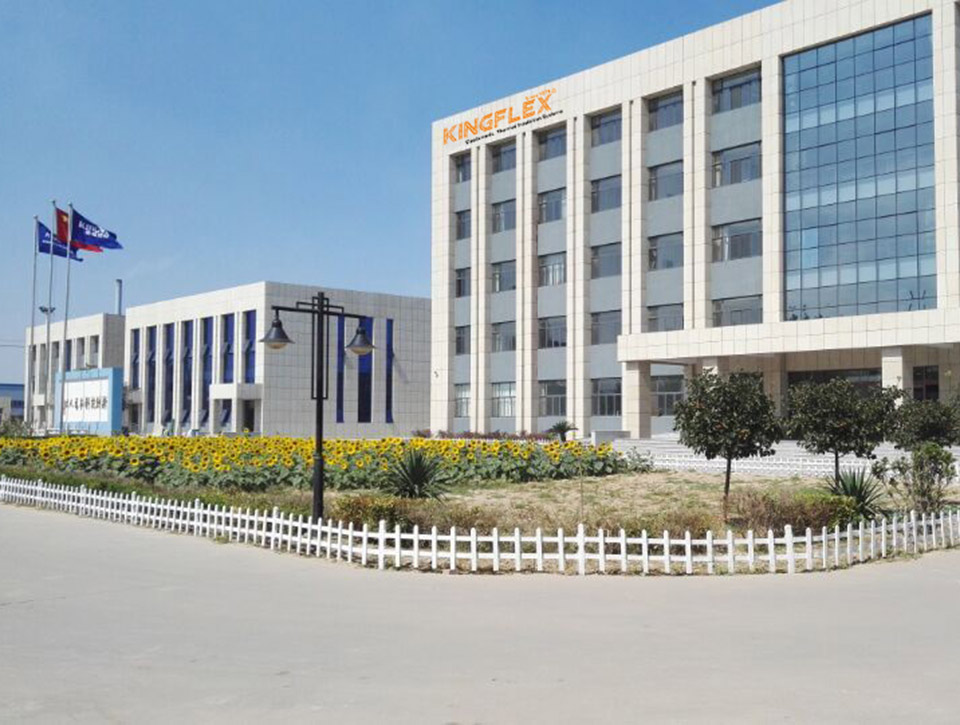
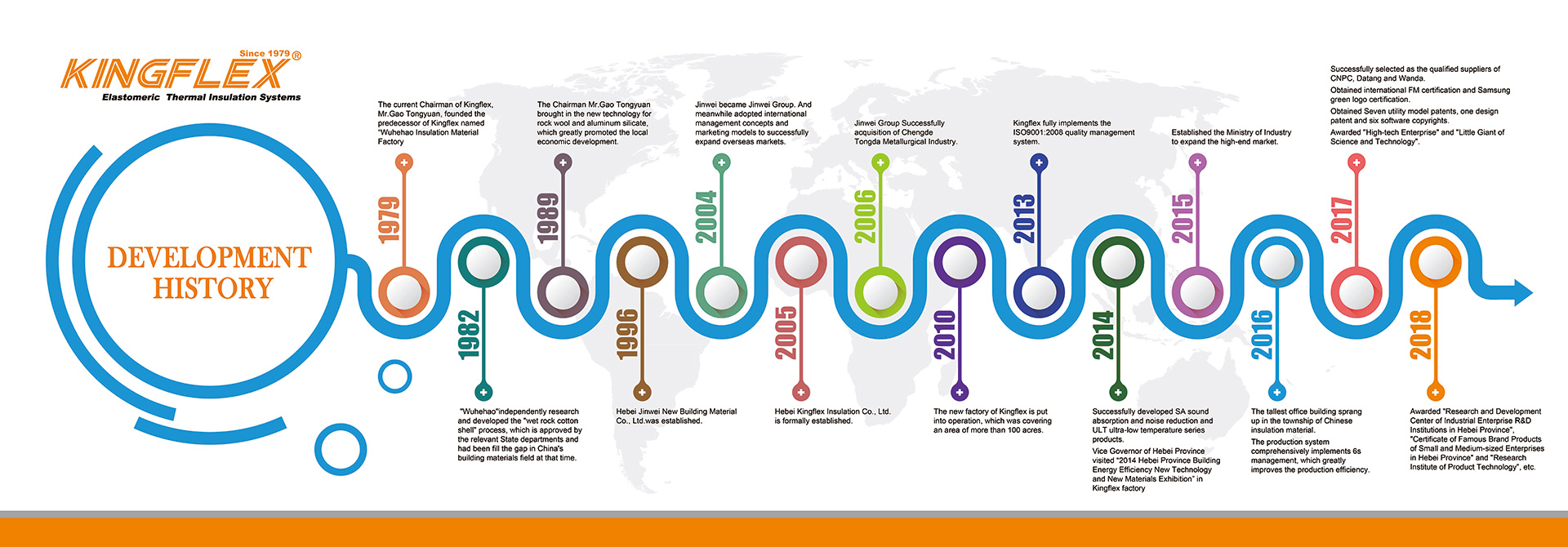
Established under the aegis of the Jinwei Group (founded in 1979), Kingflex stands as the pioneer manufacturer of thermal and acoustic insulation materials north of the Yangtze River. Located in Dacheng, China—the recognized national capital of green building technologies—our company functions as an advanced, eco-conscious industrial powerhouse merging specialized R&D with modern automated manufacturing.
Our guiding operational thesis is energy optimization and system-wide consumption reduction. We support consulting firms, EPC contractors, and global distributors with complete end-to-end solutions, starting from calculation phase validation down to custom thickness sheet fabrication and onsite installation guidelines.
R&D Infrastructure
Scientific Innovations & Testing Protocols
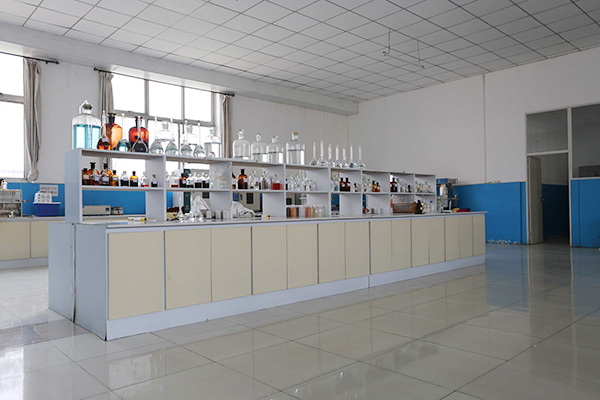
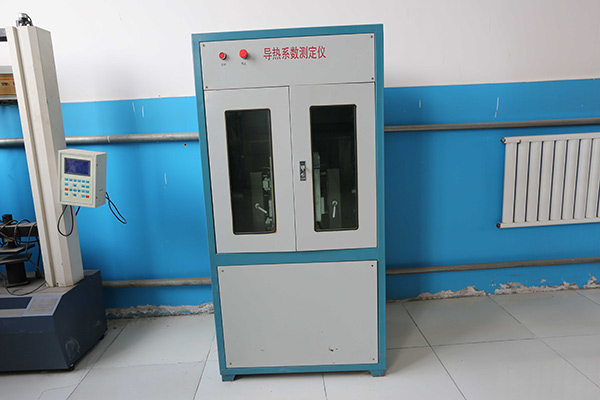
Our material performance is driven by an elite engineering core operating state-of-the-art testing equipment. We focus on cross-linked polymer adjustments to reduce thermal conductivity values while improving physical tensile properties. Every batch undergoes validation processes for fire spread, smoke production index, moisture permeability, and high-temperature aging tests.
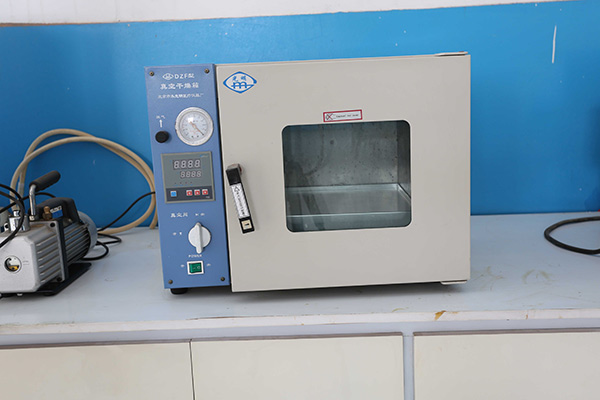
Our R&D department houses testing suites for thermal performance, acoustic absorption testing, and environmental simulation cabinets, ensuring each product performs reliably in hot, humid tropical climates or arctic extreme conditions.
Certified Global Performance Standards
Our products conform to major international regulatory bodies, offering complete confidence in risk-sensitive environments.
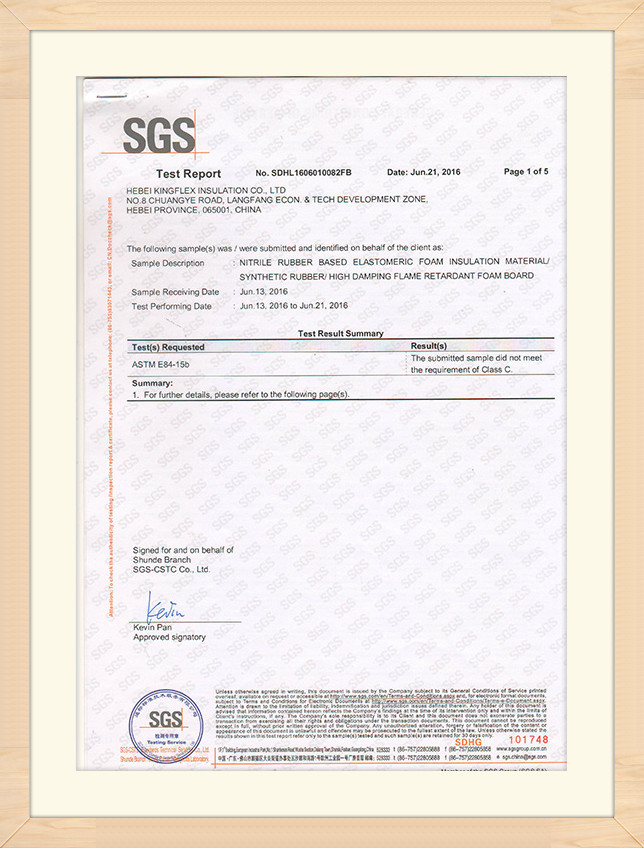
BS 476 Part 6 & 7
Class 0 qualification for low surface flame propagation and fire propagation limit.
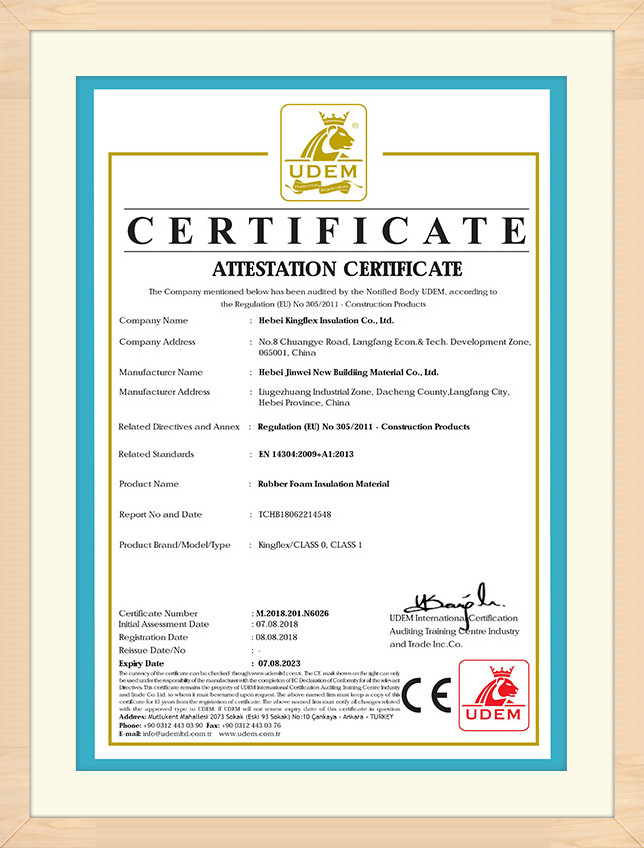
CE Compliance
Meets European Union health, safety, and environmental protection standard directives.
REACH & RoHS
Free from halogenated compounds, hazardous heavy metals, and toxic chemical elements.
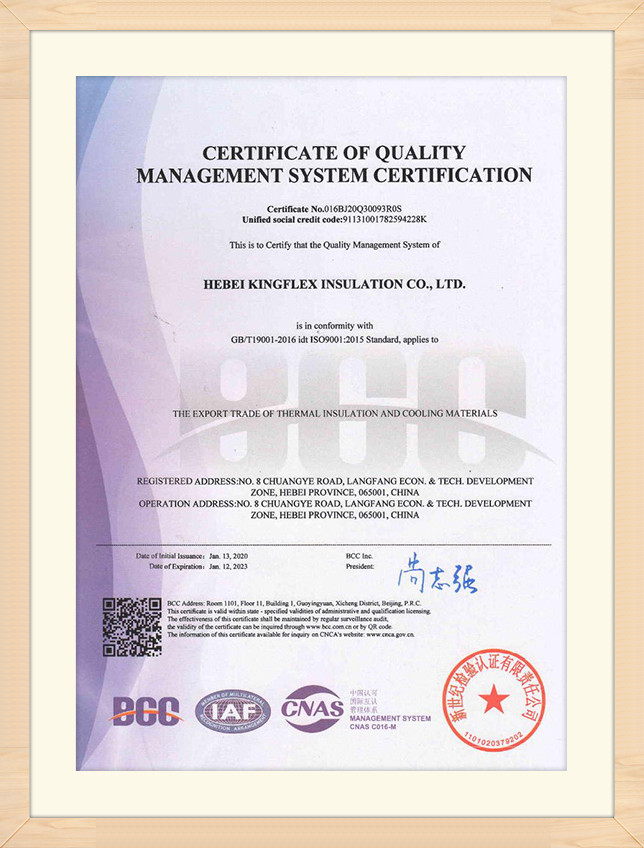
ISO 9001:2015
Rigorous factory quality control audits for consistent product density and dimensional accuracy.
Proven Professional Communication & Integrity
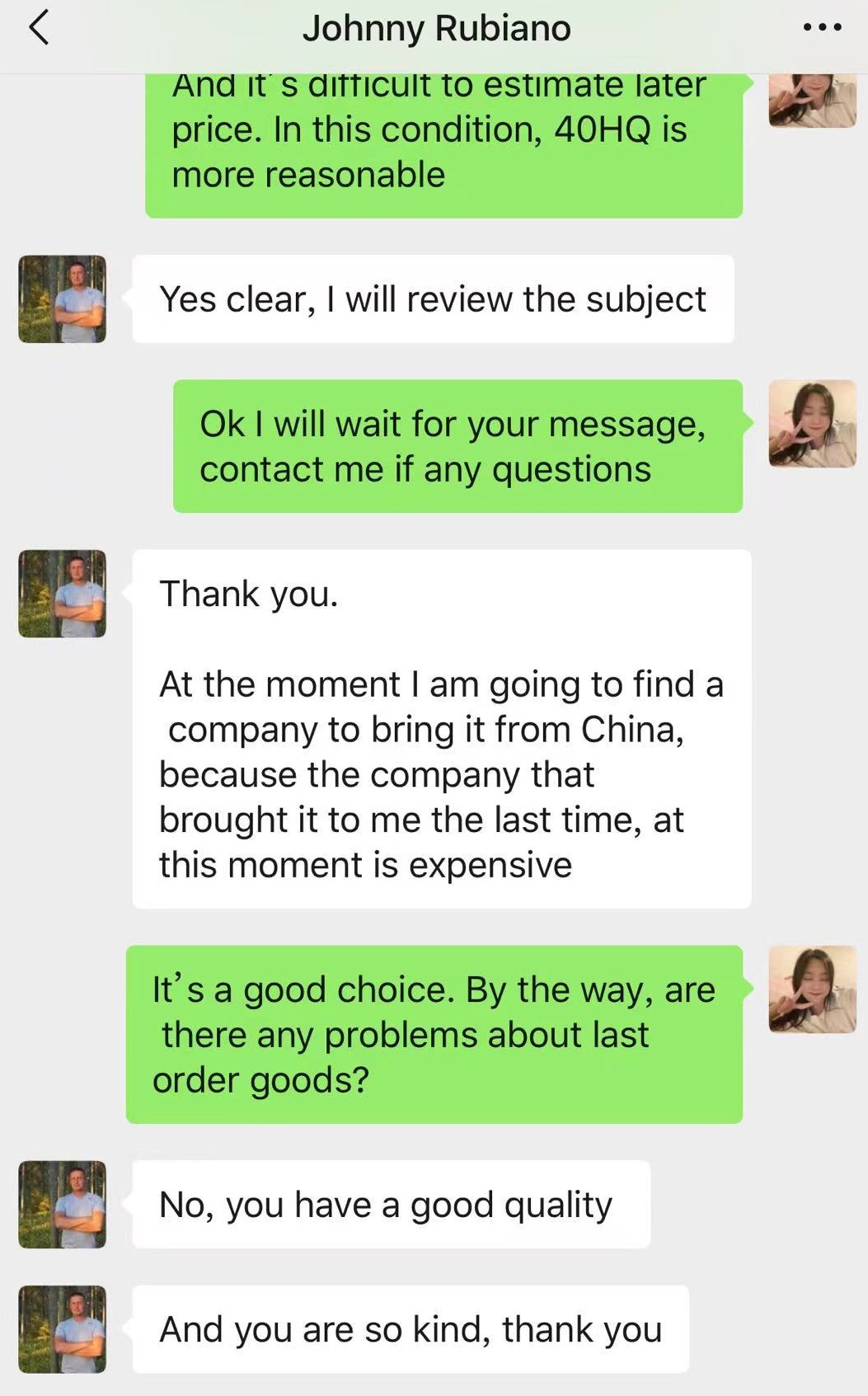
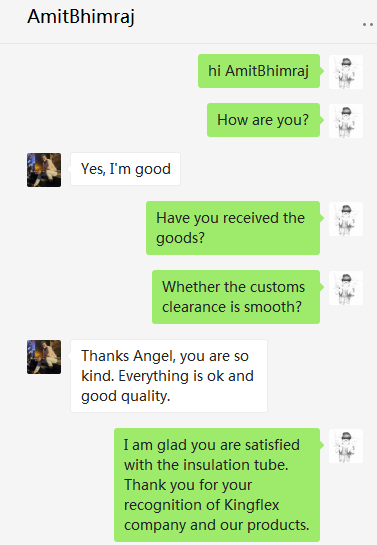
Global client feedback confirms the mechanical and thermodynamic durability of our elastomeric line.
We work closely with global engineering clients. From the initial calculation and planning stages down to post-project validation, our international team provides rapid, detailed support to ensure compliance with local building codes.
Whether verifying mechanical shear ratings, confirming thermal conductivity parameters via independent laboratory tests, or coordinating custom size shipments, our dedication to service ensures seamless execution of HVAC and process insulation contracts.
Future Technology Roadmap & Sustainable Production
Driving development of next-generation elastomer structures, automated production lines, and ecological materials.
1. Enhanced Nano-Composite Matrices
Our materials laboratory is integrating carbon-based nanoparticles into the core NBR polymer structure, aiming to reduce thermal conductivity below $0.030 \text{ W/(m}\cdot\text{K)}$ while retaining excellent flexibility.
2. Carbon-Neutral Manufacturing
We are updating Dacheng's automated assembly lines with advanced biomass thermal generators and high-efficiency closed-loop water recirculation systems, minimizing water usage during vulcanization.
3. Smart Calculation Engines
We are rolling out an AI-assisted cloud calculator platform that allows project managers to upload AutoCAD architectural drafts and directly compute optimal insulation thickness, fire rating compliance, and material bills of quantities.
Industrial & Acoustic FAQ
Get answers to common engineering questions regarding the application, properties, and sourcing of closed-cell elastomeric rubber foam insulation.
Q1: What is elastomeric rubber foam insulation used for?
A1: It is primarily used for HVAC duct wrap, HVAC chilled/hot air conditioning pipes, commercial building envelope insulation, industrial chemical pipeline cold conservation, and sound attenuation partitions.
Q2: Is Kingflex rubber foam insulation fire resistant?
A2: Yes, our elastomeric formulations include advanced flame-retardant chemistry. The products achieve Class 0 / Class 1 fire safety ratings under BS 476, meeting international commercial building regulations.
Q3: What is the difference between rubber foam and rock wool insulation?
A3: Elastomeric rubber foam features a flexible, highly moisture-resistant closed-cell system, preventing condensation on chilled water pipes. Rock wool is a rigid fibrous structure suited for higher temperature limits but requires separate vapor barriers.
Q4: Do you provide customized insulation products?
A4: Yes, we offer comprehensive OEM and ODM support, including custom inner diameters (ID), custom sheet thicknesses, pre-laminated aluminum protective backings, and pressure-sensitive self-adhesives.
Q5: What certifications do your products have?
A5: Kingflex products are tested and certified under BS 476, CE, REACH, RoHS, UL94, and ASTM standards, confirming safety and quality for global distribution.
Q6: Does Kingflex products have traceability?
A6: Yes. Every batch from our Dacheng facility has production codes indicating batch date, line parameter settings, and quality controller validation numbers.
Q7: What thickness of Rubber foam insulation sheet roll can you produce?
A7: Our advanced production lines can continuously extrude and vulcanize thicknesses ranging from 6mm up to 50mm.
Q8: What is the service life of rubber plastic pipe and board?
A8: Under standard operational conditions and correct installation, Kingflex products maintain their structure and performance for 10 to 15 years.
Q9: How does cell size distribution impact sound absorption and thermal values?
A9: A smaller, more uniform cell structure limits internal convective heat transfer, which lowers thermal conductivity. For sound absorption, micro-cells act as friction barriers, converting mechanical sound waves into heat energy.
Q10: What raw materials dictate the monthly pricelist adjustments?
A10: Price adjustments are mainly driven by the global market costs of raw NBR copolymer, PVC resins, foaming and fire-retardant agents, and energy costs during continuous vulcanization.
Production Process & Factory Capabilities
A look at our automated lines, raw material blending systems, and finished goods warehouse in Dacheng.
Complete Sourcing Catalog
Explore the rest of our specialized closed-cell NBR sheet rolls and industrial plumbing solutions.
 Kingflex