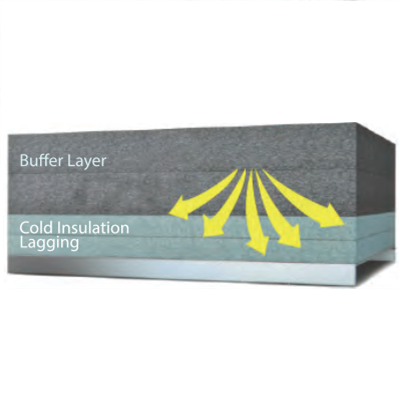
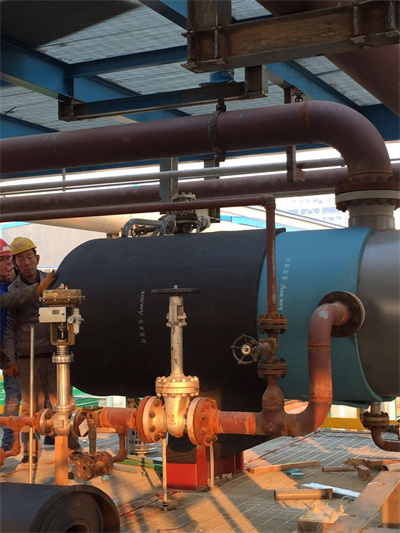
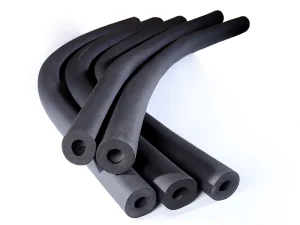
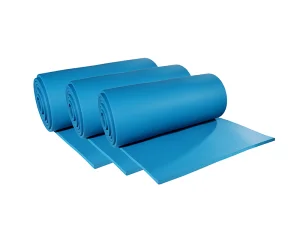
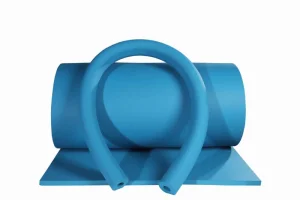
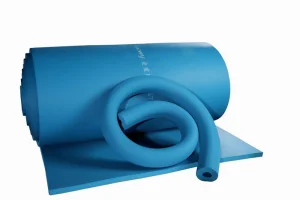
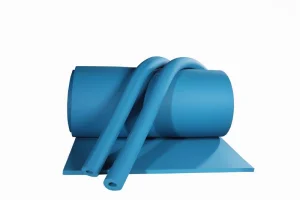
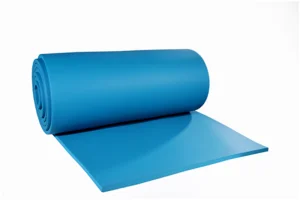
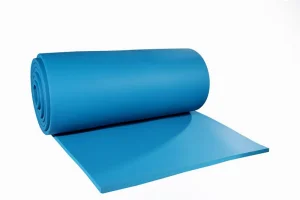
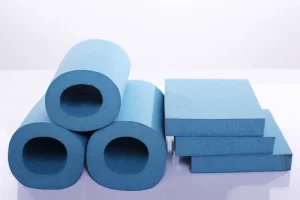
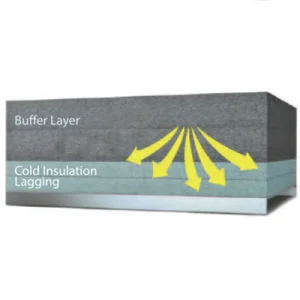
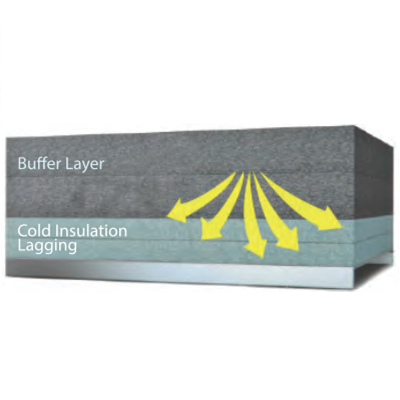
Natural gas LNG cold energy utilization, nitrogen factory, coal to olefins, coal chemical MOT, transport ship LNG carrier inside, no fiber and no dust and no CFC and HCFC and other harmful substances, drilling platform pipeline, ethylene project, etc.
Mechanical insulation systems require different layers of thickness depending on the temperature of the environment. With the correct insulation installed, the plant becomes more energy efficient, which in turn reduces operating costs. If a mechanical insulation contractor lacks thorough knowledge about a manufacturer’s product installation standards, the risk of system damage or lack of efficiency increases. Improper insulation can lead to excessive heat transfer and that loss of heat affects the conservation of energy and ultimately the cost to operate the plant.
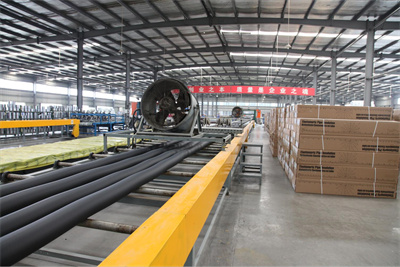
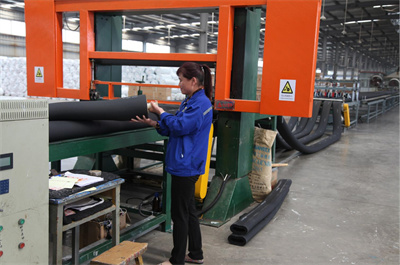
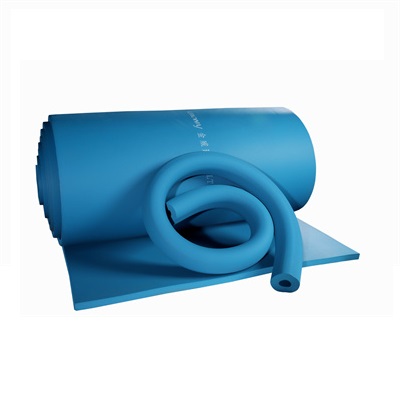
Equipped with 4 advanced rubber foam production lines, the manufacturing facility can produce both tubes and sheet rolls, with production capacity doubled compared to standard lines. Backed by 36 years of experience in manufacturing thermal insulation materials, every process is strictly designed to conform to both domestic and international testing standards, such as UL, BS476, ASTM E84, and more.
-
1
Stays flexible at low temperatures
-
2
Reduces the risk of crack development and propagation
-
3
Reduces the risk of corrosion under insulation
-
4
Protects against mechanical impact and shock
-
5
Low thermal conductivity
-
6
Low glass transition temperature
-
7
Easy installation even to complex shapes
-
8
Less wastage compared to rigid/pre-fabricated pieces
A sound and strict Quality Control System is implemented at every stage. Every order is meticulously checked from the raw material to the final product. To ensure consistent quality, internal testing standards are executed with requirements that exceed standard domestic and international testing regulations.
Frequently Asked Questions (FAQ)
Why does mechanical insulation require different thickness levels?
Mechanical insulation systems require specific thickness layers depending on the temperature of the surrounding environment to maximize energy efficiency and prevent unwanted heat transfer.
What are the risks of improper insulation installation?
Improper installation can lead to system damage, reduced energy efficiency, excessive heat transfer, and higher overall operational costs for the plant.
Which international testing standards do the insulation products meet?
The thermal insulation materials strictly conform to major domestic and international testing standards, including UL, BS476, and ASTM E84.
How does the insulation material perform in low-temperature environments?
The material remains highly flexible at low temperatures, features a low glass transition temperature, and helps reduce the risk of crack development and propagation.
How is the quality of the insulation materials controlled?
Quality is maintained through a strict Quality Control System. Every batch is inspected from the raw material selection phase all the way to the finished product, using internal testing metrics that exceed standard domestic and international benchmarks.
Is this insulation suitable for complex mechanical shapes?
Yes. Due to its high flexibility, the material allows for easy installation on complex shapes, resulting in significantly less wastage compared to rigid or pre-fabricated insulation pieces.
 Kingflex