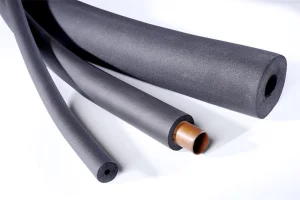
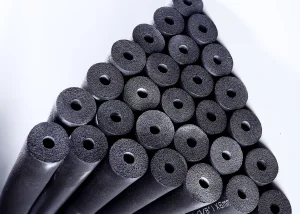
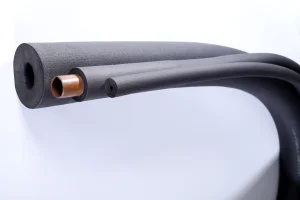
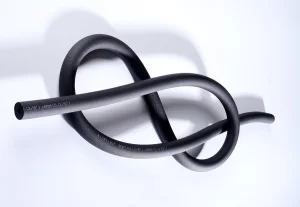
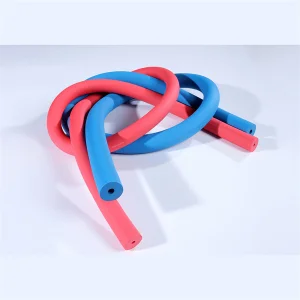
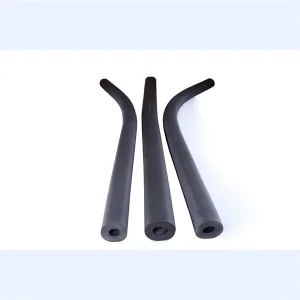
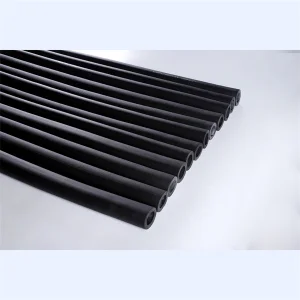
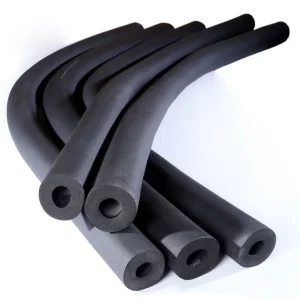
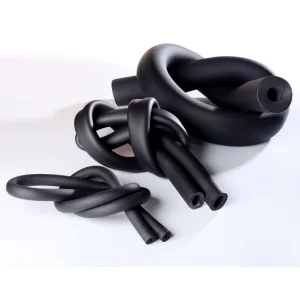
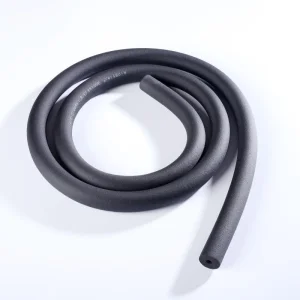
The high density and closed structure of selected raw material has the ability of low thermal conductivity and stable temperature and has an isolation effect of hot and cold medium.
When burned by fire, the insulation material does not melt, resulting in low smoke, and does not make the flame spread, guaranteeing safety; the range of using temperature is from -50℃ to 110℃.
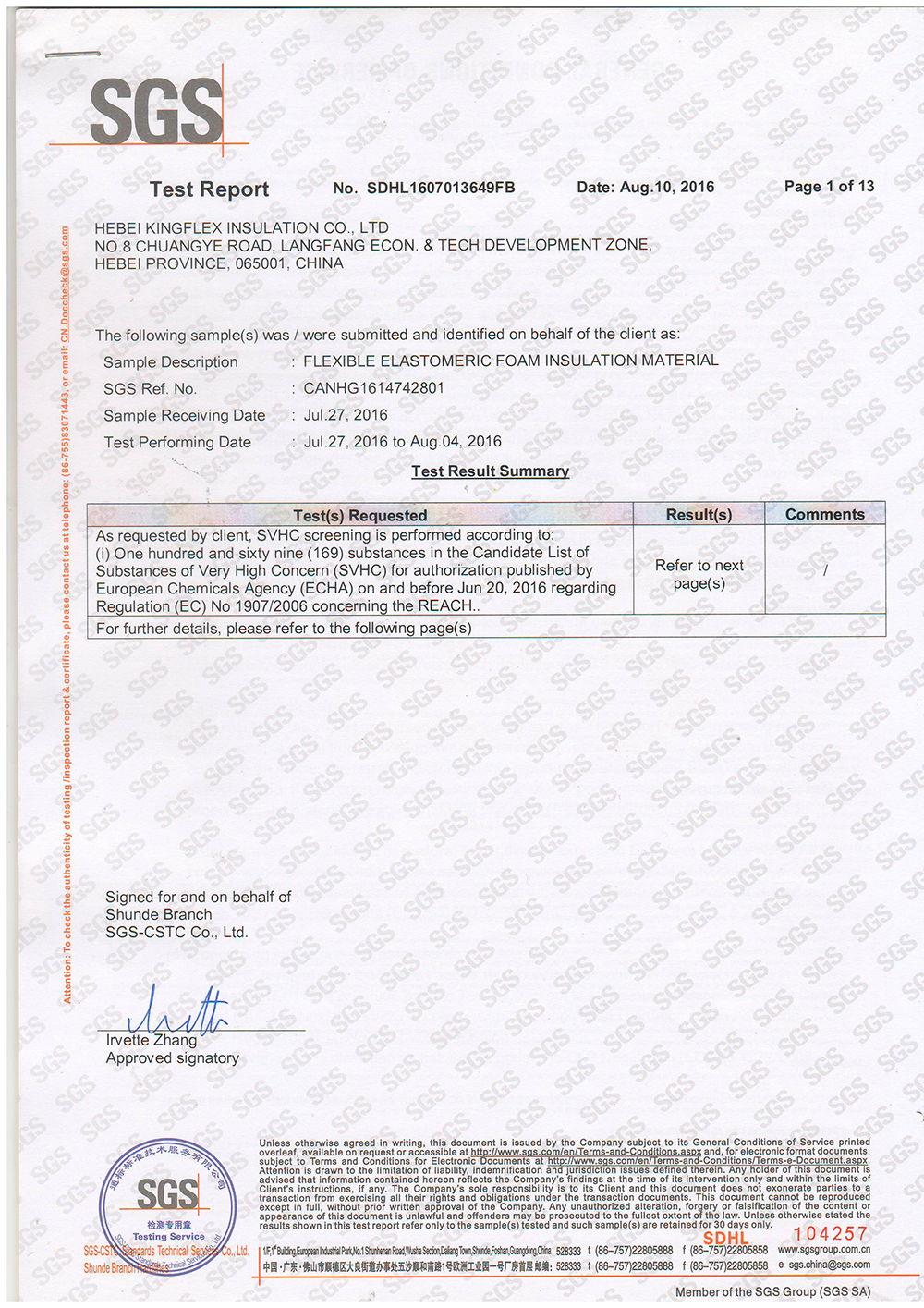
The environmental friendly raw material has no stimulation and pollution, and is not hazardous to health and environment. Moreover, it can avoid mold growth and mouse biting, and is resistant to corrosion, acid, and alkali.
It is highly convenient to install due to the fact that it does not require additional auxiliary layers. It can simply be cut and conglutinated, saving manual labor costs.
Frequently Asked Questions
What is the operating temperature range for this insulation material?
The elastomeric insulation material is designed to operate safely within a wide temperature range of -50℃ to 110℃, making it suitable for both cold and hot media.
How does the material perform during exposure to fire?
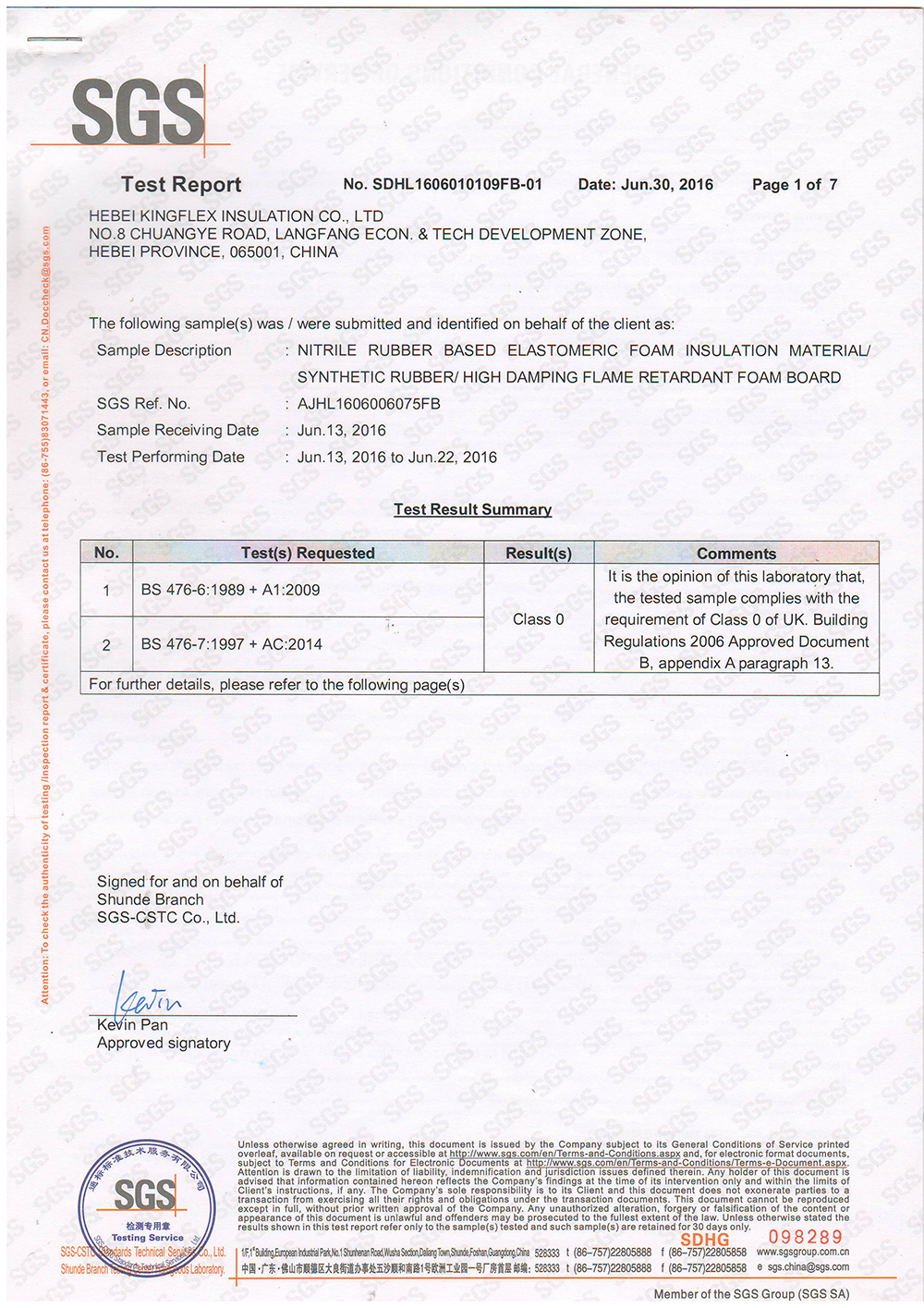
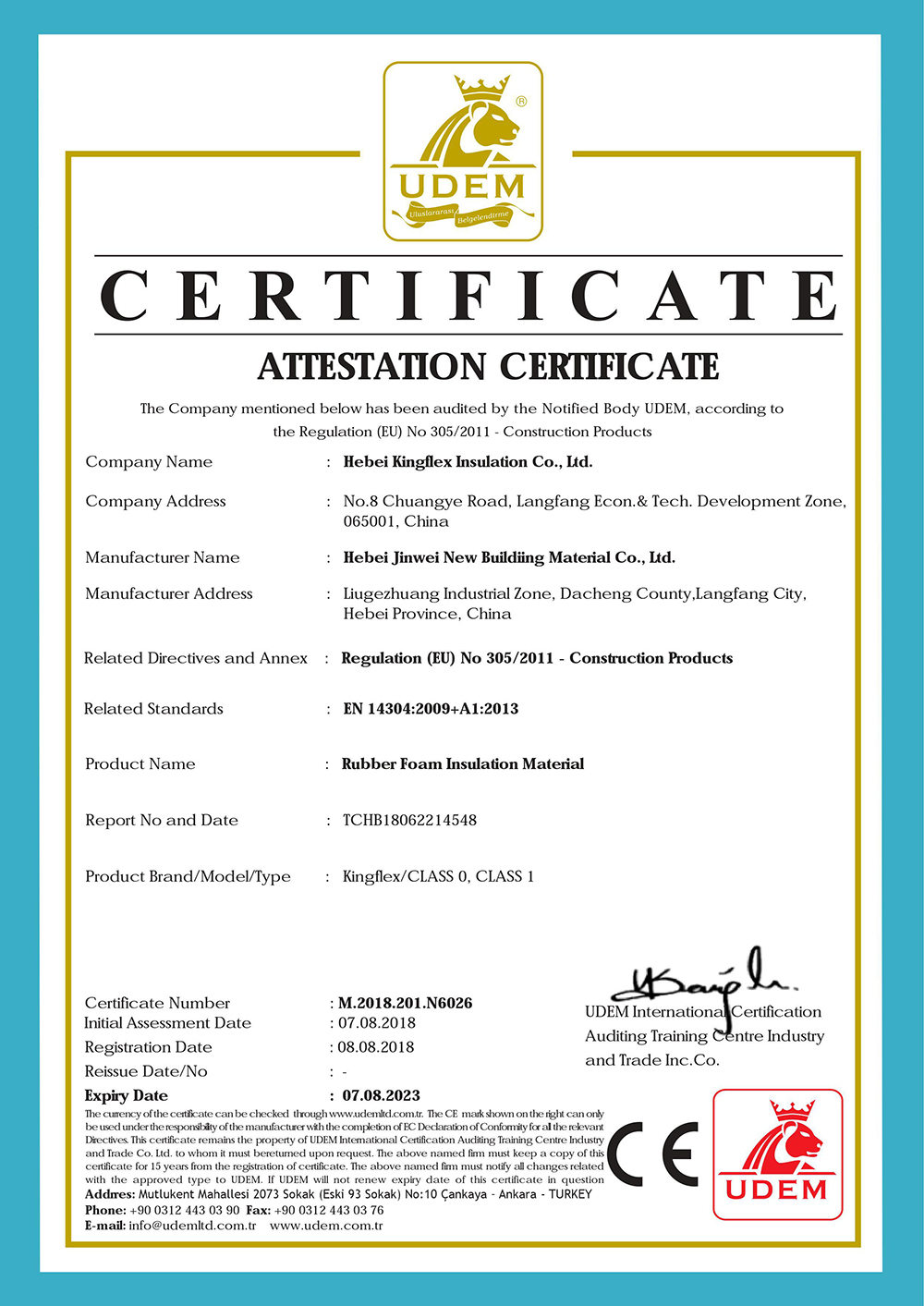
It features excellent flame retardant properties with a Class 0 and Class 1 fire rating according to BS 476. The material does not melt during fire, generates very low smoke, and prevents flame propagation.
What is the thermal conductivity of this insulation?
The thermal conductivity value measured under ASTM C 518 is ≤0.030 W/(m.k) at -20°C, ≤0.032 W/(m.k) at 0°C, and ≤0.036 W/(m.k) at 40°C, providing exceptional thermal isolation.
Is this material resistant to moisture and environmental degradation?
Yes, it has a high water vapor resistance factor (μ ≥ 10000) and low volume water absorption (20% under ASTM C 209). It also demonstrates excellent resistance to UV rays, ozone, and weathering.
How is the insulation installed?
Installation is simple and efficient. It does not require extra auxiliary layers and can be directly cut and glued (conglutinated), reducing manual labor and speeding up construction.
Is the material safe for the environment?
Yes, the raw materials used are environmentally friendly, non-toxic, and free of stimulation or pollution. They resist mold growth and deter pest infestations.
 Kingflex