Wholesale Glass Wool Insulation Board Manufacturers & Pricelist

High-Performance Structural, Acoustic, and Thermal Barrier Solutions for Advanced Architecture & Industrial Systems

Global Enterprise Procurement Framework & Macro-Industry Landscape

Modern structural infrastructure requires optimized insulation options capable of mitigating conductive energy transfer, decoupling structural vibrations, and satisfying stringent international building fire safety protocols. As building developers and procurement executives look to achieve environmental compliance (such as LEED, BREEAM, or local energy codes), Glass Wool Insulation Boards have emerged as an industry-standard mechanism. These high-density fibrous matrices are structured to optimize thermal resistance (R-value) while providing exceptional structural tensile strength.

1. Dynamics of Global Procurement for Glass Wool & Elastomeric Composites

Strategic purchasing managers evaluate thermal insulation beyond initial price-per-square-meter calculations. Total Cost of Ownership (TCO) assessments in the HVAC, industrial processing, and commercial building sectors encompass:

  • Thermal Conductivity Decay Rates (λ-value): Ensuring long-term performance stability without insulation sagging or degradation.
  • Moisture Ingress Resistance: Choosing between closed-cell elastomeric structures for direct cold-water condensation mitigation and vapor-barrier-faced glass wool boards for structural stability under high temperature variances.
  • Logistics Optimization: High-compression packaging capabilities of glass wool lower transcontinental freight expenses, maximizing square-meter volume per container.

2. Macro-Industry Solutions: Thermal Integration

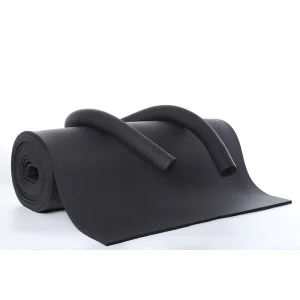
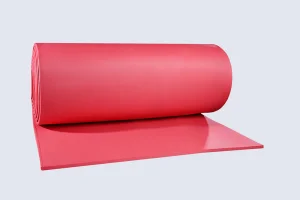
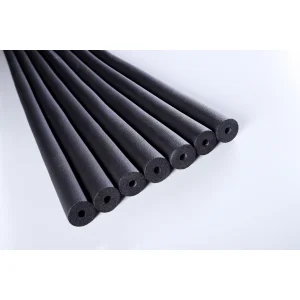
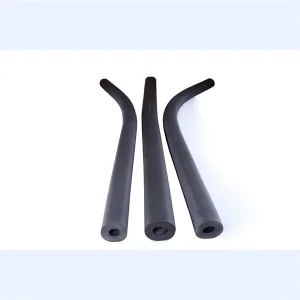
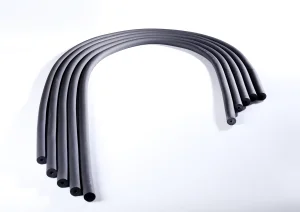
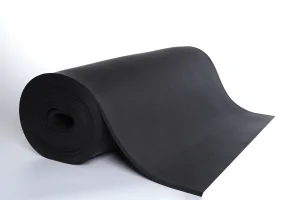
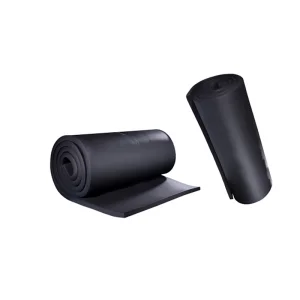
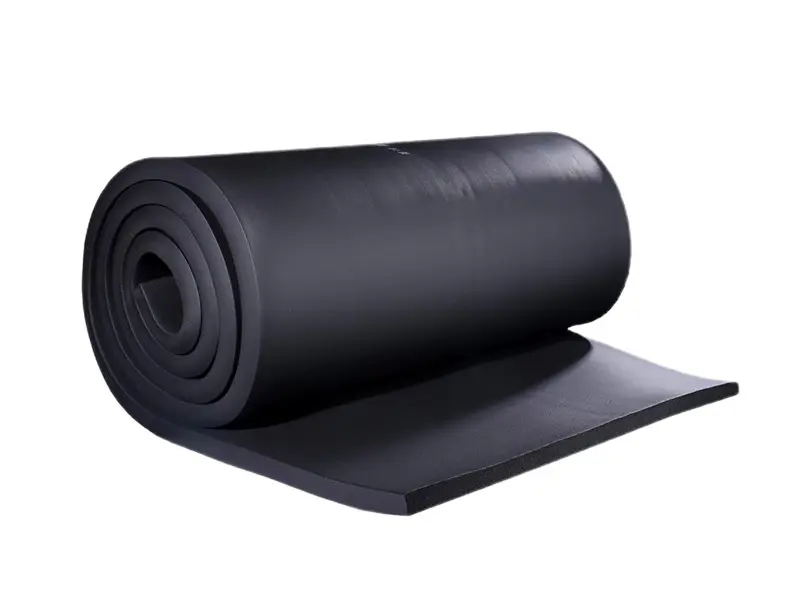
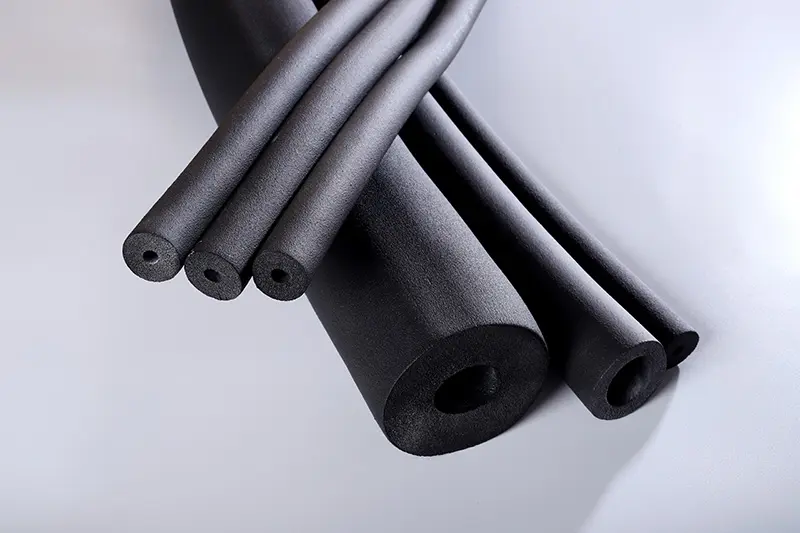
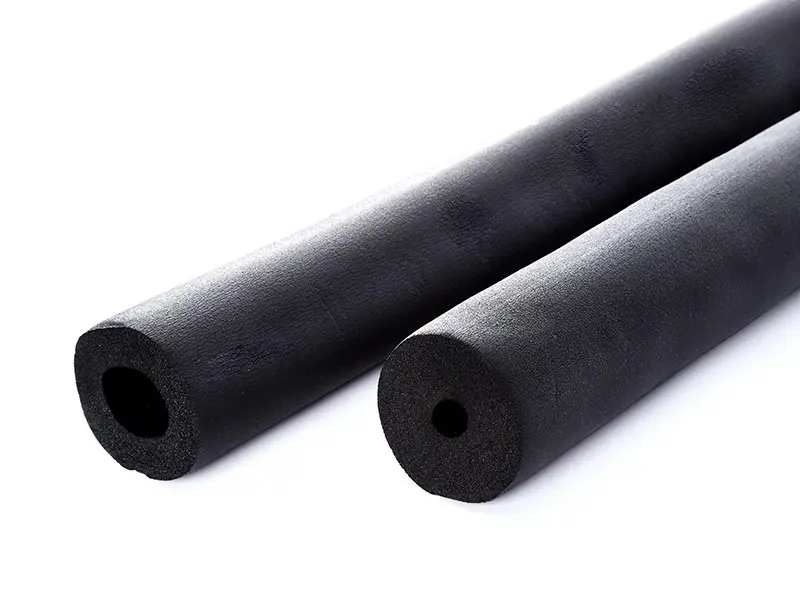
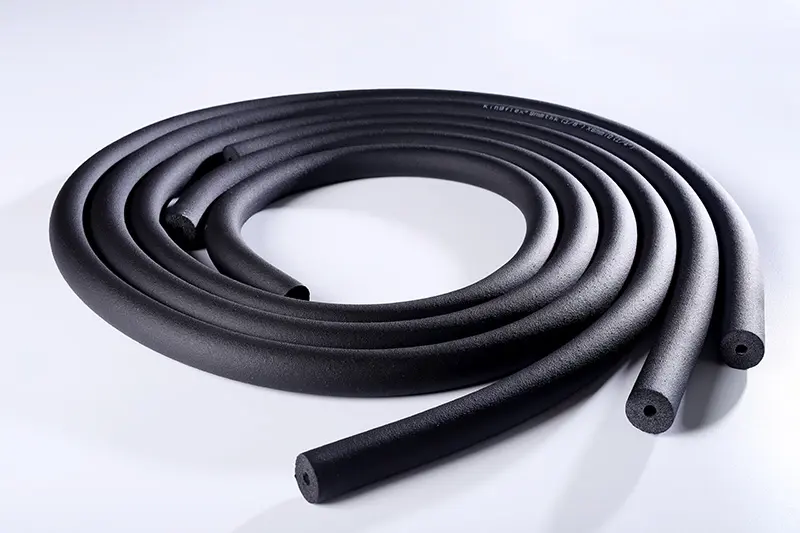
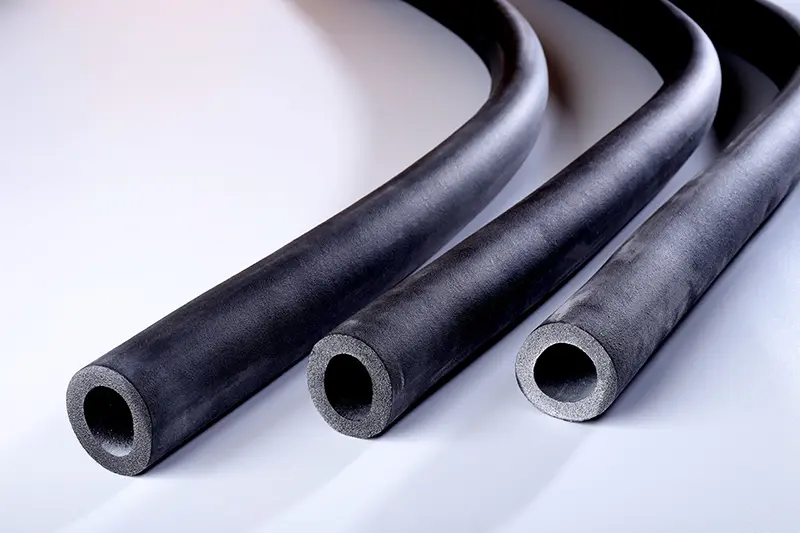
Thermal system engineers integrate rigid glass wool structures with flexible closed-cell elastomeric foams to establish comprehensive environmental isolation. High-rise construction projects leverage the fire-resistant qualities of Class A (Non-combustible) glass wool boards within external insulation finishing systems (EIFS) and mechanical plant room partitions. In parallel, elastomeric foam sheet rolls and pipe sections are utilized to isolate mechanical vibration and prevent thermal bridging at pipe hanger points.

Class A Fire Classification

Our raw materials and manufacturing methods produce inorganic silicate fibers naturally resilient to open flame ignition, offering reliable defense-grade passive fire protection.

Enhanced Acoustic Decoupling

The structured density of the glass fiber matrix dampens acoustic waves, achieving outstanding Noise Reduction Coefficients (NRC) across key frequency bands.

Optimal Thermal Resistance

Engineered low thermal conductivity (λ ≤ 0.034 W/m·K at mean temp) limits heat transfer, ensuring energy conservation across demanding operational thresholds.

Technical Performance Profile & Comparative Analysis

A data-driven engineering assessment highlighting chemical structures, mechanical properties, and installation applications.

Insulation Parameter High-Density Glass Wool Board Elastomeric Closed-Cell Foam (NBR/PVC) Rock Wool Slab / Board
Primary Material Inorganic Silicate Glass Fibers Synthetic NBR/PVC Rubber Blend Basalt Rock & Slag Fibers
Thermal Conductivity (λ) ≤ 0.032 - 0.038 W/m·K (at 24°C) ≤ 0.034 W/m·K (at 0°C) ≤ 0.036 - 0.041 W/m·K (at 25°C)
Service Temp. Range -120°C up to +400°C -40°C up to +105°C Up to +750°C
Fire Safety Rating Class A / Class 0 (Non-combustible) Class 1 / Class V-0 / BS 476 Part 7 Class A1 / EN 13501-1
Acoustic Performance NRC up to 0.95 (50mm thickness) Moderate (Excellent for structure vibration) NRC up to 1.0 (High density)
Vapor Permeability High (Requires Al foil vapor barrier) Excellent resistance (μ ≥ 7,000) High (Requires vapor barrier)

Material Selection Methodology

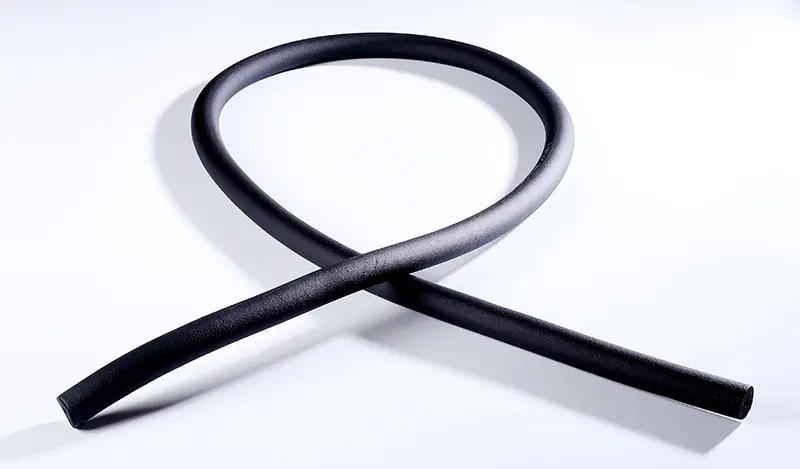
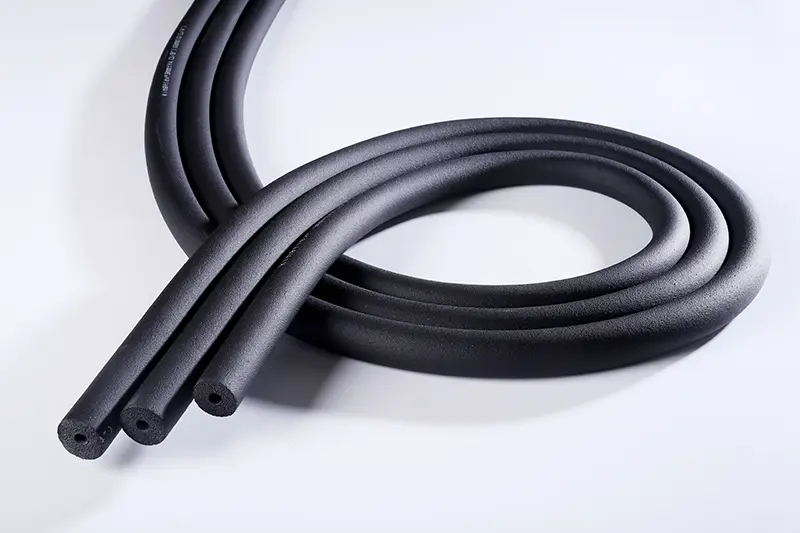
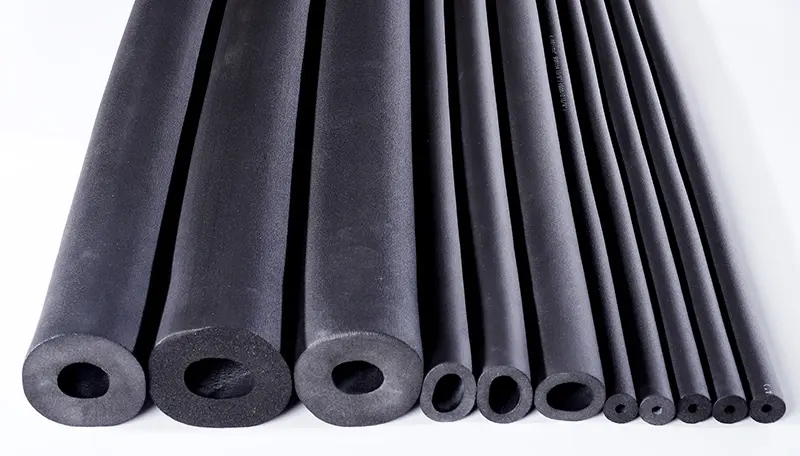
Industrial mechanical system design guidelines recommend choosing materials based on the operating temperature limits of the pipeline or containment vessel. In chilled water systems and refrigeration applications, Kingflex closed-cell rubber foam insulation tubes are preferred. The integrated vapor barrier within elastomeric foam structures helps protect cold pipelines from ambient moisture condensation, which can lead to pipe corrosion beneath the insulation.

Conversely, for high-capacity ventilation systems, industrial furnace enclosures, and external curtain wall profiles, glass wool insulation boards provide superior performance. When faced with reinforced aluminum foil (FSK), glass wool panels maintain excellent dimensional stability under thermal cycling and protect structural assemblies from thermal bridging.

Strategic Manufacturing & Global Capacity Footprint

Behind Kingflex's capability to deliver high-quality thermal and acoustic materials worldwide.

5
Automatic Assembly Lines
600K+
Cubic Meters Annual Capacity
40+
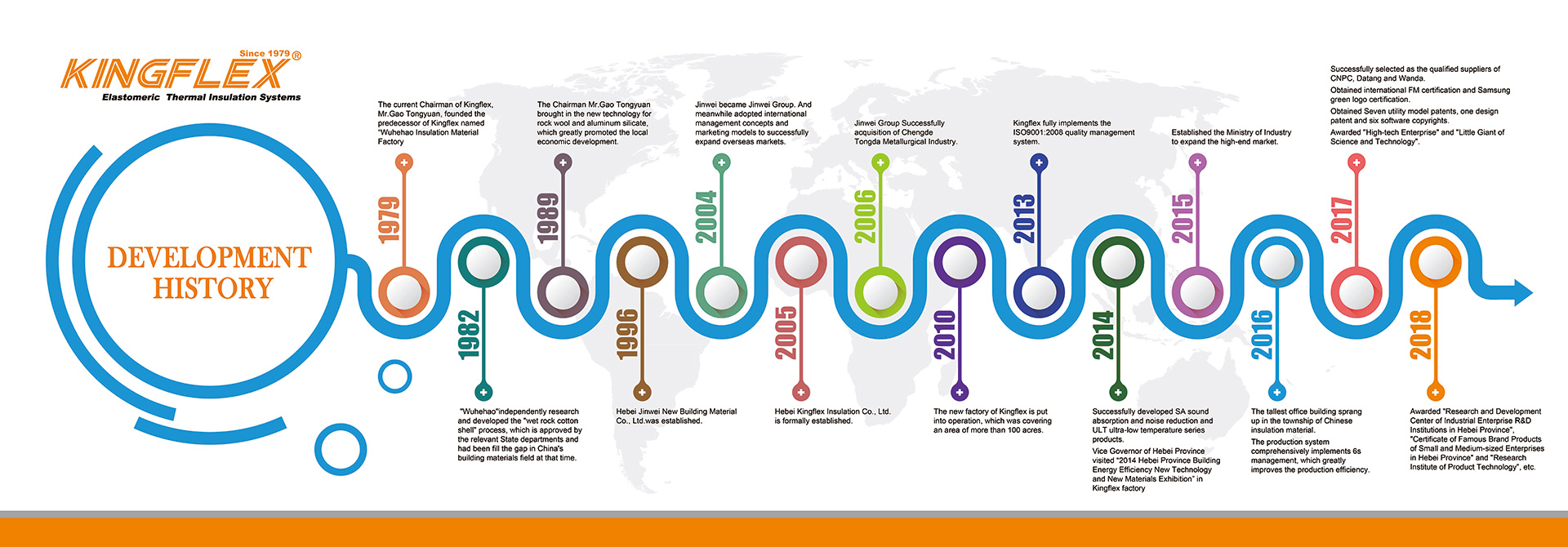
Years of Group History
66+
Countries Exported To

Corporate History & Core Mission

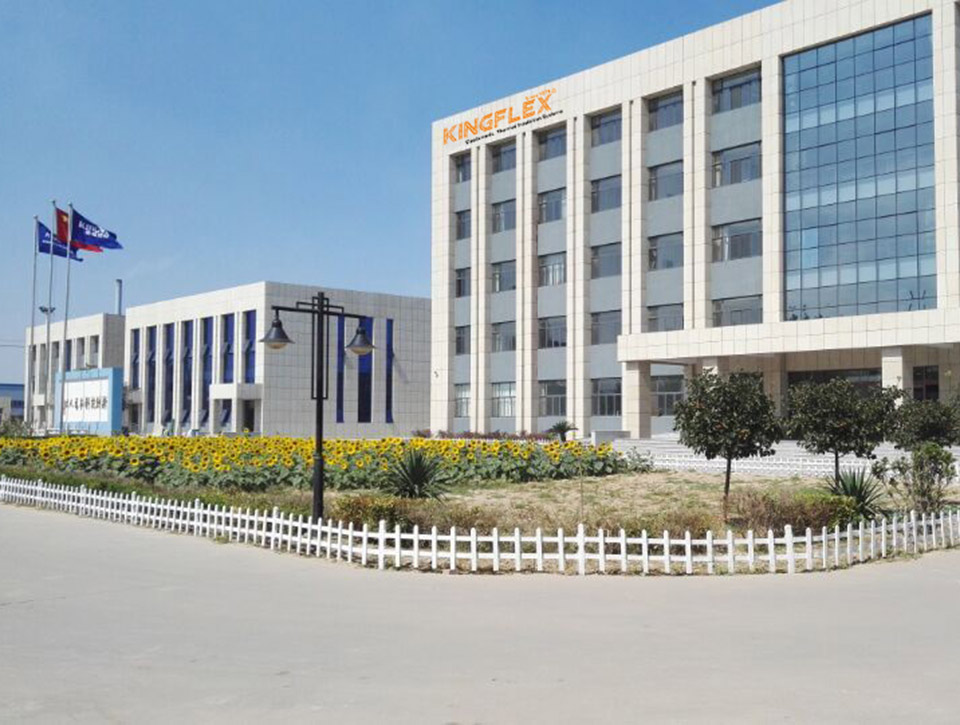
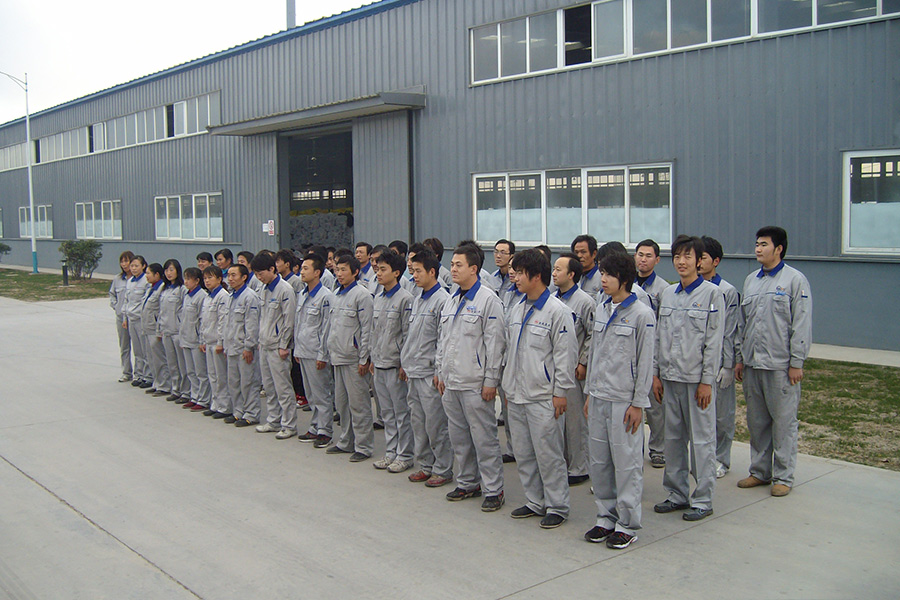
Kingflex Insulation Co., Ltd. is an established manufacturer of thermal and acoustic insulation materials. Operating under the Jinwei Group (which has a heritage dating back to 1979 as the pioneer of insulation manufacturing north of the Yangtze River), our production hub is situated in Dacheng, China—a recognized center for green building materials development.

Our operation is designed around resource conservation and thermal optimization. Kingflex integrates research and development, manufacturing, and technical consulting to support insulation projects worldwide. We provide consulting, performance calculations, and installation guidance for complex infrastructure developments.

Research, Development, and Quality Control

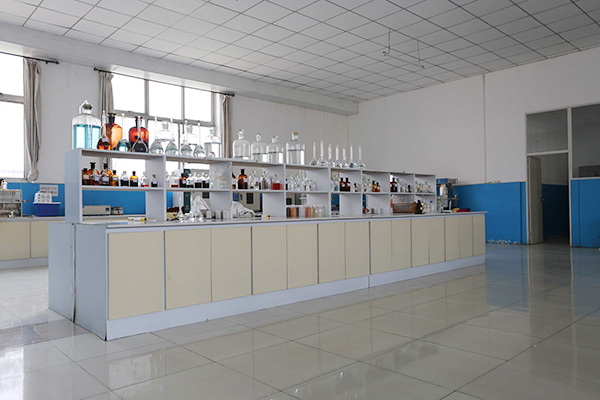
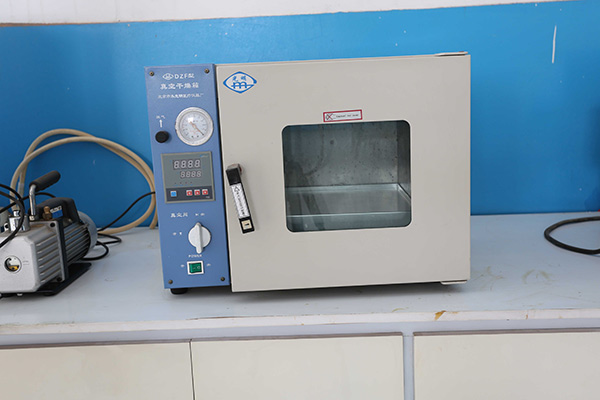
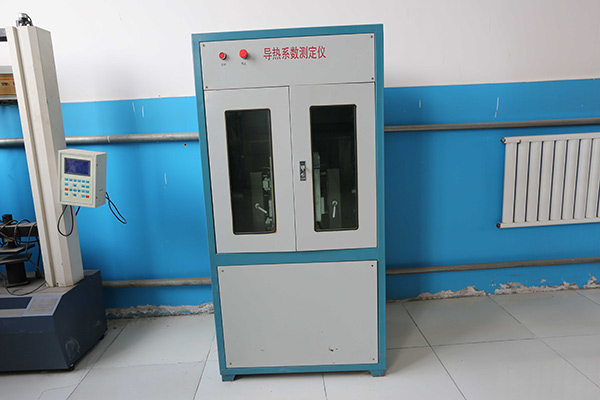
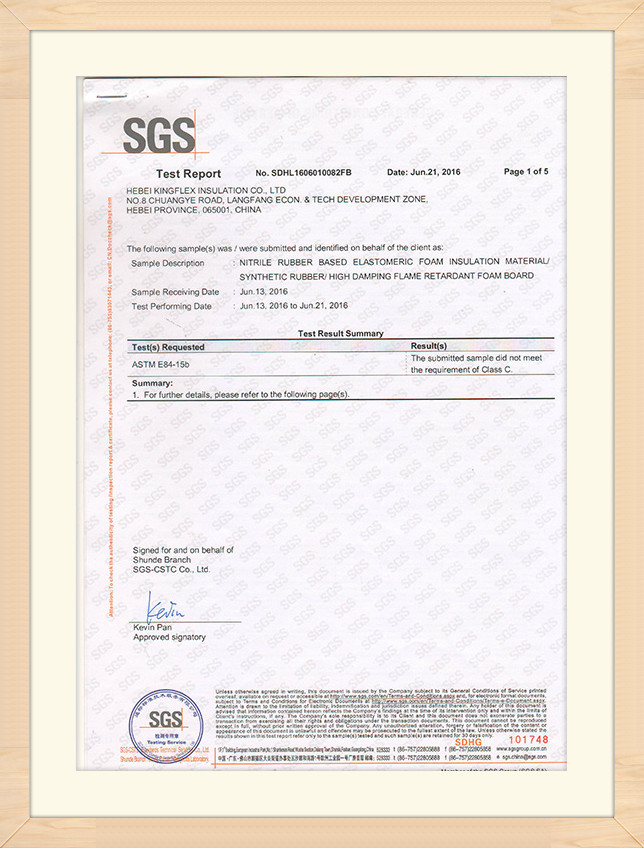
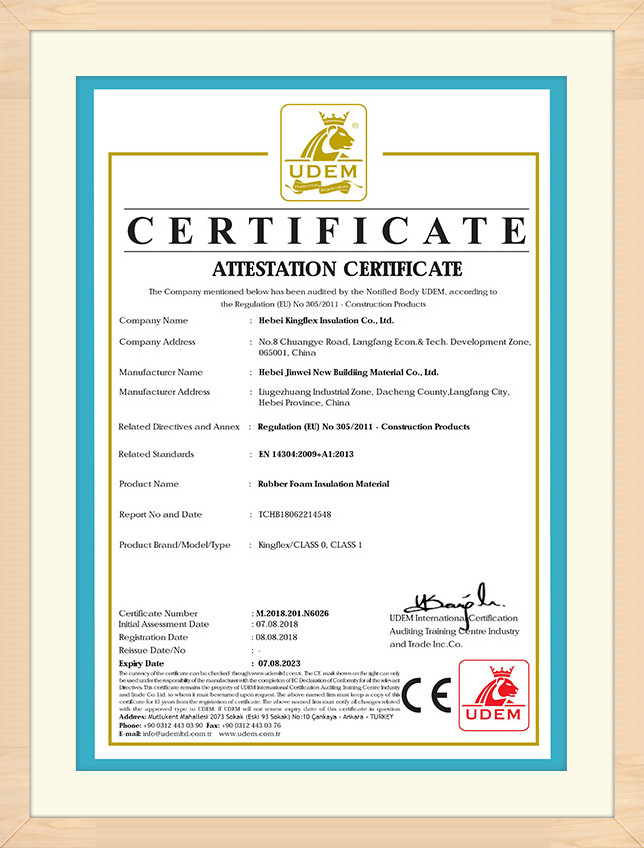
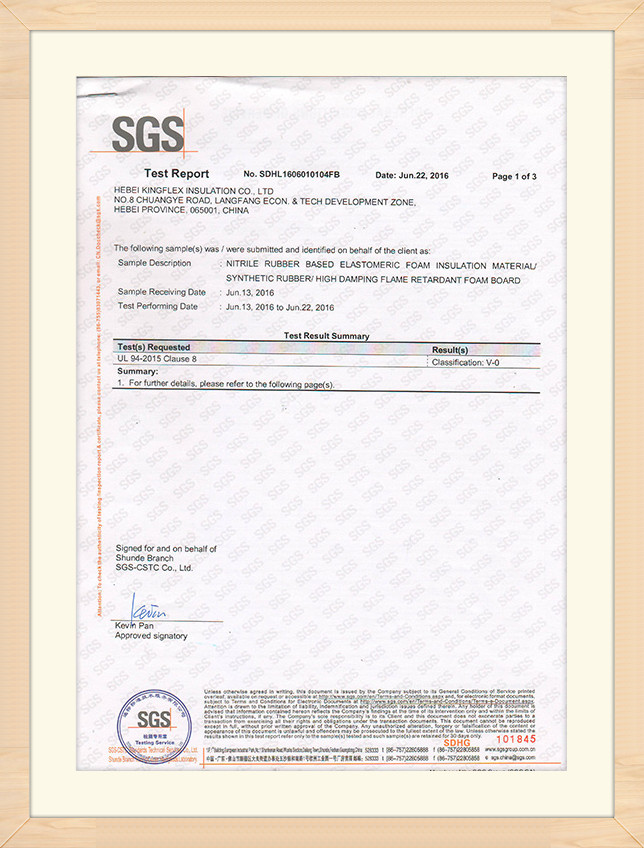
Our R&D department, led by eight professional thermal insulation engineers, focuses on improving material performance in low-temperature and high-temperature environments. Our testing laboratories verify physical characteristics such as density distribution, fiber tensile strength, thermal resistance values, and fire behavior under heat loads. This testing ensures compliance with international standards including BS 476, CE, REACH, RoHS, UL94, and ASTM.
Manufacturing Infrastructure & Technical Capabilities

An inside look at our modern manufacturing, testing, and storage facilities, demonstrating our commitment to quality assurance.

Kingflex Manufacturing Facility
Automatic Production Lines
Insulation Research and Development Lab
R&D Testing Laboratory
High Temperature Thermal Testing Equipment
Density Measurement and Inspection Station
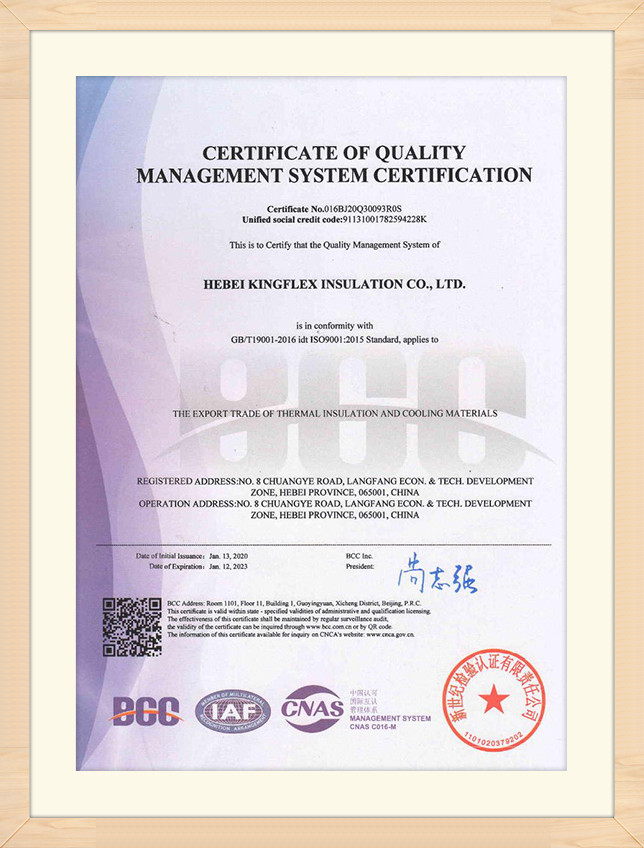
Kingflex Certificate ISO 9001 Compliance
Quality Standard Verification Certification

Technical Roadmap & Sustainable Engineering Systems

As the construction and industrial manufacturing sectors advance, insulation technology is evolving from simple thermal barriers to integrated building envelopes that support energy efficiency and low emissions. The development of glass wool and elastomeric materials centers on structural durability, low emissions, and eco-friendly composition.

Next-Generation Inorganic Silicate Bonding

Traditional binders in glass wool boards have relied on phenol-formaldehyde formulations, which can present emissions challenges in indoor spaces. Our technical roadmap prioritizes transitioning to bio-based, formaldehyde-free binders. These natural polymers preserve structural integrity and moisture resistance while meeting modern indoor air quality limits (such as GREENGUARD Gold certifications).

Performance in Low-Temperature and Cryogenic Applications

For liquefied gas processing and chemical cooling applications, insulation must perform reliably under severe thermal gradients. Standard glass wool requires meticulous moisture sealing to prevent ice formation inside the fibrous board. Our cryogenic solutions use high-density silicate fibers combined with specialized vapor barriers, ensuring the insulation system remains dry and effective down to -120°C.

Integration of Thermal, Acoustic, and Structural Properties

Modern engineering projects often require multi-functional materials. Industrial machinery rooms and HVAC penthouses benefit from glass wool boards that address heat transfer and noise transmission simultaneously. By structuring the density of the fiber matrix, our boards achieve high sound absorption coefficients (NRC ≥ 0.90) while serving as a Class A non-combustible thermal envelope.

Global Project Implementations & Client Engagements

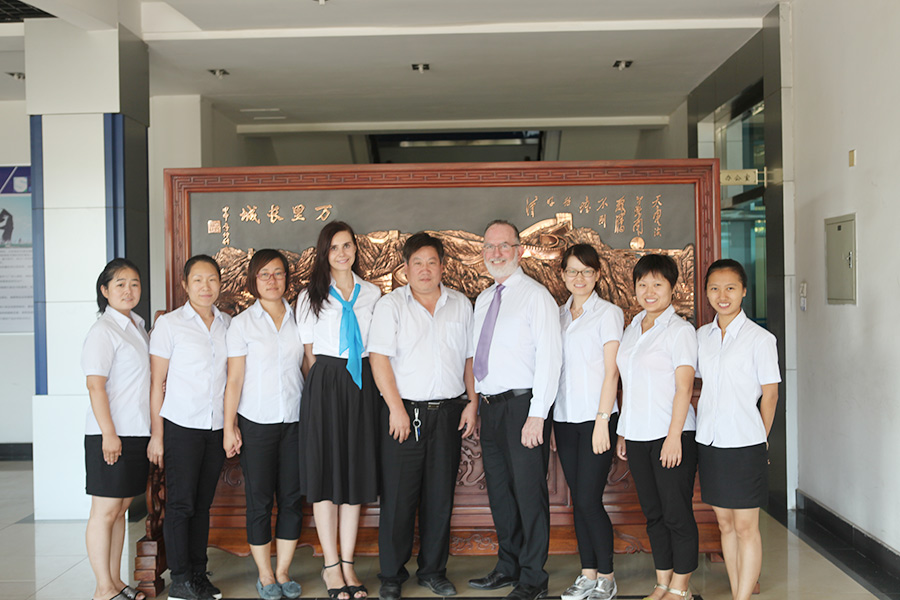
Practical applications and certified project coordination supporting engineering teams around the globe.

Global Supply Chain Shipments
Compliance Document Verification
Technical Design Review Process
Material Testing and Inspection
Shipment Inspection Records
Material Delivery Preparation
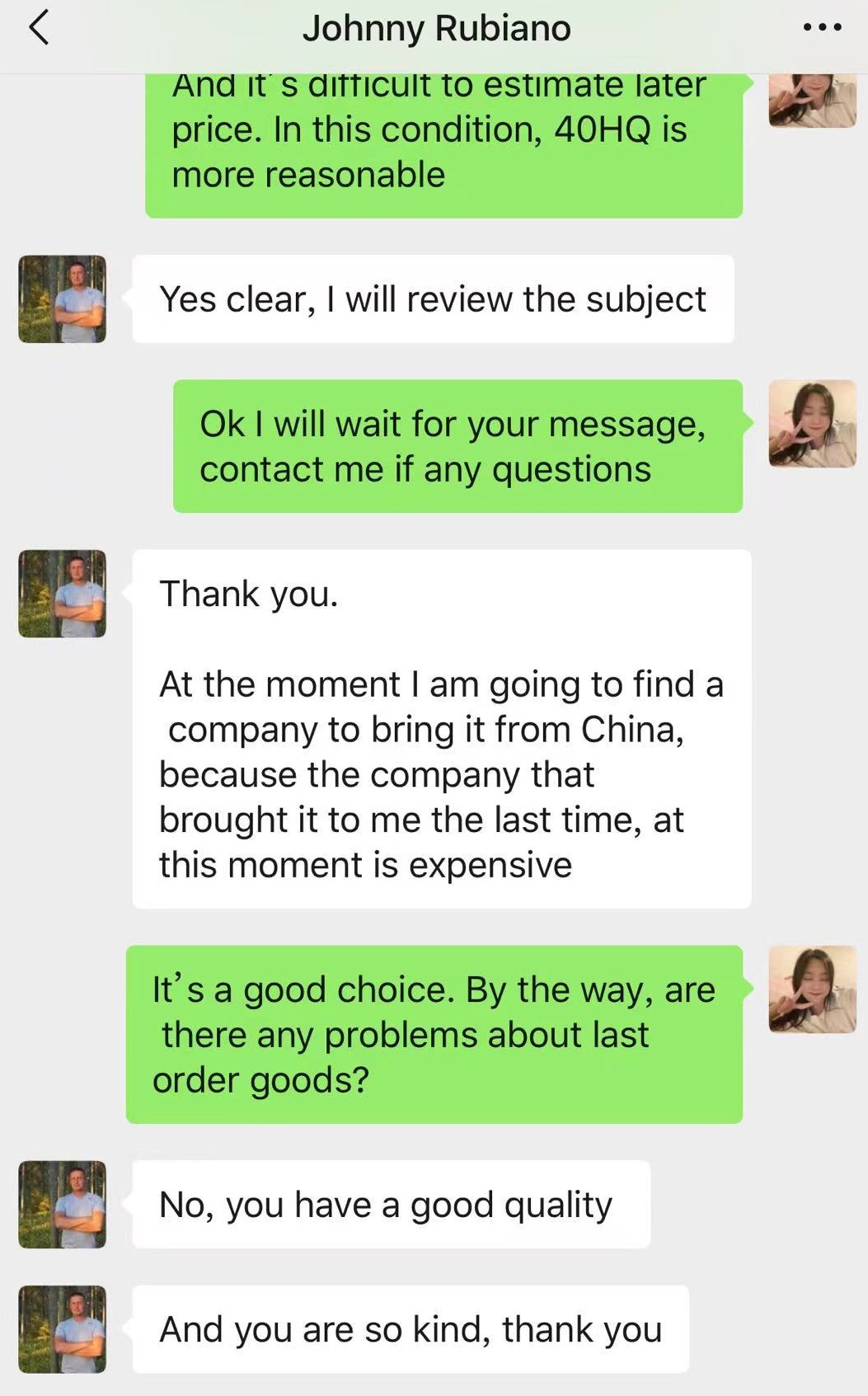
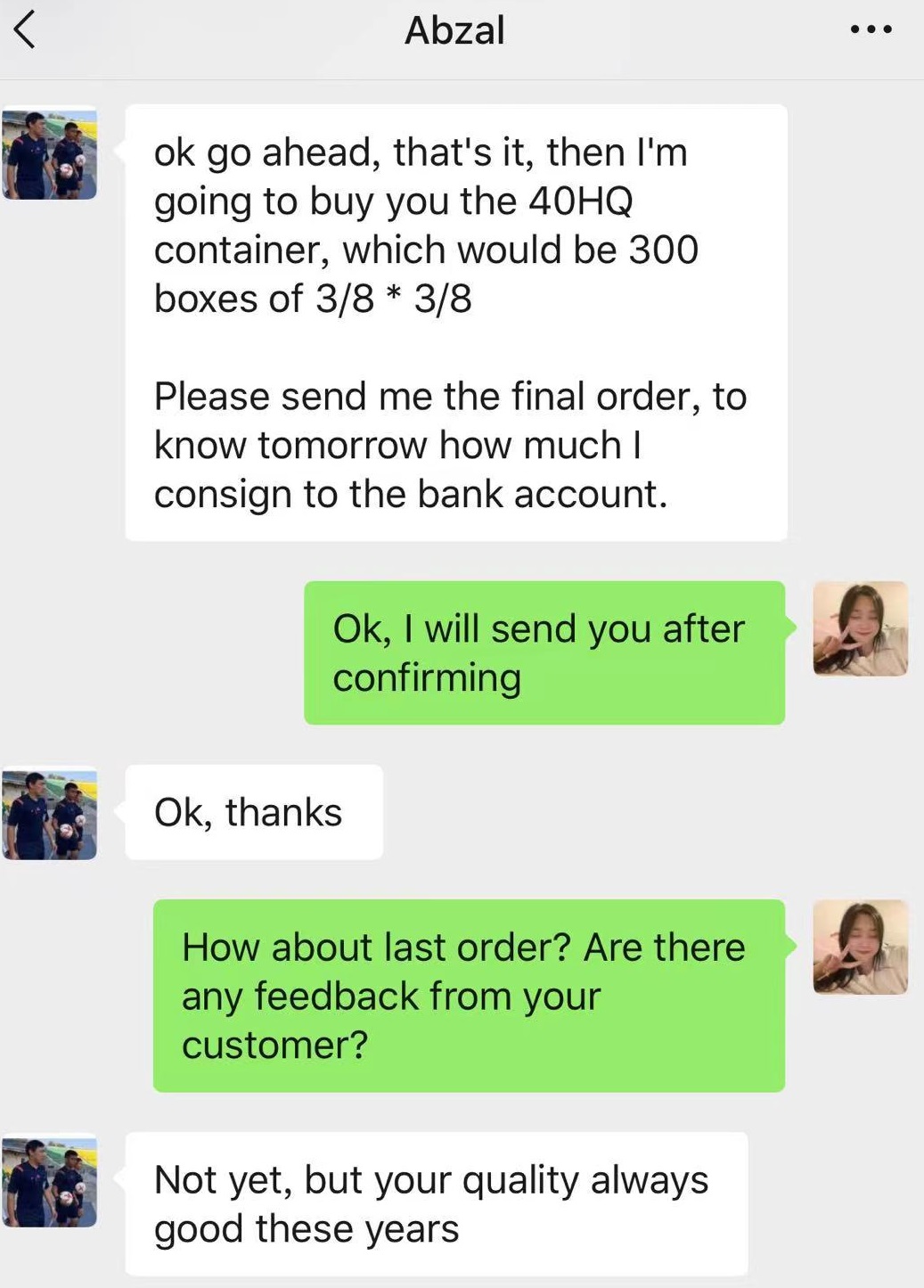
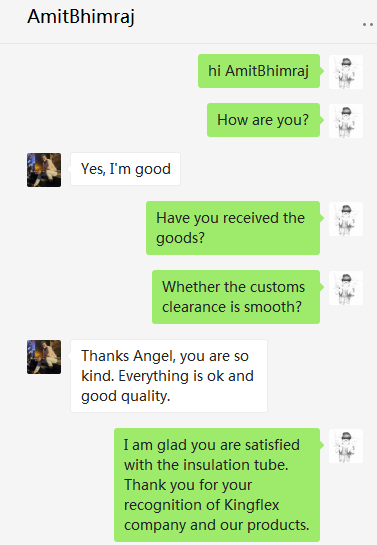
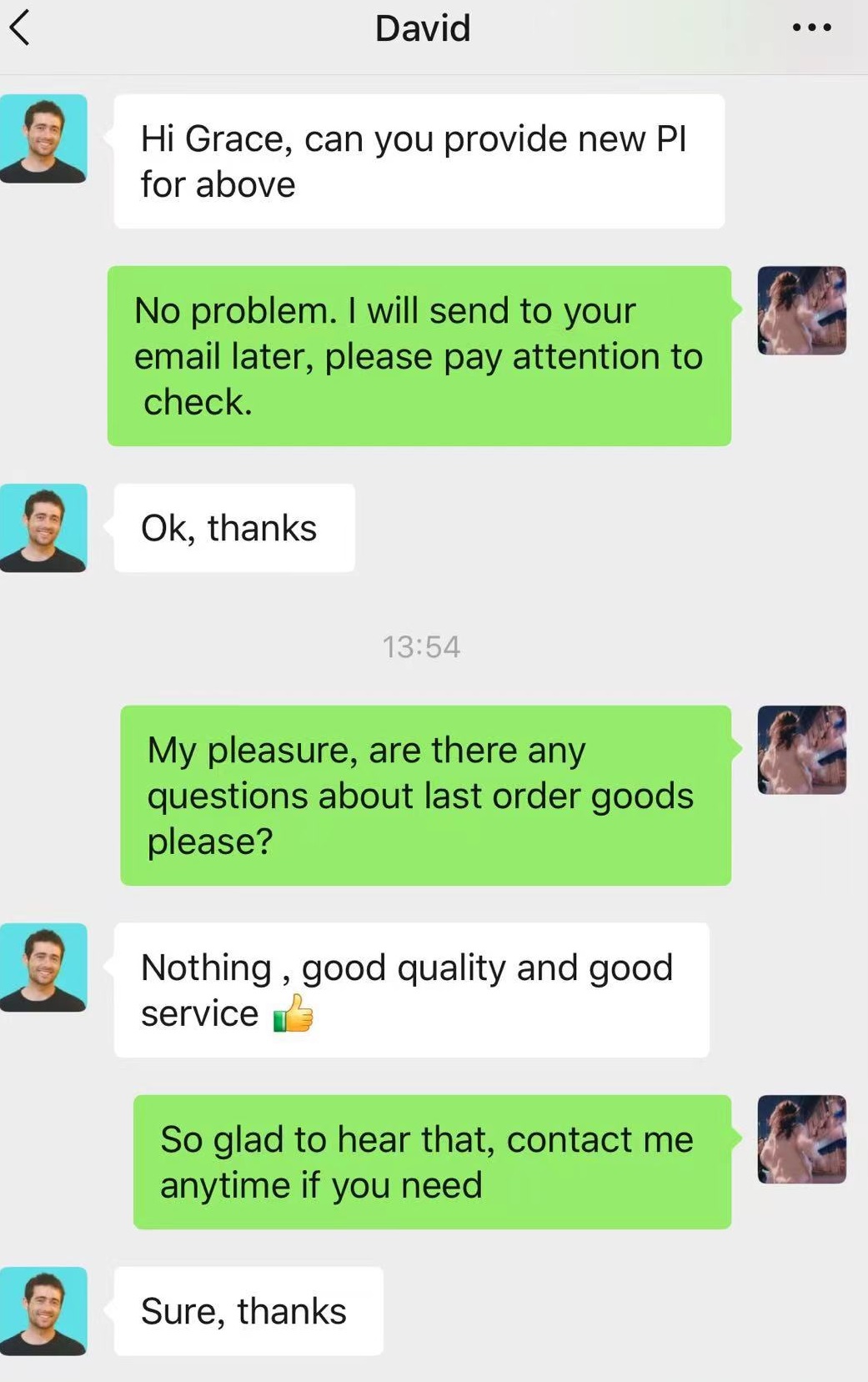
Engineering Coordination Chats
Customer Inspection Verification

Structural and Industrial Insulation Applications

Proper material configuration is key to protecting industrial systems and structural frames from environmental stress, high thermal loads, and moisture damage. Selecting the right insulation variant ensures system longevity and efficiency.

1. Mechanical HVAC Piping and Duct Systems

Large air distribution channels require thermal protection that meets strict building code safety standards while preventing ambient condensation. Kingflex NBR/PVC elastomeric rubber foam sheets provide a flexible, durable solution that seals tightly against metal surfaces to prevent corrosion under insulation (CUI). For larger plant rooms and main supply headers, rigid glass wool board cladding with FSK jacketing provides excellent fire safety, physical protection, and sound attenuation.

2. High-Performance Building Envelopes

Curtain wall assemblies, roof panels, and interior partitions require insulation materials that provide consistent thermal resistance and acoustic dampening. Installing high-density glass wool panels within structural cavities creates an effective thermal barrier that helps lower heating and cooling demands. The fibrous structure also reduces sound transmission through walls, enhancing structural comfort and acoustic performance.

Supply Chain Operations, Localization, & Compliance

Navigating global regulatory landscapes requires manufacturers to meet regional standards for environmental impact and material safety. Kingflex coordinates with local agencies to ensure our insulation products conform to national building codes and safety regulations.

1. Regulatory Compliance Profiles

Our insulation materials undergo regular testing to meet strict environmental and fire performance standards:

  • European Union (CE & RoHS): Ensuring our products comply with health, safety, and environmental protection standards for the European Economic Area.
  • North American Codes (ASTM & UL): Verifying key attributes like flame spread indices, smoke development limits, and thermal performance under ASTM C518 and UL94 testing.
  • United Kingdom (BS 476): Ensuring our products meet fire safety standards for mechanical system components and building surfaces.

2. Logistics and Packing Options

To reduce shipping costs and protect materials during transit, our glass wool boards are compressed during packaging. This process minimizes volume for transoceanic shipping. Once unpacked at the job site, the boards return to their target thickness and density, ready for installation.

Frequently Asked Questions & Technical Queries

Technical guidance and answers to common questions about glass wool, rock wool, and elastomeric insulation systems.

Q1: What are the main applications for elastomeric rubber foam insulation?
A1: It is primarily used for insulating HVAC ducts, air conditioning piping, building envelopes, cold storage systems, and industrial process pipelines to prevent condensation and reduce heat transfer.
Q2: Does Kingflex rubber foam insulation provide fire resistance?
A2: Yes, our elastomeric rubber foam products are formulated to be flame retardant, meeting fire safety standards including BS 476, UL94, and regional building codes.
Q3: How do rubber foam and rock wool insulation differ in performance?
A3: Rubber foam features a flexible, closed-cell structure that provides high moisture resistance, making it suitable for cold-water and HVAC systems. Rock wool has high-temperature resistance and is non-combustible, making it ideal for industrial piping and fire-rated walls.
Q4: Can Kingflex produce customized insulation products for specific project requirements?
A4: Yes, we provide OEM and custom manufacturing services to match specific project dimensions, facing options (such as aluminum foil), and density requirements.
Q5: Which international certifications do Kingflex products carry?
A5: Our products are certified under BS 476, CE, REACH, RoHS, UL94, and ASTM standards, ensuring compliance across different global regions.
Q6: Do Kingflex products have batch traceability?
A6: Yes, all shipments include production batch numbers and quality tracking codes, allowing full traceability from raw materials to final delivery.
Q7: What thickness range is available for your rubber foam insulation sheet rolls?
A7: We manufacture rubber foam sheets in standard thicknesses ranging from 6mm up to 50mm to suit various thermal requirements.
Q8: What is the estimated service life of Kingflex rubber foam insulation under standard operating conditions?
A8: When installed correctly and operated within specified temperature limits, our insulation systems typically provide a service life of 10 to 15 years.