Explore our certified industrial rubber foam tubes, cryogenic barriers, and high-performance soundproof boards engineered to meet critical global standards.
Modern construction and heavy industrial processes rely heavily on reducing energy loss across HVAC networks and pipe systems. Uninsulated or poorly insulated pipelines lead to massive structural issues, such as thermal leakage, structural oxidation due to continuous condensation, and sound pollution.
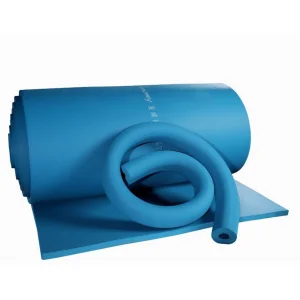
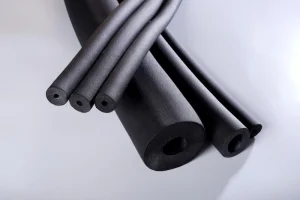
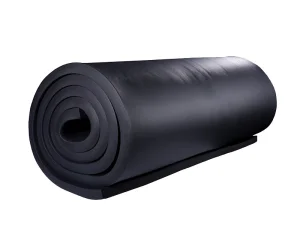
Elastomeric NBR/PVC rubber foam technology utilizes a fully closed-cell structure. By trapping dry air inside micro-cells, this matrix blocks moisture penetration and minimizes thermal conductivity (K-value). Unlike open-cell products, it does not require an additional vapor barrier, dramatically reducing labor costs and lowering the chance of corrosion under insulation (CUI).
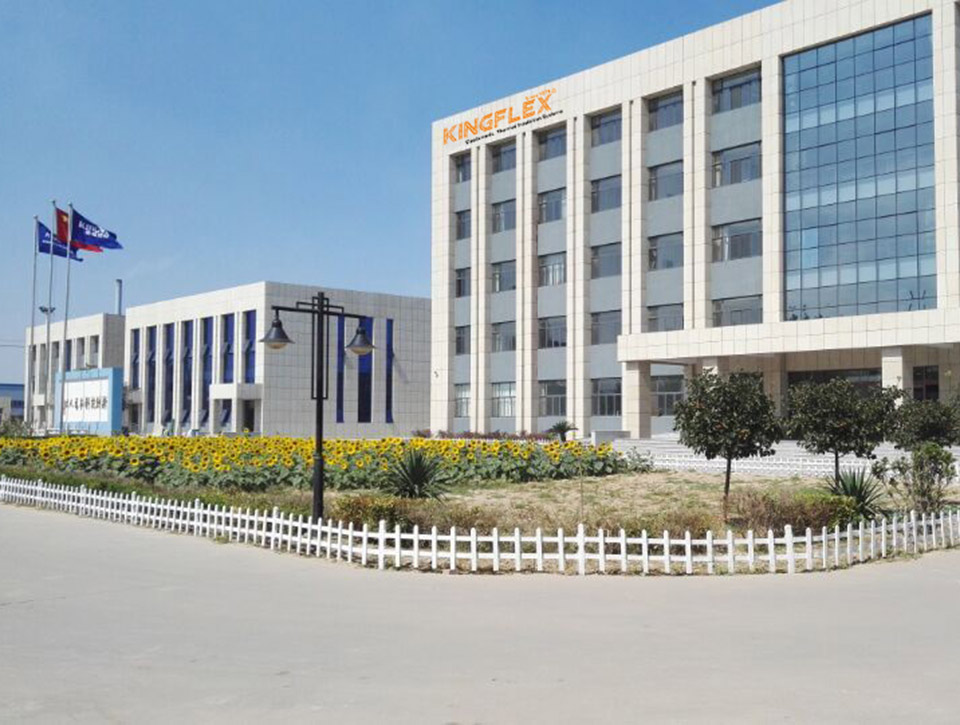
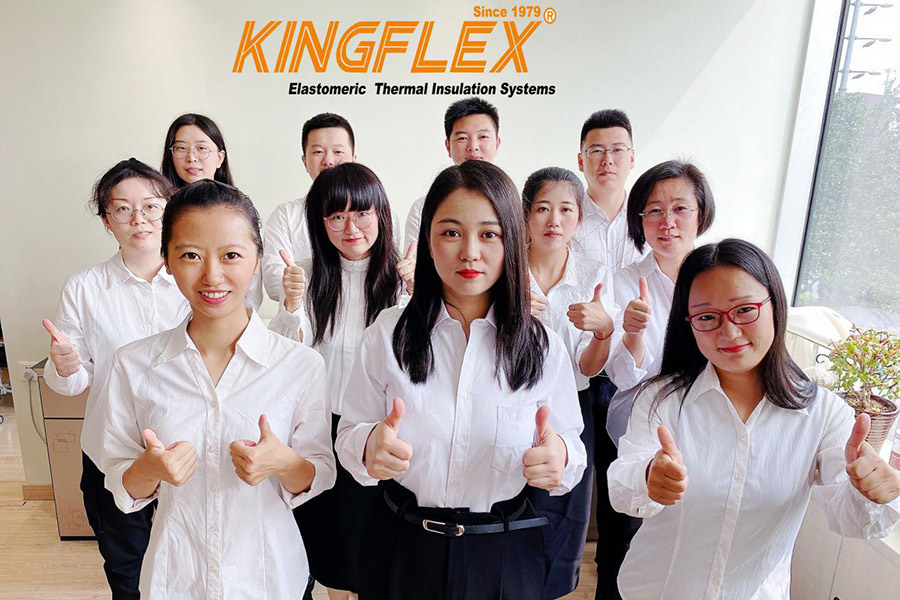
Kingflex Insulation Co., Ltd. stands as a premium manufacturer and trade integrated solution provider specializing in thermal insulation. Our modern facility is situated in Dacheng, China—a region globally recognized as the capital of green building materials.
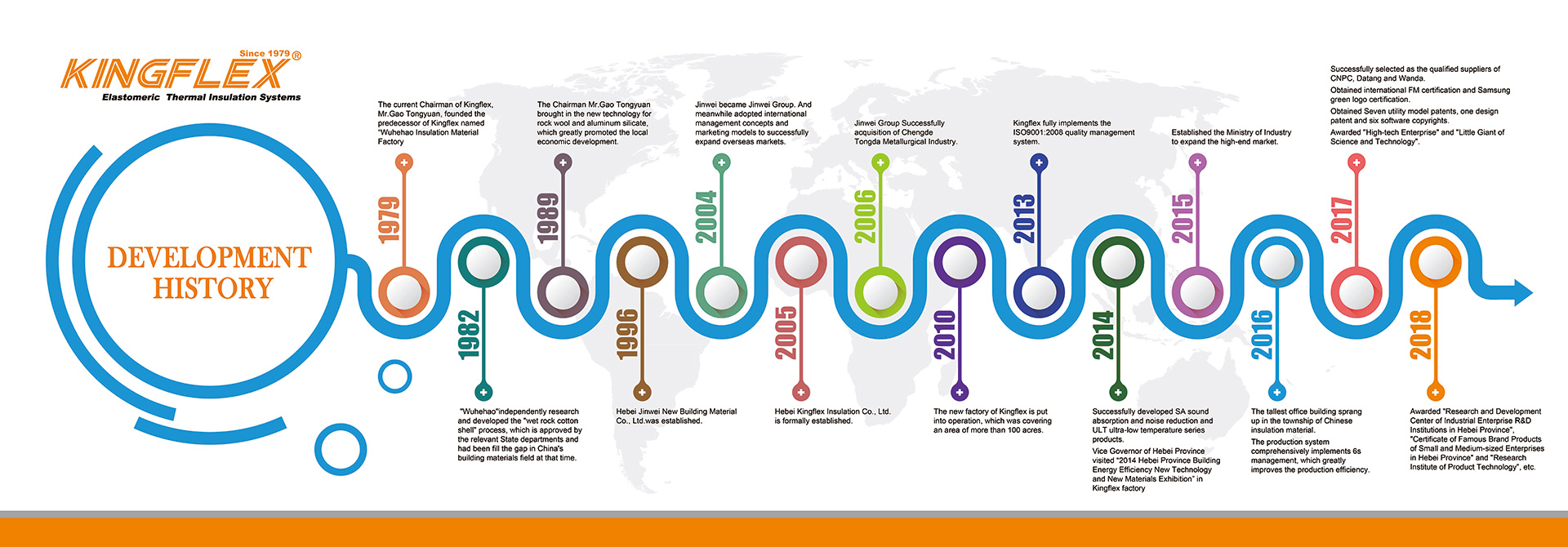
Built upon the foundations of the Jinwei Group, which began manufacturing high-grade insulation materials in 1979, we represent over four decades of research, development, and engineering expertise.
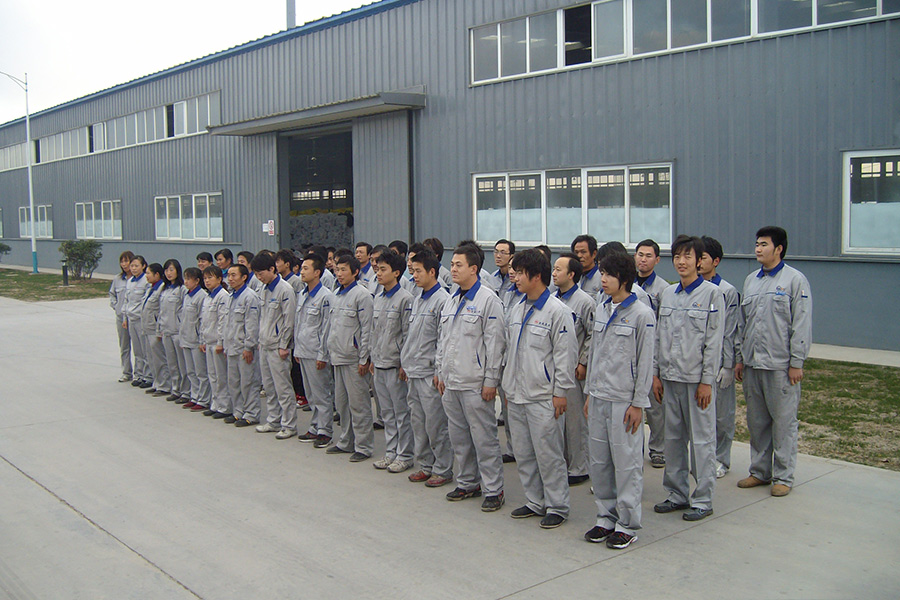
At present, Kingflex operates 5 large-scale automated assembly lines. As a designated manufacturing supplier certified by the Ministry of Energy and the Ministry of Chemical Industry, our facility produces high-density rolls and precision-machined tubes with tight tolerances to support continuous commercial operations.
Bridging the gap between strict energy regulatory requirements and physical installation challenges across civil, industrial, and cryogenic environments.
Global construction standards are pushing for higher R-values and lower U-factors. Insulating pipe ducts with high-density NBR/PVC foam reduces standby heat loss by up to 85% compared to bare steel pipelines, helping developers secure LEED, BREEAM, or local green building certifications.
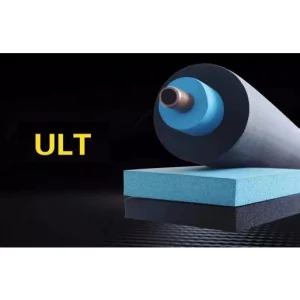
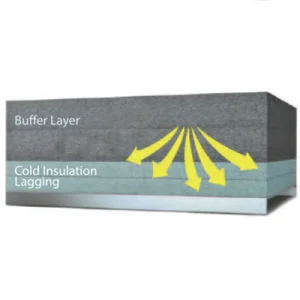
For industrial processes handling liquified gases (down to -200 °C), thermal failure can result in catastrophic pipe ruptures. Our specialized cryogenic elastomeric compounds stay flexible at ultra-low temperatures, absorbing structural vibration and thermal stress.
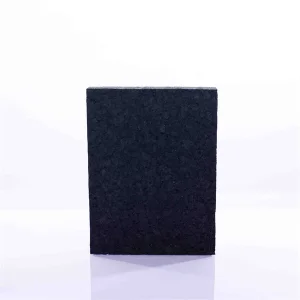
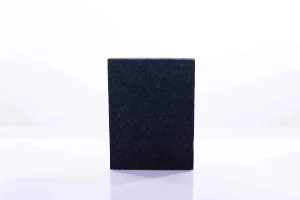
In HVAC ducting systems, mechanical fan noise propagates through empty air pathways. Open-cell rubber foam soundproof boards combine micro-porous sound absorption with structural vibration damping to isolate high-frequency mechanical hums.
Review standard physical dimensions and structural properties for NBR/PVC elastomeric insulation materials.
| Material Category | Available Thickness | Inside Diameter (ID) / Width | Material Density | Thermal Conductivity (λ) | Working Temperature Range |
|---|---|---|---|---|---|
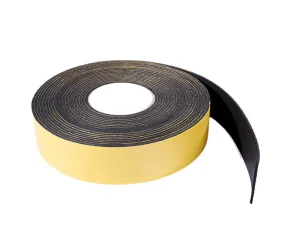
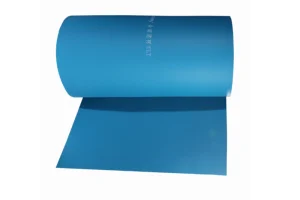
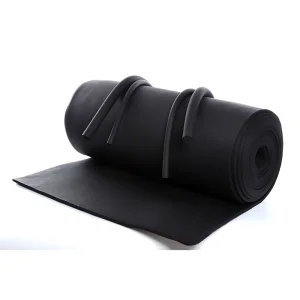
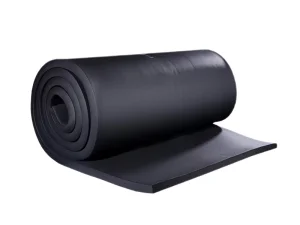
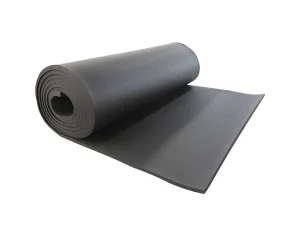
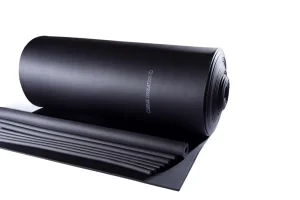
| NBR/PVC Elastomeric Sheet Roll | 6mm - 50mm | 1m - 1.5m Width | 40 - 55 kg/m³ | ≤ 0.035 W/(m·k) at 0 °C | -40 °C to +105 °C |
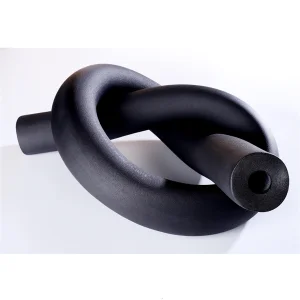
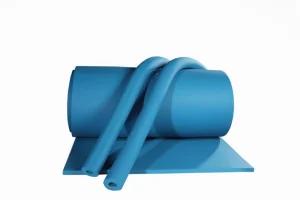
| NBR/PVC Insulation Tube | 9mm - 40mm | 6mm - 114mm ID | 40 - 55 kg/m³ | ≤ 0.034 W/(m·k) at 0 °C | -40 °C to +105 °C |
| Cryogenic Insulation Material | 13mm - 50mm | Customized Layouts | 50 - 65 kg/m³ | ≤ 0.032 W/(m·k) at -100 °C | -200 °C to +125 °C |
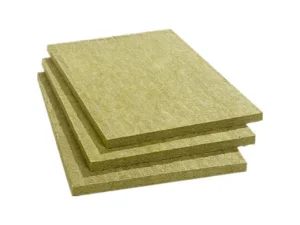
| Rock Wool Insulation Board | 25mm - 150mm | 600mm x 1200mm | 60 - 150 kg/m³ | ≤ 0.040 W/(m·k) at 25 °C | Up to +650 °C |
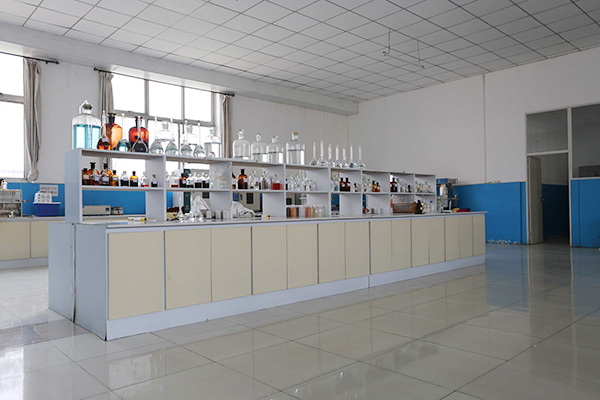
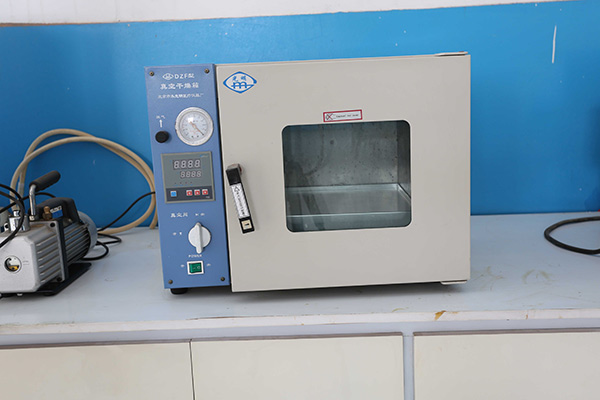
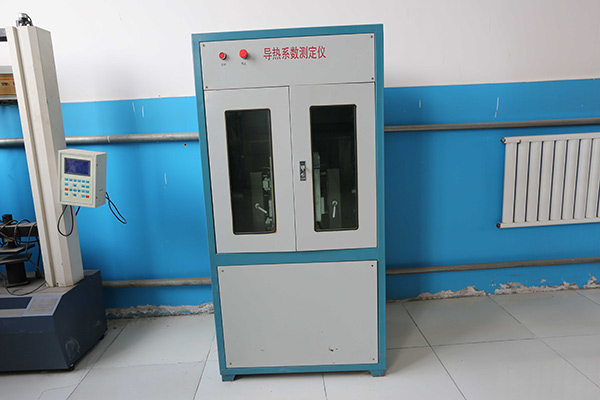
Developing high-performance rubber foam insulation requires maintaining precise control over the chemical vulcanization and foaming steps. In our dedicated research labs, we continuously test batch samples for cell structure consistency, flame spread rating, and thermal conductance.
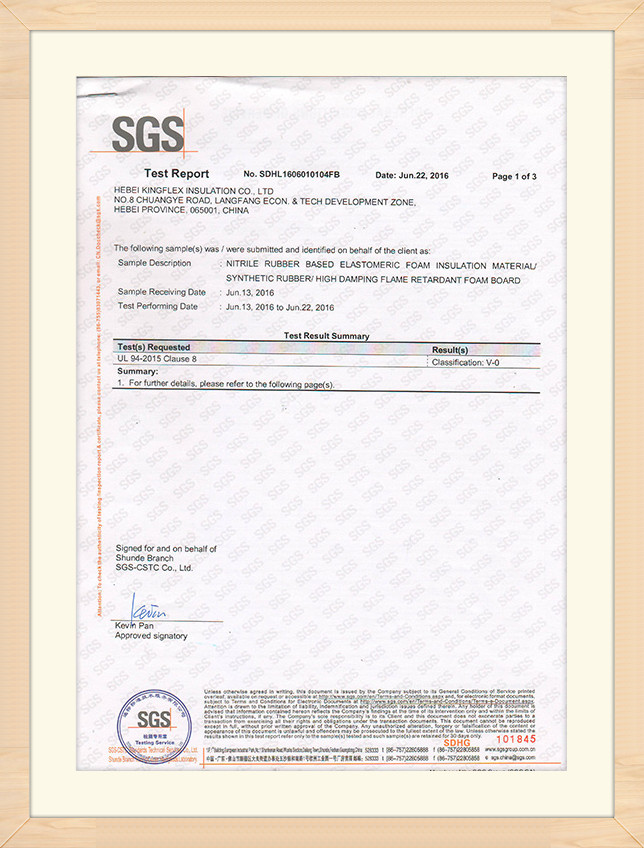
By modifying our raw NBR (nitrile butadiene rubber) polymer with high-quality flame-retardant additives, we produce sheets and tubes that meet strict fire safety codes, such as BS 476 Part 7 and UL94 Class V-0.
1. Reducing the thermal conductivity coefficient to below 0.032 W/(m·k) at room temperature.
2. Formulating zero-halogen, low-smoke, non-toxic elastomeric foam matrices for marine and railway systems.
3. Developing composite materials that combine closed-cell rubber foam with high-density acoustic foils.
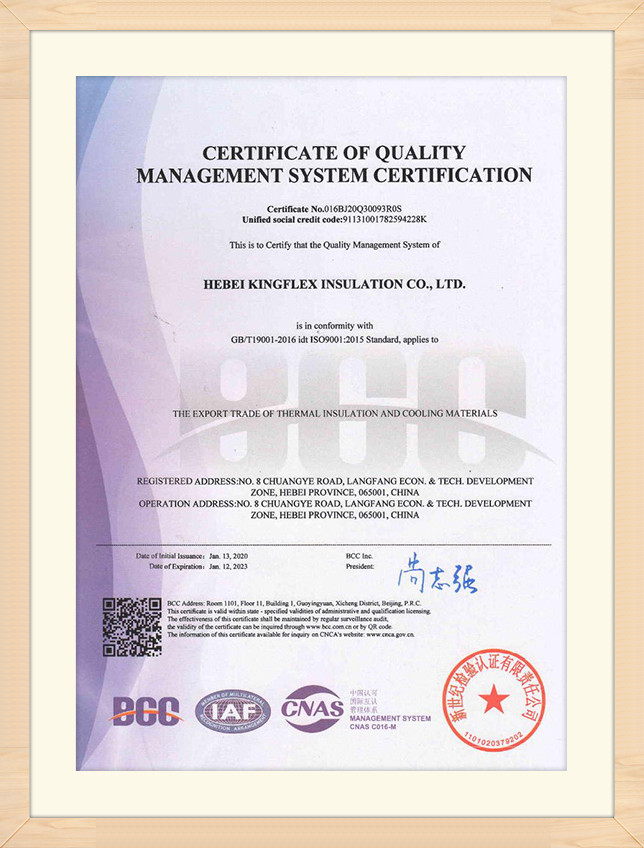
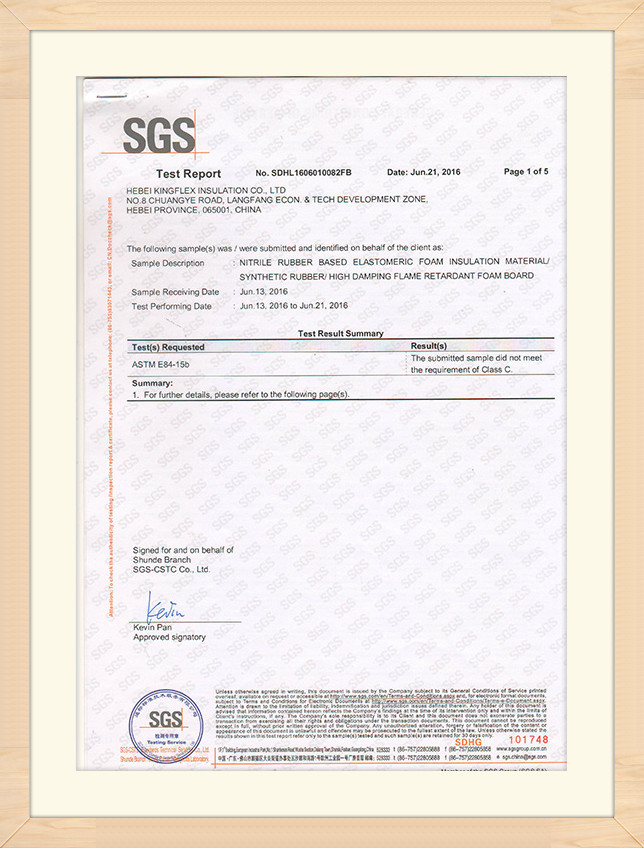
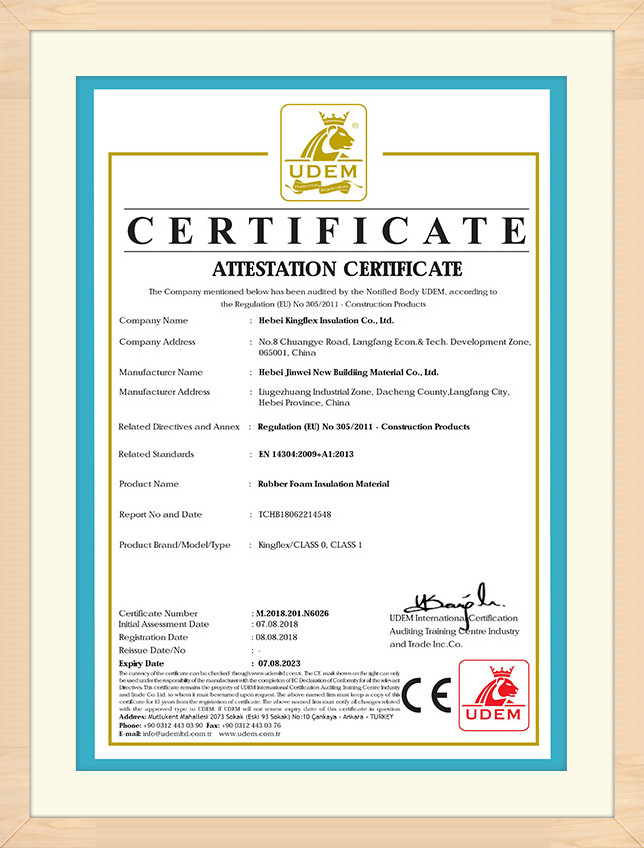
Our commitment to reliable, high-performance manufacturing is backed by recognized international testing and validation bodies.
Verified compliance with international building fire tests.
Approved for use across European Economic Area projects.
Passes rigorous flammability and material aging standards.
Ensures clean formulation, free of heavy metals and ozone-depleting gases.
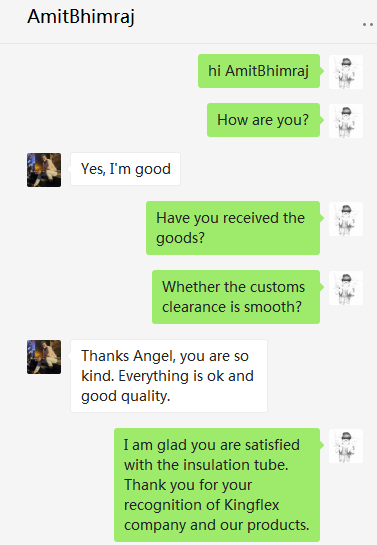
To ensure transparency throughout the procurement process, we provide full material batch tracking. Every shipment includes factory certificates, material safety data sheets (MSDS), and inspection reports to streamline local customs clearance and job-site inspections.
We maintain long-term supply partnerships with engineering companies and distributors in over 60 countries. Because we manufacture our materials in-house, we can adjust dimensions, densities, and packaging styles to suit specific project needs.
Discover how we are adapting our production lines to meet the next generation of environmental and efficiency standards.
We are working to integrate renewable, plant-derived feedstocks into our rubber foaming processes. This allows us to reduce our reliance on petroleum-based raw materials without losing the physical properties of our traditional NBR/PVC insulation.
By combining silica aerogels with our elastomeric foam, we aim to lower the thermal conductivity coefficient to less than 0.024 W/(m·k), providing excellent thermal protection with thinner profiles.
We are updating our pipe coating processes with smart, automated spraying systems. These upgrades ensure our outer coatings are applied with consistent thickness, providing better tear resistance and weatherproofing.
Find expert answers to common questions about using, selecting, and installing elastomeric rubber foam insulation.
Explore our selection of specialized solutions for low-temperature industrial processes, high-temperature steam systems, and heavy-duty commercial applications.
Important considerations for installing elastomeric NBR/PVC rubber foam insulation on pipelines and air ducts.
In large commercial HVAC networks, sheet insulation should be adhered directly to clean metal duct surfaces. Minimizing air gaps between the metal and the insulation is critical to preventing condensation and ensuring long-term thermal performance.
For cooling systems operating between 0°C and 10°C, selecting the correct insulation thickness is essential to prevent surface condensation in humid environments. Pre-slit tubes simplify installation on existing piping networks.