1 / 2
 Kingflex


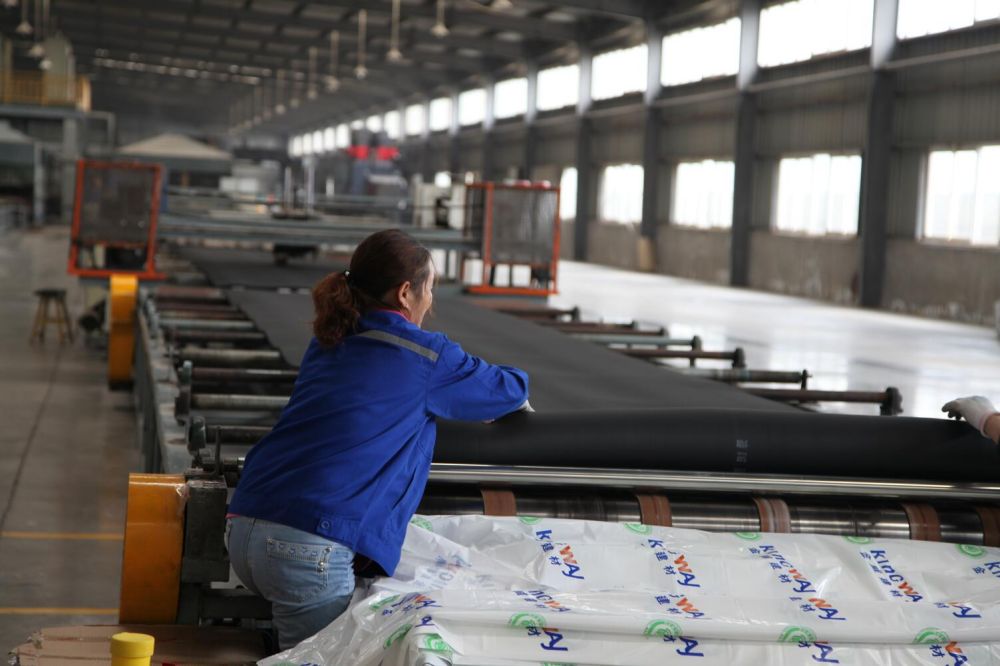
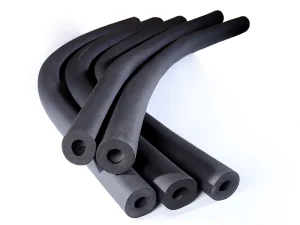
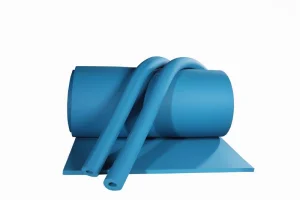
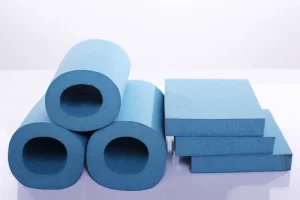
Cryogenic Rubber Foam can be used in a wide range of applications, including cryogenic tanks, pipelines, and other cold storage systems. It is suitable for use in both indoor and outdoor environments.
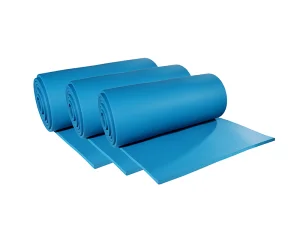
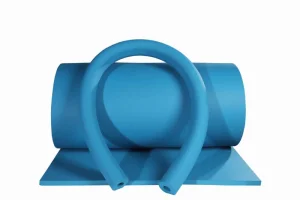
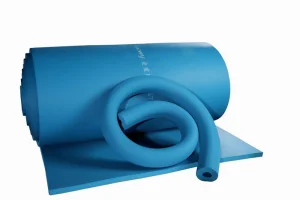
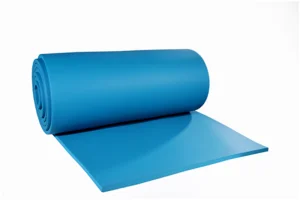
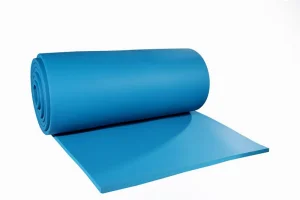
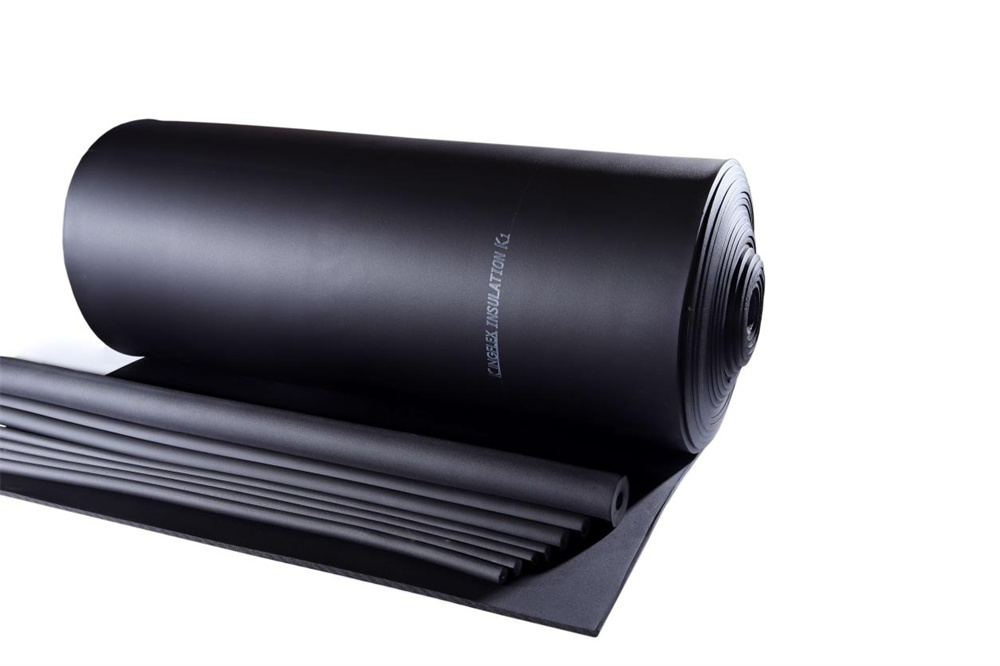
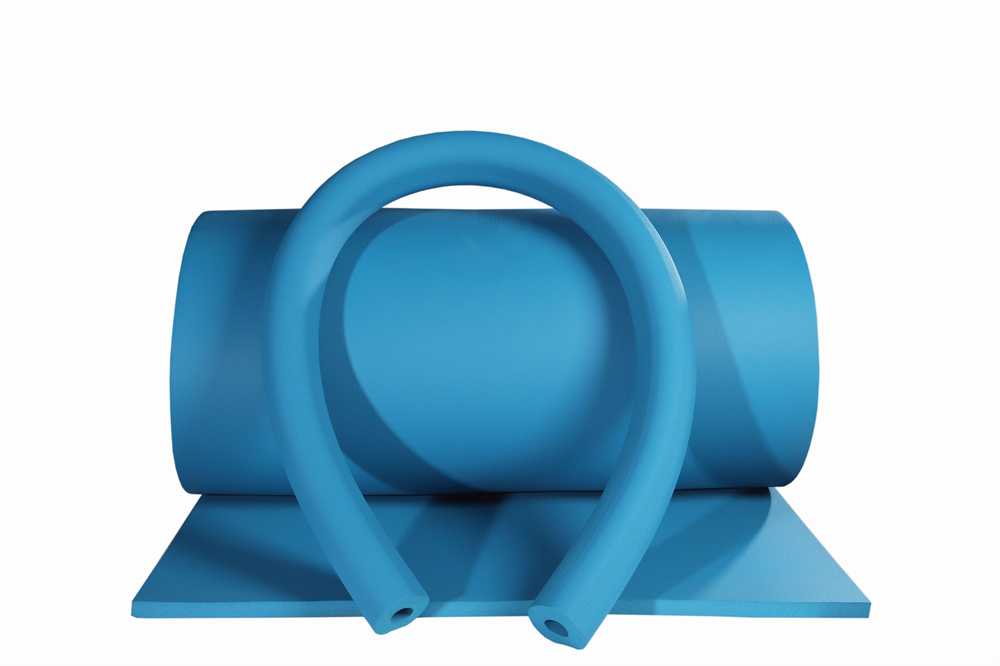
Cryogenic Rubber Foam is lightweight and easy to cut and shape, making it easy to install in a variety of configurations.
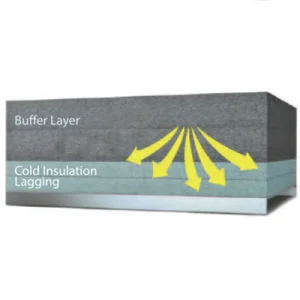
Its excellent insulation properties can help to reduce energy consumption and costs, as it can help to keep cold storage systems running more efficiently.
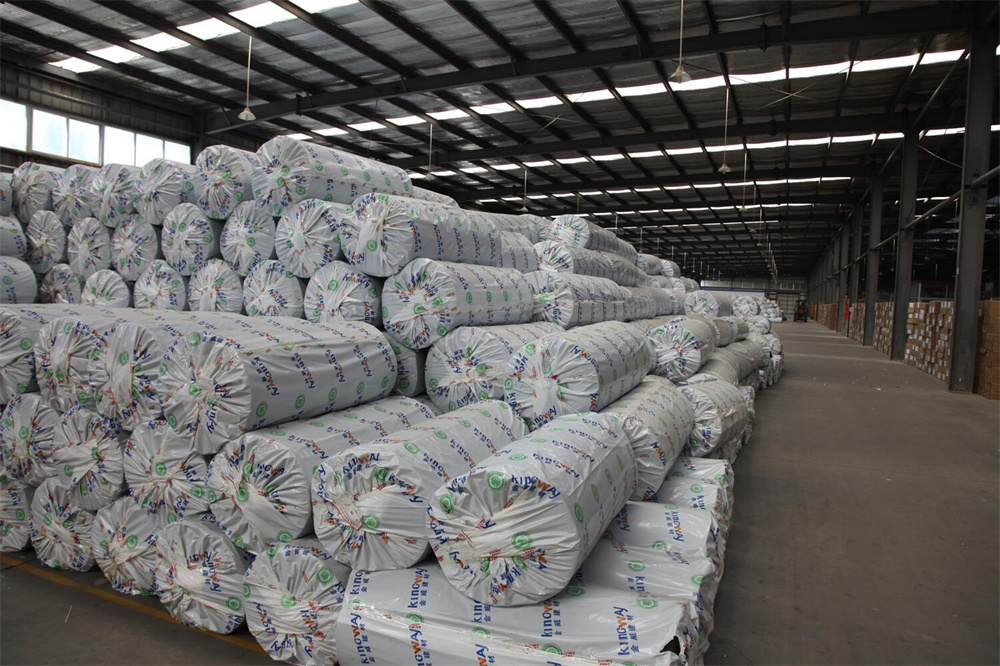
It is widely used in the production of liquefied natural gas (LNG), pipelines, petrochemicals industry, industrial gases, and agricultural chemicals and other piping and equipment insulation project and other heat insulation of cryogenic environment.
| Cryogenic ULT Technical Data | ||
|---|---|---|
| Property | Unit | Value |
| Temperature range | °C | (-200 - +110) |
| Density range | Kg/m³ | 60-80Kg/m³ |
| Thermal Conductivity | W/(m.k) | ≤0.028 (-100°C) |
| ≤0.021 (-165°C) | ||
| Fungi resistance | - | Good |
| Ozone resistance | - | Good |
| Resistance to U.V. and weather | - | Good |




A1: Cryogenic Rubber Foam is highly versatile, lightweight, and easy to shape for simple installation. It features exceptional insulation properties that improve energy efficiency and lower operation costs for cold storage systems.
A2: It is widely utilized in extreme cold insulation environments, including liquefied natural gas (LNG) production, pipelines, petrochemical industries, industrial gases, and agricultural chemical piping systems.
A3: The technical operating temperature range for Cryogenic Rubber Foam is extremely wide, performing safely and effectively from -200°C to +110°C.
A4: It exhibits superior thermal conductivity values of ≤0.028 W/(m.k) at -100°C and ≤0.021 W/(m.k) at -165°C, ensuring optimal temperature maintenance.
A5: Yes, the material offers excellent resistance to ozone, fungi, U.V. radiation, and general weather exposure, making it durable for both indoor and outdoor piping insulation.
A6: The density range of this cryogenic insulation material is 60-80 Kg/m³, keeping it lightweight while ensuring high structural stability.