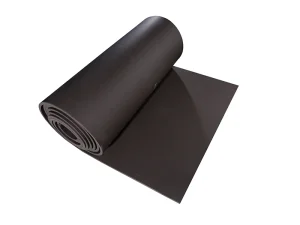
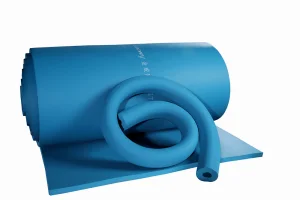
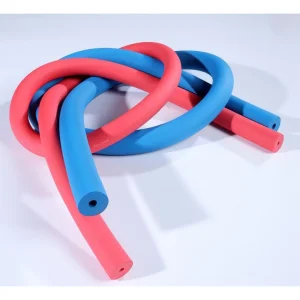
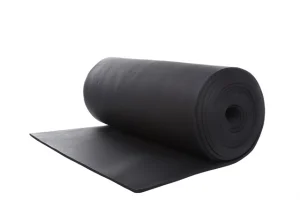
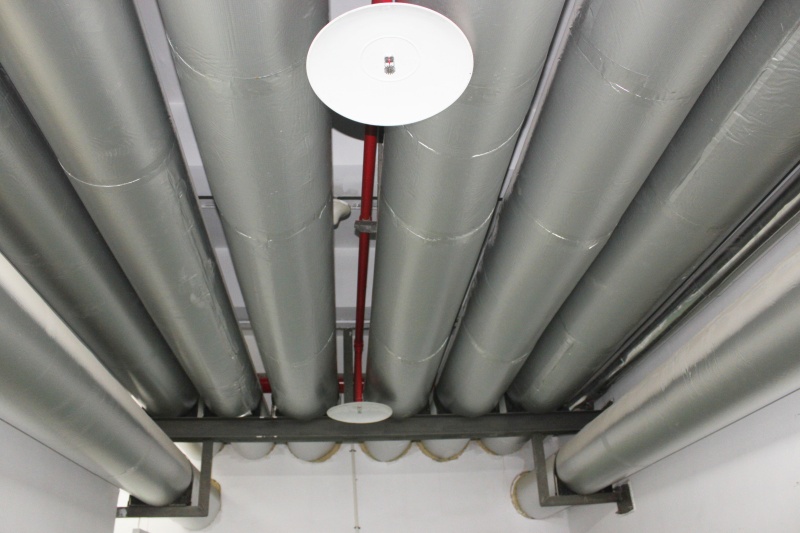
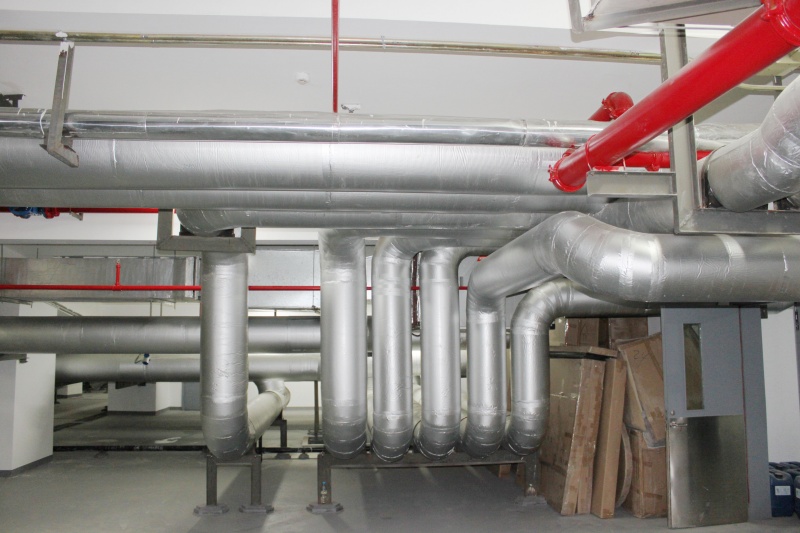
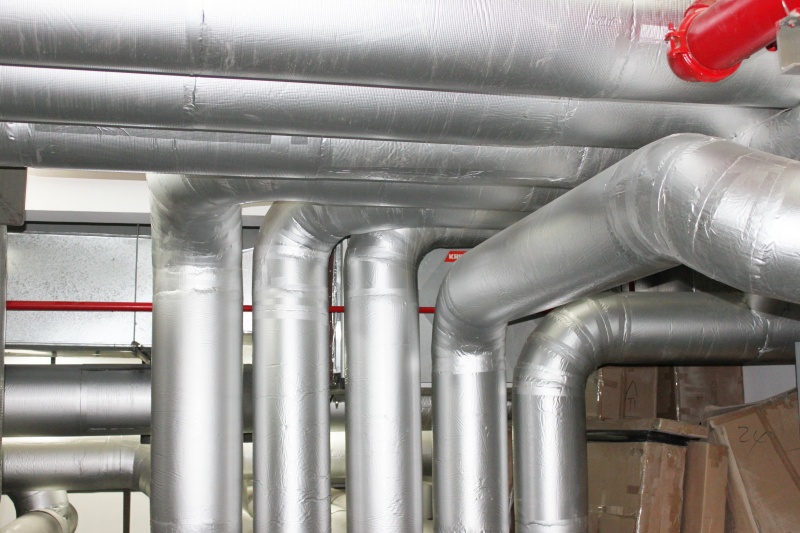
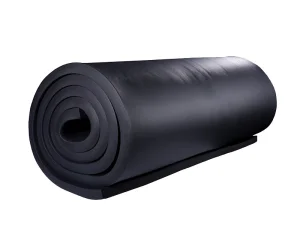
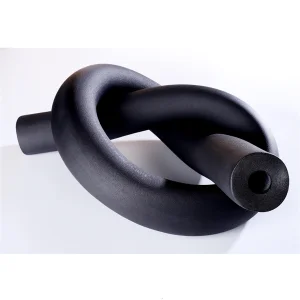
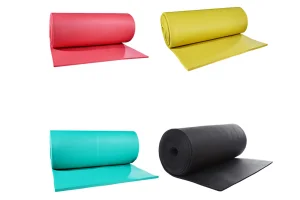
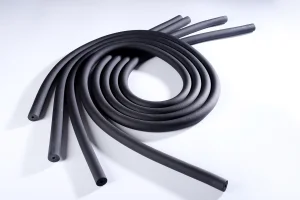
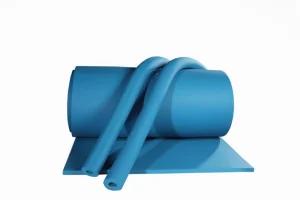
Explore our leading range of high-efficiency insulation boards, tubes, and rolls designed for heavy-duty metal pipes, low-temperature systems, and industrial building pipelines.
In modern industrial and commercial infrastructure, efficiency, durability, and safety are non-negotiable. Metal pipelines—whether carrying hot steam, chilled water, or cryogenic liquefied gases—are highly conductive. Without optimized thermal insulation, metal piping networks suffer from extreme energy loss, condensation build-up, surface corrosion, and ambient thermal pollution. Sourcing professional wholesale metal pipe insulation from established global manufacturers is the baseline requirement for engineering firms, MEP (Mechanical, Electrical, and Plumbing) contractors, and industrial managers.
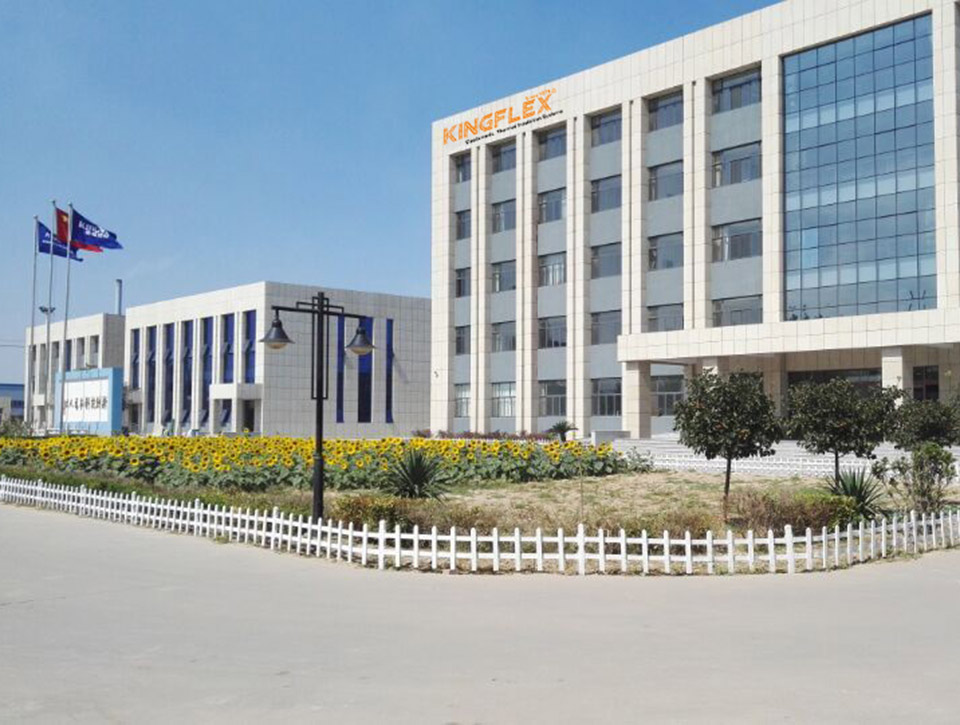
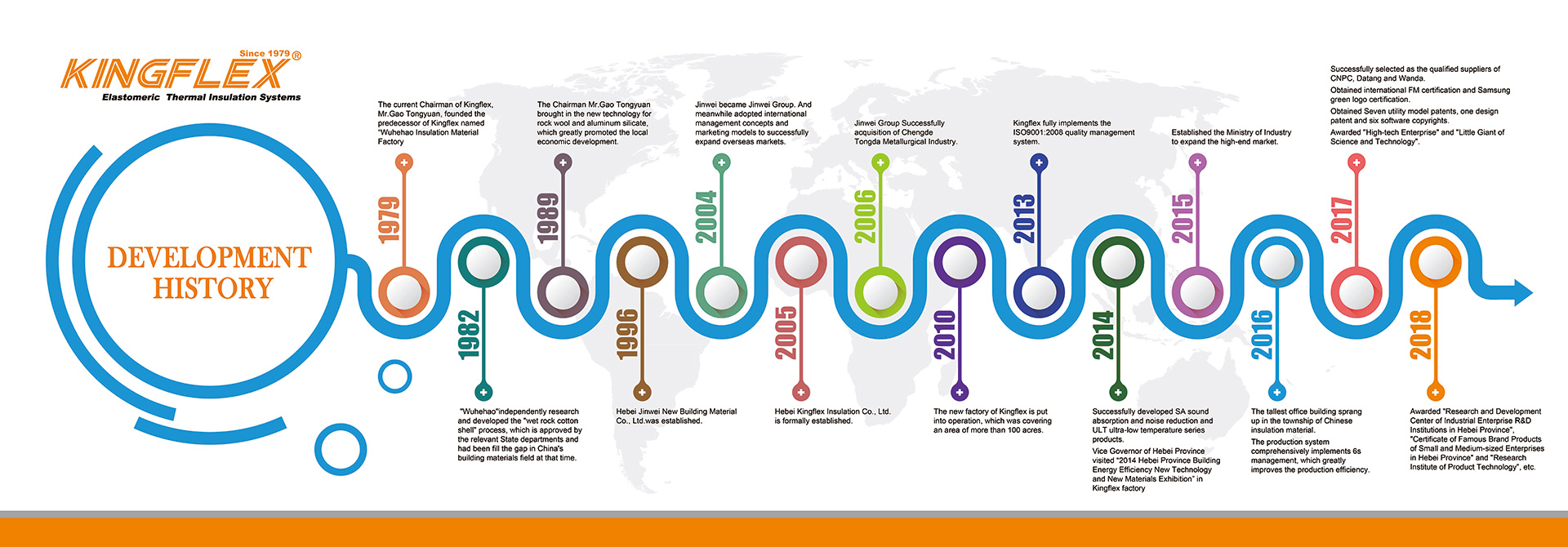
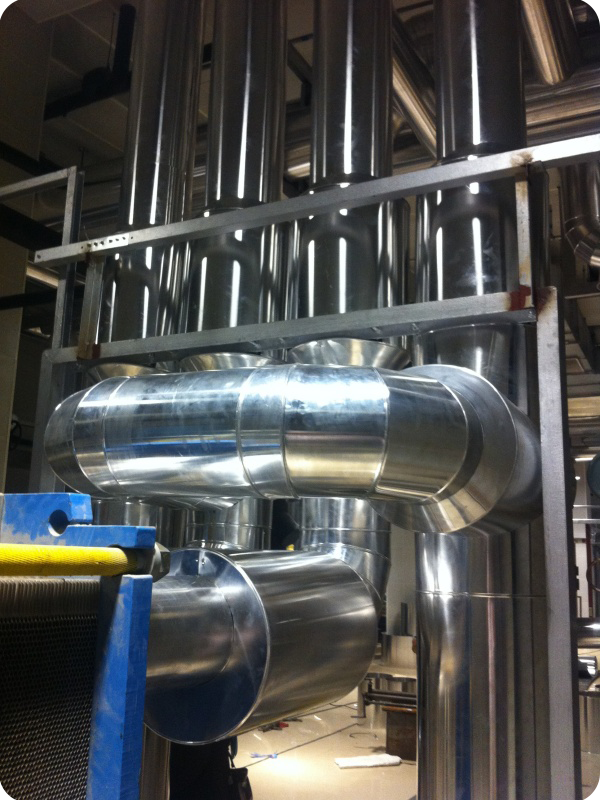
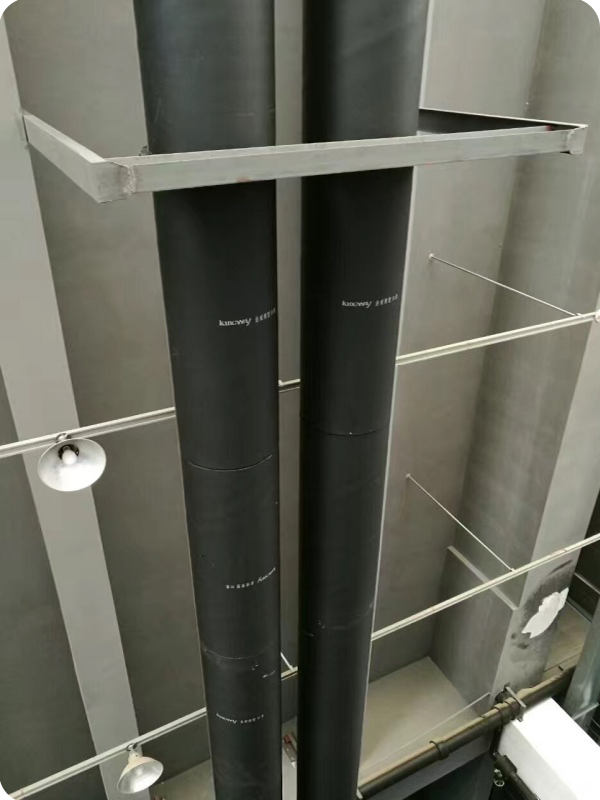
As a leading engineering-centric supplier, Kingflex Insulation Co., Ltd. (operating under the 40-year legacy of the Jinwei Group since 1979) focuses on fabricating closed-cell elastomeric nitrile rubber foam systems. These systems present a highly robust, low-maintenance alternative to traditional fiberglass and rock wool claddings for pipes, structural plumbing, and air transport systems.
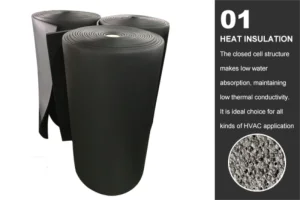
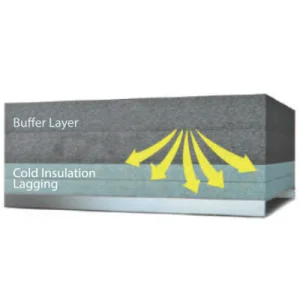
“Closed-cell elastomeric rubber foam functions as a dual barrier. It restricts heat transfer with a thermal conductivity coefficient (λ) of ≤0.034 W/(m·K) at 0°C while offering an inherent water vapor resistance factor (μ) exceeding 10,000. This renders external vapor barriers obsolete on typical HVAC installations.”
Annual Production Capacity
Manufacturing Heritage
Exporting Countries
R&D Thermal Engineers
A structural analysis of core physical parameters to assist engineering procurement decision-makers.
Characterized by a closed-cell micro-structure (>98% cell density) that traps nitrogen gas pockets to prevent moisture movement and heat flow. Extremely flexible, does not shed fibers, and retains its physical thickness over long service lifespans (10 to 15 years).
An open-ended fiber matrix optimal for high-temperature process piping (exceeding 250°C up to 1000°C). Highly fireproof, but relies heavily on a perfect exterior vapor barrier jacket to prevent moisture contamination.
| Property Parameter | NBR/PVC Elastomeric Material Specification | Test Standard / Compliance |
|---|---|---|
| Service Temperature | -40°C to +105°C (-40°F to 221°F) [Down to -200°C for Cryogenic systems] | ASTM C534 / EN 14706 |
| Thermal Conductivity (λ) | ≤ 0.034 W/(m·K) at 0°C | ≤ 0.038 W/(m·K) at 40°C | ASTM C518 / ISO 8301 |
| Water Vapor Permeability | μ (Resistance factor) ≥ 10,000 | Permeability ≤ 1.0 x 10^-13 kg/(m·s·Pa) | BS EN 12086 / ASTM E96 |
| Fire & Smoke Performance | Class 0 & Class 1 (BS 476 Part 7/6) | V-0 Rating (UL94) | Class B-s3, d0 | BS 476, UL 94, EN 13501-1 |
| Material Density Range | 40 to 55 kg/m³ (Low density options with aluminum foil) | ASTM D1622 |
| Environmental Safety | Halogen-Free, RoHS & REACH Compliant, Zero ODP, Zero GWP | Directive 2011/65/EU |
Why top tier international contractors trust Kingflex Dacheng-based production facilities.
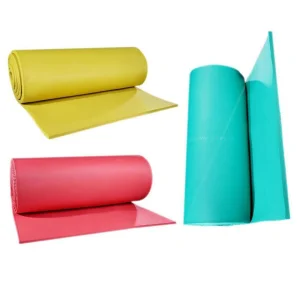
Our production facilities in Dacheng, the green-building materials capital of China, run five high-capacity automated continuous foaming lines. This ensures highly uniform micro-cell sizing, preventing thermal degradation and offering precise thickness consistency from 6mm up to 50mm.
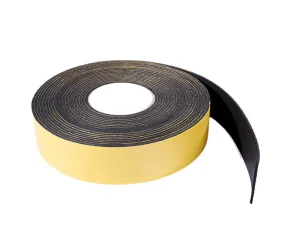
Supported by 8 in-house R&D engineers, we produce customized formulations such as halogen-free thermal rolls, low-density sheets combined with protective aluminum foil coverings, and specialized NBR/PVC blend tapes to address specific structural needs.
Kingflex is recognized as a designated supplier of thermal insulation solutions for major projects by the Ministry of Energy, the Ministry of Electric Power, and the Ministry of Chemical Industry, verifying our operational compliance and materials reliability.
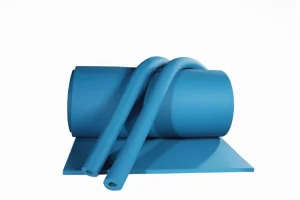
Engineered for high performance across diverse commercial and heavy industrial settings.
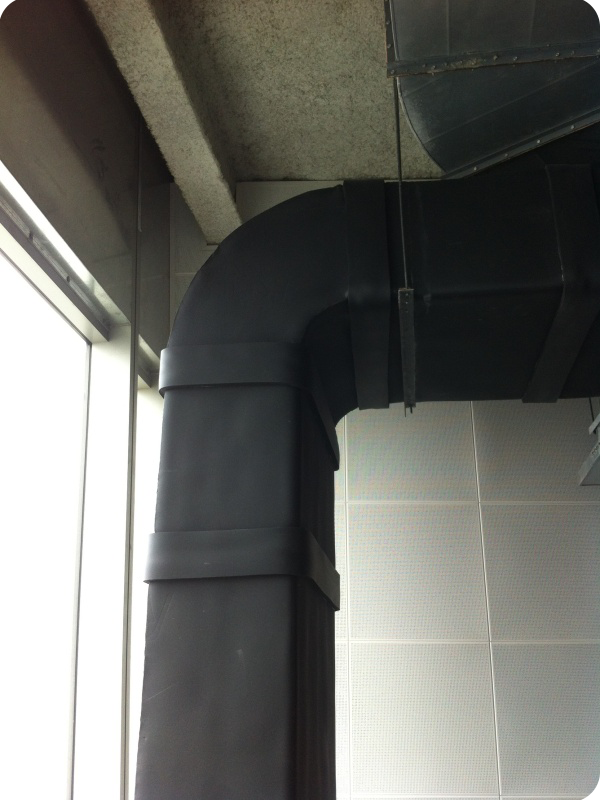
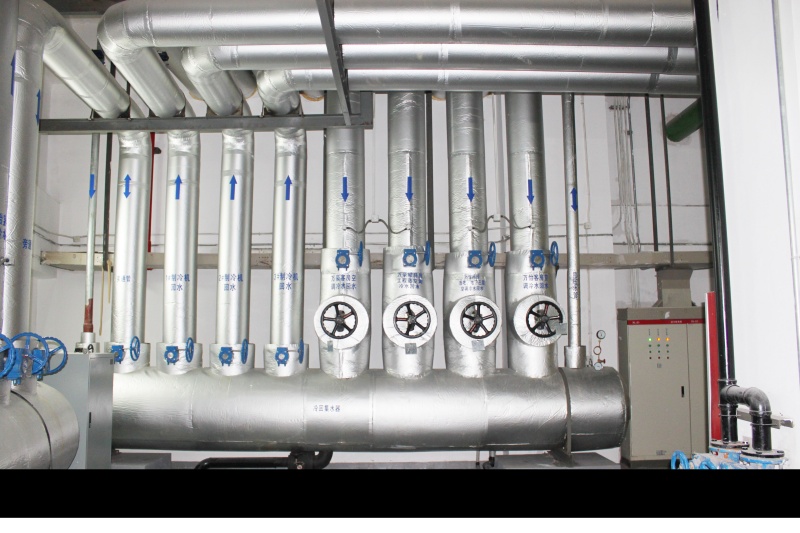
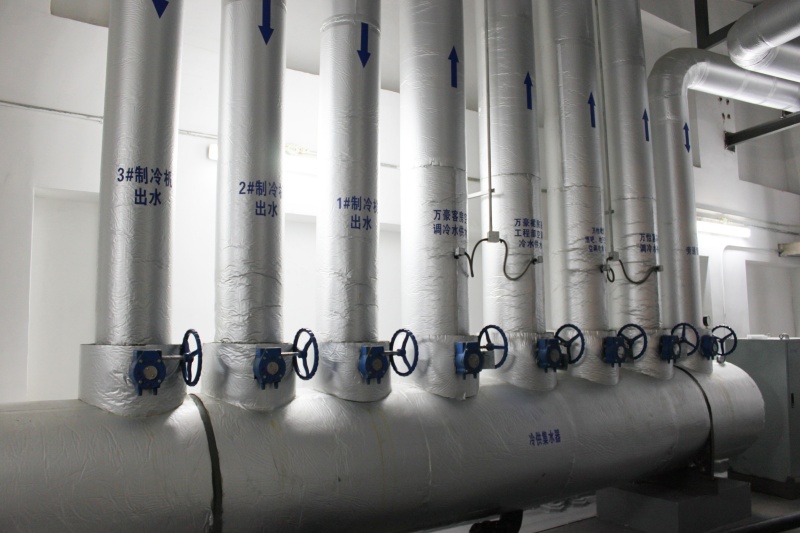
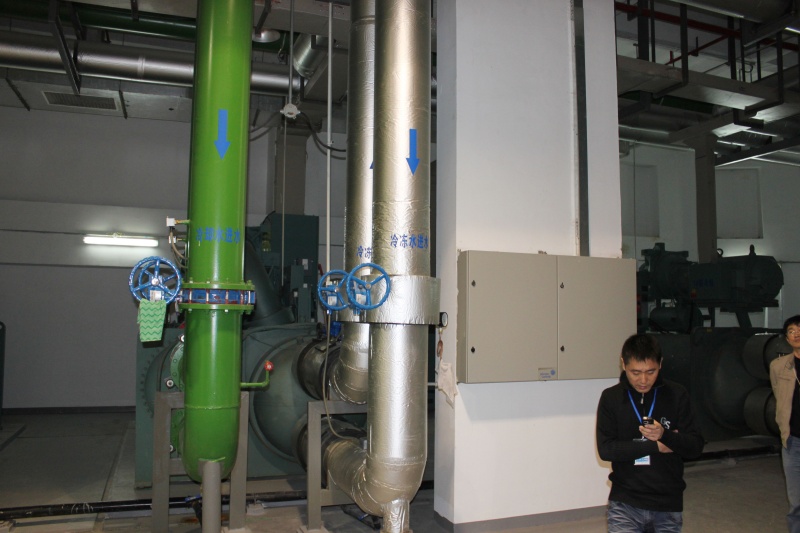
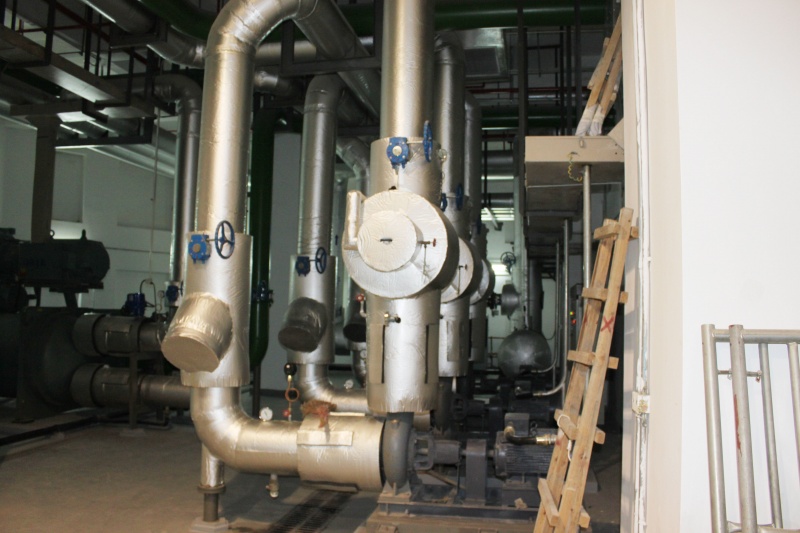
Applied directly on chilled water pipes, copper refrigerant lines, and air distribution ductwork. The closed-cell structure prevents surface condensation on cold metal, halting drip damages in ceiling cavities and mechanical equipment rooms.
Specially developed Dienes rubber foam systems handle ultra-low temperature applications (down to -200°C). They limit thermal expansion tension and shield pipe runs in chemical manufacturing plants, gas liquefaction facilities, and liquid nitrogen networks.
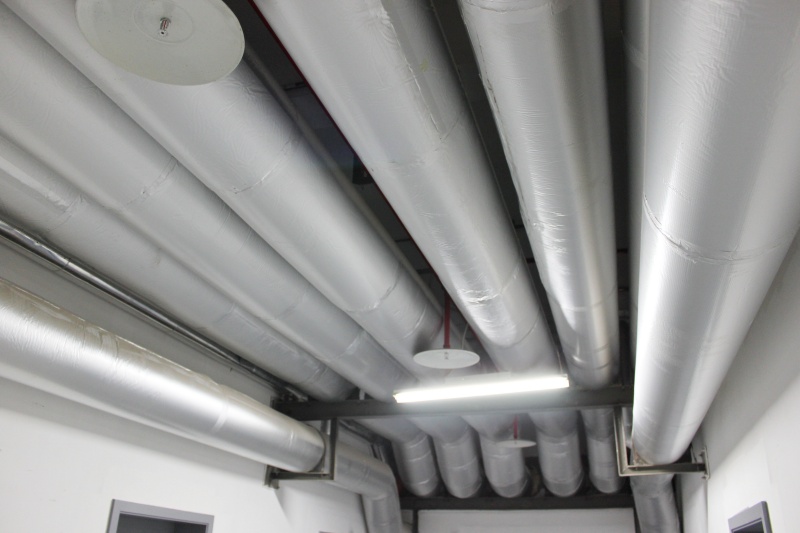
Ideal for public spaces like airports, malls, high-rise hotels, and hospitals. High fire safety performance (Class 0 and UL94 ratings) ensures compliance with strict municipal building codes, while also serving as a sound dampener.
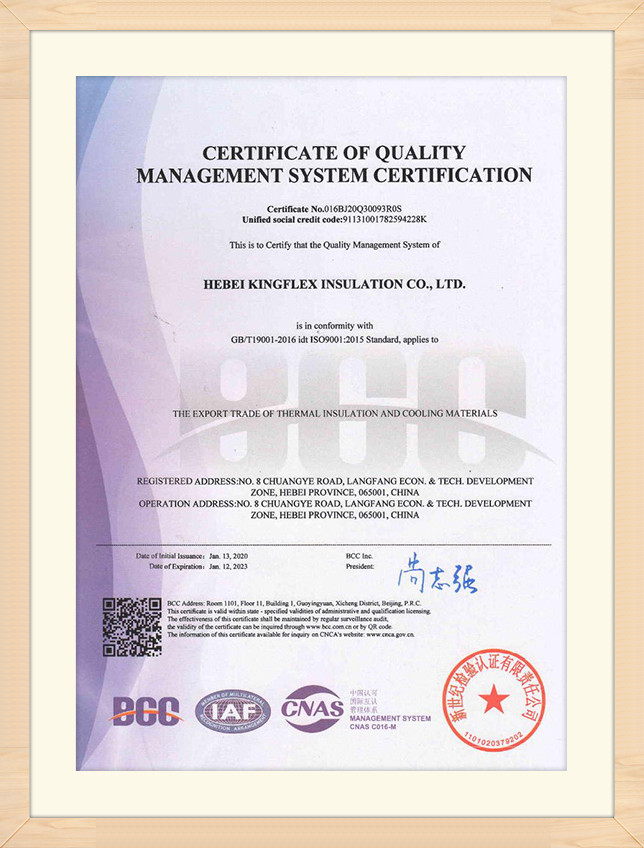
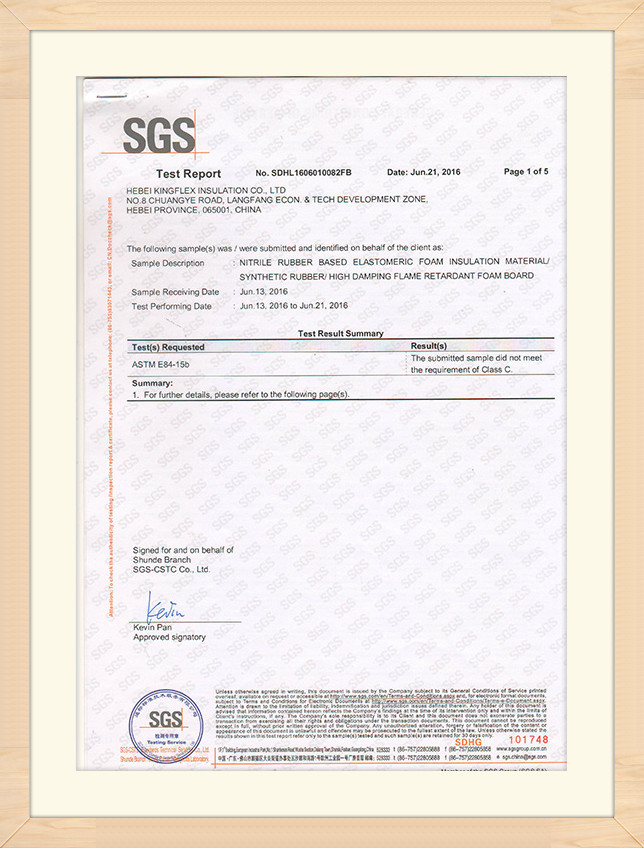
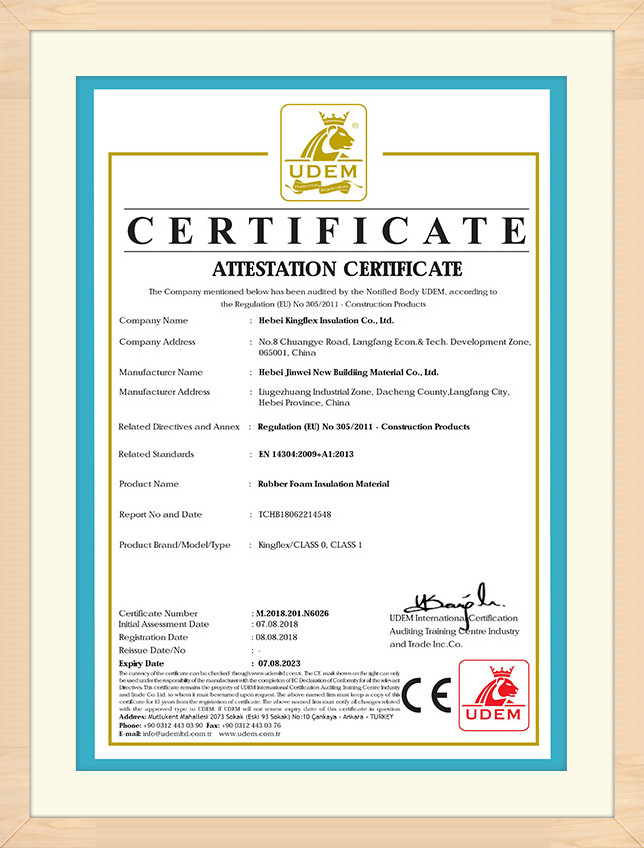
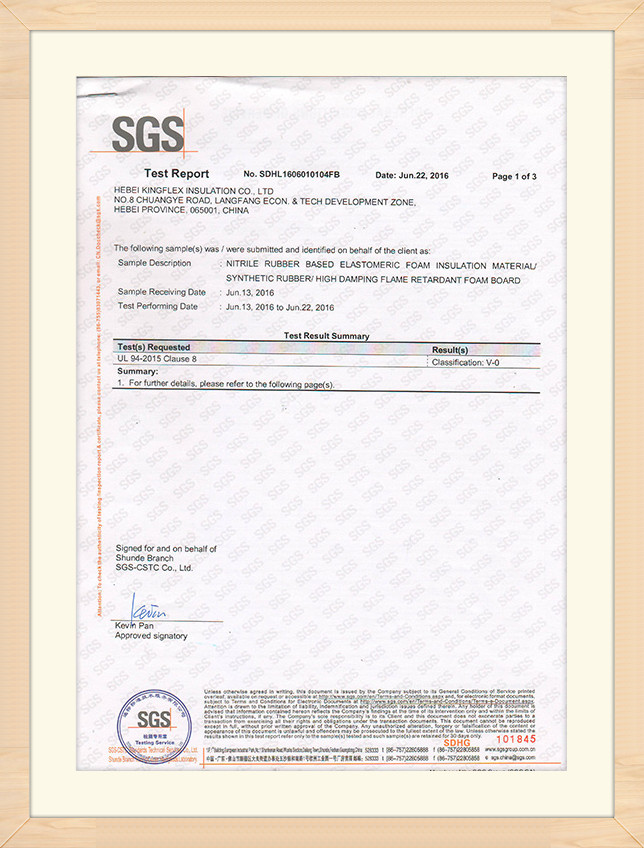
We undergo third-party auditing to align with global import regulations, quality controls, and fire safety codes.
Our raw materials and finished elastomer products are continuously evaluated for chemical safety under REACH and RoHS regulations to ensure they are free of CFCs, HFCs, and asbestos. Full material traceabilities are logged per batch, from factory formulation to dispatch.
Purchasing agents, procurement managers, and mechanical estimators face complex parameters when coordinating material delivery for large-scale utility builds. Selecting an optimization model involves several key steps:
The required insulation thickness is directly determined by fluid operating temperature, pipe diameter, ambient humidity, and design dew point. Our technical service team generates simulated insulation reports utilizing 3D thermodynamics tools to ensure safety margins while optimizing material costs.
In chilled installations, water vapor continuously exerts pressure toward the cold metal pipe surface. If the vapor barrier is compromised, water will condense inside the insulation, degrading its performance. Using a high-grade elastomer with a high moisture resistance factor (μ ≥ 10,000) prevents this thermal bridging.
For outdoor industrial pipelines or sub-sea piping, UV exposure and mechanical impacts can degrade foam surfaces. In these scenarios, specifying pre-laminated aluminum foil backings on elastomeric sheet rolls is recommended to safeguard the pipeline system.
Our materials are deployed globally in modern construction, heavy industry, and process piping systems.
A shifting regulatory landscape prioritizes low emissions, energy savings, and safety.
Standard PVC/elastomer formulations release halogenated gases when exposed to fire. Modern specifications for spaces like subways, server rooms, and naval vessels call for halogen-free thermal sheet insulation. These options emit no corrosive acid gases, minimizing risk to human health and electronic systems.
Global standards such as LEED, BREEAM, and DGNB reward low-toxicity, recyclable insulation with low environmental footprints. Utilizing closed-cell elastomeric rubber foam reduces building operating emissions, assisting project developers in achieving sustainability benchmarks.
Expert engineering insights regarding thermal control, installation, and materials procurement.
Examine our specialized tape, fire-retardant tubes, colored foam wraps, and heavy-duty industrial pipe liners.