Home >
Cryogenic Insulation Products >
Wholesale Elastomeric cryogenic insulation for low temperature application Factories, Pricelist
1 / 5
Wholesale Elastomeric cryogenic insulation for low temperature application Factories, Pricelist
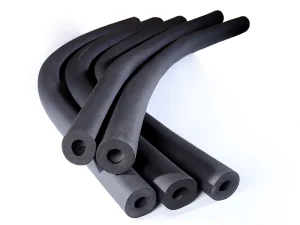
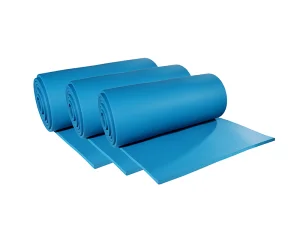
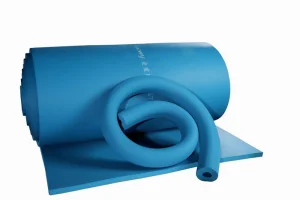
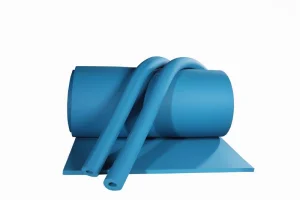
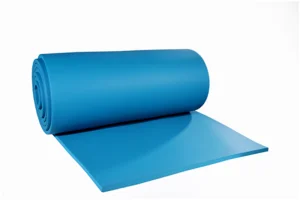
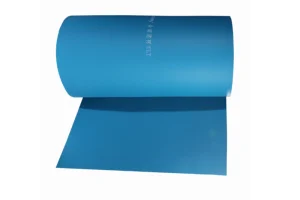
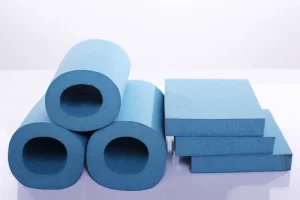
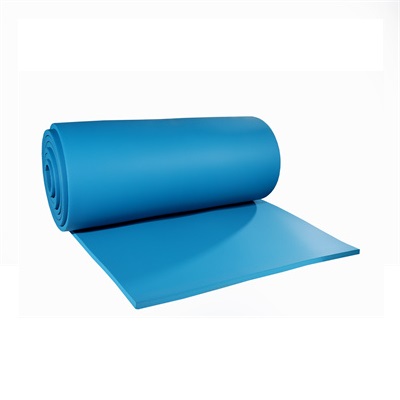
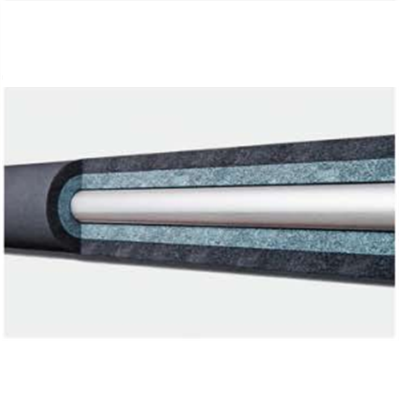
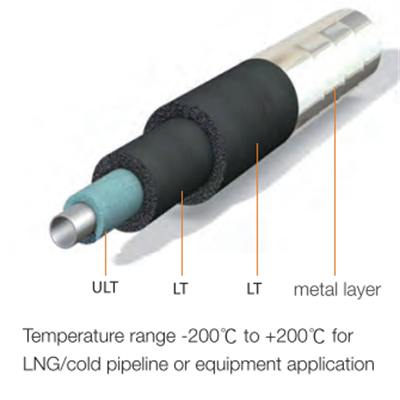
Main raw materialULT: alkadiene polymer;LT: NBR/PVCColorULT: blueLT: blackTemperature range -200℃ to +200℃ for LNG/cold pipeline or equipment application.Application:LNG; large scale cryogenic storage tanks; Petro china; SINOPEC ethylene project, nitrogen plant; coal chemical industry…
Alkadiene cryogenic thermal insulation materials in cryogenic environment, has a lower coefficient of thermal conductivity, lower density and good elasticity, no crack, effective insulation, good flame-retardant performance, good moisture resistance, durable and long lasting. It is widely used in the production of liquefied natural gas (LNG), pipelines, petrochemicals industry, industrial gases, and agricultural chemicals and other piping and equipment insulation project and other heat insulation of cryogenic environment.
Advanced Cryogenic Performance
No Moisture Barrier Needed
The flexible ULT insulation system does not need to install moisture barrier. Due to the unique closed cell structure and polymer blend formulation, LT low temperature elastomeric materials are highly resistant to water vapor permeation. This foamed material provides continuous resistance to moisture penetration throughout the thickness of the product.
Simplified Joint Management
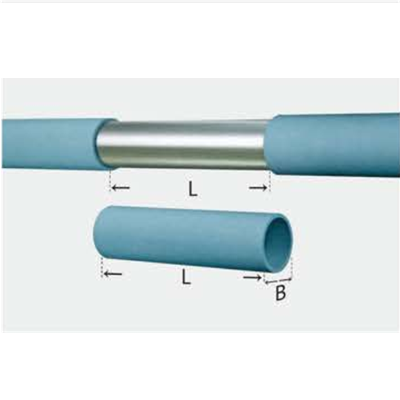
The flexible ULT insulation system does not require the use of fiber material as expansion and contraction fillers (a construction method typical on rigid foam LNG pipes). Instead, install the low temperature elastomeric material in each layer according to the recommended reserved length to solve the expansion joint problem.
Structural Integrity & Stress Dispersion
Excellent Internal Shock Resistance: Engineered to withstand severe thermal and physical impacts in demanding conditions.
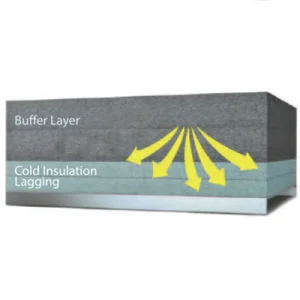
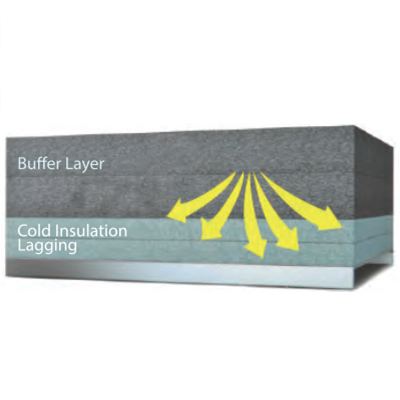
Stress Absorption: Extensive absorption and dispersion of external stresses in local positions.
Stress Concentration Protection: Avoids material cracking due to stress concentration.
Impact Protection: Avoids the cracking of hard foamed materials caused by sudden impacts.
The elasticity of the low temperature elastomeric material at ultra-low temperatures grants natural expansion and shrinkage capabilities in the longitudinal direction, ensuring continuous integrity.
Frequently Asked Questions (FAQ)
What are the main benefits of Alkadiene cryogenic thermal insulation materials?
Alkadiene cryogenic insulation materials offer low thermal conductivity, low density, excellent elasticity, crack resistance, effective thermal insulation, flame retardancy, moisture resistance, and long-lasting durability in ultra-low temperature environments.
Does this flexible ULT insulation system require an extra moisture barrier?
No, it does not. Thanks to its unique closed cell structure and polymer blend formulation, the low temperature elastomeric materials provide inherent, highly effective resistance to water vapor permeation throughout the entire thickness of the product.
How does the system resolve expansion joint problems?
Unlike rigid foam systems that require fiber expansion fillers, this flexible system only requires installing the low-temperature elastomeric materials in each layer according to recommended reserved lengths. Its natural low-temperature elasticity manages expansion and contraction in the longitudinal direction.
How does the material prevent cracking?
The material features outstanding internal shock resistance and disperses localized external stresses. This helps avoid material cracking due to stress concentration and eliminates the impact-induced cracking commonly seen in hard foamed insulation.
What are the typical applications for these cryogenic insulation materials?
It is widely used in liquefied natural gas (LNG) production, petrochemical pipelines, industrial gases, agricultural chemical processing, and various piping and equipment insulation projects within cryogenic environments.
 Kingflex