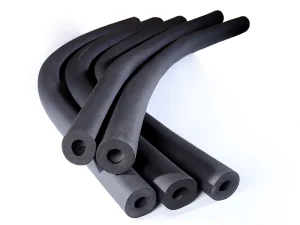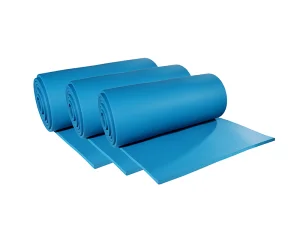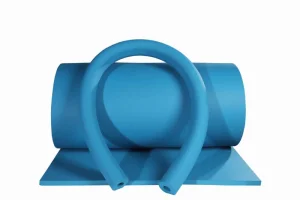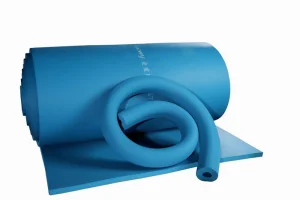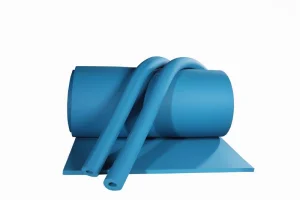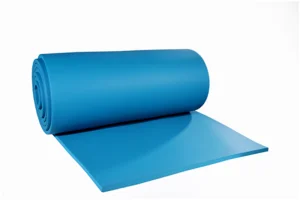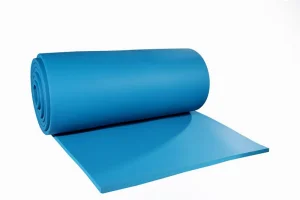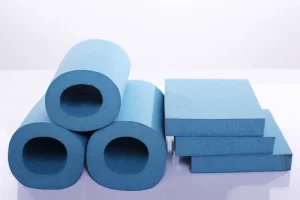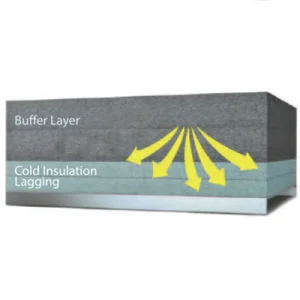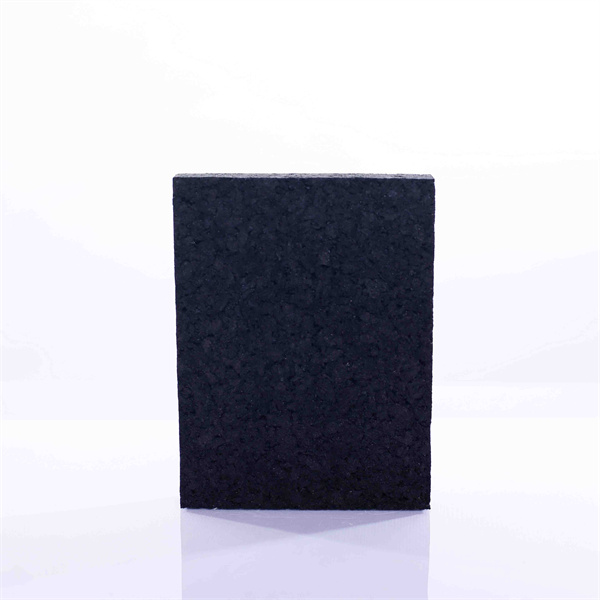
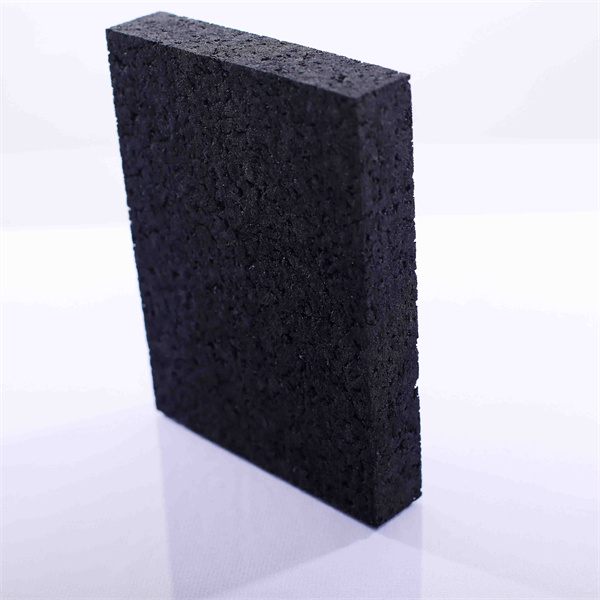
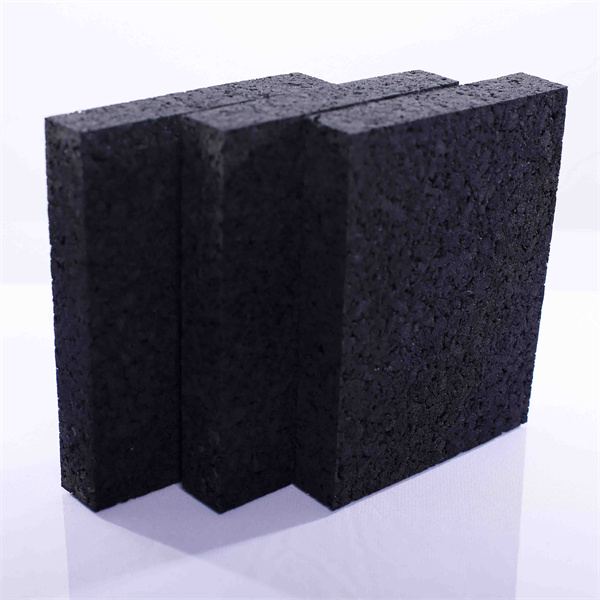
Our rubber foam insulation products are designed to deliver outstanding performance across a wide range of industrial, commercial, and residential applications. Highly versatile and durable, they are ideal for:
Ventilation Pipes & Large Pipe Facilities
HVAC Systems & Tubing
Solar Water Heaters & Freezers
Dual Temp Low Pressure Steam Pipelines
Offshore & Coastal Facilities
Ship Industry, Locomotives & Vehicles
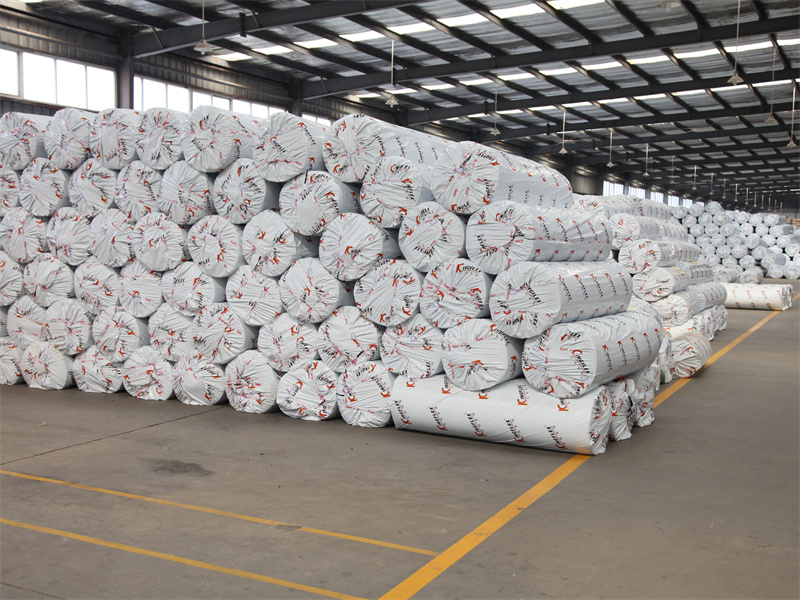
Raw material: Synthetic rubber. This flexible sound-absorbing insulation sheet is a universal sound-absorbing material with an open-cell structure, designed for various acoustic applications.
Industry Standards & Core Expertise
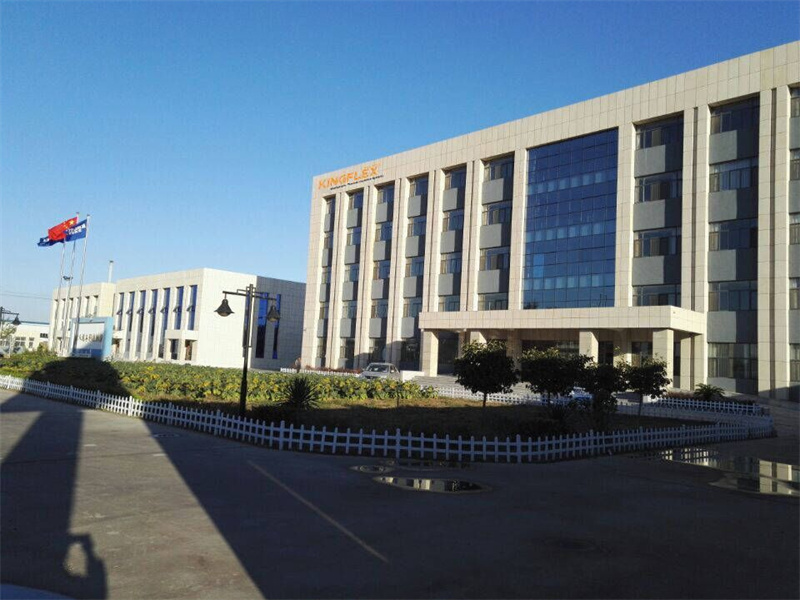
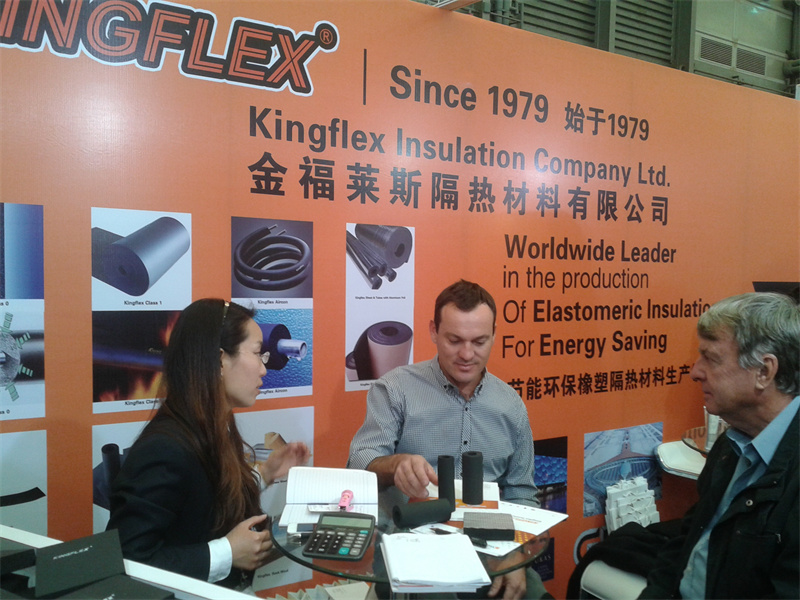
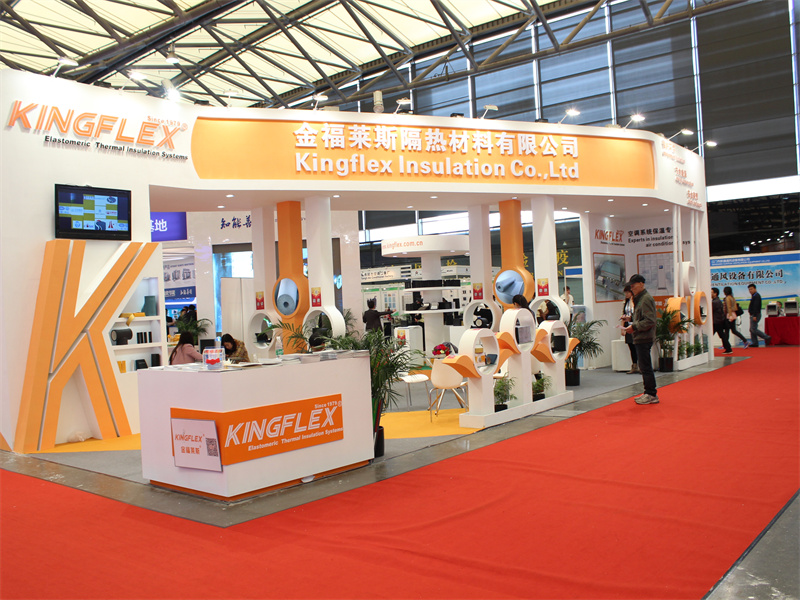
Growth in the construction industry and many other industrial segments, combined with concerns over rising energy costs and noise pollution, is fueling market demand for thermal insulation. With more than four decades of dedicated experience in manufacturing and applications, the insulation production line is highly optimized to meet this global demand.
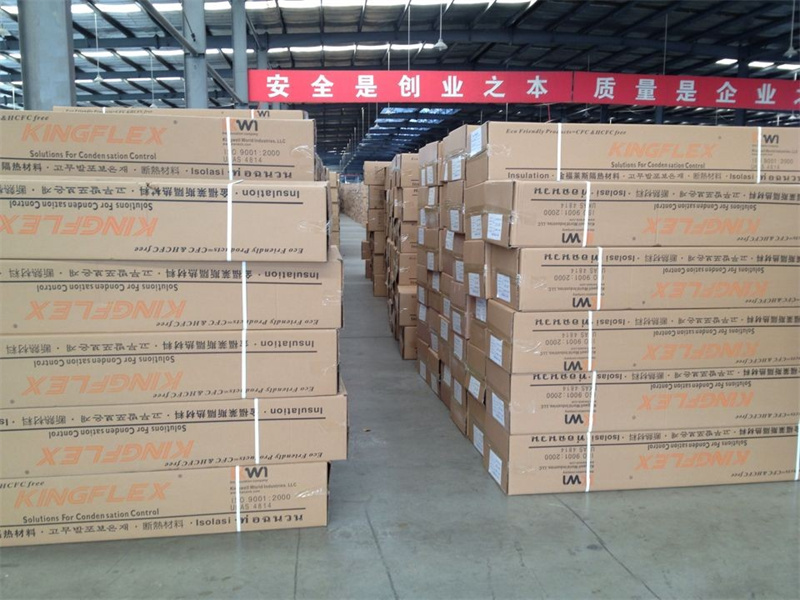
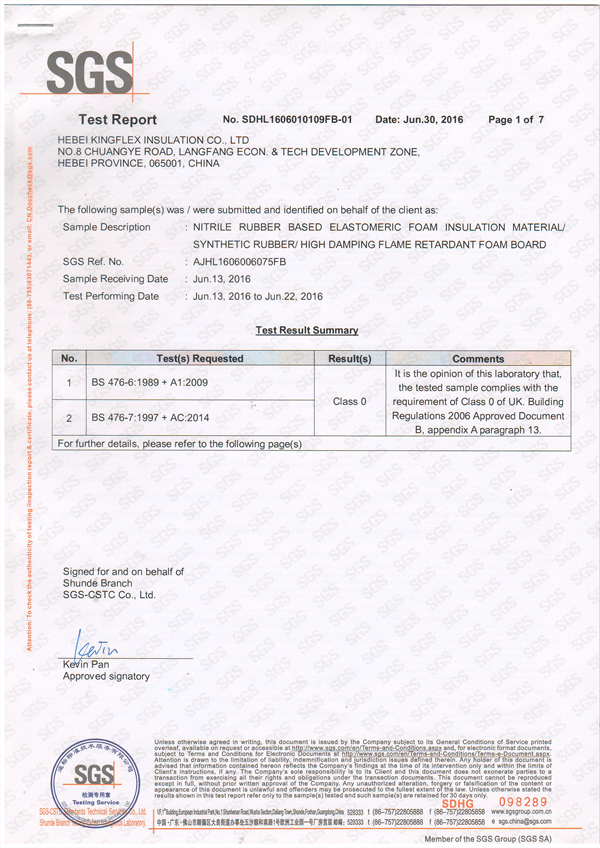
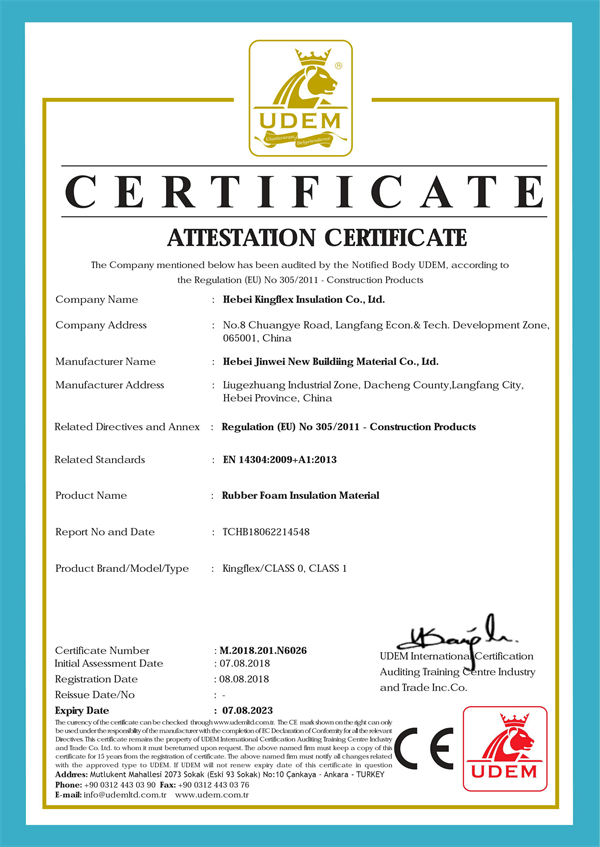
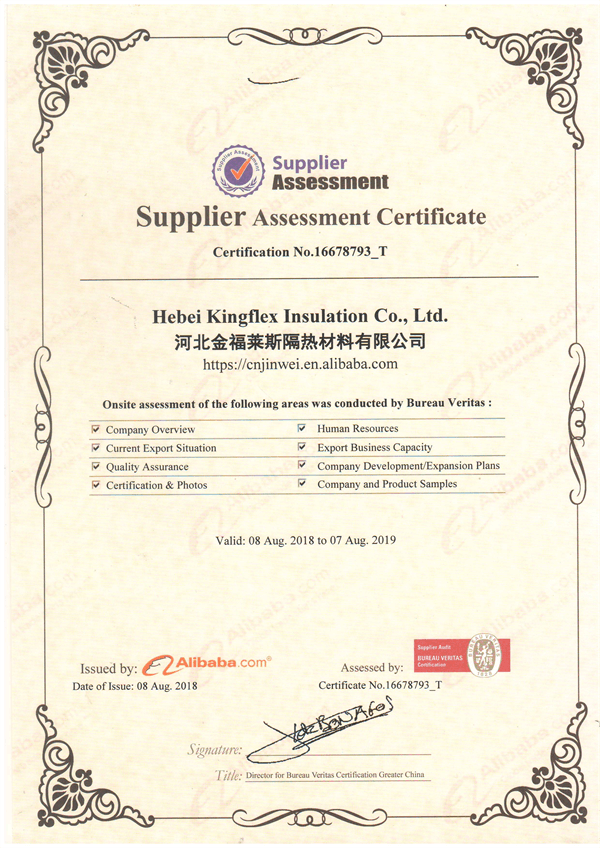
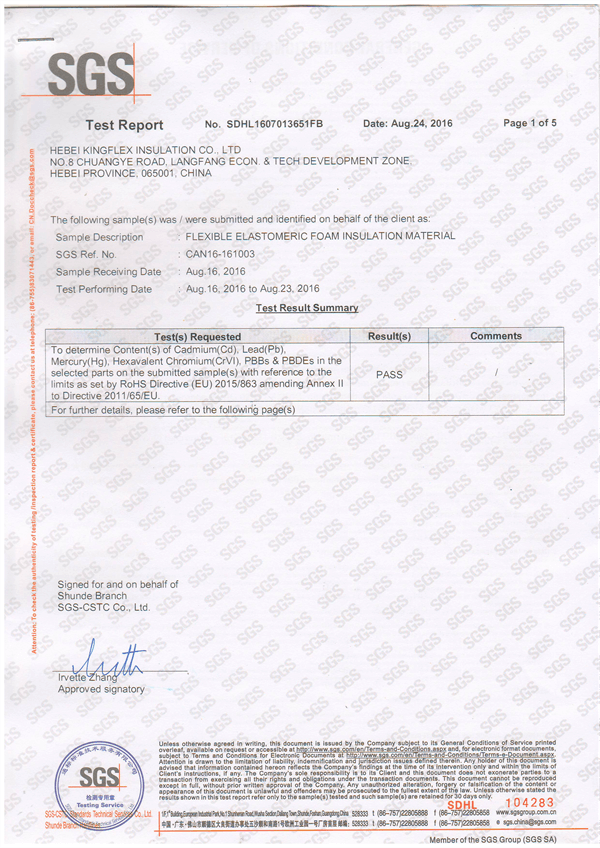
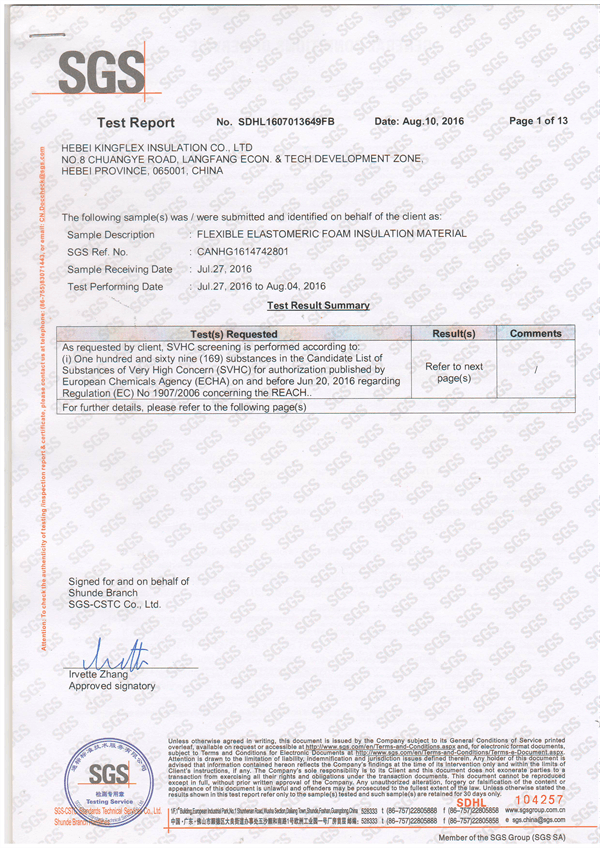
The insulation products are certified with British standards, American standards, and European standards. This ensures high-level quality, safety, and performance. As an energy-saving and environmentally friendly comprehensive enterprise, the operations synergize research and development, large-scale production, and global sales.
Product Certifications
Frequently Asked Questions (FAQ)
What are the main applications of these rubber foam insulation products?
They are widely used in ventilation pipes, HVAC systems, tubing, solar water heaters, freezers, low-pressure steam pipelines, locomotives, offshore and coastal facilities, and various ship building applications.
What material is used to manufacture the insulation sheets?
The insulation sheets are manufactured from high-quality synthetic rubber, featuring an open-cell structure that acts as an excellent, universal sound-absorbing material.
Are the insulation products compliant with international standards?
Yes, the products are certified to meet British standards, American standards, and European standards, ensuring they fulfill global regulatory and safety requirements.
How does the open-cell structure benefit acoustic control?
The flexible open-cell structure is specifically engineered to absorb sound waves effectively, making it highly suitable for reducing ambient noise and controlling acoustics in various industrial settings.
Why is there a growing demand for these thermal insulation materials?
Market demand is driven by rapid growth in the construction and industrial sectors, alongside increasing concerns over rising energy costs and the critical need to reduce noise pollution.