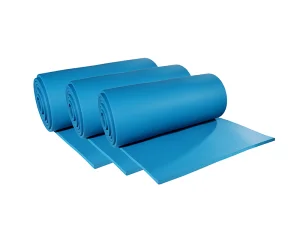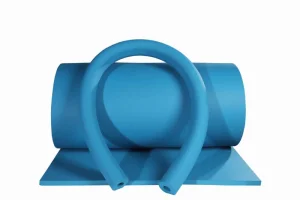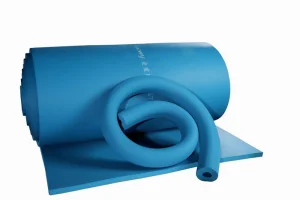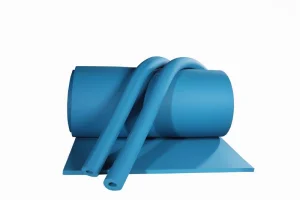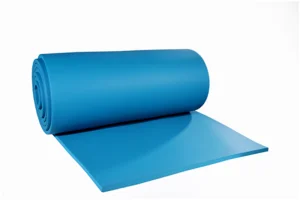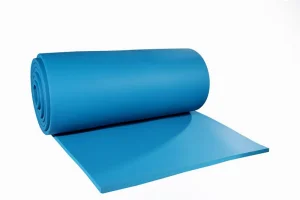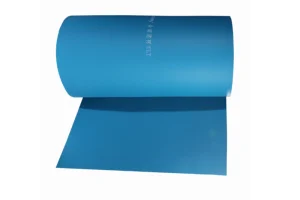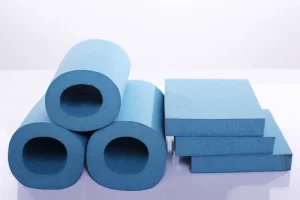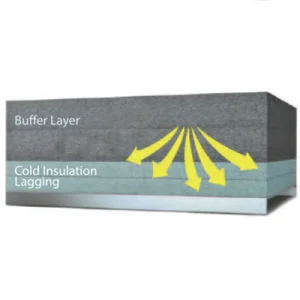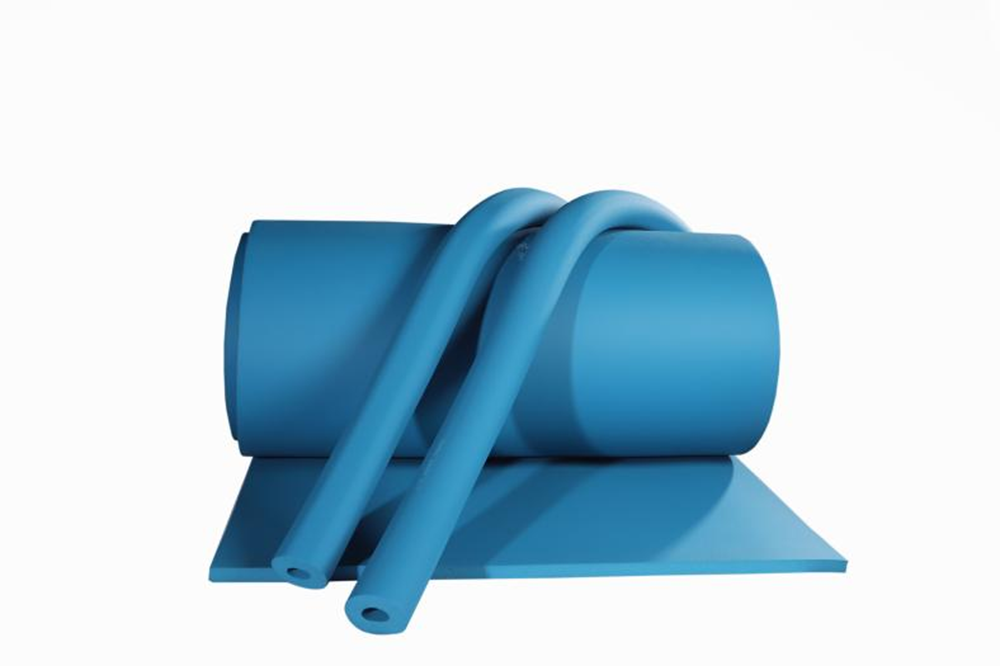
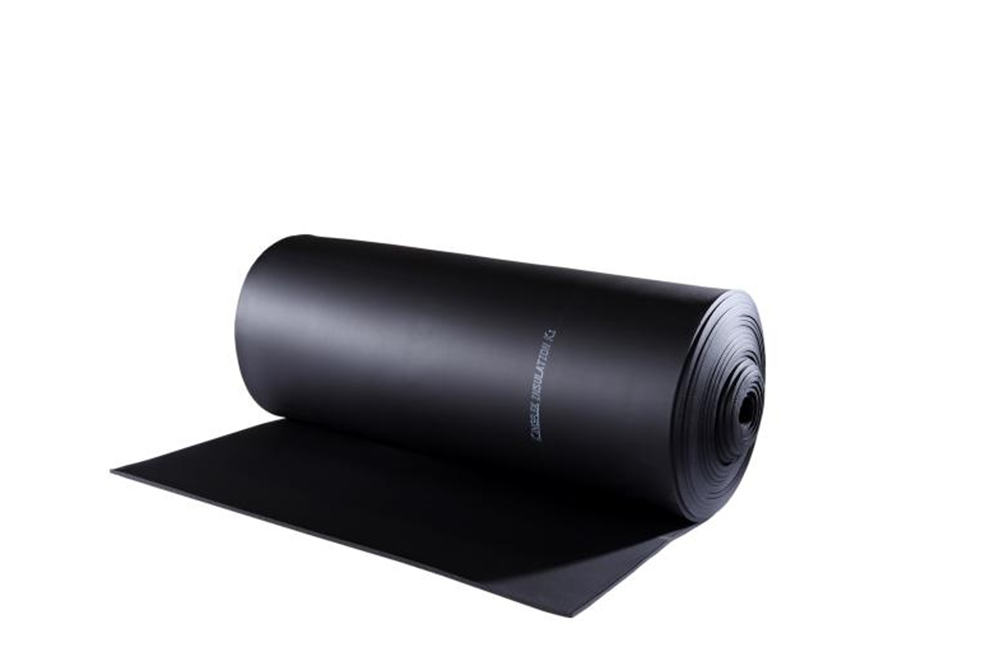
The flexible ultra low temperature adiabatic system has the inherent characteristics of impact resistance, and its cryogenic elastomer material can absorb the impact and vibration energy caused by the external machine to protect the system structure.
| Main Property |
Base material |
Standard / Test Method |
| ULT |
LT |
| Thermal Conductivity |
-100°C: 0.028 -165°C: 0.021 |
0°C: 0.033 -50°C: 0.028 |
ASTM C177 |
| Density Range |
60-80Kg/m³ |
40-60Kg/m³ |
ASTM D1622 |
| Recommend Operation Temp. |
-200°C to 125°C |
-50°C to 105°C |
- |
| Percentage Of Close Areas |
>95% |
>95% |
ASTM D2856 |
| Moisture Performance Factor |
NA |
<1.96x10g(m.m.Pa) |
ASTM E 96 |
| Wet resistance Factor μ |
NA |
>10000 |
EN12086 / EN13469 |
| Water Vapor Permeability |
NA |
0.0039g/h.m² (25mm thickness) |
ASTM E 96 |
| PH |
≥8.0 |
≥8.0 |
ASTM C871 |
| Tensile Strength Mpa |
-100°C: 0.30 -165°C: 0.25 |
0°C: 0.15 -50°C: 0.218 |
ASTM D1623 |
| Compressive Strength Mpa |
-100°C: ≤0.3 |
-40°C: ≤0.16 |
ASTM D1621 |

Applications Areas
- Coal chemical MOT
- Low temperature storage tank
- FPSO floating production storage oil unloading device
- Industrial gas and agricultural chemical production plants
- Platform Pipe
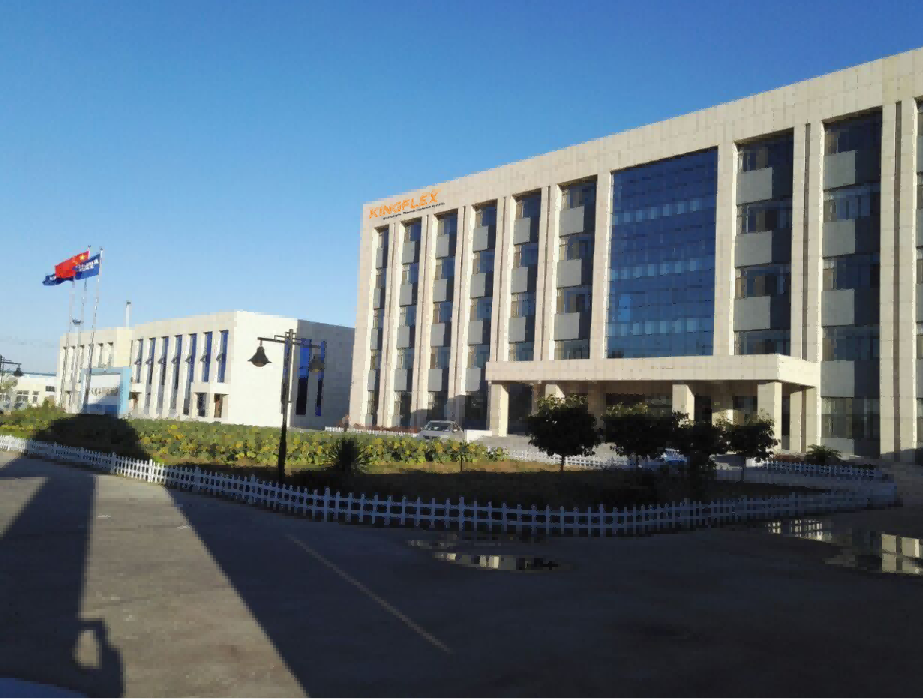
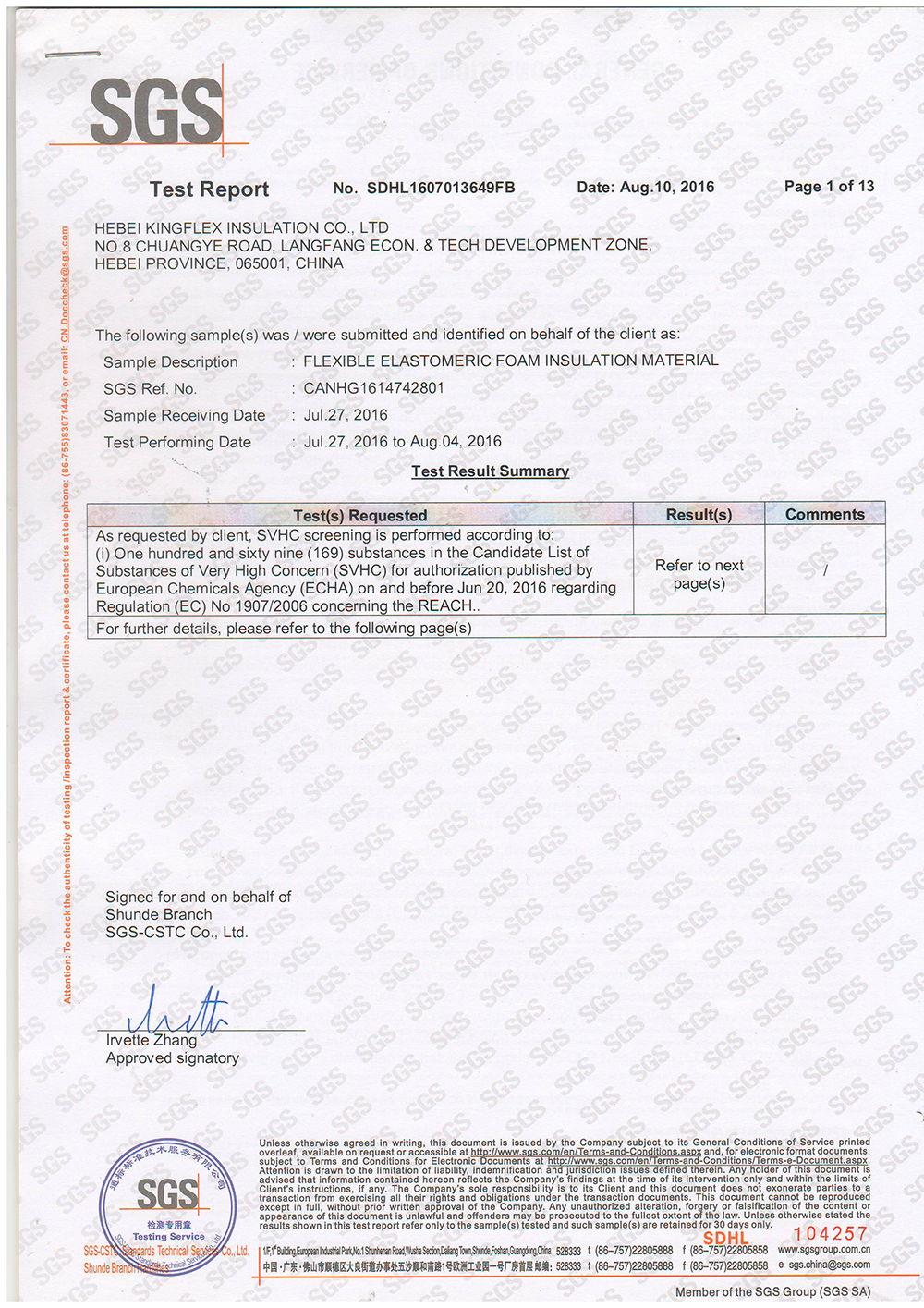
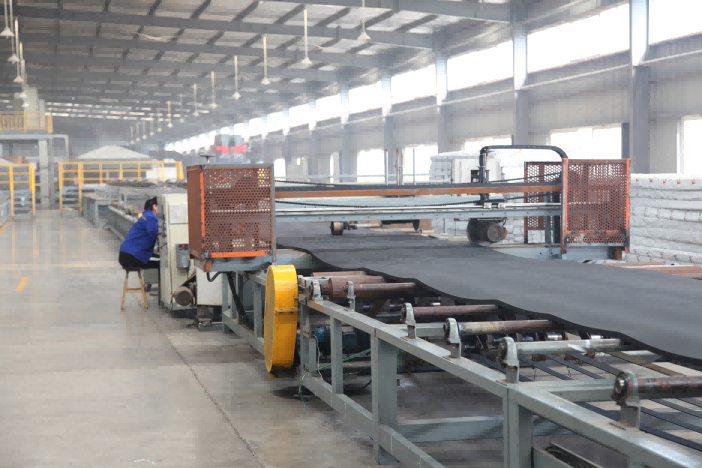
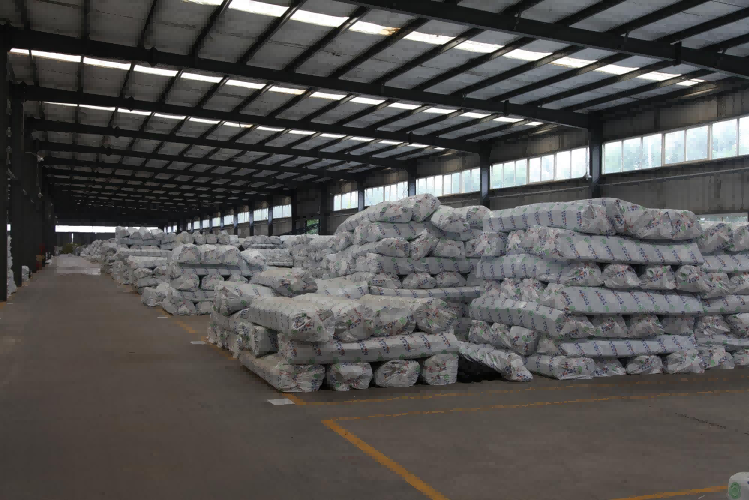
With 5 large automatic assembly lines and more than 600,000 cubic meters of annual production capacity, the manufacturing facility is specified as the designated production enterprise of thermal insulation materials for major energy departments, ministries of electric power, and chemical industries.
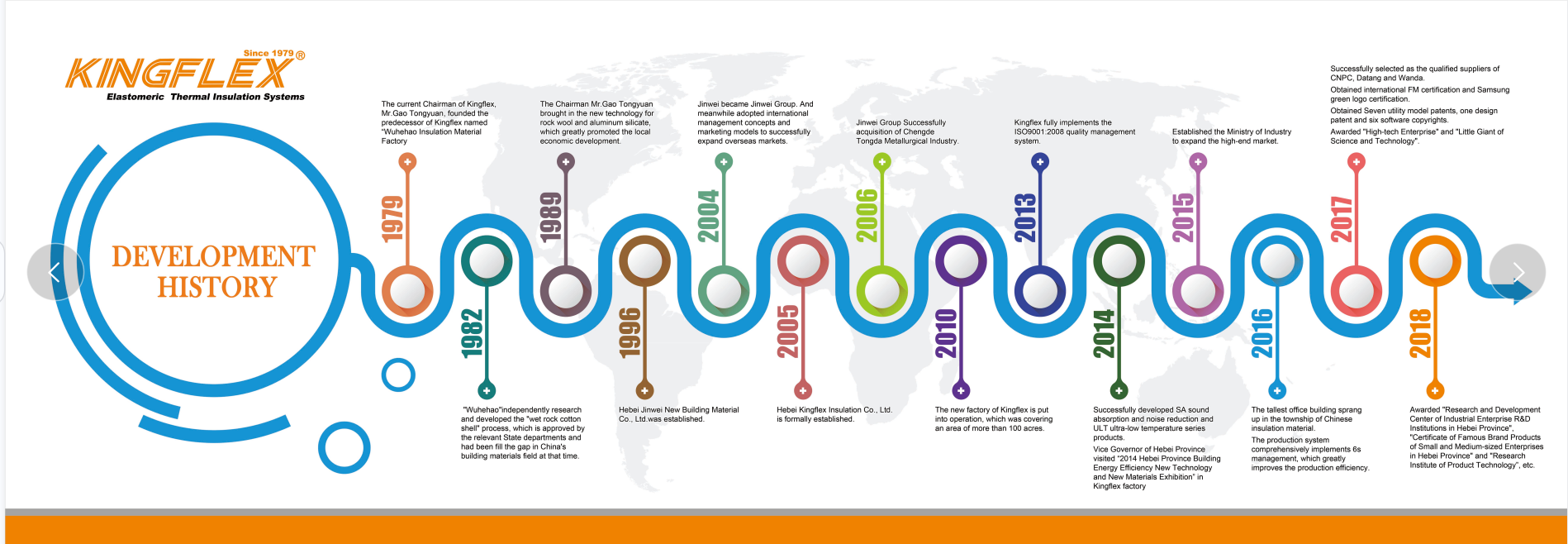
Over four decades, the insulation manufacturing operations have grown to a global organization with product installations in over 50 countries. From national stadiums to high-rise structures in major global business hubs, quality insulation products are successfully delivering thermal performance worldwide.
Frequently Asked Questions
Q1: What are the primary benefits of the flexible ultra-low temperature adiabatic system?
A1: It offers inherent impact resistance. The cryogenic elastomer material effectively absorbs impact and vibration energy from external machinery, protecting the overall system structure.
Q2: What temperature range can the ULT and LT base materials support?
A2: The ULT (Ultra-Low Temperature) base material has a recommended operating temperature of -200°C to 125°C, while the LT (Low Temperature) base material operates from -50°C to 105°C.
Q3: How well does this insulation perform against moisture and water vapor?
A3: With a close area percentage exceeding 95%, both ULT and LT base materials provide excellent wet resistance (μ > 10000 for LT) and a low water vapor permeability coefficient to prevent condensation and thermal loss.
Q4: In which industrial applications is this adiabatic system typically installed?
A4: Typical applications include coal chemical MOT, low-temperature storage tanks, FPSO floating production storage oil unloading devices, platform pipes, and industrial gas or agricultural chemical production plants.
Q5: Which standards and test methods are used to verify the performance parameters?
A5: The materials are tested under key international standards, including ASTM C177 for thermal conductivity, ASTM D1622 for density, and ASTM D1623 for tensile strength.
Q6: What is the manufacturing capacity for these thermal insulation materials?
A6: The manufacturing facilities operate 5 large automatic assembly lines, providing an annual production capacity of more than 600,000 cubic meters to support large-scale international projects.