- Improve the energy efficiency of the building
- Reduce transmission of exterior sound to the interior of the building
- Absorb reverberating sounds within the building
- Provide thermal efficiency
- Keep the building warmer in winter and cooler in summer
- Excellent thermal insulation - very low thermal conductivity
- Excellent acoustic insulation - can reduce noise and sound transmitting
- Moisture resistant, fire resistant
- Good strength to resist deformation
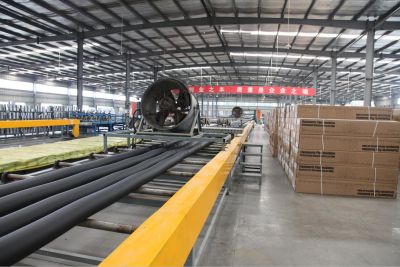
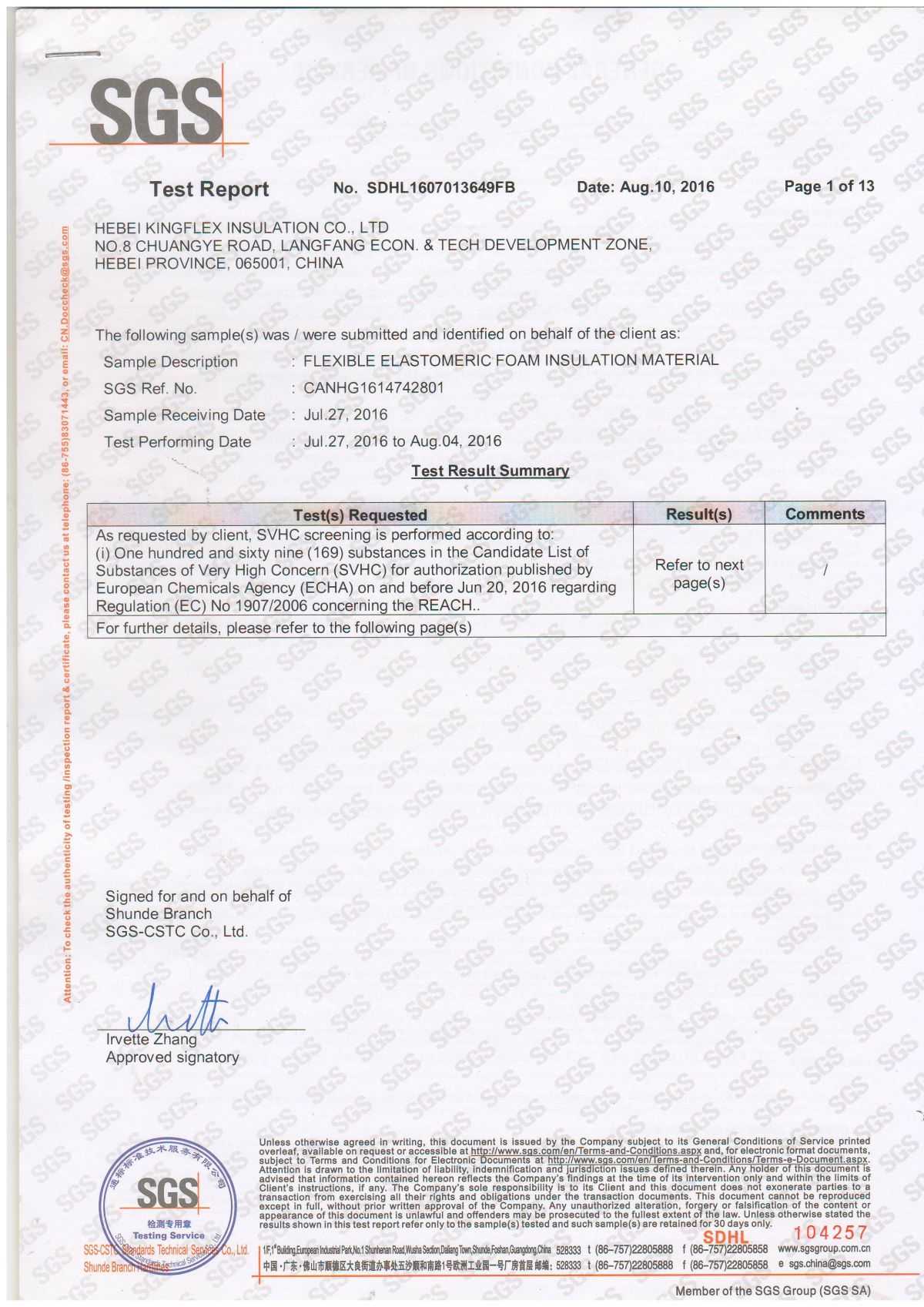
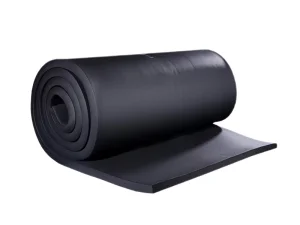
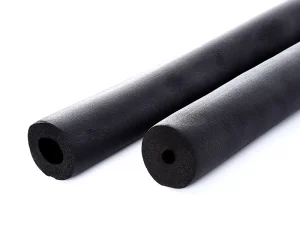
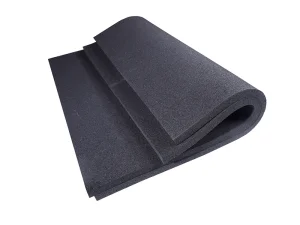
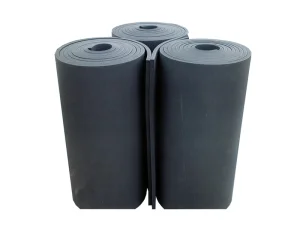
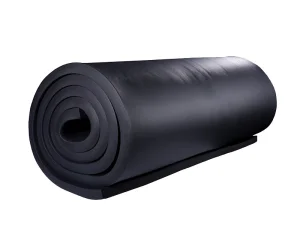
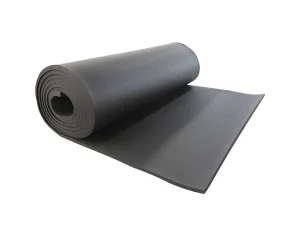
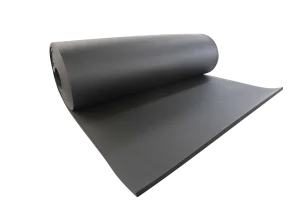
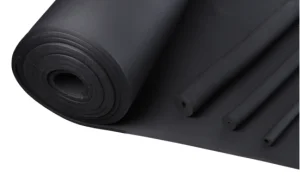
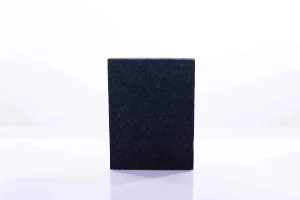
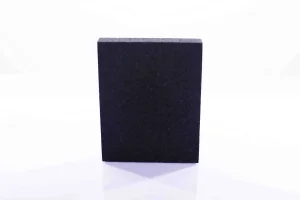
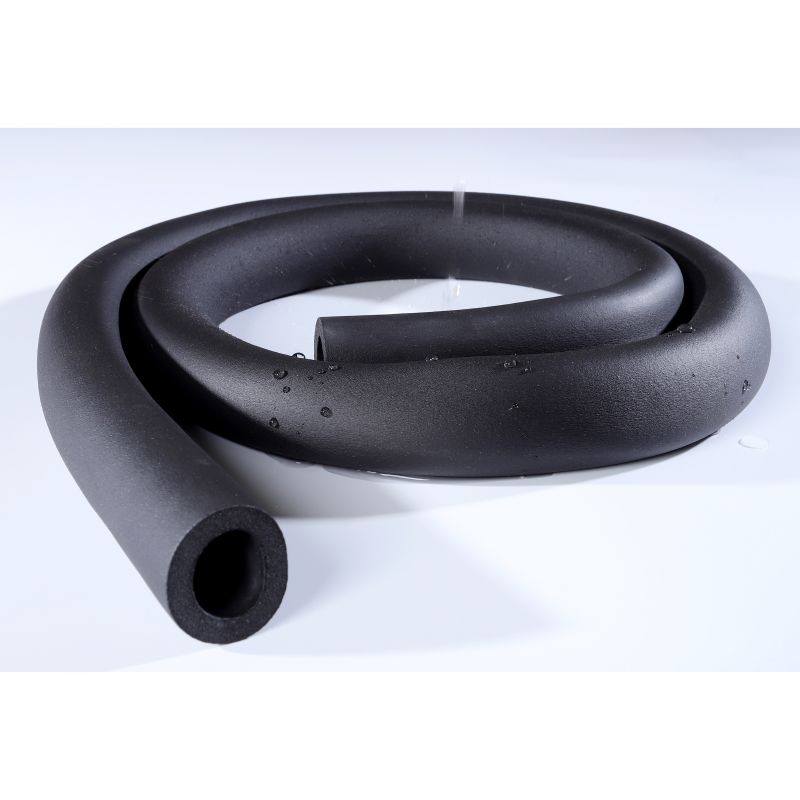
With nitrile rubber as the main raw material, it is foamed into a flexible rubber-plastic heat-insulating material with completely closed bubbles, which makes the product widely used in various public places, industrial plants, clean rooms and medical education institutions.
| Technical Data |
| Property |
Unit |
Value |
Test Method |
| Temperature range |
°C |
(-50 - 110) |
GB/T 17794-1999 |
| Density range |
Kg/m³ |
45-65Kg/m³ |
ASTM D1667 |
| Water vapor permeability |
Kg/(m.s.pa) |
≤0.91×10 ﹣¹³ |
DIN 52 615 / BS 4370 Part 2 1973 |
| μ |
- |
≥10000 |
- |
| Thermal Conductivity |
W/(m.k) |
≤0.030 (-20°C) |
ASTM C 518 |
| ≤0.032 (0°C) |
| ≤0.036 (40°C) |
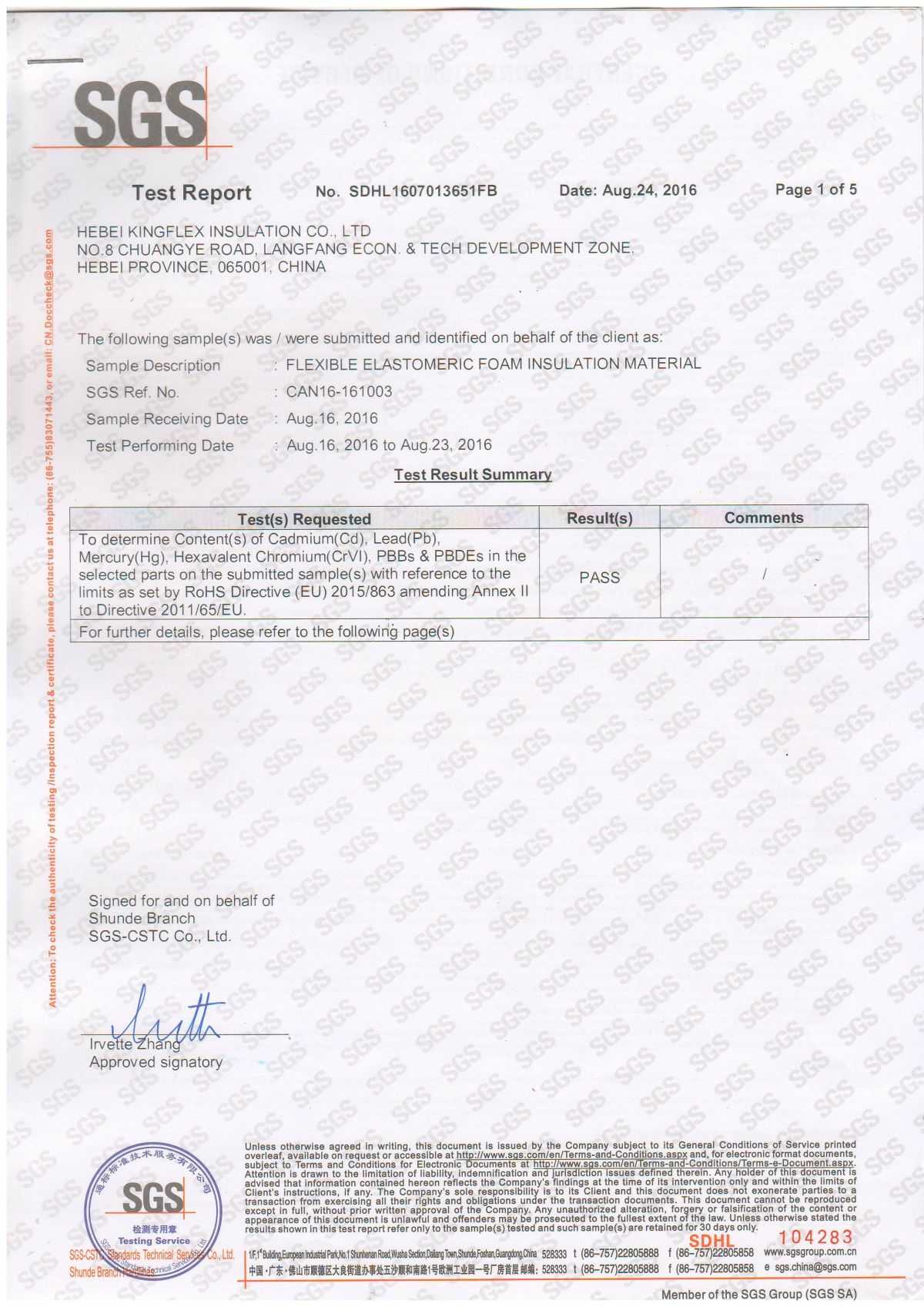
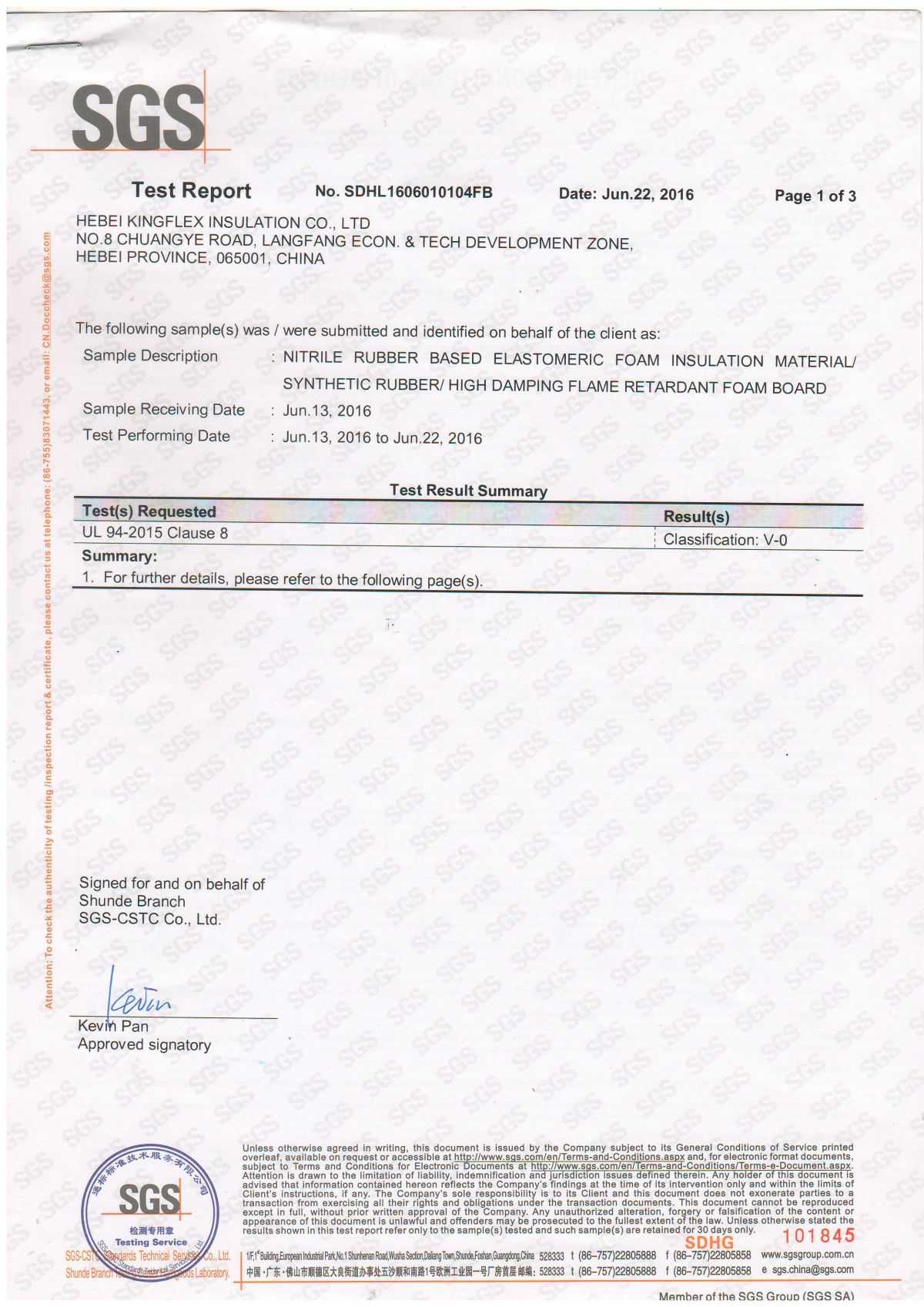
| Fire Rating |
- |
Class 0 & Class 1 |
BS 476 Part 6 part 7 |
| Flame Spread and Smoke Developed Index |
- |
25/50 |
ASTM E 84 |
| Oxygen Index |
- |
≥36 |
GB/T 2406, ISO4589 |
| Water Absorption, % by Volume |
% |
20% |
ASTM C 209 |
| Dimension Stability |
- |
≤5 |
ASTM C534 |
| Fungi resistance |
- |
Good |
ASTM 21 |
| Ozone resistance |
Good |
GB/T 7762-1987 |
| Resistance to U.V. and weather |
Good |
ASTM G23 |
Frequently Asked Questions
What are the primary thermal advantages of this elastomeric foam insulation?
This material offers excellent thermal insulation with very low thermal conductivity (≤0.030 at -20°C). It maintains thermal efficiency across a wide temperature range, keeping buildings warmer in the winter and cooler in the summer while improving overall energy efficiency.
How does this insulation material perform against sound transmission?
It provides excellent acoustic insulation by absorbing reverberating sounds within the structure and significantly reducing the transmission of exterior noises to the interior of the building.
What is the raw material composition and cell structure of this product?
The product is manufactured using nitrile rubber as the main raw material, which is foamed to create a highly flexible rubber-plastic heat-insulating structure with completely closed bubbles. This structure ensures superior moisture and water vapor resistance.
What are the fire safety ratings for this flexible rubber-plastic insulation?
The material achieves a Class 0 and Class 1 Fire Rating in compliance with BS 476 Part 6 & Part 7 testing, and has a flame spread and smoke developed index of 25/50 under ASTM E 84.
Is this elastomeric foam resistant to weather and biological degradation?
Yes, the material shows excellent durability with confirmed resistance to fungi (ASTM 21), ozone (GB/T 7762-1987), and UV/weather exposure (ASTM G23), ensuring long-term strength to resist deformation.
 Kingflex