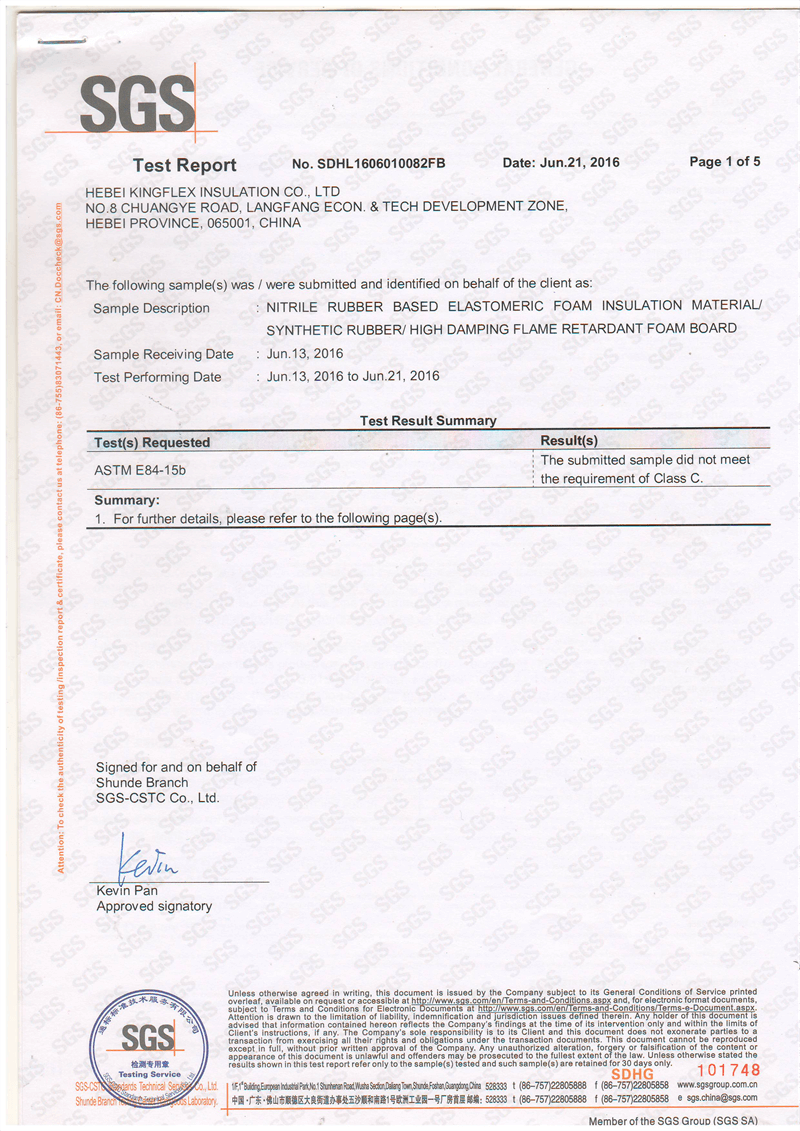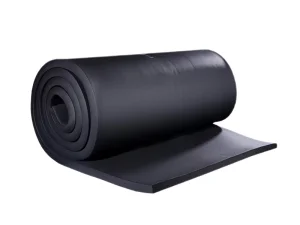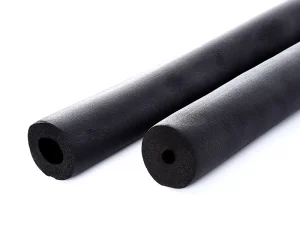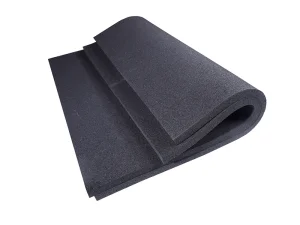
China High- Performance Rubber Foam Insulation Products Manufacturers, Suppliers

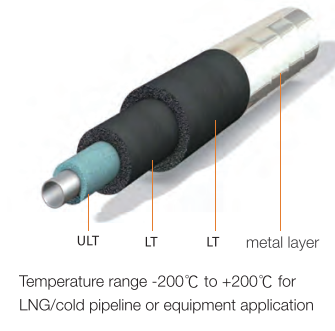
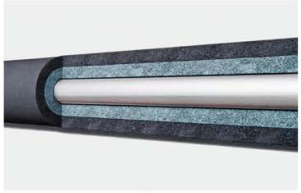
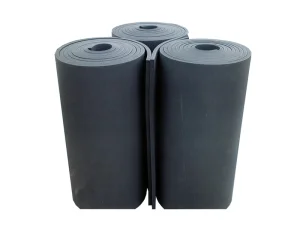
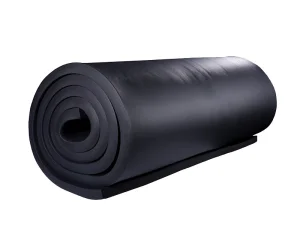
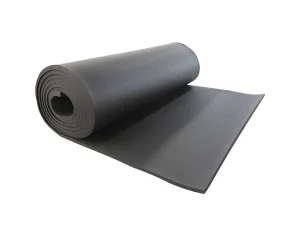
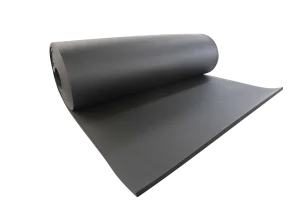
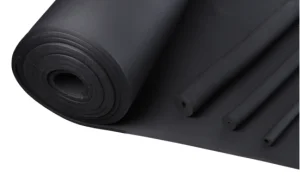
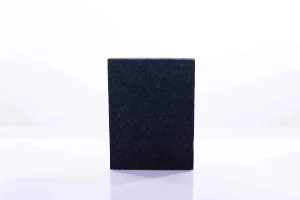
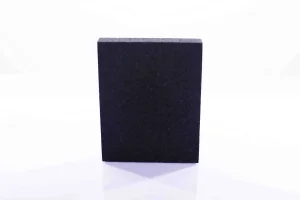
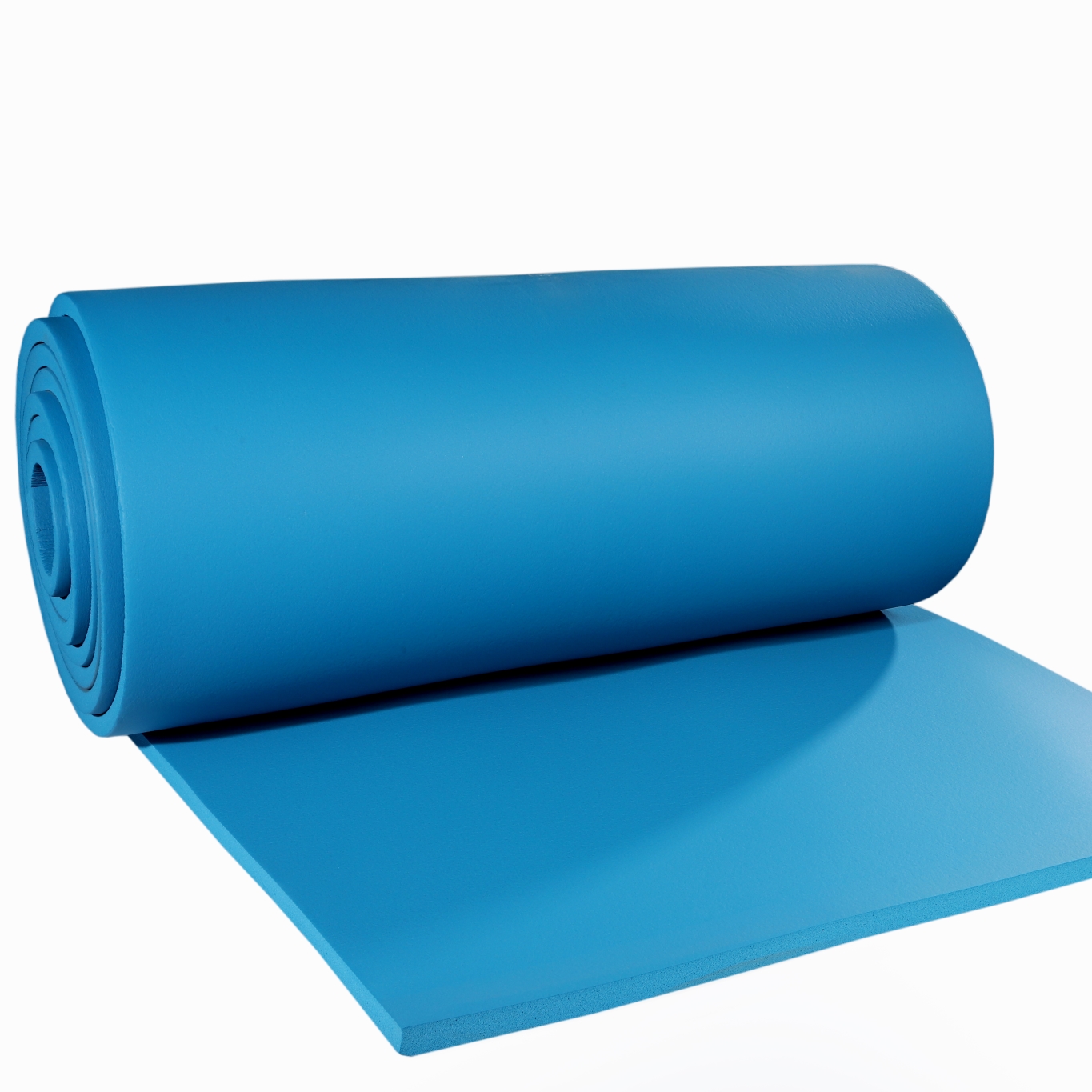
Main raw material ULT: alkadiene polymer; LT: NBR/PVC Color ULT: blue LT: black

Product Description

Key Applications
Coal chemical
MOT
Low temperature storage tank
FPSO floating production storage
Industrial gas plants
Agricultural chemical plants
Platform pipe
Gas station
Ethylene pipe
Nitrogen plant
Technical Features
🛡️
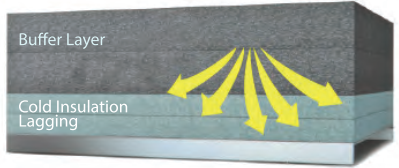
Flexible ultra-low temperature adiabatic system features inherent impact resistance. Its specialized cryogenic elastomer material absorbs external mechanical impact and vibration energy to maximize system structure safety.

The impact force applied to any point is widely dispersed and attenuated across the elastomer material matrix. This advanced mechanism prevents localized stress build-ups and significantly reduces the risk of cracking caused by stress concentration.

Additionally, the system excels at minimizing temperature change stress. In cooling applications, this dynamic behavior gives it a decisive advantage over traditional rigid insulation materials such as foam glass, polyurethane PIR, and PUR.

Unlike elastomer systems, these traditional hard insulation materials remain completely inelastic at both ambient and ultra-low operating temperatures. Consequently, they are highly vulnerable to material extrusion and cracking under temperature-changing stress, which leads to rapid deterioration of their overall adiabatic performance.
Product Gallery
Frequently Asked Questions
❓ What are the primary applications of this flexible ultra-low temperature system?
The system is widely implemented in challenging industrial sectors including coal chemical processes, low-temperature storage tanks, FPSO systems, industrial gas/agricultural chemical facilities, ethylene and nitrogen piping, gas stations, and platform pipes.
❓ How does the cryogenic elastomer material protect the system structure?
Due to its inherent impact resistance, the cryogenic elastomer material effectively absorbs and dampens mechanical impacts and vibrations from external equipment, ensuring structural stability and longevity.
❓ Why is stress concentration a risk, and how does this system mitigate it?
Traditional rigid systems suffer from localized stress which leads to cracking. This flexible system disperses and attenuates stress across the elastomer material structure, mitigating stress concentration and preventing cracks.
❓ How does this system compare to traditional materials like foam glass, PIR, and PUR?
Traditional hard insulation materials are completely rigid and do not flex under extreme cold. When thermal expansion and contraction occur, these hard materials can extrude and crack, causing insulation failure. This flexible elastomeric system reduces thermal stresses and maintains long-term structural integrity.
❓ Does the system retain its elasticity under extreme cold conditions?
Yes, the cryogenic elastomer is specifically engineered to remain flexible at ultra-low operating temperatures, ensuring constant protection and consistent adiabatic performance even during extreme temperature variations.

Related Products