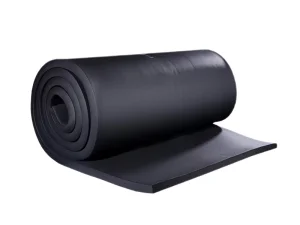
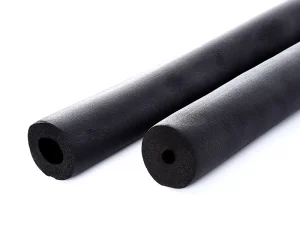
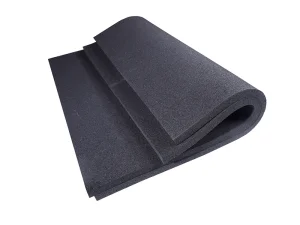
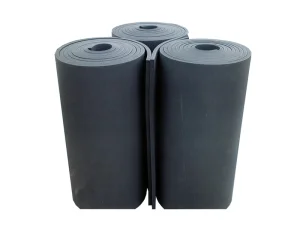
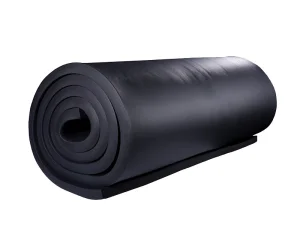
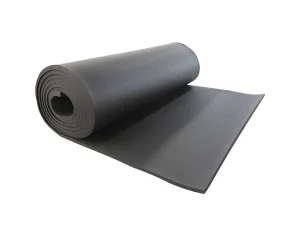
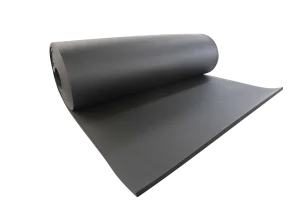
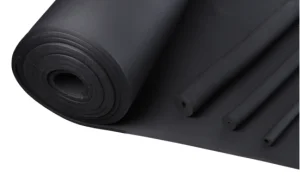
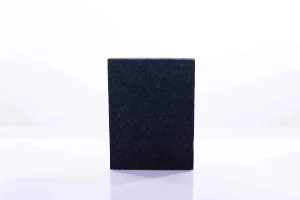
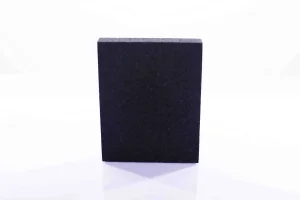
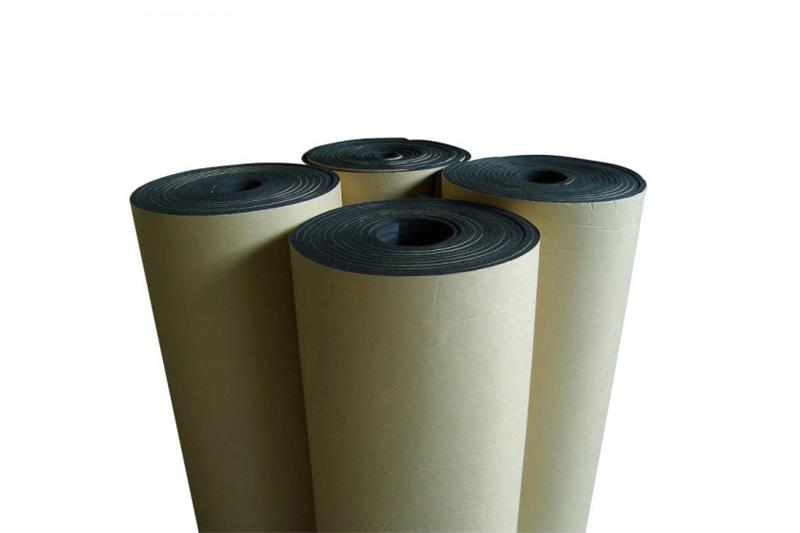
Self adhesive foam insulation roll is an environmental protection insulation material with closed cell structure with self-adhesive backed. It is manufactured without the use of CFC'S, HFC'S OR HCFC'S. It is also formaldehyde free, low VOCS, fiber free, dust free and resistant to mold and mildew.
✓
Excellent thermal insulation - very low thermal conductivity
✓
Excellent acoustic insulation - can reduce noise and sound transmitting
✓
Moisture resistant, fire resistant
✓
Good strength to resist deformation
✓
Closed cell structure
✓
Easy to install
✓
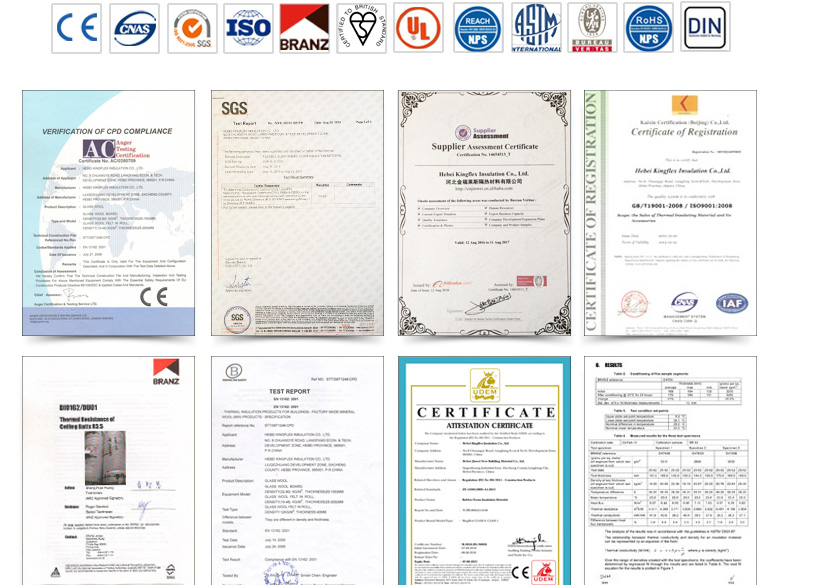
BS476 / UL94/ DIN5510/ ASTM/ CE/ REACH/ ROHS/ GB CERTIFIED
Frequently Asked Questions (FAQ)
What is the thermal conductivity of this self adhesive foam insulation roll?
The thermal conductivity is extremely low, measured at ≤0.030 W/(m.k) at -20°C, ≤0.032 W/(m.k) at 0°C, and ≤0.036 W/(m.k) at 40°C under ASTM C 518 standards, ensuring outstanding thermal efficiency.
Is the self adhesive foam insulation roll safe and environmentally friendly?
Yes. It is manufactured completely free of CFCs, HFCs, and HCFCs. It is also formaldehyde-free, fiber-free, dust-free, and yields extremely low VOCs, making it safe for indoor and outdoor installations.
What certifications does this insulation material meet?
This insulation material is extensively certified to meet international standards including BS476, UL94, DIN5510, ASTM, CE, REACH, ROHS, and GB specifications.
How does the insulation roll behave in case of fire?
It boasts excellent fire-resistant properties, achieving Class 0 & Class 1 fire ratings according to BS 476 Part 6 & 7, alongside a Flame Spread/Smoke Developed Index of 25/50 according to ASTM E 84.
Can this product be used for acoustic sound insulation?
Yes, it features exceptional acoustic insulation properties. Its closed-cell structures actively reduce noise and minimize sound transmission across applications.
What is the recommended temperature application range?
This self-adhesive foam insulation roll is designed to perform reliably within a wide temperature range spanning from -50°C to 110°C, complying with GB/T 17794-1999 test specifications.
 Kingflex