Q1: What are the key properties of this cryogenic insulation material?
A1: It has a lower coefficient of thermal conductivity, lower density, good elasticity, crack resistance, effective insulation, flame-retardant performance, moisture resistance, and is durable and long lasting.
Q2: What is the applicable temperature range for this product?
A2: The material has an applicable temperature range of -200°C to +200°C, making it suitable for liquefied natural gas (LNG), cold pipelines, and equipment applications.
Q3: How does the material perform against external stress and cracking?
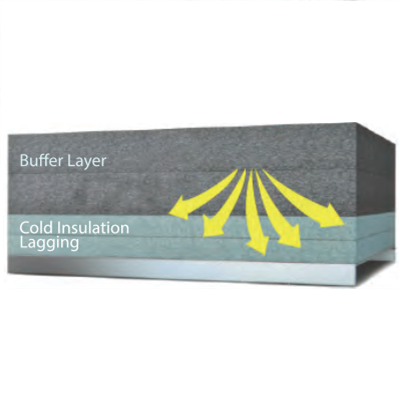
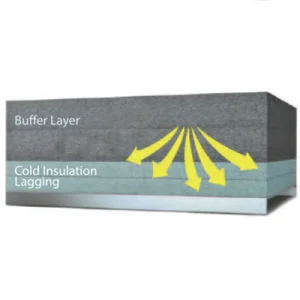
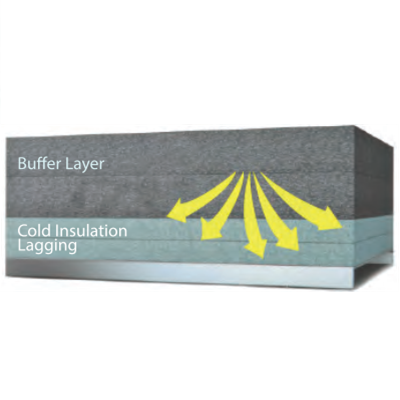
A3: The material provides excellent internal shock resistance, absorbs and disperses external stresses in localized positions, and avoids cracking caused by stress concentration or impact.
Q4: What industries and applications is this product used for?
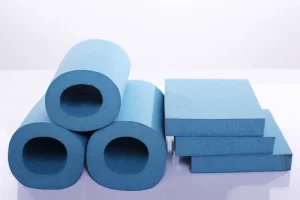
A4: It is widely used in liquefied natural gas (LNG) production, pipelines, petrochemical industries, industrial gases, agricultural chemicals, and other cryogenic piping and equipment insulation projects.
Q5: What is the structure of this cryogenic insulation material?
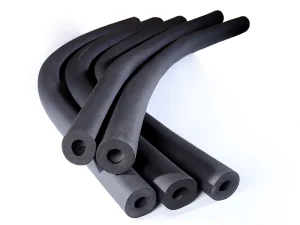
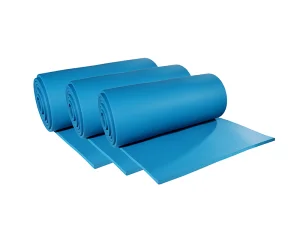
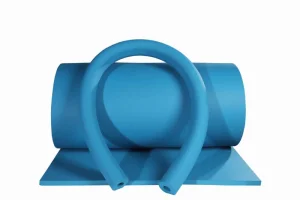
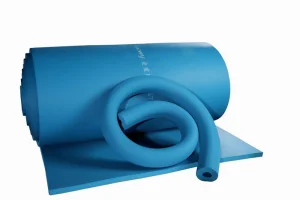
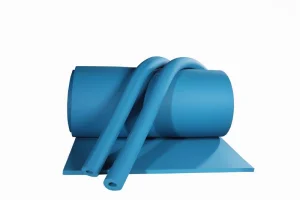
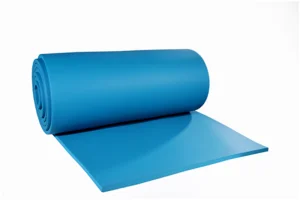
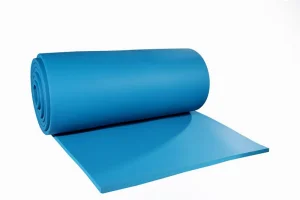
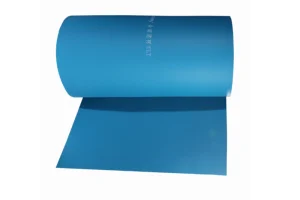
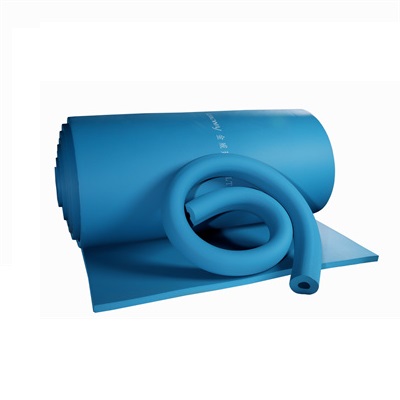
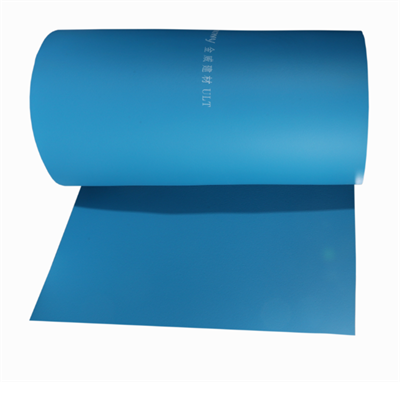
A5: It is a flexible, high density, and mechanically robust closed cell insulation material based on extruded elastomeric foam, often used as part of a multi-layer configuration.
Q6: Are these insulation materials used internationally?
A6: Yes, they have been successfully installed in projects across over 66 countries on all continents, including landmarks like the National Stadium in Beijing and high rises in New York, Hong Kong, and Dubai.