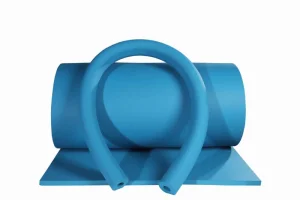
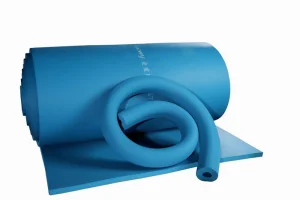
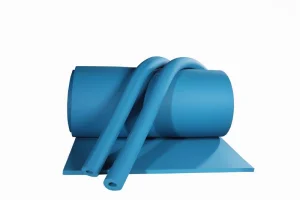
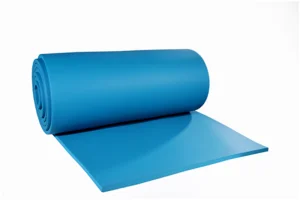
1. No Built-In Moisture Barrier Required
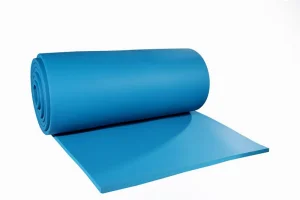
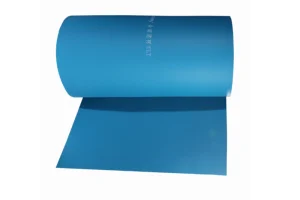
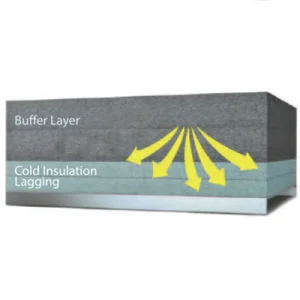
The flexible ultra-low temperature insulation system eliminates the need for an additional moisture-proof layer. Its unique closed-cell structure and specialized polymer blend formulation render it highly resistant to water vapor permeation. This design delivers continuous, long-term resistance to moisture penetration across the entire thickness of the material.
2. No Built-In Expansion Joints Needed
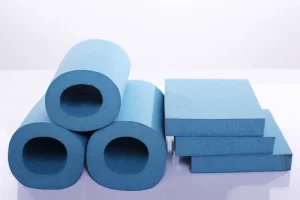
Unlike traditional rigid foam LNG pipe configurations, this system does not require fiber fillers as expansion joints. Installing the elastomeric material in layers with the recommended expansion clearance solves longitudinal contraction and expansion issues. The material's low-temperature elasticity handles expansion and shrinkage directly.
What is the temperature range of the flexible ULT insulation system?
The system operates efficiently in temperatures ranging from -200°C to +110°C, making it suitable for ultra-low temperature applications such as LNG piping.
Why is there no need for a separate moisture barrier?
The material is engineered with a closed-cell structure and a polymer blend formulation. This design prevents moisture and water vapor from permeating through the material, maintaining insulation efficiency without external barriers.
How does the system handle thermal expansion and contraction?
The inherent elasticity of the low-temperature elastomeric foam allows it to absorb longitudinal expansion and shrinkage. Correct installation according to recommended layered specifications replaces the need for expansion joint fillers.
What are the main raw materials used in ULT and LT products?
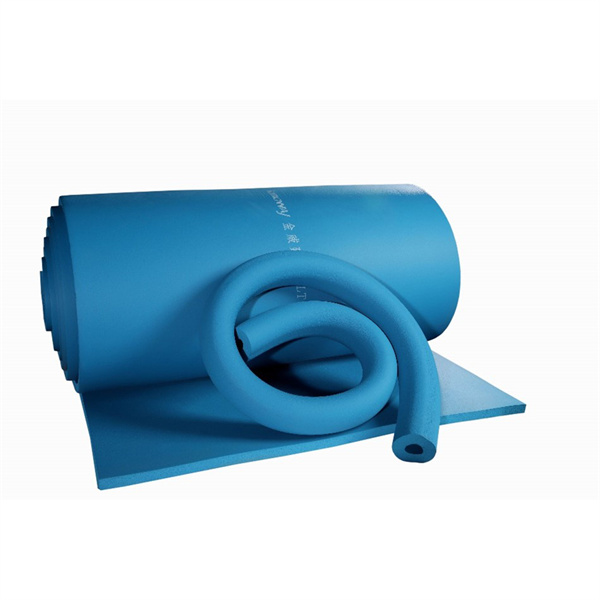
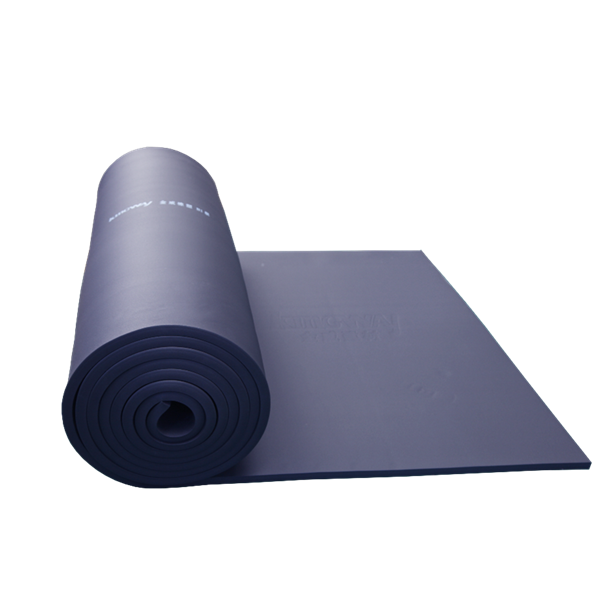
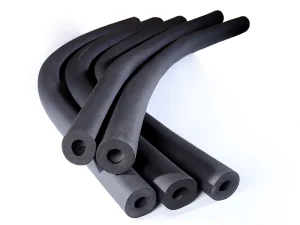
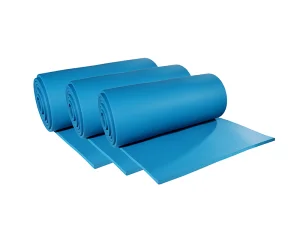
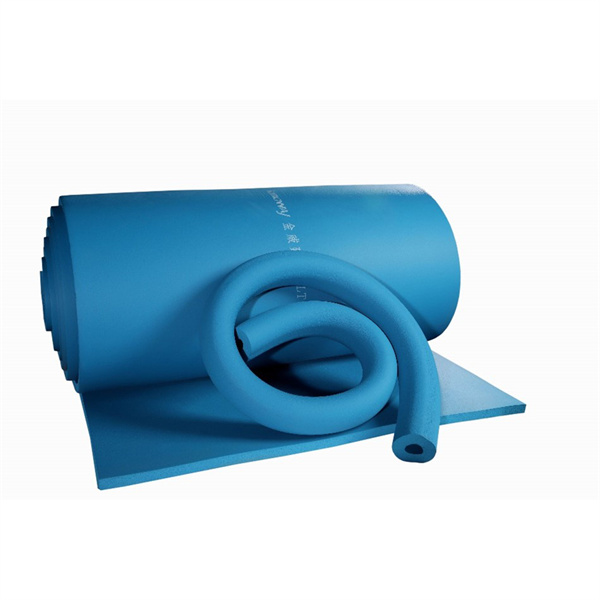
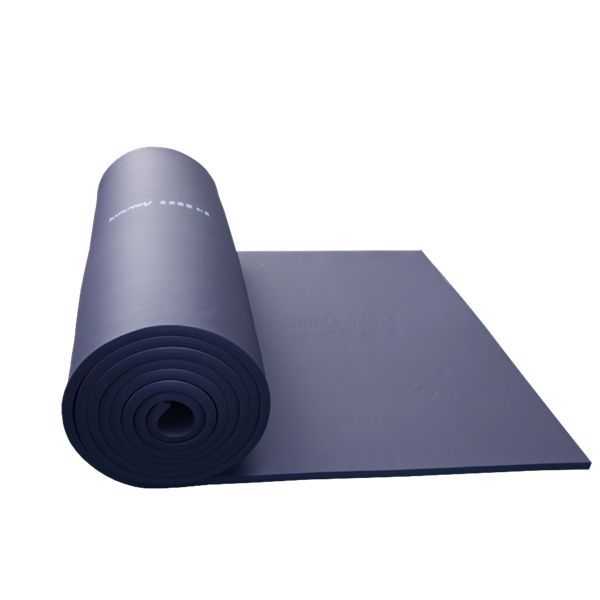
The ultra-low temperature (ULT) version utilizes blue alkadiene polymer, while the low temperature (LT) version is composed of black NBR/PVC rubber.
What is the thermal conductivity of the material at extreme temperatures?
The thermal conductivity (λ) is ≤ 0.028 W/(m.k) at -100°C, and drops further to ≤ 0.021 W/(m.k) at -165°C, ensuring high thermal performance.
How resistant is the material to environmental factors?
The material displays good resistance to ozone, fungi, UV radiation, and general outdoor weathering conditions, ensuring a long operational lifetime.
 Kingflex