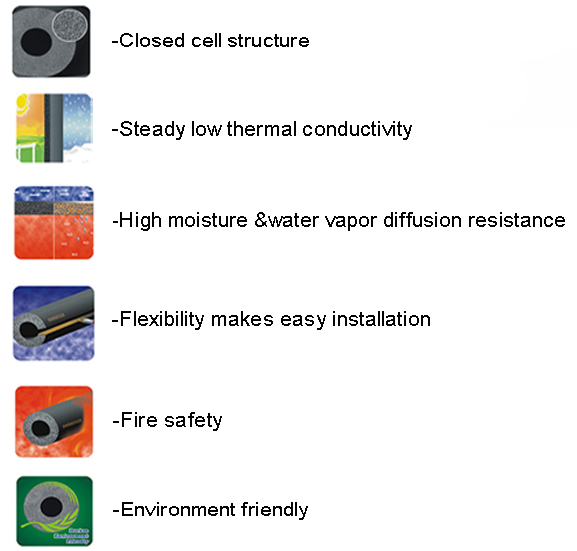
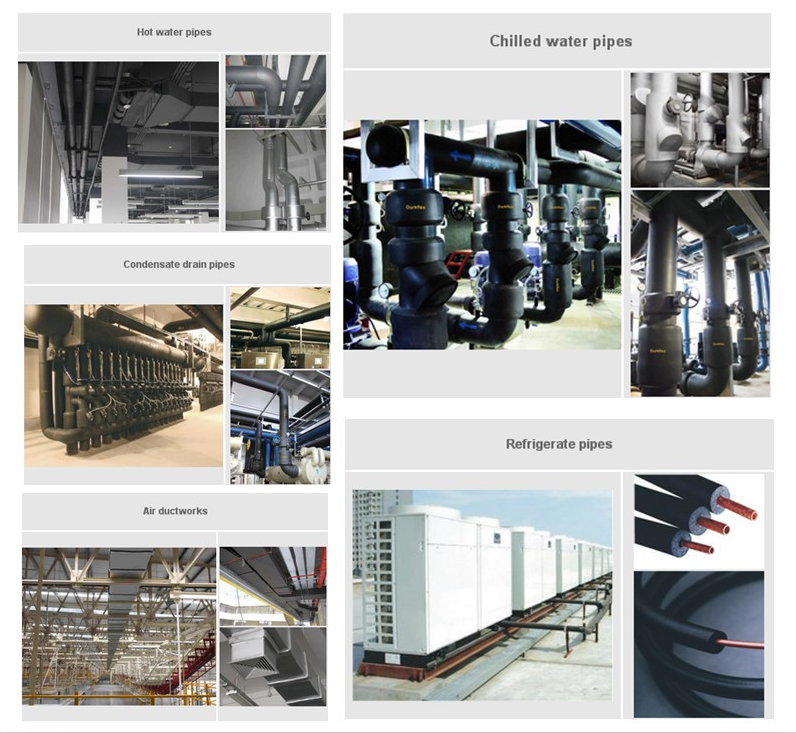
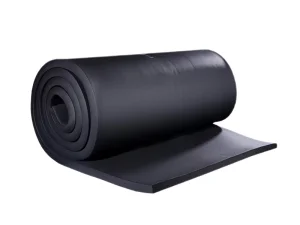
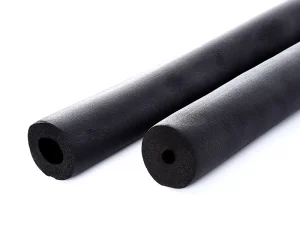
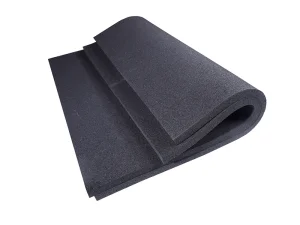
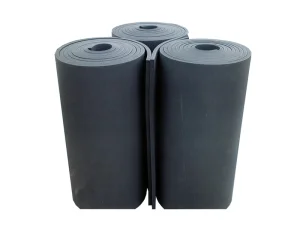
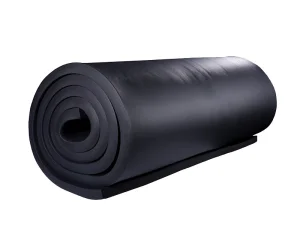
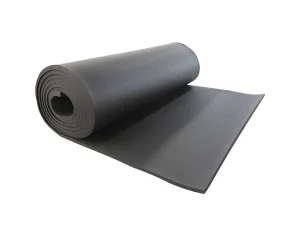
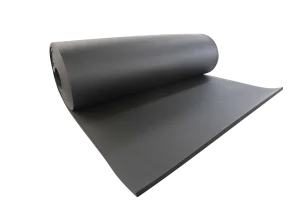
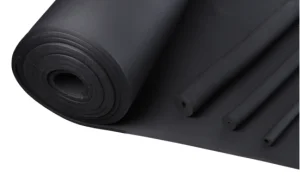
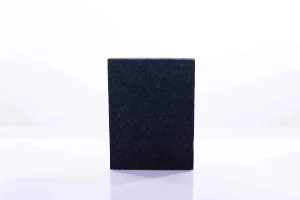
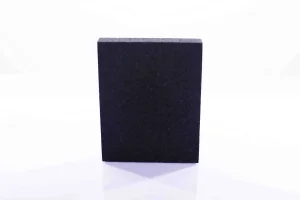
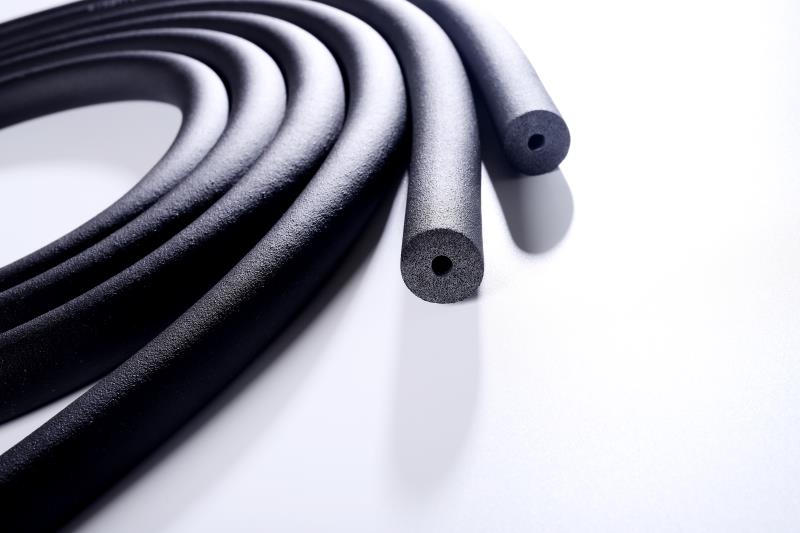
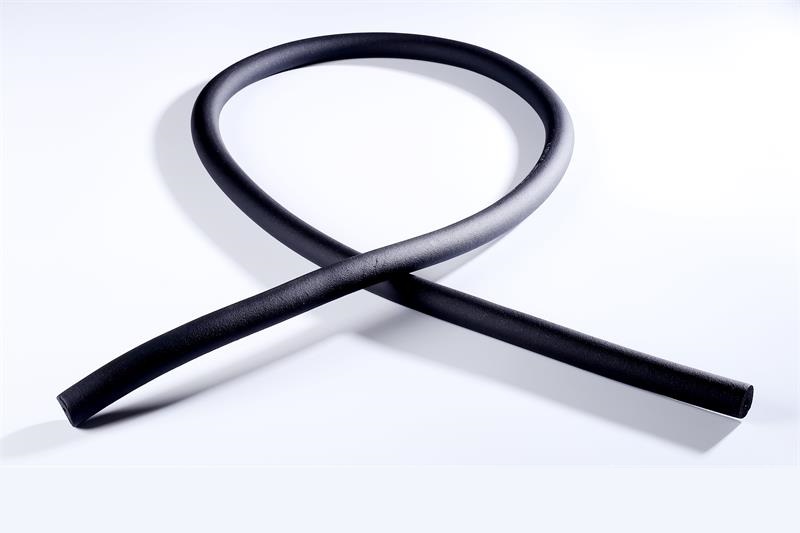
Closed-cell rubber foam insulation material is used for the insulation and insulation of the shells of large tanks and pipes in construction, commercial and industrial, the insulation of central air-conditioning ducts, the insulation of household air-conditioning joints and automotive air-conditioning.
Frequently Asked Questions
Q1: What is the operational temperature range of this closed-cell rubber foam?
The insulation material functions effectively within a temperature range of -50°C to 110°C, tested in compliance with standard GB/T 17794-1999.
Q2: What fire rating class does this product achieve?
This insulation material achieves Class 0 & Class 1 fire ratings according to BS 476 Part 6 & Part 7 testing procedures, providing excellent flame retardant performance.
Q3: What are the primary applications of this closed-cell rubber foam insulation?
It is ideal for insulating the shells of large tanks and pipelines in commercial, industrial, and construction fields, central air-conditioning duct systems, household air-conditioning joints, and automotive air-conditioning setups.
Q4: How does it prevent moisture buildup and water absorption?
With a water vapor permeability rating of ≤0.91×10⁻¹³ Kg/(m.s.pa) and a water absorption of 20% by volume (tested via ASTM C 209), the closed-cell structure acts as a reliable barrier to prevent condensation and moisture penetration.
Q5: Is this insulation material resistant to environmental decay and weather?
Yes. Under ASTM and GB standards testing, this material shows good resistance against fungi (ASTM 21), ozone (GB/T 7762-1987), and U.V. light/weather exposure (ASTM G23), ensuring long-lasting outdoor and indoor usage.
Q6: What is the thermal conductivity of this insulation at different operational temperatures?
Tested via ASTM C 518, the thermal conductivity values are ≤0.030 W/(m.k) at -20°C, ≤0.032 W/(m.k) at 0°C, and ≤0.036 W/(m.k) at 40°C, proving its capability to minimize heat transfer.
 Kingflex