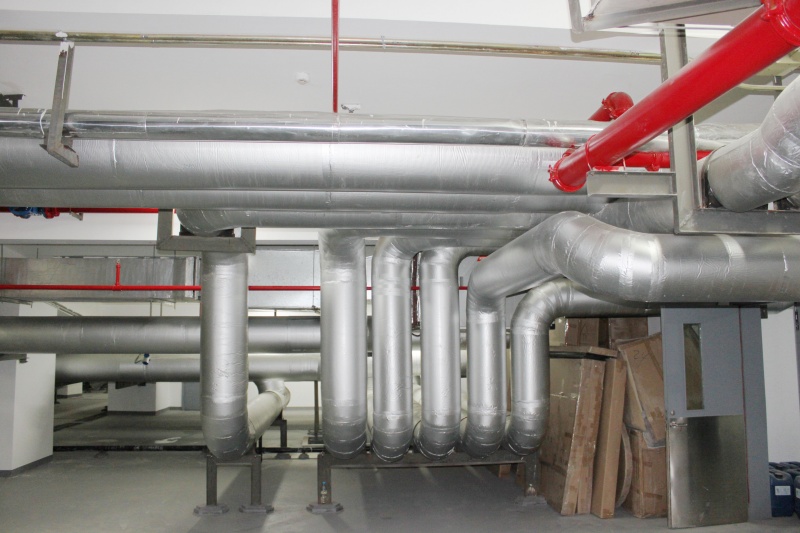
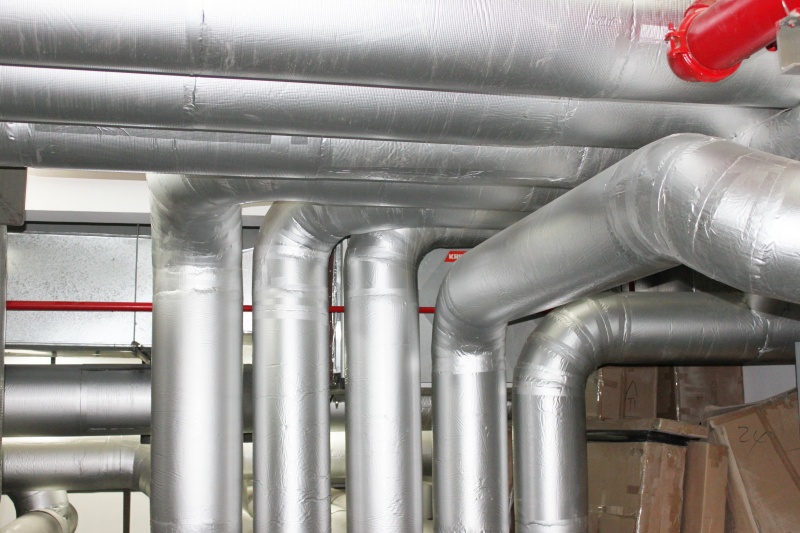
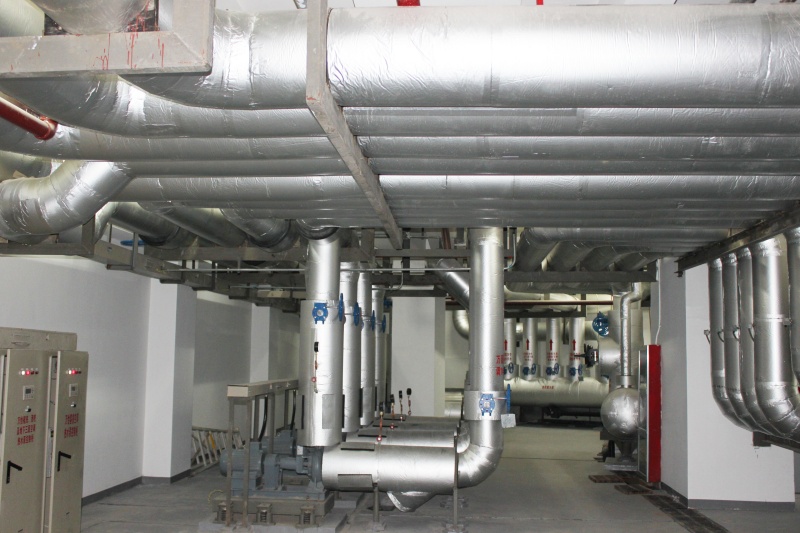
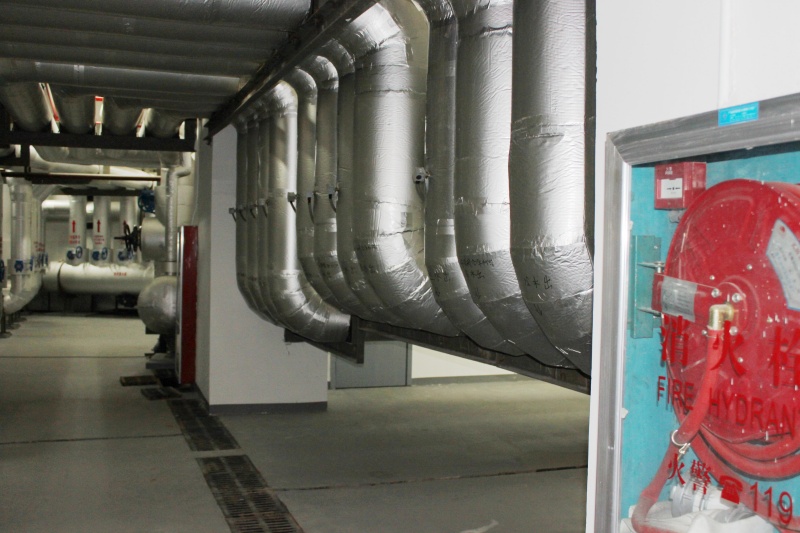
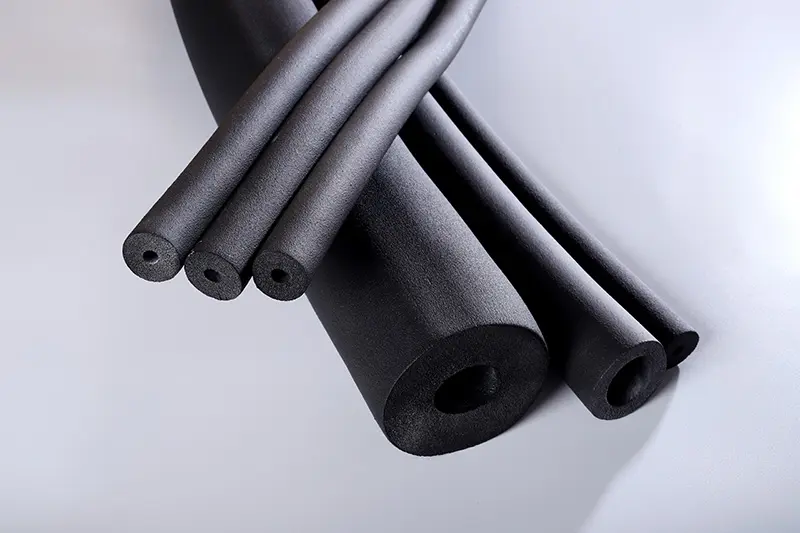
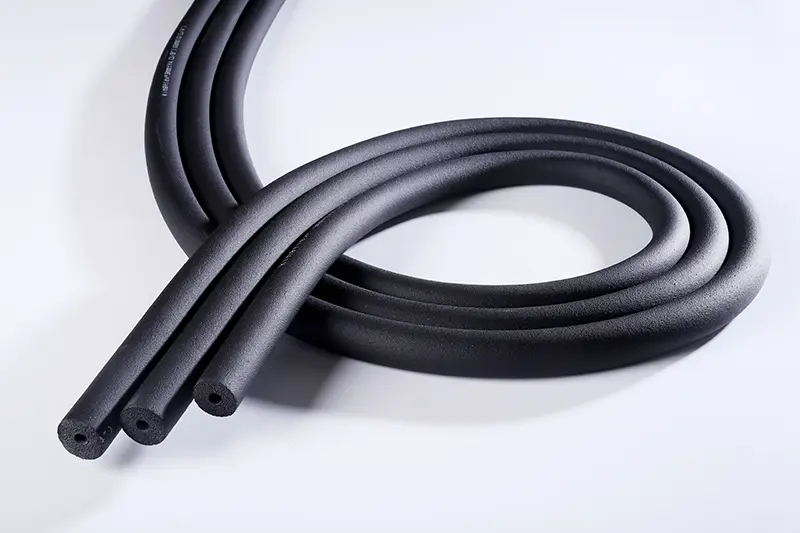
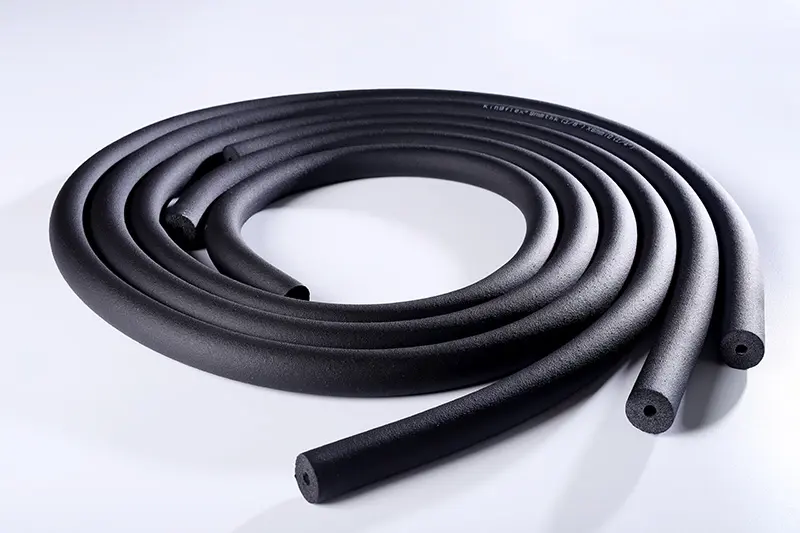
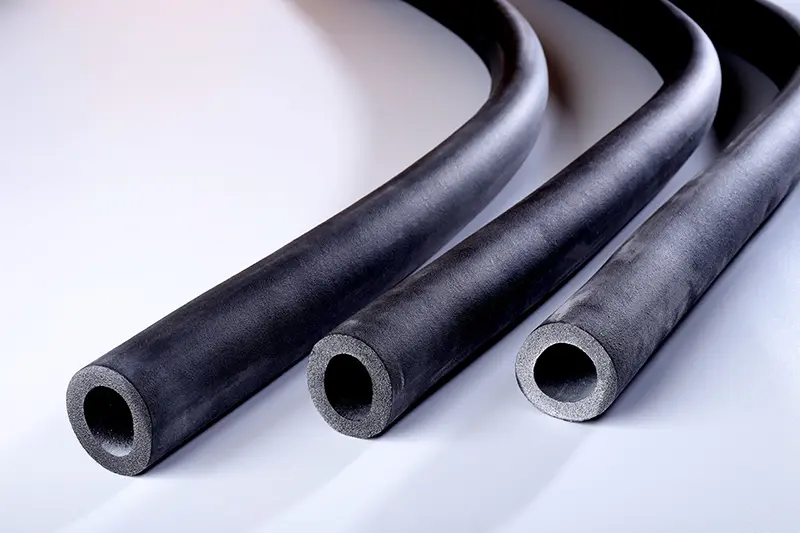
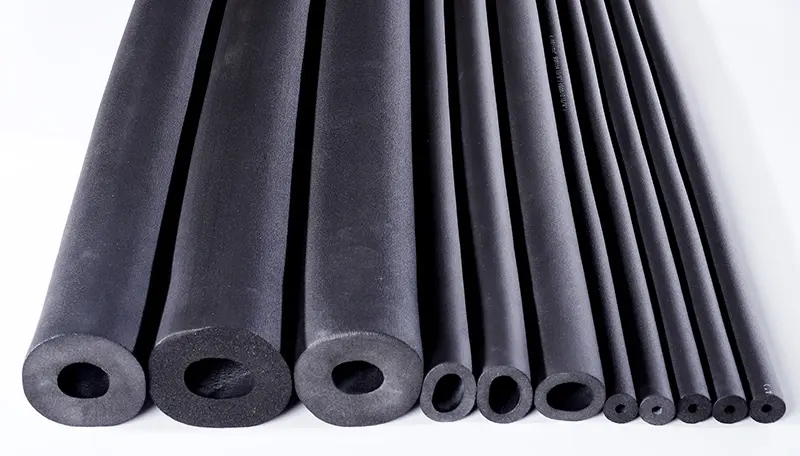
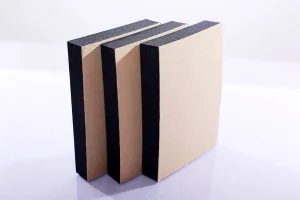
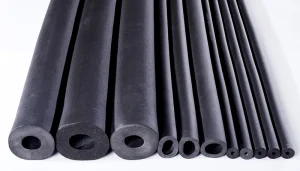
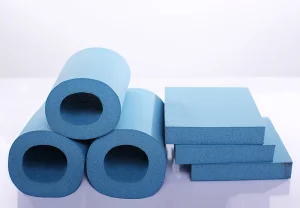
In the global thermal control arena, Class 0 Pipe Insulation represents the highest echelon of fire-retardant elastomeric foam technology. Rooted in British Standards (BS 476 Part 6 & Part 7), the Class 0 rating requires materials to strictly limit fire propagation and surface spread of flame. This ensures that in the event of an outbreak, the insulation does not act as an accelerant.
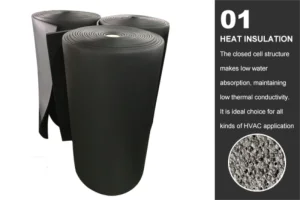
Produced predominantly through a high-precision chemical blend of Nitrile Butadiene Rubber (NBR) and Polyvinyl Chloride (PVC), this closed-cell compound structure blocks the transmission of heat and water vapor. With a closed-cell rate exceeding 98%, it remains the standard choice for modern HVAC, process piping, cleanrooms, and commercial structures.
Historical Milestones: Kingflex and Jinwei Group
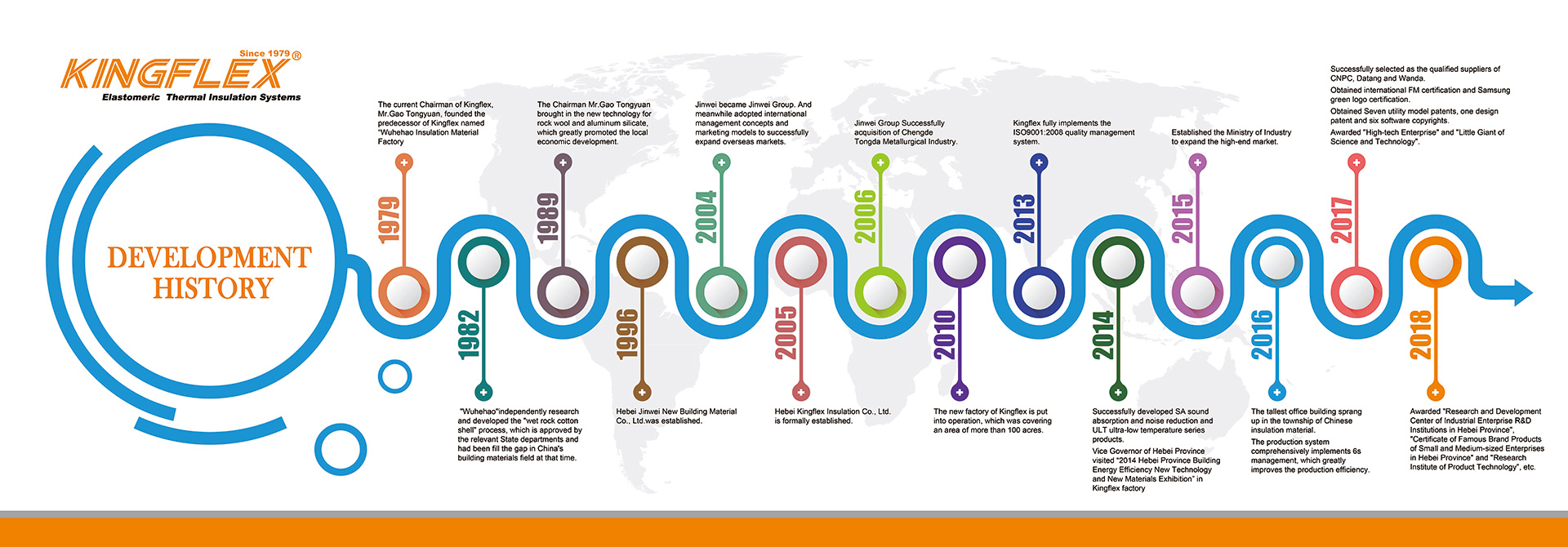
Established by the Jinwei Group, which boasts over 40 years of pioneering history, Kingflex was founded on a legacy of excellence. Jinwei Group, established in 1979, stood as the first manufacturer of thermal insulation materials north of the Yangtze River. Over the decades, this operational experience has translated into refined chemical formulations, advanced vulcanization control, and reliable global compliance.
1979
Group Established
600,000+
Annual Capacity (m³)
66+
Exporting Countries
98%+
Closed Cell Rate
Technical Physics of High-Performance Elastomeric Insulation
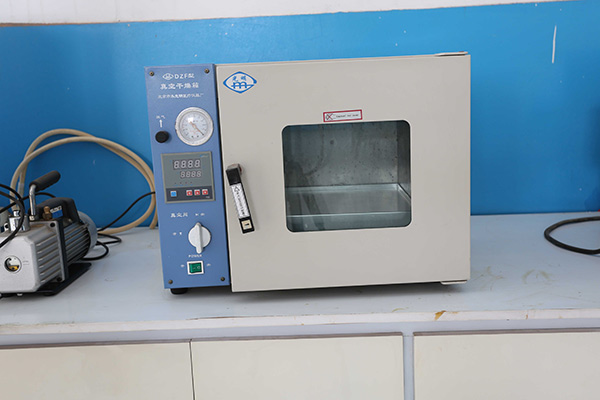
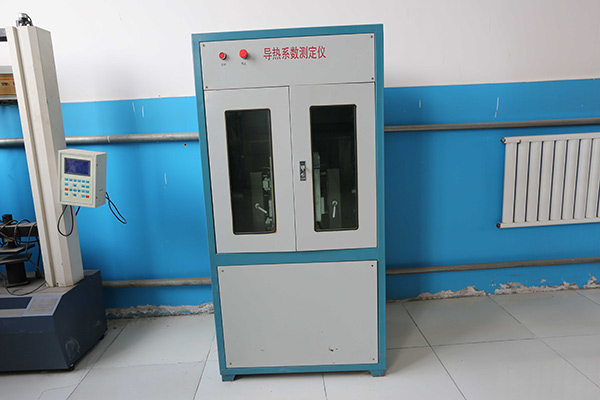
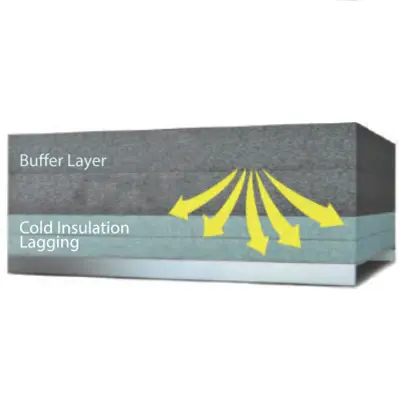
To fully appreciate Class 0 elastomeric foam, one must look at its thermal performance under variable ambient humidity. Closed-cell rubber foam isolates the transport of gas and moisture. Typical open-cell structures absorb water when cold piping drops below the dew point, causing rapid deterioration of their insulation performance. Kingflex elastomeric foam maintains an exceptionally low, stable thermal conductivity (λ ≤ 0.034 W/(m·k) at 0°C) due to the high density of microscopic, dry air cavities.
By maintaining high density control (40-55 kg/m³) and incorporating cross-linked polymeric backbones, the material retains flexibility at extreme temperature thresholds. This makes it an ideal medium for cryogenic applications (handling liquid natural gas, ethylene, or ammonia) and industrial steam lines.
Physical Property
Testing Protocol (ASTM / BS)
Certified Value / Performance Metric
Thermal Conductivity (λ at 0°C)
ASTM C518 / ISO 8301
≤ 0.034 W/(m·k)
Water Vapor Permeability (μ)
BS EN 12086 / ASTM E96
≥ 10,000 (Built-in Vapor Barrier)
Fire Performance Rating
BS 476 Part 6 & Part 7
Class 0 / Surface Spread Class 1
Density Profile
ASTM D1622
40 - 55 kg/m³
Operating Temperature limits
EN 14707
-40°C to +105°C (Cryogenic grades down to -200°C)
Compression Resilience
ASTM D1056
Over 80% recovery rate
China Factory 4.0: Scalability & Structural Efficiency
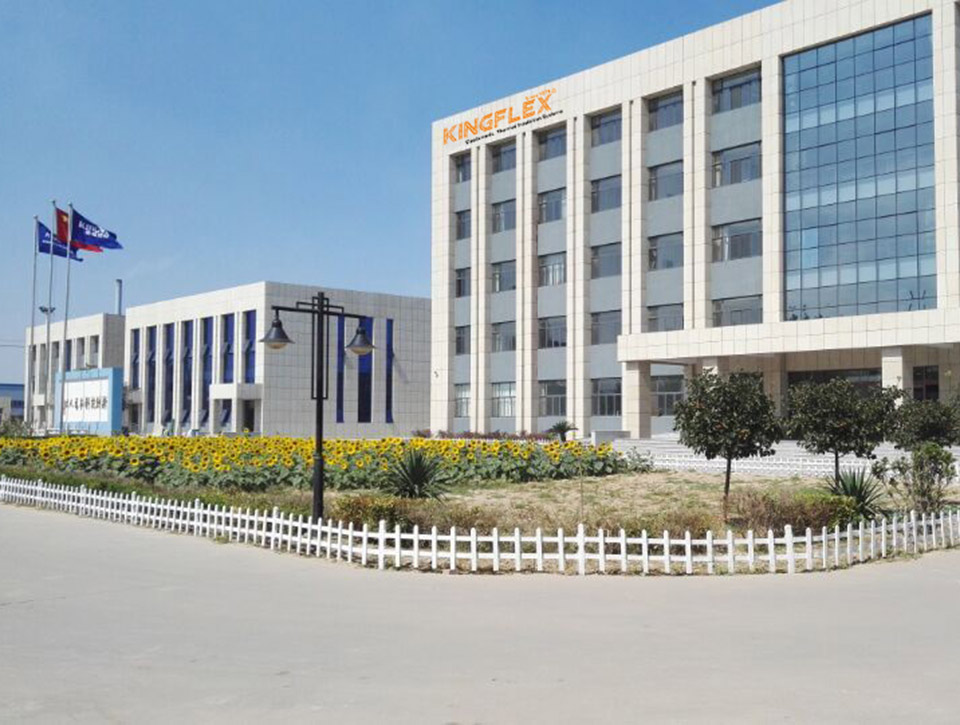
Located in Dacheng, the recognized capital of green-building materials in China, the Kingflex manufacturing complex integrates five large-scale automated assembly lines. With an annual output capacity exceeding 600,000 cubic meters, Kingflex has been designated as an official supplier by the Chinese Ministry of Energy, Ministry of Electric Power, and Ministry of Chemical Industry.
The Factory 4.0 model leverages real-time digital monitoring for compound mixing, continuous foaming, vulcanization, and inline dimension calibration. This degree of process control minimizes variances in cell structure, ensuring that the sheet rolls and pre-formed tubes meet consistent thermal and fire safety profiles.
Our Talented Engineering and Operations Team
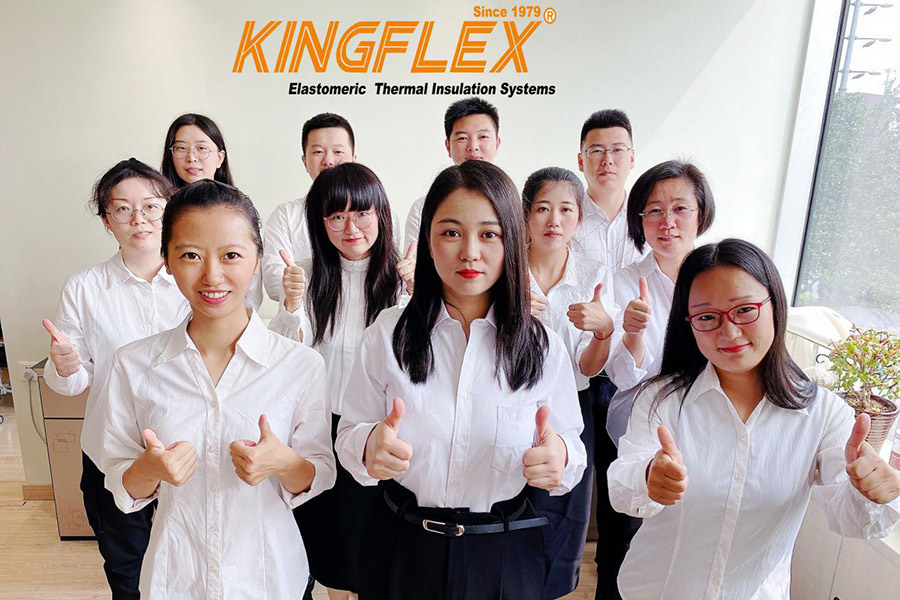
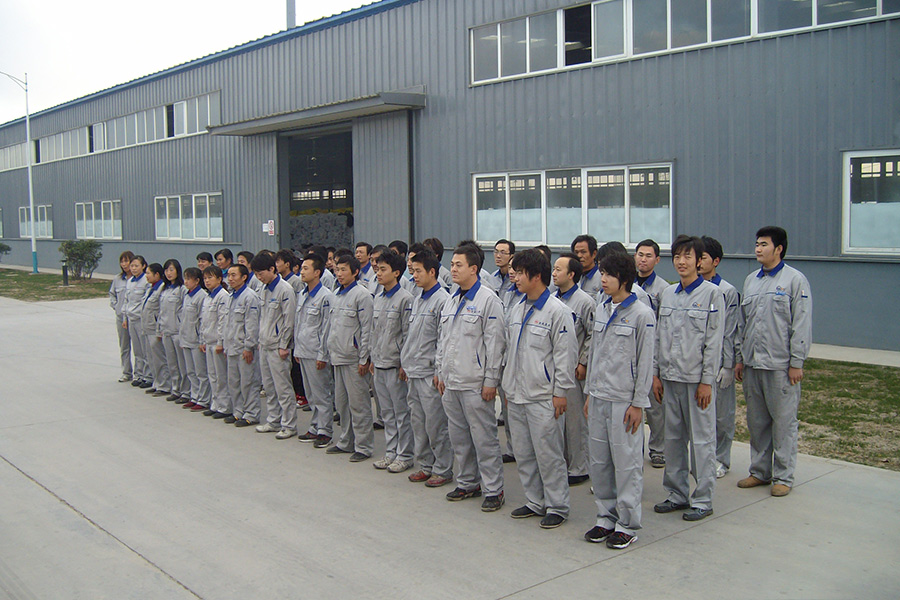
Kingflex's operational capabilities are driven by our dedicated and specialized workforce. The engineering and client-success team comprises 8 professional research & development engineers, 6 international trade specialists, and 230 skilled industrial workers. Through cross-departmental coordination, we ensure that project requirements—from physical dimension tolerances to customized fire retardant formulations—are met with precision.
International Certification Protocols
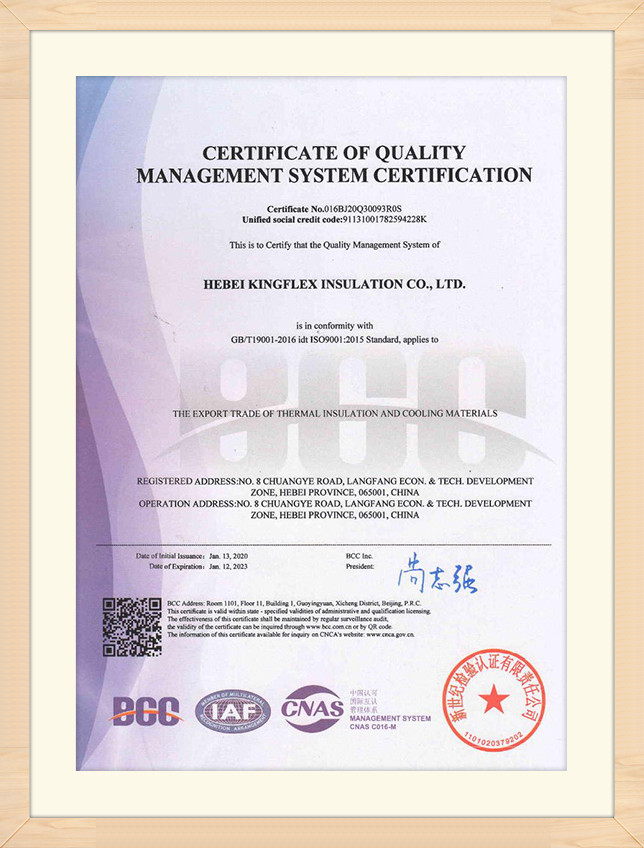
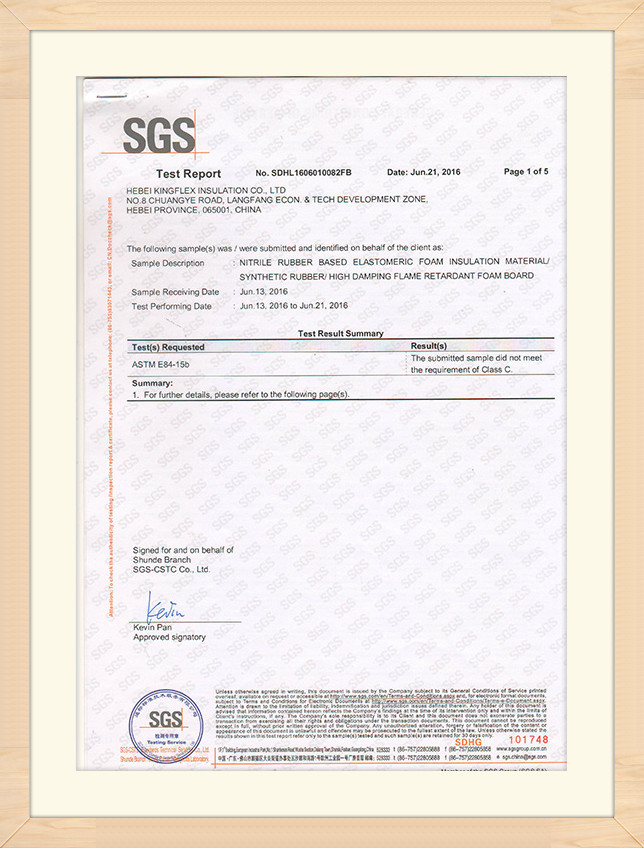
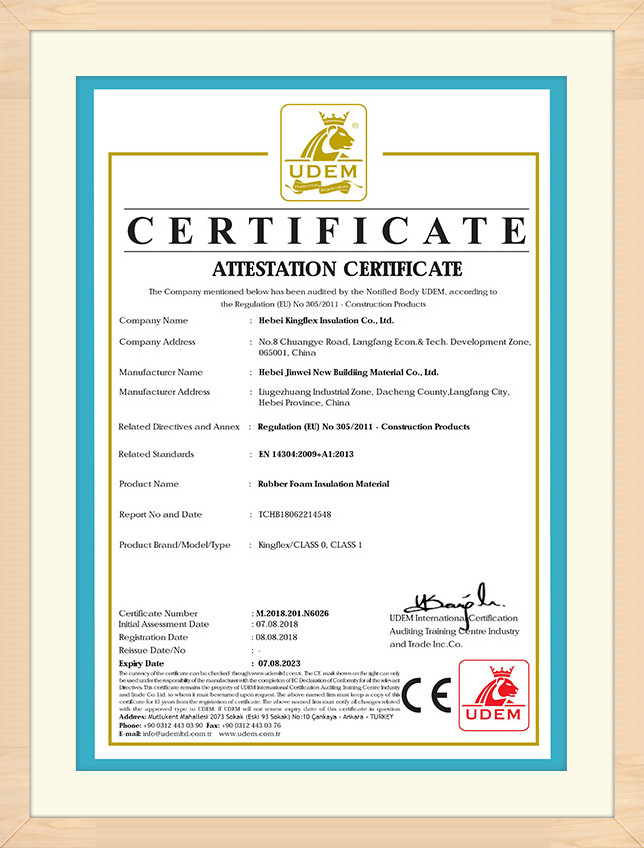
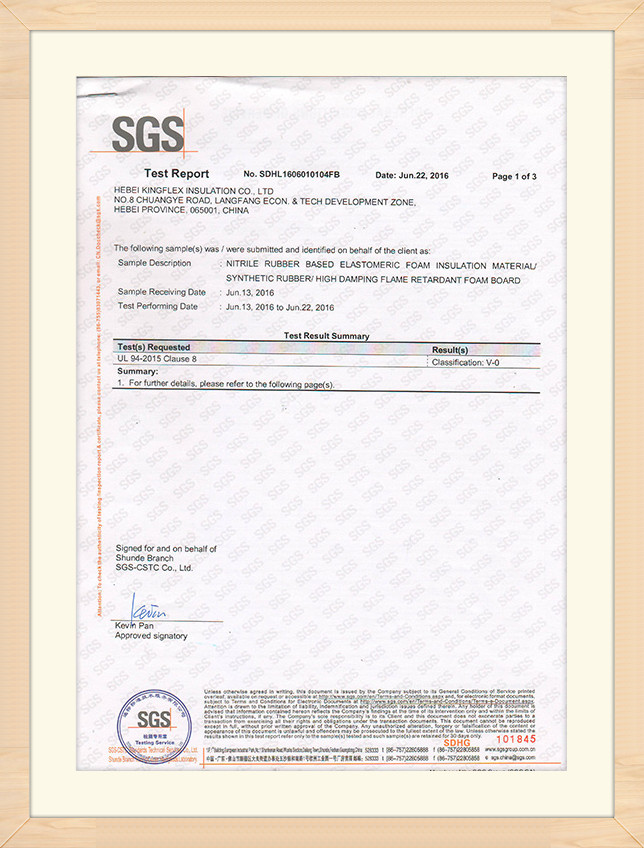
To maintain compliance on jobsites globally, Kingflex undergoes regular audits and has earned certifications spanning BS 476, CE, REACH, ROHS, UL94, and ASTM. These test protocols verify the safety and environmental profile of our elastomeric line, ensuring it contains no VOCs, CFCs, or formaldehyde, and carries low smoke density ratings.
Industrial Product Specifications
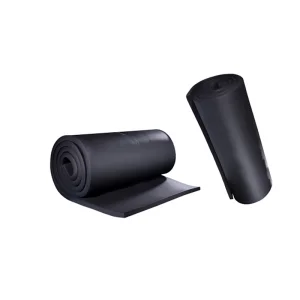
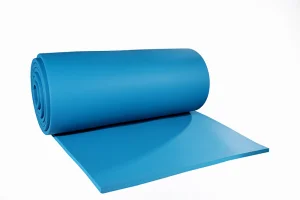
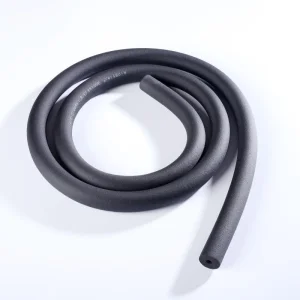
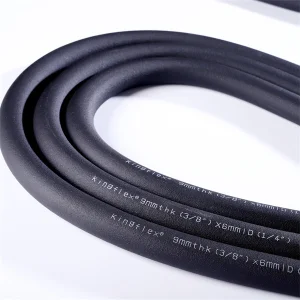
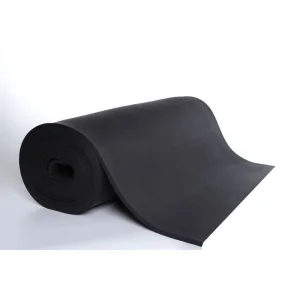
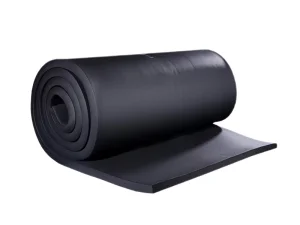
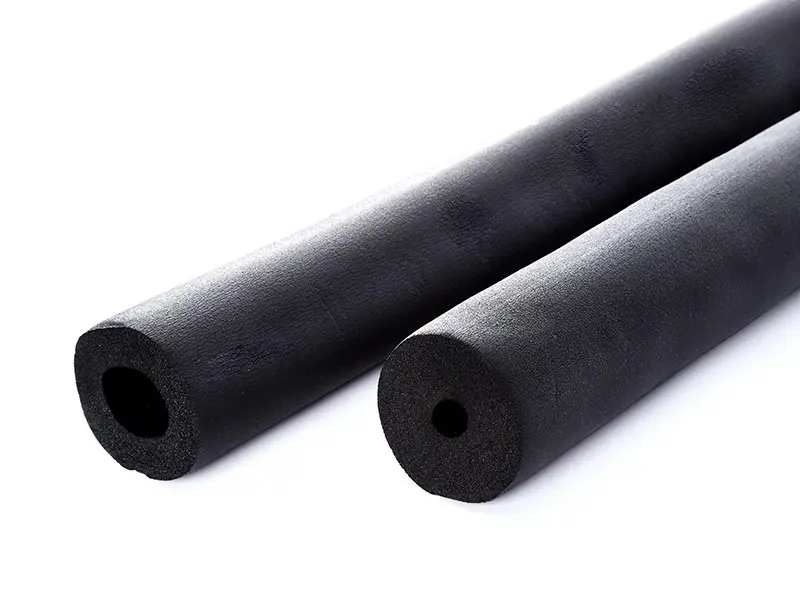
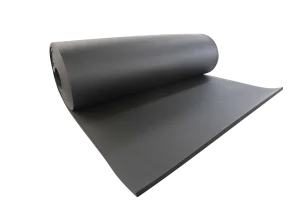
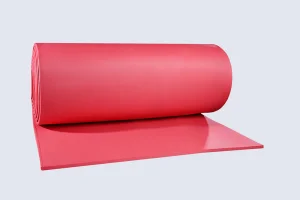
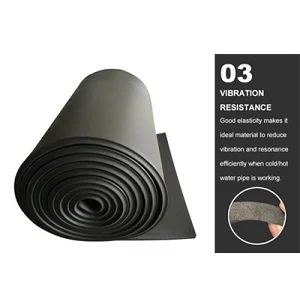
Structural Comparison between Preformed Pipe Insulation and Continuous Sheet Rolls.
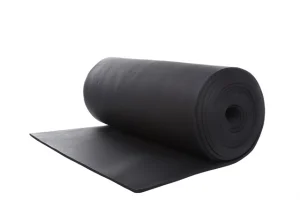
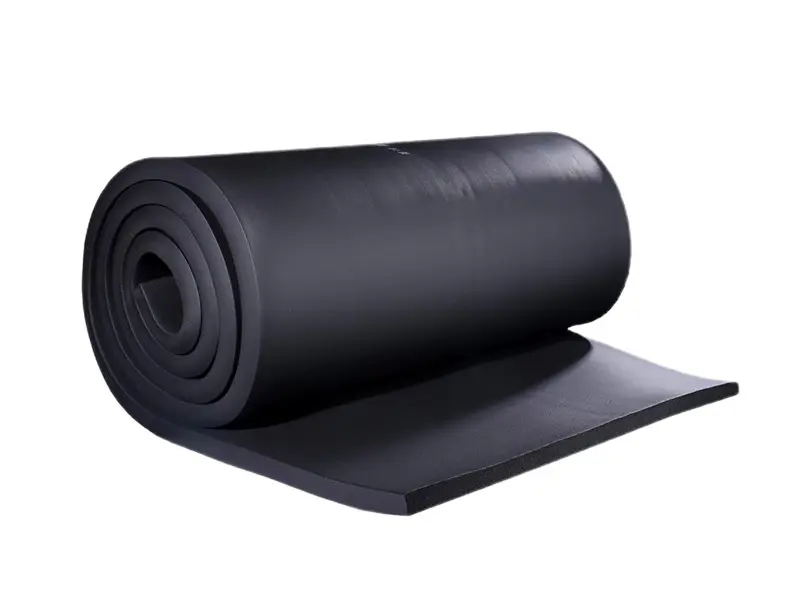
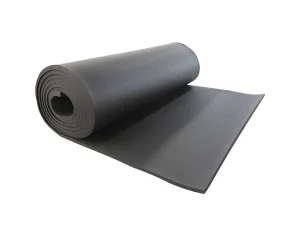
Black Rubber Foam Insulation Sheet Roll
Ideal for flat surfaces, large-diameter ductwork, and equipment housings. Offers high flexibility for wrapping operations.
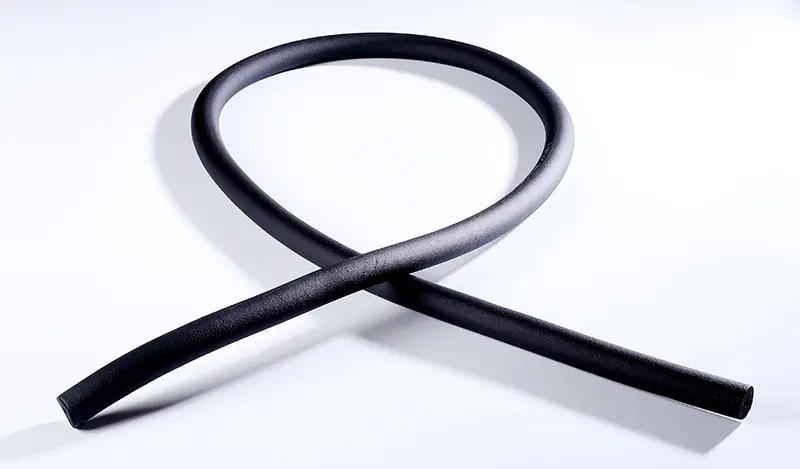
*Features precise inner diameter control to ensure a snug fit around pipelines, preventing air pockets and condensation risk.
Global Project Deployments & Client Communication
Proven Performance in Industrial Installations and Positive Client Feedback Across 66 Countries.
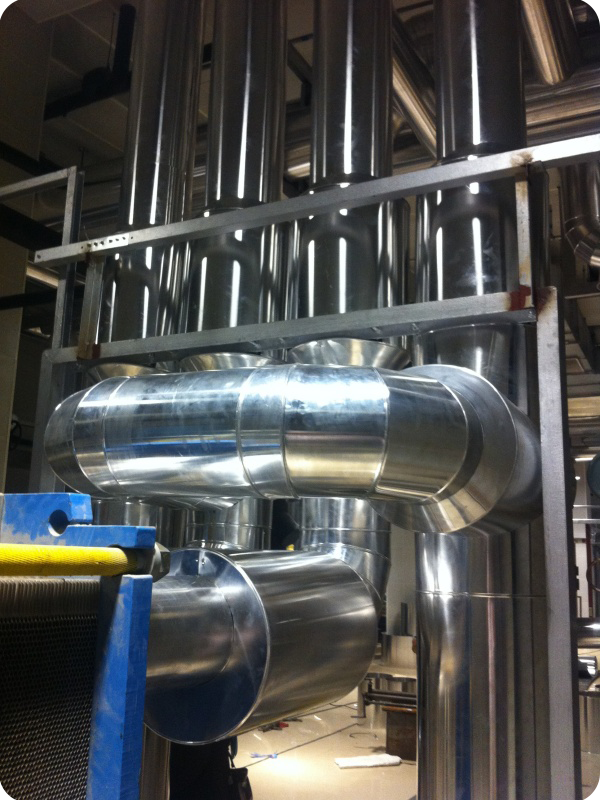
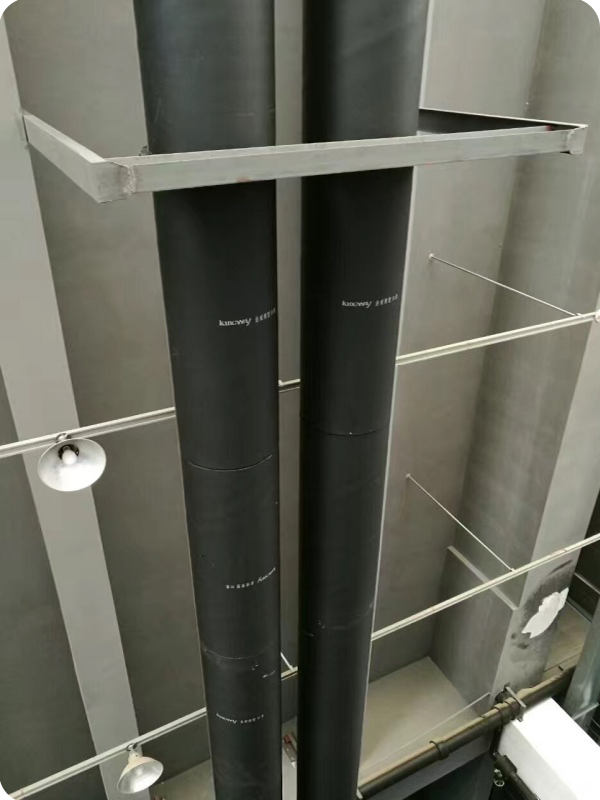
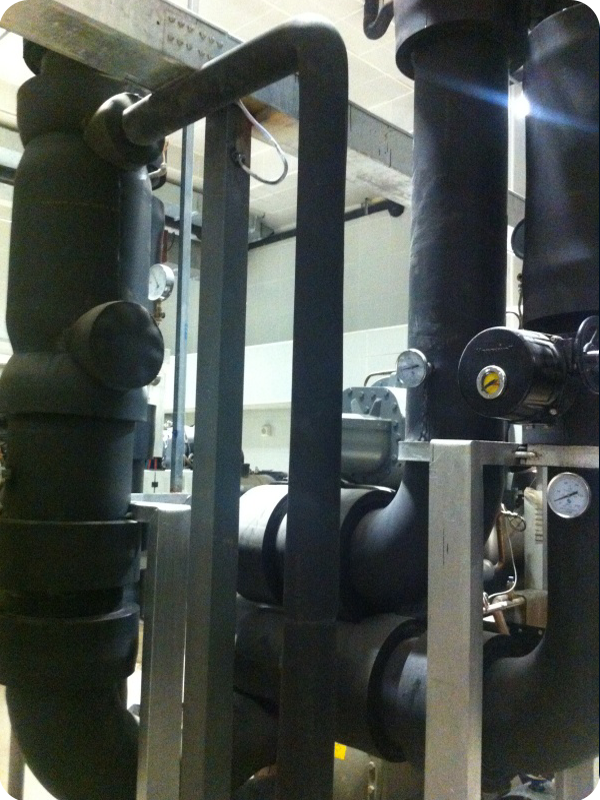
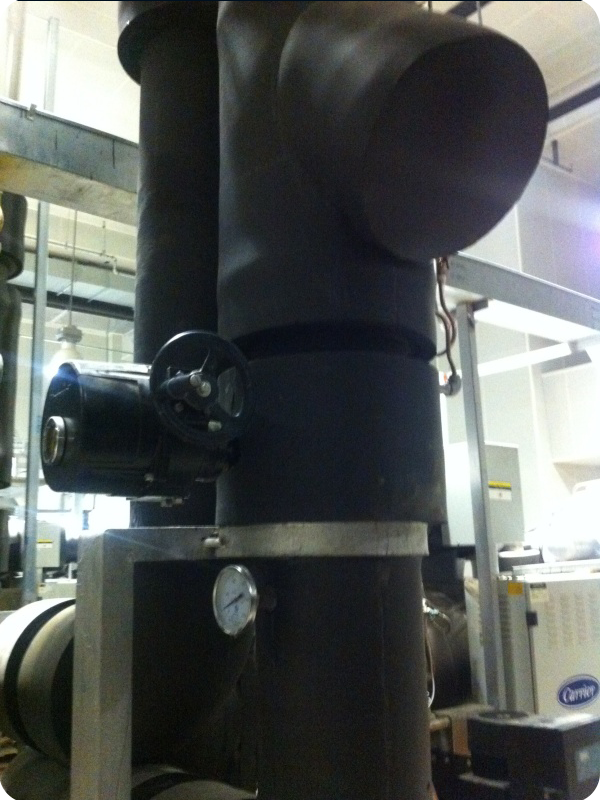
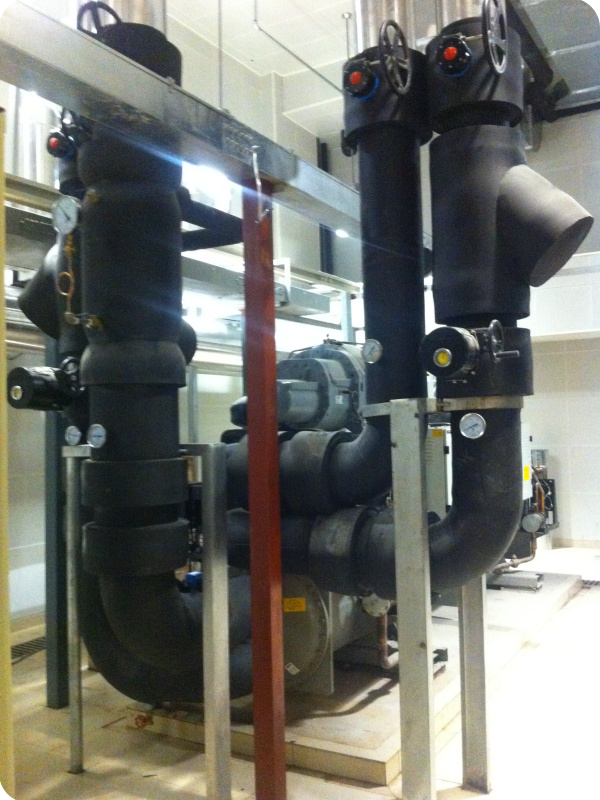
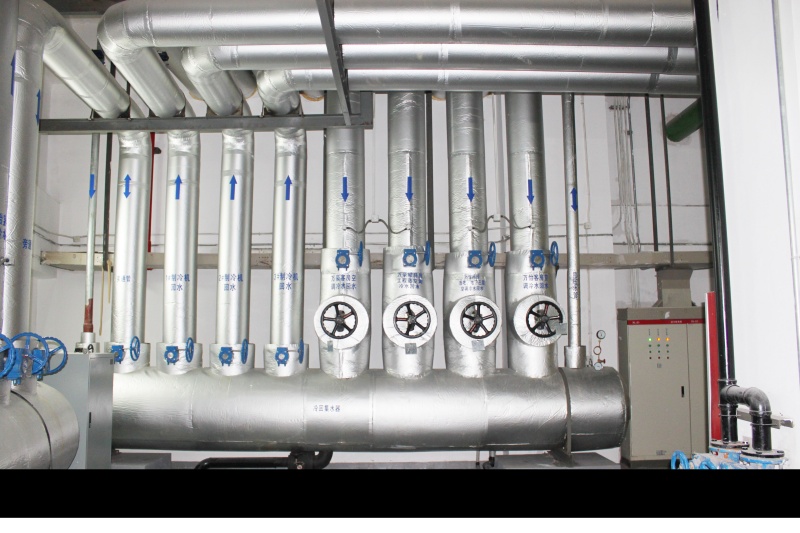
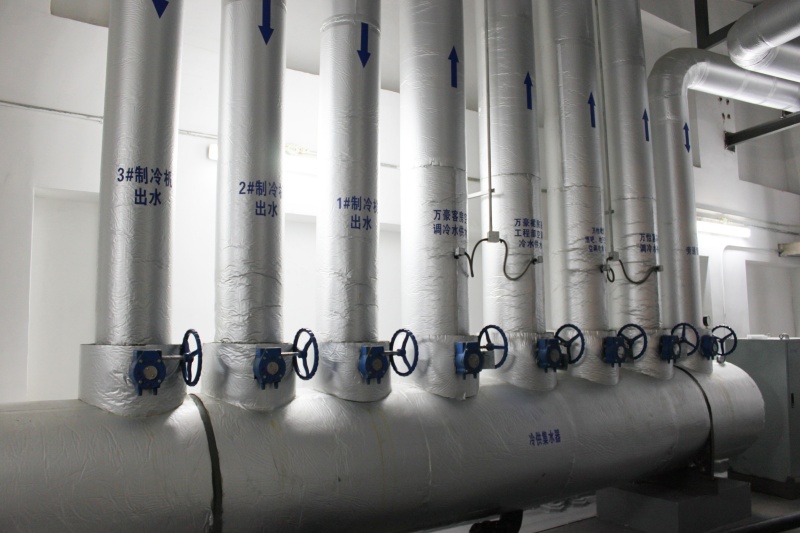
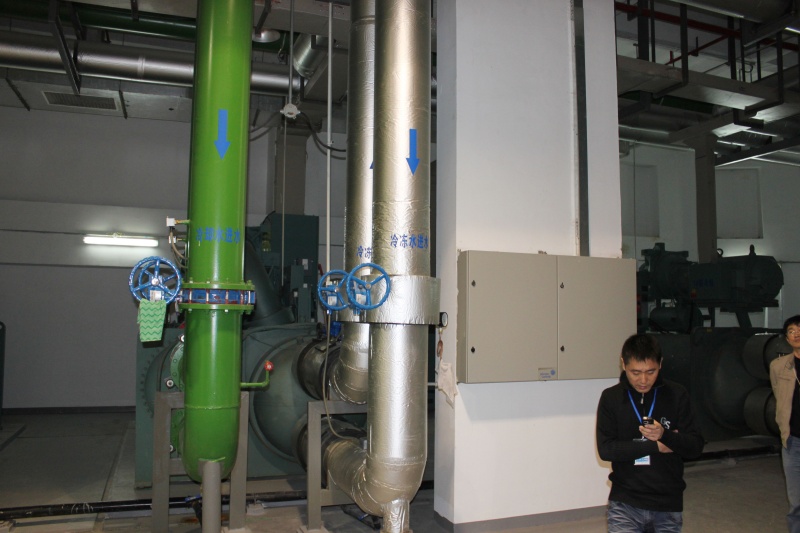
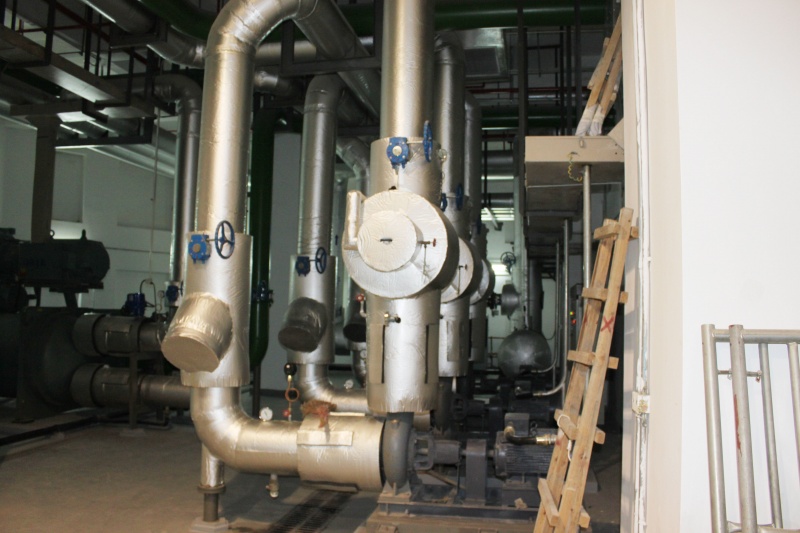
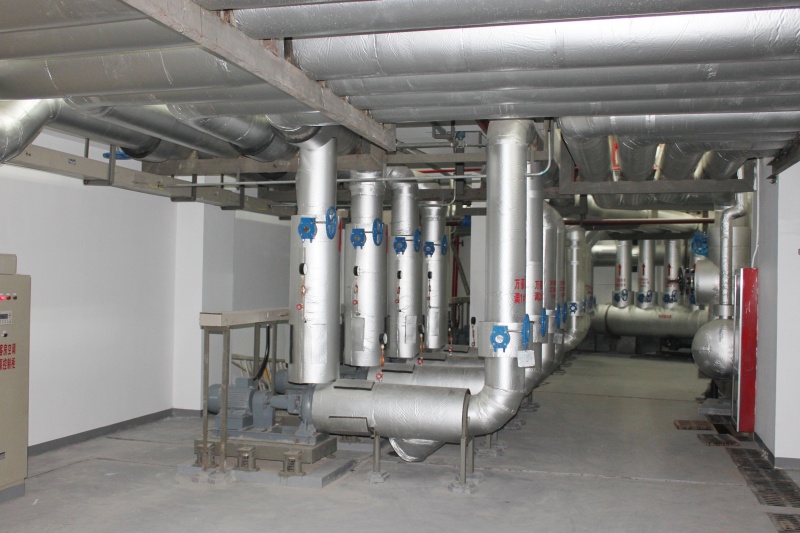
Central HVAC chilled water pipe network insulation.
Heavy industrial steam pipes wrapped in high-temp NBR.
Cold storage piping insulated to prevent condensation.
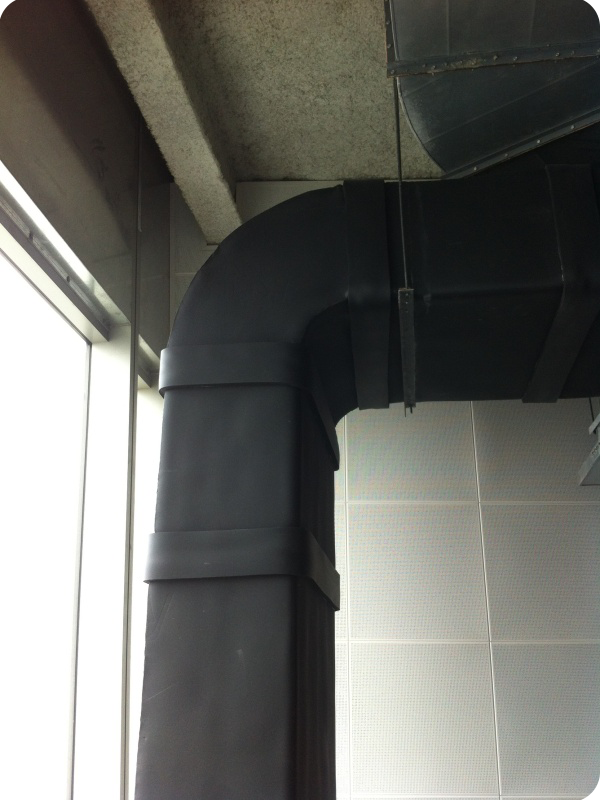
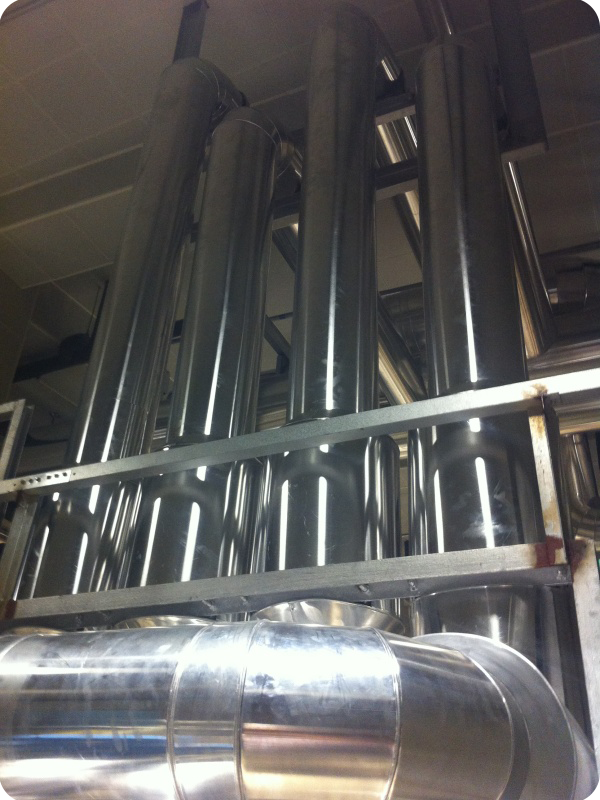
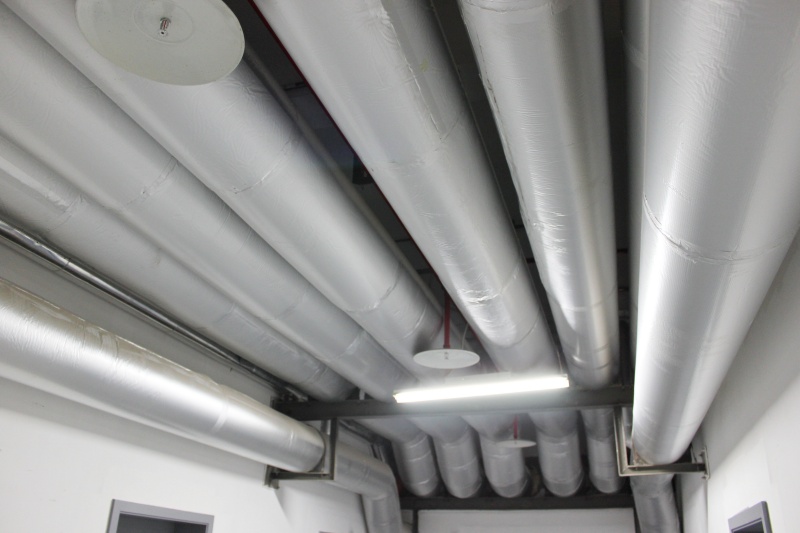
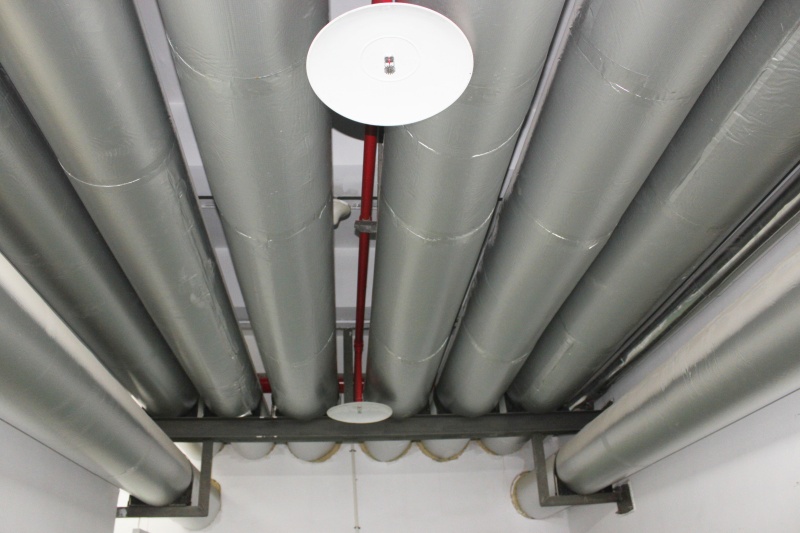
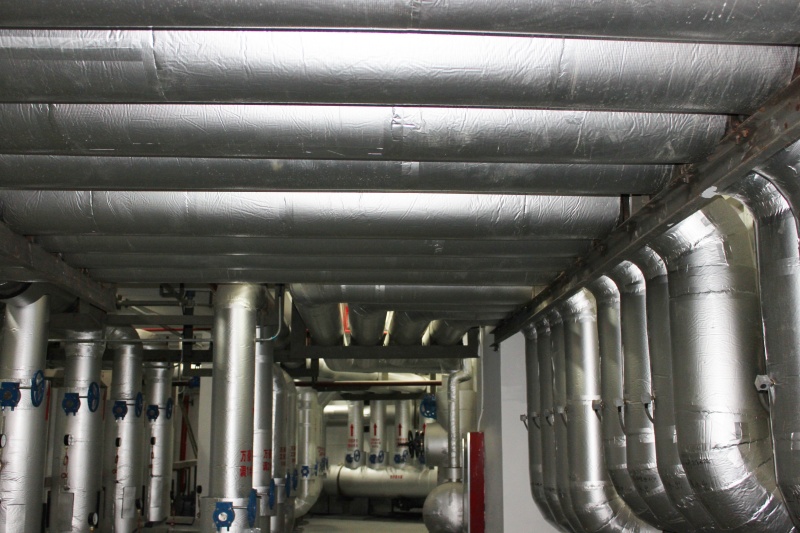
Mechanical ventilation and air duct insulation layout.
Direct Client Communication & Quality Approvals
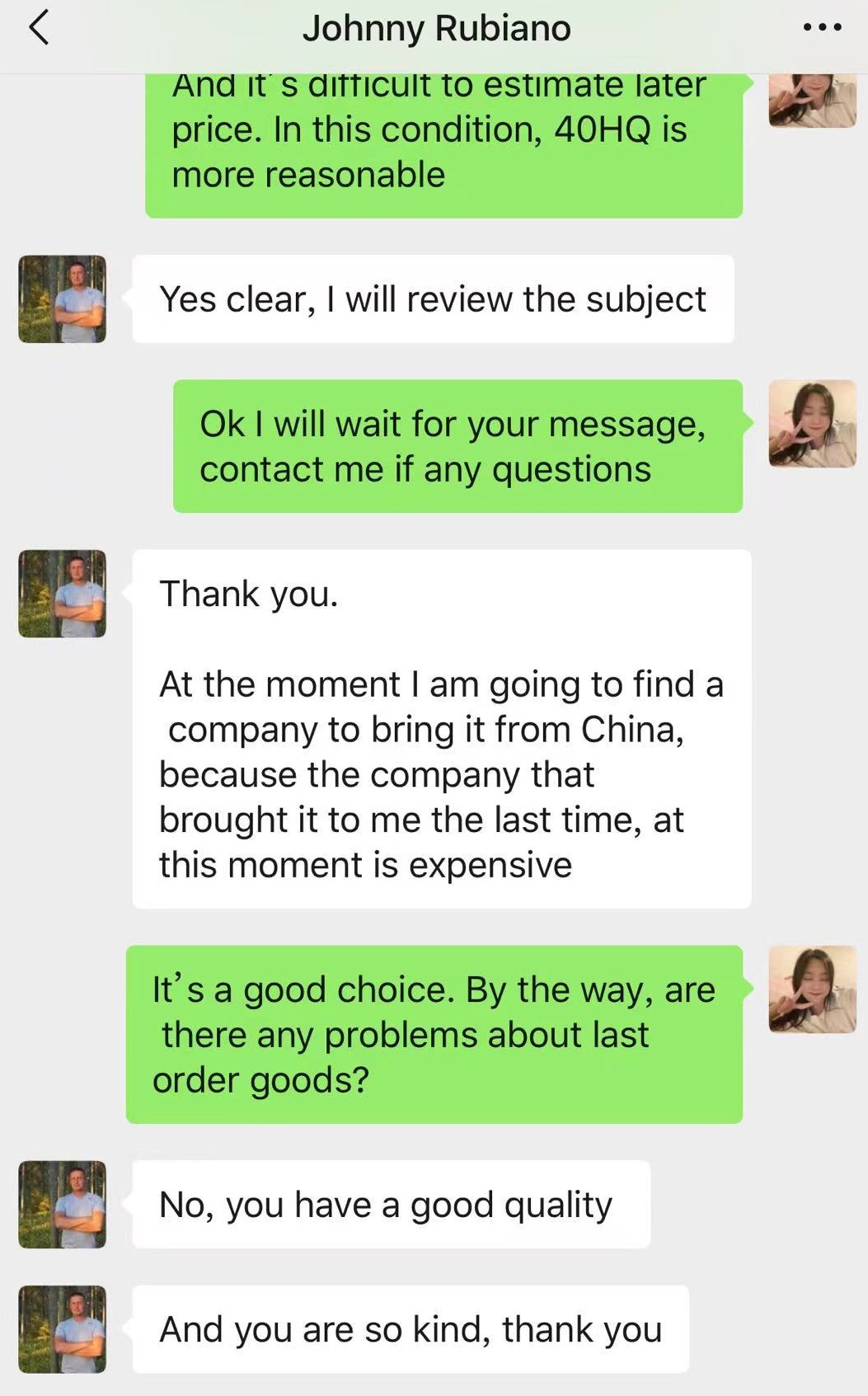
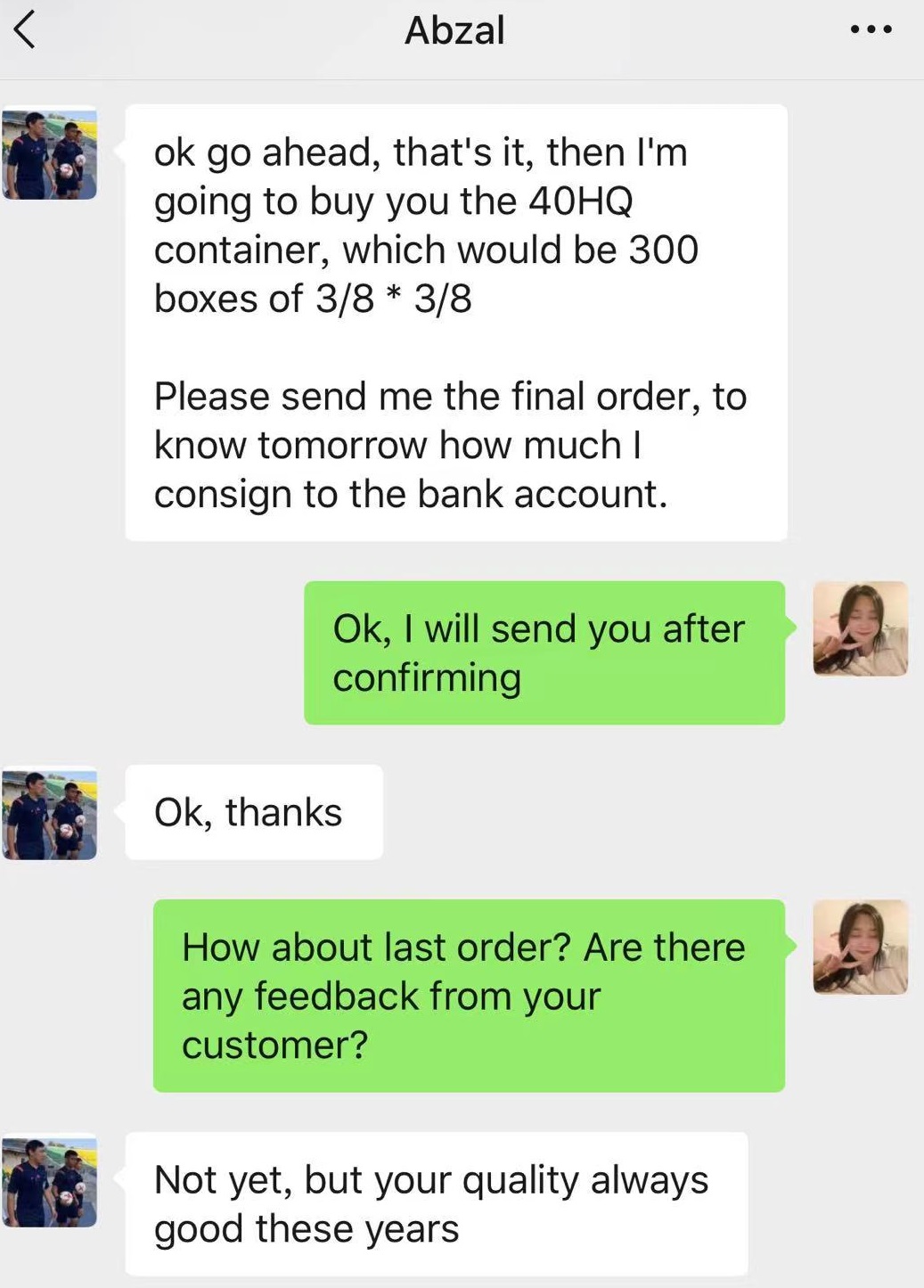
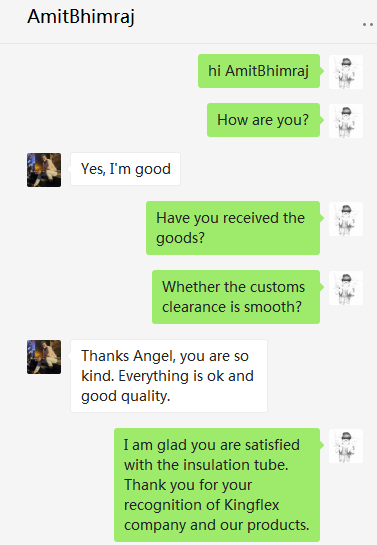
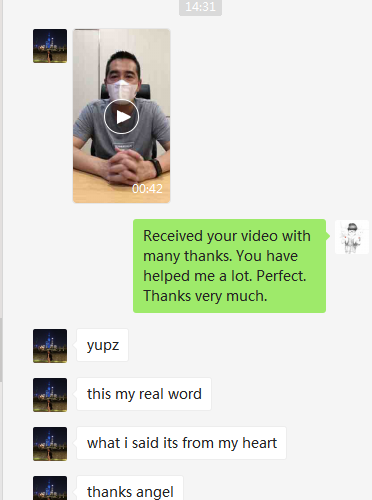
We prioritize transaction safety and clear project communication. Below are verified screenshots of technical approvals, dimension verifications, and logistics updates from clients in the Americas, Europe, and the Middle East.
Whitepaper Focus: Class 0 vs. Class 1 Performance Thresholds
Engineering specifications often require clarification when distinguishing between Class 1 and Class 0 insulation standards. Under BS 476 Part 7 (Surface Spread of Flame), a Class 1 rating defines the lateral spread limits of flame. Class 0, however, is a higher standard that incorporates both Part 7 and Part 6 (Fire Propagation).
To meet Class 0 standard, the material must achieve a fire propagation index (I) of less than 12, and a sub-index (i1) of less than 6. For high-occupancy structures (hospitals, schools, and transportation hubs), this index rating is critical to safety, helping to limit toxic smoke emission and delay flame spread.
Sourcing Metrics & Procurement Strategy
When procuring Class 0 insulation, procurement officers assess several key cost drivers:
Base Formulation: The ratio of raw NBR to PVC determines flexibility and environmental durability. A higher Nitrile content maintains performance in sub-zero applications but impacts raw material costs.
Blowing Agent Quality: Utilizing non-polar, safe chemical expansion agents prevents cell rupture and maintains water vapor resistance.
Shipping Densities: Custom compression options during sea freight are key to optimizing shipping volume without compromising the foam's recovery performance.
Expert Engineering Q&A
Detailed technical answers addressing common queries from project engineers, acoustic specialists, and international sourcing professionals.
Q1: What is elastomeric rubber foam insulation used for?
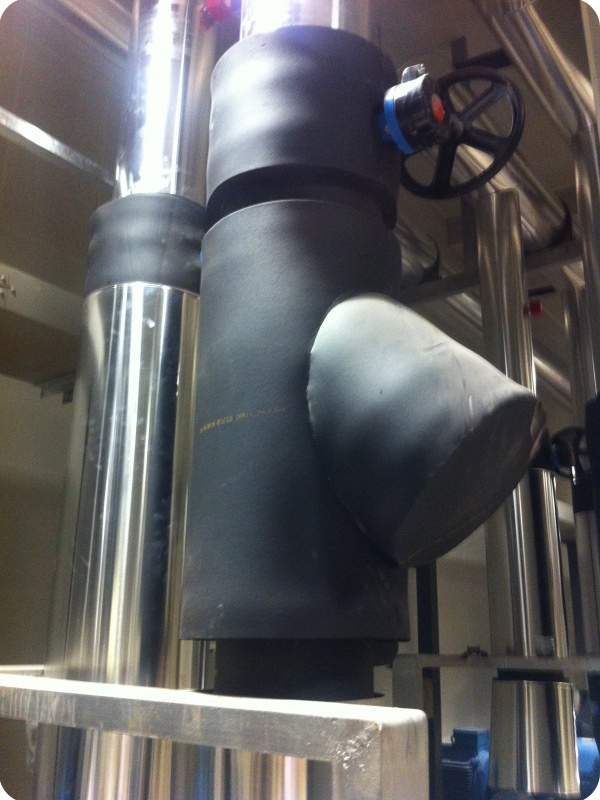
A1: It is mainly used for HVAC ducts, air conditioning pipes, building thermal insulation, industrial pipeline cold insulation, and acoustic damping. Its flexible nature allows for installation on valves, T-joints, and complex elbows.
Q2: Is Kingflex rubber foam insulation fire resistant?
A2: Yes, our rubber foam insulation products are fire retardant. They are tested to BS 476 Part 6 & 7 and meet Class 0 safety standards, ensuring self-extinguishing behavior and low flame spread index scores for building safety.
Q3: What is the difference between rubber foam and rock wool insulation?
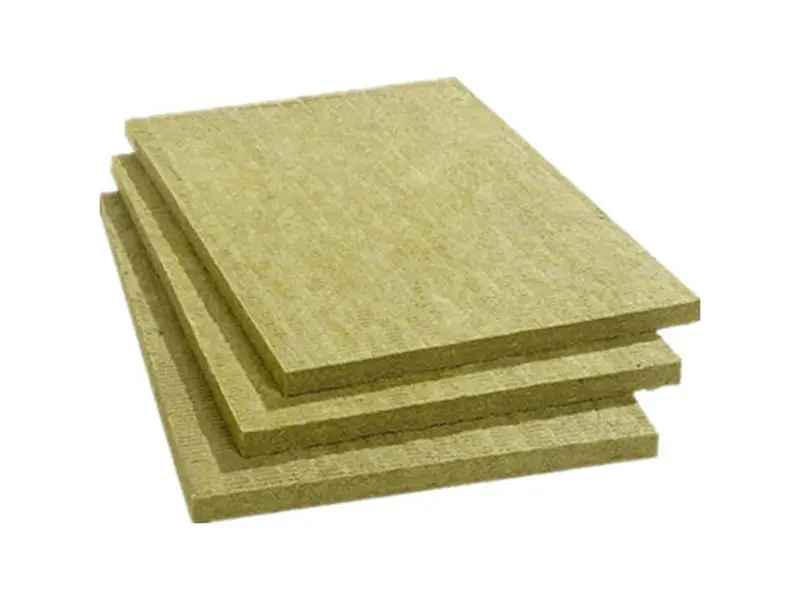
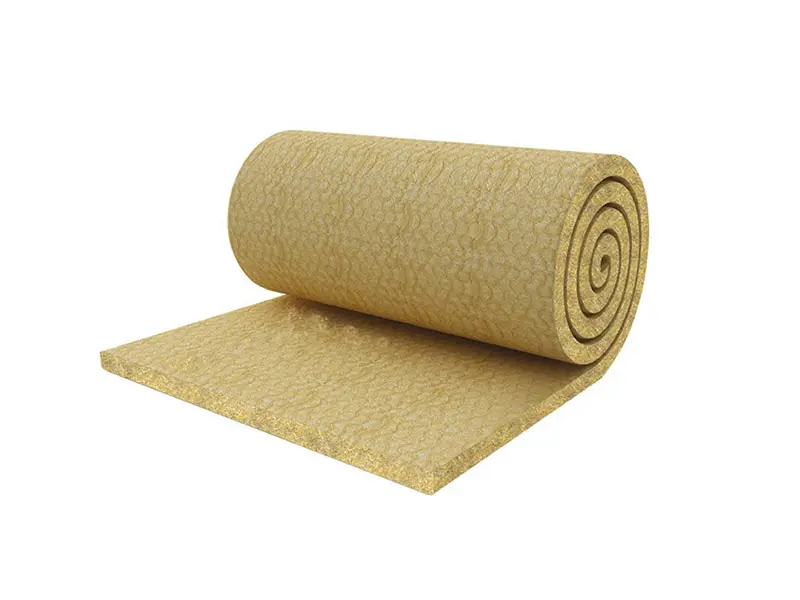
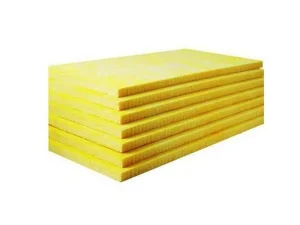
A3: Rubber foam is highly flexible, closed-cell, and moisture-proof, making it suitable for HVAC, chilled water piping, and condensation control. Rock wool is a fibrous material with high-temperature resistance and fire protection, suitable for industrial high-temperature steam pipelines.
Q4: Do you provide customized insulation products?
A4: Yes, we offer OEM and ODM services. We support custom density profiles, custom colors, self-adhesive backings, and aluminum foil coverings designed to meet specific engineering criteria.
Q5: What certifications do your products have?
A5: Our products are certified under BS 476, CE, REACH, ROHS, UL94, and ASTM. This comprehensive certification profile supports compliance on construction sites globally.
Q6: Does Kingflex products have traceability?
A6: Yes, we utilize a tracking system for raw materials, batch processing, and QA testing. Each shipment can be traced back to its raw material component batches and the production line.
Q7: What thickness of Rubber foam insulation sheet roll can you produce?
A7: We can produce sheet roll thicknesses from 6mm to 50mm on our automatic lines, ensuring uniform physical properties across the entire sheet roll surface.
Q8: What is the service life of rubber plastic pipe and board?
A8: When installed according to guidelines and kept free from mechanical damage, the average service life ranges from 10 to 15 years, during which it maintains its thermal barrier properties.
Q9: How do you prevent mold and bacterial growth?
A9: The closed-cell structure blocks moisture accumulation, eliminating the damp environment necessary for fungal growth. Additionally, the polymer matrix resists dust and particle accumulation, keeping surfaces clean.
Q10: What factors influence the pricing structures on your pricelist?
A10: Pricing is influenced by raw material index fluctuations (NBR and PVC polymers), insulation thickness, inner diameter requirements, custom densities, protective foil integration, and order volume. For bulk contract rates, please contact our export department directly.
Core Product Categories
Explore our focused product lines designed to meet diverse industrial requirements.
 Kingflex