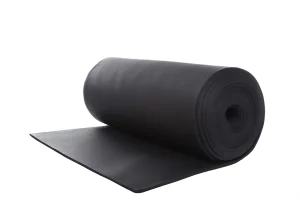
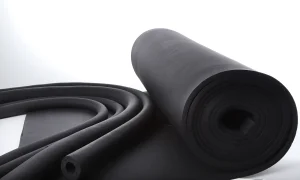
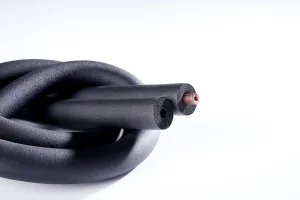
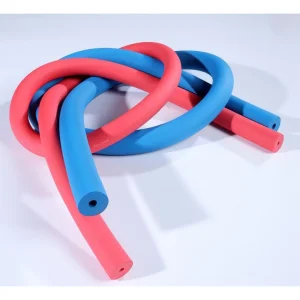
Typical Applications
Behind radiators (decreases heat loss by heat transmission)
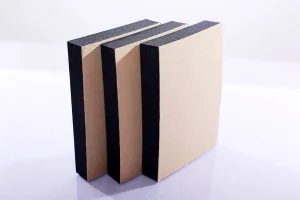
Thermal and sound insulation in sides
Interior thermal and sound insulation of wooden houses
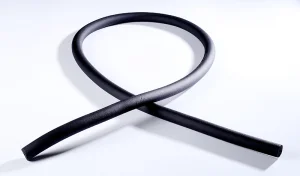
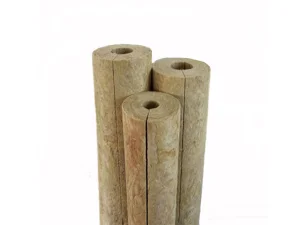
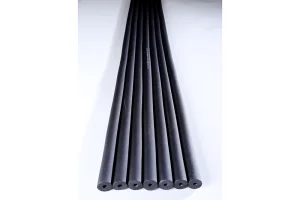
Exterior insulation of HVAC pipes and rectangular/square ventilation pipes
On the walls of boiler rooms and generator rooms
Elevator engine rooms, stairs rooms
Frequently Asked Questions
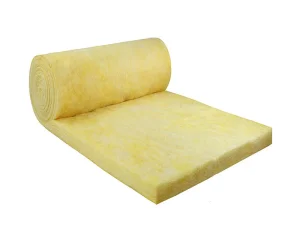
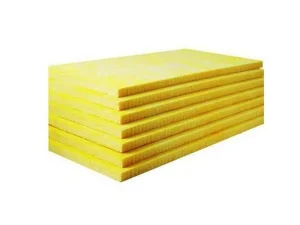
What are the standard dimensions for glass wool insulation boards?
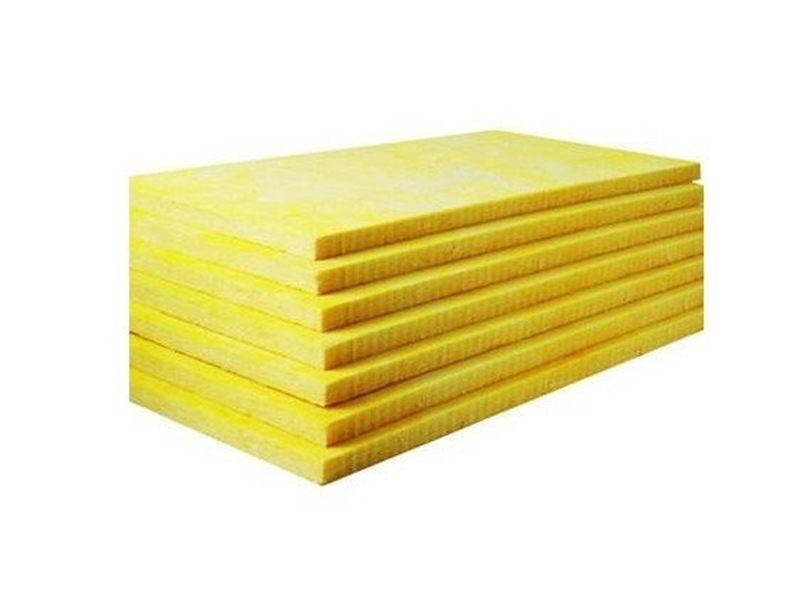
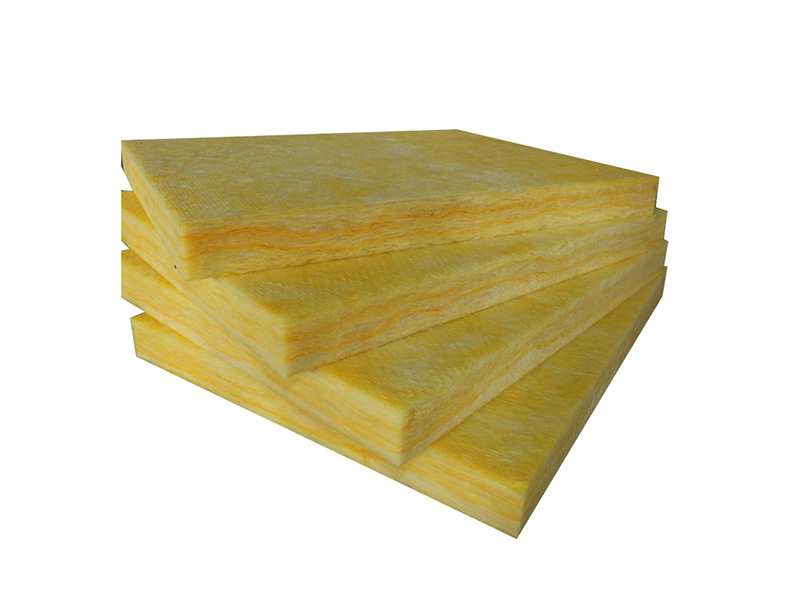
Standard glass wool insulation boards typically range in length from 1200mm to 2400mm, with widths of 600mm to 1200mm, and thicknesses ranging between 20mm and 100mm. Density configurations vary from 24 to 96 kg/m³.
What is the reaction of fire classification for this material?
It holds an A1 fire classification according to the EN13501-1:2007 standard, indicating it is completely non-combustible and provides superior safety performance under fire exposure conditions.
Does moisture or humidity impact the performance of glass wool boards?
No. The product exhibits high hydrophobicity (>98.2% according to GB/T 10299-1988) and low moisture rate limits (<5%). It is designed to be non-hygroscopic and non-capillary to prevent dimensional changes in humid conditions.
What is the thermal conductivity (K-value) range?
The thermal conductivity (thermal conductibility) ranges from 0.032 to 0.044 W/m.k compliant with EN13162:2001 standard, rendering it highly effective for both heat retention and cooling conservation.
How does the aluminium foil backing help the insulation?
The aluminium foil coating provides high resistance to vapor permeability. This is crucial for cooling systems to prevent humidity penetration and preserve insulation efficiency over time.
Can glass wool boards be customized for specific layout requirements?
Yes. Glass wool boards are highly flexible and can be easily cut to specified lengths during site assembly, effectively reducing waste and minimizing the required installation time.
 Kingflex