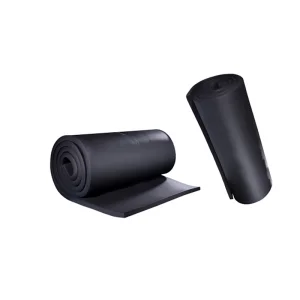
Chapter 1: The Critical Imperative of Ventilation Duct Thermal Performance
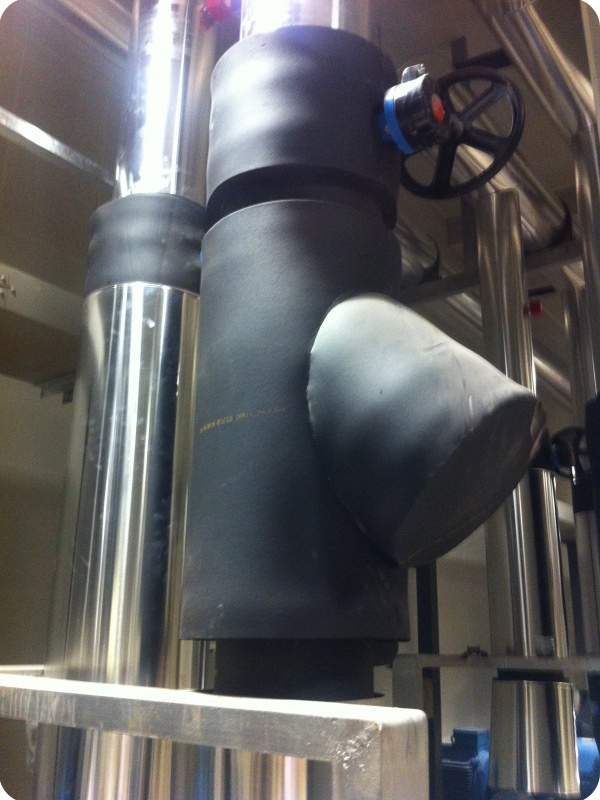
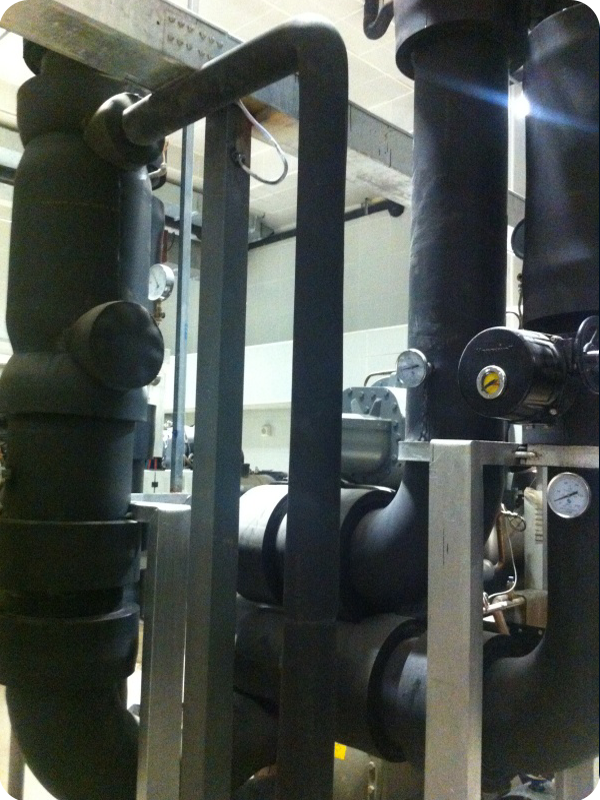
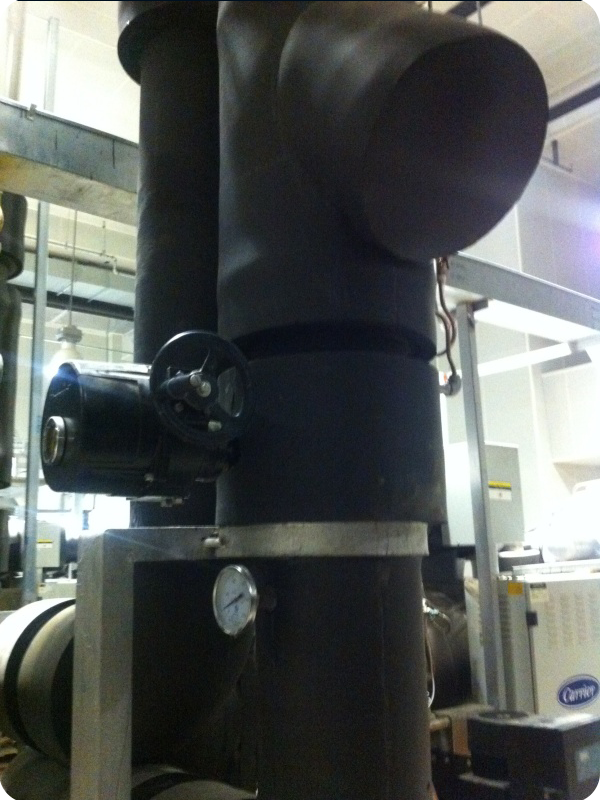
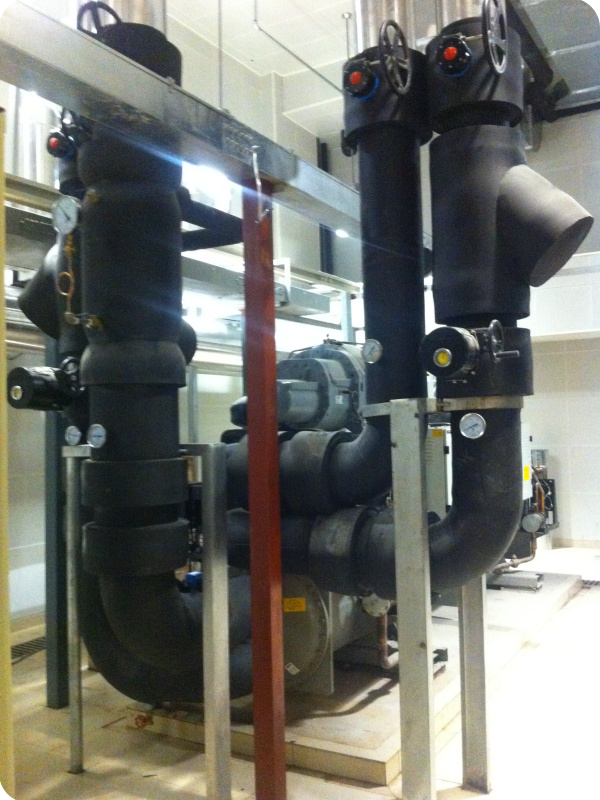
In contemporary industrial and commercial structural design, HVAC systems function as the circulatory architecture of building networks. Consequently, the thermal integrity of these systems directly impacts energy conservation, indoor environmental quality, and structure longevity. High-performance ventilation duct insulation serves not only to mitigate thermal transmission but also to defend against dew point condensation, corrosion under insulation (CUI), and acoustic transmission.
As global building compliance standards grow increasingly stringent under policies such as LEED v4, ASHRAE 90.1, and EN 13180, system designers are abandoning legacy materials like fiberglass and open-cell foams. NBR/PVC elastomeric rubber foam has emerged as the premier choice, offering an exceptional balance of mechanical stability, fire resistance, and superior thermal efficiency.
"The selection of thermal insulation for high-airflow ventilation systems requires a material with a high resistance to moisture vapor diffusion. NBR/PVC elastomeric foams maintain a stable thermal conductivity coefficient over decades, making them critical for sustainable engineering design."
Thermal energy loss in typical commercial networks accounts for roughly 25-40% of standard HVAC operation costs. Utilizing premium closed-cell NBR/PVC elastomer sheets drastically reduces heat gain or loss, optimizing Coefficient of Performance (COP) ratings for cooling and heating equipment. Additionally, the integrated vapor barrier of closed-cell structures eliminates the need for separate outer vapor screens, reducing installation complexity and physical footprint.
Chapter 2: Industrial Manufacturing Prowess of Kingflex Co., Ltd.
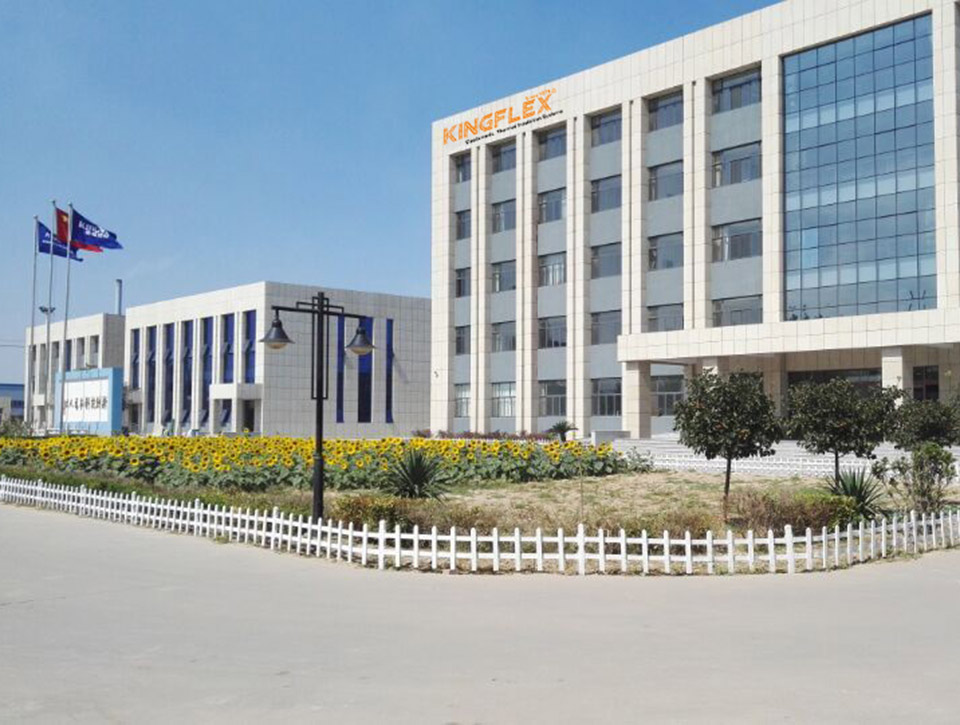
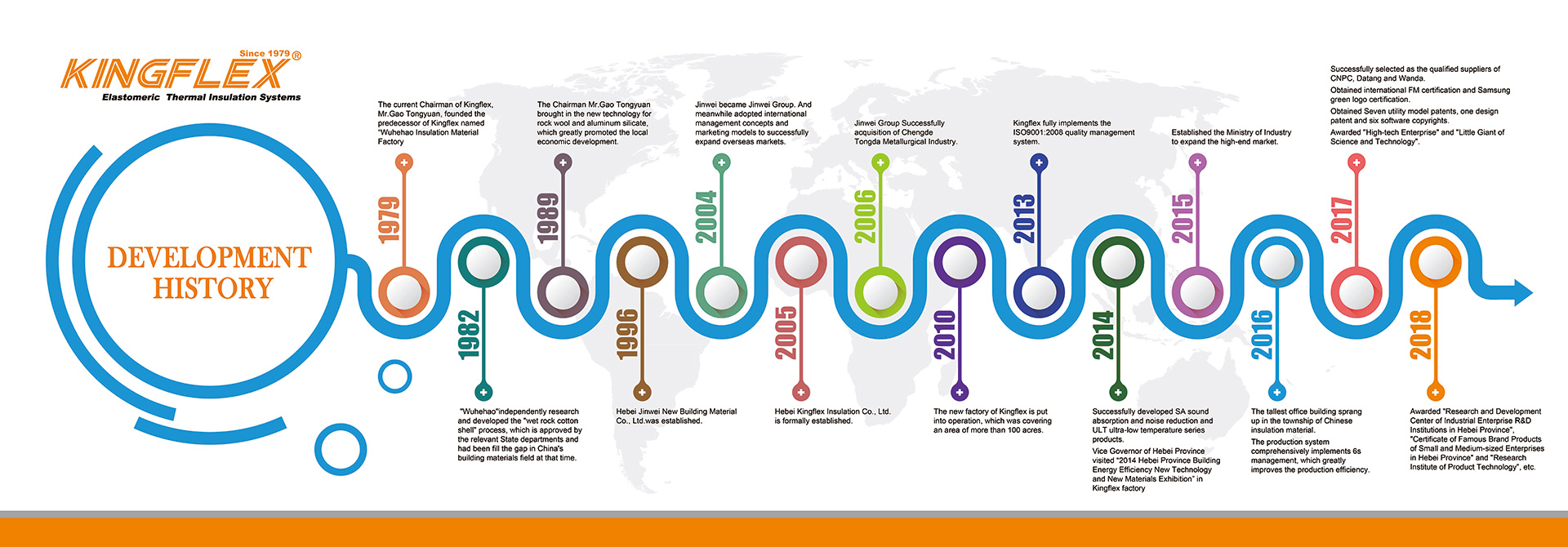
Kingflex Insulation Co., Ltd. represents a premier global manufacturer and trading entity specializing in professional elastomeric insulation materials. Rooted in the Jinwei Group, established in 1979 as the pioneer manufacturer of thermal insulation materials north of the Yangtze River, Kingflex draws on over 40 years of continuous technological development.
Our primary manufacturing base is located in Dacheng, Langfang, China, a globally recognized industrial hub for green-building material innovation. We combine advanced research and development with state-of-the-art production assembly to deliver solutions for global building supply chains. Operating under the core values of resource efficiency and environmental responsibility, Kingflex supports projects from initial technical consultation and material specification through to installation guidance and comprehensive post-sale support.
Currently, the factory operates 5 fully automated assembly lines with an annual capacity exceeding 600,000 cubic meters. These high-precision manufacturing plants run continuously, yielding consistent materials that satisfy the stringent demands of China's Ministry of Energy, Ministry of Electric Power, and Ministry of Chemical Industry.
Pioneering Plant Founded in 1979
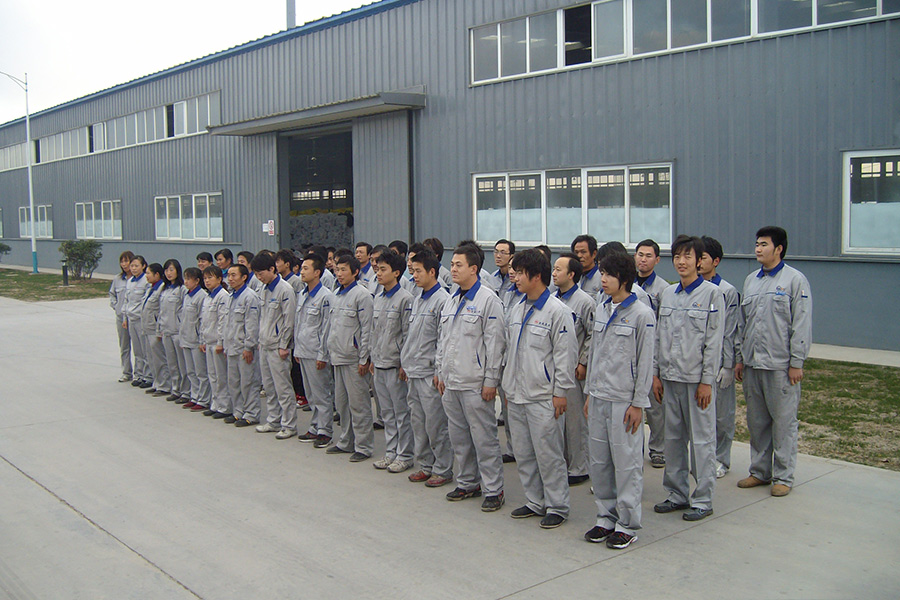
8 R&D Engineers & 230 Technicians
Advanced Continuous Foaming Control
Rigorous Batch Testing Lab
Chapter 3: Material Science & Critical Performance Criteria
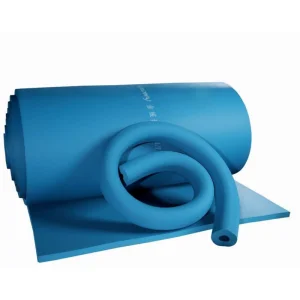
The core performance of Kingflex closed-cell elastomeric rubber foam stems from a specialized compounding process. Nitrile Butadiene Rubber (NBR) provides excellent oil resistance, flexibility, and physical stability, while Polyvinyl Chloride (PVC) adds strength, chemical stability, and flame retardancy. Under intense heat and high-pressure nitrogen injection, these materials form a consistent, fine-cellular matrix.
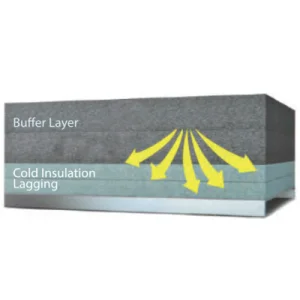
This micro-cellular structure features an even closed-cell rate exceeding 98%. Because the cell walls restrict air movement, convection is eliminated within the material, resulting in exceptionally low thermal conductivity. The absence of interconnected pores prevents liquid water absorption and moisture vapor migration, maintaining a stable thermal conductivity coefficient ($\lambda$) over decades of service.
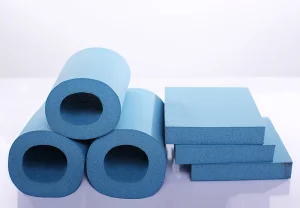
Continuous Roll Sheet, Standard Pipe, Pre-cut Tape
Factory-calibrated sizing
Thickness Range
6mm to 50mm (Sheets) / 9mm to 40mm (Pipes)
EN 13467 / ASTM C209
Density Rating
40 - 55 kg/m³ (high-density versions up to 75 kg/m³)
ASTM D1622 / ISO 845
Thermal Conductivity (λ)
≤ 0.034 W/(m·K) at 0°C | ≤ 0.038 W/(m·K) at 40°C
ASTM C518 / ISO 8301
Service Temperature Limits
-40°C to 105°C (Cryogenic variants down to -196°C)
EN 14706 / ASTM C411
Water Vapor Permeability Resistance
μ Factor ≥ 10,000 (Permeability Index ≤ 1.9×10⁻¹¹ g/Pa·s·m)
BS EN 12086 / ASTM E96
Compression Resilience Rate
Over 80% recovery under sustained load
ASTM D1056
Fire Retardant Classification
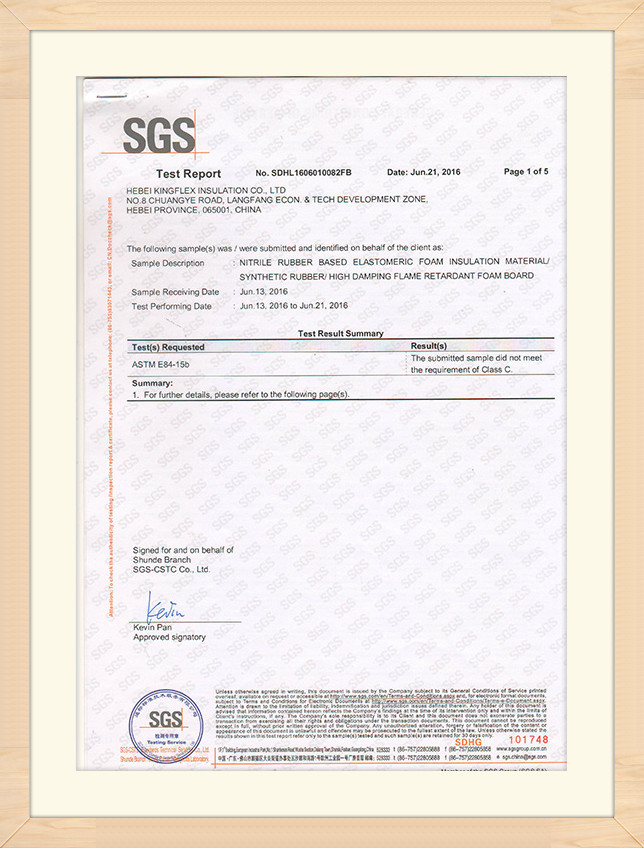
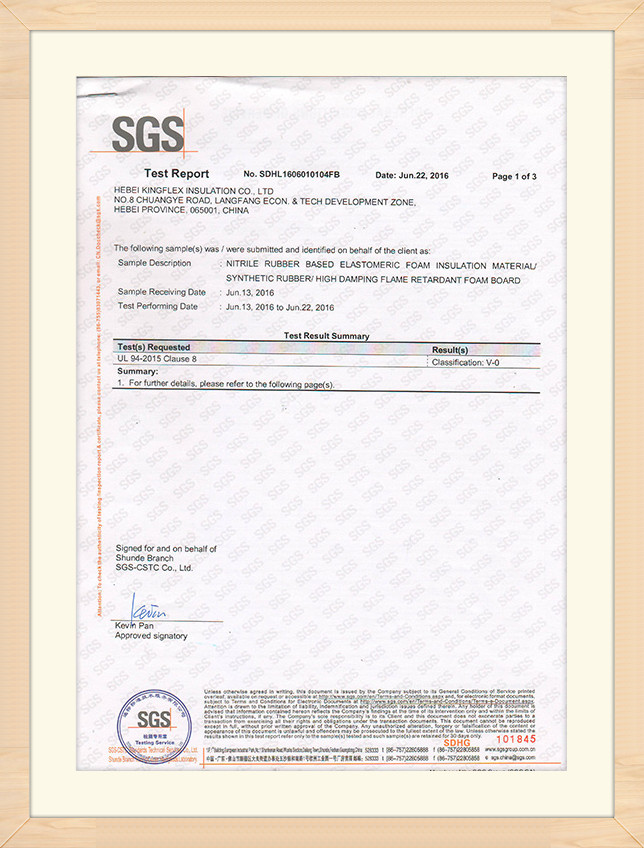
BS 476 Part 6 & 7 Class 0/Class 1, UL94 V-0, ASTM E84 Class A
British & North American Building Safety Codes
For highly demanding installations, such as cleanrooms, hospitals, and high-velocity commercial HVAC networks, dust and fiber release can compromise air purity. NBR/PVC elastomeric foams offer a clean, fiber-free alternative to mineral wool or glass fibers. They do not release particles during install or operation, ensuring clean IAQ (Indoor Air Quality) and supporting compliance with ISO cleanroom standards.
Precision Cutting: Pre-split self-sealing options for retrofitted utility piping systems
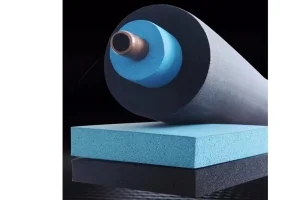
Performance Focus: Hot/cold water pipes, refrigeration lines, VRF air conditioning conduits
Pioneering R&D Labs & Global Accreditations
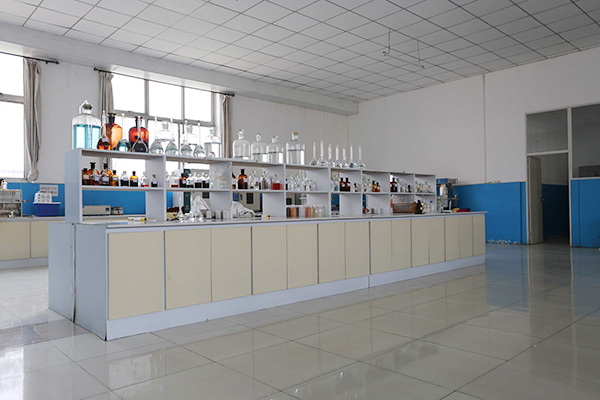
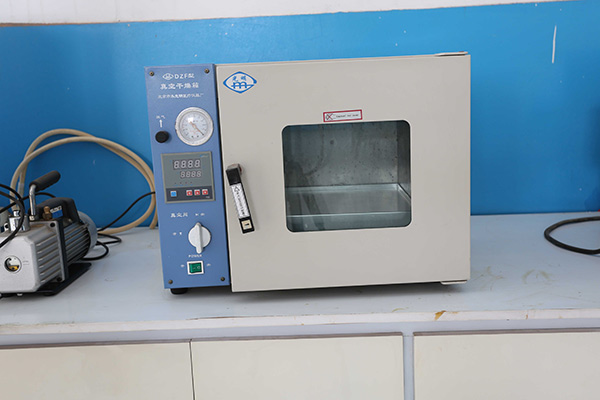
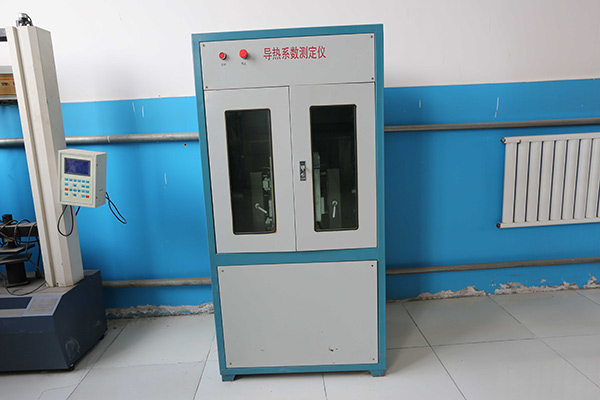
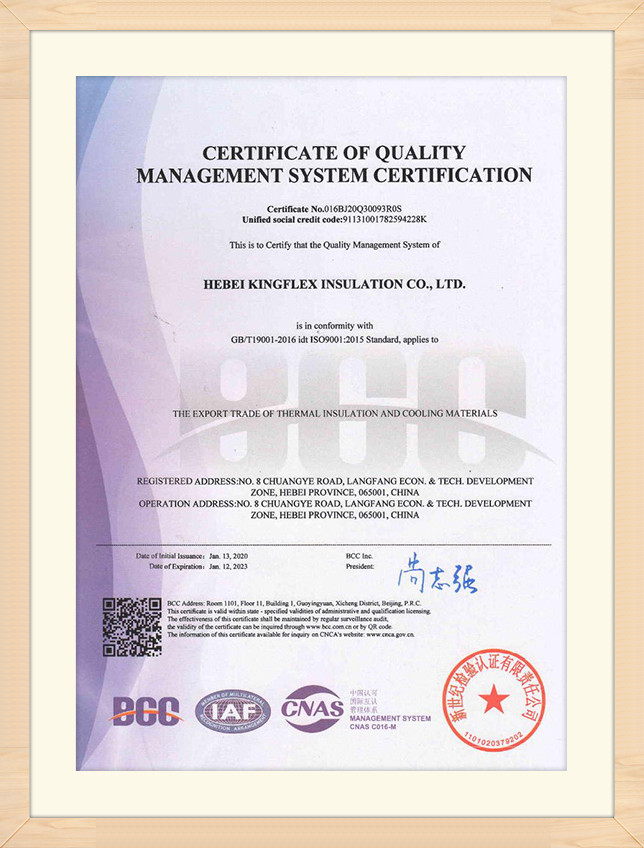
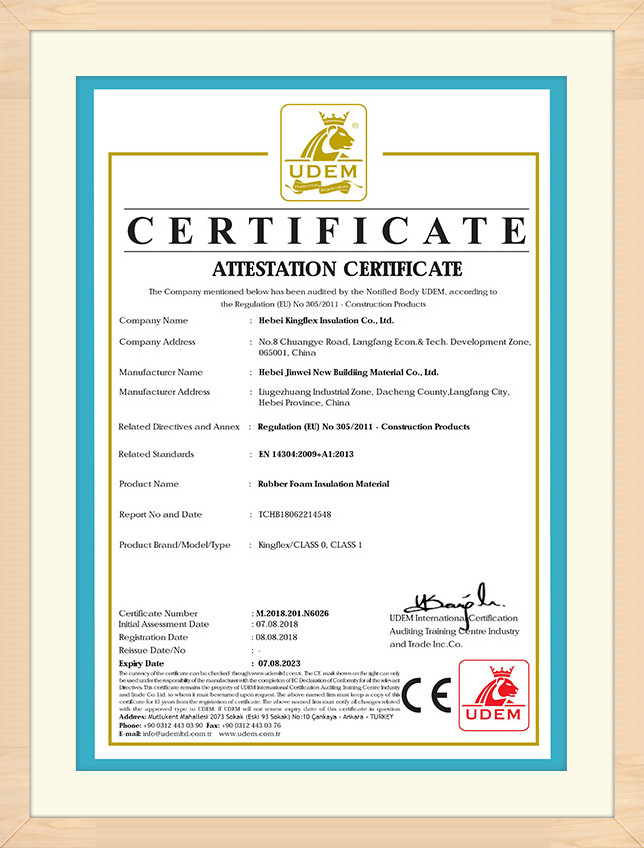
Our commitment to rigorous engineering validation is backed by advanced internal test labs and recognized certification standards.
Thermal Conductivity Testing Apparatus
Raw Compound Verification Lab
Mechanical Properties Evaluation
European CE Compliance Standard
ISO 9001/14001 Quality System
REACH & RoHS Environmental Approvals
BS 476 Fire Safety Testing
Chapter 4: Macro-Level HVAC & Industrial Process Solutions
Every project presents distinct environmental challenges. Kingflex specializes in developing and delivering targeted system solutions that resolve the specific complexities of varied industrial and commercial environments:
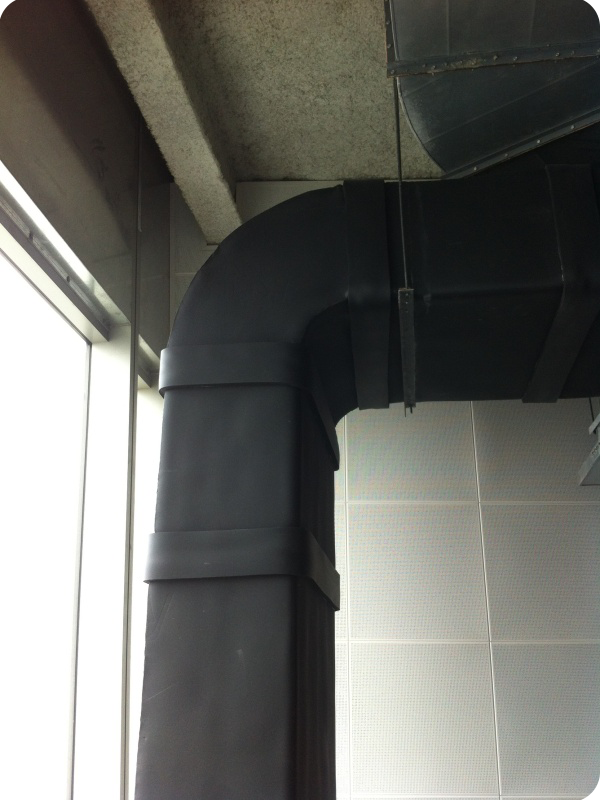
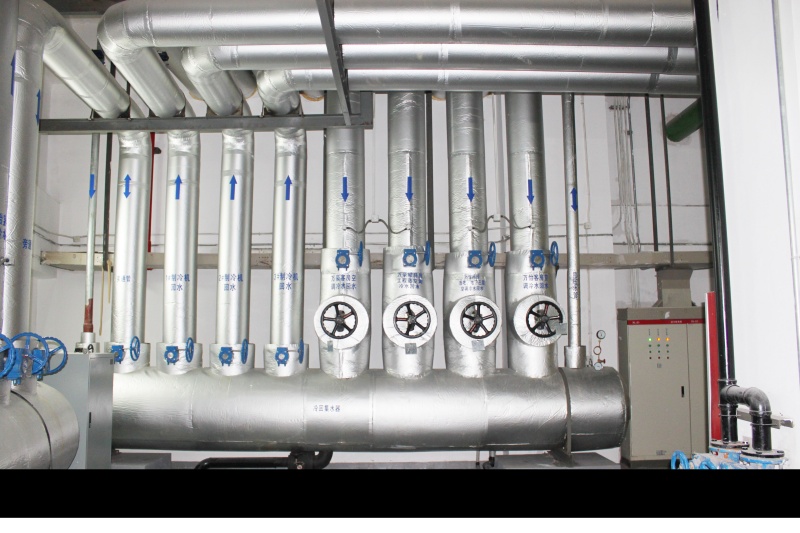
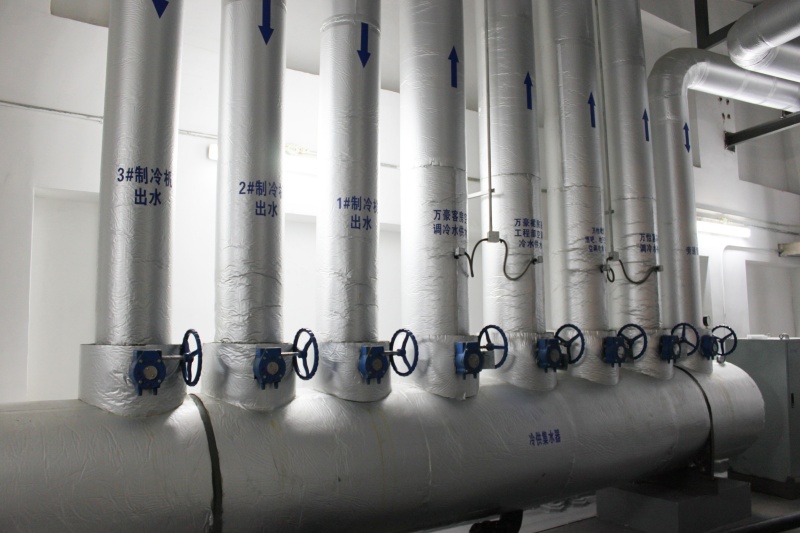
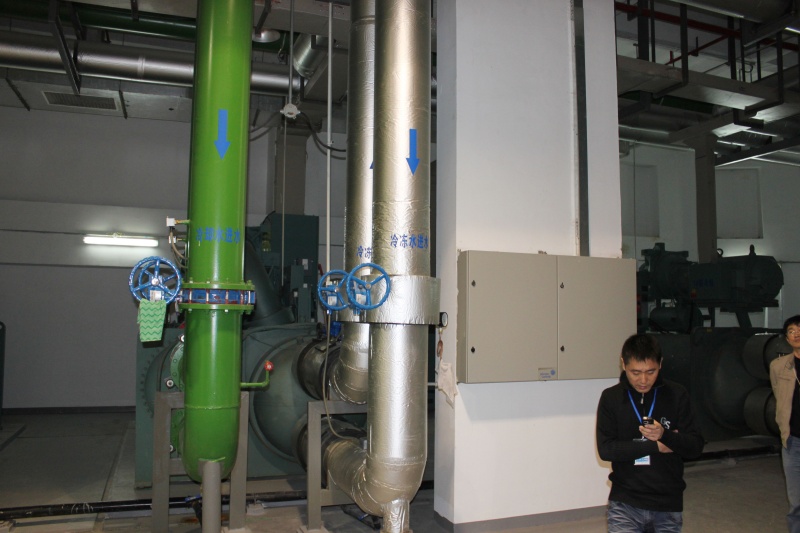
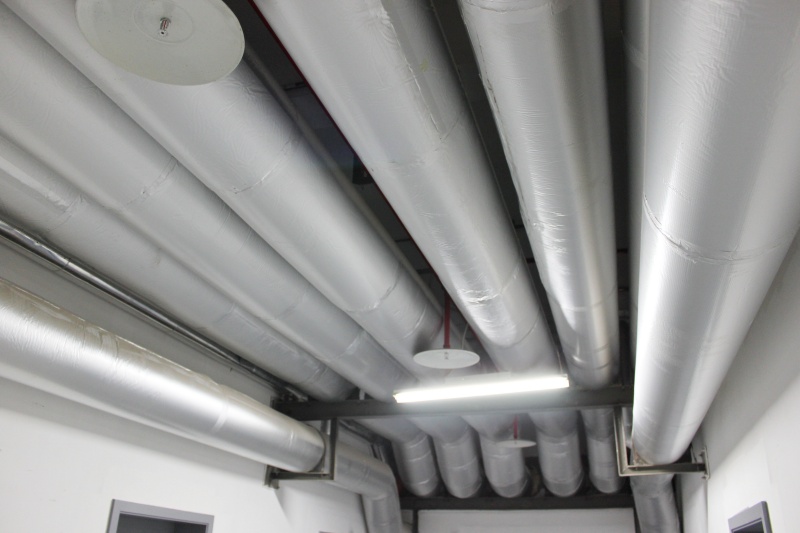
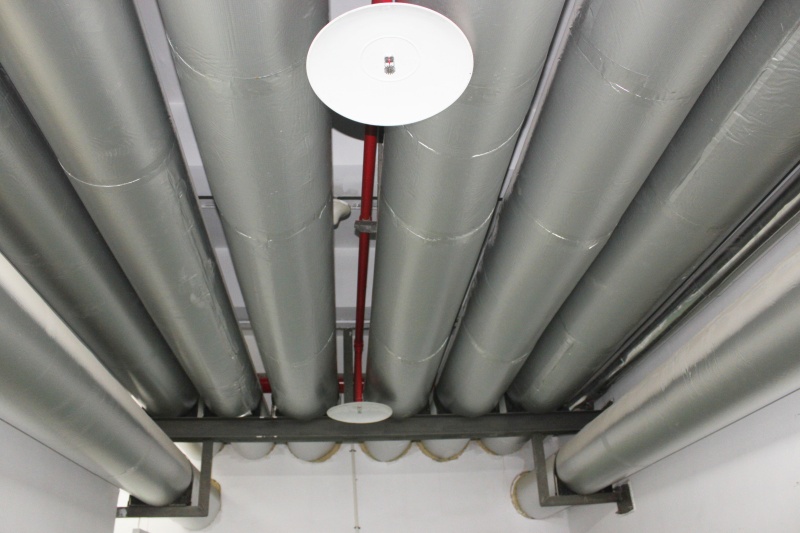
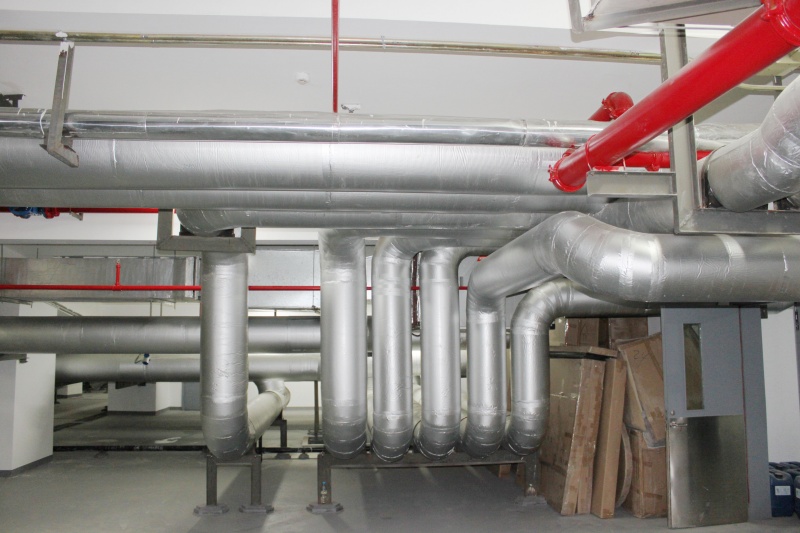
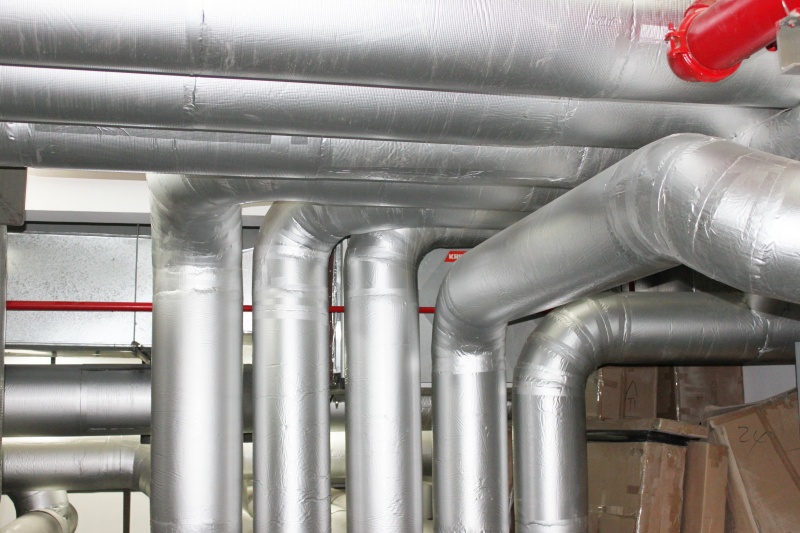
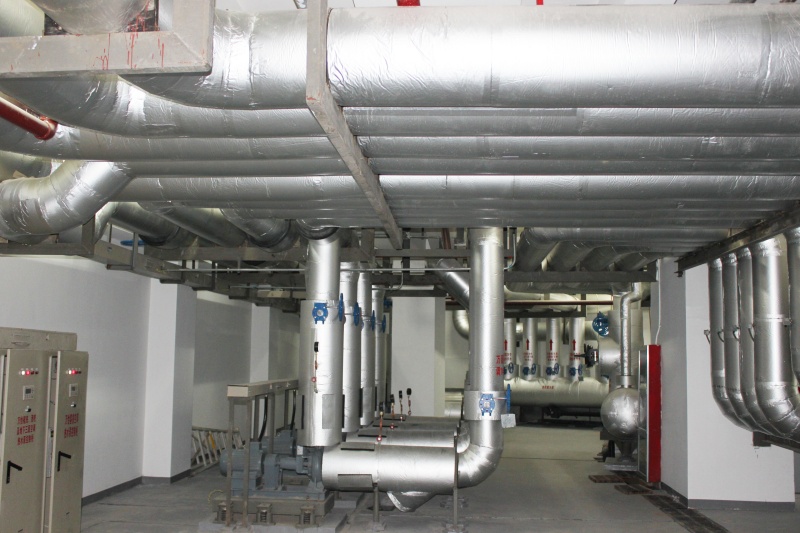
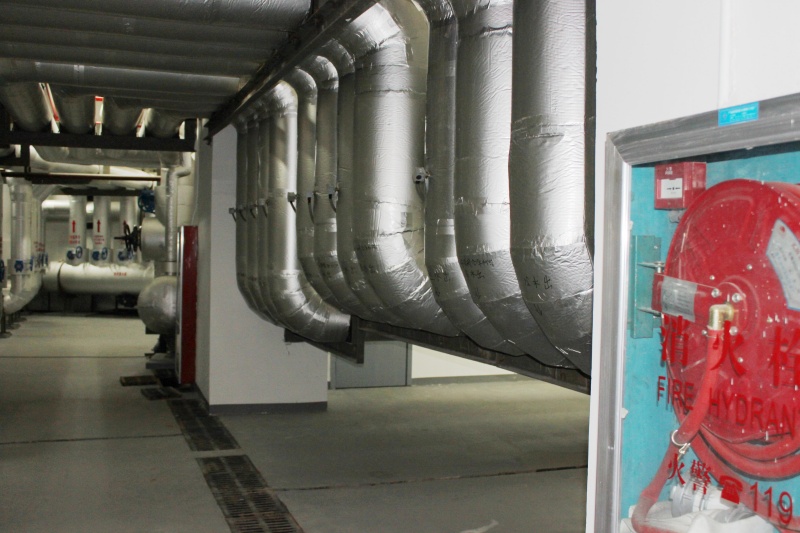
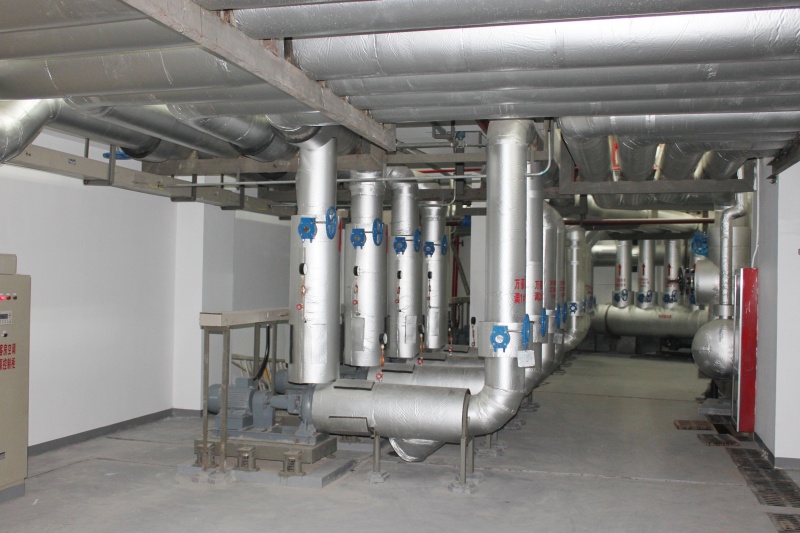
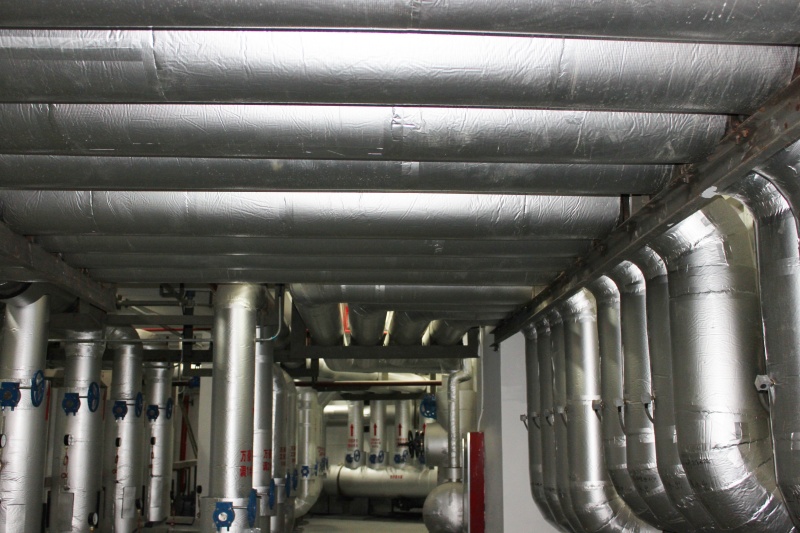
In massive commercial centers, large central air-conditioning duct networks operate continuously under variable cooling loads. High ambient humidity can trigger localized condensation if insulation fails. This condensation can rust ductwork, damage ceilings, and foster mold growth.
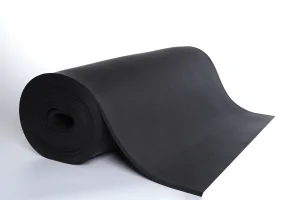
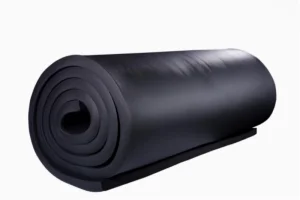
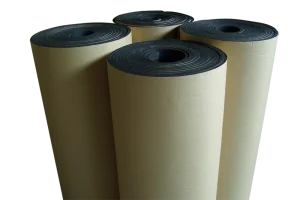
Applying Kingflex closed-cell rubber sheet rolls with factory-integrated self-adhesive backings provides a continuous thermal barrier. The high vapor-resistance index ($\mu \ge 10,000$) ensures that ambient humidity cannot reach the cold metal surface, preventing moisture build-up and condensation issues.
Clinics, hospitals, and microelectronics cleanrooms demand strict air purity, ruling out materials that produce fibers or dust. Kingflex NBR/PVC elastomeric rubber foam sheets are inherently dust-free and fiber-free. The synthetic matrix inhibits the colonization and growth of mold, fungi, and bacteria without relying on chemical biocides, supporting healthy indoor air quality.
3. Cryogenics and Ultra-Low Temperature Industrial Systems
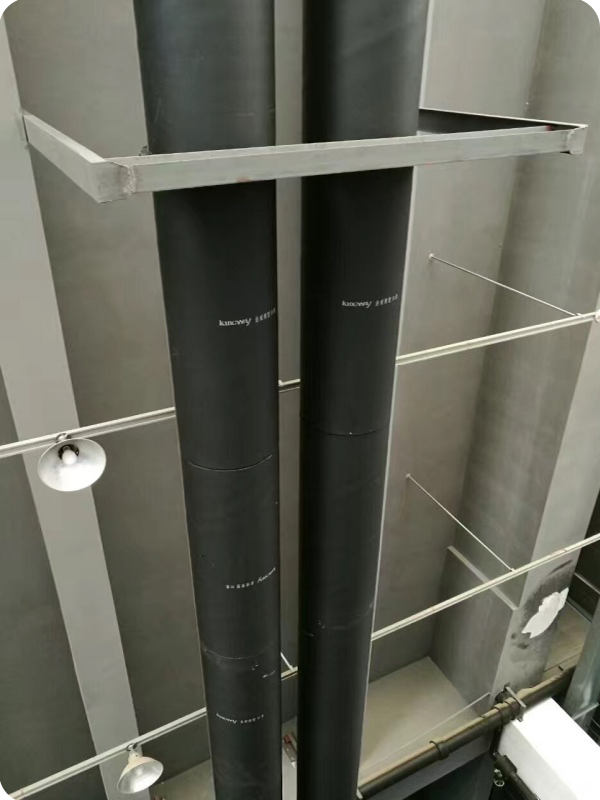
Industrial cryogenic pipelines (such as liquefied natural gas or chemical processing systems operating down to -196°C) face intense thermal gradients. Uninsulated pipelines can experience rapid ice accumulation, leading to severe thermal loss and structural failure.
Our cryogenic systems (including Dolefin cryogenic insulation materials) are engineered specifically for low-temperature applications. They remain flexible at sub-zero temperatures, resisting stress cracks and accommodating thermal expansion.
4. Heavy Industrial Machinery, Acoustic Linings & Process Piping
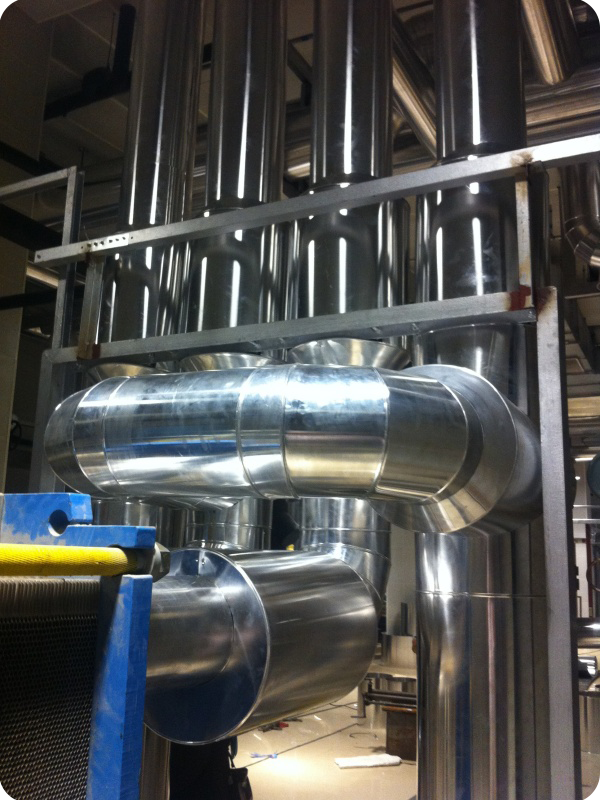
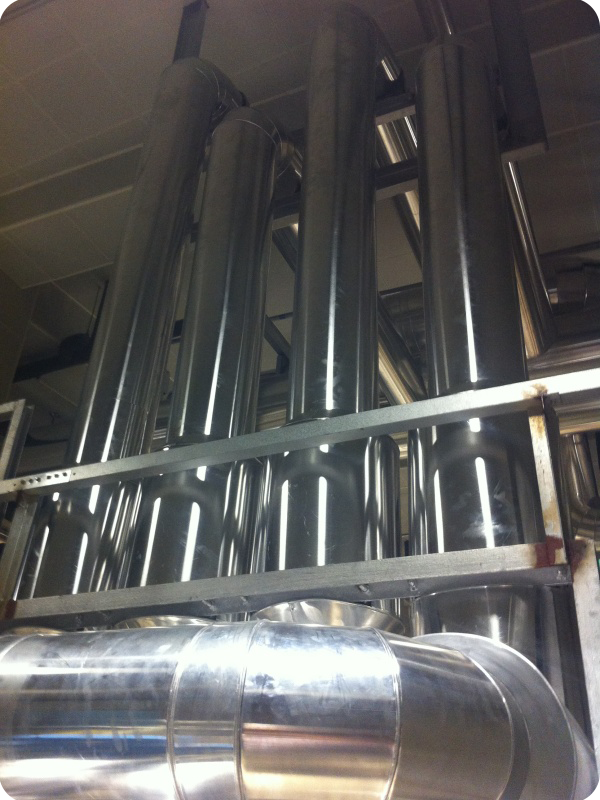
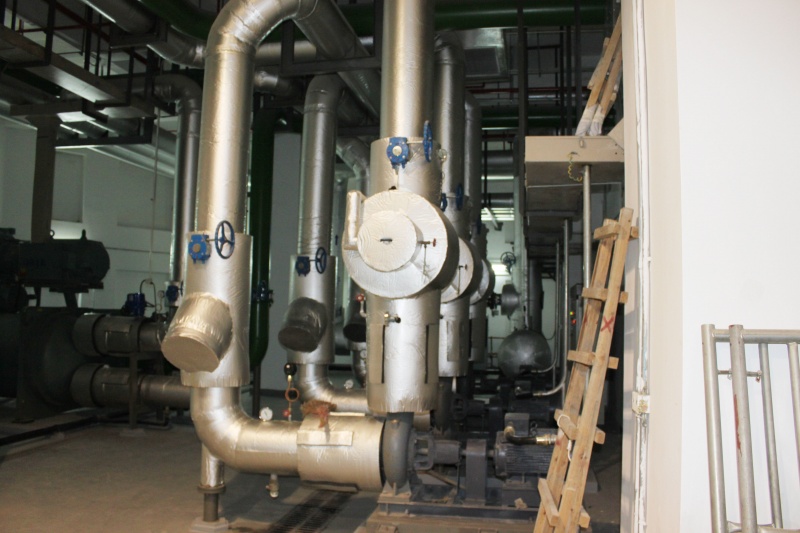
Power generation facilities, chemical plants, and heavy manufacturing plants require insulation that performs under elevated temperatures (up to 105°C) and demanding physical conditions. Kingflex NBR/PVC sheets and tubes shrug off exposure to oils, mild acids, and typical industrial chemicals. When layered as an acoustic wrap, their high density and damping characteristics isolate structure-borne vibrations, lowering overall equipment noise.
Global Project Footprints & Client Dialogues
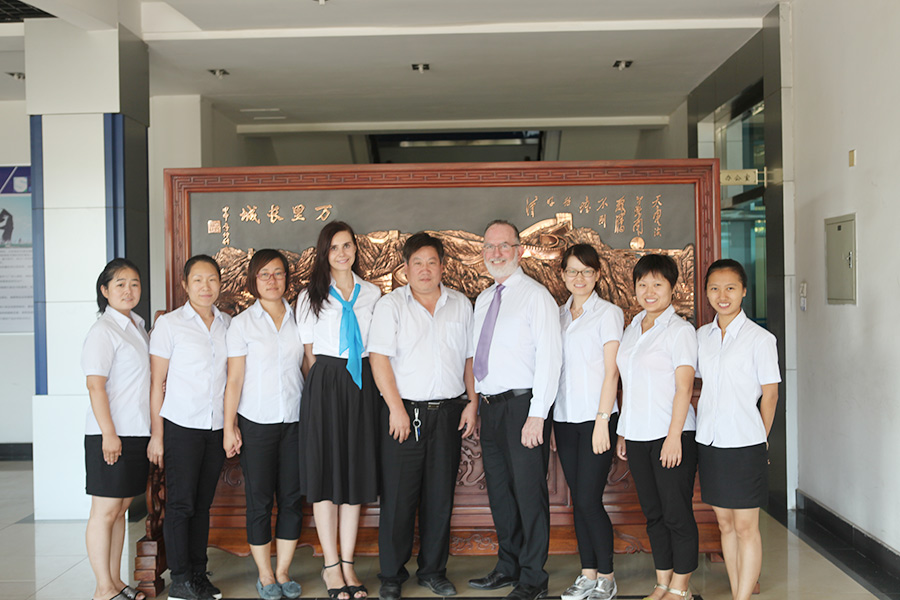
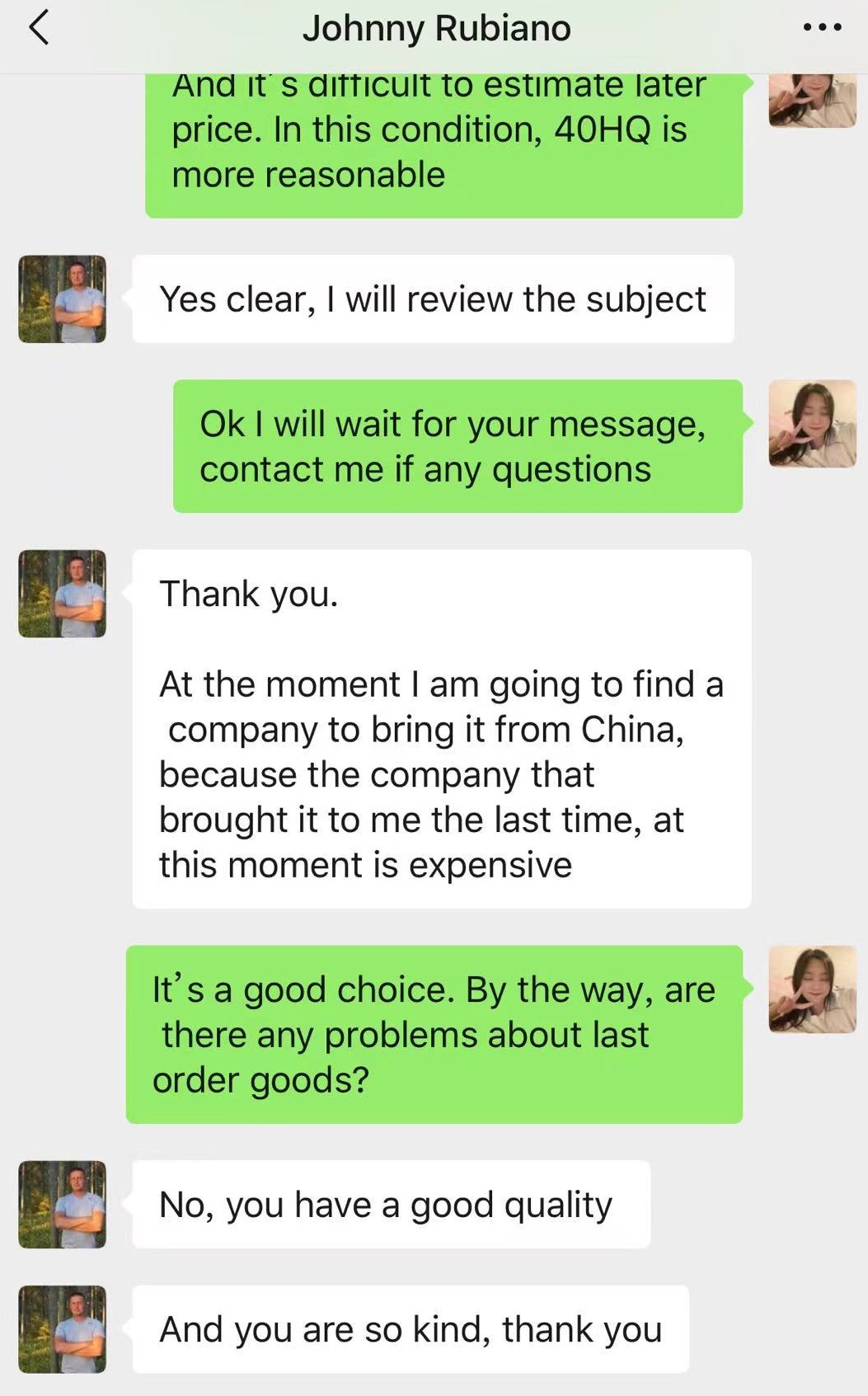
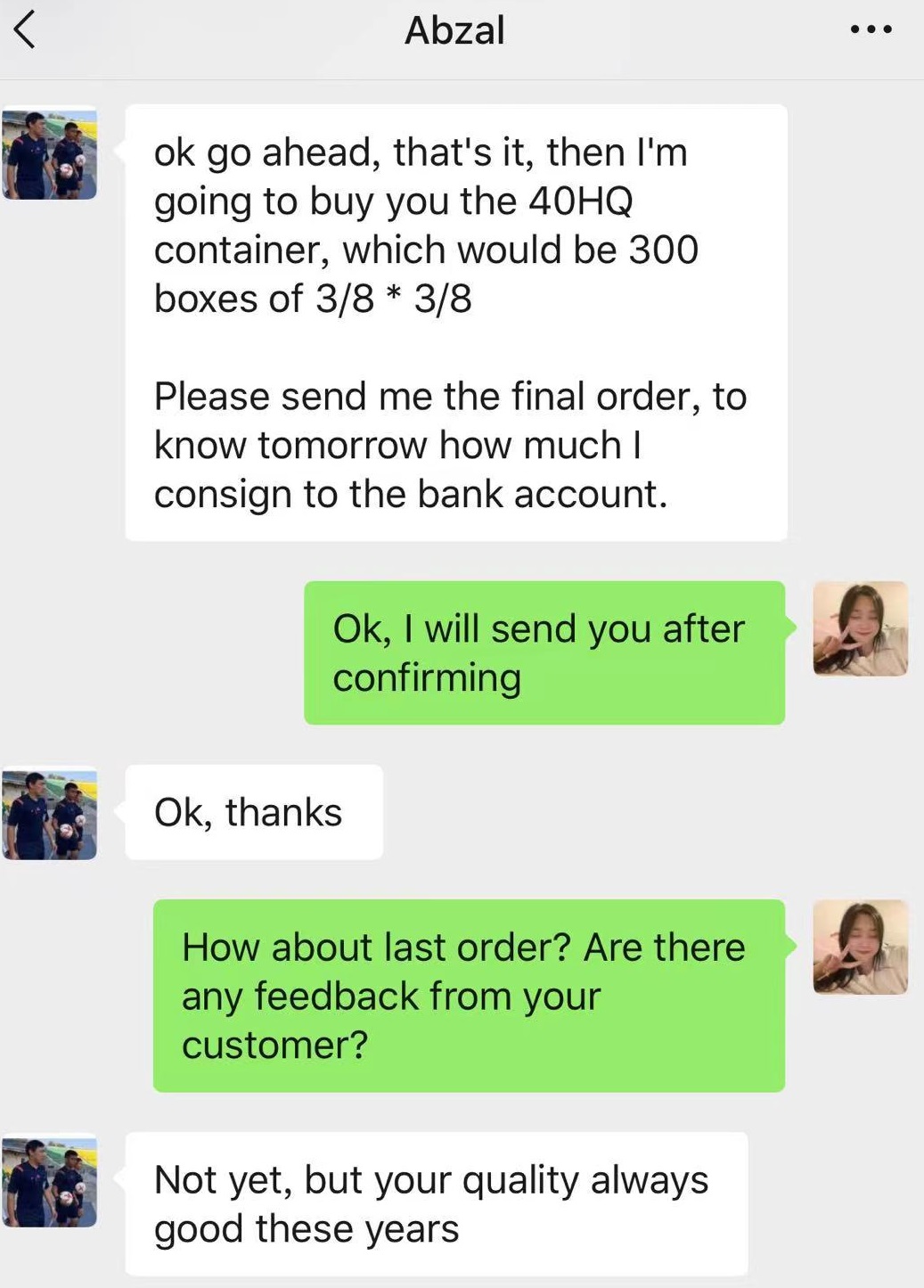
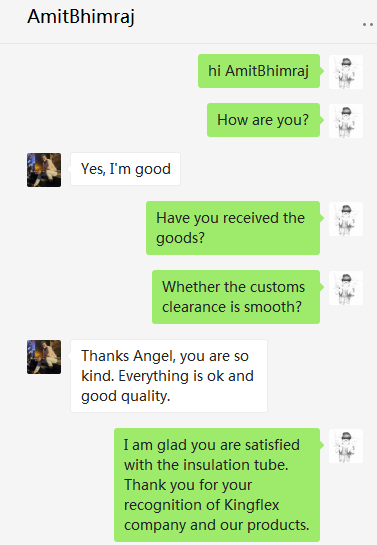
Verified case studies and communication records showing our technical capabilities and global supply chain partnerships.
Managing international procurement for large infrastructure projects requires navigating logistics hurdles, custom compliance requirements, and complex technical specifications. As an established manufacturer, Kingflex streamlines this process for international procurement officers and engineering firms.
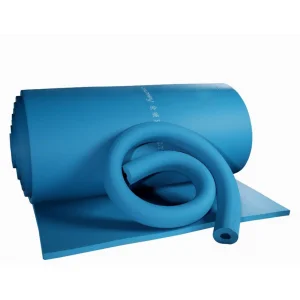
We optimize freight costs through smart packaging strategies. Elastomeric foam rolls can be packed together with nested pipe insulation, maximizing container volume and reducing shipping costs per cubic meter.
To speed up installation, we provide extensive customization options (OEM/ODM). We supply factory-applied pressure-sensitive adhesive (PSA) backings with high tack and shear resistance, eliminating the need for manual adhesive application on-site.
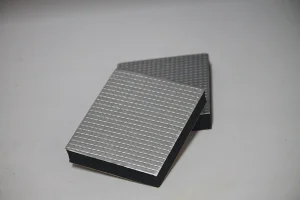
For exposed exterior duct systems, we offer pre-laminated aluminum foil facings that provide robust UV protection and weatherproofing, shielding the underlying foam from solar radiation and mechanical damage.
"Procurement managers can secure project-specific sizes, colors, densities, and adhesive backings, ensuring direct compatibility with local code requirements and installation conditions."
Every batch of Kingflex insulation is fully traceable. From raw elastomer blending through nitrogen foaming to final QA packaging, we record every key production parameter. This ensures full material accountability and supports quick resolution of any field queries.
Visual Production & Quality Assurance Gallery
Inside our production facilities, warehouse hubs, and dynamic manufacturing floors.
Automated Extrusion Line
Continuous Foaming Chambers
High-precision Tube Cutters
Auto-packaging Station
Logistics Loading Dock
Raw Materials Storage Silos
Finished Roll Warehouse
Inspection and Sorting Floor
Custom Thickness Calendaring
Sensing and Automated Calibration
Pipe Foaming Unit
Finished Pipe Storage
Chapter 6: Technical Roadmap & Industry Horizons (2025–2030)
The HVAC insulation industry is evolving rapidly, driven by environmental goals, carbon neutral mandates, and demands for higher resource efficiency. Kingflex is shaping this transition through two key focus areas:
1. Eco-Friendly Formulation Chemistry
Historically, foaming processes relied on blowing agents that carried high Ozone Depletion Potential (ODP) or Global Warming Potential (GWP). Kingflex has transitioned its production to eco-friendly formulations, utilizing clean blowing agents with zero ODP and negligible GWP. Our NBR/PVC matrices are completely free from halogenated flame retardants, lead, and CFCs, qualifying them for strict green building certifications.
2. Next-Generation Material Hybrids
To push the boundaries of performance, our R&D team is working on combining elastomeric rubber foam with advanced aerogel and phase-change material (PCM) layers. Integrating silica aerogel structures into the polymer mix yields extremely low thermal conductivity rates, allowing for thinner insulation profiles without compromising thermal performance. This is particularly valuable for tight installations, such as high-velocity train carriages or compact ceiling spaces.
By leveraging automated production controls and real-time processing data, we continue to optimize manufacturing efficiency. Our goal is to reduce energy use across our production footprint while maintaining the quality, durability, and reliability that engineering projects worldwide rely on.
Technical Q&A - Frequently Asked Questions
Explore detailed technical answers to help guide your material selection, installation planning, and compliance evaluations.
Q1: What are the primary applications of elastomeric rubber foam insulation?
NBR/PVC elastomeric rubber foam is principally used for insulating commercial and residential HVAC ductwork, chilled water pipelines, refrigerant lines, VRF systems, industrial process piping, and cryogenic systems. It is also highly effective for acoustic damping inside machinery casings and walls, preventing condensation, and mitigating thermal losses in temperatures ranging from -40°C to 105°C.
Q2: Does Kingflex rubber foam insulation comply with international fire safety standards?
Yes, our elastomeric materials are engineered with robust flame-retardant properties. They successfully meet major international standards, including BS 476 Part 6 & 7 (Class 0 and Class 1), UL94 V-0 flame rating, and ASTM E84 Class A surface burning characteristics, ensuring they comply with building safety codes globally.
Q3: How does NBR/PVC rubber foam compare to rock wool insulation?
NBR/PVC rubber foam features a flexible, closed-cell structure with an integrated water vapor barrier, making it excellent for preventing condensation on cold HVAC pipes. Rock wool is an open-cell mineral insulation that resists much higher temperatures, making it better suited for high-temperature steam lines or structural firewalls, though it requires a separate vapor barrier to prevent water absorption.
Q4: Does Kingflex provide custom OEM/ODM sizes and designs?
Yes, we provide extensive customization options. We can adjust density, thickness, dimensions, and colors to suit specific project needs, and we offer pre-applied adhesives and protective foils (such as aluminum facing) to simplify installation.
Q5: What certifications does Kingflex hold for international markets?
Our products hold multiple international certifications, including CE, REACH, RoHS, UL94, BS 476, and ASTM, demonstrating compliance with environmental and performance regulations across Europe, the Americas, and the Asia-Pacific region.
Q6: Are Kingflex products fully traceable?
Yes, every production run is fully documented. We track materials from raw compound blending to final packaging, ensuring quality accountability and facilitating simple verification if required.
Q7: What sheet thickness and tube sizes are available from your plant?
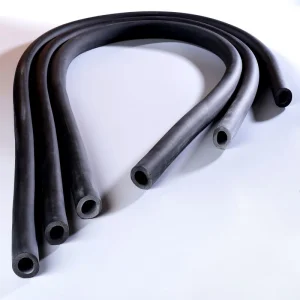
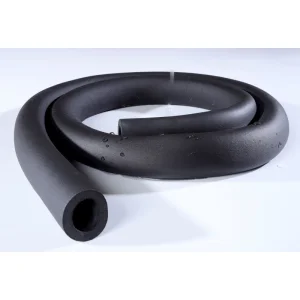
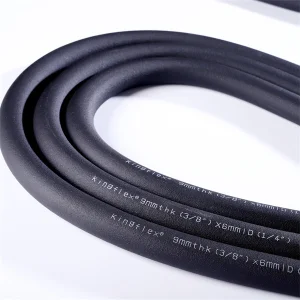
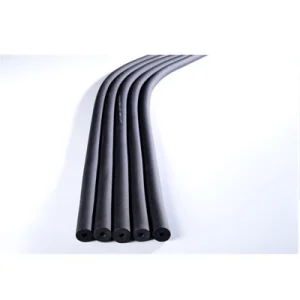
We produce sheet rolls in thicknesses from 6mm to 50mm, and pre-formed tubes with internal diameters from 6mm to 114mm and wall thicknesses from 9mm to 40mm.
Q8: What is the typical service life of NBR/PVC elastomeric insulation?
When installed correctly and used within recommended operating conditions, Kingflex elastomeric insulation has a typical service life of 10 to 15 years, maintaining its physical properties and thermal efficiency over time.
Specialty Piping & Custom Insulation Solutions
Explore our targeted product range designed for specialized thermal control, piping, and industrial applications.
 Kingflex