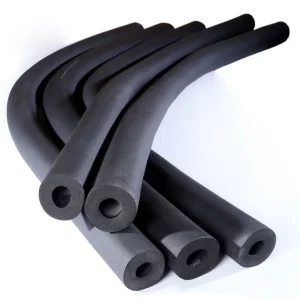
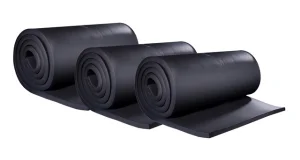
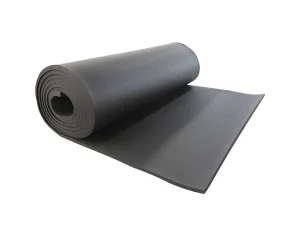
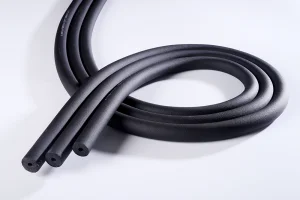
📦Premium Engineered Insulation Products Selection
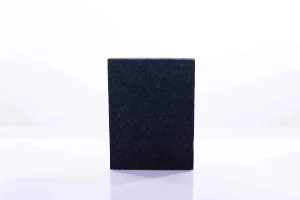
Explore our top-performing thermal and cryogenic insulation materials, direct from our certified manufacturing facility. We support tailored thickness, density variations, and advanced adhesive lamination.
🔍Executive Summary: The Evolution of Closed-Cell Elastomeric Foams
Modern building services, industrial plants, and HVAC/R (Heating, Ventilation, Air Conditioning, and Refrigeration) configurations demand thermal insulation materials that deliver more than just nominal resistance to heat transfer. In critical applications—especially chilled water pipelines, cryogenic installations, and high-humidity environments—the integrity of an insulation system directly affects operational reliability, safety, and operational expenses.
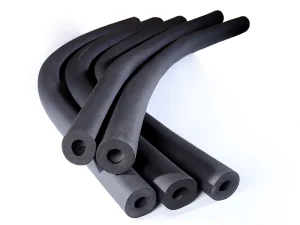
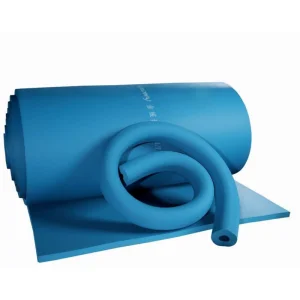
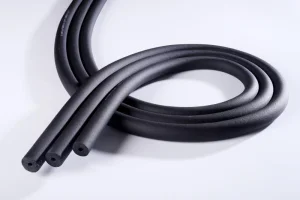
This whitepaper details the engineering parameters, global commercial applications, and manufacturing technology behind Blue Color Rubber Foam Insulation Tubes. Produced primarily from a high-quality NBR/PVC elastomer compound, these tubes feature a closed-cell matrix (with a verified closed-cell ratio exceeding 98%). The characteristic blue hue serves both functional color-coding roles in industrial piping design and meets aesthetic requirements in exposed structural layouts.
"Thermal insulation is no longer just about heat retention. In modern HVAC/R systems, it is the primary defense against vapor transmission, pipe corrosion, and energy dissipation. The selection of materials with a high moisture resistance factor (µ) is crucial."
⚙️Technical Specifications & Dimension Matrix
Kingflex insulation products are formulated using NBR (nitrile-butadiene rubber) and PVC (polyvinyl chloride) as base raw materials, combined with fire retardants, foaming agents, and chemical stabilizers. This formulation yields a flexible elastomeric foam with high structural uniformity.
| Property Parameter |
Value / Range |
Standard Compliance |
| Base Compound Material |
Nitrile Butadiene Rubber & Polyvinyl Chloride (NBR/PVC) |
ISO / ASTM Standard Compounds |
|
| Foaming Structure |
Closed-Cell Matrix (Ratio ≥ 98%) |
Microscopic Cell Uniformity Control |
| Density Range |
40 - 55 kg/m³ |
ASTM D1622 |
| Thermal Conductivity (λ) |
≤ 0.035 W/(m·k) at 0°C |
ASTM C518 / ISO 8301 |
| Service Temperature Range |
-40°C to +105°C (Up to -200°C for Cryogenic Grades) |
EN 14706 / ASTM C411 |
| Water Vapor Permeability (µ) |
≥ 10,000 (μ-factor) |
EN 12086 / ASTM E96 |
| Fire Classification |
Class 0 / Class 1, Self-extinguishing |
BS 476 Part 6 & 7, UL94, CE Class B |
| Compression Resilience |
≥ 80% Recovery Rate |
ASTM D1056 |
Standard Production Dimensions
To accommodate diverse global piping designs, our manufacturing lines produce tubes matching the following configuration parameters:
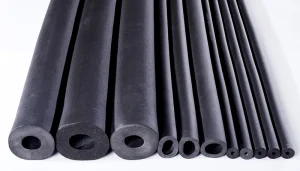
- Inside Diameter (ID): 6 mm up to 114 mm (custom sizing available for larger industrial headers)
- Wall Thickness: 9 mm, 13 mm, 19 mm, 25 mm, 32 mm, and 40 mm
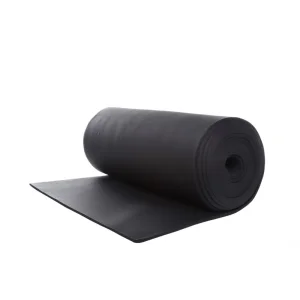
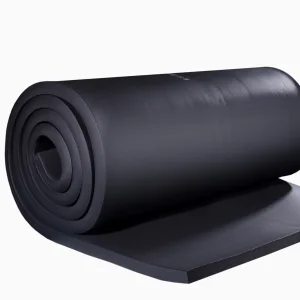
- Color Coding: Classic Black, Tech Blue, Signal Red, and customized color variants for industrial identification schemes
🌐Global Commercial & Industrial Landscape
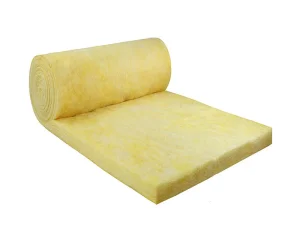
As global regulations tighten around building energy footprints, the demand for high-performance elastomeric insulation is growing. Historically, industrial sectors relied on glass fiber, mineral wool, or polyurethane foam. However, these materials are susceptible to moisture ingress and subsequent performance degradation over time.
❄️
HVAC & Chilled Water Pipelines
Condensation is a major cause of structural decay and mold in commercial HVAC networks. Blue rubber foam tubes provide a continuous barrier that resists water vapor transfer, protecting against moisture accumulation and thermal bridging in high-humidity regions.
🏭
Industrial Processing & Chemical Plants
In refineries and chemical installations, process lines must run at precise temperatures. The low thermal conductivity of NBR/PVC foams minimizes heat gains and losses, protecting process control loops and reducing energy use.
🚢
Cryogenics & Ultra-Low Systems
In liquefied gas handling and cryogenic systems operating down to -200°C, ordinary insulation can become brittle and fail. Specially formulated flexible cryogenic systems help maintain structural elasticity and prevent condensation at very low temperatures.
The Strategic Rationale for Blue Color-Coding: In complex multi-line installations, color coding helps maintenance teams quickly identify cold water supplies, cooling loops, chemical processes, or oxygen lines. This systematic identification reduces errors during facility maintenance, improves safety compliance, and streamlines operations.
🏭Chinese Manufacturing Advantages & Kingflex Facility
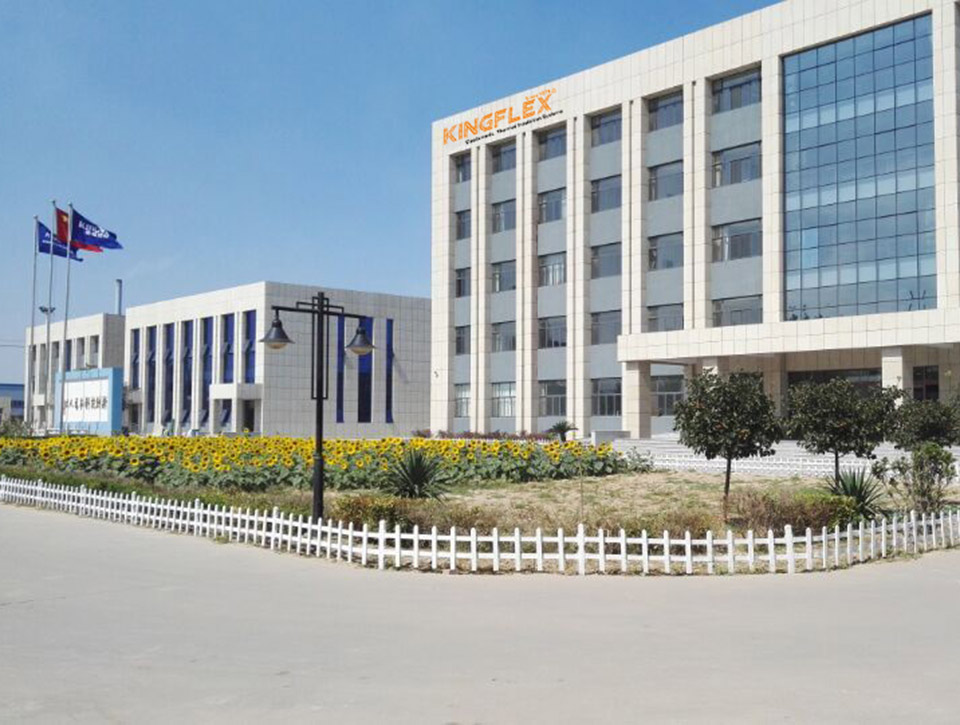
The global competitiveness of our insulation systems is supported by the concentration of resources, technology, and logistics in Dacheng, China—a hub for green building materials. Kingflex Insulation Co., Ltd. operates within this ecosystem, combining decades of process experience with automated, high-output production.
Our facility operates 5 large-scale automated lines that handle raw material mixing, extrusion, microwave vulcanization, and foaming in a continuous process. This level of automation ensures consistent cell distribution, predictable densities, and stable thermal properties. Centralized sourcing of NBR and PVC raw materials helps us manage costs, providing wholesale pricing to our international partners.
Our Corporate Heritage
Established under the Jinwei Group—which holds a history spanning more than 40 years since its inception in 1979—Kingflex stands as a pioneer in northern China's thermal insulation sector. We combine historical manufacturing experience with modern research and development to produce reliable products for both local and international markets.
📍Localized Application Scenarios
Industrial insulation must adapt to local environments. Temperature, relative humidity, and installation parameters influence the selection of thickness and structural reinforcement.
High-Humidity Tropical Regions
In regions like Southeast Asia and the Gulf, high humidity can cause condensation on cold pipes. NBR/PVC closed-cell foam operates without a separate vapor barrier, preventing condensation and helping protect against corrosion under insulation (CUI).
Commercial Buildings & Cleanrooms
In schools, hospitals, and semiconductor cleanrooms, indoor air quality is critical. Our dust-free, fiber-free rubber foam resists mold growth and does not shed fibers, making it suitable for cleanroom mechanical systems.
Infrastructure & Rail Transit
Urban transit networks require materials with high fire resistance and low smoke toxicity. Our elastomeric compounds meet international fire safety standards, helping to retard flame spread and minimize smoke generation in transit systems.
🔮Future Technical Trends: Sustainability & Smart Systems
The insulation industry is evolving alongside global environmental standards. Key focus areas include low global warming potential (GWP) blowing agents, zero ozone depletion potential (ODP) chemistry, and formulations free from halogens and heavy metals.
Research is also directed at integrating optical fibers and moisture sensors directly into insulation blankets and tubes. This technology allows operators to monitor temperature profiles and detect moisture ingress in real-time, helping to prevent corrosion under insulation (CUI) in hidden piping systems.
Dedicated R&D Engineering
Our research and development team, led by 8 professional engineers, focuses on formulation improvements, thermal resistance, and acoustic dampening properties. By developing new polymer blends, we continue to support projects requiring high-performance insulation solutions.
🚢Procurement & Supply Chain Management
For international buyers, developers, and HVAC distributors, securing a reliable supply chain is critical. Our export logistics operations focus on container utilization, moisture protection during transit, and standard-compliant labeling.
Container Loading Optimization
Because insulation is lightweight but high-volume, we use compression packaging techniques to maximize container space. This approach helps reduce transcontinental freight costs per cubic meter of material.
Compliance & Traceability
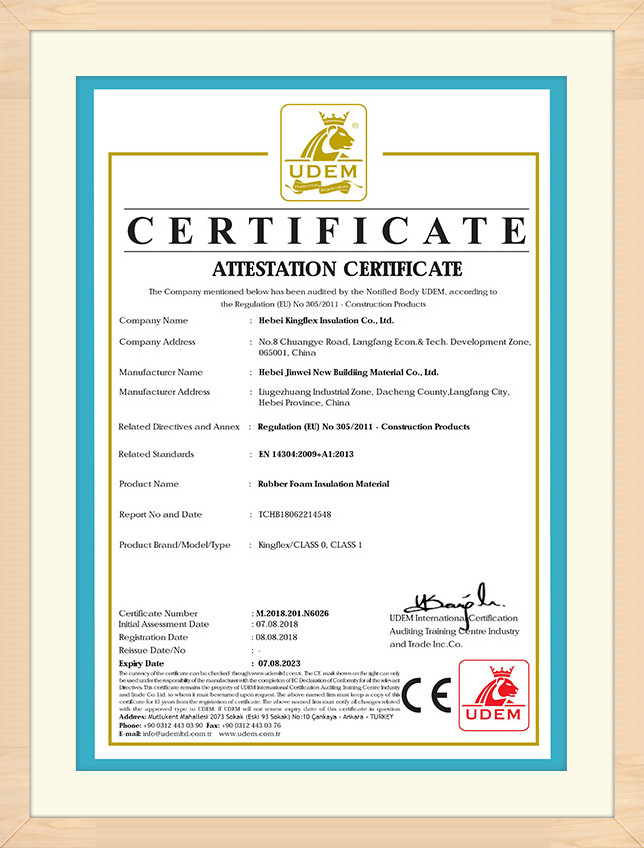
Each production batch is labeled with run codes, raw material tracking data, and QA metrics. We provide full traceability for projects that require strict adherence to BS 476, CE, REACH, ROHS, UL94, and ASTM certifications.
Global Distribution Network
Our sales and logistics teams manage delivery schedules to over 66 countries, helping international buyers align material deliveries with regional construction timelines.
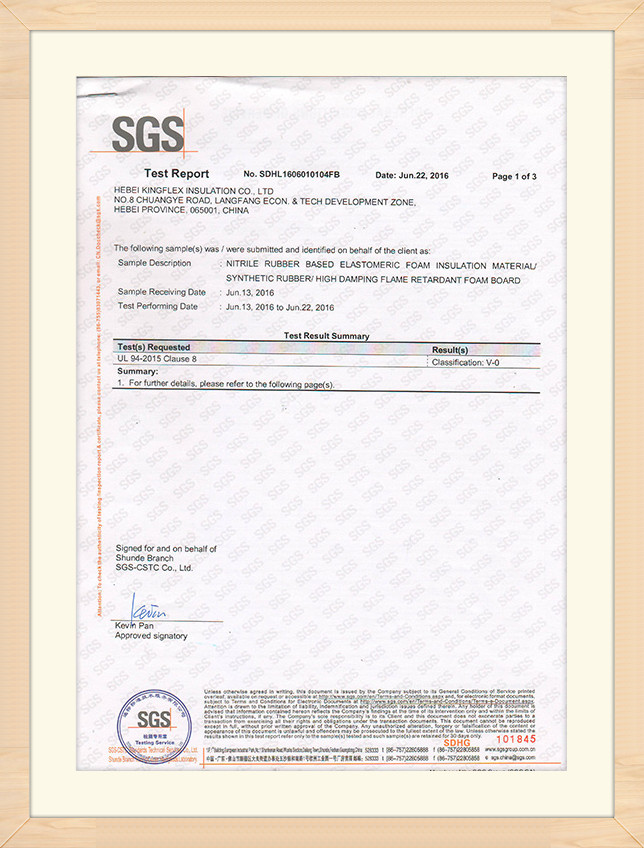
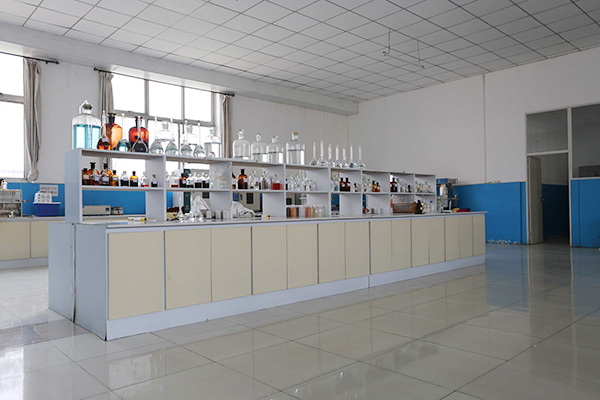
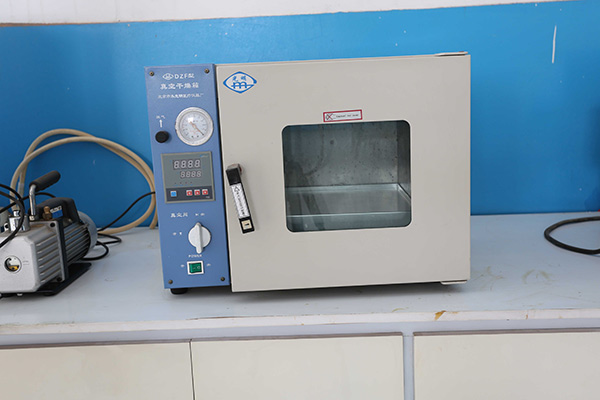
🏆Quality Control & Certification Portfolio
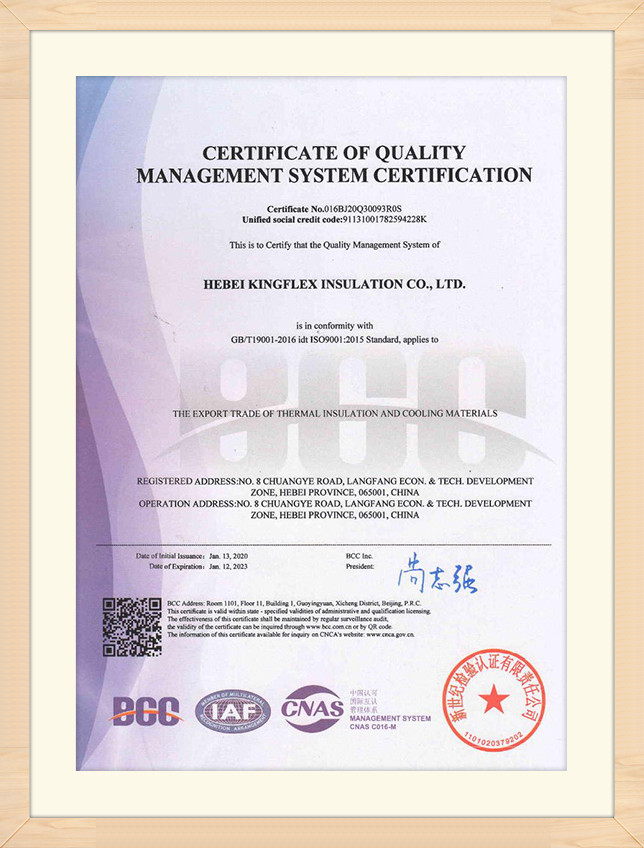
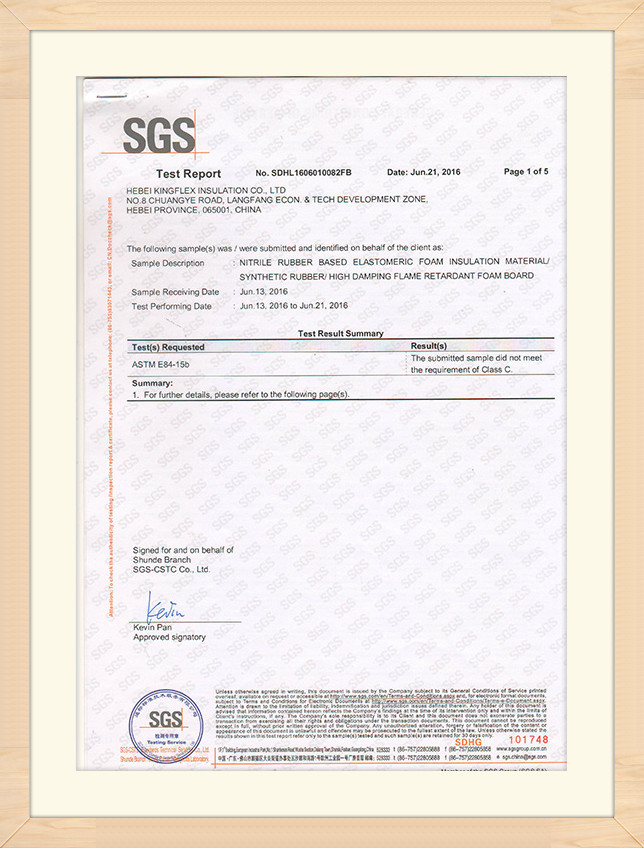
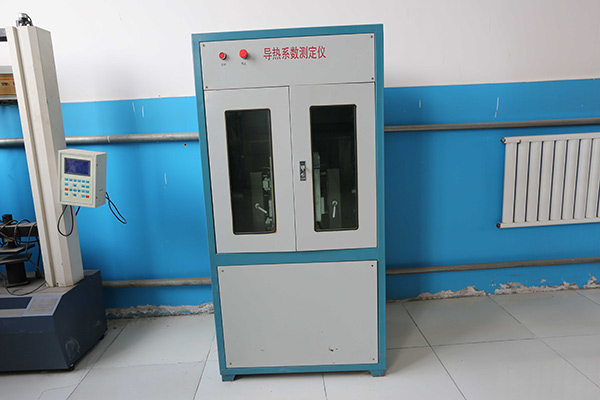
Kingflex materials undergo testing in our quality inspection labs and through third-party auditing bodies to ensure consistent thermal conductivity and fire performance.
⭐Project Installations & Customer Audits
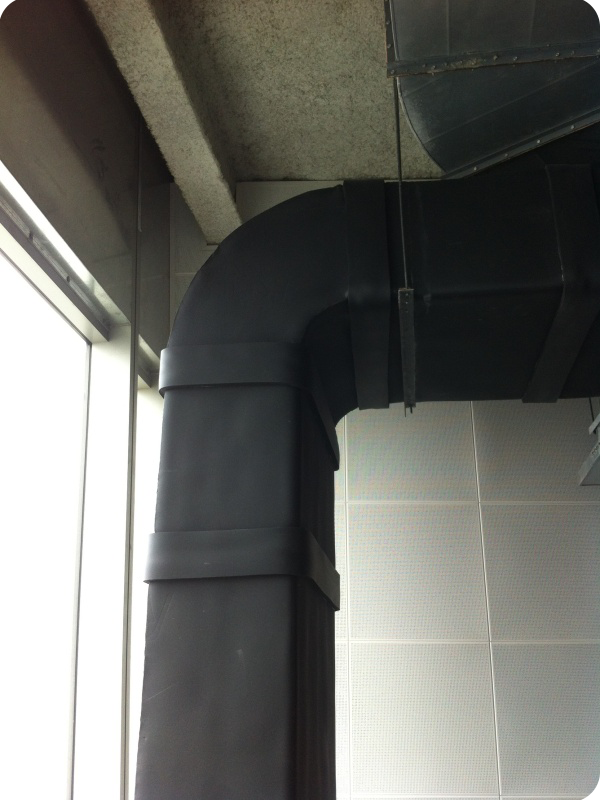
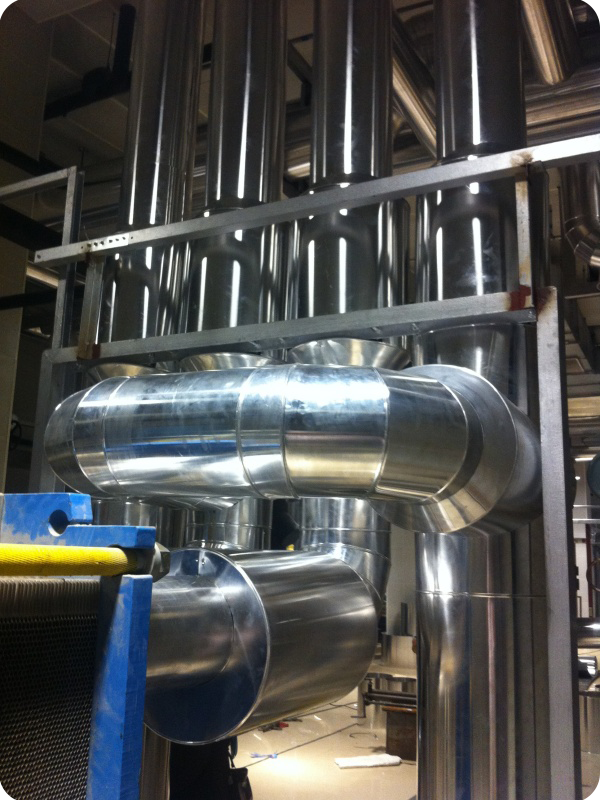
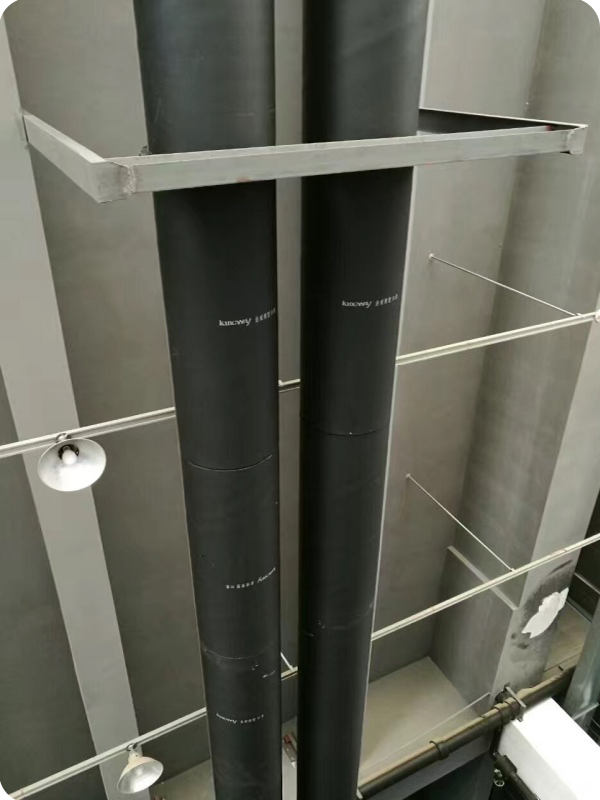
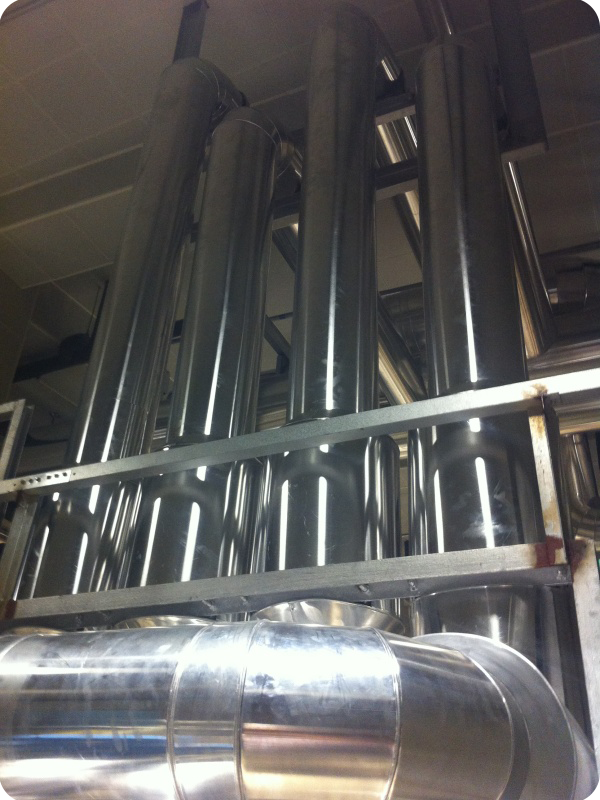
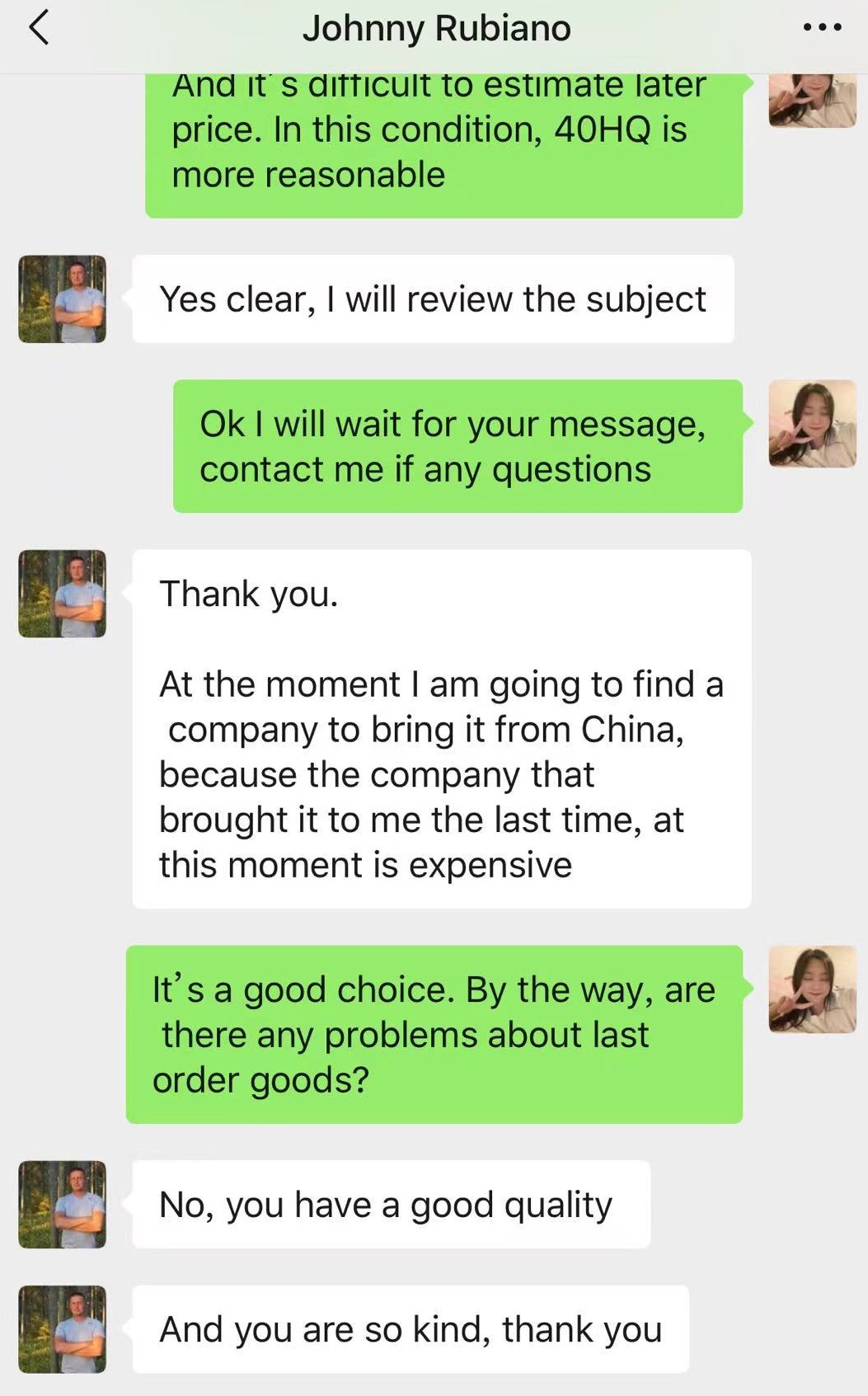
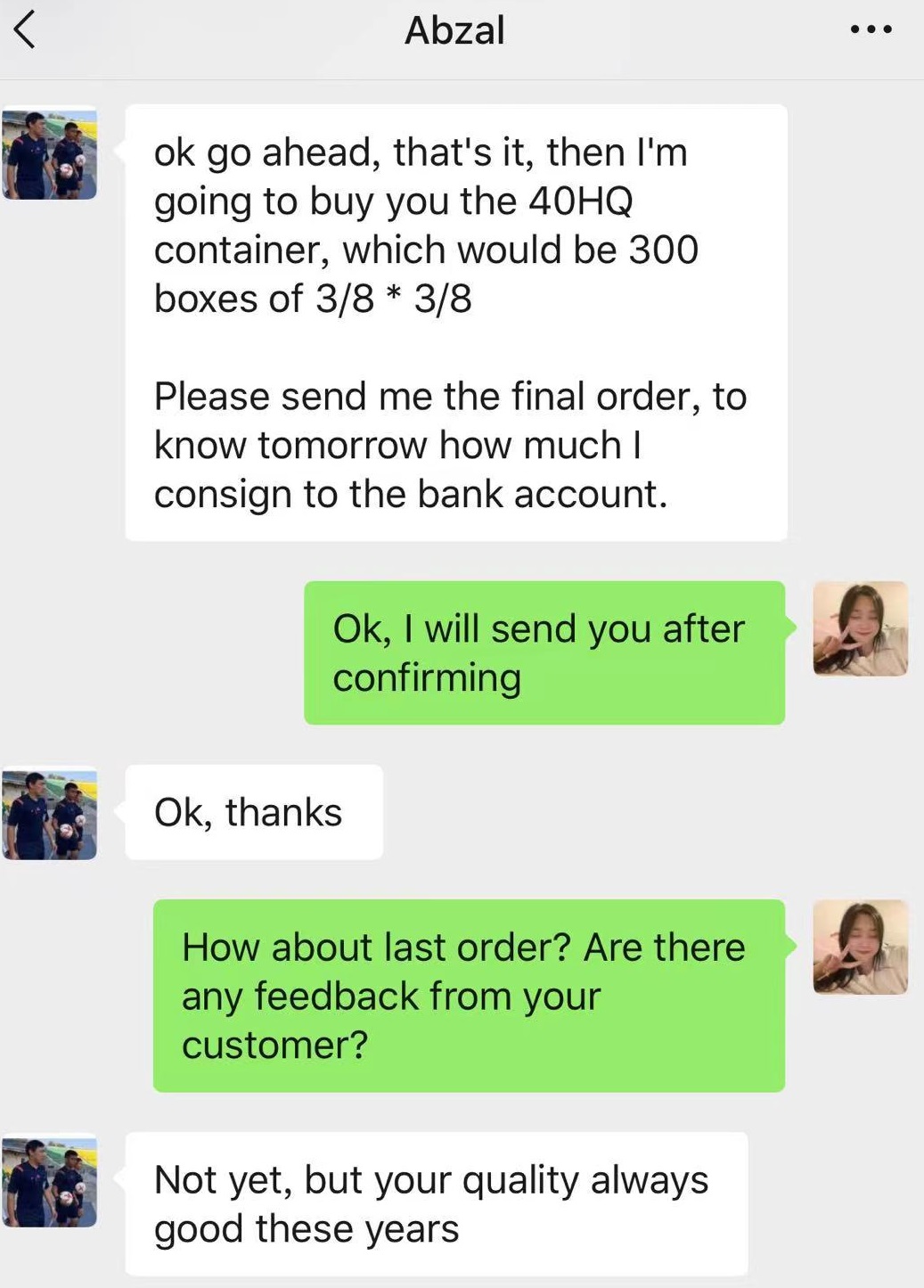
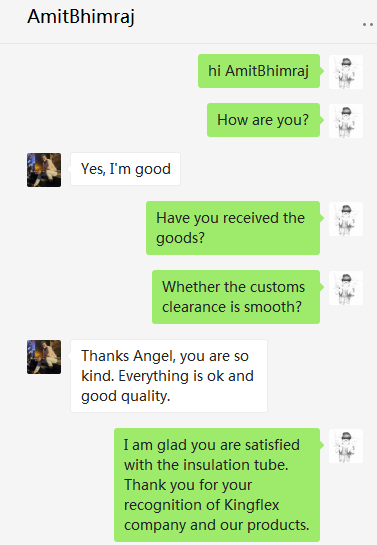
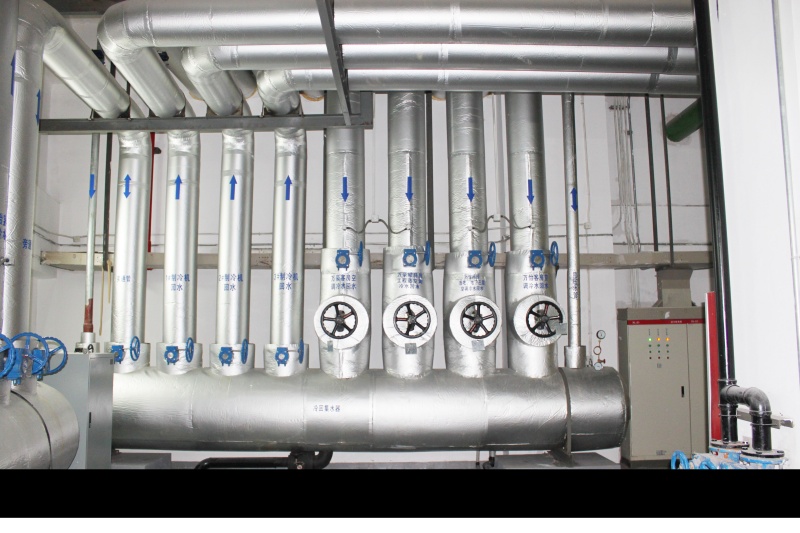
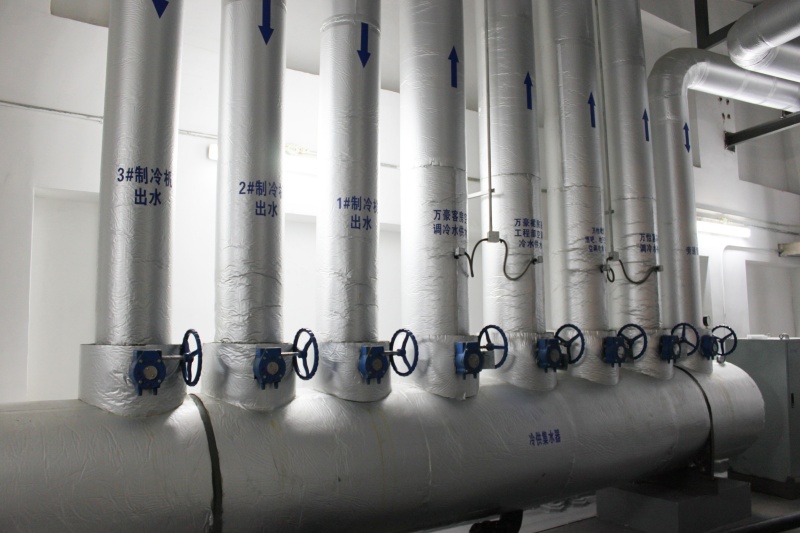
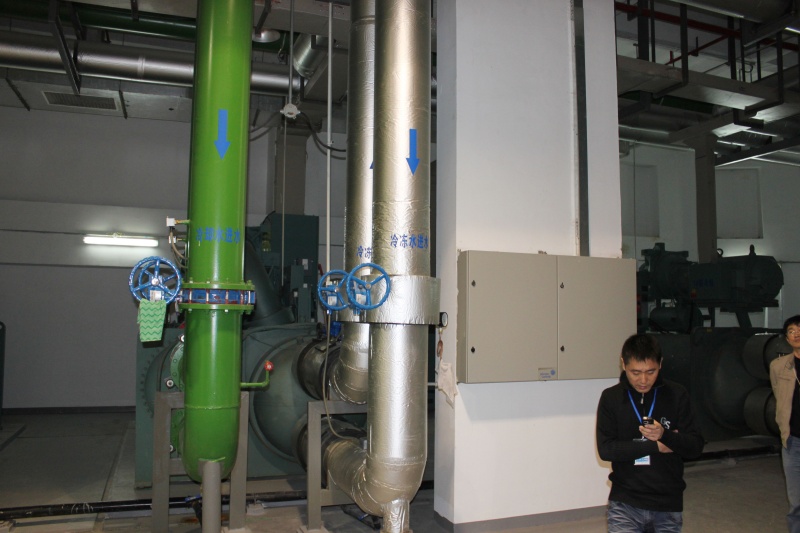
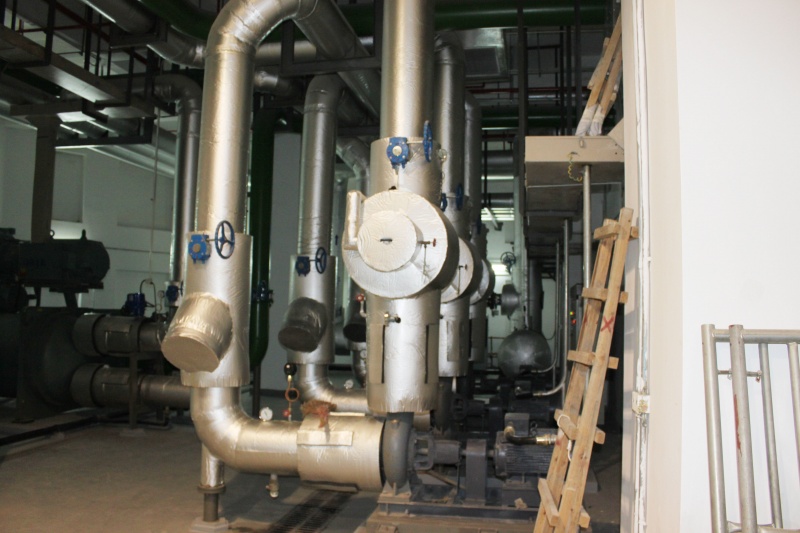
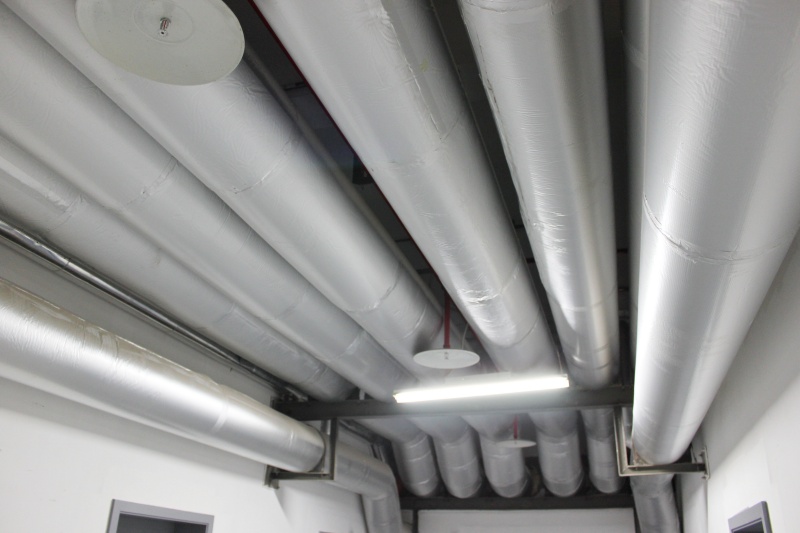
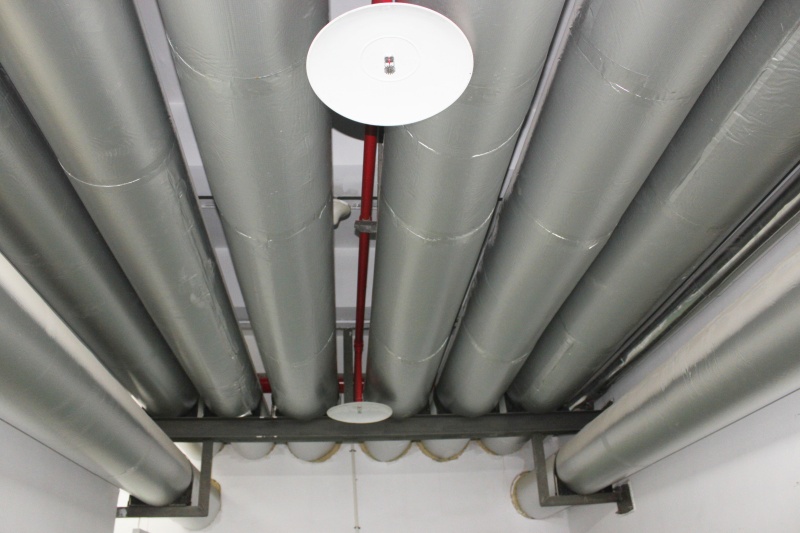
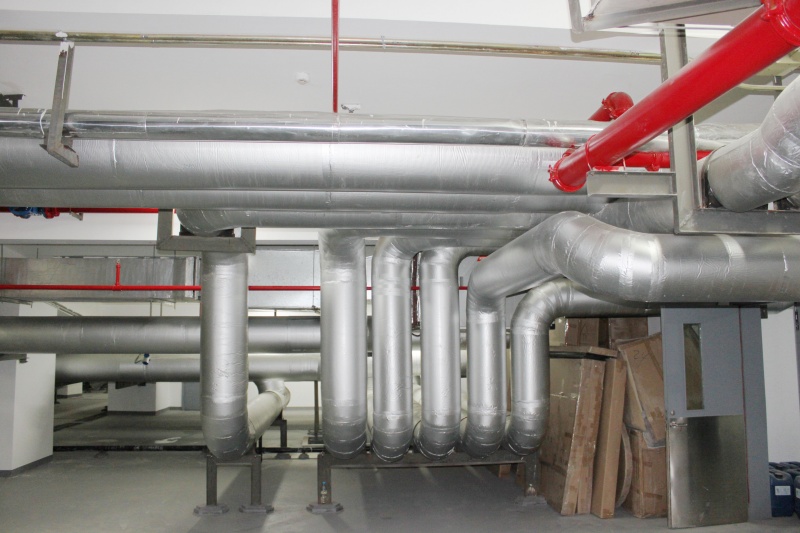
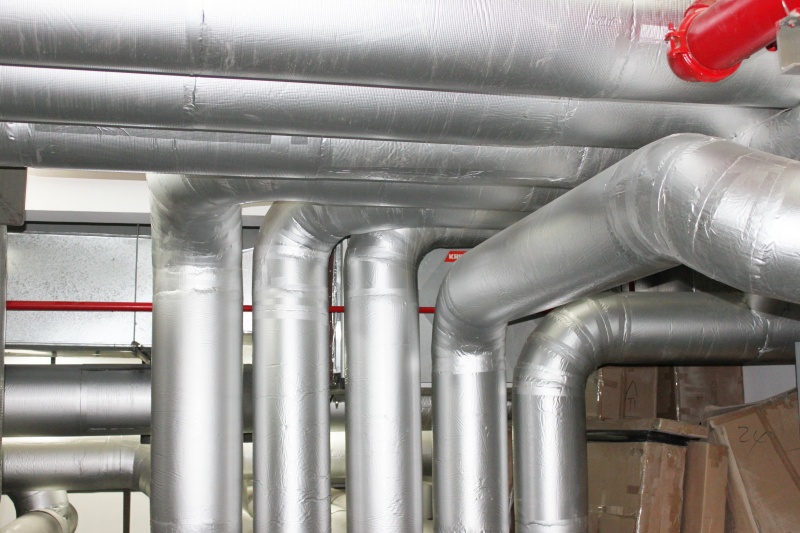
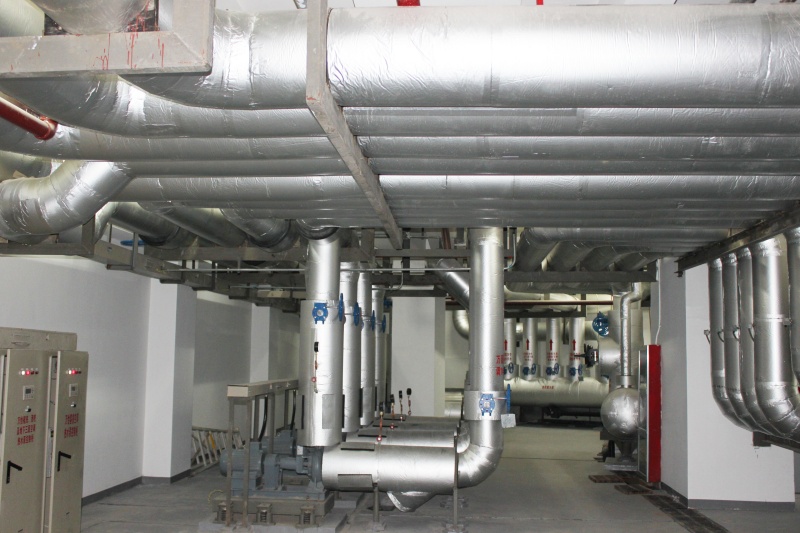
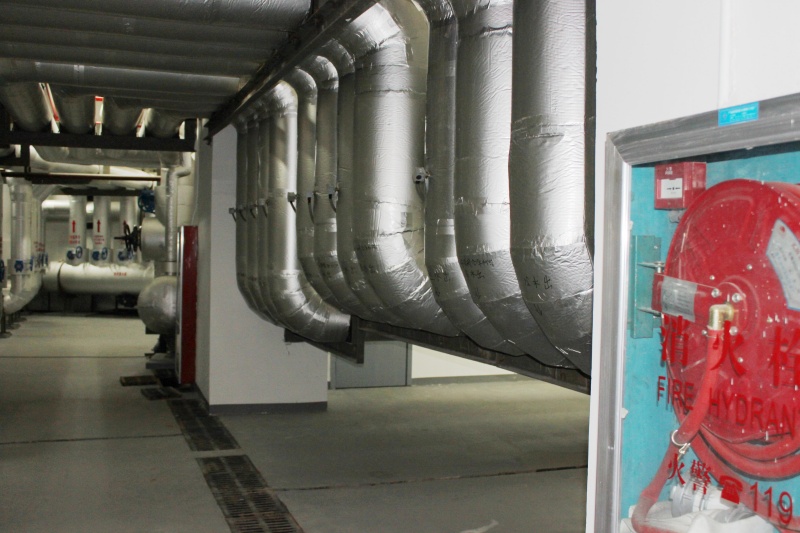
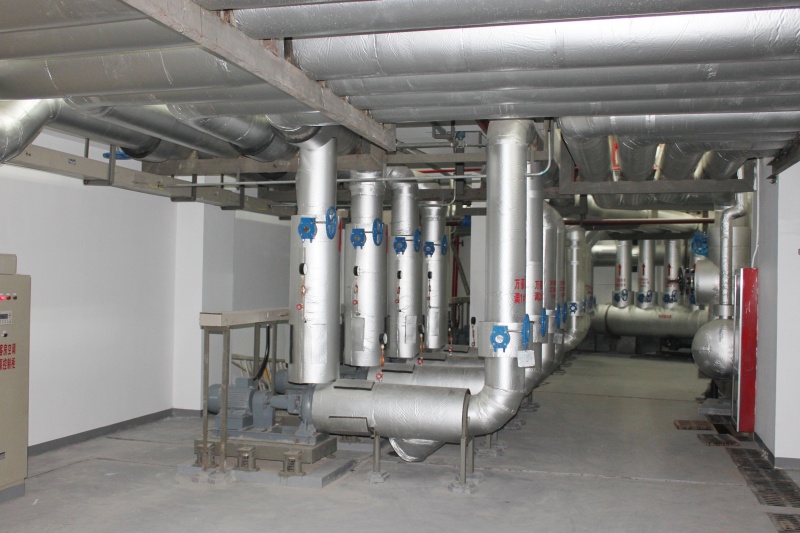
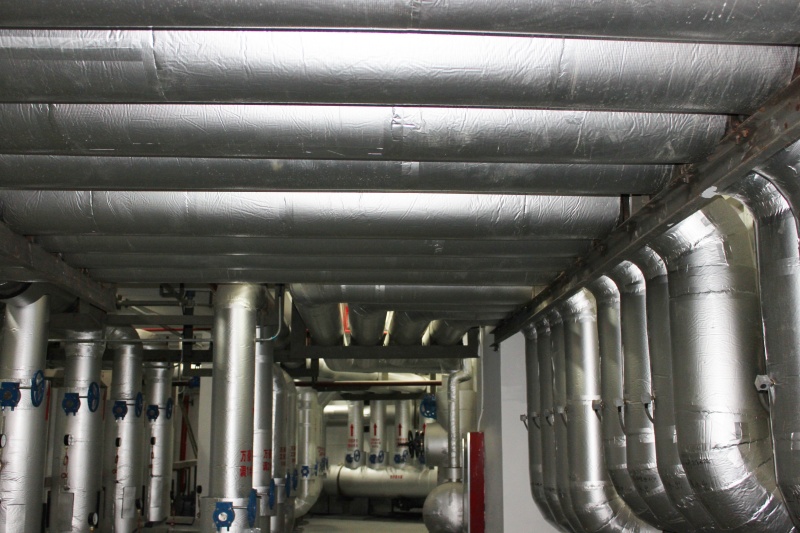
Kingflex materials are used in commercial and industrial projects globally. Below are images of project installations alongside communications with international procurement partners.
❓Frequently Asked Questions (FAQ)
Q1: What is elastomeric rubber foam insulation used for?
A1: It is mainly used for HVAC ducts, air conditioning pipes, building thermal insulation, industrial pipeline cold insulation, and sound insulation to prevent condensation and reduce heat transfer.
Q2: Is Kingflex rubber foam insulation fire resistant?
A2: Yes, our rubber foam insulation products are fire retardant, meeting BS 476 Part 6 & 7 Class 0/1, CE, UL94, and ASTM safety standards for building and industrial installations.
Q3: What is the difference between rubber foam and rock wool insulation?
A3: Rubber foam is flexible, closed-cell, and highly moisture-resistant, making it suitable for HVAC, chilled water lines, and general building insulation. Rock wool is a fibrous material with high-temperature resistance, making it suitable for high-temperature steam lines and industrial furnace systems.
Q4: Do you provide customized insulation products?
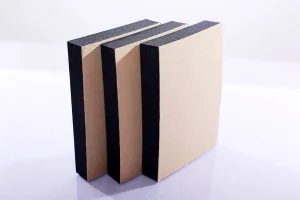
A4: Yes, we support OEM/ODM services to customize colors (including blue, red, and black), dimensions, densities, and lamination options (such as self-adhesive backings and aluminum foil facings).
Q5: What certifications do your products have?
A5: Our products have passed BS 476, CE, REACH, ROHS, UL94, ASTM, and other international certifications to meet safety and building code requirements in global markets.
Q6: Does Kingflex products have traceability?
A6: Yes, we utilize a factory batch-tracking system where each production run is cataloged from raw NBR/PVC polymer mixing through to final extrusion and curing.
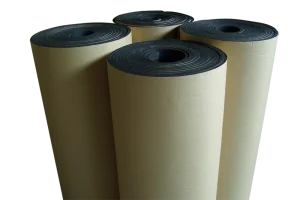
Q7: What thickness of Rubber foam insulation sheet roll can you produce?
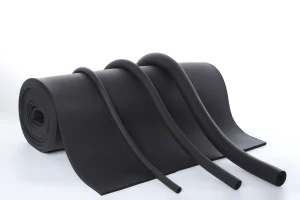
A7: We can produce sheet rolls and insulation boards in thicknesses ranging from 6 mm to 50 mm.
Q8: What is the service life of rubber plastic pipe and board?
A8: Under standard operational conditions within the recommended temperature limits (-40°C to +105°C) and with proper installation, our materials have a service life of approximately 10 to 15 years.
📦Additional Industrial & Custom Material Variations
Browse our extended product portfolio, featuring specialized acoustic systems, heavy-duty industrial pipe wraps, and alternative density thermal sheets.
📸Plant Gallery & Operational Facilities
Images from our processing facilities, manufacturing floors, and warehouse inventory networks.
 Kingflex