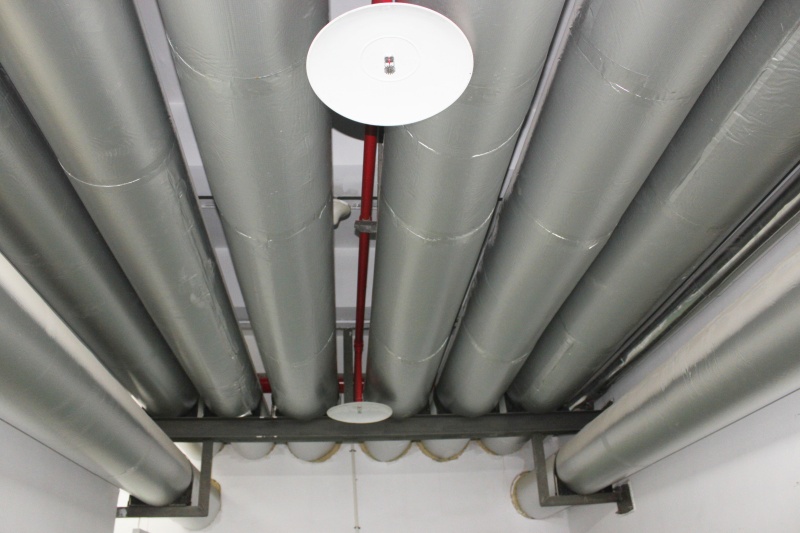
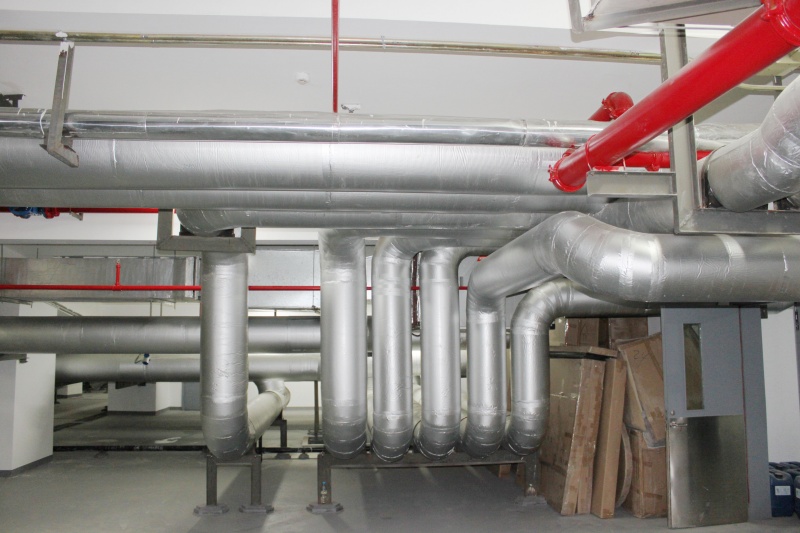
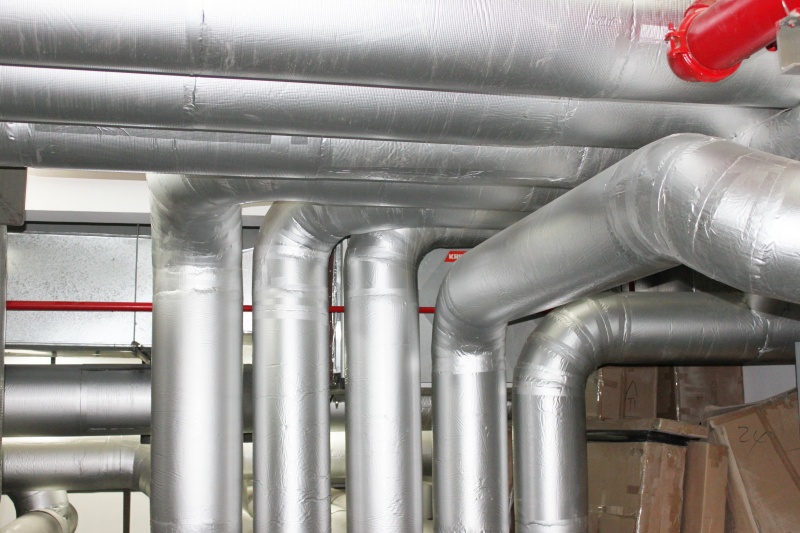
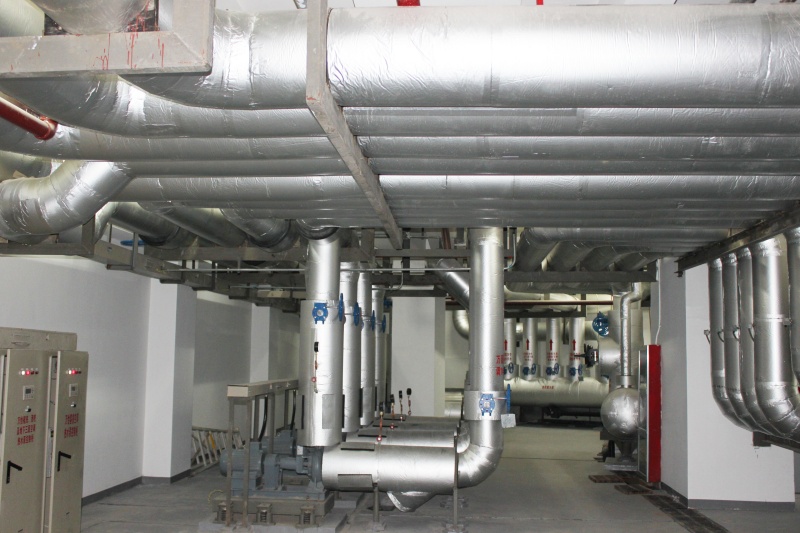
 Kingflex
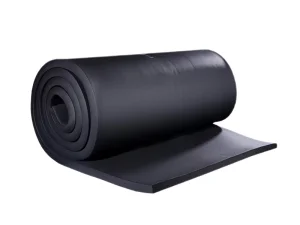
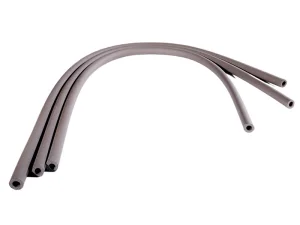
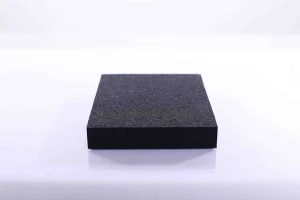
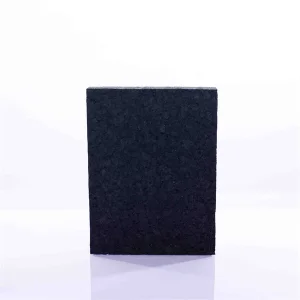
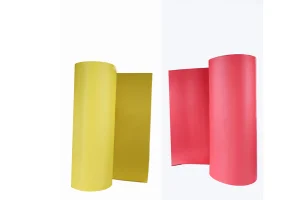
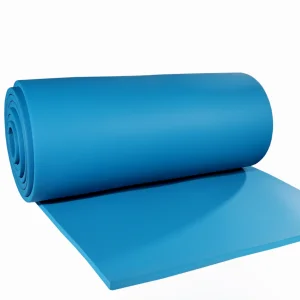
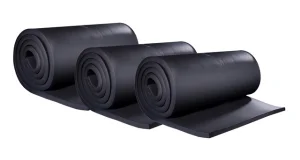
1. Global Commercial & Industrial Chilled Water Insulation Landscape
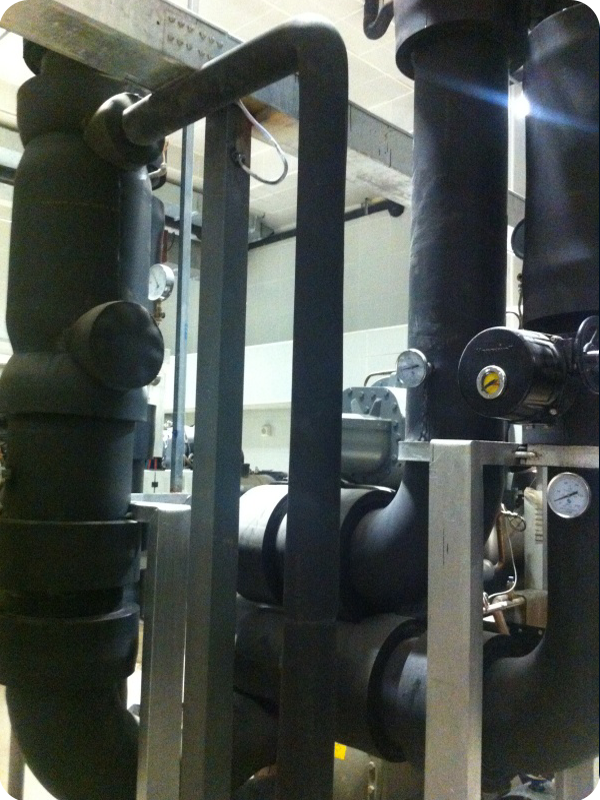
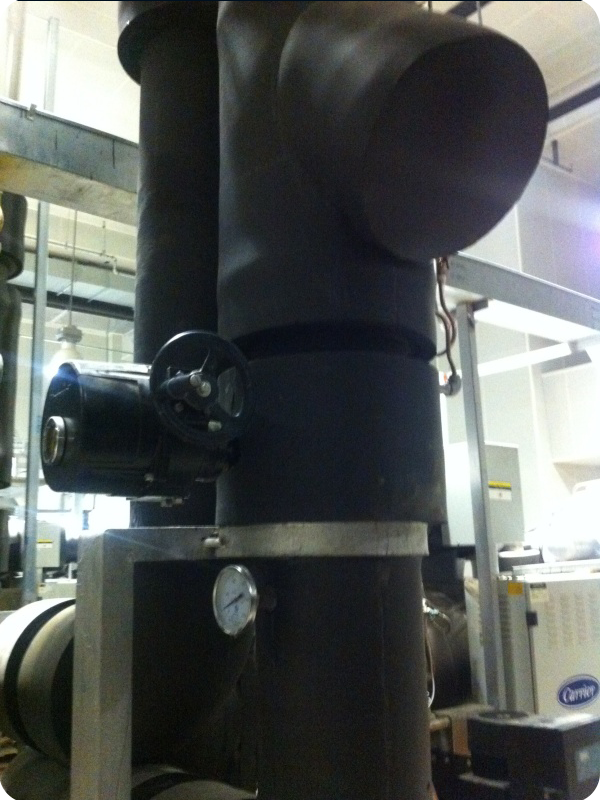
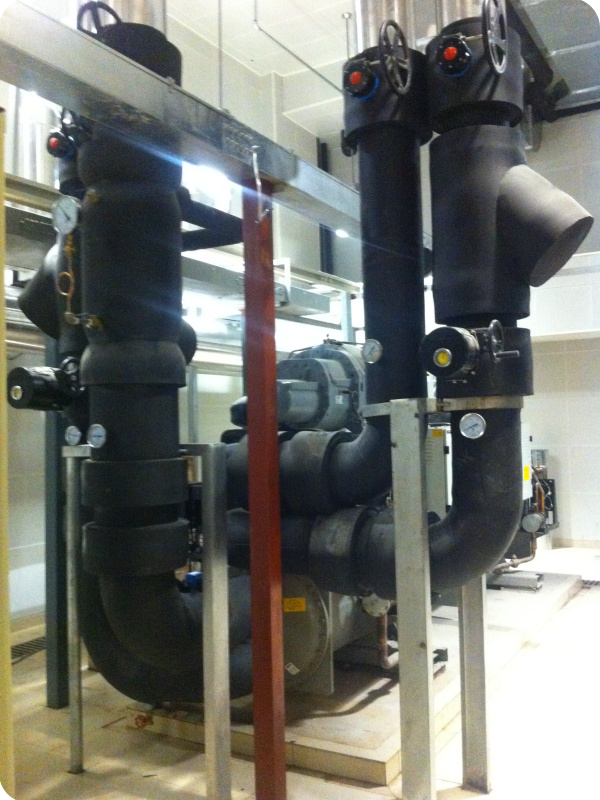
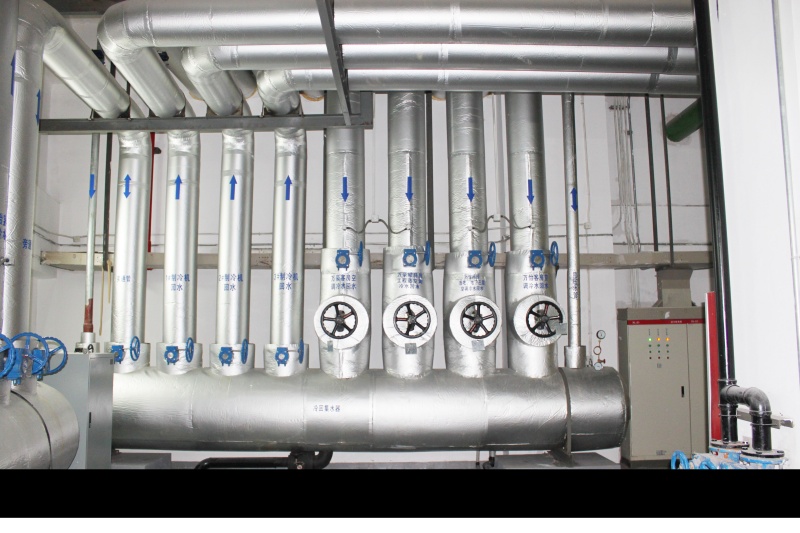
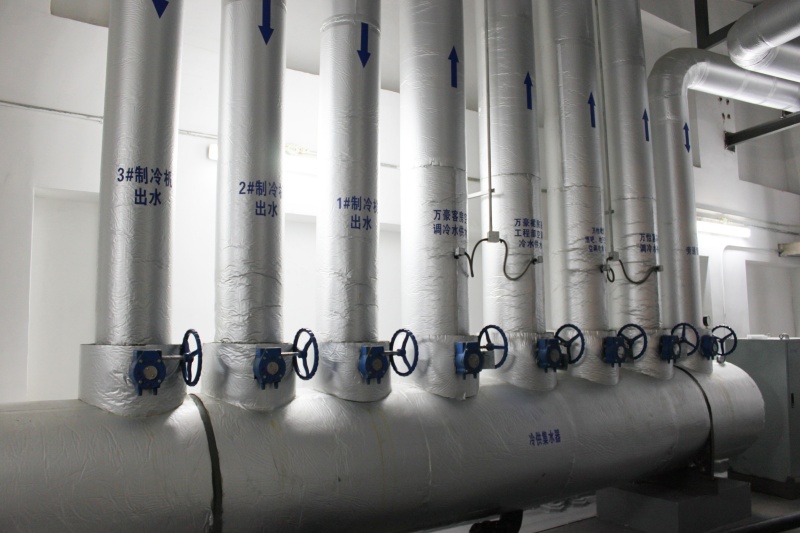
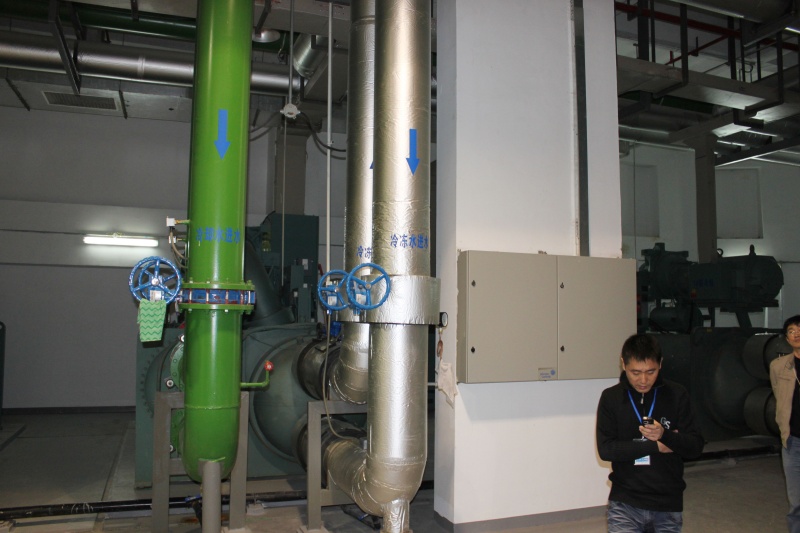
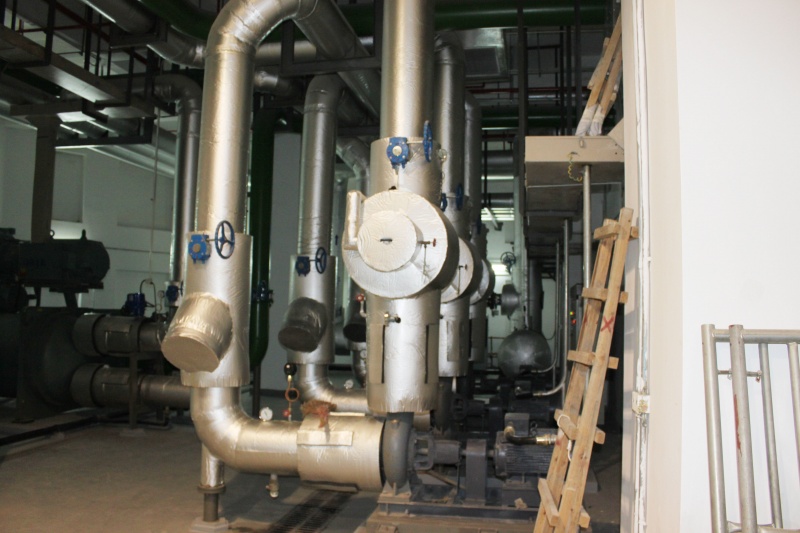
In modern hydronic cooling networks, the choice of pipe insulation is a critical factor determining operational efficiency, structural longevity, and carbon footprint reduction. Chilled water lines typical of district cooling plants, hyperscale data centers, chemical processing plants, and commercial HVAC networks convey fluids at temperatures ranging from 4°C to 7°C (39°F to 45°F). Because the operating temperature is lower than the surrounding dew point, these systems face a constant physical pressure to form condensation.
This moisture drive poses a continuous threat: once moisture penetrates insulation material, its thermal conductivity (lambda value) increases exponentially—water conducts heat approximately 25 times more efficiently than air. Moisture ingress also accelerates Corrosion Under Insulation (CUI), a major source of pipe failures worldwide. Choosing a closed-cell material like NBR/PVC elastomeric foam creates an inherent vapor barrier, ensuring long-term thermal resistance and system integrity.
2. Global Market Dynamics, Energy Targets & Compliance Standards
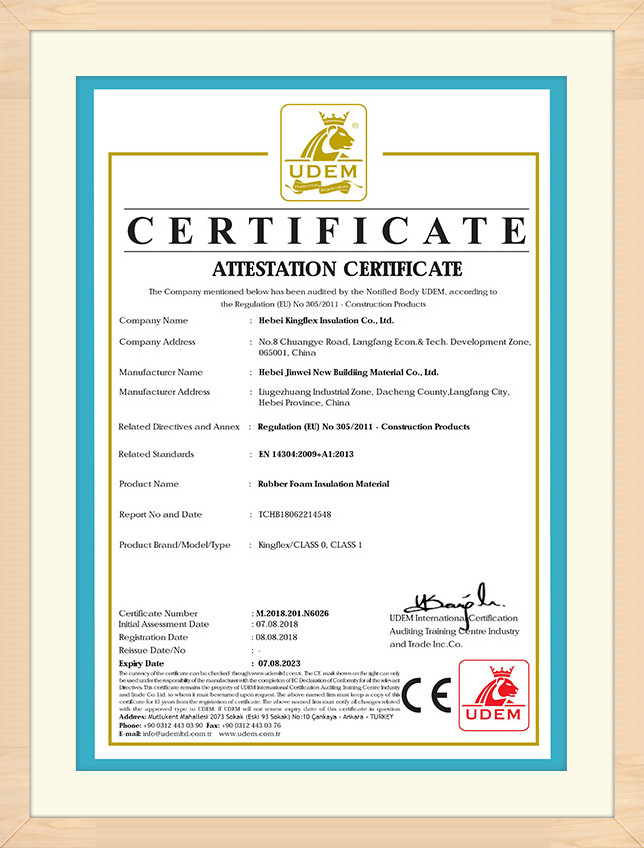
Increasingly strict national building codes, such as the International Energy Conservation Code (IECC) and ASHRAE Standard 90.1, dictate the minimum thickness of insulation required on chilled water pipes to prevent energy loss and condensation. The global demand for energy-efficient building products is driving the adoption of high-performance elastomeric materials that comply with international safety regulations:
- ASTM C534: Standard specification for preformed flexible elastomeric cellular thermal insulation in sheet and tubular form.
- BS 476 (Parts 6 & 7): Essential British standards assessing fire propagation and surface spread of flame, critical for multi-occupancy structures.
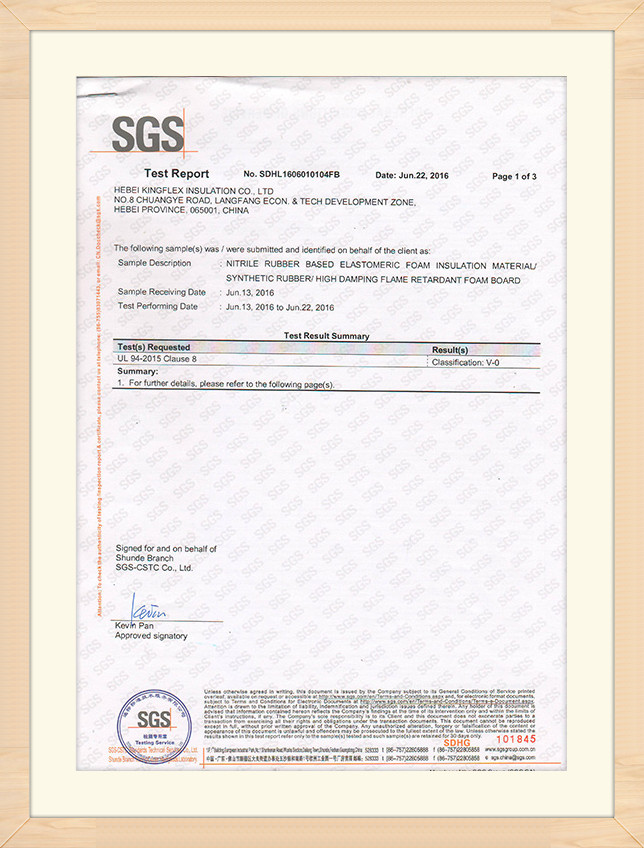
- UL 94 & DIN 4102: Flammability ratings that classify materials for safety in public sectors and commercial construction.
- RoHS & REACH Compliance: Ensuring our products are free of hazardous chemical additives, protecting IAQ (Indoor Air Quality) and installation crews.
3. Material Science of NBR/PVC Closed-Cell Foam
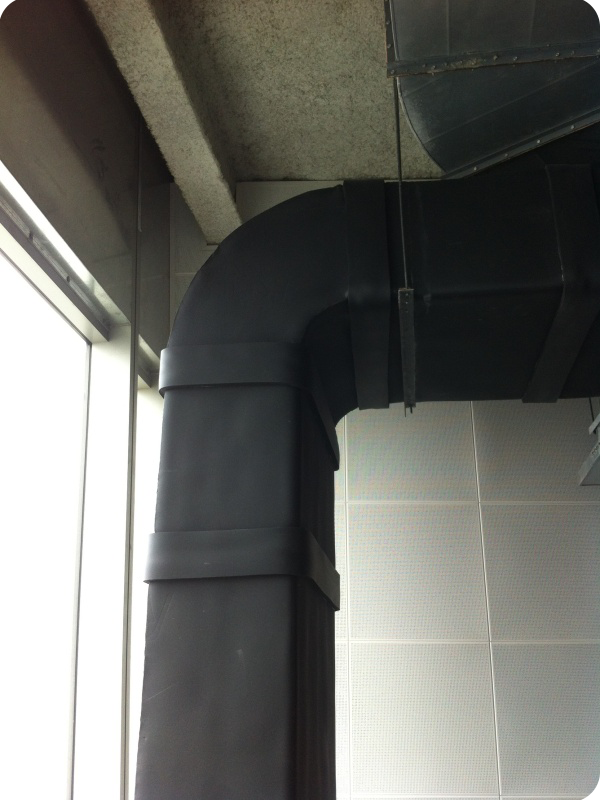
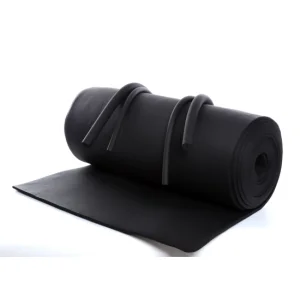
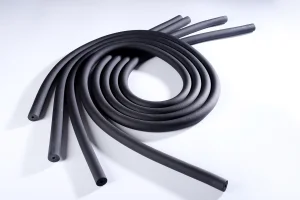
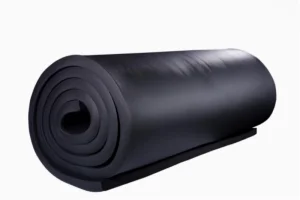
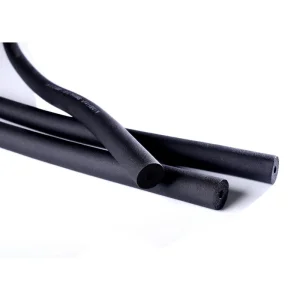
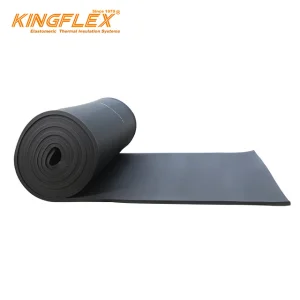
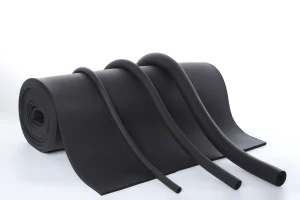
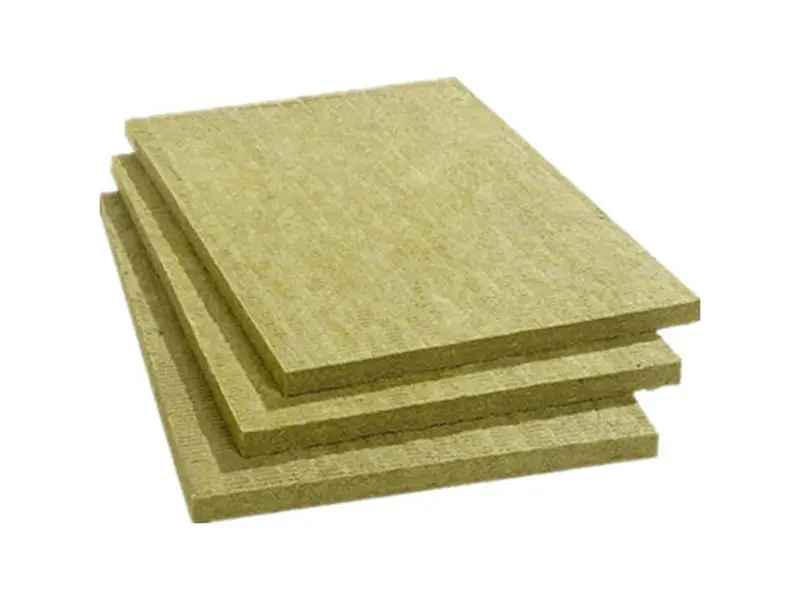
Elastomeric NBR/PVC rubber foam is composed of millions of microscopic, non-connecting closed cells. This structural configuration delivers distinct advantages over open-cell options like fiberglass or rock wool:
Ultra-Low Moisture Transmission
With an integrated water vapor diffusion resistance factor (μ ≥ 10,000), our NBR/PVC elastomeric foam does not require an additional vapor jacket. It restricts atmospheric moisture from migrating toward the cold metallic pipe surface, preventing condensation and avoiding performance degradation.
Consistent Thermal Conductivity
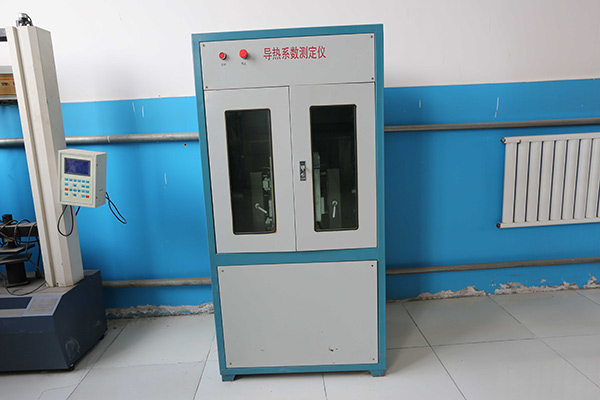
Because moisture is excluded from the cell structures, the thermal conductivity remains stable at ≤ 0.034 W/(m·K) at 0°C. This stability ensures long-term energy savings over the systems' typical 15-year life cycle.
Enhanced Elasticity & Vibration Control
Closed-cell elastomeric structures yield a compression resilience of over 80%. This property absorbs mechanical vibrations from HVAC pumps and compressors while remaining flexible enough for easy routing around tight bends.
Inherent Flame Retardancy
Formulated with halogen-free options and standard flame retardants, our foam exhibits self-extinguishing properties, minimizing smoke density and fire spread in public utility zones.