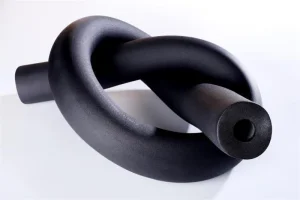
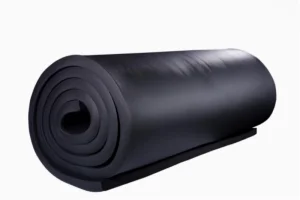
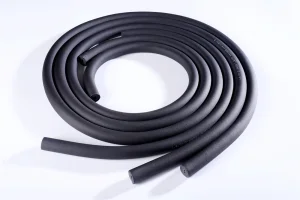
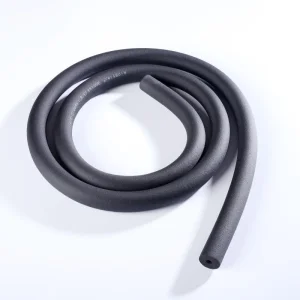
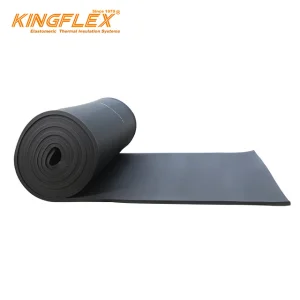
Explore our industrial-grade elastomeric closed-cell insulation materials customized for HVAC systems, low-temperature pipelines, and mechanical cooling.
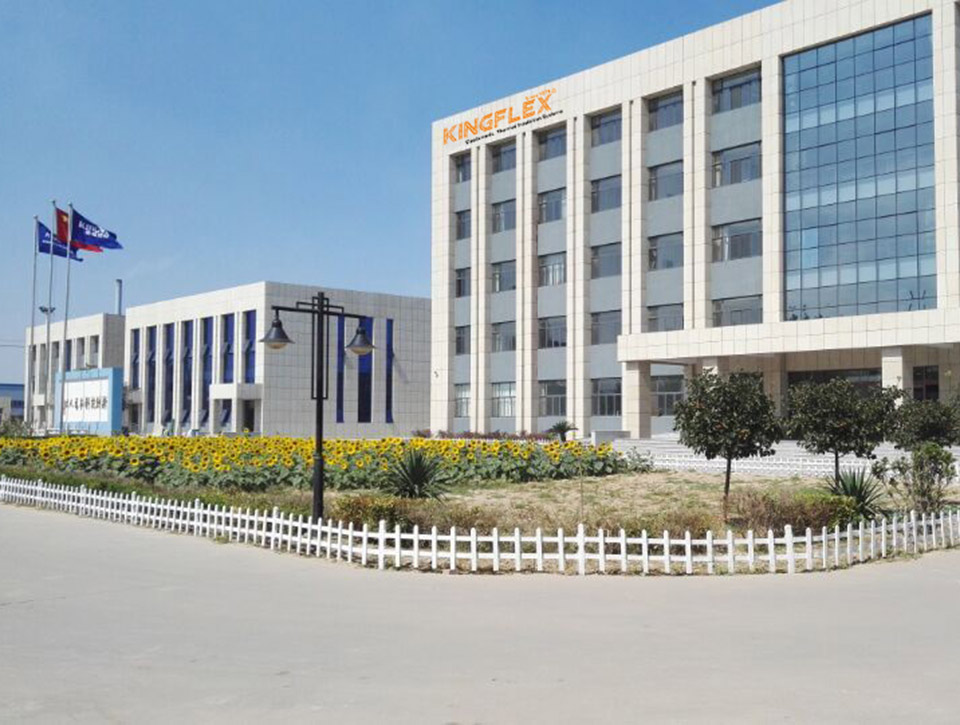
Kingflex Insulation Co., Ltd. represents a premier, globally recognized manufacturing and trading integration combo dedicated to engineering advanced thermal insulation products. Nestled in Dacheng, China—the undisputed capital of green building materials—our operations represent an energy-saving, environmentally conscious hub focused strictly on state-of-the-art research, mass production, and value-added international distribution.
At the center of Kingflex’s corporate ethos lies a commitment to energy conservation, systemic waste reduction, and thermal performance stability. By offering structural consulting, proprietary R&D compounding, physical manufacturing, detailed installation support, and rigorous post-sale guidance, we lead developments within the international building materials sector.
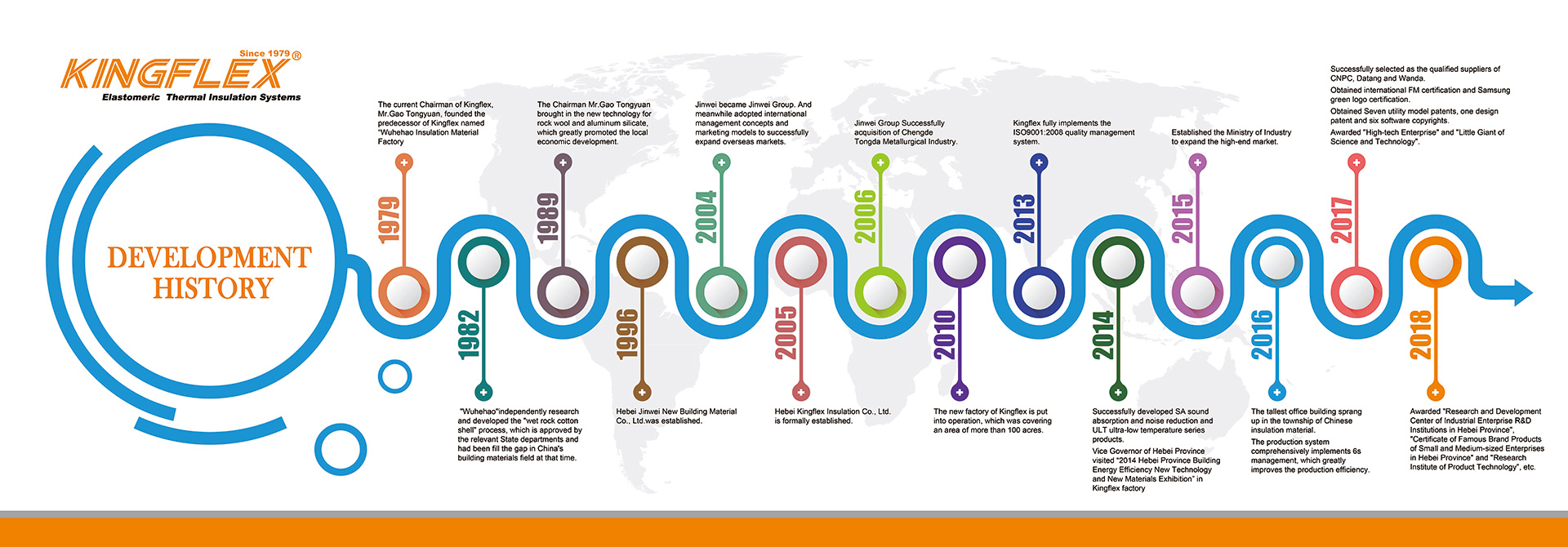
Our origin story traces back to the inception of Kingway / Jinwei Group in 1979, which became the first manufacturer of thermal insulation materials north of the Yangtze River. This history provides us with extensive material databases, thermal dynamics calculations, and manufacturing expertise.
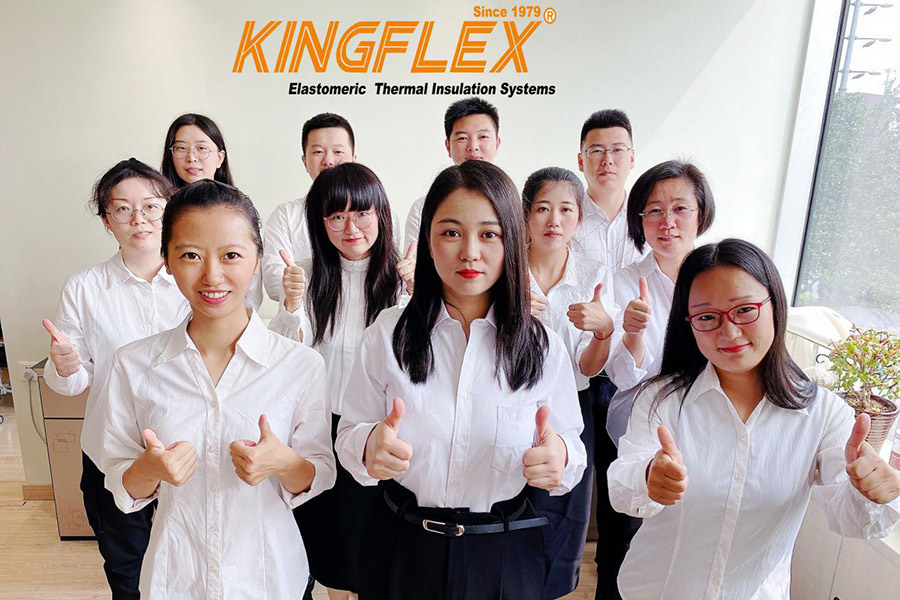
Our team is composed of extraordinary individuals unified under a single vision: delivering first-class service and reliable thermal solutions. Kingflex supports 230 factory workers, 8 research engineers, and 6 international customer support representatives. Together, we manage production schedules and deliver tailor-made OEM and ODM projects to construction and manufacturing enterprises.
Understanding the micro-structural performance of Closed-Cell Nitrile Butadiene Rubber (NBR) vs. traditional materials like fiberglass or rock wool.
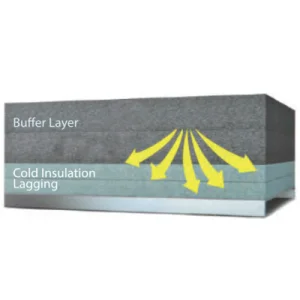
Kingflex elastomeric foam exhibits an even closed-cell rate exceeding 98%. This configuration creates microscopic, static pockets of dry air that prevent thermal convection. Additionally, it offers reliable resistance to moisture vapor diffusion, eliminating the need for separate vapor barriers.
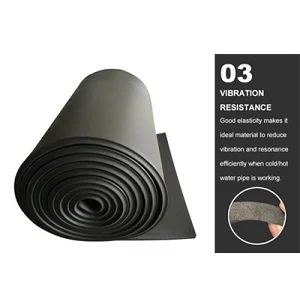
Formulated with NBR/PVC polymers, our elastomeric compounds feature a compression resilience rate of over 80%. This elasticity allows for easier installation around complex fittings, elbows, and manifolds while resisting mechanical stress and vibrations.
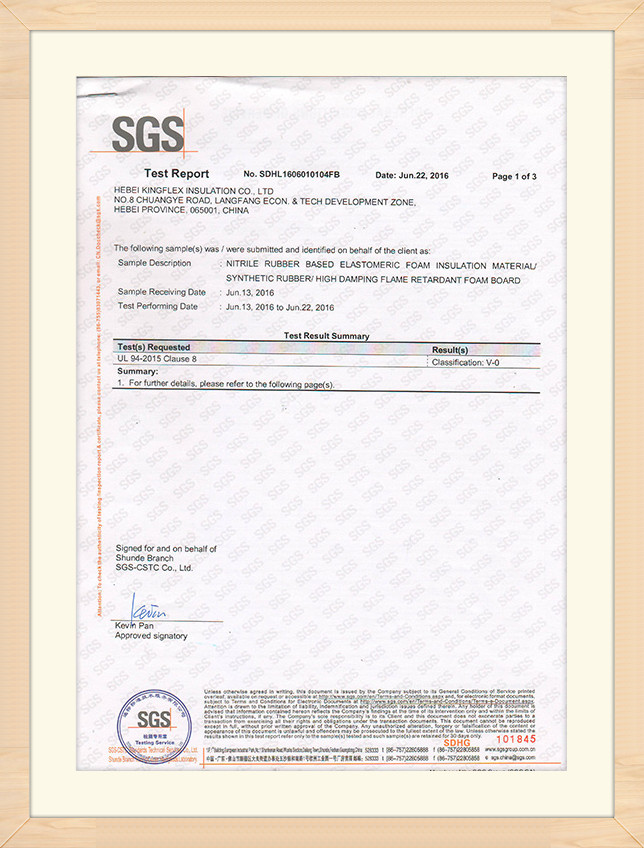
Engineered for high flame resistance and self-extinguishing behavior, Kingflex insulation products meet global fire codes, including BS 476, UL94, and ASTM. In combustion scenarios, the material acts to retard fire propagation and limit smoke generation.
| Performance Metric | Kingflex NBR/PVC Rubber Foam | Traditional Rock Wool Insulation |
|---|---|---|
| Structure | Closed-cell elastomeric foam (>98% cell structure) | Fibrous open-pore structure |
| Service Temperature | -40℃ to 105℃ (Standard) / Down to -200℃ (Cryogenic) | Up to 650℃ (High temperature) |
| Thermal Conductivity (0℃) | ≤ 0.035 W/(m·k) - Stable long-term performance | Variable, increases if moisture is absorbed |
| Moisture Absorption | Extremely low (High moisture resistance factor) | High hygroscopicity (requires external cladding) |
| Flexibility & Installation | High flexibility, easily conforms to pipe curvatures | Rigid/Semi-rigid, generates dust/microfibers |
| CUI Risk (Corrosion Under Insulation) | Extremely low due to non-porous structure | Moderate to high if water ingress occurs |
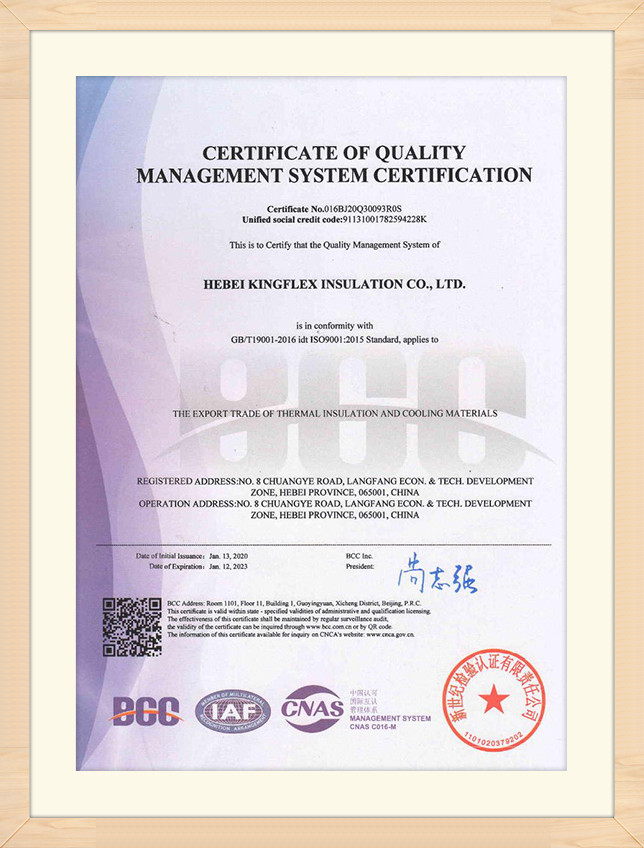
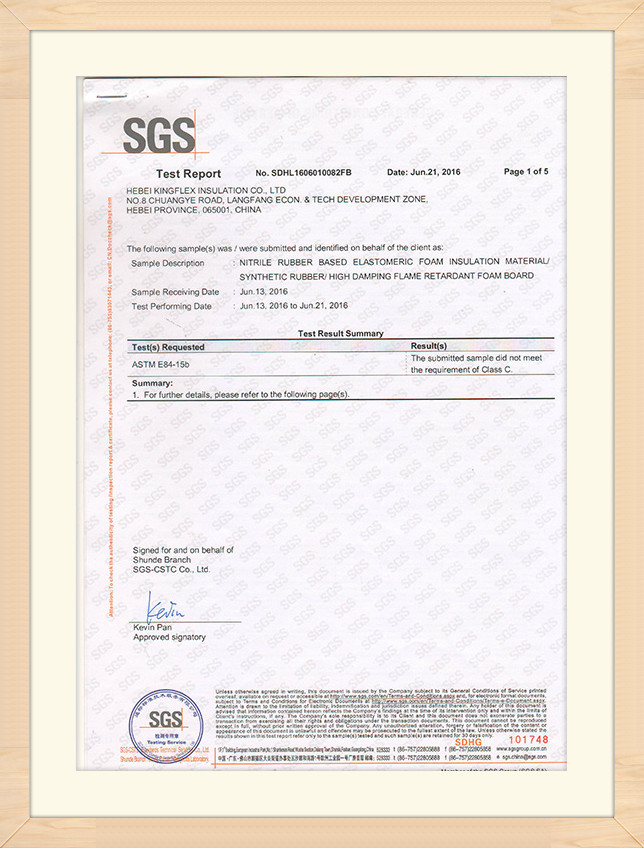
For international supply chain managers and project engineers, material quality and regulatory compliance are essential for project approval. Kingflex maintains a comprehensive quality management system that ensures batch consistency and global standard compatibility.
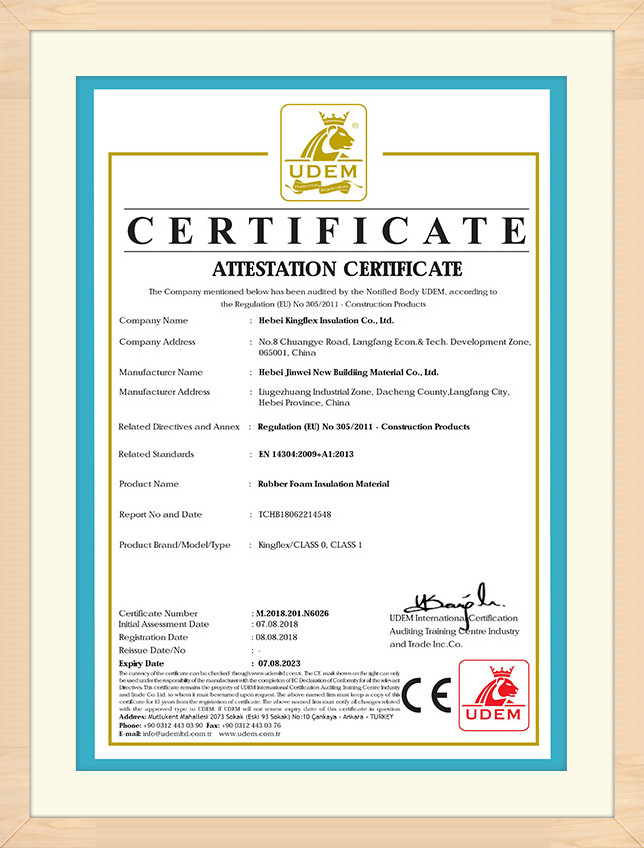
We are a designated production enterprise authorized by the Ministry of Energy, the Ministry of Electric Power, and the Ministry of Chemical Industry in China. Our products have cleared certifications required by global customs and municipal building regulatory groups:
Deploying energy-saving thermal barriers across high-load civil and industrial operations.
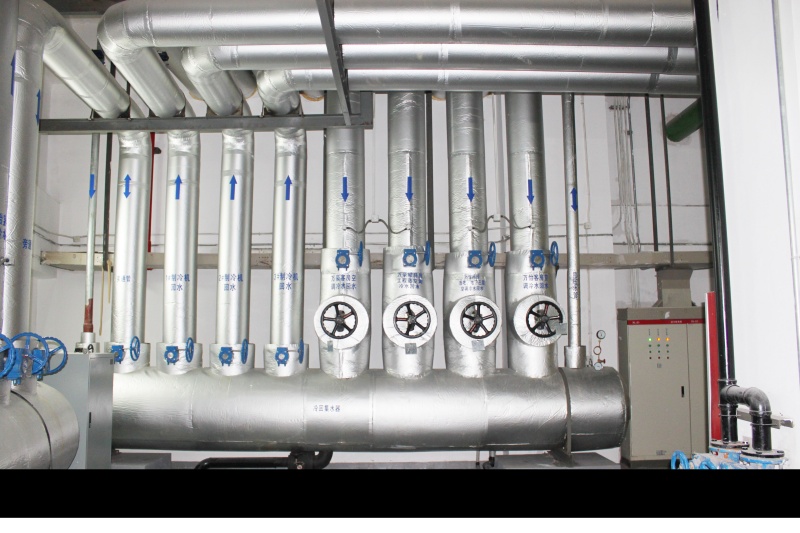
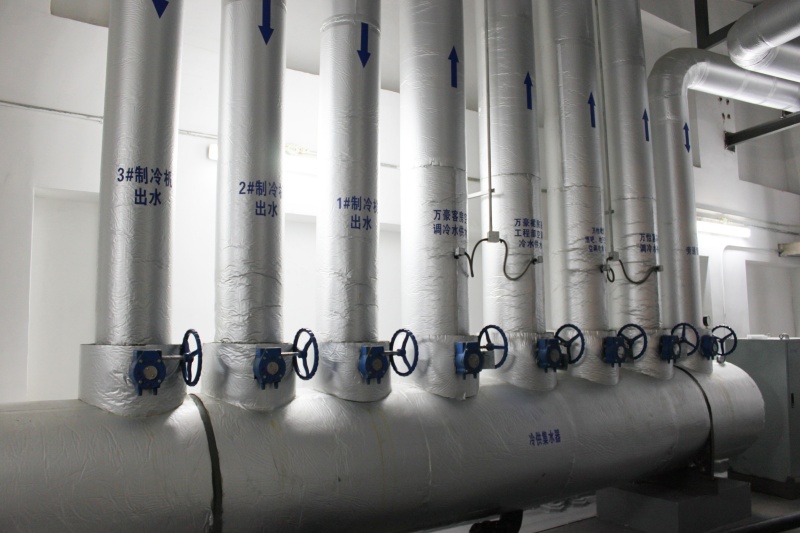
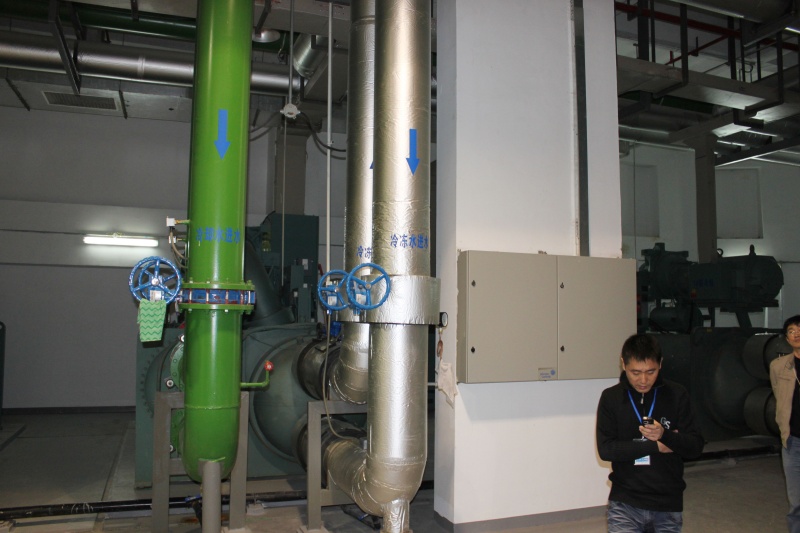
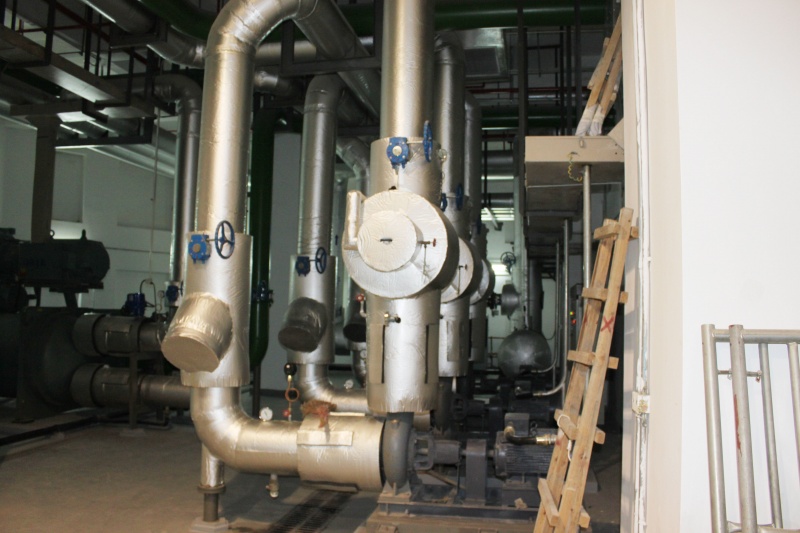
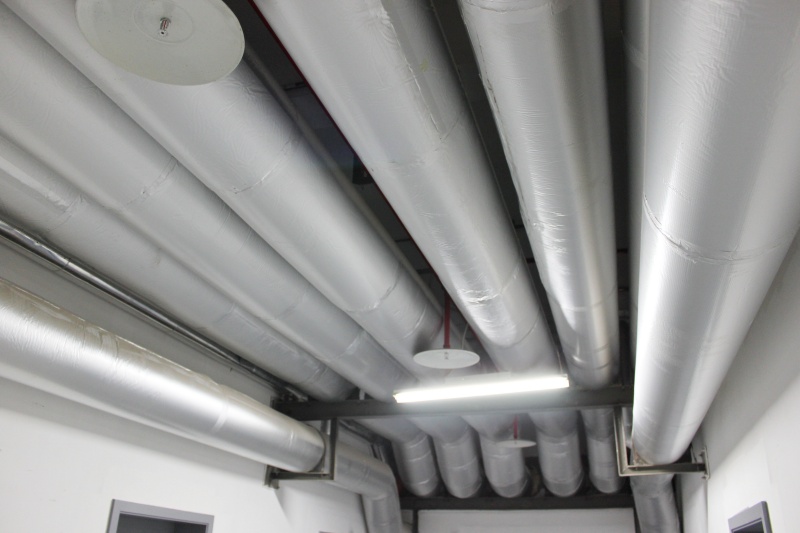
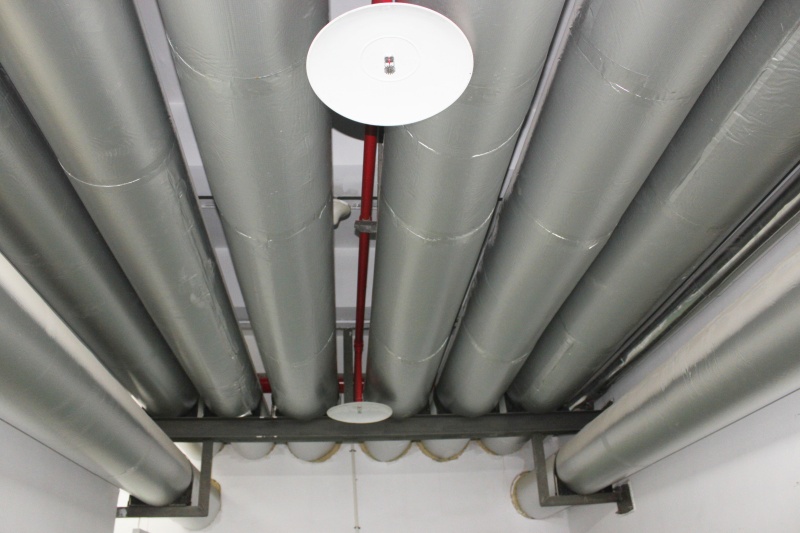
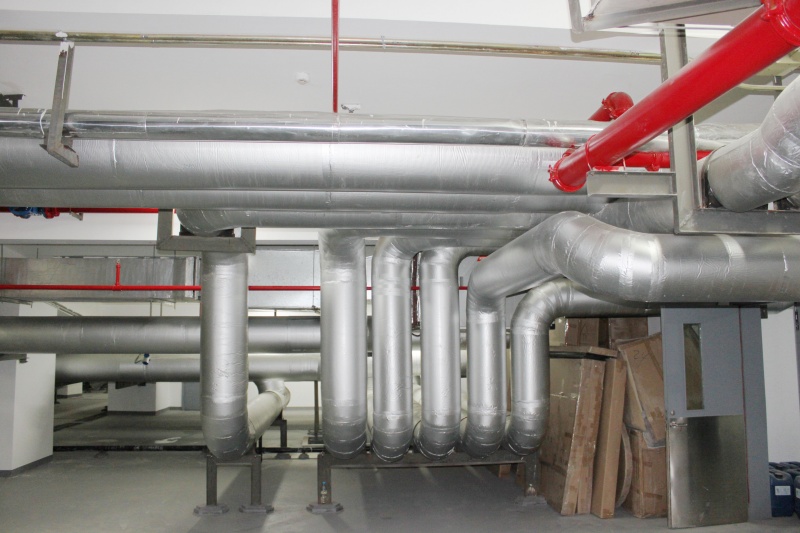
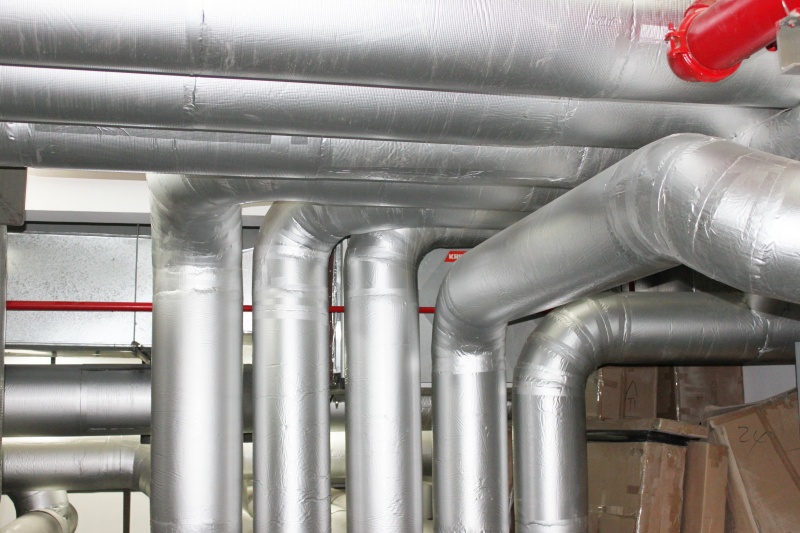
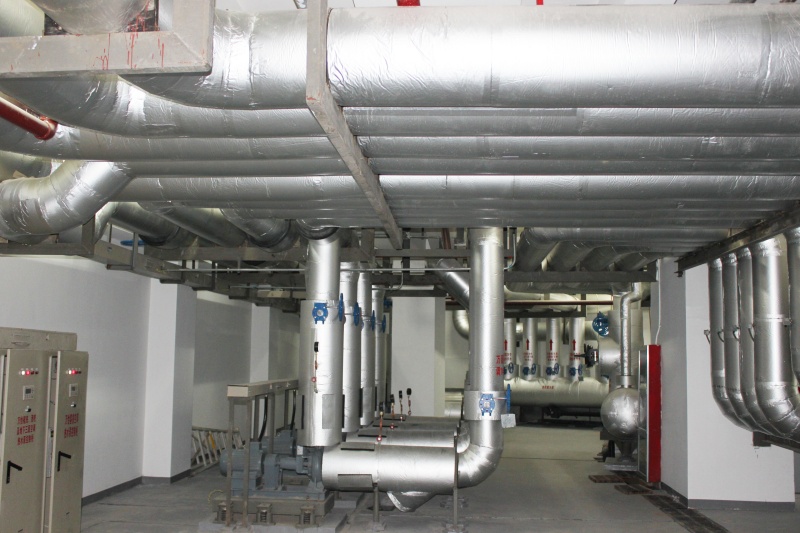
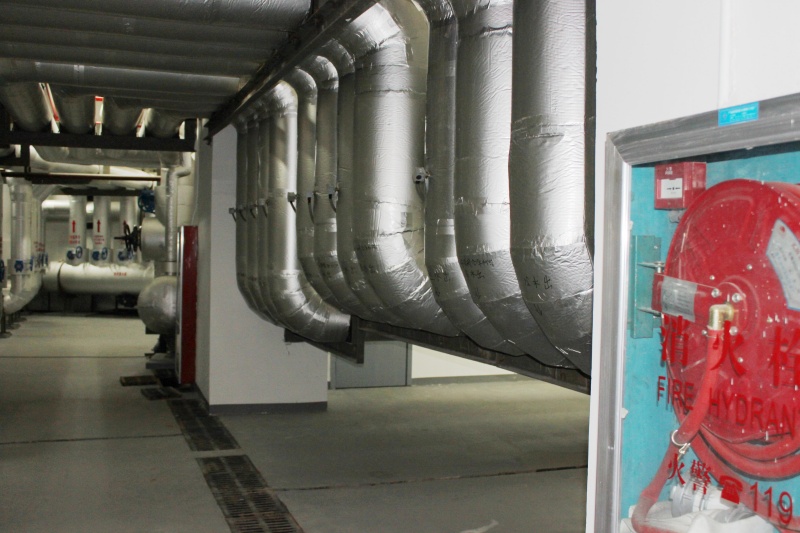
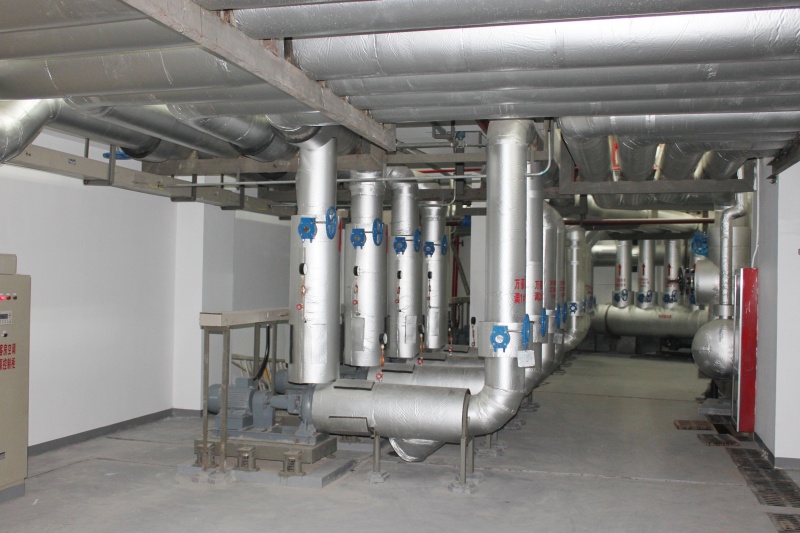
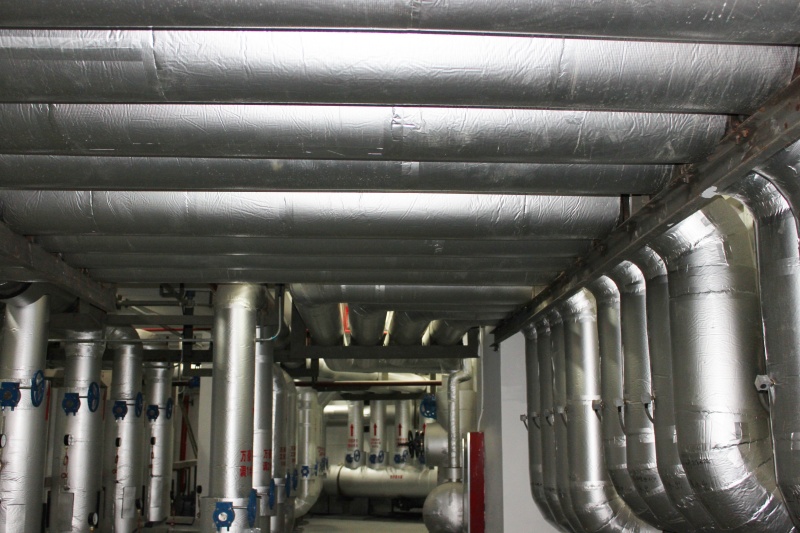
Condensation control in chilled water pipelines and HVAC air ducts is essential to prevent indoor mold and building damage. Kingflex sheets and tubes prevent heat transfer, maintain temperature control, and assist with acoustic dampening within machine rooms.
Designed for LNG processing, low-temperature petrochemical pipelines, and cryogenic storage facilities operating down to -200°C. Kingflex flexible insulation helps prevent line freezing and structural embrittlement while retaining elastic characteristics.
Resistant to moisture intrusion, UV exposure, and oil contact, our NBR/PVC foam products perform reliably in marine, offshore oil platform, and heavy industrial chemical environments, helping to mitigate Corrosion Under Insulation (CUI).
Our engineering services go beyond supplying insulation. We collaborate with designers during the planning phase to determine appropriate insulation thicknesses, prevent condensation, and optimize HVAC efficiency.
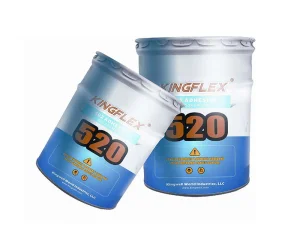
During the execution phase, we offer technical documentation and on-site guidance to help ensure the material is cut, fitted, and bonded correctly using Kingflex 520 specialized adhesive, preserving the integrity of the vapor seal.
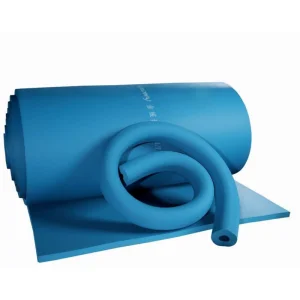
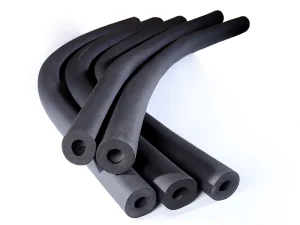
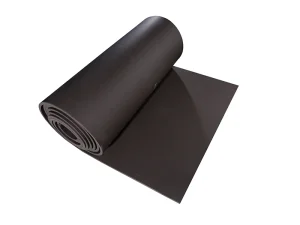
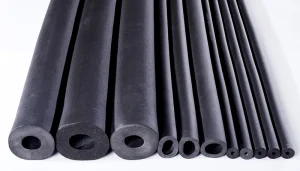
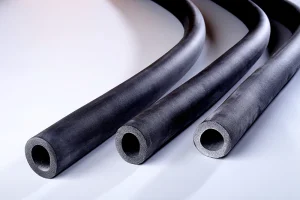
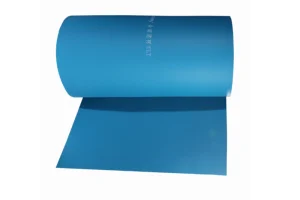
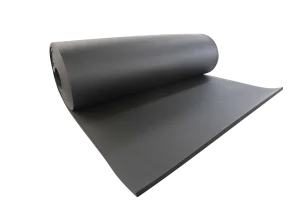
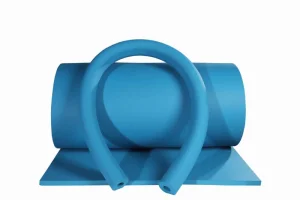
Detailed dimensional and structural profiles for Kingflex rubber foam sheets and tubular pipe structures.
Advancing elastomeric insulation materials toward sustainable and high-performance engineering.
Transitioning toward halogen-free materials reduces toxicity and corrosive smoke in fire scenarios, fulfilling strict regulatory codes for public buildings and transit networks.
Integrating chemical vapor phase corrosion inhibitors directly into the NBR matrix provides active chemical mitigation of corrosion on underlying copper and steel piping.
Utilizing bio-sourced plasticizers and green blowing agents helps lower the embodied carbon footprint of NBR/PVC insulation without compromising thermal resistance.


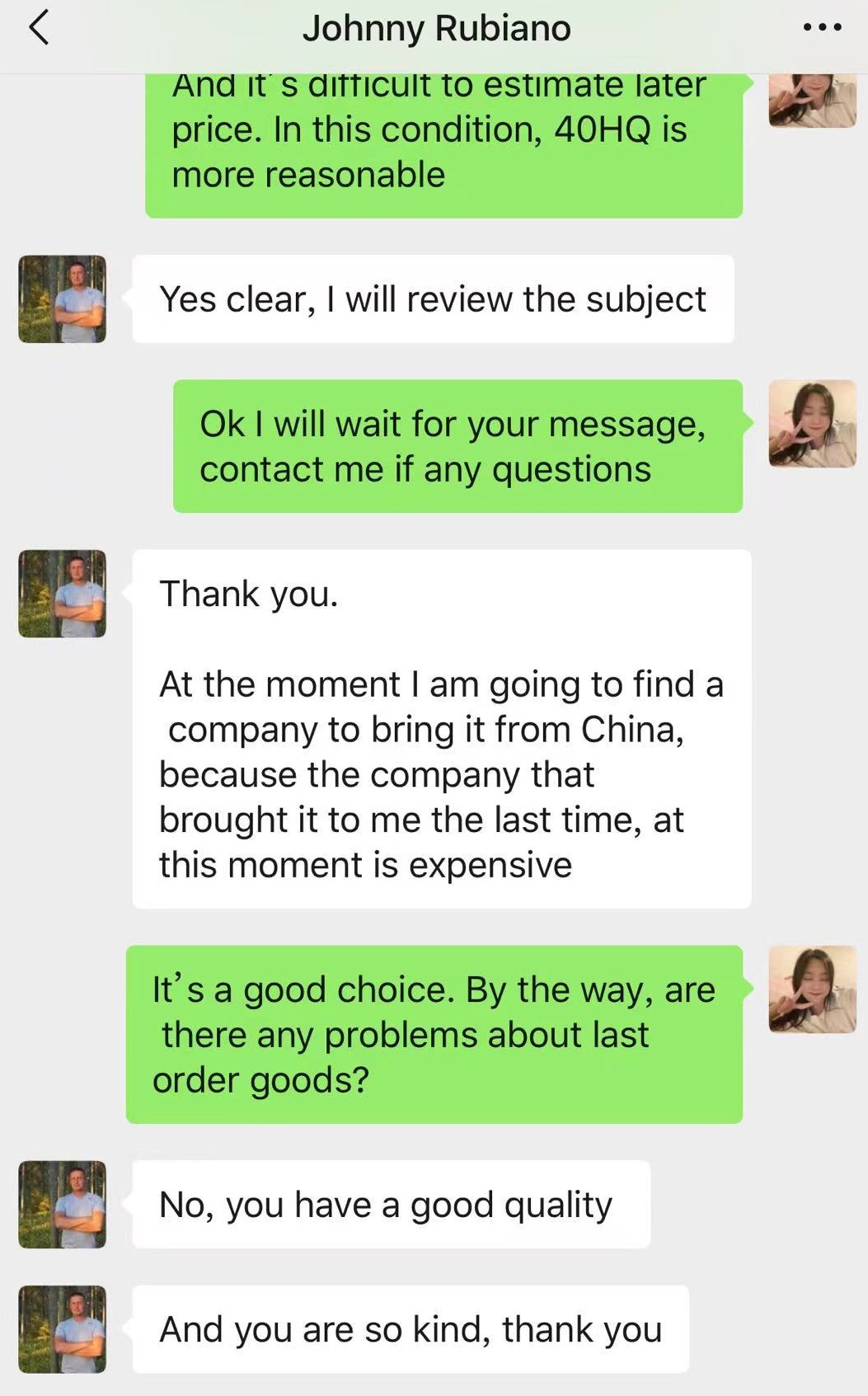
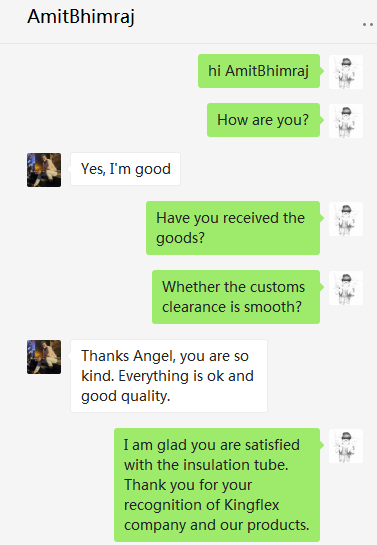
Kingflex maintains active trade relationships across multiple continents, offering support from initial configuration requests to container packing and delivery.
Our sales support team provides order status transparency, container space optimization, and necessary shipping documentation. These verified interactions highlight the standard of service we bring to global commercial buyers.


Find technical answers to common questions about closed-cell elastomeric rubber foam insulation.
A1: It is primarily used for HVAC duct wrapping, air conditioning refrigerant pipe run insulation, industrial building thermal envelope protection, cold storage pipelines, and mechanical acoustic isolation systems.
A2: Yes, our elastomeric compounds feature fire-retardant properties that meet international safety codes, including BS 476, UL94, and ASTM standards. The material is formulated to be self-extinguishing when removed from direct flame.
A3: Rubber foam features a flexible, closed-cell, moisture-proof structure, making it highly suitable for HVAC, chilled water lines, and condensation control. Rock wool is a fibrous, high-temperature resistant, and fireproof material, commonly used for high-heat industrial steam pipelines.
A4: Yes, we provide full OEM and ODM services, enabling custom sizing, thickness adjustments, density configurations, and pre-applied adhesive backings to meet specific project needs.
A5: Our products hold certifications for BS 476 Part 6 & 7, CE, REACH, RoHS, UL94, and ASTM. This ensures compliance with structural codes across Europe, the Americas, and Southeast Asia.
A6: Yes, Kingflex implements a batch-tracing protocol. Production runs are labeled with lot numbers that correlate to the raw material compounding logs, extrusion dates, and quality control reports.
A7: We produce rubber foam sheets in standard thicknesses ranging from 6mm up to 50mm, accommodating a wide range of thermal insulation requirements.
A8: Under standard operational conditions and when installed correctly using appropriate adhesive sealing, Kingflex elastomeric materials typically offer a service life of 10 to 15 years.
Compare specifications and request pricing details for our full range of elastomeric thermal insulation materials.