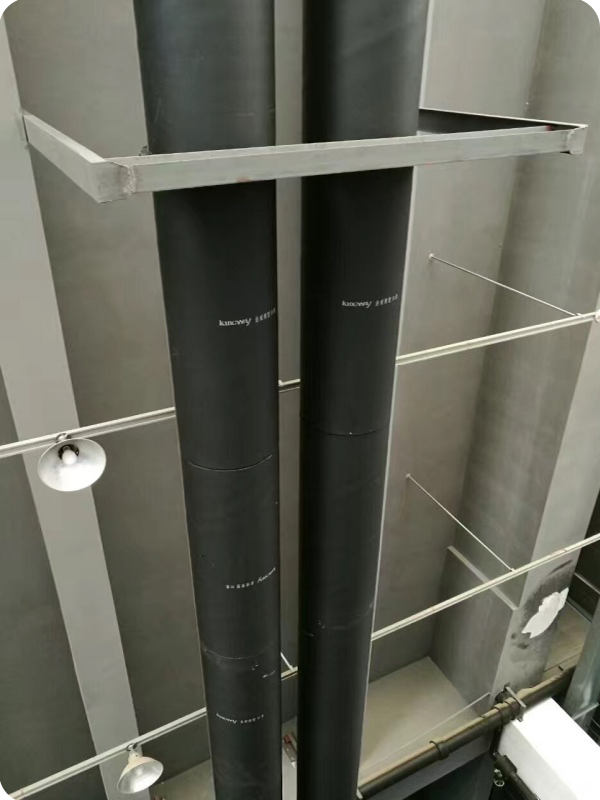
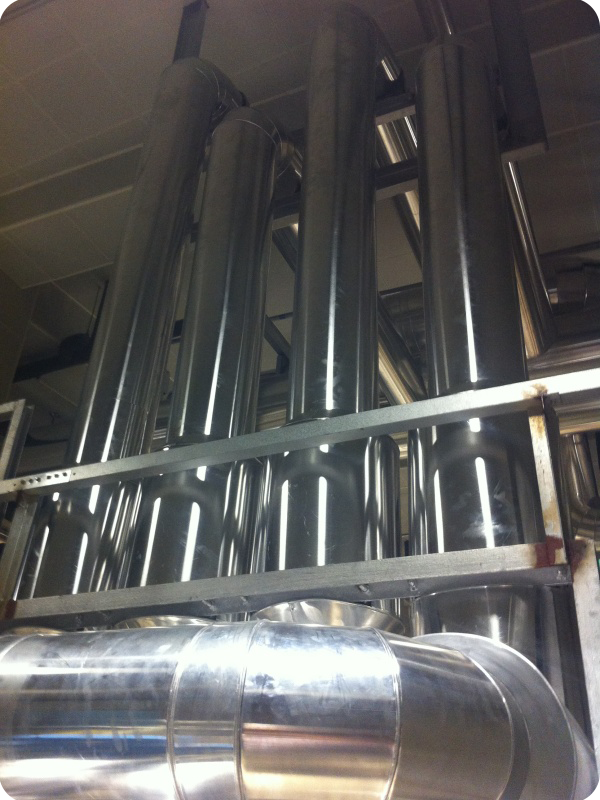
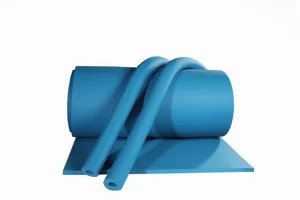
High-performance elastomeric and acoustic systems designed for condensation prevention and temperature retention.
Navigating structural changes in energy metrics, thermal criteria, and environmental parameters for high-capacity systems.
Modern building and industrial projects operate under stringent global energy codes. Frameworks such as ASHRAE 90.1 and EN 12828 mandate rigorous calculation of pipe insulation thickness. Inadequate thickness is no longer just an inefficiency; it is a regulatory non-compliance issue that triggers substantial penalties.
In chilled water systems, keeping the pipe insulation thickness above the calculated threshold is vital. If the thickness is too low, the surface temperature falls below the dew point, causing condensation. This can lead to structural damage, mold growth, and Corrosion Under Insulation (CUI), which causes major industrial failures.
Cryogenic setups, such as liquefied natural gas (LNG) systems, need specialized, high-thickness insulation. These systems use closed-cell elastomeric formulations (e.g., Dienes Cryogenic Insulation) to handle thermal stresses and prevent cracking at temperatures below -40°C.
Understanding how material composition, environmental conditions, and mathematical equations determine the ideal thermal performance.
Choosing the correct insulation thickness requires calculating values based on ambient temperature, relative humidity, wind speed (in outdoor applications), and the operational temperature of the medium. For chilled lines, calculating the exact dew point is critical. An error of just 1-2 mm in thickness can lead to system-wide condensation, reducing the insulation's performance.
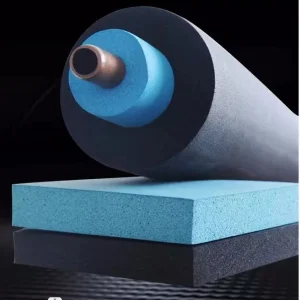
Elastomeric rubber foam is a preferred material for HVAC and cooling systems because of its closed-cell structure (exceeding 98%). This structure provides high resistance to water vapor transmission, ensuring a stable thermal conductivity coefficient (λ ≤ 0.035 W/(m·K) at 0°C).
| Insulation Thickness (mm) | Calculated Heat Loss Reduction (%) | Surface Temperature (°C) (Chilled Line @ 5°C) | Recommended Application Scenario |
|---|---|---|---|
| 6 mm – 9 mm | 65% – 72% | 18.5°C (Safe under 60% RH) | Domestic hot/cold water pipes, minor split AC units |
| 13 mm – 19 mm | 78% – 85% | 21.2°C (Safe under 75% RH) | Commercial HVAC air ducting, condensate lines, building pipes |
| 25 mm – 32 mm | 88% – 93% | 23.1°C (Safe under 85% RH) | Industrial process piping, large chilled water lines |
| 40 mm – 50 mm | 95% – 98% | 24.5°C (Safe under 90% RH) | Cryogenic systems, outdoor steam lines, high-humidity environments |
How international purchasing directors, engineering consultants, and project managers evaluate insulation suppliers.
Procurement teams for major EPC (Engineering, Procurement, and Construction) companies look for more than just low pricing. They prioritize compliance, supply chain transparency, and comprehensive certification. Project managers require suppliers that provide traceable, tested thermal insulation solutions.
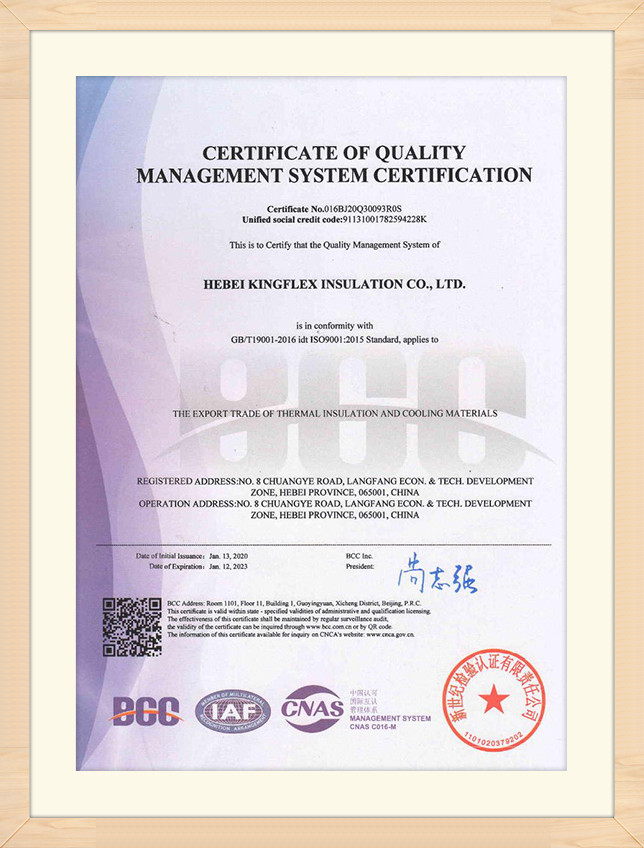
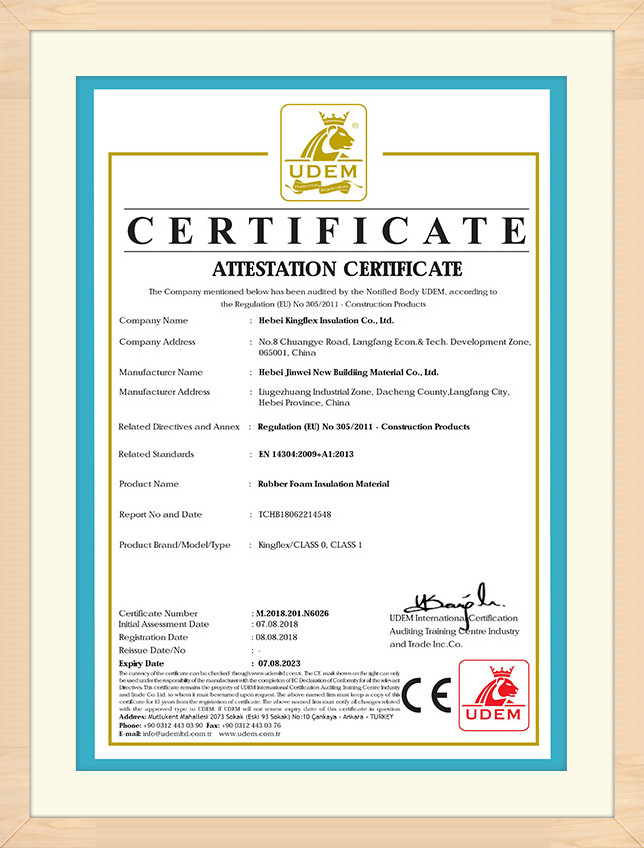
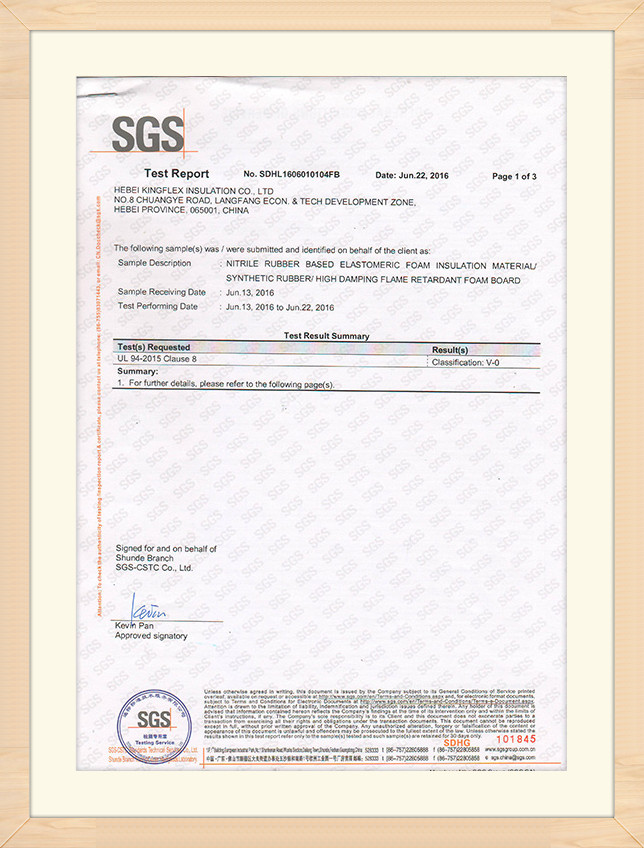
Products must meet global standards like BS 476 (UK), UL 94 (USA), CE (Europe), and REACH / ROHS environmental safety mandates. Kingflex provides high-density, closed-cell elastomeric foam that meets these international certifications, ensuring compliance for public, commercial, and industrial projects.
Discover the technology behind Kingflex's automated production, raw material processing, and quality control.
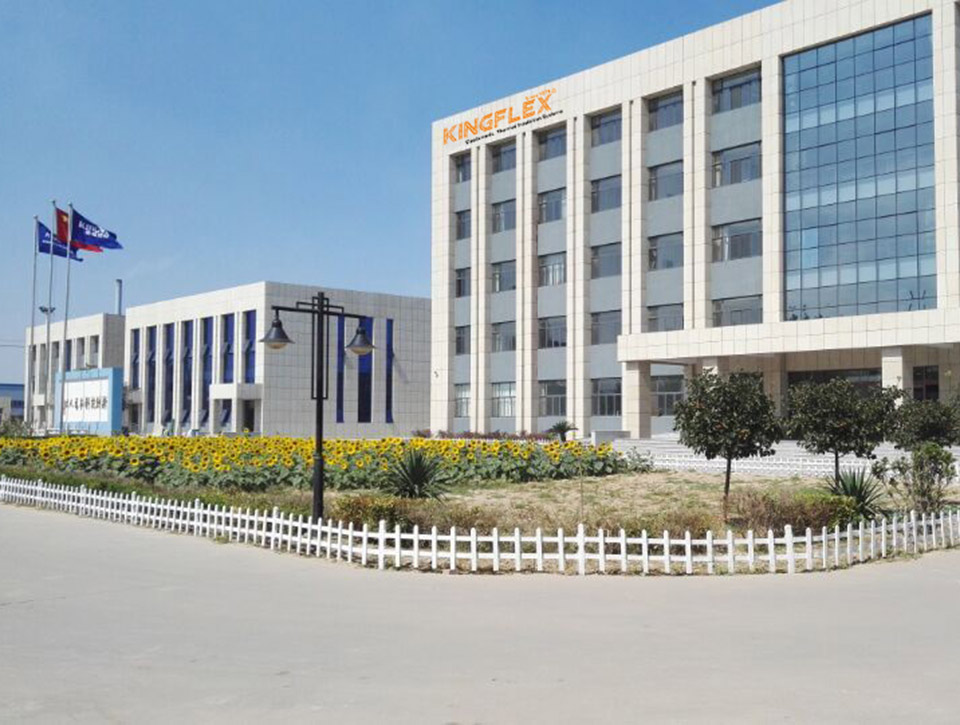
Kingflex Insulation Co., Ltd. operates five modern, high-speed automated production lines at its factory in Dacheng, China—a hub for green building materials. These systems produce over 600,000 cubic meters of high-grade elastomeric insulation annually.
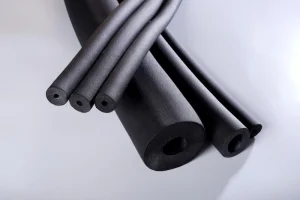
Our manufacturing processes use automated dosing, curing, and extrusion to ensure uniform cell structure and consistent wall thickness. This automation reduces human error, cuts down waste, and keeps prices competitive for large wholesale orders.
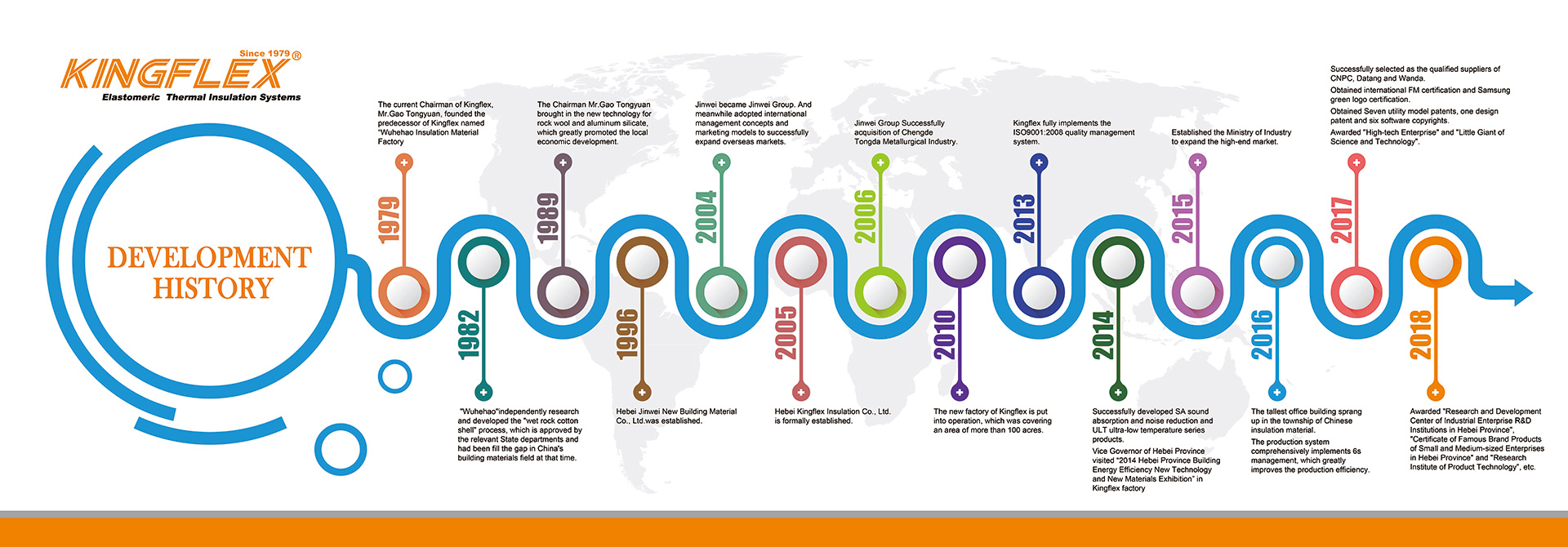
Backed by the Jinwei Group, which has more than 40 years of industry history since 1979, Kingflex continues to innovate in thermal insulation manufacturing. Our R&D team works with international testing labs to refine and improve the performance of our products.
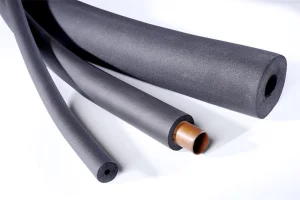
How Kingflex materials meet the distinct requirements of different industries and environments.
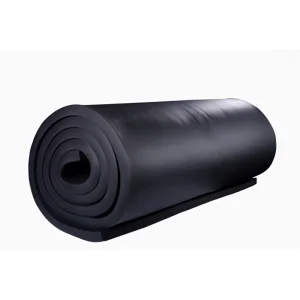
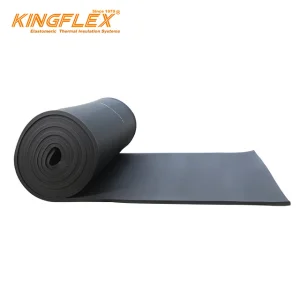
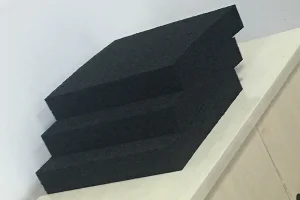
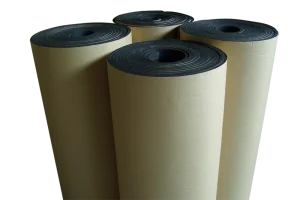
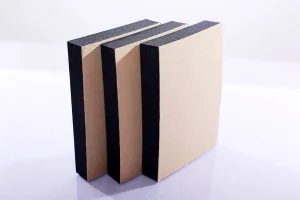
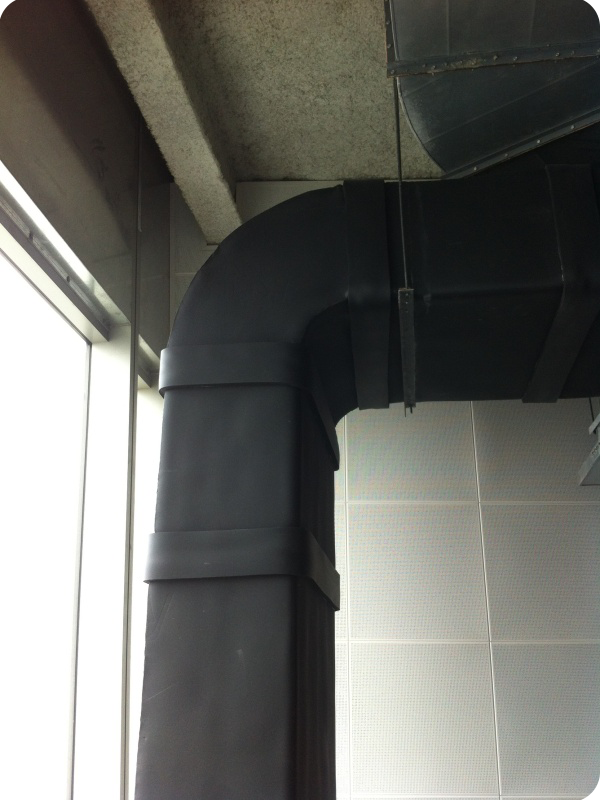
For commercial HVAC systems in hotels, shopping centers, and hospitals, Kingflex elastomeric sheets and rolls (thicknesses of 13mm, 19mm, to 25mm) prevent condensation on supply air ducts and chilled water pipes. These materials also absorb ambient noise, creating a quieter environment inside the building.
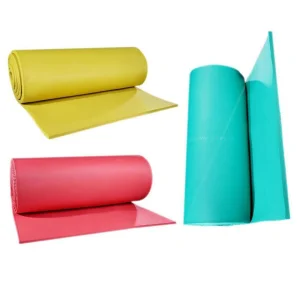
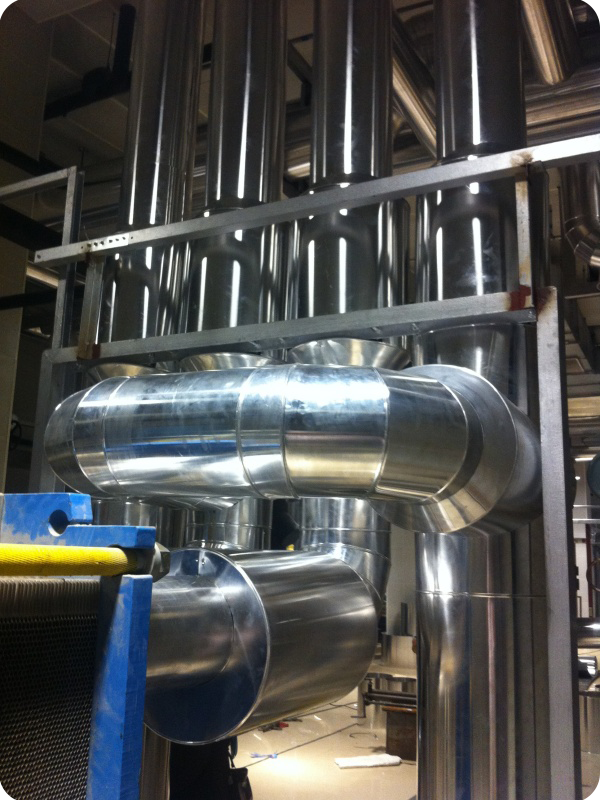
In ultra-low temperature and petrochemical projects, custom-designed NBR/PVC foam prevents thermal bridges on pipelines. Liquid natural gas pipelines at temperatures below -40°C require specialized cryogenic materials to prevent insulation cracking and ice build-up.
High-temperature steam lines, chemical process lines, and solar thermal loops require materials that withstand environmental exposure. Kingflex insulation tubes are treated for UV resistance, helping prevent premature aging and deterioration in outdoor systems.
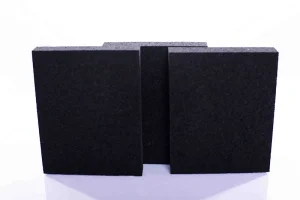
A deep look into the company, history, technical teams, and certified compliance that define our industry expertise.
Kingflex Insulation Co., Ltd. is a manufacturing and trading combo for thermal insulation products. Our research, development, and production facility is located in Dacheng, China, a recognized hub for energy-efficient building materials. We provide end-to-end thermal management services, including engineering consulting, customized thickness design, installation guidance, and support.
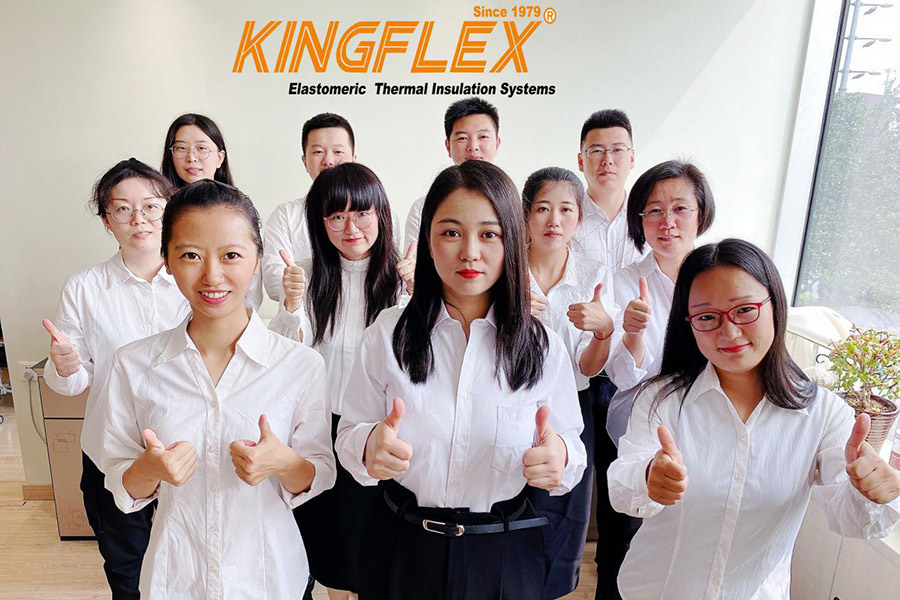
Our strength comes from our team. Kingflex employs eight professional R&D engineers, six dedicated international sales professionals, and 230 skilled production workers who maintain our high quality standards.
Established by Jinwei Group, which began operations in 1979, Kingflex inherits over 40 years of manufacturing experience. We were the first thermal insulation manufacturer north of the Yangtze River, building a reputation for reliable quality.
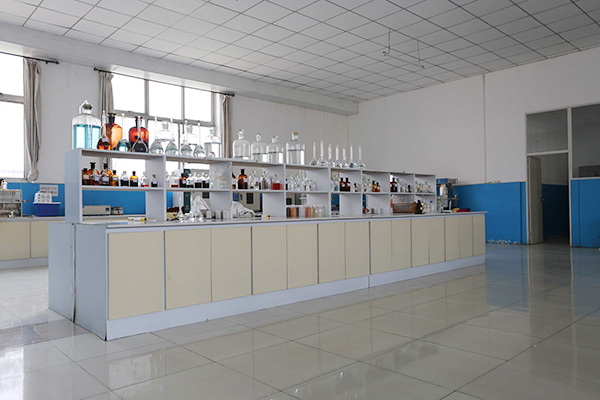
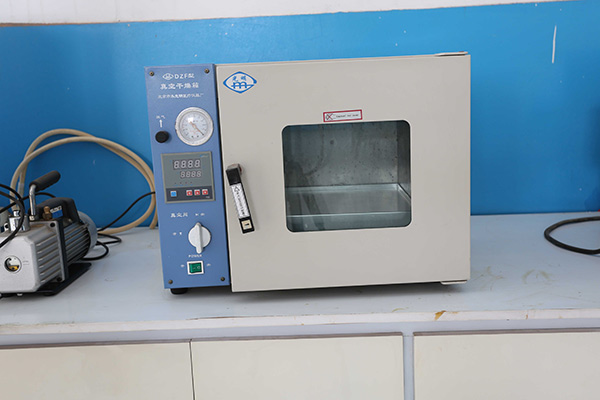
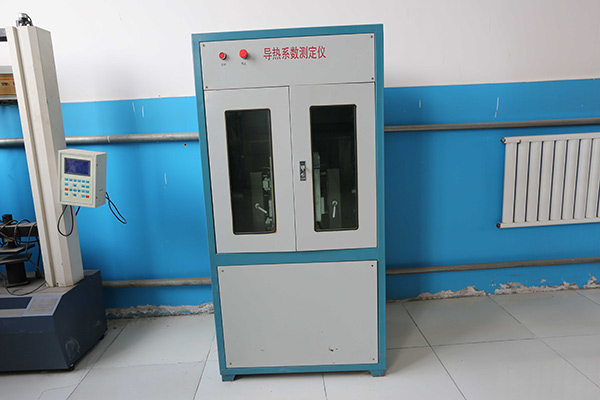
Through ongoing capital investments, our laboratory is equipped to test oxygen index, smoke density, moisture permeability, and high/low-temperature thermal conductivity.
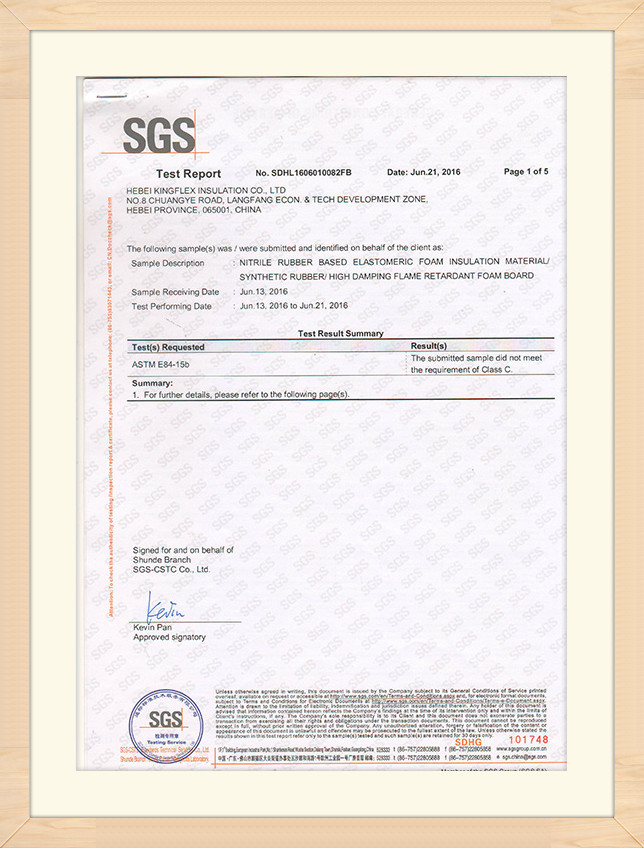
Our products undergo testing by third-party organizations to verify they meet structural safety, environmental, and thermal requirements.
Providing reliable thermal performance for global HVAC networks, industrial projects, and commercial developments.


Open communication and technical consultation help ensure projects receive the correct product specifications.
Detailed product specifications for both sheet rolls and pre-formed pipe insulations manufactured by Kingflex.
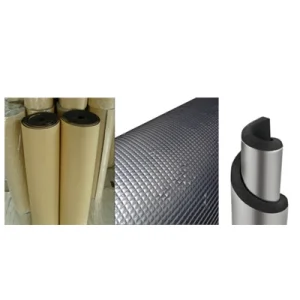
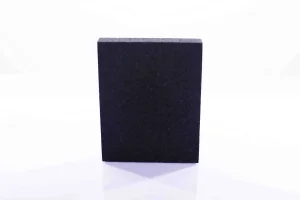
Material: NBR/PVC blend with optional self-adhesive or foil facing.
Thickness: 6mm to 50mm
Density: 40 – 55 kg/m³
Service Temperature: -40℃ to 105℃
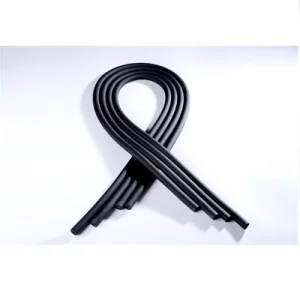
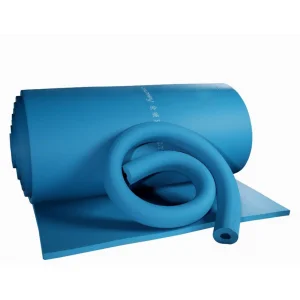
Material: Elastomeric NBR/PVC closed-cell foam.
Thickness: 9mm to 40mm
Inner Diameter (ID): 6mm to 114mm
Density: 40 – 55 kg/m³
Technical answers to key questions about elastomeric rubber foam insulation thickness, performance, and certification.
Need calculated thickness parameters for an upcoming commercial project or industrial facility? Speak with our technical engineers for a customized quotation.
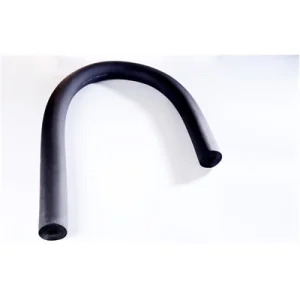
Pre-formed pipes and engineered elastomeric tubes designed to match standard pipe diameters.