1 / 2
 Kingflex
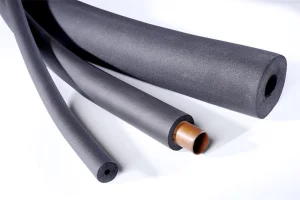
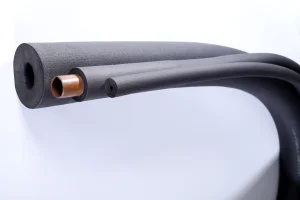
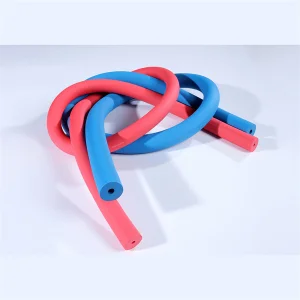
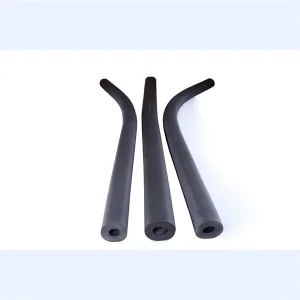
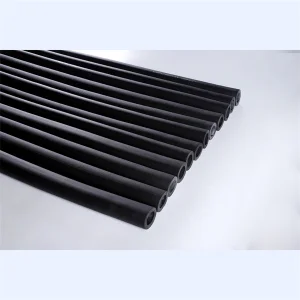
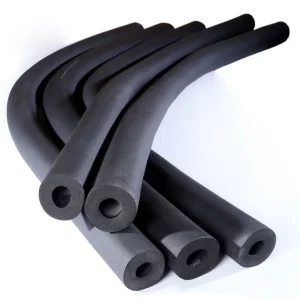
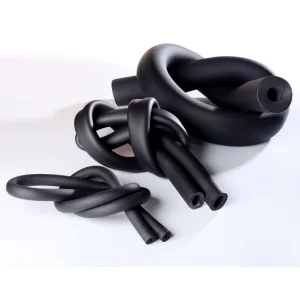
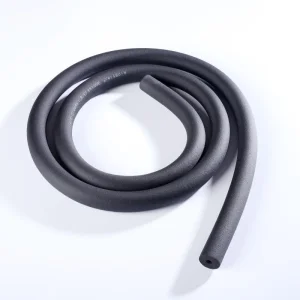
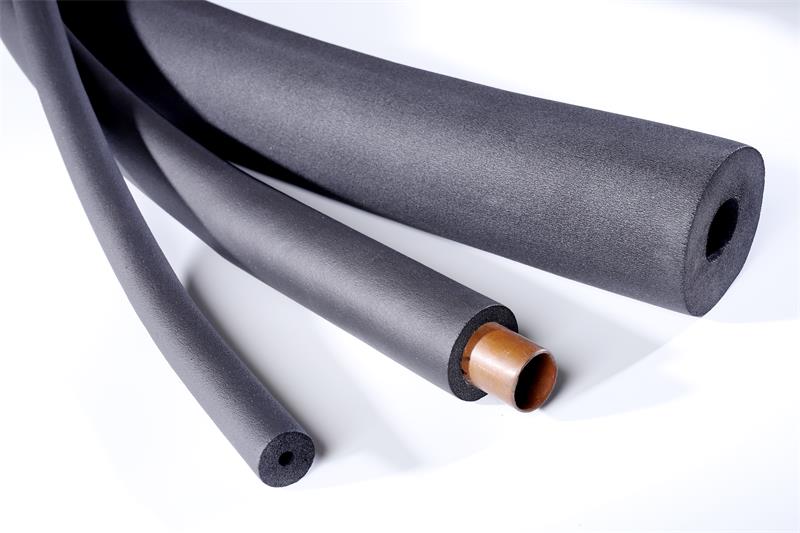
Kingflex rubber foam insulation material are used for the heat-insulating and heat-preservation of shell of big tanks and piping in the construction, business and industry, heat insulation of air conditioners ,heat insulation of joint pipes of house air conditioners and automobile air conditioners.
| Kingflex Technical Data | |||
| Property | Unit | Value | Test Method |
| Temperature range | °C | (-50 - 110) | GB/T 17794-1999 |
| Density range | Kg/m3 | 45-65Kg/m3 | ASTM D1667 |
| Water vapor permeability | Kg/(m.s.pa) | ≤0.91×10 ﹣¹³ | DIN 52 615 / BS 4370 Part 2 1973 |
| μ | - | ≥10000 | |
| Thermal Conductivity | W/(m.k) | ≤0.030 (-20°C) | ASTM C 518 |
| ≤0.032 (0°C) | |||
| ≤0.036 (40°C) | |||
| Fire Rating | - | Class 0 & Class 1 | BS 476 Part 6 part 7 |
| Flame Spread and Smoke Developed Index | 25/50 | ASTM E 84 | |
| Oxygen Index | ≥36 | GB/T 2406,ISO4589 | |
| Water Absorption,%by Volume | % | 20% | ASTM C 209 |
| Dimension Stability | ≤5 | ASTM C534 | |
| Fungi resistance | - | Good | ASTM 21 |
| Ozone resistance | Good | GB/T 7762-1987 | |
| Resistance to U.V. and weather | Good | ASTM G23 | |
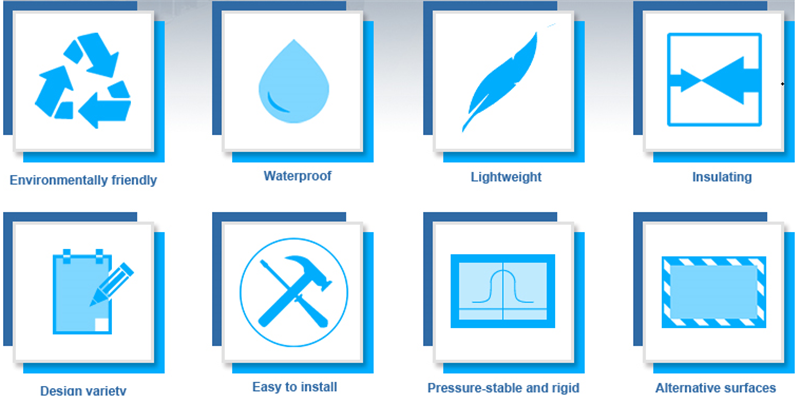
Stability
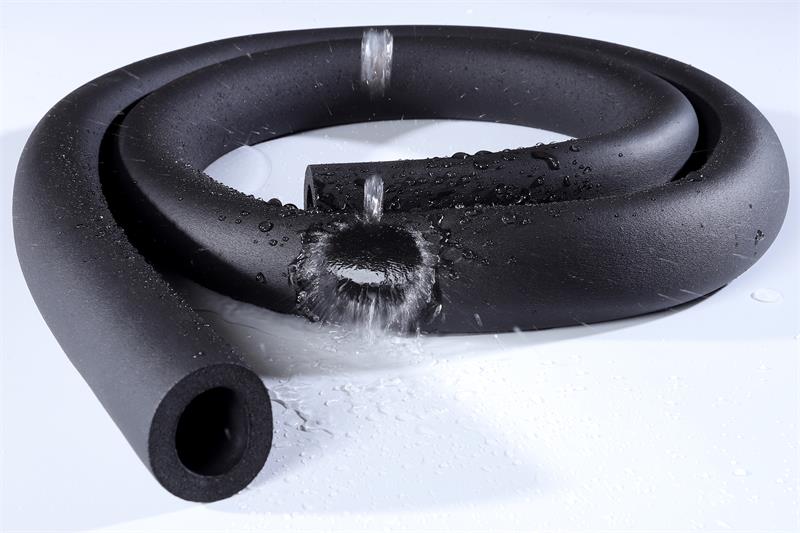
Moisture Resistance
Fire Resistance
Environmental health without formaldehyde
Kingflex rubber foam insulation is widely used for the heat-insulating and heat-preservation of shells of large tanks and piping in construction, business, and industry. It is also designed for the thermal insulation of house and automobile air conditioner joint pipes.
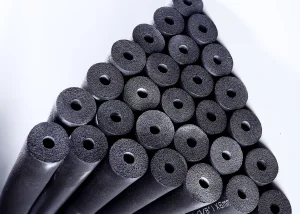
We offer nominal wall thicknesses ranging from 1/4" to 2" (6, 9, 13, 19, 25, 32, 40, and 50mm) with standard lengths of either 6ft (1.83m) or 6.2ft (2m).
Kingflex rubber foam insulation achieves a Class 0 & Class 1 Fire Rating in accordance with the BS 476 Part 6 and Part 7 standards, ensuring top-tier flame and smoke resistance.
It features excellent moisture resistance with a water vapor permeability rating of ≤0.91×10 ﹣¹³ Kg/(m.s.pa) and a water absorption rate of 20% by volume tested under ASTM C 209.
The material operates stably within a wide temperature range of -50°C to 110°C, meeting GB/T 17794-1999 test specifications.
Yes, it demonstrates good fungi resistance (ASTM 21), good ozone resistance (GB/T 7762-1987), and outstanding resistance to ultraviolet rays and weather conditions (ASTM G23).