Macro-Industry Thermal Solutions & Modern HVAC Challenges
In today's industrialized commercial and civil engineering landscape, thermal loss within mechanical networks accounts for up to 30% of total HVAC system energy waste. Global efforts toward decarbonization demand high-performance thermal barriers capable of arresting condensation, reducing structural corrosion, and meeting rigorous building safety rules.
Refrigerant pipe insulation is no longer just about maintaining process temperatures. It is a critical component for structural durability and environmental energy targets. With the transition to low-GWP (Global Warming Potential) refrigerants such as CO₂ (R-744), ammonia (R-717), and HFO mixtures, modern industrial refrigeration runs at higher extremes. As a result, exact insulation calculations are essential to prevent system failure.
Global standard compliance is mandatory, not optional.
Navigating Global Refrigerant Pipe Insulation Codes
Understanding ASHRAE, IECC, BS 476, and European standards for precise mechanical engineering compliance.
North American Codes
Compliance with ASHRAE 90.1 and the International Energy Conservation Code (IECC) dictates specific thermal resistance (R-value) thresholds based on the fluid temperature range and nominal pipe size. For VRF and cooling lines operating below 40°F (4.4°C), moisture vapor transmission ratings are vital to avoid interstitial condensation inside the cell walls.
Fire & Smoke Regulations
Plenum spaces require materials with a maximum Flame Spread Index of 25 and a Smoke Developed Index of 50, tested per ASTM E84 or UL 723. In the UK and Middle East, BS 476 Parts 6 & 7 (Class 0 rating) is the baseline standard for structural fire integrity.
Eco-Compliance & Health
Modern projects require materials certified under REACH and RoHS directives, ensuring zero lead, mercury, or halogen compounds are emitted. Furthermore, low-VOC content is necessary to secure green building certifications such as LEED and BREEAM.
Operating Temp Range (°C)
Pipe Outer Diameter (OD)
Required Thickness (IECC Baseline)
Kingflex Compliant Spec
Testing Methods
4.4°C to 15.6°C (Chilled Water)
< 25 mm (1 inch)
12.5 mm (1/2 inch)
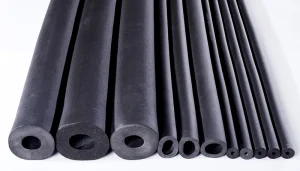
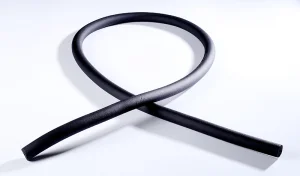
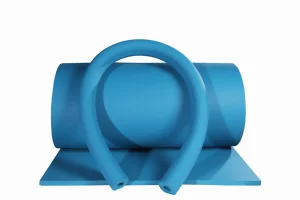
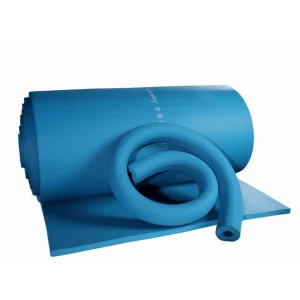
NBR/PVC Tube 13mm
ASTM C518 / EN 12667
-40°C to 4.4°C (Refrigerant Lines)
25 mm to 50 mm
19 mm (3/4 inch)
NBR/PVC Tube 19mm
ASTM E96 (Permeability)
< -40°C (Cryogenic Systems)
All Sizes
Engineered Multi-layer (≥ 38mm)
Ultra Low Temp Systems (40mm+)
ASTM C177 / BS 476
Corporate Heritage & Decades of Material Innovation
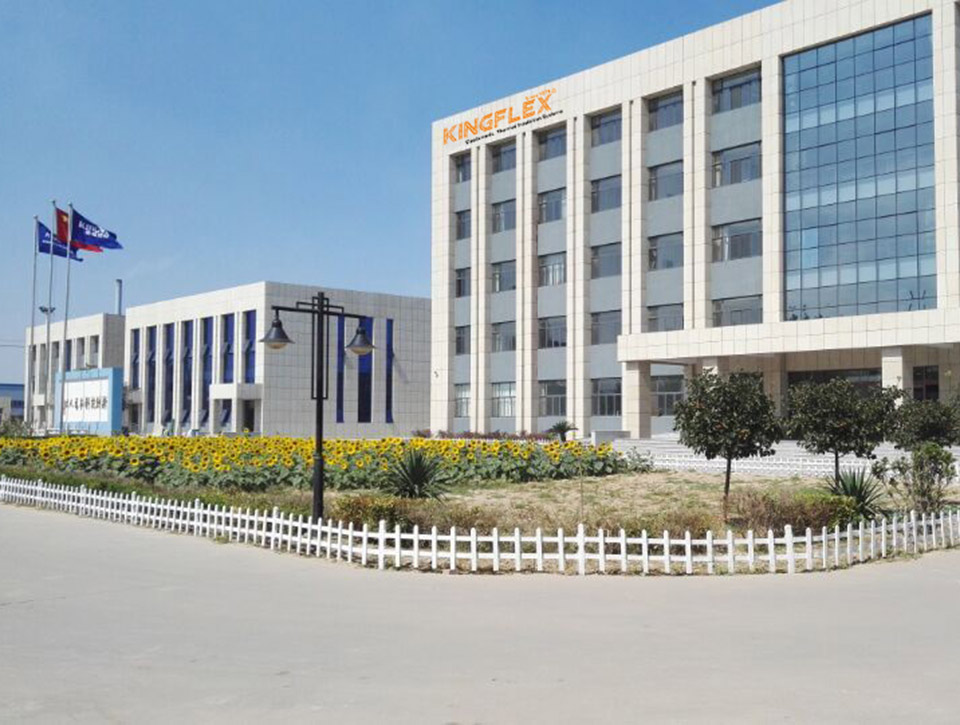
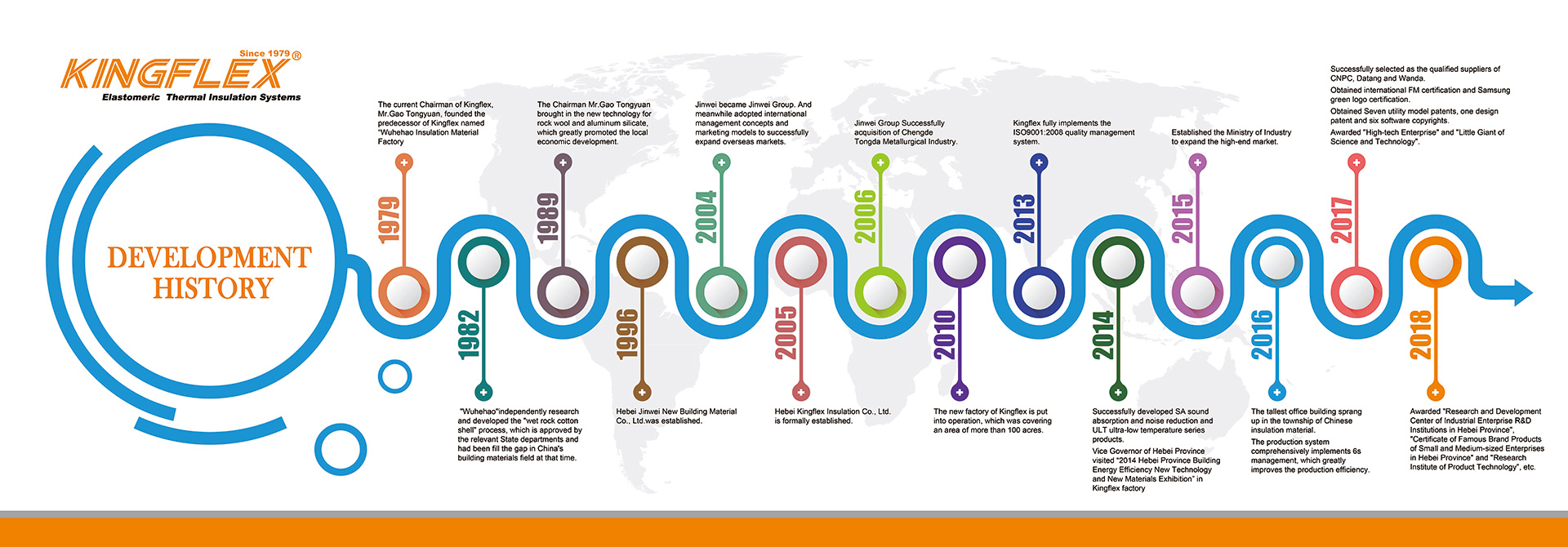
Established under the prestigious Jinwei Group, which boasts a rich history spanning over 40 years since its founding in 1979, Kingflex Insulation Co., Ltd. has stood as a pioneer in energy-saving building materials. As the first thermal insulation manufacturer established north of the Yangtze River, we have spent decades developing and manufacturing high-performance elastomeric thermal barriers.
Headquartered in Dacheng, China—known as the capital of green building materials—our facility houses a comprehensive R&D wing, structured testing grounds, and high-efficiency logistics hubs. By integrating material engineering with post-sale consulting and technical guidance, Kingflex delivers full-spectrum thermal insulation systems designed for global projects.
600K+
Annual m³ Capacity
40+
Years Heritage
8
R&D PhD Engineers
66+
Export Destinations
High-Performance Product Architecture
A closer look at the raw specs, structural resilience, and thermal conductivity profiles of our premium lines.
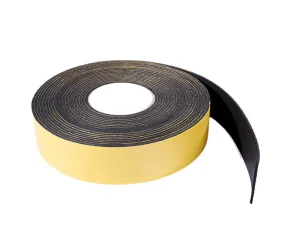
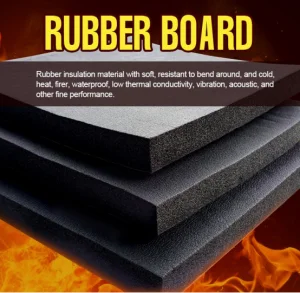
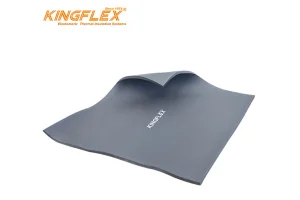
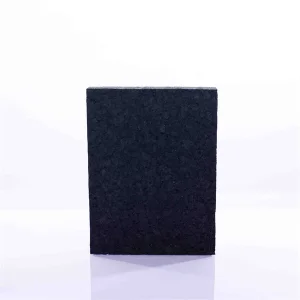
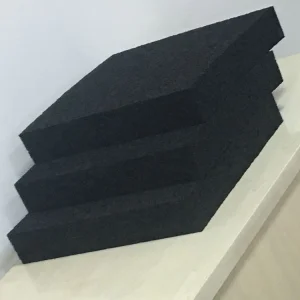
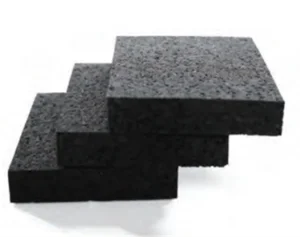
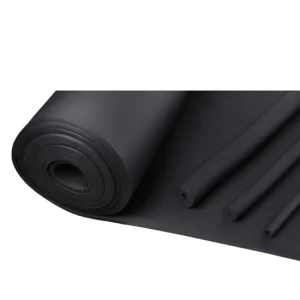
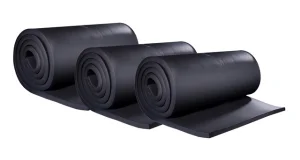
Black Rubber Foam Insulation Sheet Roll
Base Material:Premium NBR/PVC elastomer
Thickness Range:6 mm to 50 mm
Density:40 - 55 kg/m³
Working Temperature:-40 ℃ to 105 ℃
Closed Cell Rate:Over 98%
Resilience Index:> 80% compression recovery
Primary Advantages:
Uniform micro-cellular configuration limits convection within cells, ensuring low thermal conductivity (λ ≤ 0.034 W/m·K at 0°C) and resistance to ambient moisture intrusion.
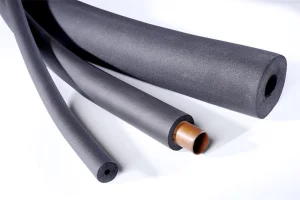
Uniform extrusion ensures perfect alignment and snug fit over steel or copper tubes, eliminating air gaps that lead to under-insulation condensation and localized piping corrosion.
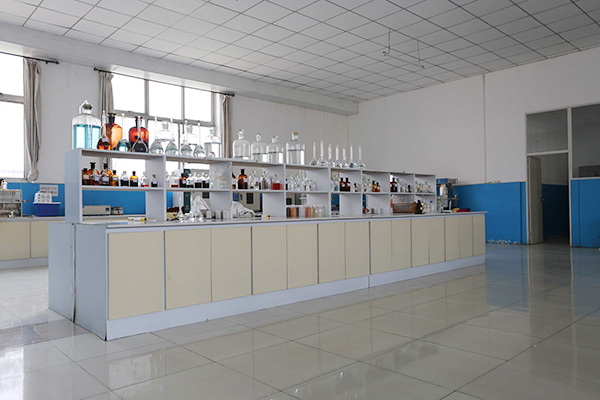
Rigorous Lab Testing and Certifications
Kingflex maintains strict quality control systems validated by international certification laboratories.
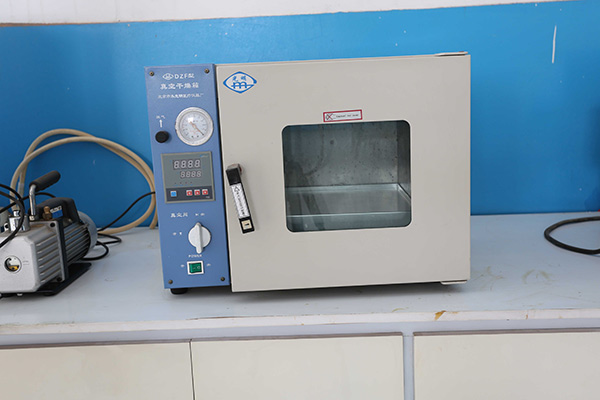
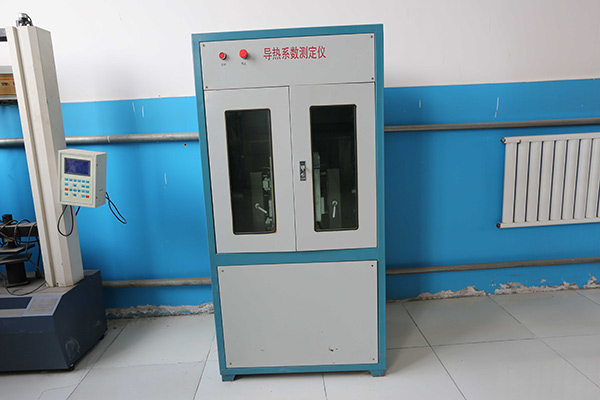
Thermal Conductivity Testing
Ensuring constant verification of R-value standards and lambda ratings under changing climatic conditions.
Microstructural Analysis
Monitoring chemical foaming uniformity to guarantee closed-cell structure values exceed 98%.
Flammability Chambers
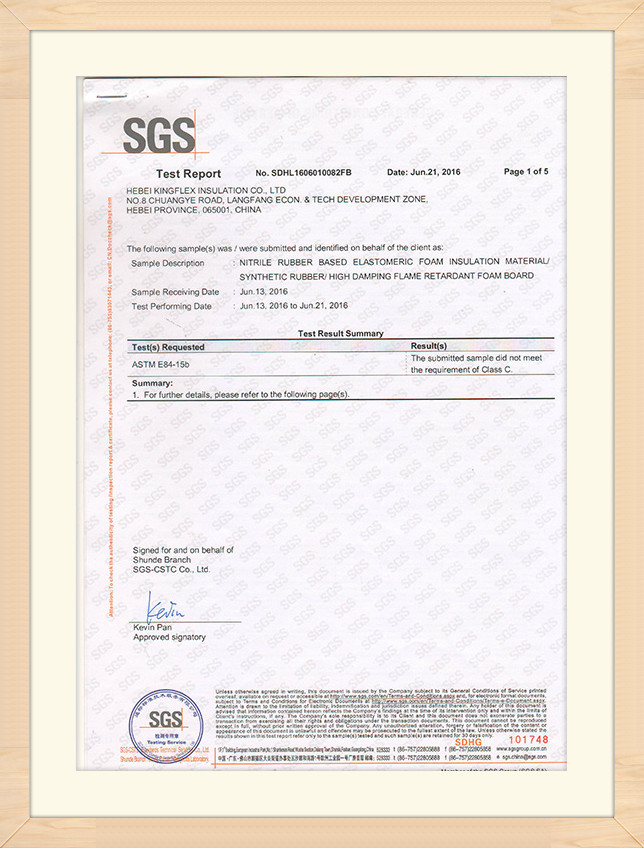
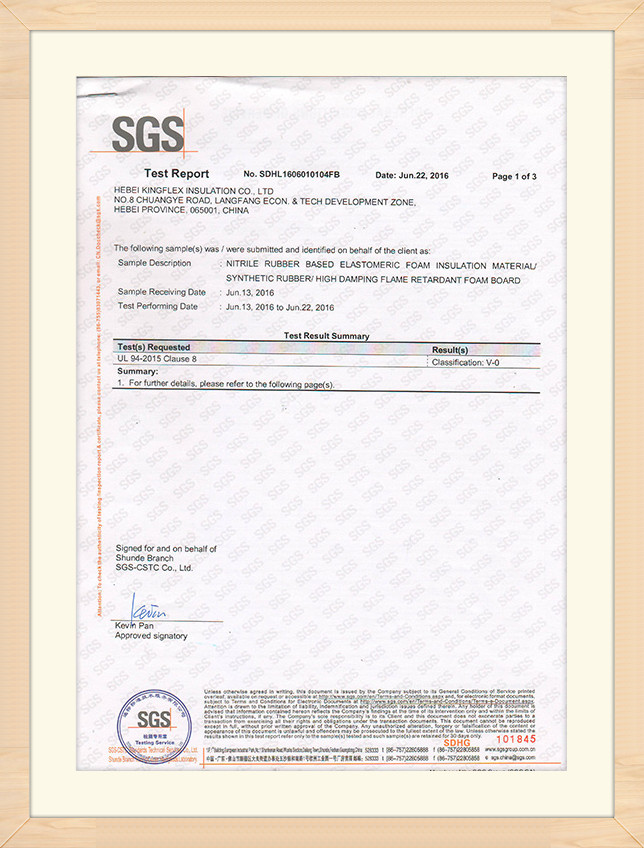
Testing response to flame exposure under UL94, BS 476, and ASTM E84 testing protocols.
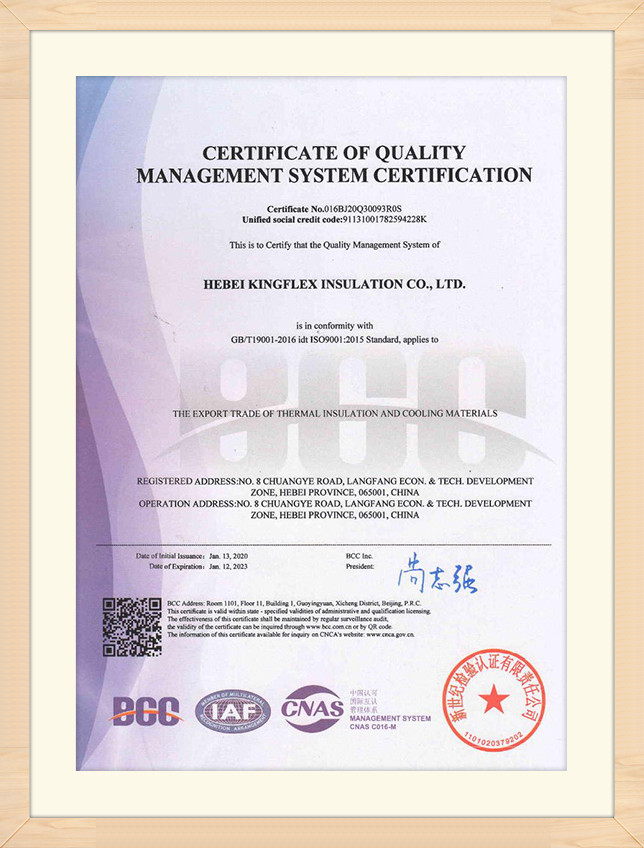
ISO 9001 System
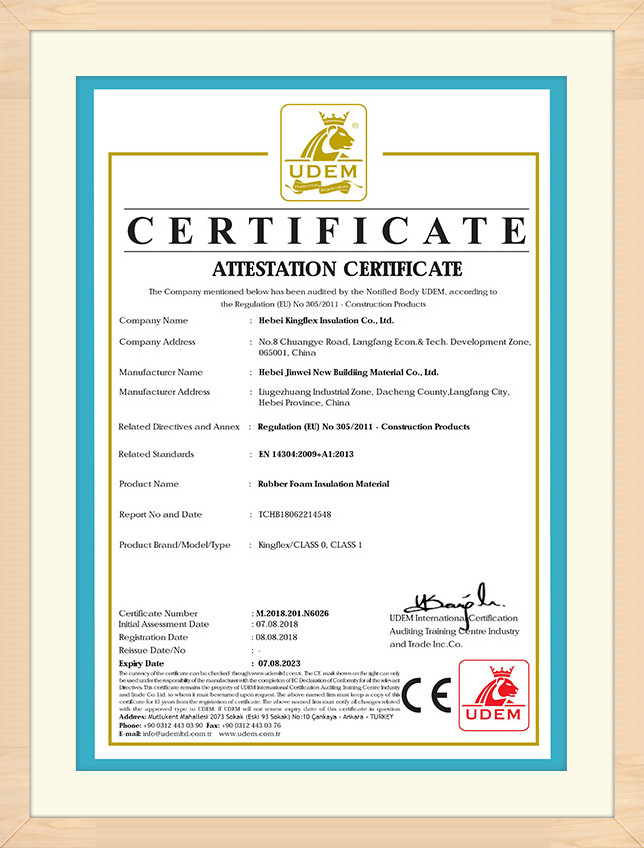
CE Compliance
RoHS & REACH
BS 476 Class 0
Localized Applications & Global Implementations
Proven durability across extreme commercial, chemical, cold chain, and civil infrastructure zones.
HVAC & Clean Rooms
Chilled water networks and VRF setups in hospitals, laboratories, and modern data centers require zero particulate shedding and low VOC emissions. Closed-cell elastomers prevent moisture absorption while protecting indoor air quality.
Industrial Petrochemical
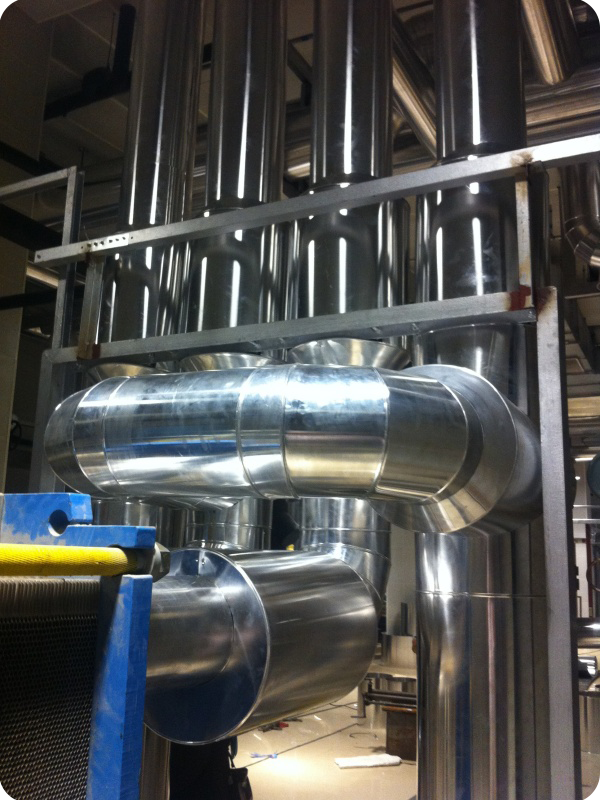
Heavy chemical processing lines require robust thermal performance under aggressive conditions. NBR/PVC compounds resist weak acids, oils, and chemical washdowns, preventing premature corrosion under insulation (CUI).
Cryogenics & Ultra-Low Temp
For extreme low-temperature applications like LNG transport, cold chain facilities, and marine engineering, Kingflex engineered cryogenic elastomers maintain elasticity and stop critical heat gain in temperatures down to -200°C.
Key Project Applications:
Central HVAC Systems: Condensate drain lines and refrigerant vapor lines.
Industrial Piping: Heat tracing and process fluid piping in petrochemical plants.
Commercial Facilities: Large hotels, administrative hubs, and stadiums.
Public Transportation: Acoustic and thermal insulation inside passenger train cars.
Solar Hot Water Systems: High-temperature outdoor piping exposed to UV radiation.
Technology Roadmap: The Future of Elastomer Engineering
Driving standard compliance through material science, sustainability, and next-generation additives.
Halogen-Free Formulations
Developing high-durability polymers that omit chlorine and bromine, eliminating toxic gas emissions in the event of building fires.
Smart Thermal Jackets
Integrating continuous sensing arrays to monitor moisture ingress and detect insulation faults before condensation compromises piping integrity.
Aerogel-Elastomer Blends
Integrating silica aerogel particles into our rubber foam matrix to achieve ultra-low thermal conductivity (λ ≤ 0.026 W/m·K).
Circular Carbon Footprints
Adopting bio-based plasticizers and recycled elastomeric content to minimize overall lifecycle carbon footprints in green developments.
Comprehensive answers to frequently asked questions from architects, HVAC designers, and procurement managers.
Q1: What are the primary global applications for elastomeric rubber foam insulation?
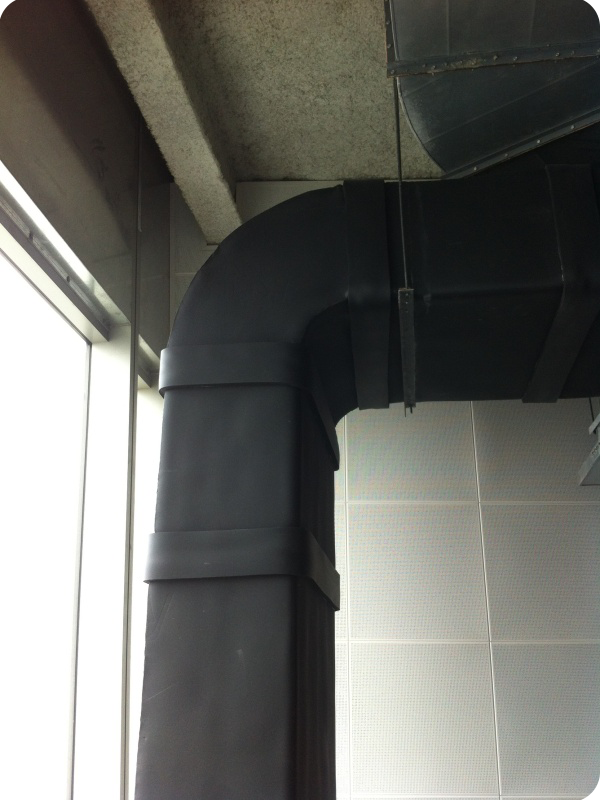
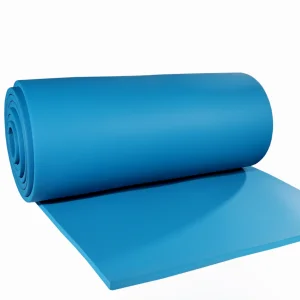
Elastomeric rubber foam is mainly used to insulate HVAC ductwork, VRF refrigerant piping, chilled water lines, industrial process pipelines, and cryogenics. Its closed-cell structure makes it ideal for preventing condensation and restricting heat transfer.
Q2: Is Kingflex rubber foam insulation certified as fire-resistant?
Yes. Kingflex rubber foam insulation is engineered with flame-retardant chemistry. It is tested to meet major global safety guidelines, achieving BS 476 Class 0, UL94 V-0, and ASTM E84 Class A ratings.
Q3: How does rubber foam compare to rock wool insulation?
Rubber foam features a highly flexible, closed-cell structure that resists water vapor penetration without an external barrier, making it ideal for refrigeration and low-temperature applications. Rock wool is open-cell and handles much higher operating temperatures, making it better suited for high-heat steam lines.
Q4: Can Kingflex design and manufacture customized insulation profiles?
Yes. We offer complete OEM services, allowing customers to customize thickness, interior diameters, surface laminations (such as aluminum foil or UV jackets), and density profiles to match unique engineering specifications.
Q5: Which regulatory certifications do your products carry?
Our products hold several certifications, including BS 476, CE, REACH, RoHS, UL94, and ASTM. This guarantees our materials meet safety, environmental, and performance standards across worldwide markets.
Q6: How does Kingflex ensure product batch traceability?
We use a rigorous raw material logging and batch coding system. Each production run is assigned a unique identifier, allowing us to trace manufacturing conditions, quality control results, and raw material inputs.
Q7: What is the maximum thickness you can manufacture for sheet rolls?
We manufacture elastomeric foam sheets in thicknesses ranging from 6 mm up to 50 mm. This wide range meets a variety of commercial HVAC and industrial piping insulation requirements.
Q8: What is the typical service life of your rubber-plastic insulation products?
When installed correctly and maintained according to industry standards, our insulation systems typically deliver a service life of 10 to 15 years, even in demanding commercial and industrial environments.
Industrial Grade Thermal Insulation & Panels
Premium specialized panels, sound-absorption rolls, and high-thickness isolation systems.
 Kingflex